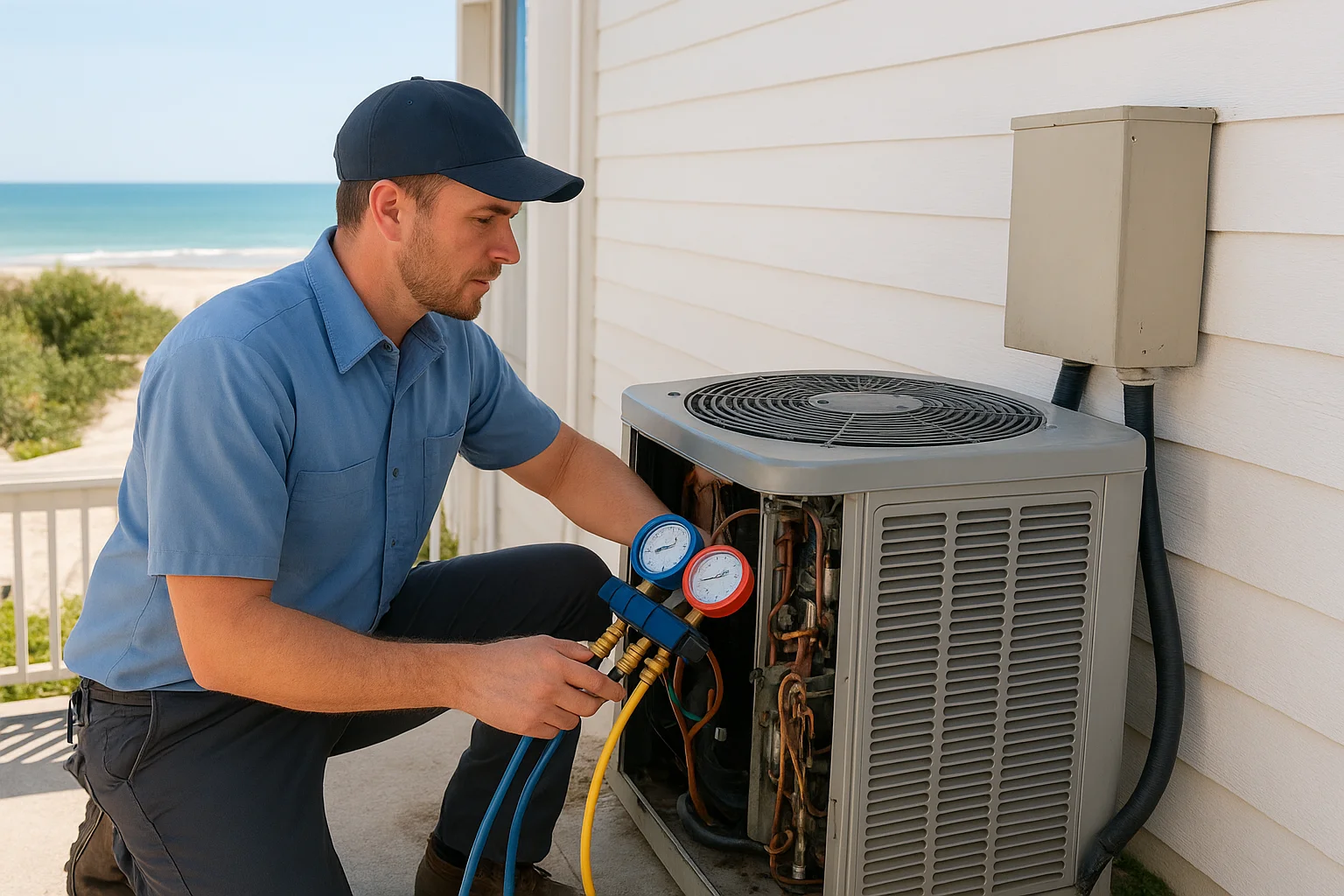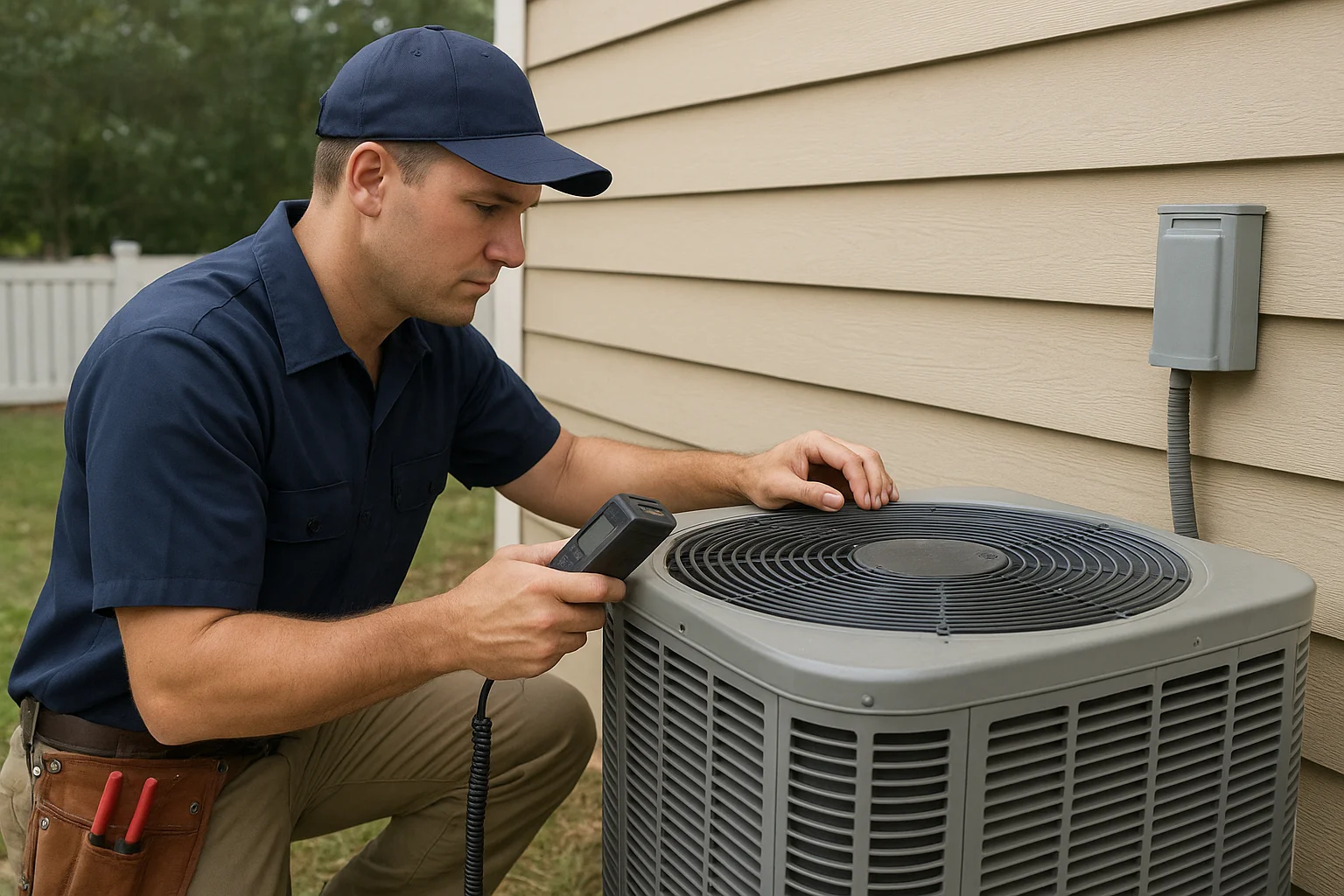
Laguna Beach, FL can feel like a constant test for air conditioners. Summer heat ramps up quickly, humidity lingers, and coastal salt air adds extra wear to metal parts and airflow passages. The good news is homeowners can prevent many common HVAC problems with a few simple habits and smarter maintenance routines. This guide focuses on air conditioning repair in Laguna Beach, FL, so you can spot issues early, support better airflow, and reduce the chance of an emergency cooling problem during the hottest stretches.
If you are searching for air conditioning repair in Laguna Beach, FL, you are not alone. Many breakdowns start long before the thermostat stops responding. The steps below help you catch warning signs, protect system performance, and prepare for professional HVAC maintenance before small problems grow.
Start with how Laguna Beach weather stresses AC systems
To prevent HVAC issues, it helps to understand what your system is dealing with. In Laguna Beach, Bay County, FL, air conditioners must handle:
- High humidity that increases indoor moisture and makes airflow and condensate drainage more important.
- Heat load from long sunny days that can overwhelm undersized or aging equipment.
- Salt air from the coast that can accelerate corrosion on outdoor units and affect fan and coil surfaces.
- Airflow restrictions from landscaping, window coverings, and ductwork that can trap warm air and reduce cooling performance.
When these factors combine with deferred maintenance, homeowners often see symptoms like warm air coming from vents, short cycling, unusual odors, or the system running longer to reach the set temperature. Those are common entry points for air conditioning service needs.
Simple daily habits that support better cooling and airflow
Set thermostats with humidity and comfort in mind
Modern thermostats can help you manage both temperature and comfort, but they can also be a source of confusion. Avoid frequent rapid temperature changes, especially on very hot days. Big swings force the system to cycle hard, which can increase wear on refrigerant systems and indoor components.
Also pay attention to how the home feels, not just what the thermostat says. If the indoor air feels clammy even when the temperature is near target, the issue may involve airflow balance, condensate drainage, or indoor air quality factors that a professional can evaluate during an air conditioning inspection.
Keep supply and return vents clear
Airflow is the foundation of cooling. A blocked register or a return vent covered by furniture, curtains, or rugs can reduce circulation and raise system load. That can lead to higher energy use and poor humidity control. Make it a habit to:
- Check that vents are not blocked by window treatments.
- Confirm return grilles are unobstructed.
- Use ceiling fans appropriately to improve comfort without restricting airflow.
If you have ducts that are difficult to access, you can still support performance by keeping the areas around vents and returns clean and unobstructed.
Use ceiling and whole-home airflow strategically
Many homeowners set the fan to “on” continuously. That can increase air movement, but it may also increase dust circulation depending on filtration and duct conditions. If you notice more dust or stale odors when the fan runs nonstop, consider adjusting settings and scheduling a professional check of filtration and ductwork.
For people looking for smarter maintenance planning, airflow habits are often the easiest place to start. They also make future HVAC repair visits more productive because the system is operating within expected airflow conditions.
Weekly and monthly care that prevents frequent AC repair calls
Replace or clean filters on a realistic schedule
Dirty filters are one of the most common and preventable causes of reduced airflow. When air cannot move through the system easily, the indoor coil can get too cold, the unit can short cycle, and the system may struggle to control humidity. That can also increase strain across the refrigerant system because the unit is forced to run longer.
Use the filter type recommended for your system and replace it on schedule. If you have pets, allergies, or heavy dust from coastal winds, you may need more frequent changes. If you are unsure, ask an HVAC technician during an AC service visit what schedule fits your home.
Watch condensate drainage, especially during humid stretches
Air conditioners remove moisture as they cool. That moisture drains through a condensate drainage system. In Florida humidity, condensate drainage issues can show up quickly. A clogged drain line, algae buildup, or a misaligned drain pan can lead to water problems and can affect system operation.
Homeowners should look for:
- Water pooling around the indoor air handler or near the unit.
- Musty smells that seem tied to AC operation.
- Signs of moisture damage near the equipment area.
If you notice any of these, treat it as an HVAC concern. A licensed HVAC technician can inspect condensate drainage and related components safely.
Keep outdoor units accessible and protected
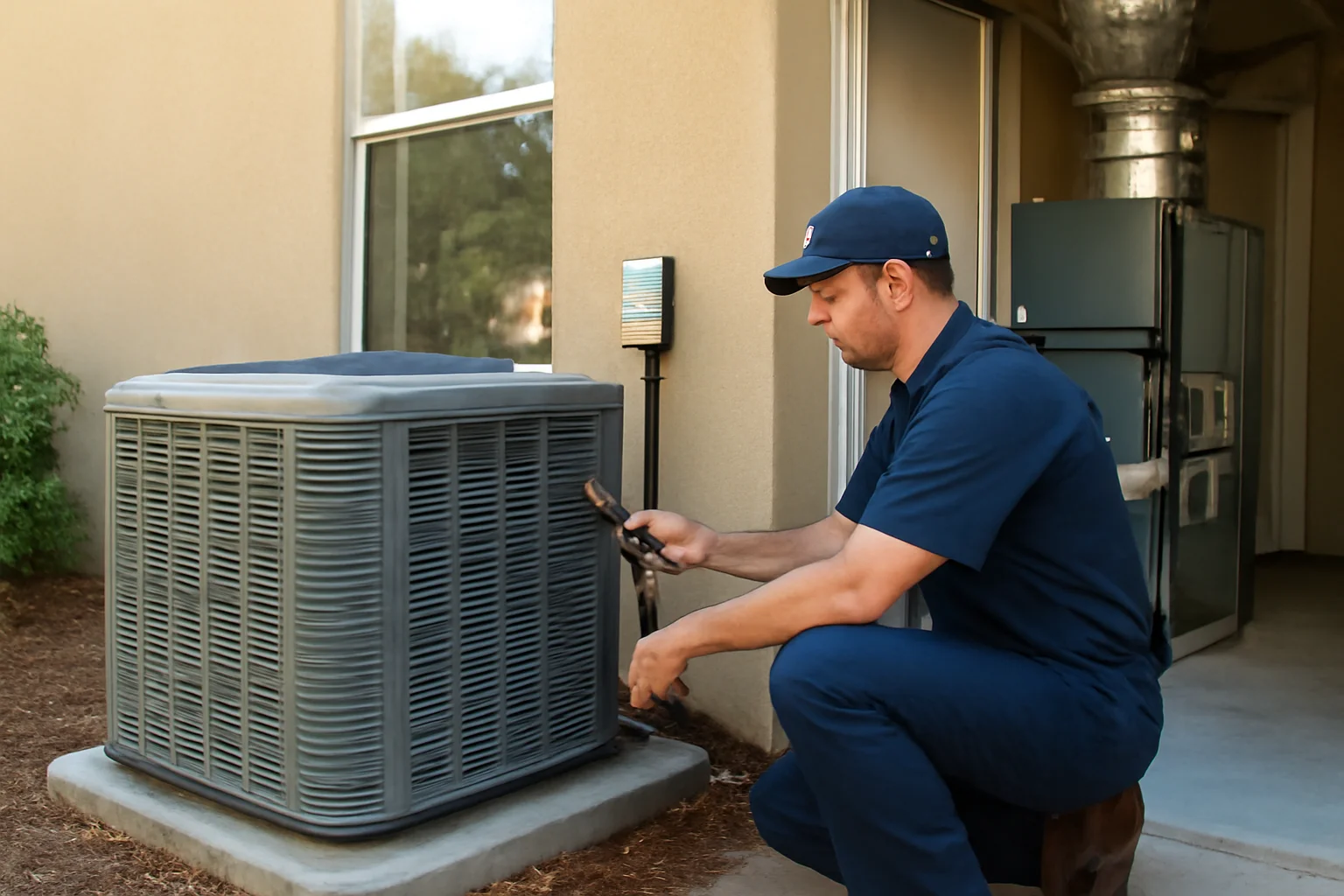
Outdoor units need space for airflow. Coastal landscaping, sand, and fallen leaves can reduce airflow over the coils. Salt air can also increase the need for cleaning and inspection because corrosion can develop over time.
Homeowners can help by:
- Keeping shrubs and debris away from intake and discharge areas.
- Clearing leaves and grass clippings around the unit.
- Rinsing with gentle water if appropriate for your setup, while avoiding aggressive cleaning that can damage fins.
Do not use harsh chemicals or power washing that bends coil fins. If the unit looks heavily corroded or clogged, an air conditioning inspection near me can confirm whether professional coil cleaning and airflow evaluation are needed.
How to recognize early warning signs before a failure
When homeowners wait for total system failure, they often end up with emergency cooling concerns and limited options. Use the following signals as a checklist. Any one of them can point to airflow problems, refrigerant system issues, thermostat behavior, ductwork restrictions, or condensate drainage concerns.
Warm air or weak cooling from vents
If the AC runs but does not cool effectively, common causes include restricted airflow, dirty coils, ductwork problems, or refrigerant system performance issues. A professional can evaluate airflow across the system and check performance based on real readings rather than guesses.
Short cycling or frequent on off behavior
Short cycling can be caused by airflow problems, thermostat issues, or other conditions that affect how the system controls temperature. In humid Florida weather, short cycling can also worsen comfort because the unit may not remove moisture effectively.
Unusual noises or odors when the system starts
Rattling, grinding, or loud buzzing can indicate fan or motor issues. Musty odors can be linked to condensate drainage or indoor coil conditions. Burning smells should be treated seriously and require professional evaluation.
Ice buildup on coils or refrigerant lines
Ice is often linked to airflow restriction or performance problems. If you see ice, do not keep running the system. Turn it off and contact a local HVAC technician to evaluate the cause. A refrigerant diagnosis should only be based on an in-person assessment with proper tools and safety practices.
Rising energy use without comfort improvements
If your home feels similar but your bills increase, the system may be working harder due to airflow restrictions, dirty coils, or ductwork losses. Energy use is a helpful clue, but it is not a diagnostic by itself. Professional HVAC maintenance near me can confirm what is driving the extra runtime.
Why ductwork and indoor air quality often drive repair needs
Many AC problems are not only about the outdoor unit. Ductwork and indoor air quality can strongly influence comfort and system load in Laguna Beach homes.
Leaky or poorly designed ductwork can reduce cooling efficiency
Leaky ducts can allow cooled air to escape before it reaches rooms. Poor duct sizing or restrictions can reduce airflow and make the system run longer. In coastal areas, ductwork can also be affected by humidity and air movement over time.
If you suspect ductwork issues, consider professional duct evaluation. You can also explore options like duct sealing & Aeroseal services or duct replacement when appropriate for your home.
Indoor air quality concerns can overlap with AC performance
Humidity, dust, and coastal air can increase indoor contaminants. When filtration and airflow are not balanced, homeowners may notice:
- More dust settling on surfaces
- Dryness or discomfort that seems tied to AC operation
- Odors that come and go with cooling cycles
Indoor air quality services near me can address filtration strategies, airflow balance, and related system factors. These improvements can also make AC repair visits more effective because the system is operating with cleaner, better-managed air.
Heat pumps and coastal homes: what homeowners should know
Some Laguna Beach properties use heat pumps instead of conventional AC-only systems. Heat pumps still rely on refrigerant systems and airflow to move heat. Humidity and salt air can affect performance and maintenance needs just like traditional AC equipment.
If you are dealing with heat pump repair near me concerns, the same themes apply: airflow, condensate drainage, coil condition, and thermostat operation. A local HVAC technician can confirm what is happening in your specific system during an on-site evaluation.
When a repair is likely the right move versus system replacement
Repair and replacement are both valid paths, but the best choice depends on what is happening in your system right now. Homeowners should avoid making assumptions based on age alone.
A professional evaluation can consider:
- Whether the system can achieve reliable cooling and humidity control
- How airflow and ductwork conditions affect performance
- Whether multiple components show wear
- Whether the overall condition suggests repeated repair likelihood
Only an in-person professional assessment should guide decisions about refrigerant system performance, electrical controls, or whether replacement is appropriate. If you are seeing repeated problems, it can help to ask about a maintenance plan that supports long-term reliability and comfort.
How preventive HVAC maintenance reduces emergency cooling concerns
Preventive maintenance is where you can reduce the odds of a mid-summer breakdown. In Laguna Beach, that often means scheduling before the hottest weeks and keeping up with seasonal checks.
During HVAC maintenance, a licensed HVAC contractor near me can review key items such as airflow, coil and drain conditions, thermostat operation, and system performance indicators. This is also a chance to discuss ductwork and indoor air quality priorities that affect comfort and energy use.
If you want a more structured approach, these guides can help you plan maintenance and reduce surprises: Smart HVAC Planning for Air Conditioning Maintenance in Laguna Beach, FL and Keeping Laguna Beach Properties Reliable with Smarter HVAC Management.
Who to call for air conditioning repair in Laguna Beach, FL
When you need HVAC repair near me or air conditioner service near me, the goal is to find a local HVAC technician who can diagnose the problem based on how your system operates, not just what it resembles. Coastal homes can have unique wear patterns from humidity and salt air, so local experience matters.
Reach out to a professional when you notice:
- Cooling performance drops or airflow feels weak
- Condensate drainage looks problematic
- Repeated short cycling happens
- Ice forms or odors return during cooling
- You need an air conditioning inspection near me before the peak season
For Laguna Beach property owners, A Superior Mechanical provides fast, dependable air conditioning repair with a focus on restoring reliable cooling for homes, vacation rentals, and businesses dealing with heat, humidity, and coastal wear. You can start here: Air Conditioning Repair in Laguna Beach, FL. If you want broader local service context, visit the Laguna Beach service area page or Bay County HVAC services.
Extra considerations for rentals, larger homes, and property managers
Laguna Beach includes many vacation rentals and multi-zone properties. In those situations, small HVAC issues can become bigger quickly because occupancy schedules do not pause for repairs. If you manage properties, consider preventive HVAC maintenance as part of your operations rather than a reaction.
For property managers and owners, you may also want to explore Property Management HVAC Services so maintenance and repairs align with occupancy and reduce downtime. For additional context on complex installations, see Commercial HVAC Installation in Laguna Beach, FL, even if your situation is residential-adjacent.
Answers to common homeowner questions about AC reliability
Homeowners often ask about filters, unusual sounds, ductwork, and whether a thermostat setting can cause cooling problems. The key theme is that symptoms can overlap, so you should avoid guessing. Simple habits can reduce strain, but an on-site evaluation is the safest way to confirm what is actually happening in your refrigerant system, airflow pathways, and condensate drainage setup.
If you are considering duct upgrades or distribution improvements, you can also look into ductless mini-splits where zoning and ductwork limitations make sense. A professional can help determine whether ductless is appropriate for your home layout and comfort goals.
For homeowners searching for AC tune up near me or planning HVAC maintenance near me before the hottest weeks, the best approach is consistent care plus early response to warning signs. That combination helps protect comfort, indoor air quality, and energy use while reducing the chance that a small problem becomes a major repair need.
Find Air Conditioning Repair in Laguna Beach, FL
If you need Air Conditioning Repair in Laguna Beach, FL, visit our local service page or contact A Superior Mechanical today.
Map of Laguna Beach, FL
Frequently Asked Questions
How often should Laguna Beach homeowners schedule air conditioning maintenance?
Most homeowners benefit from preventive HVAC maintenance before peak cooling season and then following a consistent schedule based on how the home is used. A local technician can recommend a plan after reviewing your system and airflow conditions.
Why does my AC run but not cool well in humid coastal weather?
In Laguna Beach conditions, weak cooling can be caused by restricted airflow, dirty coils, ductwork losses, condensate drainage issues, or refrigerant system performance problems. An in-person air conditioning inspection is needed to identify the real cause.
What should I check first when I suspect a problem with my air conditioner?
Start with simple items: confirm vents and return grilles are not blocked, check that the thermostat settings are reasonable, and inspect the filter condition. If cooling is still weak, short cycling happens, or you notice odors or ice, contact a licensed HVAC technician.
Can ductwork issues affect AC repairs?
Yes. Leaks, poor airflow balance, or restricted ductwork can make the system work harder, worsen humidity control, and increase the likelihood of repairs. Professionals can evaluate ducts and recommend options such as duct sealing or duct replacement when appropriate.
Is it safe for me to try to diagnose refrigerant problems myself?
No. Refrigerant system issues require proper tools and safety practices. If you suspect refrigerant-related problems, turn the system off and schedule service so a professional can evaluate the system on site.
Related Articles
- A Practical Look at Air Conditioning Repair for Smarter Maintenance in Laguna Beach, FL
- Smart HVAC Planning for Air Conditioning Maintenance in Laguna Beach, FL
- Commercial HVAC Installation in Laguna Beach, FL: The Issues Local Property Owners Should Not Overlook
- Keeping Laguna Beach Properties Reliable with Smarter HVAC Management
Photo Gallery