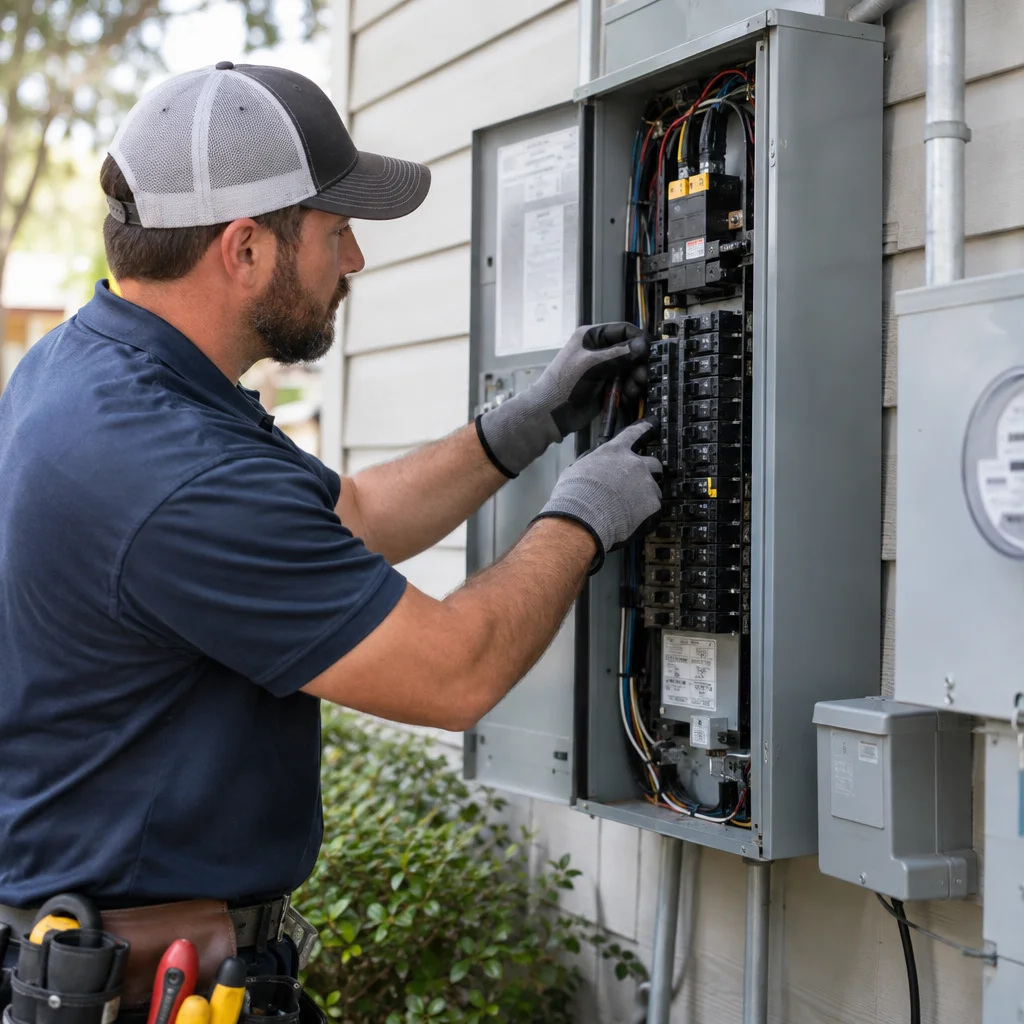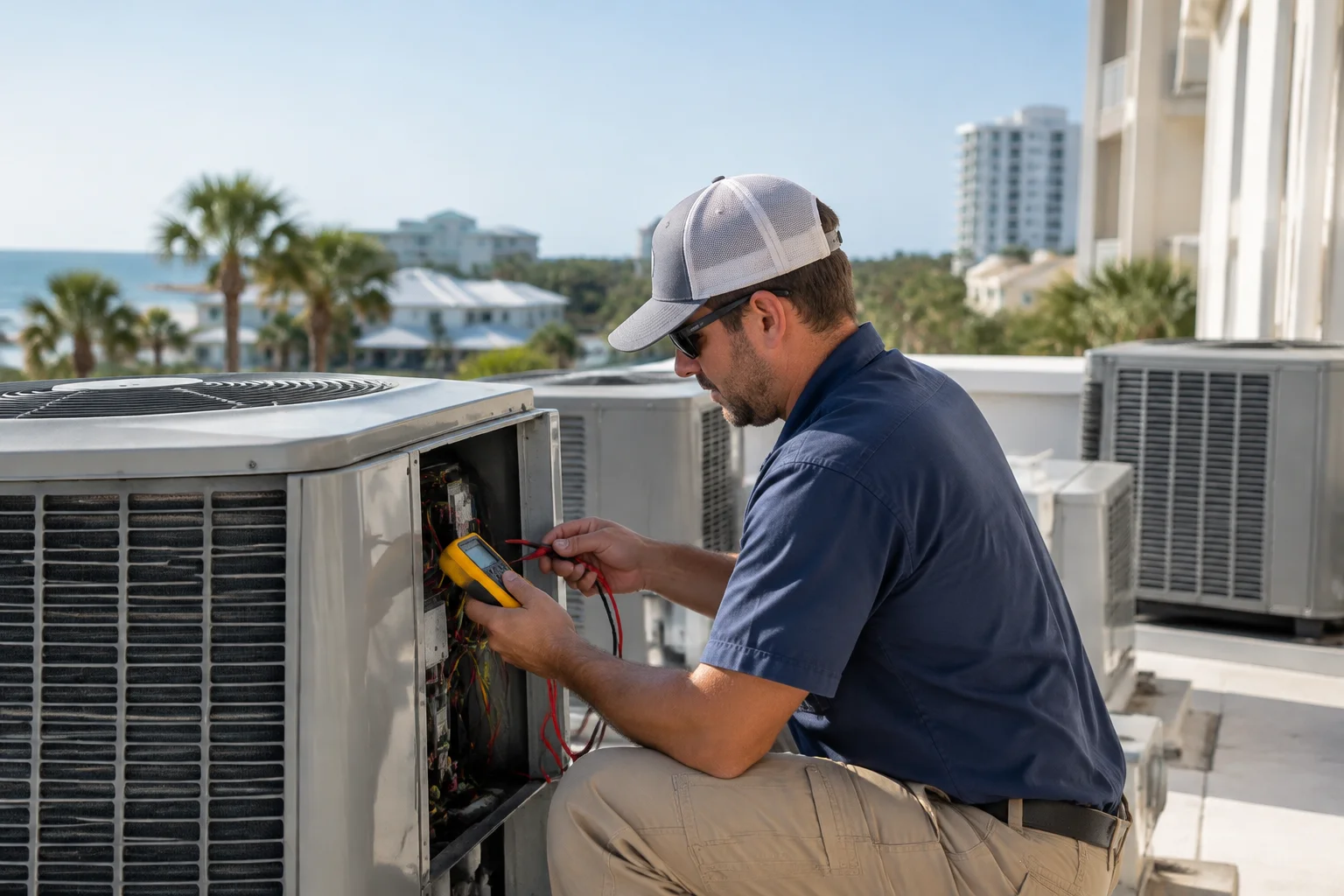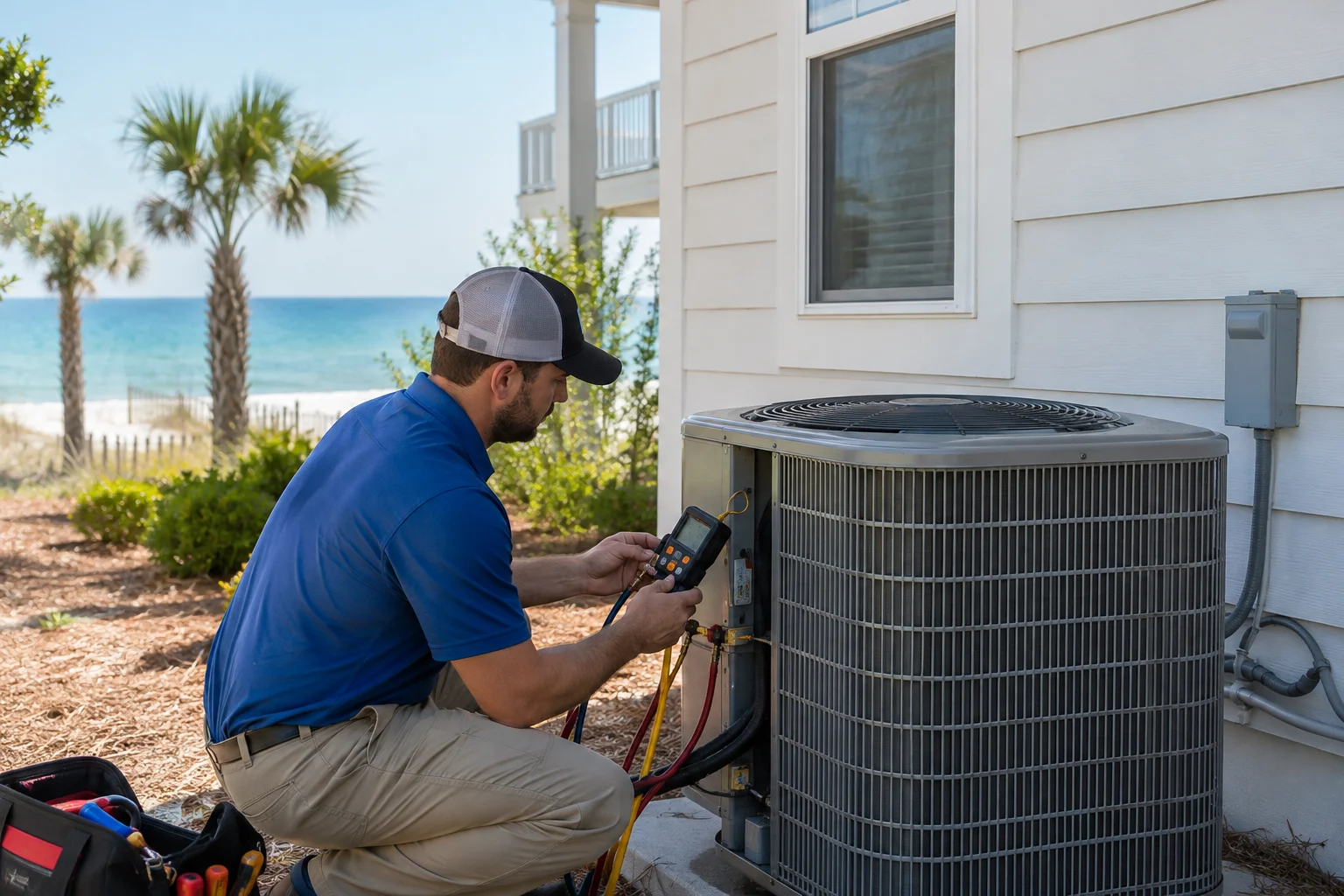
Pretty Bayou homes feel the impact of coastal Florida every day. Heat moves in with the Gulf breeze, humidity hangs around longer than you expect, and salt air can find its way into HVAC components. Your heating control system has to do a lot of work to keep temperatures steady, protect your refrigerant system, and avoid emergency cooling concerns when the weather shifts. The good news is that many heating control problems can be prevented with the right habits, sensible maintenance, and timely professional HVAC service.
Why heating control systems struggle in coastal Bay County conditions
Heating control systems are the brains and communication layer of your HVAC comfort. They coordinate thermostats, indoor comfort settings, and how your heat pump or heating equipment responds to indoor demand. In Pretty Bayou, that coordination has to survive real-world stressors:
- Humidity and moisture: Coastal Florida humidity can affect thermostat performance, indoor sensor readings, and the way air moves through ductwork. It can also contribute to condensate drainage issues that show up as control errors or comfort complaints.
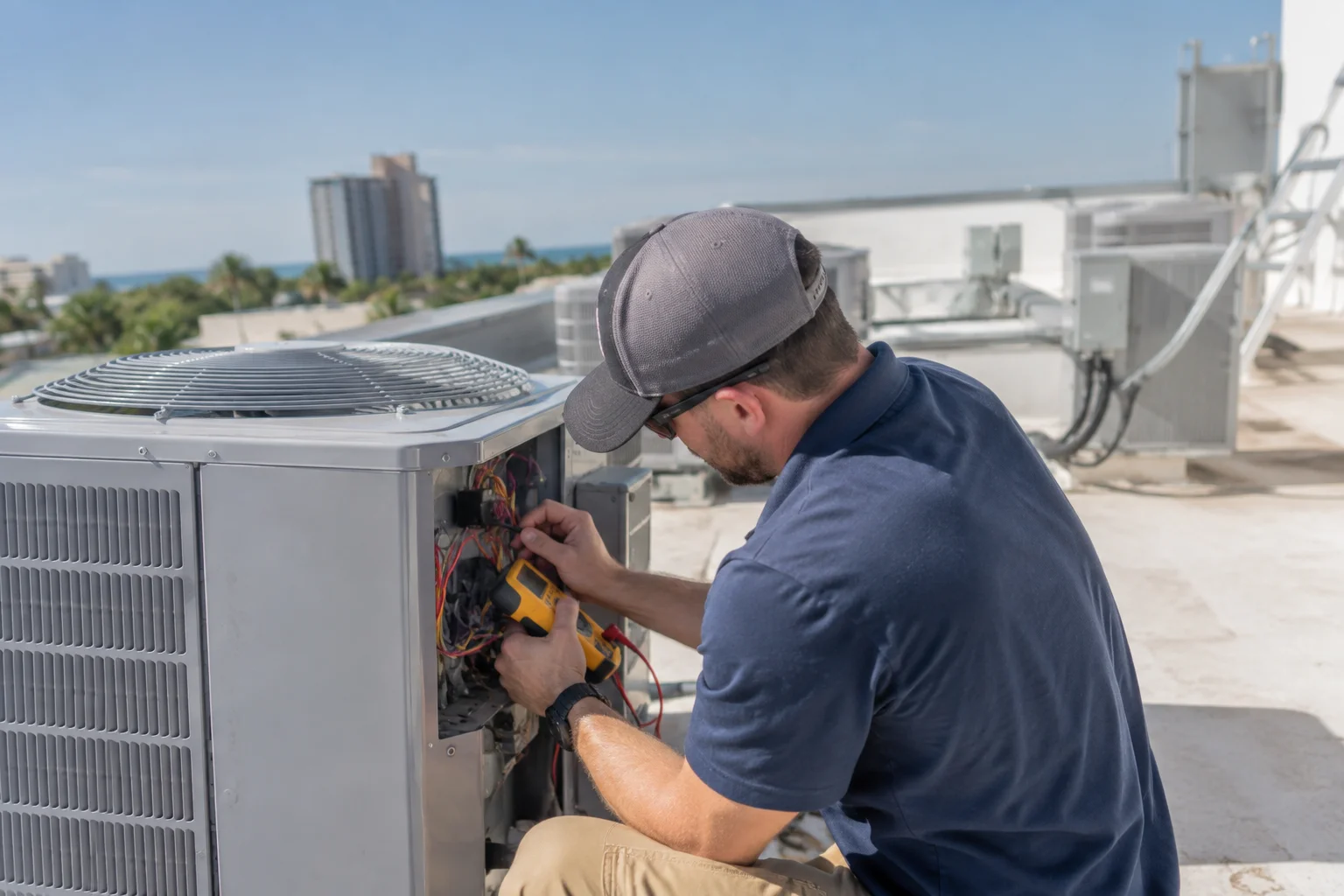
- Salt air exposure: Salt can accelerate corrosion on exposed electrical contacts and parts near outdoor units. Even if the main problem is not “electrical,” corrosion can lead to intermittent control signals that look like thermostat or heating control problems.
- Airflow changes: When filters clog or supply and return vents get blocked, the system may cycle more frequently. That cycling changes temperature swing patterns and can confuse thermostat logic, especially on multi-stage or heat pump systems.
- Energy use pressure: When heating control settings are off, the system may run longer than necessary. That increases wear on refrigerant systems and raises energy use, which can be a big deal during long hot stretches.
If you are searching for HVAC service near me or HVAC repair near me because your home “never feels right,” heating control and airflow issues are often part of the story. The most effective prevention starts with understanding what your system is trying to do and what can interfere with it.
Start with thermostat habits that prevent common heating control problems
Your thermostat is the primary interface between your family and your HVAC system. Small habits can prevent big comfort issues.
Keep settings realistic for coastal humidity
In Pretty Bayou, indoor comfort depends on both temperature and humidity management. If you set aggressive temperature swings, your system may respond more often than needed. That can increase cycling and lead to inconsistent indoor air quality. Try to avoid rapid setpoint changes throughout the day. Consistent settings help your heat pump and control logic stabilize.
Check thermostat location and airflow around the unit
Thermostats that sit near direct sun, drafts from doors, supply vents, or kitchen heat can misread conditions. Misreading often causes the system to overcorrect, which increases energy use and can contribute to refrigerant system strain through frequent starts and stops. A simple prevention step is making sure the thermostat is not exposed to hot or cold air blasts.
Use schedules that match how you actually live
Many homeowners rely on schedules that were set once and never reviewed. When schedules do not match your daily routines, the system runs when it is not needed. That is not only an energy issue; it can also increase the likelihood of control faults showing up during long operating cycles.
Look for firmware or app issues on smart thermostats
If your thermostat uses an app, check that it stays connected and that the correct mode is selected. If the app reports unusual status, delayed updates, or repeated “offline” messages, the control system may not be sending the right commands at the right time. Avoid guessing about what is wrong. A licensed HVAC contractor near me can evaluate the thermostat, communication, and HVAC response together.
Watch for warning signs that heating control is drifting out of sync
Heating control problems do not always look like a broken thermostat. They can show up as comfort symptoms that point to control, airflow, or condensate drainage concerns.
Temperature swings that feel bigger than they should
If rooms run too warm, then too cool, the thermostat may be misreading, the system may be cycling due to airflow resistance, or ductwork may be restricting supply and return paths. Temperature instability is a common reason homeowners call HVAC repair near me, but the fix often involves more than “turning something back on.”
Short cycling or frequent re-starts
Short cycling can be caused by airflow issues, control settings that do not match equipment behavior, or problems in how the heating system responds to demand. When it happens repeatedly, it can increase wear on refrigerant systems and components.
Unusual sounds during heating or transition to cooling
Heat pumps and multi-stage systems may transition between modes based on thermostat demand. If you hear frequent transitions, banging, or odd delays, it may be a control mismatch, sensor issue, or a response problem that should be evaluated on-site.
Condensate drainage concerns that show up indirectly
Condensate drainage is part of how many HVAC systems handle moisture during cooling and humidity control. If drainage is restricted, water can cause operational problems that affect performance and sometimes show up as control-related behavior. If you notice water around an indoor unit, musty odors, or recurring alerts, it is worth having the system inspected before minor issues become larger ones.
Indoor air quality complaints that track with thermostat changes
If your home feels stuffy, smells musty, or your air feels uneven when the thermostat schedule kicks in, the issue may involve airflow, filter condition, ductwork, or humidity control. Indoor air quality services near me can help, but it starts with making sure heating control and airflow are working together.
Prevent airflow and ductwork problems that make heating control harder
Even the best thermostat cannot compensate for poor airflow. In Pretty Bayou, where humidity is a constant factor, airflow problems can show up faster because comfort depends on steady movement of conditioned air.
Change filters on schedule and use the right type
A clogged filter increases resistance, reduces airflow, and can cause the system to run longer. That changes how often the control system calls for heating or cooling and can contribute to uneven temperatures. If you are unsure what filter size or performance level is appropriate for your system, ask a local HVAC contractor to confirm during maintenance.
Check registers and returns for blockages
Furniture, rugs, curtains, and even seasonal storage can block vents. When supply airflow is restricted, rooms can overheat or underheat, and the thermostat may call for more heating than needed. A quick home check can prevent repeated control “chasing.”
Consider duct inspection near me if comfort problems persist
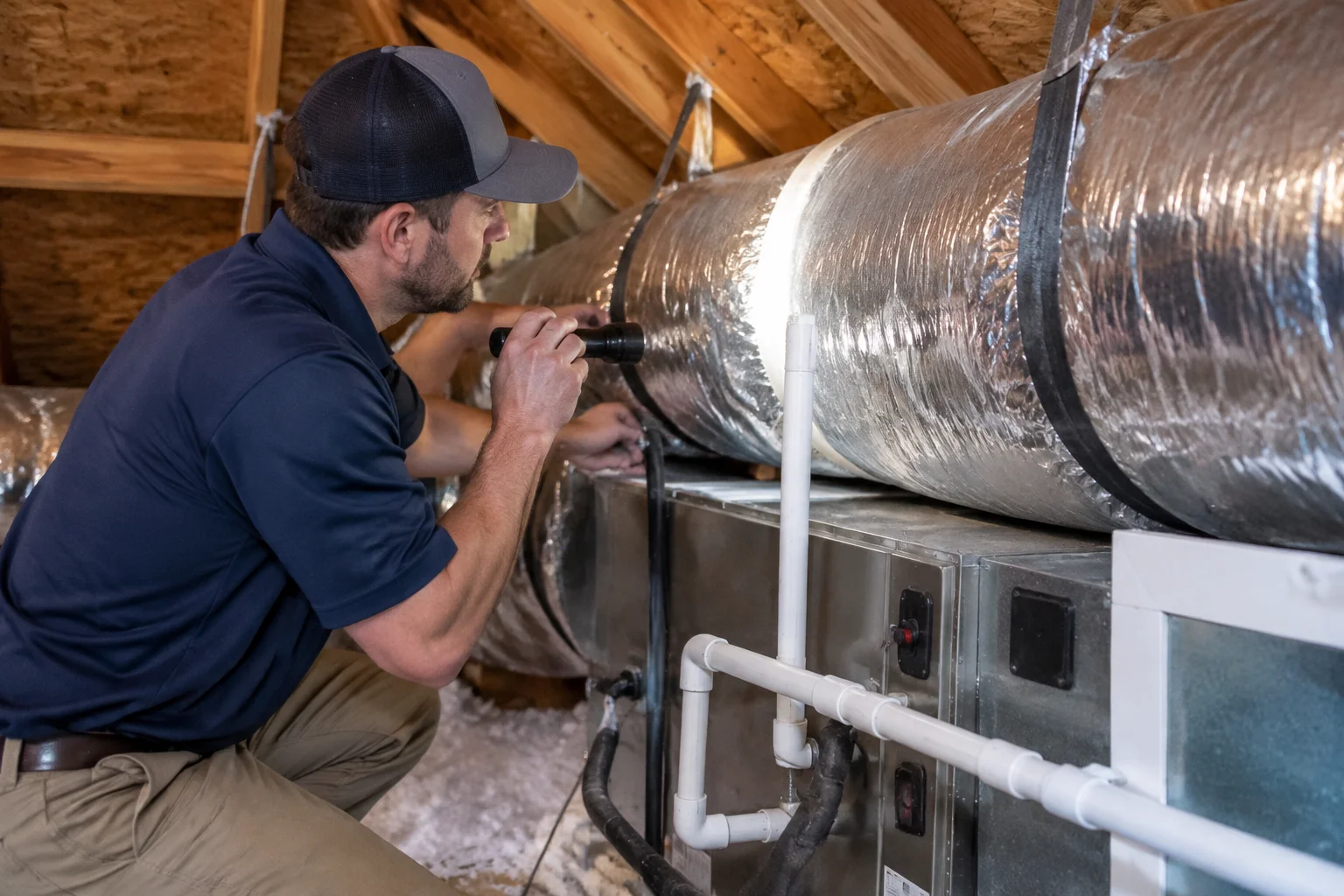
Duct issues can include leaks, poor insulation, imbalanced airflow, or sections that are partially collapsed. These problems can make the heating control system work harder to reach setpoints and can increase energy use. If you suspect ductwork is limiting performance, review guidance on what Pretty Bayou homeowners should know about ductwork services and ask about duct inspection.
If you need duct repair or duct replacement, it is usually better to address airflow problems before you upgrade thermostats or make assumptions about equipment. For ductwork options in your area, you can also explore Ductwork Services and Duct Replacement.
Protect the refrigerant system by reducing unnecessary strain
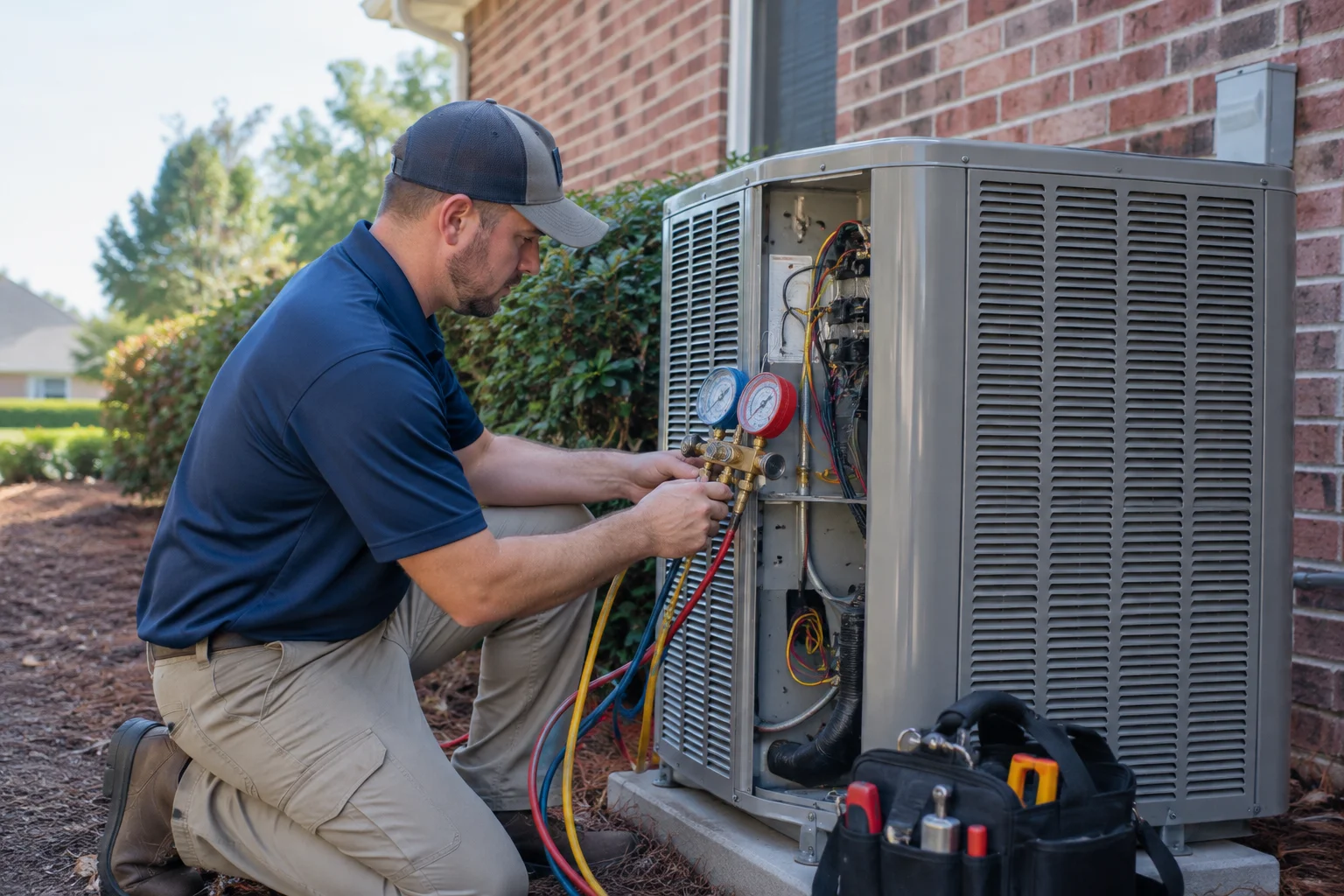
Heating control systems coordinate how your HVAC unit responds to demand, which impacts the refrigerant system indirectly. While homeowners should not attempt refrigerant diagnosis, you can still reduce the conditions that lead to operational strain.
Avoid repeated manual overrides
Constant manual changes can cause the system to chase targets. That can increase cycling and make it harder for the control logic to operate efficiently. If you want to adjust comfort, do it gradually and let the system stabilize.
Keep outdoor airflow clear for heat pump performance
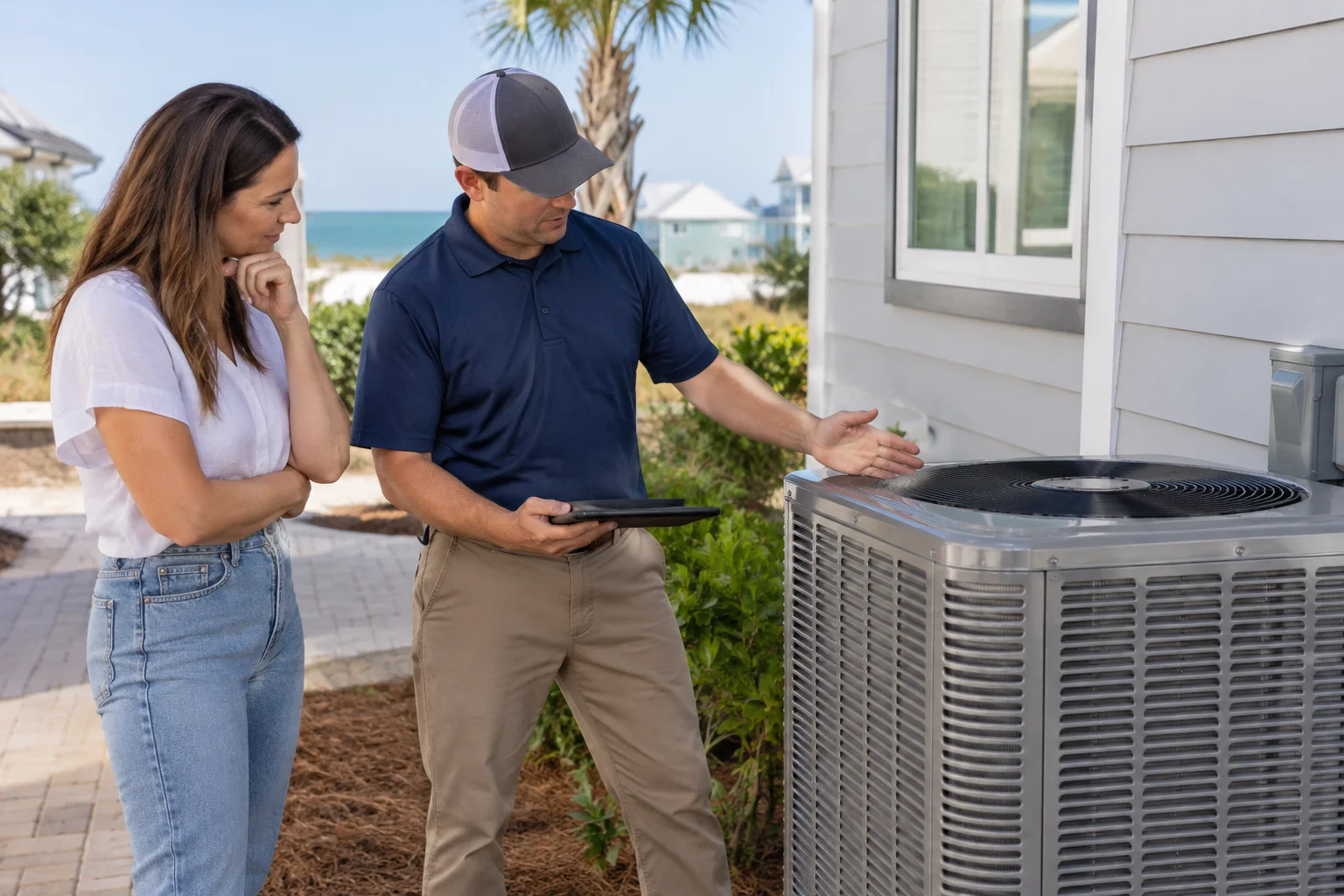
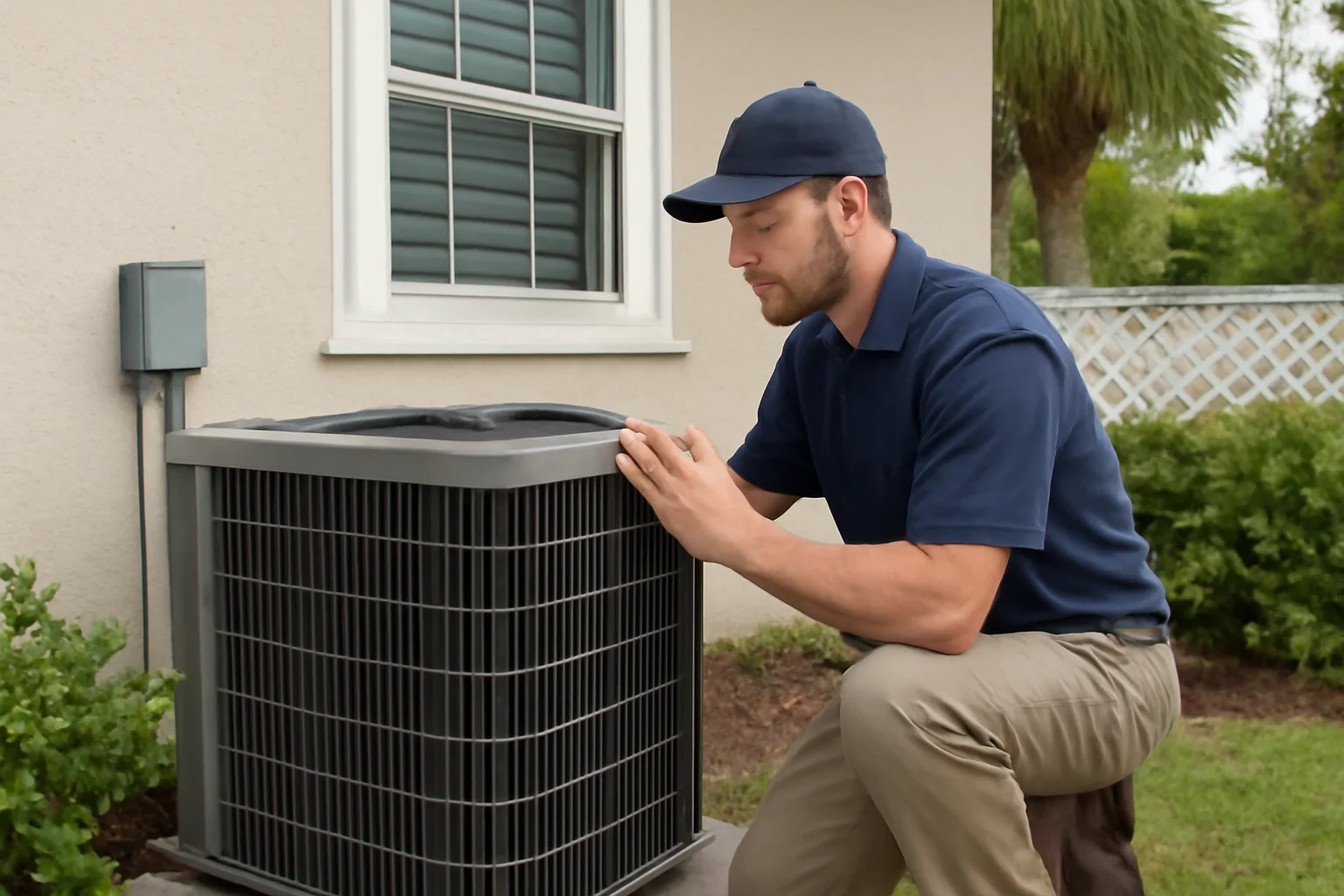
Outdoor units need proper airflow to exchange heat. Coastal yards can bring leaves, debris, and growth that restrict airflow. When airflow is limited, the system has to work harder to maintain heating demand, which can affect how control sequences play out. Schedule seasonal outdoor maintenance with a professional if you are not comfortable doing it yourself.
Address comfort issues early, not after the system “gives up”
When heating control problems are ignored, the system may run longer to compensate. That increases wear and can lead to bigger HVAC repair needs. Early prevention is often the most cost-effective approach because it reduces the chance of a mid-season breakdown.
Scheduling preventive HVAC maintenance for better control performance
Preventive HVAC maintenance is where heating control systems get the support they need. A proper maintenance visit should focus on how the thermostat and system operate together, not just on surface-level checks.
What a strong maintenance visit should cover
During an AC tune up near me or a residential HVAC service visit, ask the technician to review:
- Thermostat operation and calibration: Confirm the thermostat reads indoor conditions correctly and communicates properly.
- Heating and cooling response: Verify the system responds to thermostat demand as expected, including transitions on heat pumps.
- Airflow and filter condition: Ensure airflow is adequate for stable control and comfort.
- Condensate drainage: Check drainage paths so moisture management does not interfere with operation.
- System cleanliness and corrosion control: Coastal air can accelerate wear. Ask about inspecting exposed areas where salt air may contribute to corrosion.
To understand how maintenance affects control stability, read how better HVAC maintenance supports heating control systems in Alys Beach. Even though that article is focused on a nearby area, the climate realities are similar.
Maintenance timing matters in Pretty Bayou
Bay County weather can swing between humid heat and cooler spells. If you only focus on cooling in summer, you may miss early heating control issues that surface during shoulder seasons. A seasonal plan helps you avoid comfort problems as the system transitions between heating and cooling modes.
When heating control problems turn into emergency cooling concerns
Coastal Florida can shift quickly, and when humidity rises, comfort can become urgent. If your system fails to respond to thermostat commands, you notice repeated alerts, or the home cannot maintain safe comfort levels, treat it as an HVAC service priority.
For urgent situations, homeowners often need Emergency HVAC Services. If your heating control system is not controlling the equipment properly during hot weather, prompt attention helps reduce the risk of deeper mechanical problems.
Upgrading heating control systems: what to consider before replacing anything
Some homeowners upgrade thermostats because they want better control, zoning comfort, or smarter scheduling. Upgrades can help, but they are not a substitute for fixing underlying airflow problems or control mismatches.
Match the controls to your HVAC setup
Not every thermostat is a perfect fit for every heat pump system, multi-stage setup, or zoning configuration. If you install a new thermostat without confirming compatibility and communication, you can create new control problems. A local HVAC company near me can verify what your system supports.
Consider comfort goals that matter in coastal humidity
Many homeowners in Pretty Bayou want steadier temperatures, better humidity comfort, and fewer temperature swings. The right heating control setup can support those goals, especially when it works with indoor airflow and ductwork.
Learn from modern home setups
If you are curious how newer construction approaches heating control, see how modern homes in Pretty Bayou get more from heating control systems. It can help you think through how controls, airflow, and comfort work together.
How to choose professional help for heating control system troubleshooting
Heating control problems can overlap with airflow, thermostat placement, condensate drainage, and refrigerant system performance. That is why professional evaluation matters. A licensed HVAC contractor near me should inspect the system in person rather than relying on remote guesses or app troubleshooting alone.
What to ask during an HVAC repair visit
- How is the thermostat reading indoor conditions, and is it placed correctly?
- Is airflow adequate across supply and return paths?
- Could condensate drainage or moisture be affecting system operation?
- Are control sequences behaving normally for heating and cooling transitions?
- What preventive HVAC maintenance steps will reduce repeat issues?
Choose a contractor who explains the likely causes and connects the dots between heating control behavior and the rest of your HVAC system. For homeowners considering larger comfort upgrades, you can also review options for heating control systems in Pretty Bayou or explore broader service coverage on the Pretty Bayou service area page and Bay County.
Quick homeowner checklist to prevent heating control issues
Use this simple routine to reduce the chance of heating control problems turning into HVAC repair needs:
- Verify thermostat settings and mode: Confirm you are using the correct heating or cooling mode and that schedules match your routine.
- Keep vents clear: Make sure supply registers and returns are not blocked by furniture, curtains, or storage.
- Replace filters on schedule: Check monthly during peak seasons and follow the recommended replacement interval.
- Watch for control symptoms: Temperature swings, short cycling, or unusual transitions are signals to investigate.
- Monitor moisture signs: Look for water around indoor units, musty odors, or recurring alerts that could relate to condensate drainage.
- Schedule preventive HVAC maintenance: Seasonal checkups help your heating control system stay stable through coastal humidity and airflow changes.
If you are dealing with inconsistent comfort, humidity discomfort, or a system that seems to ignore thermostat commands, A Superior Mechanical can help homeowners in Pretty Bayou protect heating control performance and overall HVAC reliability. For related comfort planning, you may also find it useful to read A Pretty Bayou Homeowner’s Guide to Air Conditioning Systems That Handle Coastal Florida.
Find Heating Control Systems in Pretty Bayou, FL
If you need Heating Control Systems in Pretty Bayou, FL, visit our local service page or contact A Superior Mechanical today.
Map of Pretty Bayou, FL
Frequently Asked Questions
How can humidity in Pretty Bayou affect heating control systems?
Humidity can influence how indoor sensors and thermostats read conditions, and it can also increase moisture load on the system. If airflow is restricted or condensate drainage is not working well, the HVAC may cycle differently and comfort can become inconsistent.
Why does my thermostat show the right temperature but the home still feels uncomfortable?
That mismatch often points to airflow problems, ductwork imbalance, thermostat placement in direct sun or drafts, or schedule settings that do not match how the home is actually used. A technician can inspect airflow paths and confirm thermostat communication in person.
Can salt air cause heating control issues?
Salt air can contribute to corrosion on outdoor and exposed components, which may lead to intermittent signals or performance changes. Even when the thermostat seems fine, corrosion-related wear can affect how the HVAC system responds to heating demand.
What are early warning signs that I need HVAC service for heating control problems?
Look for temperature swings that are larger than normal, frequent short cycling, repeated mode transitions, unusual delays when the thermostat calls for heating, or comfort issues that track with thermostat schedule changes.
Should I replace the thermostat if heating control seems off?
Not automatically. A new thermostat can help when it is compatible and properly configured, but heating control symptoms can also come from airflow, ductwork, condensate drainage, or system response issues. An in-person evaluation is the safest next step.
Related Articles
Photo Gallery