In Seaside, FL, hot water is more than a convenience. It supports everyday routines like showers after beach days, laundry for sandy towels, and dishwashing for busy households. When a water heater starts to struggle, the symptoms often show up as lukewarm water, strange noises, or slow recovery after showers. Professional plumbing service improves water heater maintenance by addressing the parts homeowners can miss, the issues that build quietly over time, and the plumbing connections that affect performance throughout your home.
If you are searching for a water heater maintenance service in Seaside, the goal is simple: keep your system efficient, reduce the risk of leaks, and protect the surrounding drains, pipes, and fixtures that depend on stable water pressure.
Why water heater maintenance matters more in Seaside homes
Local conditions can be tough on plumbing. Along the Emerald Coast, many homes see higher humidity and salt air exposure, and many areas of Walton County also experience hard water. Hard water leaves mineral scale inside tankless units and water heater tanks, and it can clog small passages that are critical for proper heating and flow.
When scale builds up, the heater has to work harder to reach the set temperature. That increases wear on the system and can lead to:
- Lower hot water output and slower recovery
- Higher energy use and higher utility bills
- More frequent temperature swings at faucets and showers
- Water pressure changes that can stress fixtures and valves
- Greater risk of leaks at connections and fittings
Professional maintenance also considers how water heater performance affects the rest of your plumbing. Your home’s supply lines, shutoff valves, drain piping, and nearby fixtures all play a role in keeping hot water consistent. A licensed plumber will look beyond the heater itself because maintenance is not only about heating. It is about keeping the entire plumbing system stable.
What a professional maintenance visit typically includes
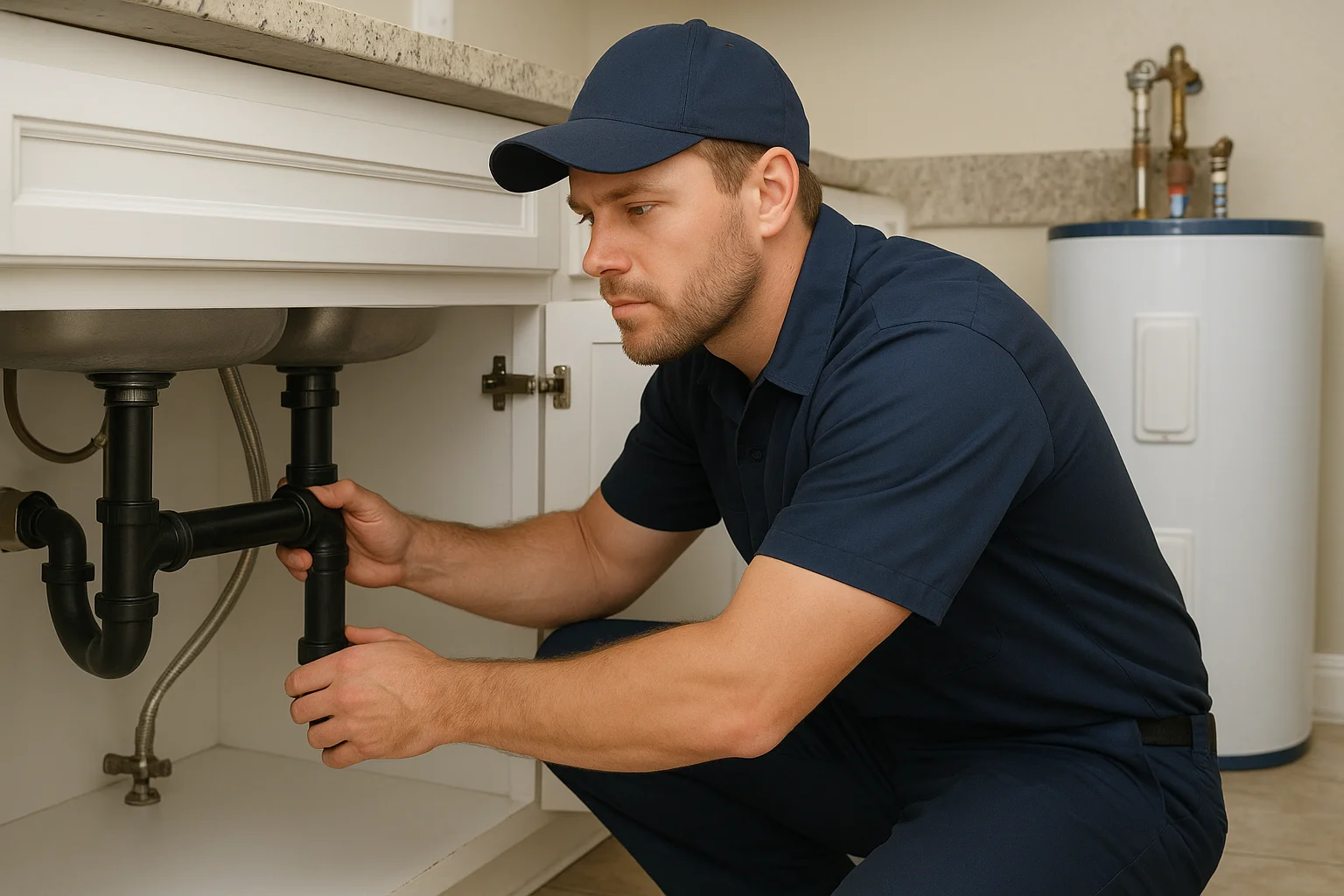
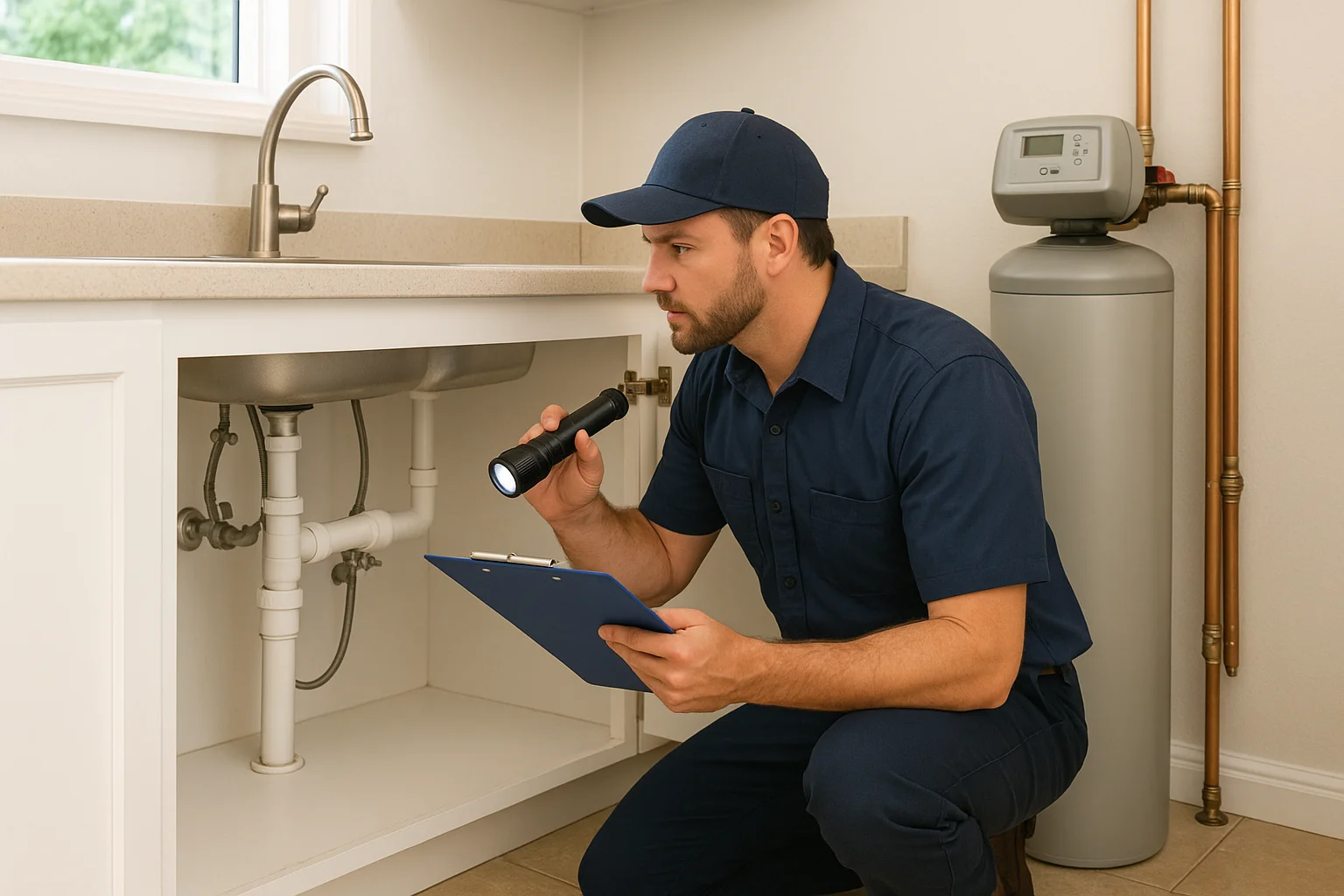
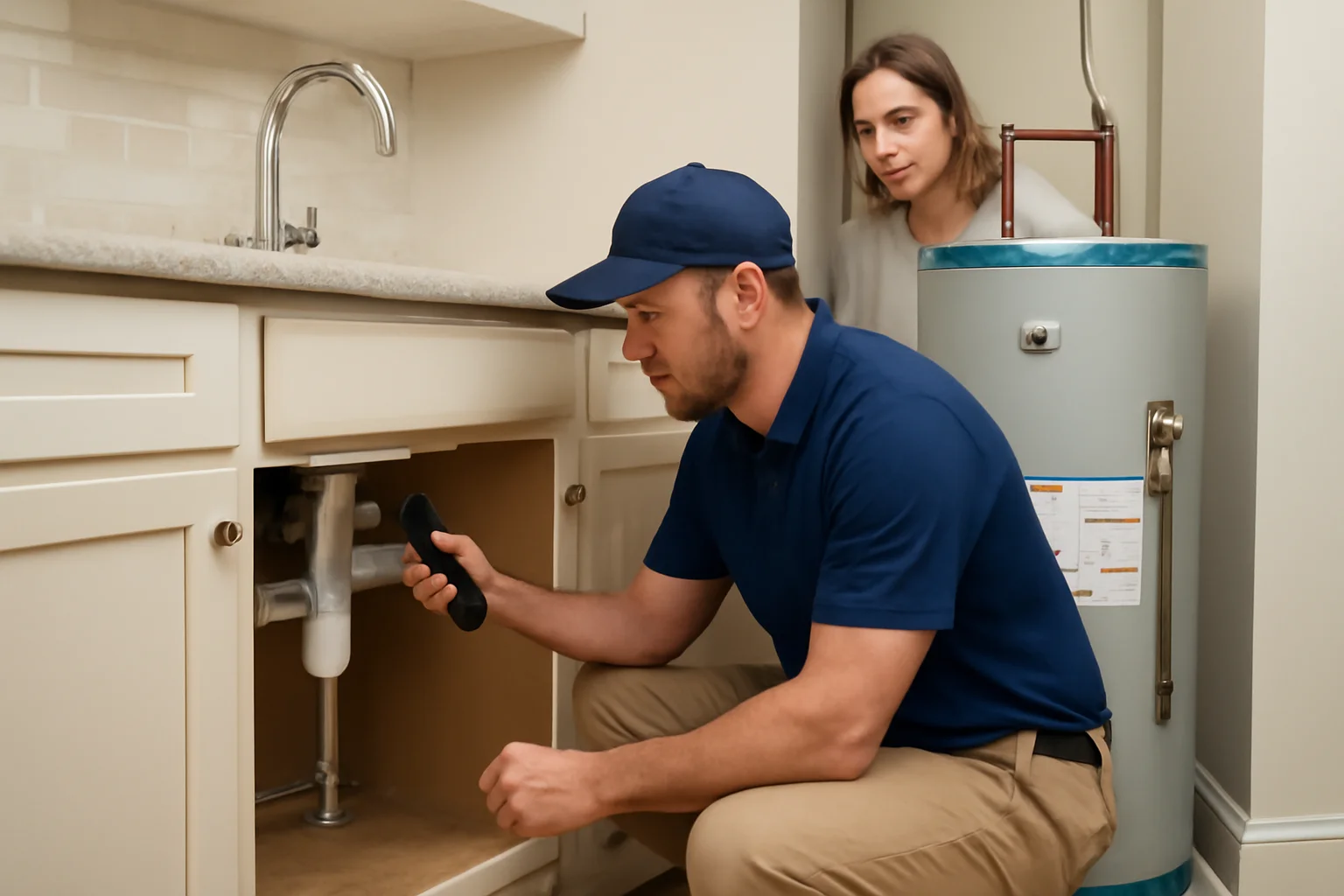
Homeowners often handle simple tasks like checking the thermostat or noticing changes in hot water temperature. But water heater maintenance is more effective when a plumber performs a full inspection and service of key components. For Seaside properties, that usually means evaluating the heater, the plumbing connections, and the drainage pathways that keep the system safe.
1) Testing safety controls and pressure relief performance
Many water heaters include a pressure relief valve and safety discharge components. If these parts become stuck, corroded, or partially blocked, the heater may not protect itself correctly. A plumber checks for proper operation and verifies that discharge lines are correctly routed and not restricted.
This is especially important in homes where pipes and fittings may be older or where renovations have changed access to the heater room. Maintenance helps prevent emergency plumbing concerns like unexpected venting, dripping at the valve, or water accumulation near the unit.
2) Flushing to reduce sediment and scale
Tank water heaters commonly collect sediment at the bottom of the tank. Over time, that sediment reduces heat transfer and can contribute to overheating, noisy operation, and premature failure. A professional flush removes accumulated buildup so the burner or heating process can work efficiently.
For tankless water heaters, scale can build inside the heat exchanger. That can lead to reduced flow, inconsistent hot water, or the need for tankless water heater repair near me sooner than expected. Maintenance typically includes descaling and verifying flow and temperature performance.
3) Inspecting the anode rod and corrosion risk
In many tank systems, the anode rod helps protect the tank from corrosion. When the rod is depleted, the tank can become vulnerable to internal corrosion. A plumber checks the condition of the anode rod and recommends replacement when needed to extend tank life and reduce the chance of leaks.
4) Checking connections for leaks and water damage
Leaky fittings can start small and stay hidden behind the heater, in crawl spaces, or near utility closets. In Seaside homes, where water heaters may be located in areas exposed to humidity, corrosion can accelerate. A maintenance visit includes checking:
- Hot and cold inlet connections
- Gas or electrical connections where applicable
- Drain valve condition
- Pipe joints and shutoff valves
- Discharge piping from the relief valve
Catching a slow leak early is one of the biggest ways professional plumbing improves maintenance. A slow drip can still lead to water damage, mold risk, and problems that spread into the surrounding plumbing network.
5) Verifying water pressure and flow around the heater
Water pressure affects how both tank and tankless heaters perform. If your pressure is too high or too low, you may see inconsistent hot water and stress on valves and fixtures. A plumber will consider your home’s pressure behavior and check for issues that can also show up as slow drains, dripping faucets, or recurring fixture problems.
If you have been dealing with frequent plumbing repair requests like plumbing fixture replacement or repeat faucet repairs, it can be a sign that the system needs a closer look, including the water heater and its supply lines.
How maintenance protects drains, sewer lines, and the rest of your plumbing
Water heater maintenance is not isolated to the unit. It connects to the plumbing ecosystem in your home. When a heater drains incorrectly, when a discharge line is blocked, or when sediment clogs nearby piping, it can create problems that look unrelated at first.
Drain lines and discharge piping
During maintenance and normal operation, parts of the system rely on proper drainage. If discharge piping from the pressure relief valve is improperly installed, blocked, or routed in a way that traps water, you can run into pooling water and corrosion around the heater. Keeping those lines clear reduces risk and supports safe operation.
Additionally, when maintenance includes flushing, it is important that the drain route is functioning properly. If you have a history of slow drain issues, a plumber may also inspect the drain pathway to prevent a small maintenance problem from becoming a bigger plumbing repair.
When sediment affects nearby plumbing
Sediment from a tank can sometimes migrate through the plumbing system, especially if the system has older plumbing or if there are existing restrictions. That sediment can contribute to clogged fixtures, reduced flow at showers, and issues that may eventually require clogged pipes and drain services.
Homeowners who notice new toilet running, inconsistent shower flow, or recurring drain clogs often benefit from a home plumbing inspection near me that includes the water heater and the supply lines leading to fixtures.
Sewer line concerns and emergency plumbing timing
Water heater issues do not always cause sewer problems, but they can coincide with them. For example, a household may experience emergency plumbing concerns after a heavy rain, during peak beach season usage, or when multiple fixtures are used back to back. If you are also dealing with slow drains or toilet backups, the issue may involve sewer lines.
Professional plumbers can help you determine whether the problem is local to the water heater, related to drain cleaning, or connected to sewer repair and maintenance. If you are searching for sewer line repair near me, it is worth choosing a service that can evaluate the full drainage system rather than treating symptoms only.
Hard water, scale, and water heater performance in Walton County
Hard water is a common theme for many homeowners along the coast. Mineral content can lead to scale buildup inside tanks and tankless units. That scale reduces efficiency and can contribute to:
- Hot water that takes longer to arrive at the tap
- Higher operating temperatures to compensate for reduced heat transfer
- Rumbling or popping noises from sediment in tank heaters
- Reduced performance in tankless units, especially when multiple fixtures run
Maintenance helps manage these effects before they create a bigger repair. If you want to understand how water quality connects to everyday plumbing performance, read Cleaner Water, Clearer Living in Seaside: How Better Treatment Helps With Spots, Scale, Taste, and Odor.
Signs your water heater needs professional maintenance soon
Some issues are obvious, but many start as small changes. Here are practical signs Seaside homeowners can watch for, along with what they can mean for water heater maintenance and plumbing repair.
Hot water runs out faster than usual
This can signal sediment buildup, failing heating elements, or scale in a tankless unit. When hot water capacity drops, it often leads to longer shower times, more laundry cycles, and additional load on the system.
Water is lukewarm or temperature fluctuates
Temperature instability can be caused by thermostat issues, scaling, or flow problems. It can also reflect changes in water pressure. A professional plumber can evaluate the heater settings and the plumbing conditions affecting performance.
Strange sounds like popping, rumbling, or knocking
Tank heaters often make noise when sediment heats and moves. Tankless units can also sound different when scale restricts flow. These noises are not something to ignore, especially in homes where the heater is near living spaces.
Visible corrosion, wet spots, or drips around the unit
A small leak can become a larger one. If you notice dampness near the drain pan, fittings, or discharge line, it is time for service. Leaks can also lead to corrosion that affects other pipes and valves.
Frequent drain clogs or slow drain repair needs
When sediment and buildup show up across the home, the water heater may be part of the cause. If you are dealing with a slow drain repair near me search that never seems to end, consider having the heater and related plumbing inspected.
Maintenance schedules that fit Seaside living
How often you should schedule maintenance depends on your heater type, your household water use, and your water quality. Homes with higher hot water demand, such as rentals, larger families, and households with multiple bathrooms, often benefit from more frequent checkups.
Tank systems typically need periodic flushing to manage sediment. Tankless systems benefit from regular descaling and flow checks to reduce scale buildup. A licensed plumber can recommend a schedule based on your specific setup and usage patterns.
If you are considering upgrades, the maintenance conversation should include the bigger picture. For help comparing options that fit local needs, see Smarter Water Heater Maintenance Choices for Seaside Homes.
Why choosing a licensed plumber matters in emergencies and repairs
Water heater problems can escalate quickly, especially in the middle of peak use. A failure can leave you without reliable hot water, and leaks can create urgent damage concerns. Choosing a licensed plumber near me helps ensure the work is done correctly the first time and that safety steps are followed.
Professional maintenance also reduces the chance of repeated calls. For example, if a heater is producing inconsistent hot water and the real cause is scaling, a quick fix at a faucet will not solve the root problem. The same goes for drain and leak repair. A plumber who understands how heaters connect to supply lines, vents, and drains can address the full system, not just the symptom.
In Seaside and Walton County, where homes range from older coastal builds to newer construction, plumbing systems can vary widely. A local team that serves the area understands common installation styles, typical access points, and the plumbing challenges that show up in coastal properties. You can also explore more local service coverage on the Seaside service area page and Walton County service area.
When to call A Superior Mechanical for water heater service
If your priority is steady hot water and fewer plumbing surprises, scheduling maintenance before problems start is the best move. Call for service when you notice changes in hot water output, unusual sounds, or any hint of leaks. It is also a good idea to schedule maintenance if your home has hard water, if multiple fixtures run frequently, or if the heater is older and you want a clear plan for prevention.
For homeowners searching for plumbing repair near me due to hot water issues, a maintenance-focused approach can often prevent larger failures. And if you are dealing with an urgent situation like a suspected leak, broken components, or a heater that stops producing hot water, you may need emergency plumbing support and fast diagnosis.
If the system is nearing the end of its life, a plumber can also discuss whether repair or replacement makes the most sense. Many homeowners looking for water heater replacement near me find that a professional inspection clarifies costs, timelines, and options for tank and tankless systems.
You can review the specific service details here: Water Heater Maintenance in Seaside, FL.
Preventive steps homeowners can take between visits
Professional service does the heavy lifting, but homeowners can support maintenance and reduce risk with a few simple habits.
- Check for moisture around the heater room, drain pan, and nearby pipes.
- Note changes in hot water recovery after showers and laundry.
- Listen for new noises like popping or rumbling.
- Pay attention to drain performance, especially if you see slow drains or repeated clogs.
- Confirm shutoff valves work so you can respond quickly if you ever have a leak.
If you suspect a more serious structural issue, like a slab leak, treat it as urgent. While slab leaks are not the usual cause of water heater issues, water pooling, damp flooring, or persistent moisture can indicate plumbing leaks somewhere in the supply lines. In those cases, a plumbing inspection helps identify the source and prevent damage from spreading.
How maintenance supports better fixture performance and comfort
When your water heater performs properly, your plumbing fixtures work as they should. That includes consistent shower temperatures, reliable hot water to sinks, and fewer interruptions when multiple bathrooms are in use. Maintenance also helps avoid knock-on issues like:
- Toilet repair needs triggered by inconsistent water flow
- Faucet repair issues due to pressure changes and valve stress
- Garbage disposal repair needs when supply flow is inconsistent
- More frequent drain cleaning when sediment affects fixture flow
For homeowners also dealing with fixture wear and performance, consider reviewing Plumbing Fixture Replacement so your entire system stays reliable, not just the water heater.
And if you want a broader look at protecting plumbing lines that feed your home, see Keeping Seaside Homes Running Smoothly with Better Waterline Care.
Tank vs. tankless: maintenance differences Seaside homeowners should know
Seaside households often choose between traditional tank water heaters and tankless systems. Both can provide excellent hot water, but maintenance priorities differ.
Tank water heaters
Maintenance often focuses on flushing sediment, checking the anode rod, and inspecting the pressure relief valve and connections. Sediment buildup is a common cause of reduced efficiency and noise.
Tankless water heaters
Maintenance often focuses on descaling, checking flow rates, and verifying safe operation. Hard water scale can restrict flow through the heat exchanger and cause performance drops. Tankless systems may also require attention to venting and intake components as part of overall service, but the key maintenance goal remains preventing mineral buildup that affects heating and flow.
If you have a tankless unit and you are searching for tankless water heater repair near me because hot water is inconsistent, scheduling maintenance first can sometimes restore performance without waiting for a breakdown.
Choosing the right plumbing partner for Seaside maintenance
Professional water heater maintenance is part inspection, part prevention, and part plumbing system care. A Superior Mechanical supports Seaside property owners by focusing on the details that keep hot water dependable: sediment and scale management, safe pressure control, leak detection, and plumbing performance checks that protect drains, pipes, and fixtures.
For local homeowners and businesses in Walton County, that means fewer surprises and better long-term performance from both tank and tankless systems. If you are ready to schedule service, start with the water heater maintenance page for Seaside and explore the Seaside service area for broader options.
Find Water Heater Maintenance in Seaside, FL
If you need Water Heater Maintenance in Seaside, FL, visit our local service page or contact A Superior Mechanical today.
Map of Seaside, FL
Frequently Asked Questions
How often should Seaside homeowners schedule water heater maintenance?
Most homes benefit from periodic service based on heater type, age, and water quality. Tank systems typically need regular flushing to manage sediment, while tankless systems often require descaling to address hard water scale. A Superior Mechanical can recommend a schedule after inspecting your unit.
Can hard water in Walton County affect both tank and tankless water heaters?
Yes. Hard water can leave mineral scale inside tanks and especially inside tankless heat exchangers. Over time, scale reduces efficiency, lowers hot water output, and can lead to problems that may require water heater service or tankless water heater repair.
What does a professional maintenance visit do that I cannot do myself?
A licensed plumber checks safety controls, inspects connections for leaks, verifies pressure and flow behavior, and performs flushing or descaling correctly. This also helps protect nearby drains, pipes, and fixtures that can be affected by sediment or restricted discharge lines.
What are early signs of a water heater problem that could turn into an emergency?
Look for lukewarm or fluctuating hot water, rumbling or popping noises, visible corrosion, dampness around the unit, or recurring drain and fixture issues that point to sediment or flow problems. Catching these early reduces the chance of urgent plumbing concerns like leaks and sudden loss of hot water.
Related Articles
Photo Gallery