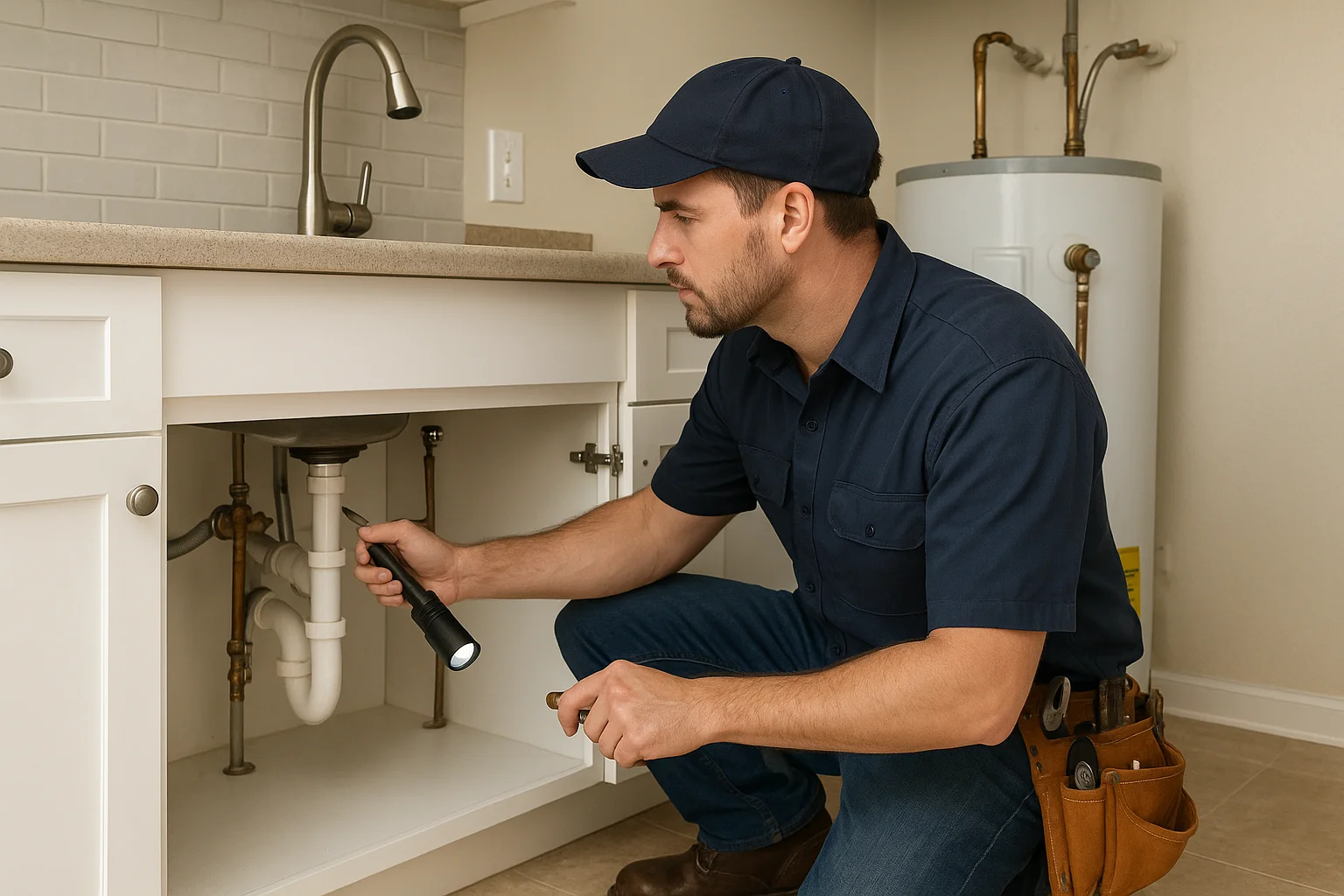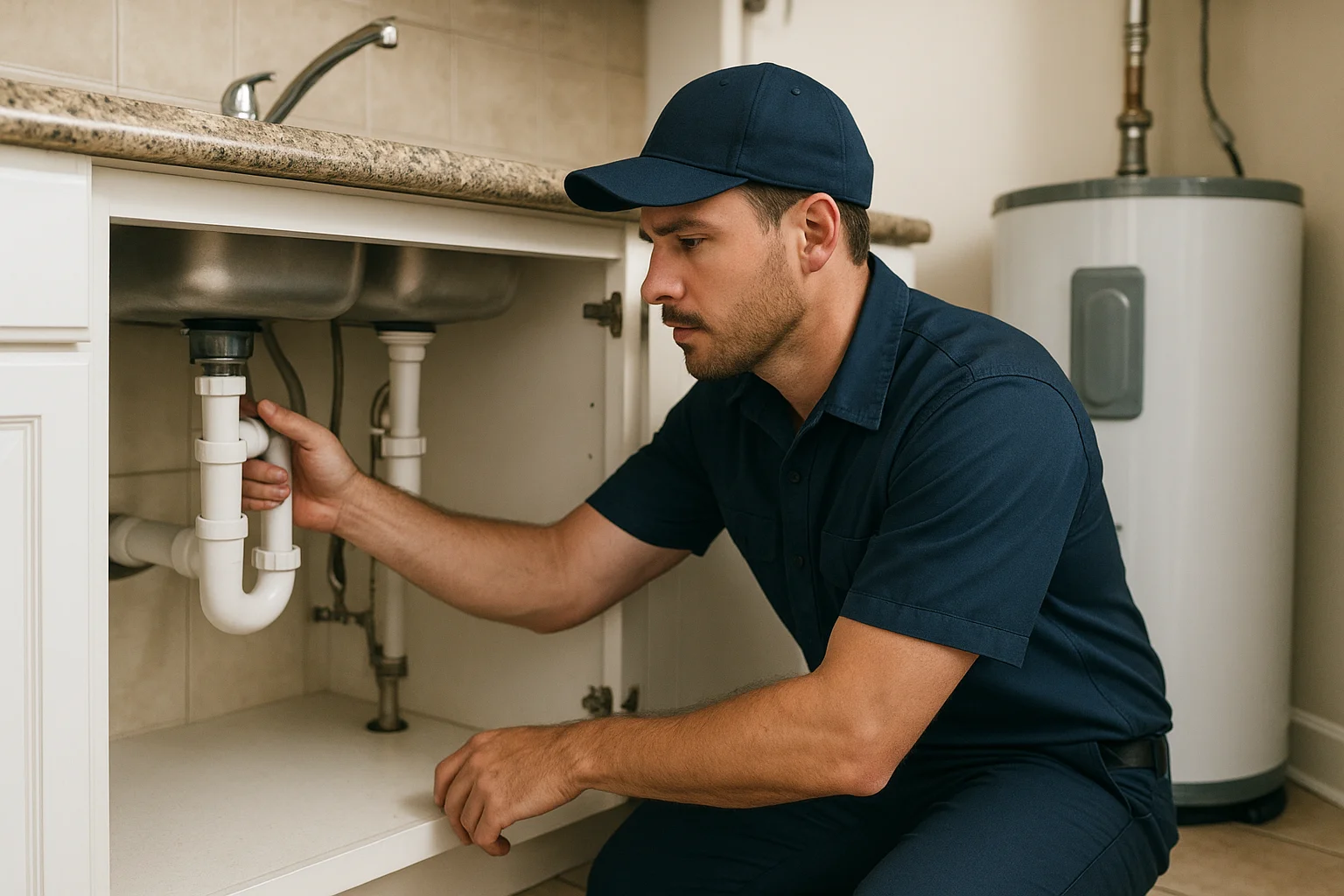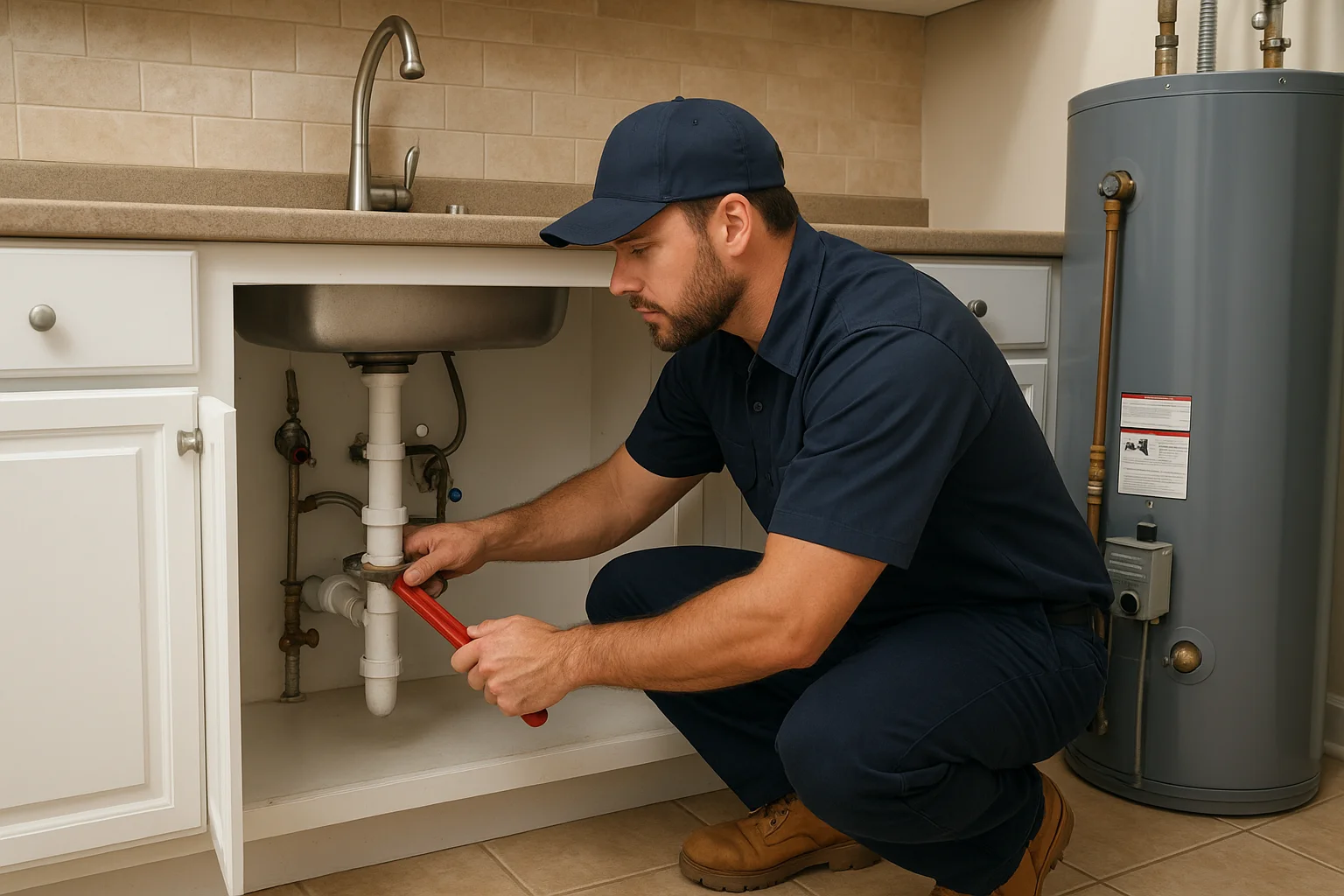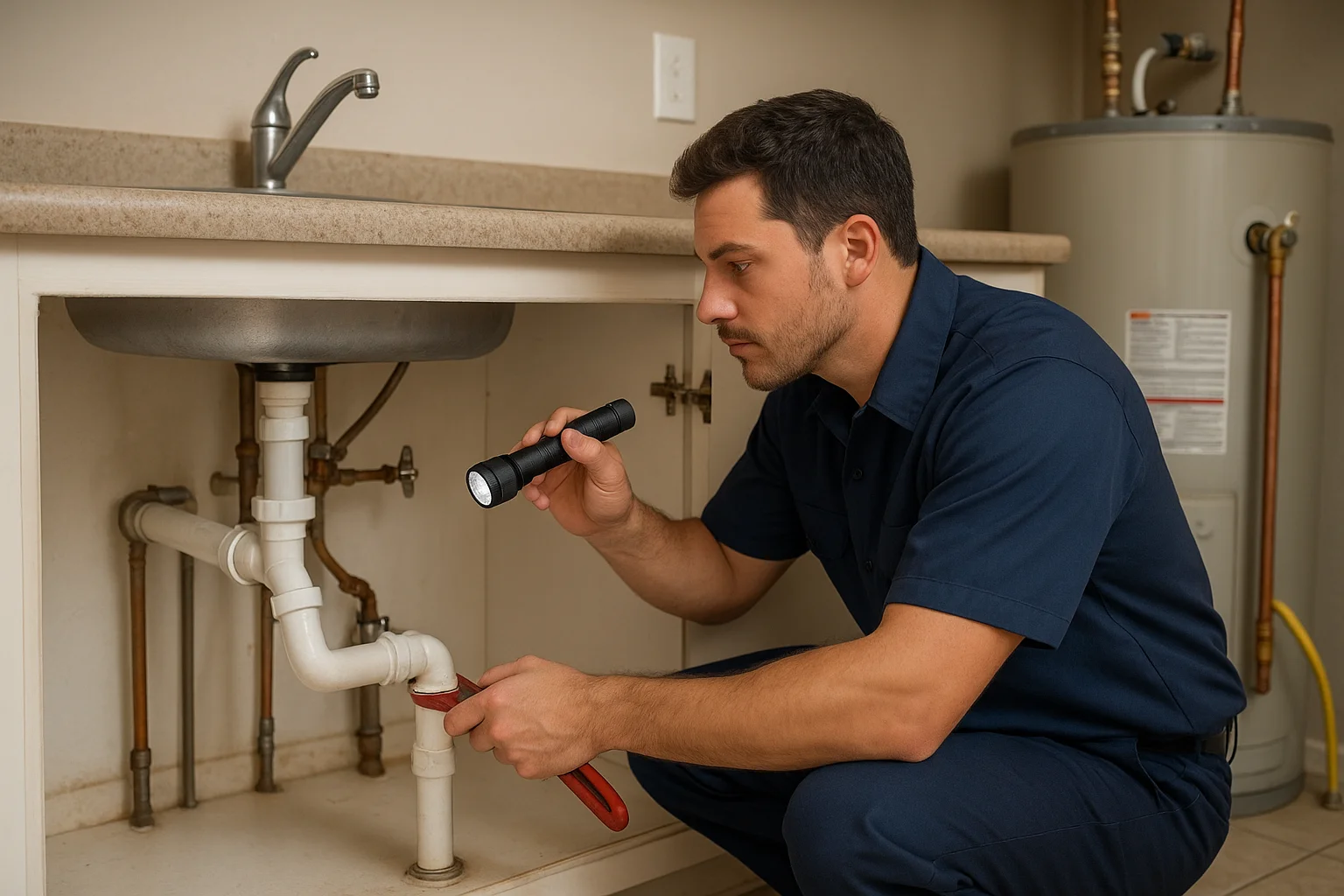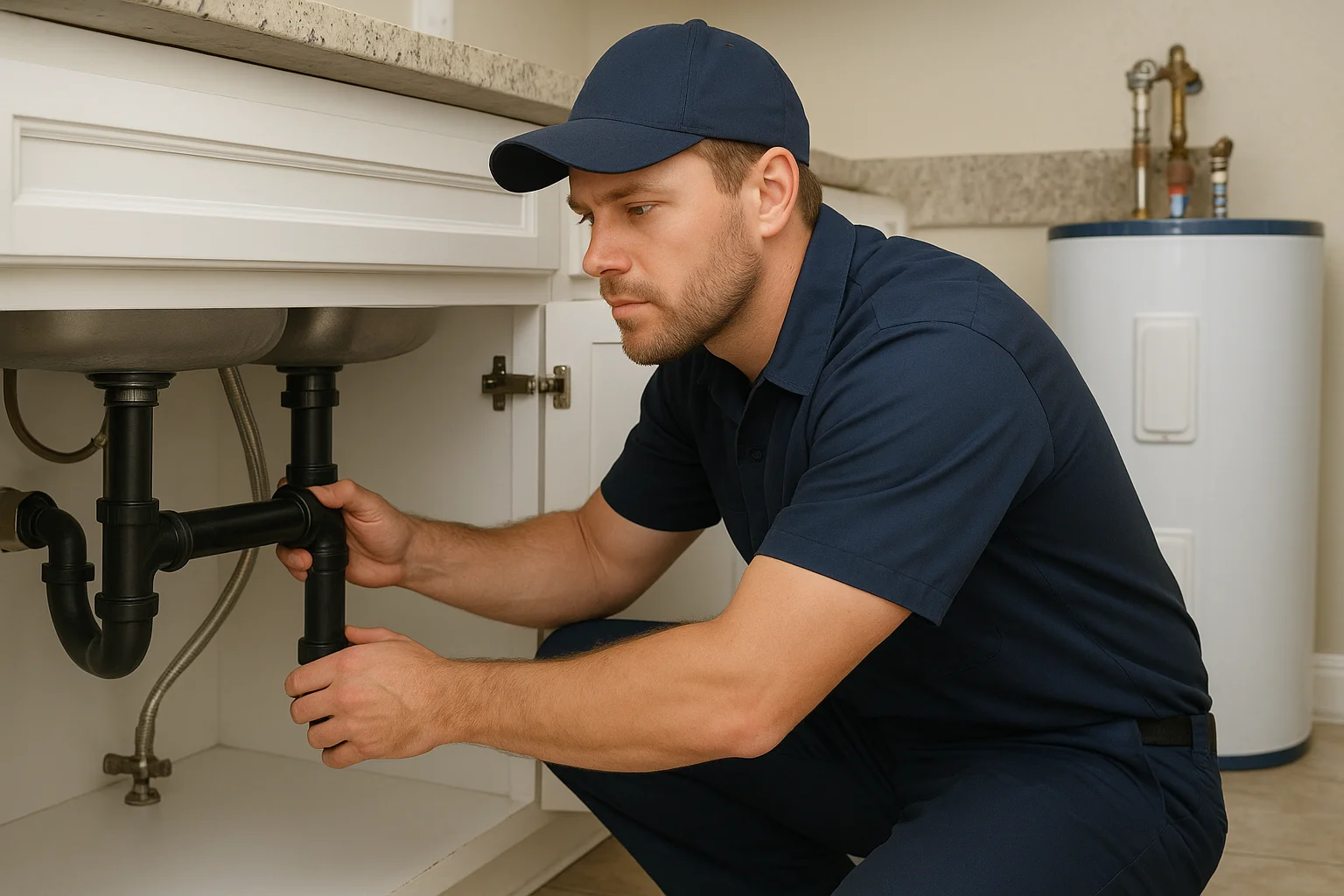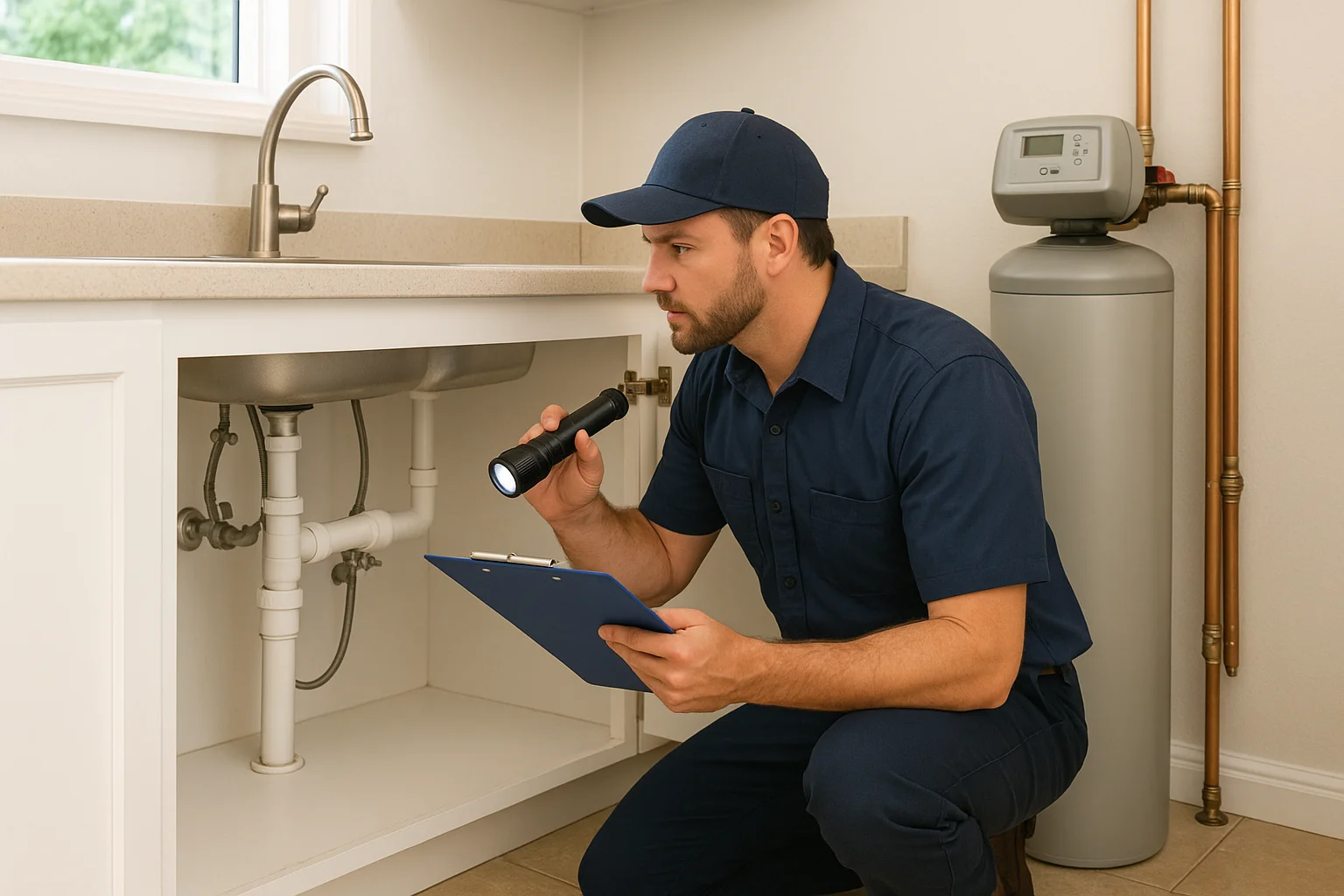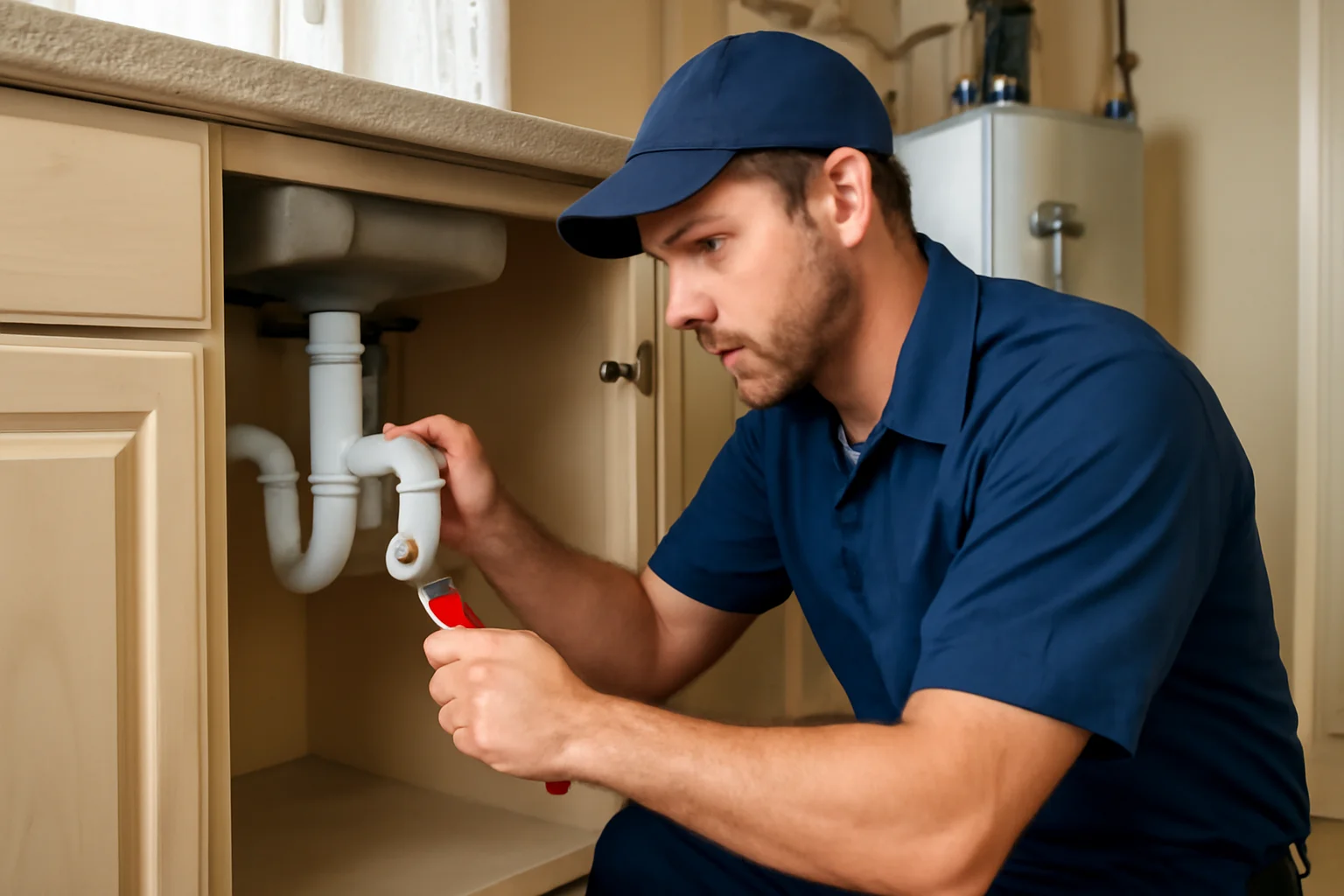
Replacing a water heater sounds straightforward until homeowners in Camp Creek, FL notice a drip that was not there before, a drain that does not flow, or a pipe connection that looks fine but fails weeks later. In Walton County, where many homes rely on steady hot water for showers, laundry, and dishwashing, small plumbing issues can turn a routine replacement into an expensive repair.
This guide explains what can cause problems during and after water heater replacement, how leaks, drains, pipes, and water pressure play a role, and what you can do to reduce risk. It also covers when it is worth calling a local plumber for water heater service, leak repair, drain cleaning, and related plumbing work.
Why Camp Creek water heater replacements can be more complicated than expected
Every home in Camp Creek has its own plumbing layout, age, and material mix. Some homes sit on older plumbing runs that were installed decades ago. Others have newer piping but still face issues from mineral buildup, fluctuating water pressure, or inconsistent drainage around the heater location.
When plumbers replace a tank or upgrade to a different configuration, they must connect the new unit to existing supply lines, valves, venting, and the drain path. If any part of that system is already compromised, the replacement can expose the problem quickly.
If you are searching for hot water heater replacement near me or plumbing services near me, it helps to understand how plumbing problems can show up during the swap, even when the new water heater is installed correctly.
Leaks that appear during or after replacement
Leaks are one of the most common complications homeowners experience after a replacement, and they usually come from connections, aging components, or hidden corrosion.
Loose or mismatched connections at supply and shutoff valves
Many replacements require reusing existing shutoff valves, flex lines, or threaded fittings. If a valve has mineral buildup, worn threads, or a seal that has hardened, it can leak once the new heater is filled and pressurized. Even a small seep can become a bigger issue if it runs into drywall, flooring, or a crawl space.
Corrosion inside pipes and fittings
Older homes may have galvanized pipes or fittings that corrode internally. When water flow changes, sediment can move and block seals. A connection that seemed dry before replacement can start leaking after the system is refilled.
Drain valve and overflow issues
Tank water heaters include drain valves used for maintenance and emergency draining. If the drain valve is stuck or partially blocked, it can leak around the valve stem. Some homeowners also notice water near the overflow area if the pressure relief system is not functioning properly.
Hard water and mineral scale that worsens leaks
Hard water is common across many parts of Florida, and it can accelerate scaling. Mineral buildup can affect seals, reduce flow through valves, and shorten the life of components. Over time, scale can make connections less reliable, especially when plumbers replace a unit and disturb nearby lines.
When leaks are active, treat it as an urgent plumbing concern. Water can damage baseboards, subfloors, and nearby fixtures. If you suspect an active leak, it is smart to call a local plumber for leak repair rather than waiting.
Drain problems: when the heater cannot drain properly
A water heater replacement is not only about hot water. It is also about drainage and safe maintenance. If the heater’s drain path is restricted, the tank may not empty properly during service, which can create future problems.
Clogged drain lines or debris buildup
Drain connections can clog with sediment, especially in older systems. Sediment builds up from normal wear and from minerals in the water. During replacement, the new tank is filled, and the system may release debris that then affects drainage.
This is similar to the issues homeowners see with drain cleaning near me searches when a slow drain repair turns into a bigger blockage.
Improper slope or venting that affects flow
Some drain runs are installed with limited slope or tight turns. When a drain line cannot flow freely, water may back up or drain slowly. In the context of water heater replacement, slow drainage can delay maintenance and make future flushing harder.
Water pooling near the heater location
In garages, utility closets, and basements, pooling water can be more than a nuisance. It can lead to mold and damage other components. If you see water collecting around the base, investigate the supply connection first, then check the drain line and the pressure relief discharge path.
Pipes and fittings: the hidden causes of replacement headaches
Plumbing problems often originate in pipes that were never meant to be disturbed. Replacement work can change how water moves through the system, and that can reveal weaknesses.
Water pressure that is too high for the plumbing setup
Water pressure affects every fixture in the home. If pressure is too high, it can stress fittings and valves and contribute to leaks. High pressure can also make the pressure relief system cycle more frequently, which may look like ongoing discharge.
Homeowners sometimes notice pressure changes during heavy water use, such as when multiple showers run or when laundry cycles start. That is why a plumber may check pressure and inspect for a properly functioning pressure regulator during water heater service.
Water pressure that is too low and causes poor performance
Low pressure can reduce hot water recovery and make the heater struggle to keep up with demand. It can also make it harder to flush the system properly. If your showers feel cooler than usual after a replacement, the issue may not be the heater size alone.
Corroded supply lines and aged shutoffs
Even when the new heater is installed with care, corroded supply lines can fail at the next connection point. Shutoff valves might also be worn. A valve that does not fully open can restrict flow and cause uneven heating.
Cross-threading and seal failure
Threaded connections require correct alignment and appropriate sealing methods. If a fitting is not seated properly, it can leak under pressure. This is why hiring a residential plumber near me approach matters. A skilled installer will verify fit and seal integrity rather than assuming every connection is compatible.
How sewer lines and nearby plumbing can complicate the job
Water heater replacement is usually separate from sewer work, but homeowners can run into sewer-related issues when drainage, venting, or nearby fixtures are already stressed.
Backup risks from existing drain clogs
If a home already has slow drains or recurring backups, draining the water heater or moving water around during installation can highlight the problem. A clogged line can also create gurgling sounds, slow sink repair issues, or unexpected water movement when other fixtures run.
In those cases, homeowners may need sewer backup repair near me or targeted drain cleaning near me before the water heater job proceeds smoothly.
Vent stack issues that affect drainage
Plumbing venting helps keep air pressure balanced in drains. If a vent stack is partially blocked, draining can be inconsistent. That can make it appear like the heater drain or a nearby sink is the problem, when the root cause is actually venting or a deeper pipe issue.
When sewer line repair becomes relevant
Some homeowners notice recurring drain problems across multiple fixtures. If the pattern suggests a deeper issue, it may be time to consider sewer line repair near me. This is especially relevant in older Camp Creek neighborhoods where underground piping may be nearing the end of its service life.
For sewer-focused help, you can explore Sewer Repair and Maintenance.
Emergency plumbing concerns during replacement
Most replacements are planned and scheduled. Still, plumbing emergencies can show up because the system is already under pressure and full of water.
Active leaks and water damage
If water is actively leaking from fittings, the relief valve, or the drain area, shut off water supply if possible and stop using the heater. Water damage can spread quickly, especially in utility rooms and slab-adjacent areas.
No hot water after installation
If the heater is installed and you still have no hot water, do not assume it is a heater failure right away. Common plumbing-related checks include whether valves are fully open, whether there are restrictions in supply lines, and whether the system was filled and purged correctly.
Overflow discharge that keeps happening
Continuous discharge from the pressure relief line can be a sign of pressure issues, a faulty relief valve, or a problem with the heater’s operation. This is where homeowners should call an emergency plumber near me style service rather than waiting.
Slab leaks, hidden moisture, and why they matter in Camp Creek
In some Camp Creek homes, plumbing runs are close to concrete slabs. A water heater replacement can change water usage patterns and reveal a leak that was previously small or unnoticed.
Signs that can point toward slab leak concerns include damp flooring near baseboards, recurring moisture under cabinets, unexplained water bills, and warm spots on the floor where pipes may run. If you suspect this kind of issue, it is important to get a plumbing inspection promptly. Early detection can prevent larger repairs.
That is also why homeowners who search for plumber near me often need more than a quick connection fix. The goal is to identify the cause, not just stop the symptom.
How to prevent water heater replacement problems before installation
Prevention starts with preparation. A good plumber will ask questions and inspect the existing setup, but homeowners can also help by knowing what to look for.
Document symptoms before replacement
Write down what you have been experiencing: rusty water, popping noises, inconsistent hot water, slow recovery, or leaks near the base. If you have had faucet repair near me or sink repair near me issues, note whether hot and cold performance is uneven.
These details help the technician determine whether the problem is limited to the heater or involves supply pressure, sediment, or other plumbing components.
Check water pressure and watch for pressure changes
If you notice that water pressure rises and falls when fixtures are used, ask about pressure regulation. Water pressure that is too high can stress fittings. Water pressure that is too low can affect performance and recovery.
Inspect shutoff valves and nearby fixtures
Before the day of installation, confirm whether the shutoff valves near the heater operate smoothly. If a valve sticks or does not fully close, it may need replacement. This is similar to how homeowners should consider a toilet replacement near me approach when a toilet keeps running and waste water adds up.
While water heater work is separate from toilet repairs, the principle is the same: aging fixtures and valves can create recurring problems.
Plan for drainage and maintenance access
Ask your plumber how the drain line will be handled and whether sediment removal is part of the plan. If the drain line is difficult to access, it can affect how easily your system can be serviced in the future.
Consider tankless options only when plumbing is ready
Some homeowners explore Tankless Water Heater Services. Tankless systems can be a great choice, but they still depend on correct plumbing, stable water pressure, and appropriate flow capacity. If your pipes are undersized or scaled, you may need additional pipe repair or flushing work.
If you are unsure, compare options and ask what plumbing changes might be recommended for your home.
Hard water, sediment, and why flushing matters
Hard water can leave mineral deposits in tanks and on internal components. Over time, sediment can settle at the bottom of a tank, reducing efficiency and increasing the chance of overheating or premature failure. Sediment can also clog valves and affect drainage paths during maintenance.
Regular maintenance is one reason homeowners in Camp Creek look for plumbing maintenance near me. It can keep hot water consistent and reduce the chance of a replacement turning into a bigger plumbing repair.
If you want a deeper checklist, read A Practical Guide to Water Heater Replacement in Camp Creek, FL and the Plumbing Problems That Shorten System Life.
Why local plumbing service matters in Camp Creek and Walton County
Local plumbers understand how Camp Creek homes are built and how common issues show up in Walton County neighborhoods. They also know what to look for when water use patterns change seasonally and when older homes share plumbing layouts across streets and subdivisions.
Camp Creek’s humid conditions can also affect how quickly moisture problems become visible. A minor leak that might stay hidden elsewhere can show up faster where humidity supports mold growth. That is why getting service from a company that regularly handles local plumbing repair and water heater service can make a difference.
If you want a broader view of system health, see How Better Plumbing Management Protects Camp Creek Homes.
Common homeowner mistakes that trigger replacement problems
Even careful homeowners can run into issues when they try to manage the plumbing side without professional help.
Waiting too long with an active leak
A small drip can become hidden damage. If you notice wet spots, corrosion, or water around the heater connections, address it promptly.
Ignoring slow drains and backup patterns
If you have slow drains, recurring clogs, or gurgling sinks, those issues can complicate installation and future maintenance. A drain cleaning plan may need to happen alongside water heater replacement.
Assuming all pipes and fittings are interchangeable
Homes vary in pipe material, thread types, and valve styles. Installing a new heater with incompatible fittings can lead to leaks or restricted flow.
Skipping a plumbing inspection because the heater “looks fine”
Some problems are invisible until the heater is disconnected and the system is refilled. That is why plumbing inspection and proper setup are critical.
For more on installation oversights, read What Camp Creek Homeowners Often Miss During Plumbing Installation.
When to upgrade more than just the water heater
Sometimes the best way to prevent repeat problems is to replace related components that are near the end of their life. That can include:
- Old shutoff valves that do not seal reliably
- Corroded supply lines and fittings that keep leaking
- Drain valves that will not drain or that seep
- Pressure regulation components if water pressure is unstable
- Sections of pipe if you have recurring leaks or sediment issues
If you are weighing whether to move forward with broader plumbing work, this is where a plumber can help you prioritize. For homeowners thinking about sequencing repairs, see Why Plumbing Replacement Should Move Up the Priority List in Camp Creek Homes.
You can also explore Plumbing Replacement to understand what upgrades may be recommended for aging systems.
Choosing a replacement plan that protects your pipes and drains
A reliable water heater replacement in Camp Creek should include more than setting the tank in place. It should consider water pressure, pipe condition, drain routing, and how the heater connects to the rest of your plumbing system, including fixtures that share supply lines.
If you are dealing with recurring issues like leaks, slow drains, or inconsistent hot water, it is smart to schedule service that addresses the root cause. For a focused replacement approach, visit /service-areas/walton-county/camp-creek/water-heater-replacement-ccfl.
If you want to browse other services in the area, start with /service-areas/walton-county/camp-creek. And if you suspect pipe-related issues that affect water delivery, consider Waterline Services.
What to do if you see a leak, drain issue, or sudden hot water change
Here is a practical way to respond while you arrange plumbing repair:
- Stop using the heater if you see active leaking or discharge that looks abnormal.
- Check nearby fixtures for unusual behavior, such as gurgling drains, slow draining, or changes in water pressure.
- Take photos of the leak area and any water pooling, which helps a plumber diagnose faster.
- Schedule a local plumber for plumbing repair and water heater service so the cause is identified, not only the symptom.
Camp Creek homeowners often discover that a water heater replacement problem is actually a plumbing system issue involving drains, pipes, pressure, or sewer line performance. Getting the right help early can prevent emergency plumbing concerns from becoming a larger job.
Find Water Heater Replacement in Camp Creek, FL
If you need Water Heater Replacement in Camp Creek, FL, visit our local service page or contact A Superior Mechanical today.
Map of Camp Creek, FL
Frequently Asked Questions
Why does my new water heater leak after replacement?
A common cause is a connection or valve issue, such as a shutoff that does not seal well, a drain valve that seeps, or fittings that did not match the existing pipe material. Hard water scale and corrosion can also make older components fail once the system is refilled under pressure.
Can drain cleaning be needed before or after a water heater replacement?
Yes. If you have slow drains, recurring clogs, or backups, the water heater drain process and nearby plumbing use can reveal an existing blockage. A plumber may recommend drain cleaning so the drain path works correctly and future maintenance is easier.
How do water pressure and water quality affect water heater performance?
High water pressure can stress fittings and contribute to relief valve discharge. Low pressure can reduce hot water recovery. Hard water can add mineral scale that reduces efficiency and affects valves and seals, shortening system life.
What should I do if I see water pooling near the heater base?
Shut off the heater and arrange plumbing inspection. Pooling water can come from supply connections, the drain valve, or the pressure relief discharge line. A fast diagnosis helps prevent moisture damage to floors, walls, and nearby fixtures.
Related Articles
- A Practical Guide to Water Heater Replacement in Camp Creek, FL and the Plumbing Problems That Shorten System Life
- How Better Plumbing Management Protects Camp Creek Homes
- What Camp Creek Homeowners Often Miss During Plumbing Installation
- Why Plumbing Replacement Should Move Up the Priority List in Camp Creek Homes
Photo Gallery