A reliable waterline quietly supports nearly every part of a home, from the kitchen faucet and washing machine to toilets, showers, and water heaters. When that line begins leaking or losing capacity, the symptoms can appear throughout the plumbing system. Bid-A-Wee homeowners may notice low pressure, damp ground, higher utility bills, or fixtures that no longer work as they should.
Knowing how to separate a main waterline problem from a clogged drain, fixture failure, or sewer issue can prevent wasted repairs. It also helps property owners make informed decisions about waterline replacement in Bid-A-Wee before a minor leak becomes an emergency.
Why Bid-A-Wee Water Lines Need Local Attention
Bid-A-Wee is a coastal community where plumbing is affected by warm temperatures, heavy rain, sandy soil, salt air, tropical weather, and periods of high water use. Conditions can vary from one property to the next, especially among older homes, remodeled houses, vacation rentals, and properties that sit unoccupied for part of the year.
Sandy soil can shift or wash away around buried pipes during periods of intense rain. Tree roots may place pressure on underground lines, while construction, landscaping, or fence installation can accidentally damage a service line. Coastal exposure can also contribute to corrosion in vulnerable metal components, fittings, and outdoor plumbing connections.
Seasonal use creates another concern. A small leak at a primary residence may be noticed quickly, but the same problem at a vacation property can continue for days. Owners and managers should know where the main shutoff valve is located and arrange regular plumbing checks. The guide to keeping Bid-A-Wee plumbing problems under control with routine maintenance offers additional advice for occupied and seasonal homes.
Clues That the Main Waterline May Be Failing
A main waterline carries fresh, pressurized water from the public connection or private supply into the building. Damage to this pipe can affect several fixtures at once. Some warning clues are obvious, while others resemble ordinary plumbing repair problems.
Pressure drops throughout the property
Low pressure at one faucet may be caused by a clogged aerator, worn valve, or local pipe restriction. Low pressure at sinks, showers, toilets, and outdoor hose connections points to a broader issue. A partially closed shutoff valve, pressure regulator problem, mineral buildup, or leaking water service line may be responsible.
Pressure that changes suddenly deserves prompt attention. A plumber can test static and flowing pressure, inspect accessible valves, and determine whether water is escaping before it reaches the home.
Unexplained water use
A rising water bill without a change in household habits can indicate a concealed leak. Turn off faucets, irrigation equipment, ice makers, washing machines, and other water using appliances, then check the meter. Movement may suggest an active leak, although toilets, water heaters, irrigation valves, and other equipment should also be ruled out.
A search for water leak repair near me is often prompted by a high bill, but locating the source matters more than repairing the first visible symptom. Professional leak detection can help distinguish an underground service line leak from an interior pipe leak or slab leak.
Wet soil, erosion, or unusually green patches
Persistent dampness between the meter and building can be a strong clue. Look for soft ground, small pools, soil erosion, or grass growing faster in one narrow area. Not every underground leak rises directly above the damaged pipe. Water can follow utility trenches, roots, or changes in soil before reaching the surface.
Discolored water or recurring pipe trouble
Rust colored water can come from a water heater, aging interior pipes, utility work, or corroded waterline materials. It does not automatically mean the main line needs replacement. However, discoloration combined with recurring leaks, restricted flow, and known older piping should be evaluated carefully.
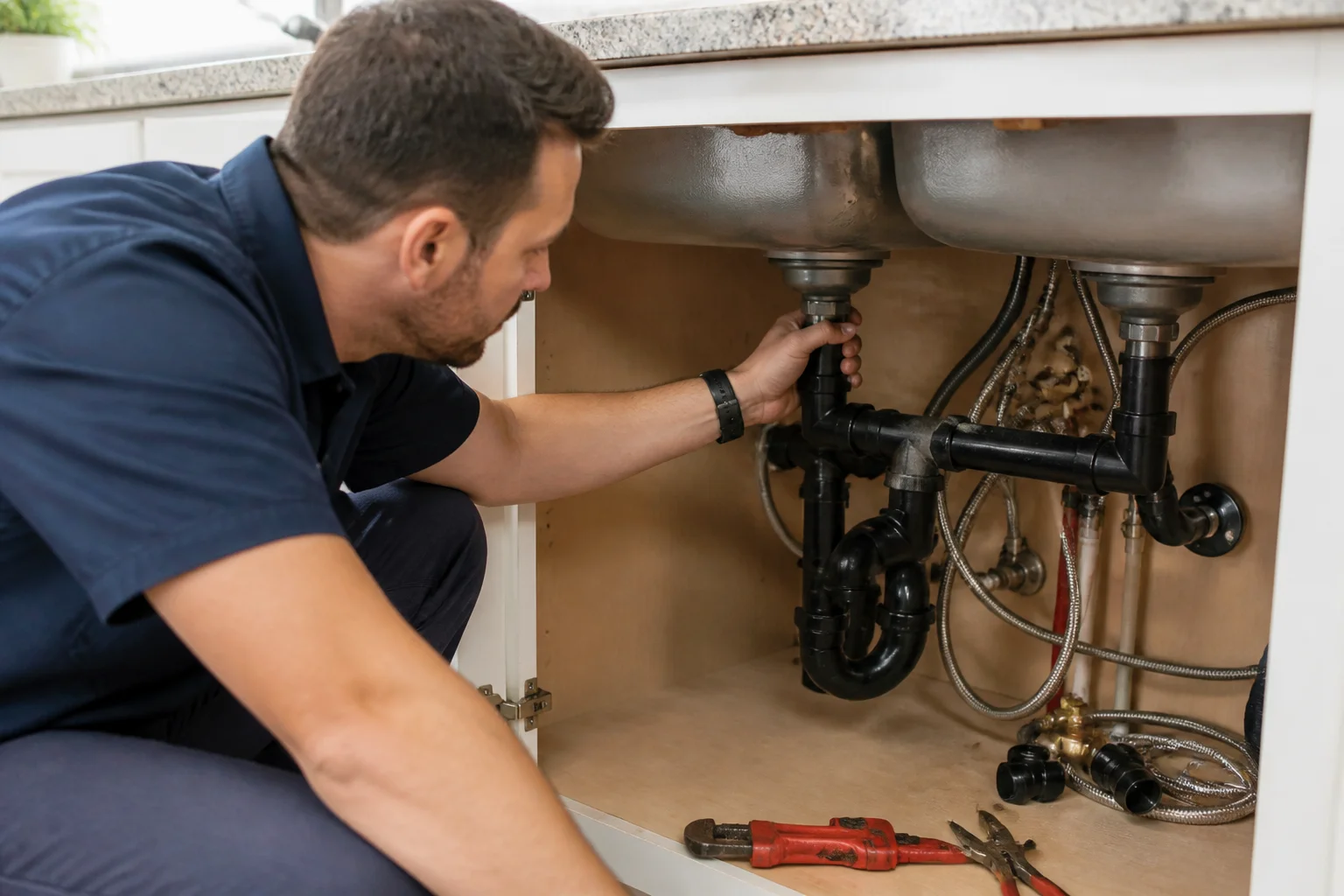
Repeated repairs can also signal that the pipe has reached the point where isolated patches are no longer economical. Homeowners searching for broken pipe repair near me should ask whether the visible break is a one time event or part of widespread deterioration.
Waterline Leaks, Drain Clogs, and Sewer Problems Are Different
Fresh water pipes operate under pressure. Drains and sewer lines carry wastewater away, generally using gravity. Because both systems run through the same home, their symptoms sometimes overlap.
A slow sink, gurgling toilet, sewage odor, or wastewater backing up into a tub is usually a drain or sewer concern. These symptoms may require drain cleaning, camera inspection, or sewer line help rather than waterline replacement. If several drains back up together, a homeowner searching for main drain cleaning near me should stop using water until the blockage is assessed. Continued use can push wastewater into the home.
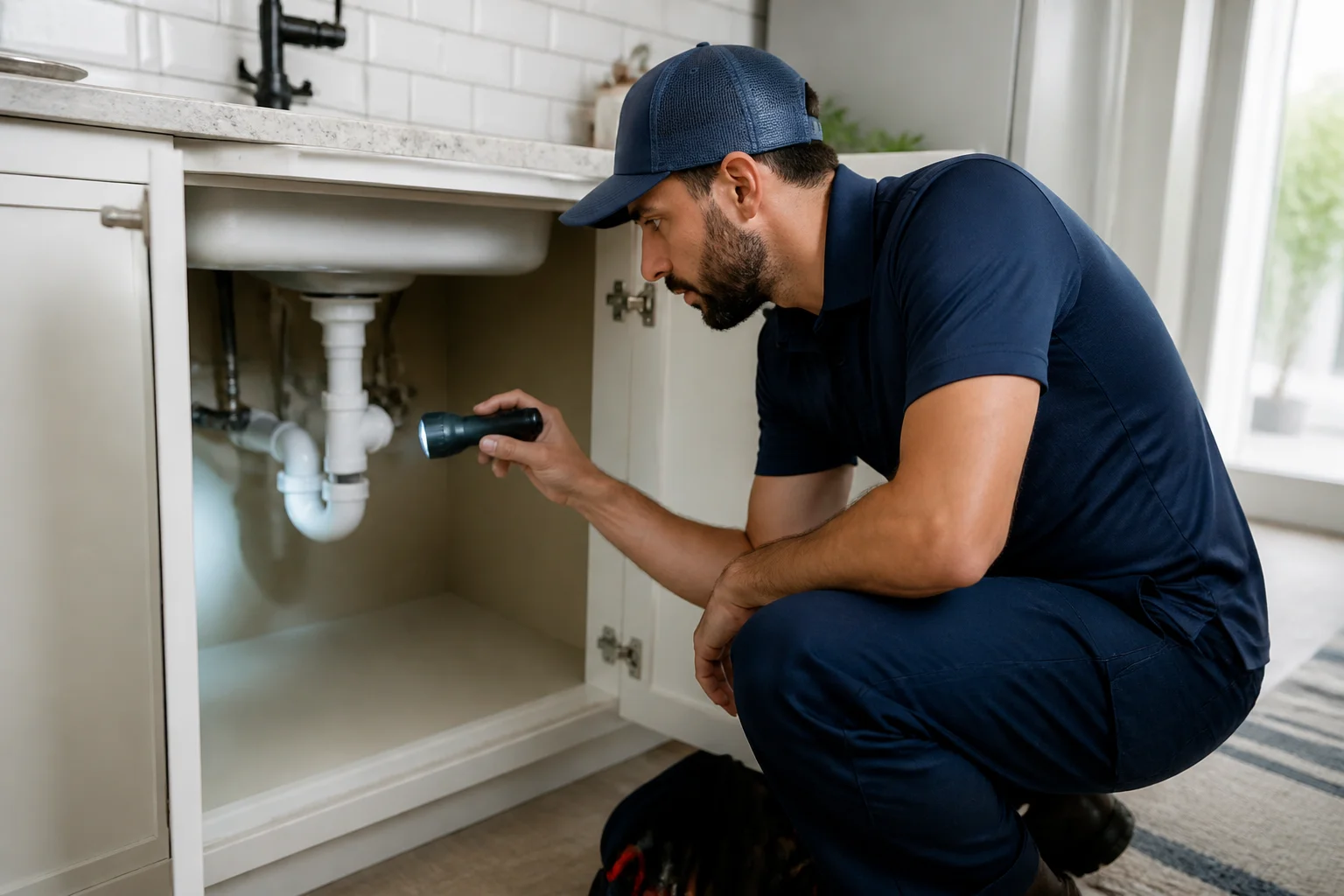
A constantly running toilet can also increase the water bill without any underground leak. Worn flappers, fill valves, seals, and shutoff valves are common causes. A Superior Mechanical provides toilet repair and replacement in Bid-A-Wee when the problem is limited to the fixture.
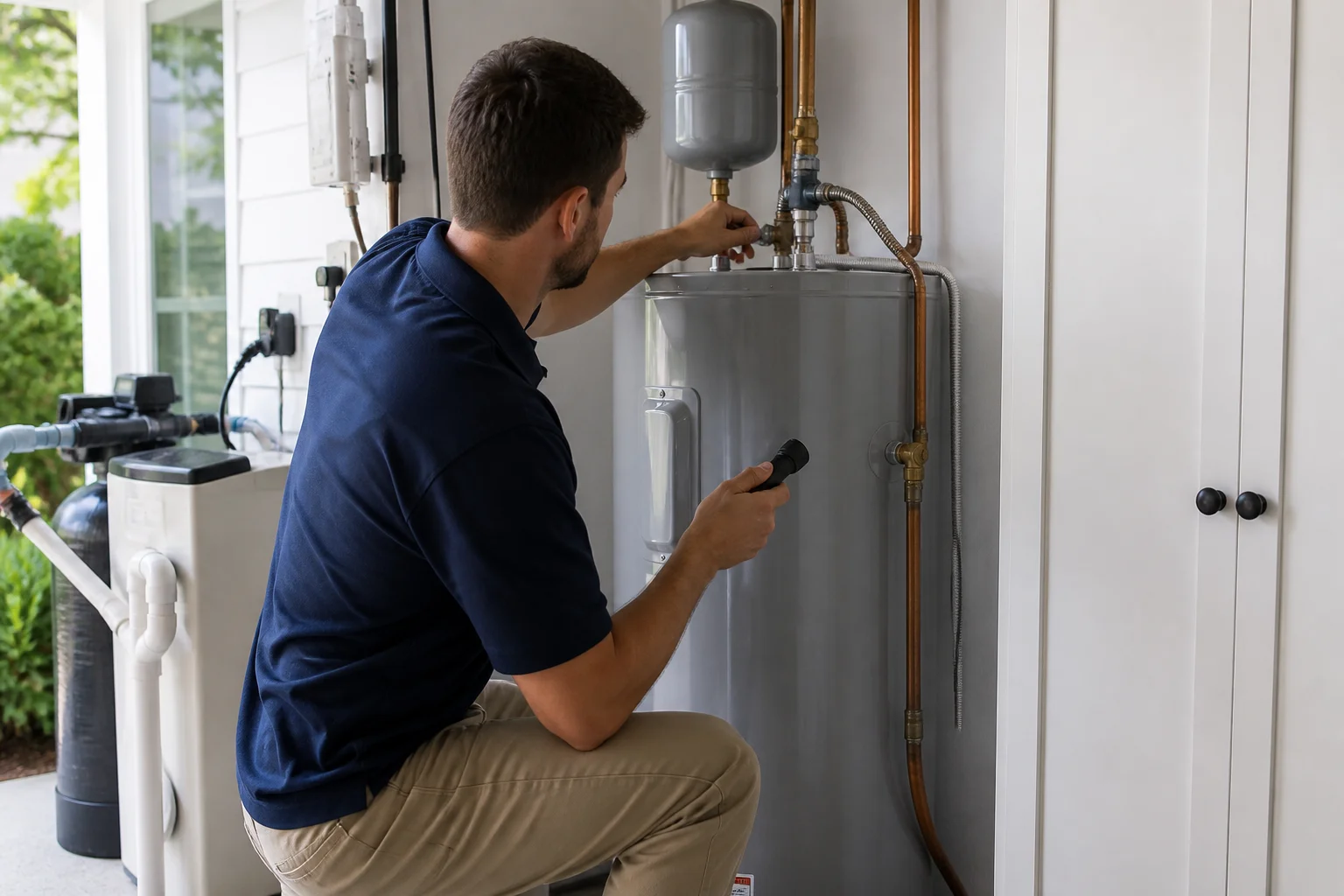
Water heaters deserve separate attention as well. Water around a heater may come from a supply connection, temperature and pressure relief valve, drain valve, or corroded tank. Homeowners looking for water heater repair near me should shut off power or gas if conditions are unsafe and avoid touching hot water. A leaking heater does not prove the buried waterline has failed, though pressure problems can affect heater performance.
How a Plumber Confirms the Source
Responsible waterline replacement starts with diagnosis. Replacing a long buried pipe without confirming the failure location, route, and overall condition can lead to unnecessary excavation and expense.
A local plumber may inspect the meter, shutoff valves, exposed piping, pressure regulator, fixtures, water heater connections, and irrigation system. Pressure testing can reveal whether the supply side is losing water. Acoustic equipment and other leak detection tools may help narrow down concealed leaks. If water appears inside near the foundation, the plumber may evaluate the possibility of a slab leak.
Pipe material, installation age, repair history, and accessibility also influence the recommendation. One clean break caused by recent digging may be suitable for pipe repair. Multiple leaks, corrosion, outdated material, poor sizing, or repeated pressure loss may make full replacement the more dependable choice.
Water quality should be considered, too. Hardness and mineral content can vary by supply and by conditions inside the property. Mineral scale may restrict valves, fixtures, and water heater components without damaging the buried main line. Testing helps homeowners avoid confusing a water quality issue with pipe failure. More detail is available in this article about plumbing conditions and water purification in Bid-A-Wee homes.
Planning a Durable Waterline Replacement
Once replacement is justified, the plumber should identify the path from the supply connection to the building, locate other utilities, select an appropriate pipe size, and review local requirements. The line must support the property's expected flow without creating excessive pressure loss.
Choosing pipe material and fittings
Approved material depends on the installation, soil conditions, code requirements, water chemistry, and connection details. The best option is not simply the least expensive pipe. Fittings, transitions, valves, bedding, burial depth, and workmanship all affect service life.
Ask how the new material handles corrosion, movement, sunlight before burial, and future maintenance. If older interior pipes remain, compatible transitions are important. A new main line cannot correct every restriction or leak inside the house, so the plumber should explain which portions are being replaced.
Selecting the route
Some lines can follow the existing route. Others may be moved to avoid patios, driveways, mature landscaping, roots, or difficult foundation areas. A thoughtful route can reduce disruption and make future shutoff or repair access easier.
Before excavation, underground utilities must be located. Property owners should tell the plumber about private irrigation, landscape lighting, pool lines, gates, or other features that may not appear on standard utility markings. In Bay County's sandy ground, careful trench preparation and backfilling help support the new pipe and reduce stress points.
Testing and restoring service
The new line should be connected, flushed, and tested before the trench is fully restored. The plumber should check joints, valves, pressure, flow, and fixture operation. Air and disturbed sediment may briefly affect faucets, so aerators sometimes need cleaning after service is restored.
Homeowners should receive a clear explanation of the work completed, the pipe material used, valve locations, warranty terms, and any remaining concerns inside the building. For broader help, the local Bid-A-Wee plumbing services page outlines support for pipes, fixtures, leaks, drains, and related equipment.
Repair or Replacement: Making the Practical Choice
A repair may make sense when damage is isolated, the rest of the line is in good condition, and the pipe can be accessed without major disruption. Replacement is often more practical when leaks keep returning, the material is failing in multiple places, pressure remains poor, or previous sections have already been patched.
Cost should be considered over the expected life of the solution. Several emergency excavations can cost more than a planned replacement, especially if each leak damages landscaping, flooring, walls, or a foundation area. Owners can review smarter plumbing choices for Bid-A-Wee properties when comparing immediate repair costs with long term reliability.
Scope also affects pricing. Route length, excavation conditions, pavement, landscaping, pipe size, permits, utility conflicts, and connection complexity all matter. If a larger project cannot be delayed but strains the household budget, information about plumbing financing in Bid-A-Wee may help qualified property owners review available options.
Preventing Leaks and Protecting the New Line
No buried pipe is completely maintenance free, but practical habits can reduce avoidable damage. Start by keeping the main shutoff accessible and labeling it for family members, guests, or property managers. Exercise suitable shutoff valves periodically so they are less likely to seize during an emergency.
Monitor water bills and investigate unexpected increases. Check beneath sinks, behind toilets, around washing machine connections, and near the water heater. Repair dripping faucets and running toilets promptly. These smaller problems do not usually damage the main line, but they waste water and can hide changes in overall consumption.
A pressure test is useful if pipes bang, appliance hoses fail, toilet valves wear out repeatedly, or faucets develop frequent leaks. Excessive pressure can strain fixtures, water heater connections, and interior pipe joints. Low pressure should also be diagnosed rather than accepted as normal.
Before planting trees, installing fences, adding a pool feature, or changing the driveway, identify the waterline route. Do not drive heavy equipment over shallow utility paths without professional guidance. Property managers should also document plumbing inspections between guests. The article on property management plumbing in Bid-A-Wee explains how scheduled checks can limit surprise repairs.
Professional plumbing maintenance in Bid-A-Wee can include pressure checks, leak inspections, fixture evaluations, water heater reviews, and drain observations. This gives homeowners a broader view of the system rather than focusing only on the buried line.
Situations That Require Prompt Plumbing Help
Call for urgent service if water is rapidly pooling near the foundation, flooding indoor areas, spraying from a broken pipe, or causing the meter to run continuously while fixtures are off. Shut off the main valve if it is safe and accessible. Keep people away from standing water near electrical equipment, outlets, or appliances.
Sewage backing up through a drain is also an emergency, but it requires a different response from a fresh water leak. Stop using sinks, toilets, showers, and washing machines until the sewer line can be assessed. Strong gas odors, scalding water, or a leaking water heater with visible electrical hazards also need immediate professional attention.
Typing emergency plumber or plumber near me into a phone is easy during a crisis, but local experience matters. A provider familiar with Bid-A-Wee plumbing needs and service conditions across Bay County can evaluate coastal soil, seasonal occupancy, local construction, and utility connections in context.
A Superior Mechanical helps homeowners, vacation rental owners, property managers, and businesses investigate recurring leaks, weak water pressure, damaged pipes, fixture trouble, and failing main lines. Timely diagnosis can show whether targeted plumbing repair is enough or whether a properly planned waterline replacement offers the safer, longer lasting solution.
Find Waterline Replacement in Bid-A-Wee, FL
If you need Waterline Replacement in Bid-A-Wee, FL, visit our local service page or contact A Superior Mechanical today.
Map of Bid-A-Wee, FL
Frequently Asked Questions
How can I tell whether my Bid-A-Wee home needs waterline replacement?
Possible clues include low pressure at several fixtures, unexplained meter movement, recurring underground leaks, wet soil between the meter and home, and repeated pipe repairs. A plumber should test the system and rule out toilets, irrigation, water heaters, interior leaks, and pressure regulator problems before recommending replacement.
Can a clogged drain cause low water pressure?
No. A clogged drain affects how wastewater leaves a fixture, while low water pressure affects the fresh water entering it. A slow drain, gurgling toilet, or sewage backup points toward drain or sewer trouble. Weak flow at several faucets may indicate a supply valve, pressure regulator, mineral buildup, or main waterline problem.
Should a leaking main waterline be repaired or fully replaced?
An isolated break in an otherwise sound pipe may be repairable. Full replacement may provide better value when the line has multiple leaks, extensive corrosion, outdated material, poor sizing, or a history of repeated repairs. The pipe's age, material, route, and condition should guide the decision.
Related Articles
Photo Gallery