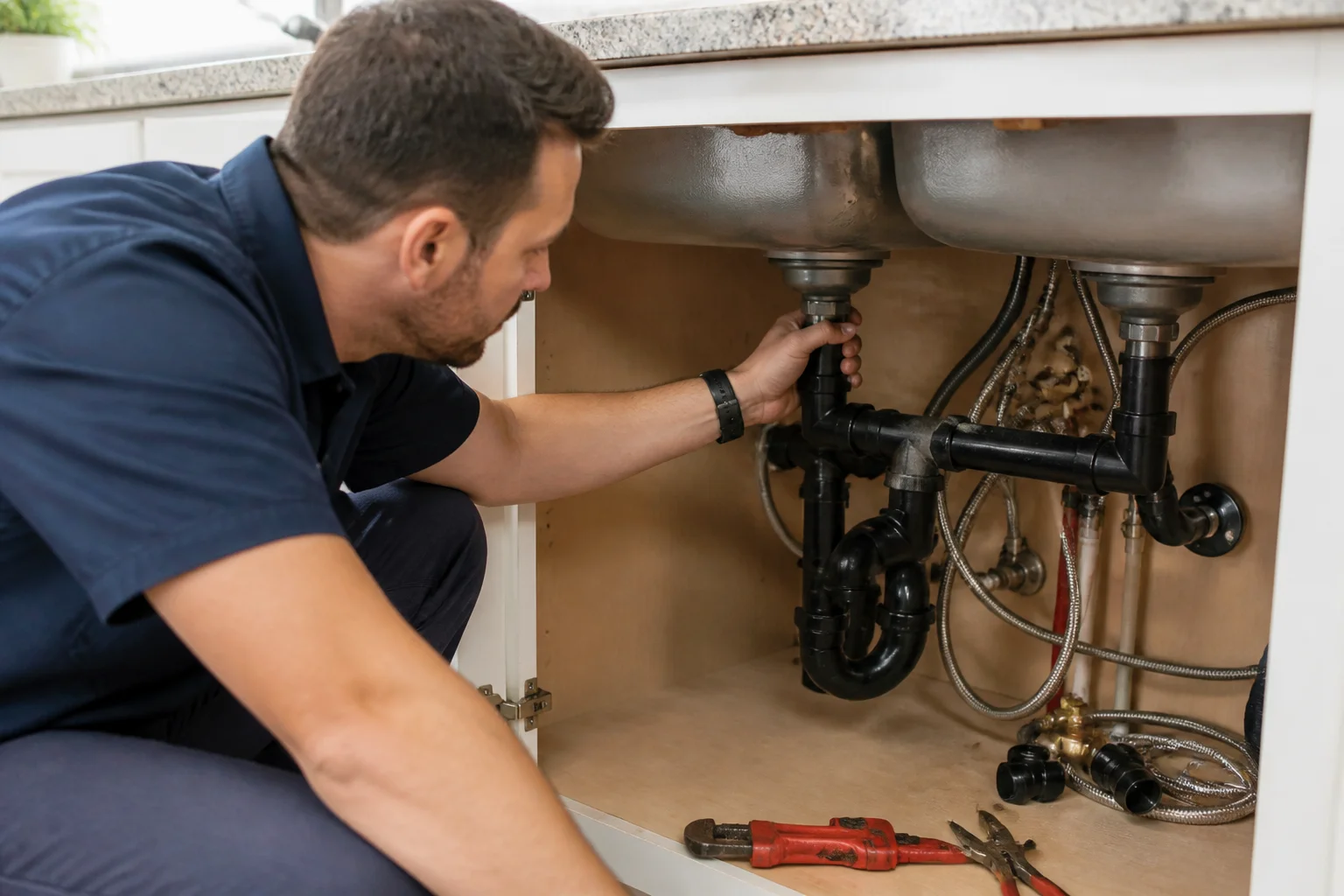
A leaking or deteriorated main water line can affect nearly every plumbing fixture in a home. Water pressure may drop, faucets may sputter, and unexplained wet areas can appear in the yard. If the damage becomes severe, the property may lose water service entirely.
For homeowners, rental property owners, and businesses in Springfield, acting early can limit water waste and prevent damage to foundations, landscaping, and interior finishes. Professional waterline replacement in Springfield, FL provides a lasting solution when repeated leak repairs are no longer practical.
Why Springfield Waterlines Need Local Attention
Springfield properties face plumbing conditions shaped by the climate and development patterns of coastal Bay County. Heat, humidity, heavy seasonal rain, storm activity, and shifting or saturated soil can all affect buried pipes. Soil movement may place stress on fittings, while erosion can reduce support around sections of a water service line.
The age and material of the pipe matter too. Older local homes may have galvanized steel, aging copper, or previous repair sections made from different materials. Newer homes are not immune to problems, especially if a line was installed with poor bedding, shallow coverage, or excessive strain at a connection.
Local plumbing service matters because pipe routes, soil conditions, permitting requirements, and common construction methods vary by area. A plumber familiar with Springfield plumbing services can evaluate the entire system rather than treating every wet spot as an isolated leak.
Clues That the Main Waterline May Be Failing
A sudden loss of pressure throughout the house is one of the clearest warnings. If one faucet has weak flow, the problem may be a clogged aerator or fixture valve. If showers, toilets, faucets, and appliances all have reduced flow, the main supply line deserves closer attention.
An unexplained increase in water use is another important clue. Compare recent utility bills and check whether the meter moves when every fixture and water using appliance is off. Meter movement can indicate a hidden leak, although a plumber should also check toilets, irrigation components, water heaters, and indoor pipes before assuming the buried line is responsible.
Outdoor and indoor symptoms
Soft soil, standing water, unusually green grass, or a washed out area between the meter and the building can point to an underground leak. Because Springfield receives substantial rain, a wet yard alone does not confirm a broken line. A spot that remains damp during otherwise dry weather is more concerning.
Inside the home, listen for water movement when fixtures are closed. Rust colored water, recurring sediment, pressure fluctuations, or air at several faucets may also justify an inspection. Water stains near the slab or flooring that feels unexpectedly warm or damp could indicate a slab leak rather than a yard line problem. Both require prompt diagnosis, but the repair methods are different.
Homeowners searching for a plumber near me should explain whether the issue affects one fixture or the entire property. That detail helps the plumbing company determine whether to investigate a faucet, branch pipe, water heater, slab line, or main water service.
Why Main Waterlines Leak or Break
Pipe age is a common cause of failure. Galvanized steel can corrode internally until water flow becomes restricted or the pipe develops a leak. Copper is durable, but it can develop pinhole leaks under certain water chemistry and soil conditions. Plastic piping can also fail if it was damaged during installation, exposed to excessive pressure, or joined incorrectly.
Tree and shrub roots do not usually penetrate an intact pressurized waterline in the same way they enter a cracked sewer pipe. However, growing roots can shift soil or press against a weakened pipe. Heavy vehicles, construction activity, fence installation, and landscape excavation may also damage shallow lines.
High water pressure puts additional stress on pipes, valves, toilet components, faucets, and water heater connections. If pressure regularly exceeds the recommended range for residential plumbing, a pressure reducing valve may need adjustment or replacement. Correcting pressure is an important part of protecting a new waterline.
Mineral rich or hard water can leave scale inside fixtures and water heaters. Hard water is not automatically the cause of a buried waterline break, but mineral accumulation can reduce fixture performance and complicate the overall plumbing picture. Testing the water and examining the actual pipe material are more reliable than guessing based on appearance alone.
Leak Repair or Full Waterline Replacement?
A focused repair may be reasonable when the pipe is otherwise sound and the damaged section is easy to isolate. Examples include accidental excavation damage, a failed fitting, or one localized break in a relatively new line. A professional can expose the problem area, remove the damaged material, and make a code compliant connection.
Replacement becomes more practical when leaks recur, corrosion affects a long section, the pipe is undersized, or multiple patch materials are already present. Repeated excavation and repair costs can eventually exceed the cost of installing a dependable new line. A replacement can also improve flow if the existing service line is too small for the home’s current number of bathrooms, fixtures, or water using appliances.
A Superior Mechanical offers both water leak repairs and broader plumbing replacement options in Springfield. The appropriate choice should be based on pipe condition, repair history, accessibility, water pressure, and expected service life.
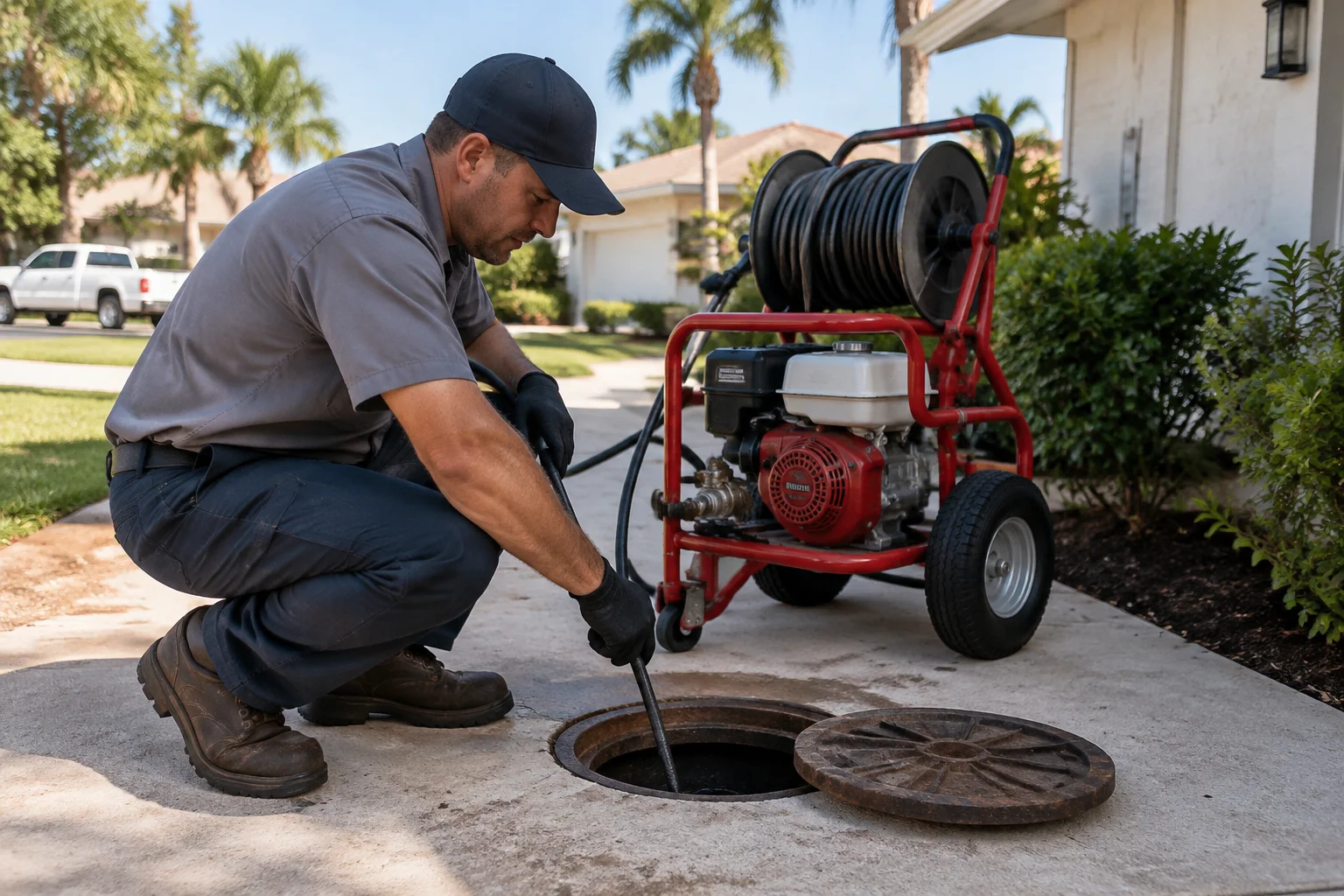
How Plumbers Locate a Waterline Problem
Diagnosis typically begins with questions about water bills, pressure changes, recent digging, storm damage, and previous repairs. The plumber may inspect visible piping, test static and flowing pressure, check the meter, and isolate fixtures or building zones. Acoustic equipment or other leak detection tools may help narrow down the location of an underground leak.
No single test answers every question. Water can travel through soil or along a slab before appearing at the surface, so the visible wet area may not be directly above the break. Accurate locating helps reduce unnecessary excavation and supports a better repair or replacement plan.
If you are searching for plumbing repair near me, ask whether the visit includes an evaluation of the full supply system. Repairing a visible leak without checking pressure, pipe material, and other vulnerable connections can leave the underlying cause unresolved.
Planning a Durable Replacement
A waterline replacement should start with a clearly planned route from the meter or approved connection point to the building. The plumber must consider utilities, driveways, landscaping, trees, drainage patterns, foundations, and entry points. Florida 811 should be contacted before excavation so marked public utilities can be avoided. Private lines may require separate locating.
Material selection depends on code requirements, site conditions, line size, water chemistry, and installation method. Proper bedding and burial depth help protect the pipe from movement and physical damage. Connections should remain accessible where required, and the completed line should be pressure tested before the trench is fully restored.
Some projects can use less disruptive installation approaches, but site access and pipe layout determine what is practical. Traditional trenching may still be the safest and most economical method for certain properties. Homeowners should ask how driveways, lawns, irrigation, and planting beds will be protected or restored.
Fixtures and water heaters deserve attention too
Once the new line is active, the plumber should confirm pressure and check vulnerable fixtures for leaks. Aging shutoff valves, toilet fill valves, faucets, and supply connectors may react poorly to restored pressure after years of restricted flow. If problems are found, plumbing fixture replacement can address worn components without replacing fixtures that remain serviceable.
The water heater should also be inspected for leaks, corrosion, sediment, and a functioning temperature and pressure relief valve. Homeowners considering water heater replacement near me can review Springfield water heater services and read this guide to smarter water heater installation.
Waterlines, Drains, and Sewer Pipes Are Different Systems
The main waterline brings pressurized drinking water into the property. Drains and sewer lines carry wastewater away. A broken waterline may cause low pressure and clean water pooling, while a sewer problem is more likely to cause slow drains, backups, odors, or wastewater in tubs and floor drains.
The distinction matters because replacing a supply line will not correct a blocked sewer. Likewise, drain cleaning will not stop a leaking water service. If several drains are slow at once, review these tips for keeping Springfield drains clear. Persistent backups may call for camera work, as explained in this article about sewer camera inspections.
A homeowner searching for sewer inspection near me should mention gurgling toilets, recurring clogs, sewage odors, and whether backups occur at the lowest drain. These details help distinguish a fixture blockage from a damaged building sewer or municipal issue.
Practical Prevention After Replacement
Monitor the water bill every month and investigate unexplained increases. Learn where the main shutoff is located, and make sure responsible household members know how to use it. Do not force a corroded or stuck valve. Ask a plumber to replace it if it cannot be operated safely.
Watch water pressure, especially after municipal work or plumbing changes. Excessive pressure can shorten the life of appliance hoses, toilet valves, faucets, and the new service line. A home plumbing inspection near me search can be useful after purchasing an older Springfield property or when the home has a history of leaks.
Protect the new line route from unplanned digging. Keep a basic diagram or photographs showing where the pipe enters the house and crosses the yard. Before adding a fence, tree, patio, or irrigation system, confirm the line location. Avoid planting large trees directly over water and sewer routes.
Maintain drains without relying on repeated harsh chemical cleaners. Grease, wipes, hygiene products, and food scraps can create stubborn blockages. Drain strainers, responsible disposal habits, and timely mechanical cleaning help prevent a clogged drain from becoming an emergency.
Rental and commercial properties benefit from scheduled inspections because a small leak can continue unnoticed between tenant reports. Owners and facility managers can also review guidance about commercial plumbing issues in Springfield.
Situations That Need Prompt Plumbing Help
Shut off the water and seek immediate assistance if a pipe is releasing water rapidly, the yard is washing out, water is entering the building, or the property has lost safe water service. Electrical panels, outlets, and appliances should not be approached when standing water is present. If water is near electrical equipment, keep a safe distance and contact the appropriate professionals.
Discolored water following a suspected break, possible contamination, sewage backup, and a leaking water heater tank also deserve urgent attention. For a burst pipe, an emergency pipe repair near me search should lead to a licensed plumbing provider that can isolate the leak, limit damage, and determine whether repair or replacement is safer.
A Superior Mechanical serves homes, rentals, and commercial properties throughout Springfield and surrounding Bay County. Choosing a local team helps homeowners receive recommendations suited to area homes, coastal weather, soil conditions, and local plumbing requirements. The goal is not simply to stop today’s leak, but to restore dependable water flow and reduce the chance of another disruptive failure.
Find Waterline Replacement in Springfield, FL
If you need Waterline Replacement in Springfield, FL, visit our local service page or contact A Superior Mechanical today.
Map of Springfield, FL
Frequently Asked Questions
How can I tell if my Springfield home needs waterline replacement?
Possible indicators include recurring underground leaks, low pressure throughout the home, unexplained water use, corroded piping, and multiple previous repairs. A plumber should test the system and identify the pipe material before recommending full replacement.
How long does a main waterline replacement take?
Many residential projects can be completed within one or two days, but timing depends on line length, soil, access, permitting, utility locations, and obstacles such as driveways or landscaping. Your plumber should provide a project specific schedule after inspecting the property.
Will replacing the waterline fix low water pressure?
It can improve pressure when corrosion, leaks, or an undersized service line restricts flow. Low pressure may also come from a pressure reducing valve, clogged fixture, municipal supply issue, or interior pipe problem, so proper testing is important before replacement.
Related Articles
- Keeping Springfield Drains Clear Before Small Plumbing Problems Spread
- Why Springfield Families Benefit from Sewer Camera Inspections Before Small Plumbing Problems Grow
- What Springfield Homeowners Should Know About Commercial Plumbing Before a Small Issue Spreads
- A Springfield Homeowner’s Guide to Smarter Water Heater Installation and Fewer Plumbing Surprises
Photo Gallery