Valparaiso, FL is the kind of place where air conditioning is not just comfort. It is part of how your home handles humidity, salt air from the Gulf, and long stretches of Florida heat. If you are building new, replacing an older system, or dealing with a newer home that still feels “off,” the details behind new construction air conditioning matter. The right design, correct ductwork, and a properly tuned refrigerant system can make a noticeable difference in comfort and energy use.
This guide is written for homeowners in Valparaiso and Okaloosa County who want to understand how new AC should be planned and installed, what can go wrong in older and newer homes, and what you can do to prevent emergency cooling concerns when the weather turns intense.
Florida heat and humidity change the rules for new construction AC
In Valparaiso, air conditioning must do more than cool the air. The system also has to manage humidity so indoor spaces feel comfortable and surfaces do not stay damp. Florida’s warm, humid air increases the load on air conditioner components, including the evaporator and condenser, and it affects airflow requirements through supply and return ducts.
Salt air exposure can also contribute to corrosion over time. That is one reason professional installation and ongoing HVAC maintenance are important, even right after a new AC installation near you. A newly built home may look “tight” during construction, but the HVAC system still has to be designed to handle real-world humidity and airflow once the home is lived in.
Older homes and newer builds have different starting points
New construction air conditioning is often discussed as if it is always straightforward, but the truth is that the starting conditions vary. Some homeowners in Valparaiso are installing a new system in a newly built home. Others are replacing an aging system in an older residence, sometimes with updated insulation or windows. Both situations benefit from careful planning, but the issues that show up can be different.
Older homes: the ductwork and airflow story may be the main challenge
Older homes may have ductwork that was not designed for modern equipment airflow needs. Even when the outdoor unit is new, the indoor comfort can suffer if the duct system does not deliver the right volume of air to each room. Homeowners commonly notice hot rooms, cold rooms, or rooms that feel humid compared to the rest of the house.
Newer homes: “tight build” can raise indoor air quality and humidity risks
Newer builds can be well insulated, which helps reduce heat gain. However, a tighter envelope can also change how air moves and how moisture behaves indoors. If ductwork is undersized, poorly sealed, or not balanced, the air conditioner may run longer than expected. That can affect indoor air quality and increase the chance of moisture problems related to condensate drainage.
Load calculations and correct sizing protect comfort and energy use
One of the most important parts of new AC planning is sizing. A system that is too small can struggle to cool during peak Florida heat, leading to longer run times and uneven temperatures. A system that is too large can cool quickly but may not remove humidity effectively, which can leave the home feeling clammy.
For homeowners, the key is to ask whether the installation is based on proper load calculations for your specific home. This includes factors like insulation, window exposure, ceiling height, air leakage, and the layout of the ductwork. If you are searching for “new AC installation near me,” prioritize a contractor that can explain how the system size and airflow plan were determined for your home in Valparaiso.
Airflow is the comfort issue you feel first
When homeowners talk about air conditioner performance, they usually describe comfort. But behind that comfort is airflow. Supply vents, return pathways, filter selection, and duct design all influence how the refrigerant system operates.
Common airflow problems in Valparaiso homes
- Blocked or restricted registers that reduce airflow to certain rooms.
- Undersized return paths that cause negative pressure and uneven cooling.
- Dirty air filters that increase resistance and can contribute to poor performance.
- Leaky ductwork that sends conditioned air into attics, crawlspaces, or wall cavities instead of living spaces.
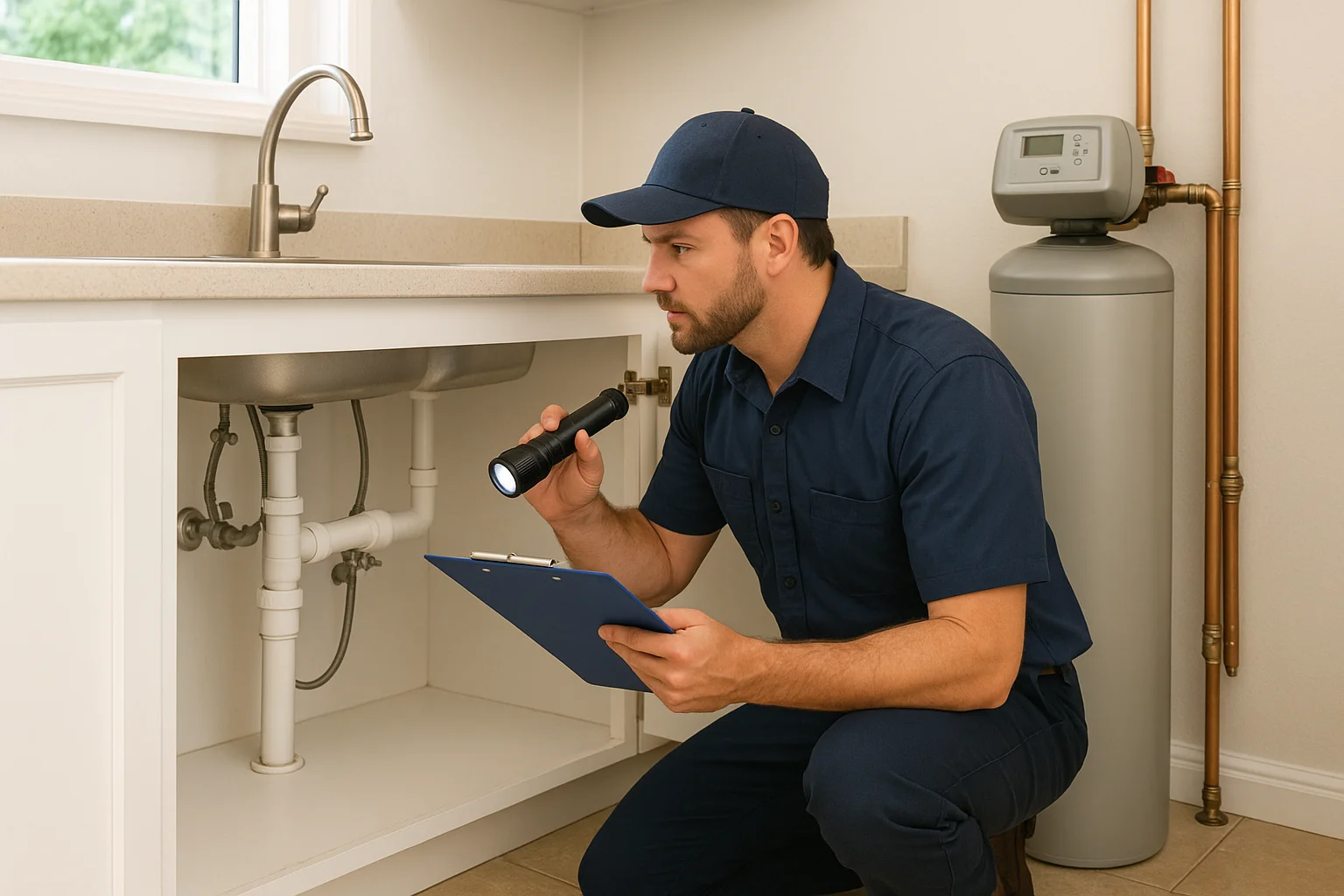
If you suspect airflow issues, a professional air conditioning inspection is a practical starting point. A technician can evaluate airflow pathways, duct condition, and system operation rather than guessing based on temperature alone.
Refrigerant systems, coils, and the humidity equation
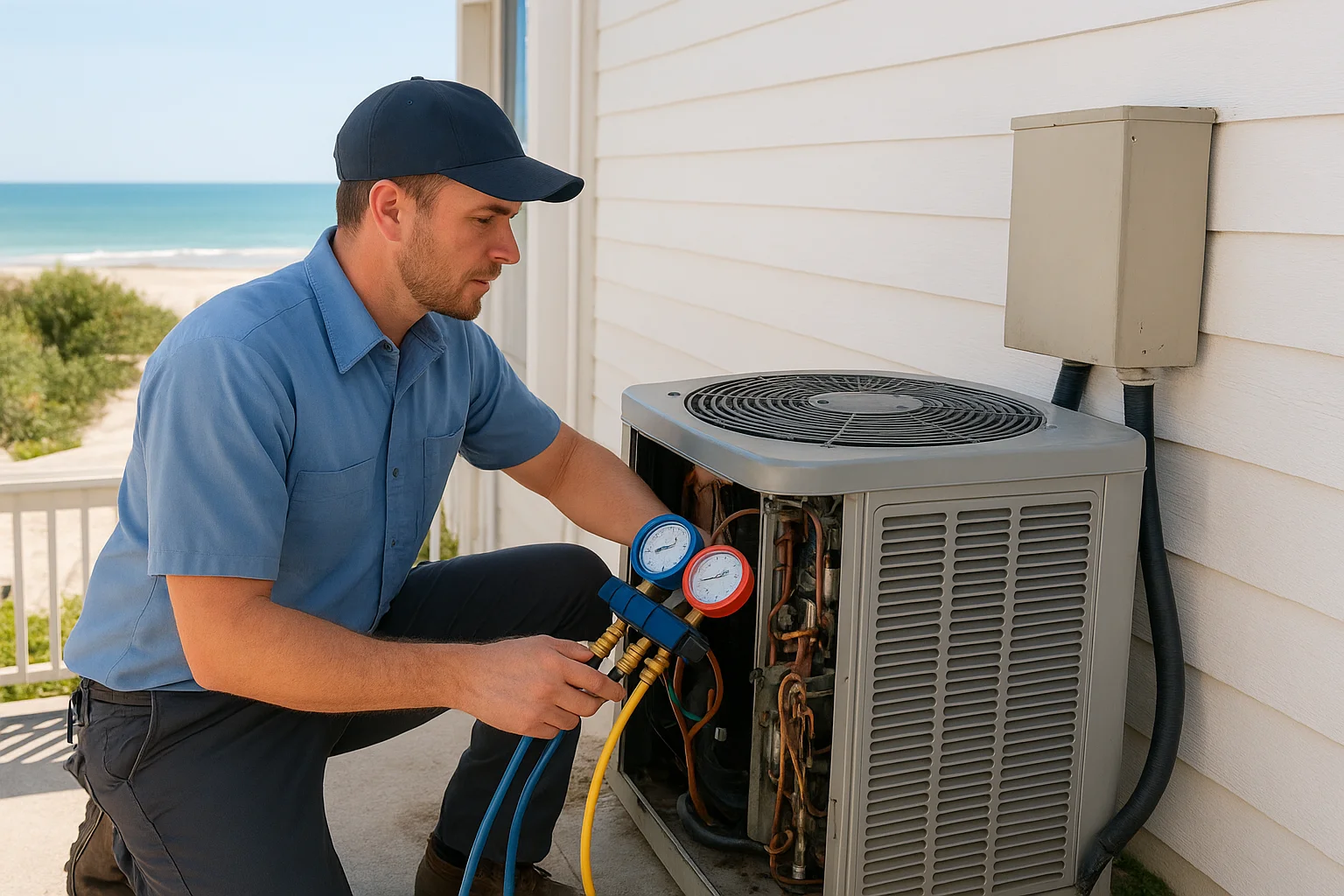
Air conditioners rely on a refrigerant system to move heat out of your home. The indoor coil and outdoor coil work together as the system cycles. When refrigerant charge, airflow across coils, or system components are out of balance, the unit may not cool or dehumidify properly.
It is tempting to think you can “tune” a new AC by adjusting settings, but refrigerant systems require in-person evaluation and correct procedures. Homeowners should not attempt refrigerant diagnosis or service without a licensed professional. If comfort issues show up, the best move is to schedule HVAC service near me from a contractor who can inspect airflow, coil condition, condensate drainage, and operational behavior safely.
Condensate drainage: the hidden part of air conditioner comfort
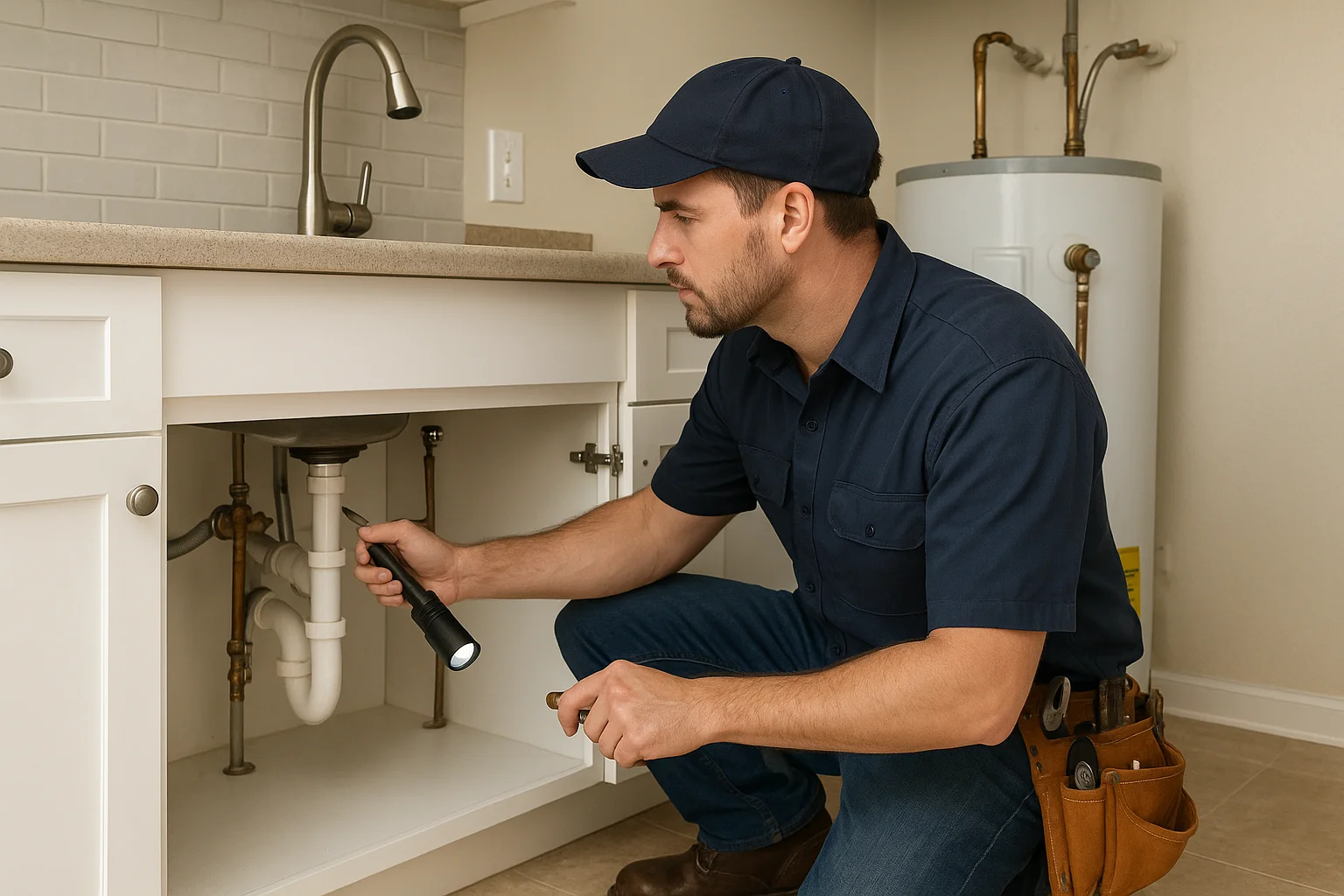
As your AC cools, it removes moisture from indoor air. That moisture collects on the indoor coil and drains through condensate lines. In Florida humidity, condensate management is not optional. If condensate drainage is restricted, poorly routed, or not installed correctly, water can back up and lead to moisture problems.
Signs that condensate drainage may be an issue include:
- Water around the indoor unit or near the air handler
- Musty odors that do not match normal household smells
- Unexpected system cycling or performance complaints after humid days
- Visible moisture on nearby surfaces
A professional can inspect the condensate drainage path and confirm the system is handling moisture as intended for Gulf Coast conditions.
Thermostats and control settings affect comfort more than people realize
Thermostats are the interface between your comfort preferences and the HVAC system’s operation. In Valparaiso, where humidity swings can be significant, thermostat programming and settings can influence how long the system runs and how effectively it dehumidifies.
Homeowners often run into issues like:
- Fan settings that keep the system running continuously when not needed
- Temperature setpoints that do not align with how the home holds humidity
- Using multiple thermostats or zones without proper balancing
If you are installing a new thermostat or upgrading controls, choose settings that support both cooling and humidity management. A qualified HVAC contractor can help you understand the control behavior of your specific system, including how it should respond during Florida heat waves.
Ductwork quality can make or break a new AC installation
Ductwork is where many new construction air conditioning expectations meet real-world performance. Even a correctly sized AC can underperform if ducts are poorly sealed, improperly connected, or not balanced for the home’s layout.
What to look for during or after installation
- Duct sealing at joints and connections to prevent air loss
- Insulation on ducts located in unconditioned spaces
- Correct register placement so airflow reaches each room
- Return duct adequacy for stable system operation
- Filter compatibility with the system’s design airflow needs
If you are dealing with comfort problems and want to understand how ducts affect indoor air quality, the article Comfort Clues Hidden in the Ductwork: Why Valparaiso Homes Benefit from Cleaner Air Paths offers helpful context.
Indoor air quality: new systems still need the right filtration approach
Homeowners building or replacing HVAC equipment often focus on cooling performance, but indoor air quality is tied closely to air movement, filtration, and how moisture is managed. In humid coastal regions like Valparaiso, controlling moisture helps reduce conditions that can contribute to musty odors and indoor irritants.
Consider these indoor air quality factors when planning new construction air conditioning:
- Air filtration that matches your system’s airflow and maintenance schedule
- Regular filter changes during high pollen or high humidity periods
- Humidity control via proper system operation and condensate drainage
- Duct cleanliness and sealing to reduce dust migration
For homeowners looking for practical upgrades, explore Air Filtration and Purifiers. The right approach depends on your home’s airflow and comfort goals, so it is best to evaluate your setup rather than guessing.
Preventive HVAC maintenance helps prevent mid-summer breakdowns
Even with a new installation, preventive HVAC maintenance matters. Florida’s heat and humidity put steady demand on air conditioning components, and small issues can grow quickly if they go unnoticed.
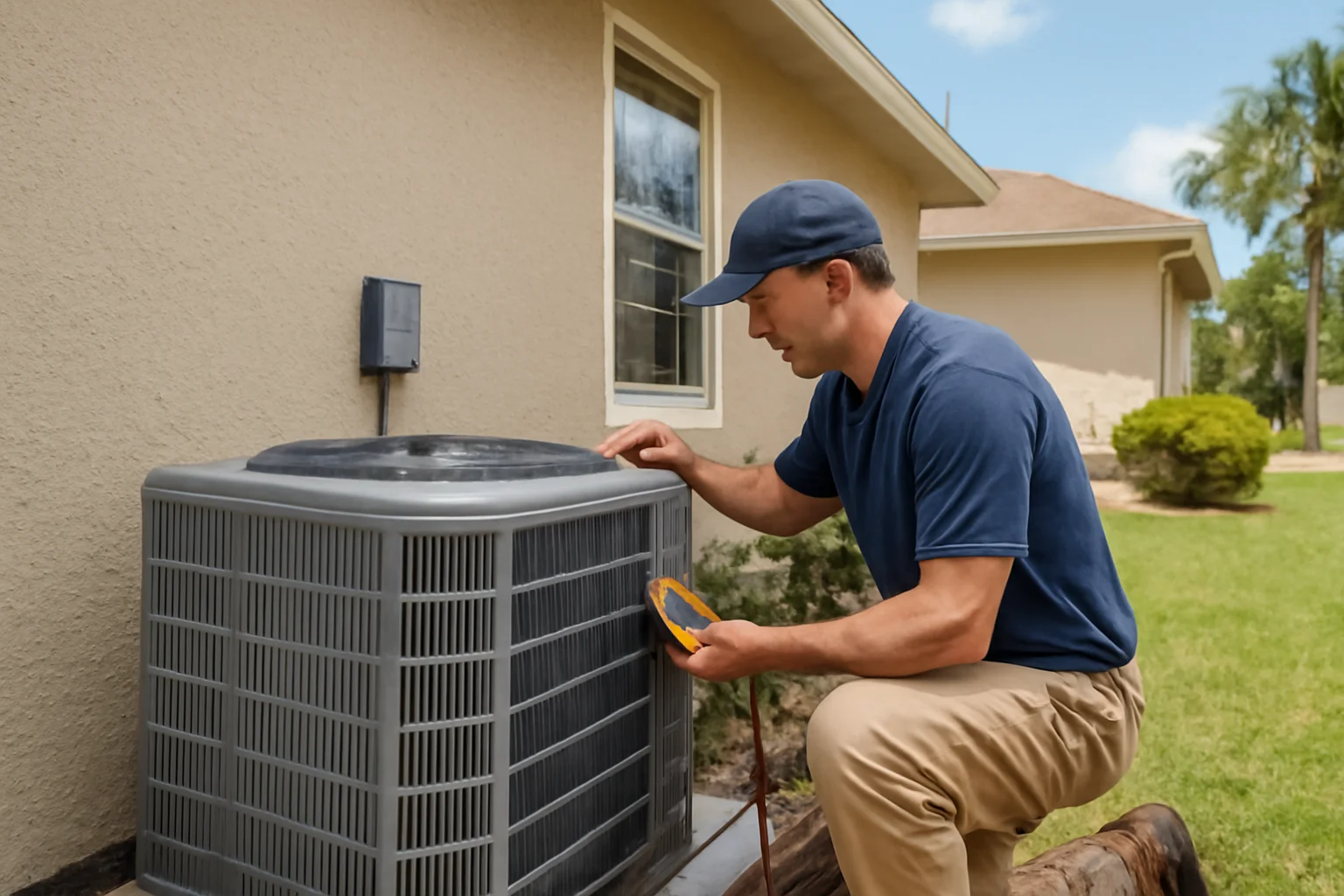
When homeowners search for “AC tune up near me” or “air conditioning service near me,” they are often trying to avoid the kind of failure that happens when demand is highest. A maintenance visit typically supports:
- Verification of system operation and airflow performance
- Inspection of condensate drainage
- Coil cleaning and checks that help the unit move heat effectively
- Assessment of thermostat and control behavior
- Review of filter and ductwork considerations that affect indoor air quality
If you want to connect maintenance to long-term comfort and performance, read Why Better HVAC Maintenance Pays Off for Valparaiso Air Conditioning Systems.
System replacement vs. repair: what homeowners should weigh
New construction air conditioning is about installing a system that fits the home correctly. But homeowners sometimes inherit ductwork problems, comfort complaints, or aging components when they purchase a home or when renovations happen. When performance problems show up, the decision between repair and system replacement should be made after an in-person evaluation.
Here are comfort-focused questions that help guide the right conversation with a professional:
- Are temperature differences caused by airflow or by system operation?
- Is humidity control working during typical Gulf Coast conditions?
- Is condensate drainage functioning correctly?
- Are ducts leaking or poorly balanced?
- Is the thermostat controlling the system as intended?
A qualified contractor can evaluate whether HVAC repair is the right step or whether a more extensive correction is needed. Homeowners should be cautious about assuming equipment replacement is appropriate without a proper diagnosis.
Emergency cooling concerns: plan before the hottest day
When the heat spikes, air conditioning failures can become urgent. That is why homeowners should think ahead about how they will handle emergency cooling concerns. If your home is under construction, confirm that the HVAC contractor has a clear commissioning plan and understands how the system should perform once the home is sealed and occupied.
For existing homes, consider these preparation steps:
- Keep up with filter changes and watch for airflow restrictions
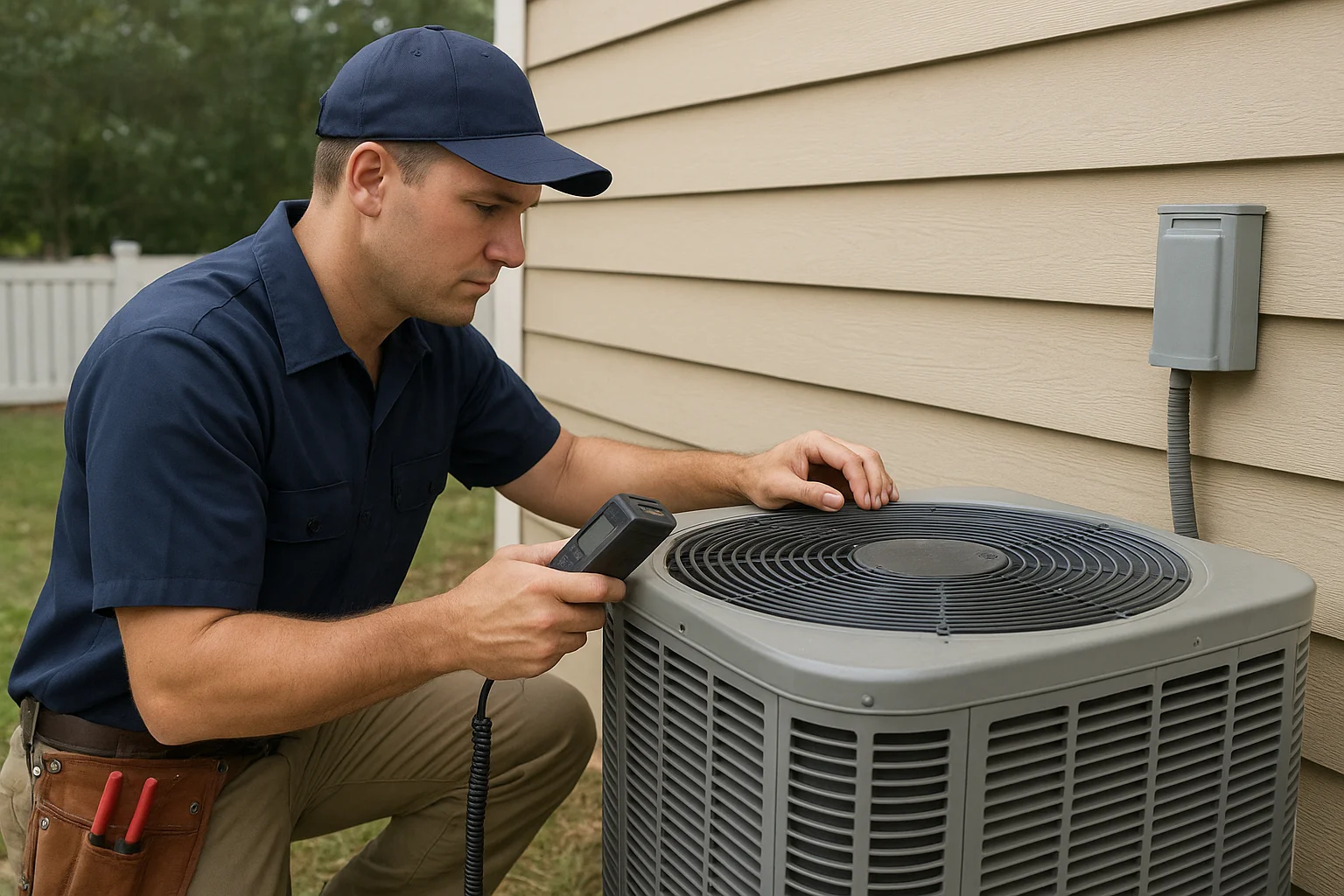
- Schedule an air conditioning inspection before peak summer demand
- Know where indoor and outdoor components are located so you can describe symptoms clearly
- Ask a contractor about emergency AC repair near me options before you need them
In Valparaiso, planning reduces stress when humidity and temperature climb quickly.
How to choose the right HVAC contractor for new construction in Valparaiso
Choosing an HVAC company near me is not just about who can install equipment. For new construction air conditioning, you want a contractor who can handle design, installation quality, and commissioning details that affect airflow, humidity control, and indoor air quality.
When interviewing a contractor, ask whether they will:
- Use load calculations appropriate for your home in Valparaiso
- Verify ductwork airflow and sealing details
- Inspect condensate drainage and indoor coil operation
- Explain thermostat settings and control behavior
- Support preventive HVAC maintenance after installation
You can also review the service focus on new construction air conditioning for Valparaiso to see how custom HVAC design and installation are approached for homes and properties in Okaloosa County. For broader coverage across the region, visit Okaloosa County HVAC service areas.
Valparaiso comfort upgrades that pair well with new AC
Some homeowners want to future-proof comfort by pairing new construction air conditioning with additional system planning. Depending on your home, options may include improved filtration, ductwork corrections, and better control strategies.
If you are considering duct-related improvements, learn more about ductwork and cleaner air paths and consider an air conditioning inspection to identify where airflow or sealing issues may be impacting performance.
If you are also evaluating heating options for your home, it can help to understand how control systems support consistent comfort. See Why Heating Control Systems Matter for Valparaiso Homes for a comfort-focused look at thermostats and system behavior.
Where new construction fits with ductless systems and heat pumps
Not every Valparaiso home uses a traditional ducted setup. Some homeowners explore ductless mini split installation near me or evaluate heat pump service as part of their overall comfort plan. Even then, the same fundamentals apply: proper sizing, correct airflow management, and moisture control are still key.
For example, if you are researching heat pump installation near me or heat pump repair near me, the contractor should still consider how the system will manage humidity and how the home’s air paths will support stable performance. Whether you use ducted air conditioning, a heat pump, or ductless mini splits, the home’s layout and air movement determine comfort outcomes.
Related services homeowners often need after installation
Even a well-designed new system can benefit from follow-up service. Many Valparaiso homeowners find that they need additional support as they learn how their home behaves in different seasons.
- Air Conditioning Systems: For ongoing service planning, see Air Conditioning Systems.
- Air Conditioning Inspection: For troubleshooting comfort complaints, start with Air Conditioning Inspection.
- Commercial needs: If your property includes commercial spaces, explore Commercial HVAC Services.
Quick checklist for homeowners planning new construction AC
If you want a simple way to stay organized before and after installation, use this checklist:
- Confirm load calculations and system sizing for your Valparaiso home
- Ask how airflow will be balanced across rooms and how returns will be handled
- Verify ductwork sealing, insulation, and register placement
- Confirm condensate drainage routing and drainage performance
- Review thermostat settings that support cooling and humidity control
- Schedule preventive HVAC maintenance and keep filters changed
- Plan for emergency cooling concerns by knowing who to call
If you are ready to talk through design and installation for your specific build, you can start with new construction air conditioning in Valparaiso from A Superior Mechanical.
Find New Construction Air Conditioning in Valparaiso, FL
If you need New Construction Air Conditioning in Valparaiso, FL, visit our local service page or contact A Superior Mechanical today.
Map of Valparaiso, FL
Frequently Asked Questions
How do I know if my new construction air conditioning is the right size for my Valparaiso home?
The best indicator is whether the system was selected using proper load calculations for your home. A professional should consider insulation, windows, layout, and airflow paths before sizing equipment. If your home cools unevenly or feels humid, schedule an air conditioning inspection to evaluate airflow and operation.
Can ductwork problems make a brand-new AC feel weak?
Yes. Even with new equipment, leaky ductwork, undersized returns, or poor balancing can reduce airflow to rooms and cause comfort issues. Ductwork quality affects how the refrigerant system performs and how well the home dehumidifies in Florida humidity.
What are signs that condensate drainage is not working correctly?
Look for water near the indoor unit, recurring musty odors, or moisture that appears after humid days. Condensate drainage issues can also affect comfort and system cycling, so it is best to have a technician inspect the drainage path.
Should I try to adjust refrigerant or troubleshoot refrigerant myself?
No. Refrigerant diagnosis and service require an in-person professional evaluation and proper safety procedures. If you suspect a refrigerant or coil issue, contact an HVAC contractor for inspection rather than attempting DIY adjustments.
How often should I schedule preventive HVAC maintenance for a new AC in Valparaiso?
Most homeowners benefit from regular preventive maintenance before peak cooling demand and through the season as recommended by their HVAC contractor. Maintenance supports airflow performance, condensate drainage checks, and indoor air quality planning, which helps reduce the chance of emergency cooling concerns.
Related Articles
- Keeping Valparaiso Comfortable Starts With Smarter Commercial HVAC Maintenance
- Why Better HVAC Maintenance Pays Off for Valparaiso Air Conditioning Systems
- Comfort Clues Hidden in the Ductwork: Why Valparaiso Homes Benefit from Cleaner Air Paths
- Why Heating Control Systems Matter for Valparaiso Homes
Photo Gallery