Panama City drivers are adding electric vehicles at a steady pace, and that means more homeowners are asking a practical question: can my house handle an EV charger safely? The answer depends on the home, the panel, the wiring, and how much electrical demand is already on the system. In Bay County, where salt air, storms, humidity, and older construction all affect electrical equipment, EV charger installation is not just about mounting a unit on the wall. It is about making sure the home can support the load day after day.
A Superior Mechanical helps homeowners with EV charger installation in Panama City, FL by checking the panel, circuits, outlets, grounding, and code requirements before the charger goes in. That approach matters whether you live in a mid century house near downtown, a newer build off Highway 231, or a remodeled property that has seen several electrical updates over the years.
Why EV charging puts different demands on a home
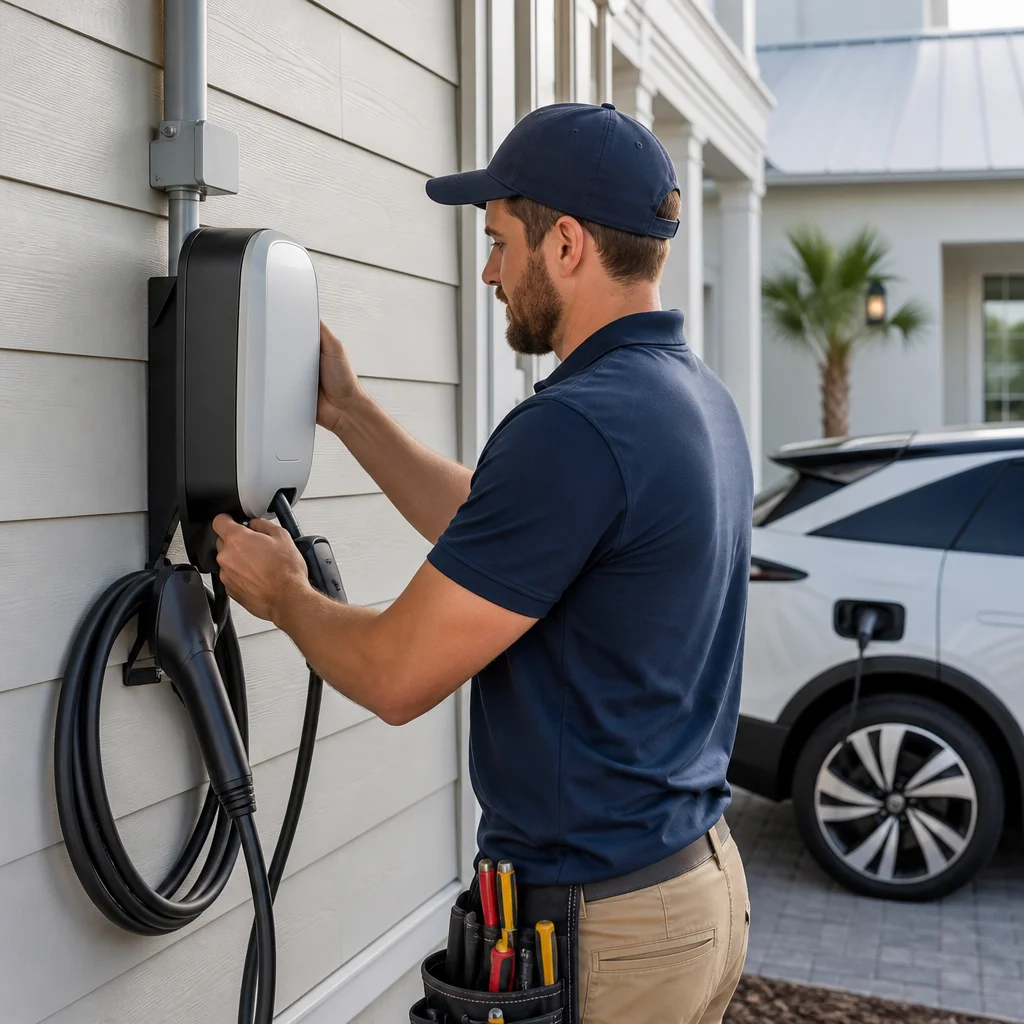
Level 1 charging can sometimes run from a standard outlet, but it is slow and often not practical for daily use. Most homeowners want a Level 2 charger, which charges much faster and usually requires a dedicated 240 volt circuit. That added speed comes with added electrical demand. If the panel is already close to capacity, or if the wiring feeding the garage is undersized, the charger can create nuisance breaker trips, overheated connections, or a need for panel upgrades.
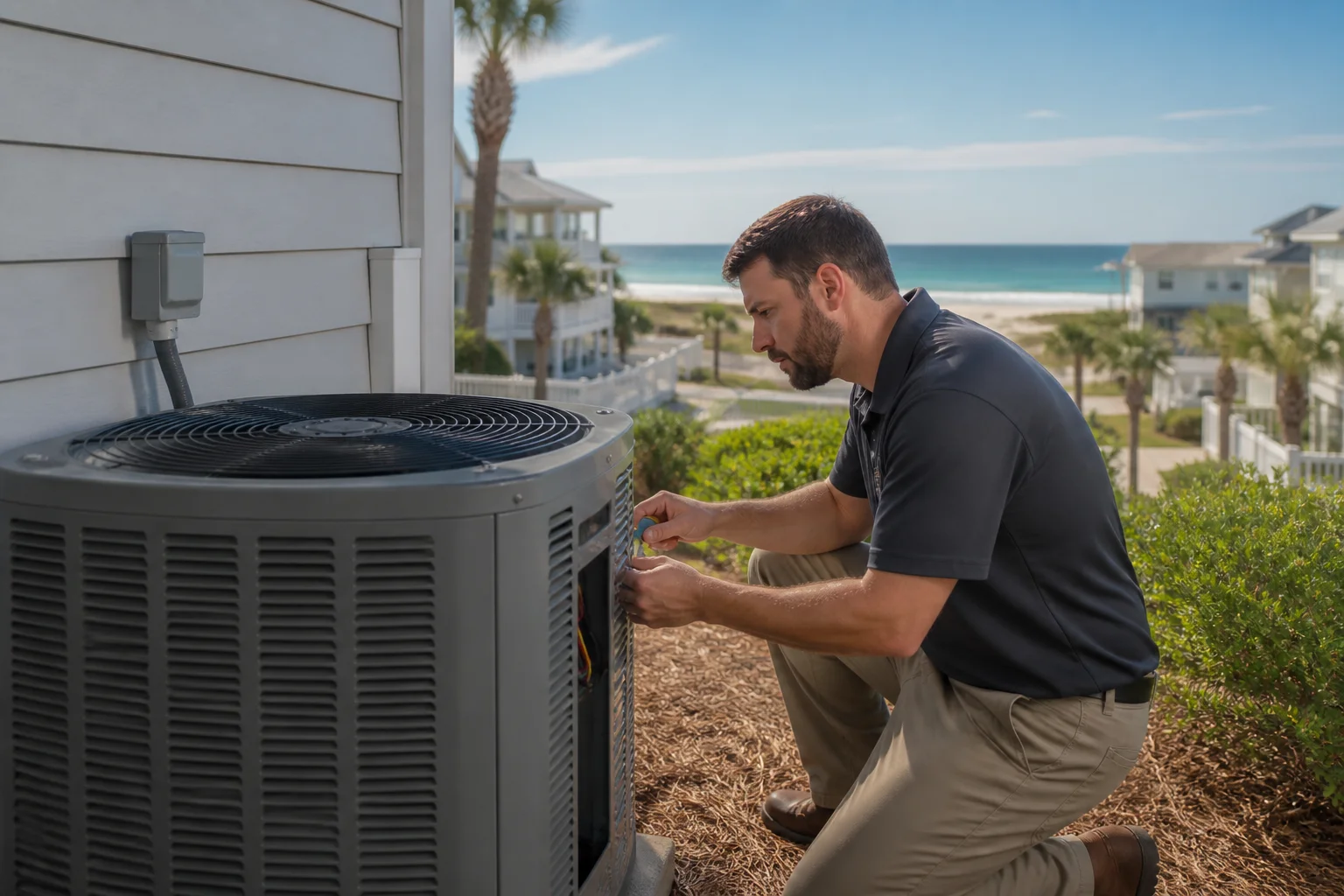
In Panama City, that load issue can show up faster in homes with older service equipment. Coastal weather also takes a toll on outdoor connections, breaker enclosures, and grounding components. Moisture intrusion and corrosion are common reasons an otherwise usable electrical system starts to fail. That is why a proper inspection before installation is part of the job, not an extra.
Older homes and the hidden limits behind the walls
Many older Panama City homes were built before electric vehicles were part of everyday life. Some still have panels that were sized for far less demand than a modern household uses today. Air conditioning, kitchen appliances, lighting, ceiling fans, laundry equipment, and entertainment systems already use a large share of the available capacity. Add an EV charger and the home may need a dedicated circuit, a service upgrade, or a breaker correction to keep everything operating safely.
Older wiring can also create surprises. Aluminum branch wiring, worn insulation, undersized conductors, or outdated receptacles can all affect how well a charger performs. If a homeowner has searched for electrical installation or even garage ev charger wiring near me, the real issue may be deeper than the charger itself. Sometimes the fix is a new circuit. Sometimes it is panel work, grounding improvements, or a code correction electrician near me type of project that brings the system up to current standards.
Older homes may also need outlet repair, switch replacement, or lighting installation near me work before the charging setup is complete. If the garage or carport has worn devices, loose boxes, or ungrounded outlets, those problems should be corrected first.
Newer homes still need a real electrical review
Newer construction often has better capacity, but that does not automatically mean an EV charger can be added without changes. Some homes were built with a panel that is technically modern but already crowded with circuits for smart appliances, tankless equipment, or additions completed after the original build. If the home has a detached garage, a workshop, or a future pool plan, the available amperage may already be spoken for.
Newer homes also benefit from checking the exact route from the panel to the charger location. A clean installation usually means the correct breaker size, proper wire gauge, solid grounding, and the right protection for the environment. In a coastal city like Panama City, this is especially important for garages, exterior walls, and any equipment exposed to humidity or storm driven rain.
What a safe EV charger setup usually includes
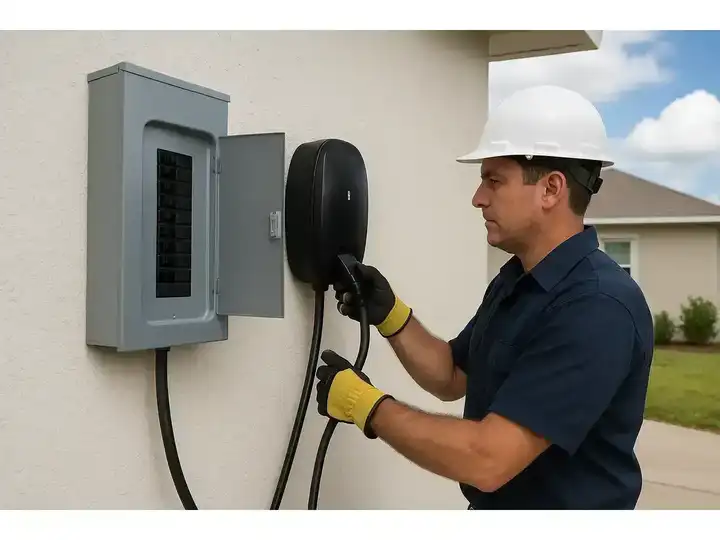
A code compliant installation usually starts with an electrical assessment. That review looks at the panel rating, available breaker space, service load, and the condition of the existing wiring. If the home needs a dedicated circuit, the electrician will size it for the charger and the home’s electrical system. If the charger will be mounted outdoors or in a damp area, proper weather resistant equipment and GFCI protection may be required depending on the setup and code application.
Grounding matters too. A charger should not be treated like a simple plug in appliance. It is a continuous load that can run for hours, so loose terminations, weak breakers, and damaged outlets can create heat over time. That is why homeowners looking for level 2 ev charger installation near me should focus on electrical quality, not just the charger brand.
For Tesla and other EV owners, the same rules apply. A tesla charger installation near me search should still lead to an electrician who checks the panel, the wiring, and the mounting location before energizing the system.
Panels, breakers, and the warning signs of overload
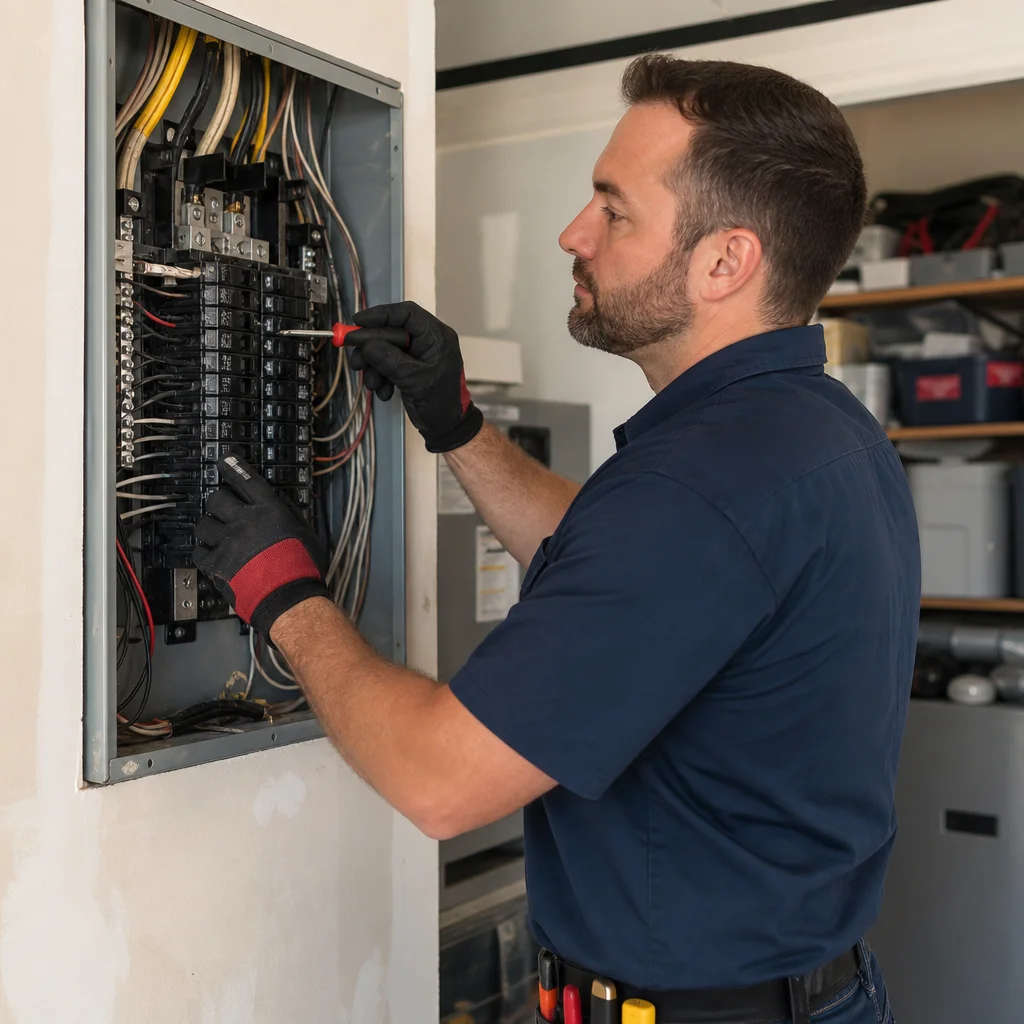
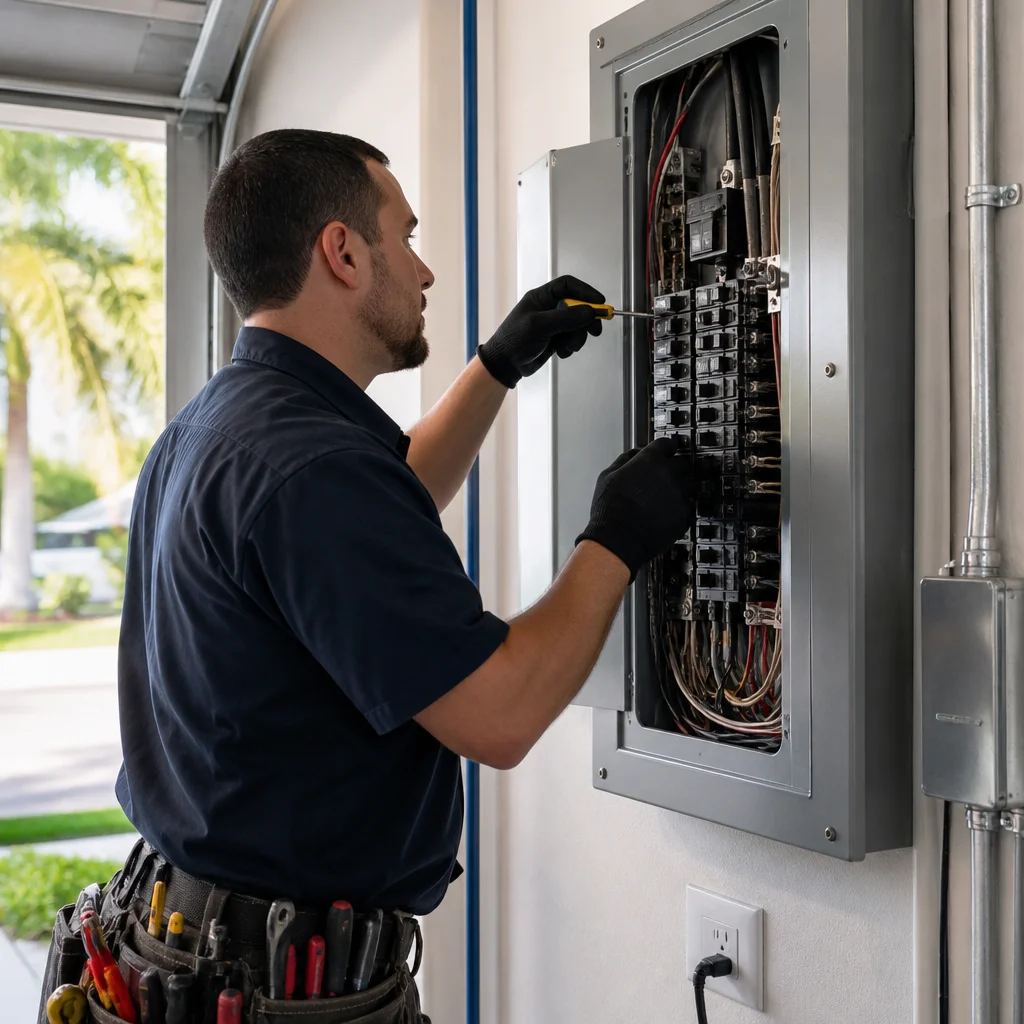
EV charger installation often exposes other electrical issues that were easy to ignore before. A panel that runs warm, breakers that trip without a clear reason, or lights that dim when the charger starts are all signs that the system needs attention. In some homes, breaker repair is enough. In others, the panel is outdated or too small for the total load and a panel upgrade makes more sense.
Homeowners sometimes search for electrical panel upgrade near me after noticing repeated breaker trips or flickering lights, and that is often the right instinct. The panel is the center of the whole system. If it is not sized or maintained correctly, the charger, outlets, lighting, and appliances all suffer.
Code compliance is especially important in Bay County because storm season can stress already weak electrical systems. A panel that is marginal in dry weather may become a bigger concern after a surge event, water intrusion, or emergency electrical callout. Preventive service can catch those problems before they interrupt charging or damage equipment.
Outlets, cords, and why a plug in solution is not always enough
Some EV chargers plug into a receptacle, while others are hardwired. Either way, the outlet or connection point has to be in good condition. A worn receptacle, loose faceplate, or heat damaged device should be repaired before the charger is added. If you are already dealing with an outlet repair near me search, that issue may point to a bigger wiring problem behind the wall.
Garage outlets should be grounded and protected correctly. Outdoor outlets need weather resistant covers and the right type of protection for wet or damp locations. In many homes, the charger location also affects nearby convenience outlets, lighting, and ceiling fans in the garage or carport. A smart installation keeps the charging circuit separate from other loads so the system remains stable.
For homeowners who want other electrical improvements at the same time, this is a good moment to address dimmer switch installation near me requests, kitchen lighting installation near me projects, recessed lighting installation near me, or smoke detector installation near me needs. A coordinated plan can reduce labor overlap and improve the whole home’s electrical safety.
Storms, surge protection, and coastal maintenance
Panama City homes live with thunderstorms, lightning, and occasional hurricane related outages. EV chargers, panel boards, smart controls, and garage devices are all vulnerable to surges. A whole home surge protector is one of the most practical upgrades a homeowner can make when adding an EV charger. It helps protect the charger and the rest of the electrical system from sudden voltage spikes.
That is also why local service matters. Coastal corrosion, heat, and storm damage can affect wires, connectors, breakers, and outdoor enclosures in ways that are not always obvious. If a home has had storm electrical repair near me type issues in the past, the charger project should include a close look at grounding, bonding, and the condition of the service equipment. Preventive maintenance can also help catch problems before they become emergency electrical concerns.
Homeowners who want broader protection may also look at Kohler Generator Installation & Maintenance or generator transfer switch installation near me options. If an outage affects the charger, a generator can keep critical household systems running, though EV charging itself is usually not the first load to prioritize during backup operation.
What local electricians look for before installation
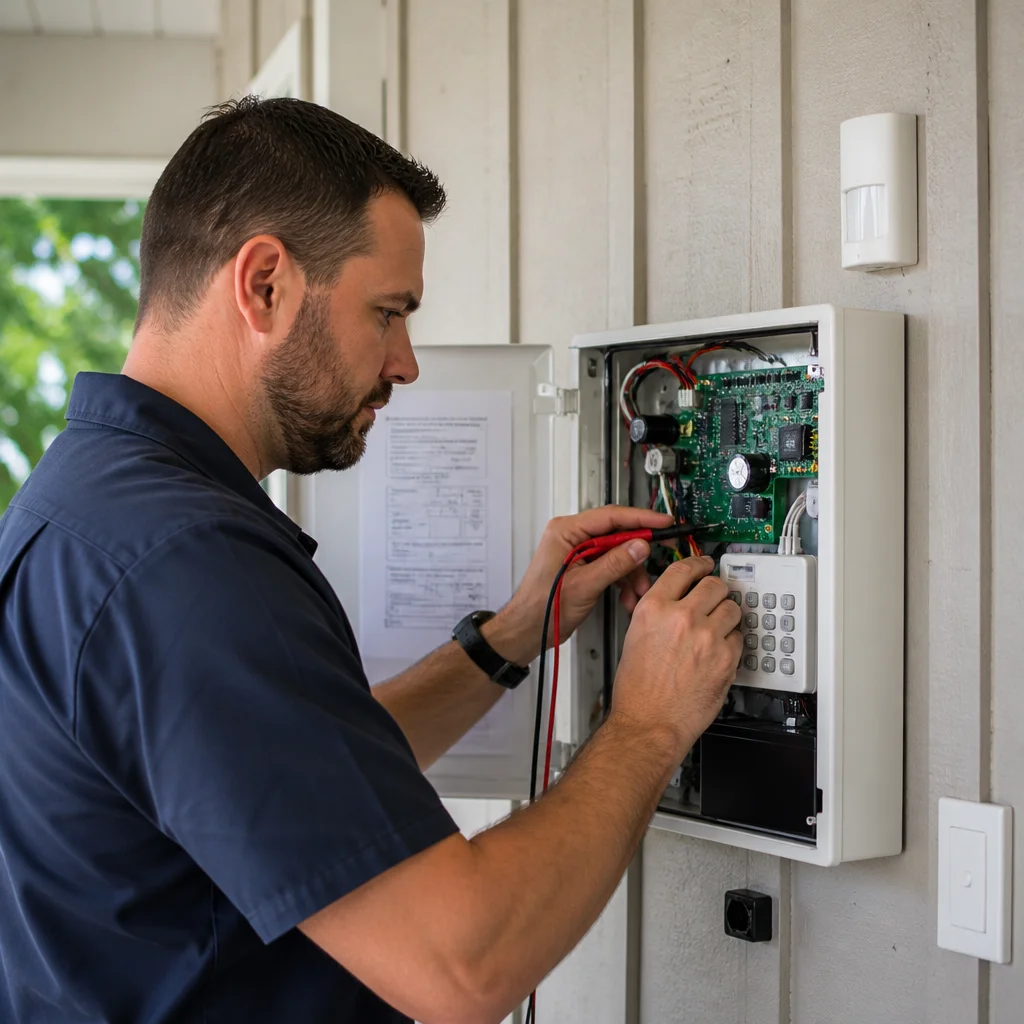
A good EV charger install starts with a load calculation and a close inspection of the panel, feeders, and grounding system. From there, the electrician checks the route to the charger location, the condition of the garage or exterior wall, and whether the home needs code corrections. In some cases, the project reveals other aging issues such as loose breakers, damaged receptacles, or outdated devices that should be addressed before power is added.
That same inspection mindset helps with other services too. If a homeowner has been considering Panama City electrical maintenance, lighting installation near me work, or a residential electrician near me search after a remodel, the charger project can be a good time to bundle repairs and upgrades. Homes with additions, detached structures, or workshop spaces often benefit from a broader electrical review, especially when the original system was not designed for today’s power demand.
For homes with outdoor living areas, it may also make sense to review Outdoor Landscape Lighting or Specialty Smart Services. Those upgrades should be planned around the available capacity so the EV charger does not compete with other important circuits.
Prevention keeps the charger working and the home safer
The best EV charger installation is one that prevents problems before they start. That means using the right breaker, the right wire size, proper mounting, and a charger location that fits the home’s layout. It also means checking the panel for corrosion, making sure the grounding is solid, and verifying that nearby outlets and switches are in good condition.
Routine electrical inspections are a smart habit in Panama City, especially for older homes and homes that have been remodeled over time. If you have been searching for Panama City electrical services or a local electrician to handle more than one issue, it often makes sense to combine the EV charger project with breaker repair, outlet repair, lighting installation, or smoke detector installation. That can improve safety and reduce the chance of future service calls.
For homeowners comparing options, the best path is simple: choose an electrician who understands EV load calculations, local code requirements, storm exposure, and the realities of older and newer homes in Bay County. A charger should fit the home, not force the home to work around it.
If your panel is crowded, your garage wiring is outdated, or your charger location needs a dedicated circuit, A Superior Mechanical can help with safe, code compliant EV charger installation in Panama City, FL and the surrounding Bay County area.
Find EV Charger Installation in Panama City, FL
If you need EV Charger Installation in Panama City, FL, visit our local service page or contact A Superior Mechanical today.
Map of Panama City, FL
Frequently Asked Questions
Do I need a panel upgrade for EV charger installation in Panama City?
Not always, but many homes do need at least a load calculation before installation. If the panel is full, undersized, or showing breaker issues, a panel upgrade may be recommended.
Can an EV charger be installed in an older Panama City home?
Yes, but older homes often need extra review for wiring condition, grounding, breaker capacity, and code compliance. Some projects also require outlet repair or dedicated circuit work first.
Is a Level 2 charger better than plugging into a standard outlet?
For most homeowners, yes. A Level 2 charger is much faster and more practical for daily use, but it usually requires a dedicated 240 volt circuit and proper electrical planning.
How do storms and salt air affect EV charger systems?
Coastal weather can corrode connections, damage outdoor equipment, and increase surge risk. Surge protection, good grounding, and regular electrical inspections help protect the system.
Related Articles
- Protecting Panama City Homes Starts with Better Electrical Installation
- Panama City Beach Homeowners Guide to Electrical Inspections, Code Updates, and Safer Panels
- Lighting, Fixtures, and Safer Electrical Systems for Panama City Beach Homes
- Why Preventive Electrical Service Matters for Panel Upgrades in Panama City
Photo Gallery