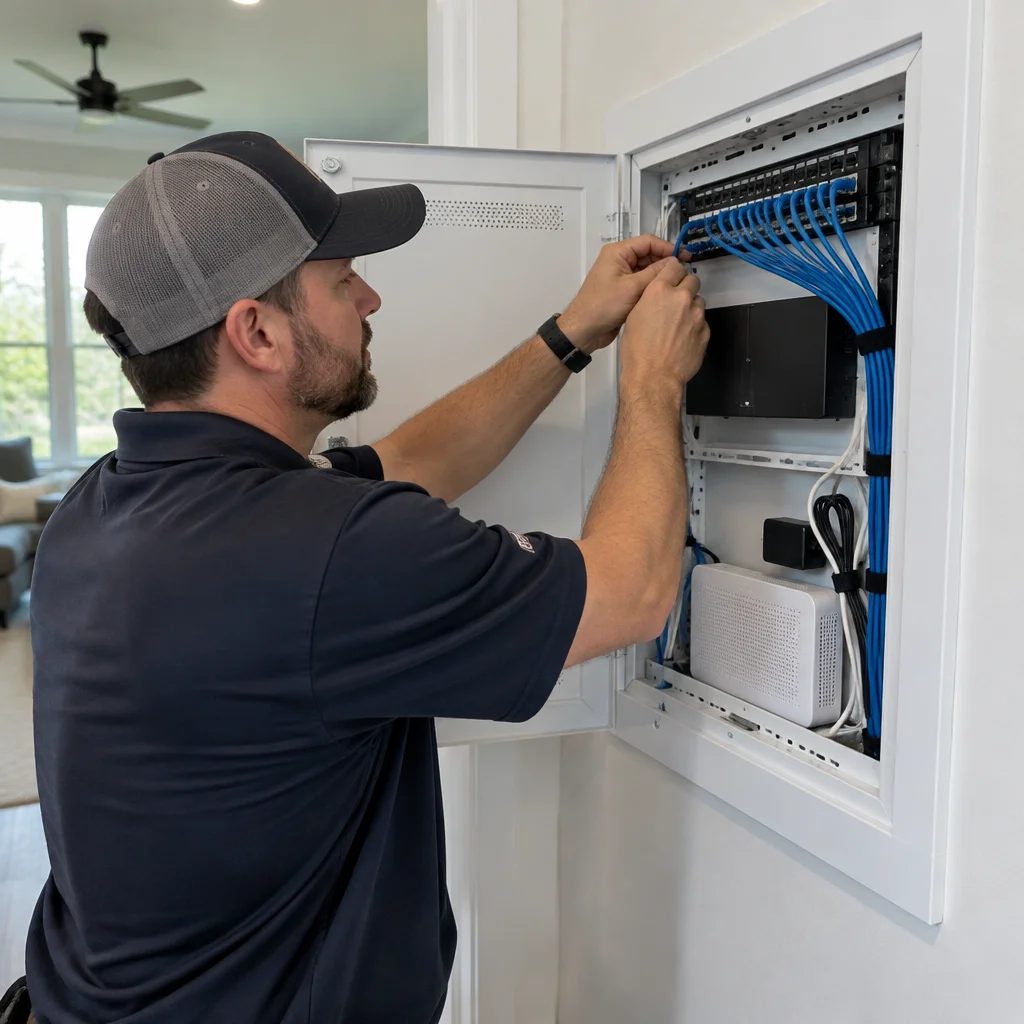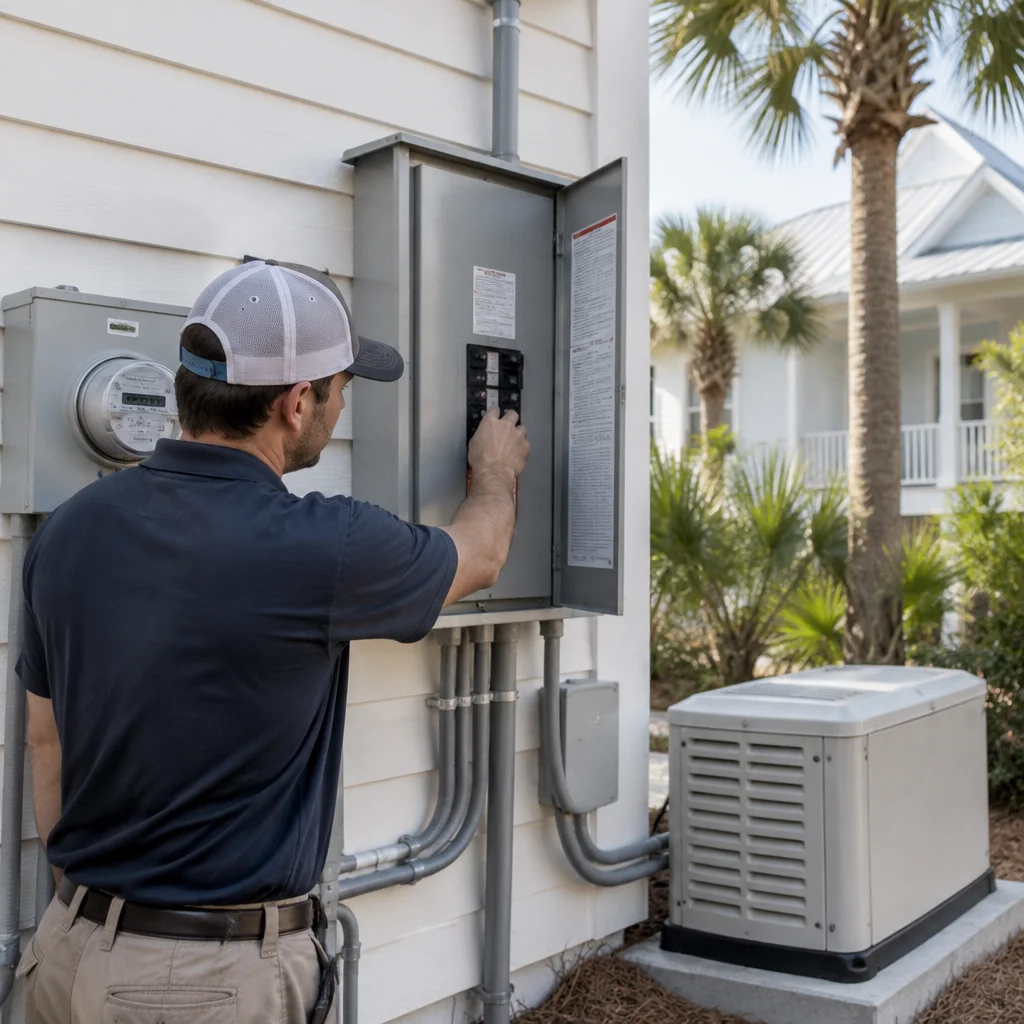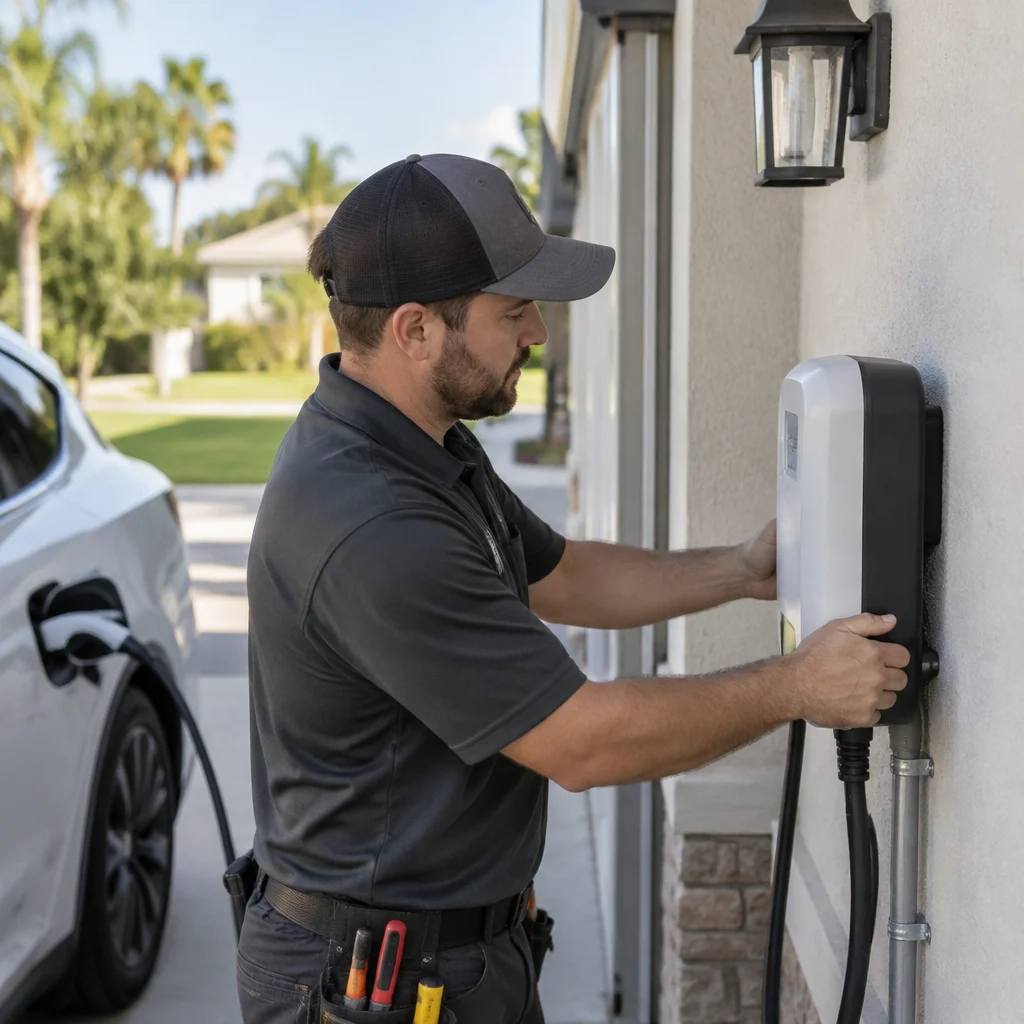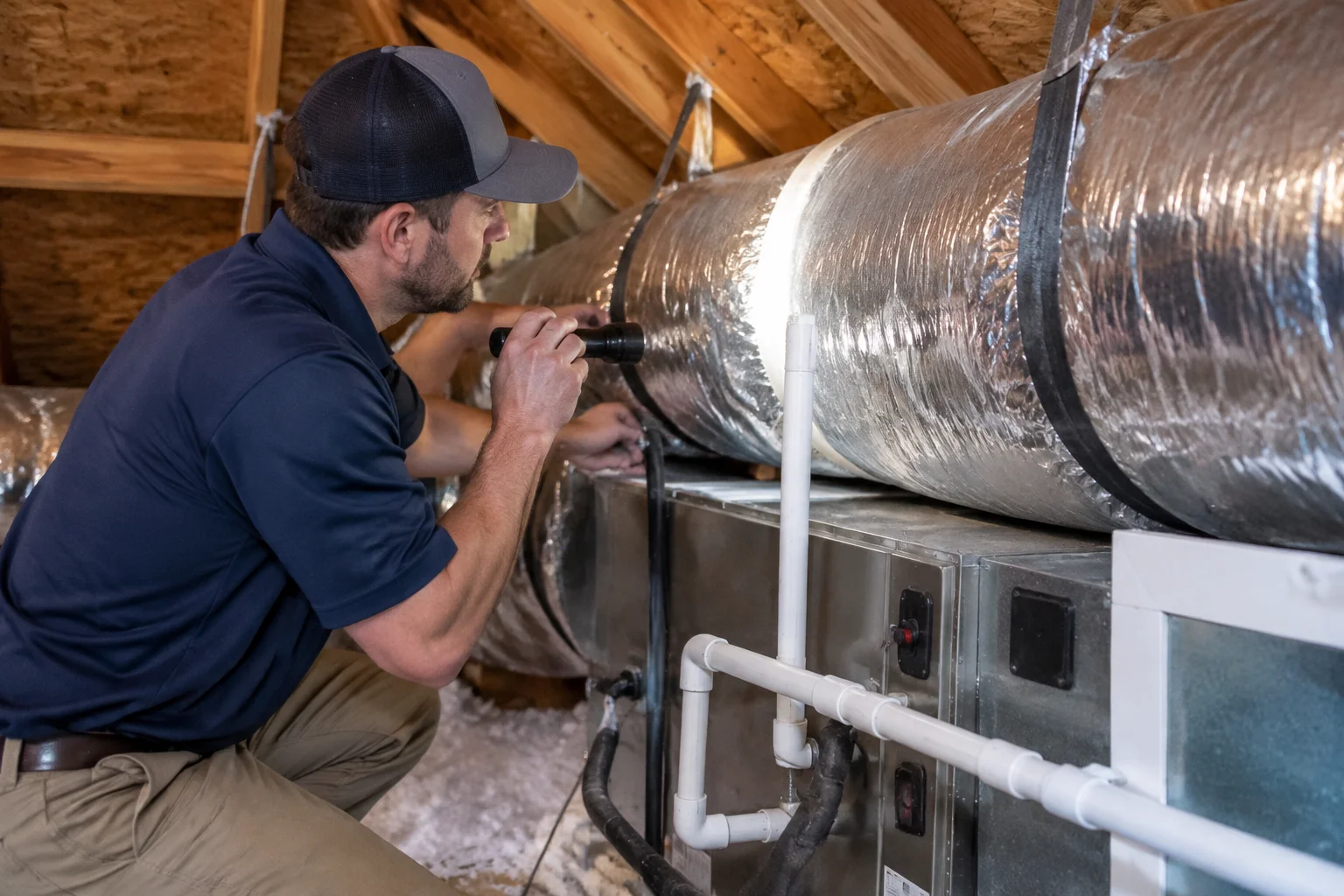
In Cinco Bayou, power planning is not just a nice upgrade. Coastal weather, summer storms, and sudden outages can turn a normal evening into a scramble for flashlights, phone chargers, and a working refrigerator. A well planned battery backup system gives homeowners a quieter, cleaner way to keep essential circuits running without the noise and fuel concerns of a portable generator.
Homes in this part of Okaloosa County are not all built the same. Some older houses still have panels, wiring, and outlets that were designed for a much smaller electrical load. Newer homes may have more capacity, but they also tend to run more electronics, larger appliances, smart devices, and EV chargers. That is why battery backup systems in Cinco Bayou, FL need to be matched to the home, not just the outage risk.
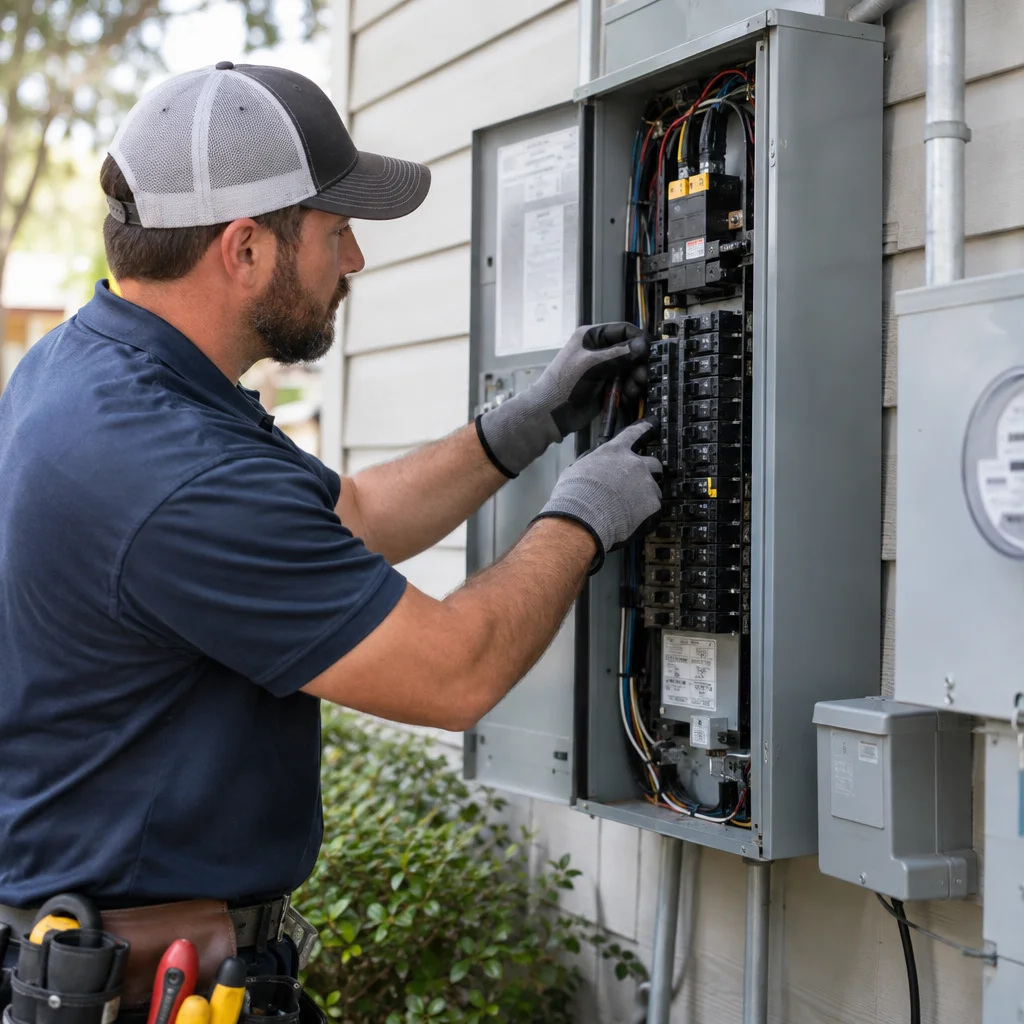
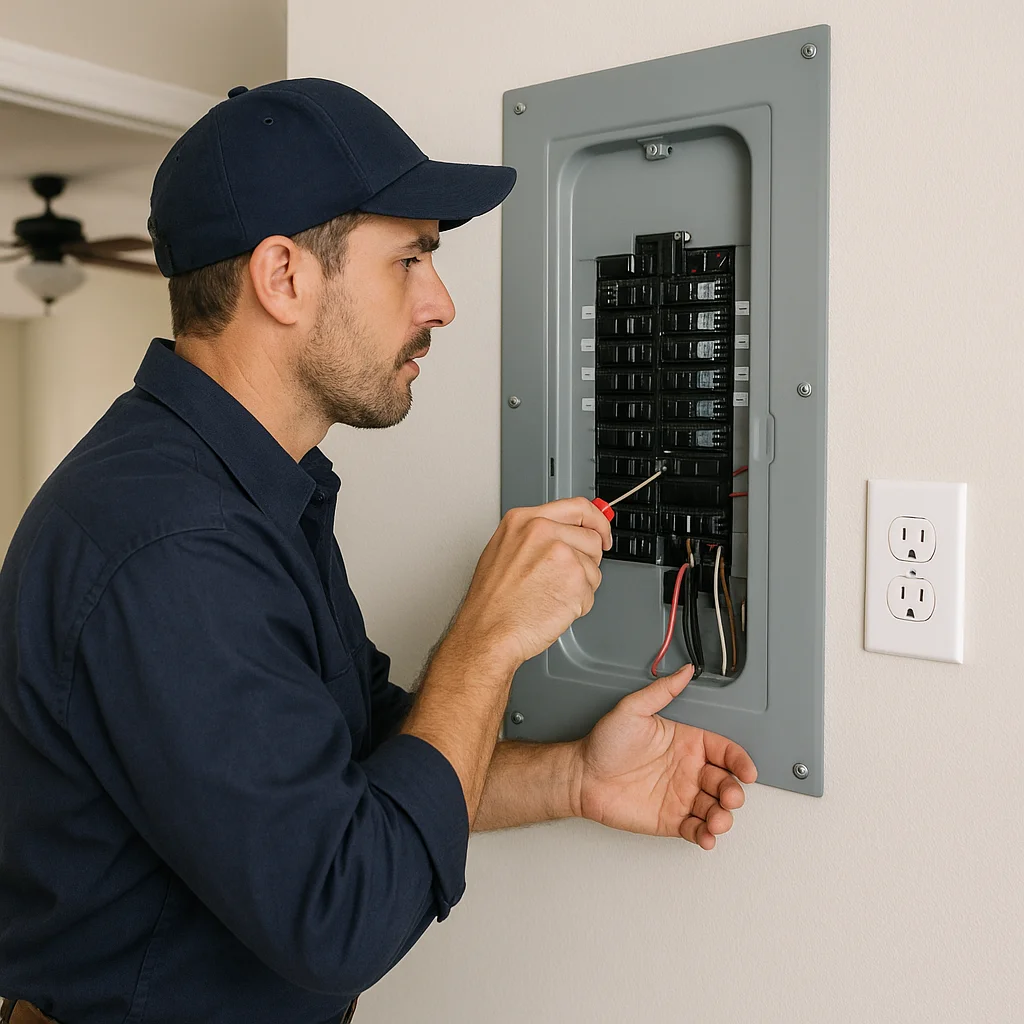
If you are comparing options for battery backup systems, the best place to start is with a local electrical evaluation. A licensed electrician can look at the panel, breakers, grounding, and circuit layout to decide what should stay on during an outage and what should be left off. For homeowners looking for battery backup systems in Cinco Bayou, FL, that planning step matters as much as the equipment itself.
Why battery backup planning matters in Cinco Bayou
Storm season on the Gulf Coast can bring short outages, longer utility interruptions, and voltage swings that stress sensitive electronics. Even when the power comes back quickly, repeated interruptions can affect refrigerators, internet equipment, garage door openers, lighting controls, and home office setups. A battery backup system helps bridge those gaps and keeps the most important parts of the home operating.
Battery systems are especially useful for homes that need quiet backup power for overnight outages or for neighborhoods where a generator would be too loud or too large for the available space. They can also be paired with solar in some homes, though many homeowners use them simply as a dependable backup source for essential loads.
For people comparing local options across the area, it helps to work with an electrician who understands Cinco Bayou homes, local code requirements, and the electrical demands that come with coastal living in Okaloosa County. Local knowledge matters when the question is not just whether backup power is possible, but whether it will be safe, efficient, and sized correctly.
Older homes and newer homes do not need the same setup
Older homes in Cinco Bayou may have smaller service capacity, outdated breaker panels, limited grounding, or wiring that was never intended to support today’s load. In those homes, planning a battery backup system often starts with the panel and branch circuits. If the home has frequent breaker trips, warm outlets, flickering lights, or a service mast issue, those concerns should be addressed first. A battery backup system should not be installed over existing electrical problems.
In older properties, electricians may recommend panel upgrades, breaker repair, outlet repair, or even targeted wiring repair before backup equipment is added. In some cases, homeowners searching for electrical panel and upgrades are really dealing with an older service that cannot safely support new backup equipment, added kitchen loads, or a future EV charger.
Newer homes usually have better panel capacity and cleaner wiring, but that does not mean backup planning can be skipped. A newer home may have more dedicated circuits, smart appliances, ceiling fans, recessed lighting, USB outlets, and a larger number of electronics that all need to be sorted by priority. Battery backup works best when the electrician identifies which circuits are essential and which can stay off until utility power returns.
Typical differences that affect planning
Older homes may need code corrections, GFCI protection updates, grounding improvements, or smoke detector installation tied into current standards. Newer homes may need load balancing, dedicated circuits for large appliances, or surge protection to keep electronics safe during storm related voltage changes. Both types of homes benefit from a careful electrical inspection before backup equipment is selected.
Circuits, panels, and loads should be mapped first
Battery backup systems are not sized by guesswork. A homeowner should know which circuits are truly essential. Common choices include the refrigerator, internet equipment, a few lights, outlets for charging phones, a sump pump if present, and possibly a garage door opener or medical equipment. Some families also want one or two ceiling fans and a kitchen outlet circuit available during outages.
That is where a full electrical review becomes valuable. A licensed electrician can identify whether the panel has room for a transfer setup or battery interface, whether the breakers are in good condition, and whether the home needs a subpanel or other code compliant changes. If your search for electrical repair started because of tripping breakers or dead outlets, that issue should be corrected before backup equipment is installed.
Homes with hot tubs, EV chargers, pool equipment, or heavy kitchen loads may need special planning. Those circuits often draw more power than a battery system should carry during an outage. In that case, the electrician may recommend dedicated circuits for backup loads, not whole home coverage. That keeps the system more reliable and helps the battery last longer when the grid is down.
Storm prep in a coastal community starts with the electrical system
Cinco Bayou weather can be hard on electrical equipment. Humidity, salt air, lightning, and wind driven rain all raise the risk of surge damage and corrosion. Surge protection is a smart companion to battery backup because the battery can keep critical loads on, but it does not by itself protect every appliance from a lightning induced spike. Whole home surge protection can help shield panels, electronics, and sensitive devices.
Grounding also matters. If the home’s grounding system is weak or outdated, the backup equipment and protective devices may not perform the way they should. That is one reason electrical inspections are so useful before storm season. A proper inspection can reveal loose connections, damaged breakers, worn outlets, unprotected circuits, and code issues that might not be obvious until an outage hits.
If you are already making storm prep improvements, this can be a good time to compare battery backup with other backup options. Some homeowners want a battery system for immediate, quiet support and also consider generator installation and electrical readiness for longer outages. The right choice depends on how long you want to run the home, how much fuel or battery capacity you are comfortable managing, and which circuits must stay powered.
Common electrical upgrades that support backup power
Many battery backup projects uncover other useful upgrades. A homeowner may start with backup power and end up improving the whole electrical system in the process. That is often the safest path, especially in older homes.
Useful upgrades can include breaker panel repair, a 200 amp panel upgrade near me style service for homes that need more capacity, outlet repair, lighting installation, or wiring repair where the existing conductors are worn or undersized. Some homes also benefit from usb outlet installation near me style upgrades in key rooms so charging devices during an outage is easier and more efficient.
For homes with older wiring types, such as knob and tube wiring or aluminum wiring, backup planning should be handled carefully. Those systems may require specialized replacement or correction before a battery backup can be integrated safely. If an outlet repair near me search points to a bigger wiring issue, that is usually a sign the home needs a broader review, not just a quick fix.
Homeowners sometimes ask about service mast repair near me, circuit breaker repair near me, or code correction electrician near me services during the same project. Those concerns are worth addressing early because a backup system is only as dependable as the electrical infrastructure feeding it.
Newer homes still need a backup strategy
It is easy to assume a newer home does not need much planning, but newer construction often includes more load than older homes ever did. Smart thermostats, larger refrigerators, home offices, internet gear, electric vehicle charging, and decorative lighting all add up. A newer home may have the capacity for battery backup, but the system still needs to be designed around real usage patterns.
If you are searching for electrical services near me because a newer home keeps tripping a breaker, that may be a sign the circuit layout needs adjustment or that an appliance should be moved to a dedicated circuit. Battery backup planning is a good time to look at those details. The electrician can decide whether the home needs lighting installation near me support, ceiling fan installation near me work, or a dedicated circuit for a kitchen appliance or garage load.
In some cases, homeowners also want to plan for future additions, such as a workshop, a remodeled kitchen, or an EV charger. That is smart. A backup system should not block future electrical upgrades. If you expect to add a charger, ask about electrical panel and upgrades and whether the battery system can be expanded later.
How to decide which loads belong on backup
Not every circuit should be backed up. The goal is to keep the home functional, not to force the battery to carry everything. A practical backup plan usually starts with essentials:
Refrigerator and freezer, a few lighting circuits, internet and communication equipment, selected outlets, smoke detectors, and any medical or accessibility related equipment. Some homes also include a garage door opener, a ceiling fan in a main room, or a small kitchen load. The exact list should be based on the home’s panel, the battery size, and how long the homeowner wants the backup power to last.
Families often ask for whole home generator installation near me results because they want every circuit available. That can be the right answer in some homes, but battery systems often work best as selective backup. A professional electrician can explain the tradeoffs and help the homeowner choose between a battery system, a generator, or a combination approach.
Maintenance keeps backup systems ready for real outages
Once installed, battery backup systems need periodic checks. Batteries should be monitored for performance, connections should stay tight, and the electrical panel should remain free of corrosion or signs of overheating. In coastal air, this matters even more. Salt and humidity can speed up wear on outdoor equipment and on any connections exposed to moisture.
Regular electrical maintenance can catch small issues before they turn into emergency electrical concerns. That may include checking GFCI protection, verifying smoke detector installation, inspecting surge protection devices, and testing any circuits tied to the backup system. If the home has recent remodels or additions, it is also worth confirming that all new wiring and outlets are properly integrated with the backup plan.
Homeowners who want one company to handle the system, the panel, and related upgrades often look for an electrician near me who can coordinate the work without bouncing between contractors. That can be especially helpful when a project involves both backup power and additional services like electrical inspections and code updates or electrical financing for a larger upgrade.
When a professional should take a closer look
Call a licensed electrician before installing battery backup if the home has frequent breaker trips, flickering lights, warm outlets, buzzing panels, old wiring, or signs of corrosion near the service equipment. These are common clues that the electrical system needs attention first. The same is true if you are planning a remodel, addition, hot tub wiring, or an EV charger and want the backup system to support the new load.
Professional help is also important if you are comparing battery backup systems with generator installation, considering surge protector installation near me options, or trying to decide whether the home needs electrical inspections and code updates before anything new is added. A qualified local electrician can make sure the system is safe, code compliant, and sized for the way your household actually uses power.
For homeowners in Okaloosa County, local service matters because the electrical needs of a coastal home are different from those inland. Humidity, storms, older construction, and changing power demand all affect the right solution. That is why battery backup planning should be handled by someone who understands both the equipment and the neighborhood it serves.
If you are ready to explore a backup solution that fits your home, A Superior Mechanical can help with battery backup systems, panel upgrades, breaker repair, outlet repair, wiring repair, and related electrical work throughout Cinco Bayou and the surrounding county.
Find Battery Backup Systems in Cinco Bayou, FL
If you need Battery Backup Systems in Cinco Bayou, FL, visit our local service page or contact A Superior Mechanical today.
Map of Cinco Bayou, FL
Frequently Asked Questions
How do I know if my Cinco Bayou home is ready for a battery backup system?
A licensed electrician should inspect the panel, breakers, grounding, and key circuits first. If the home has frequent trips, outdated wiring, or corrosion from coastal weather, those issues should be corrected before installation.
Can older homes use battery backup systems safely?
Yes, but older homes often need panel upgrades, code corrections, or wiring repairs before the backup system is added. The electrical system has to be able to support the selected circuits safely.
What circuits should usually stay on during an outage?
Most homeowners choose the refrigerator, a few lights, internet equipment, selected outlets, smoke detectors, and any medical or accessibility related loads. The right list depends on the panel and battery size.
Do battery backup systems replace generators?
Not always. Battery systems are quiet and immediate, which makes them great for short outages and essential circuits. Generators can be better for longer run times. Some homes use both.
Related Articles
- Keeping the Lights On in Cinco Bayou: A Homeowner’s Guide to Generator Installation and Electrical Readiness
- Electrical Safety Clues Around Battery Backup Systems in Alys Beach Homes
- Hard Water, Slow Drains, and the Small Plumbing Problems Cinco Bayou Homeowners Should Not Ignore
- Why Cinco Bayou Homes Benefit From Better Tankless Water Heater Service
Photo Gallery