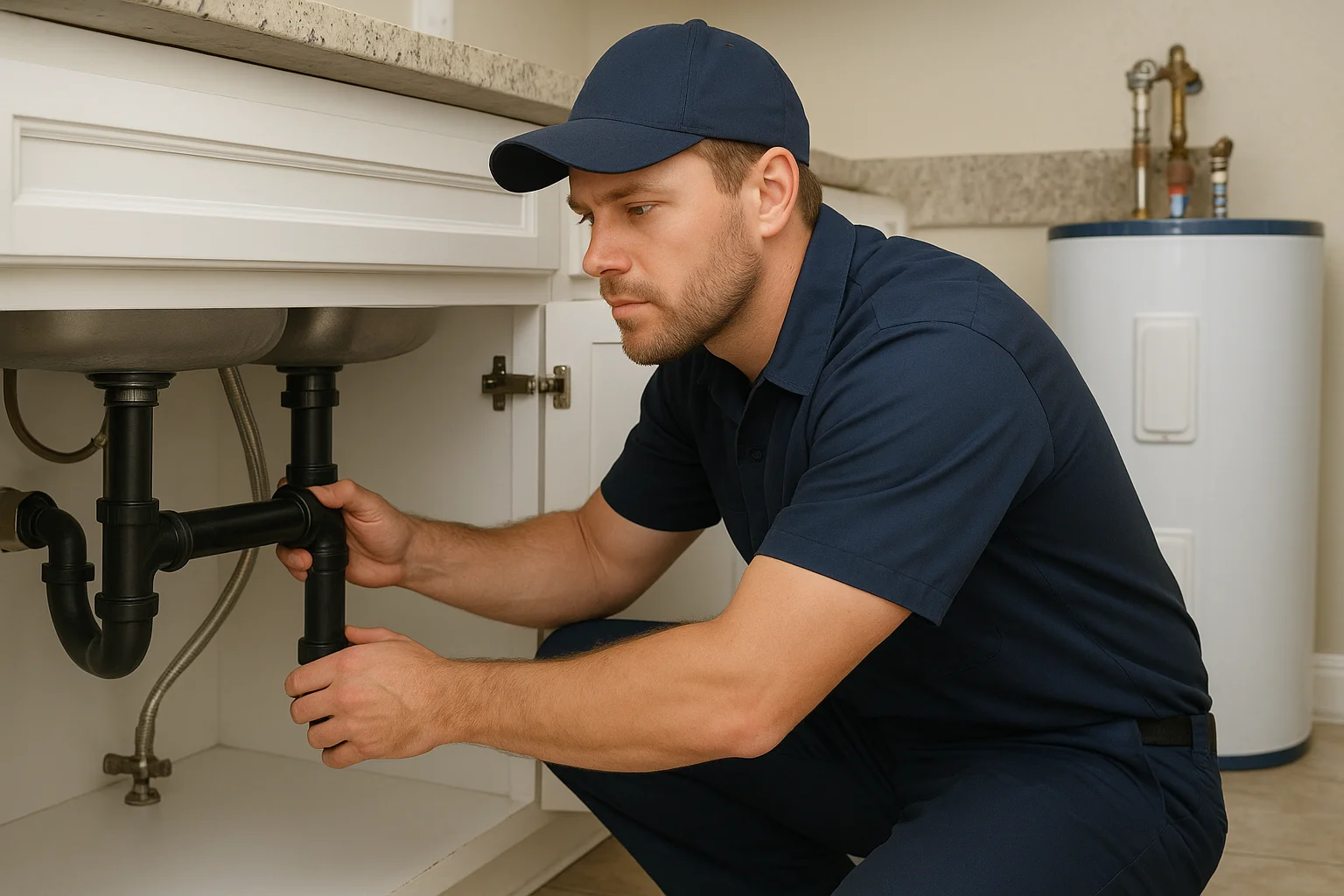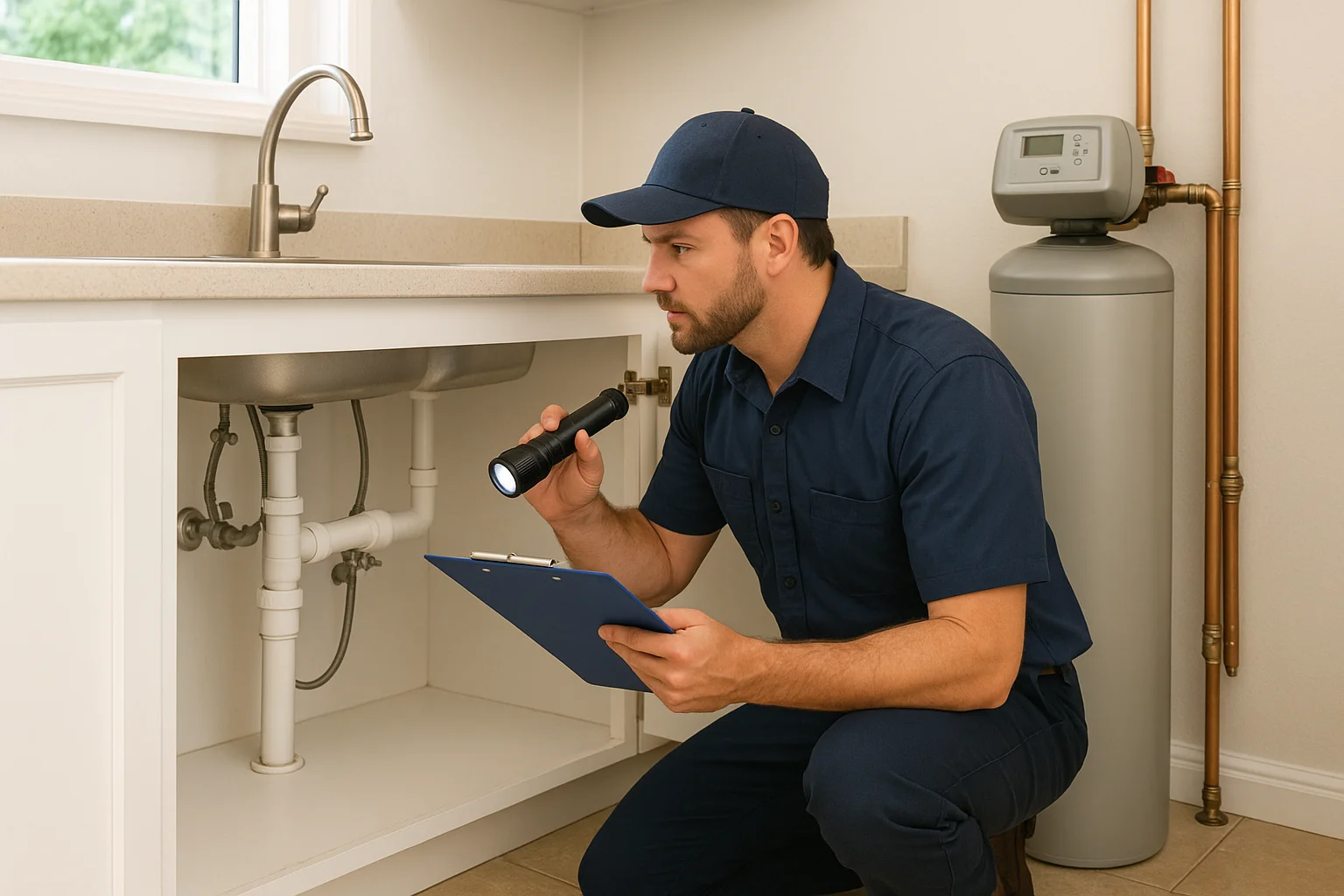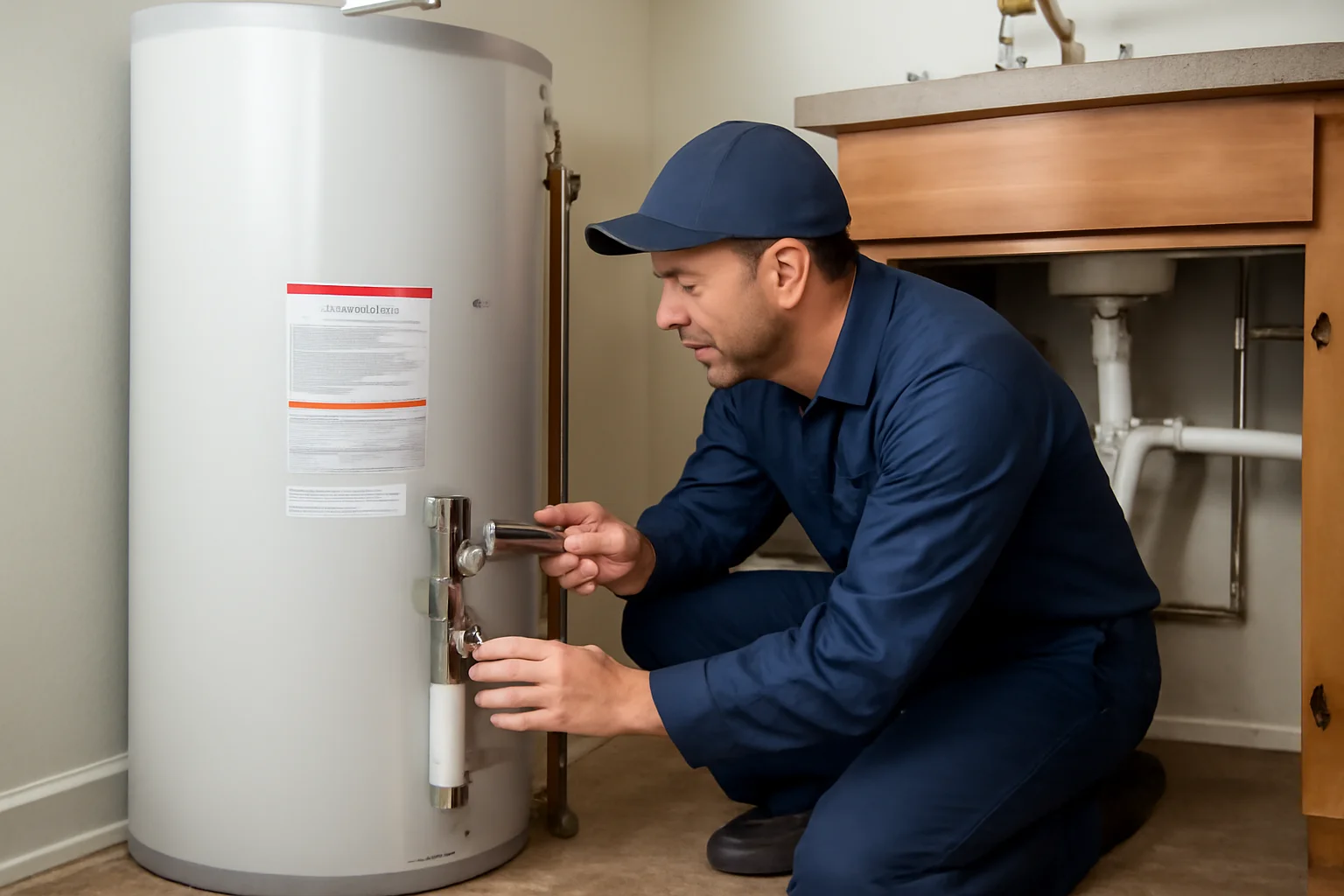
DeFuniak Springs homes rely on steady hot water for showers, laundry, and everyday comfort. When a water heater starts acting up, the real risk is not only losing hot water. A failing unit can leak, stress nearby pipes, and eventually turn a small plumbing issue into water damage that is expensive to repair. This guide walks homeowners through how water heater repair works locally, what to watch for, and how to plan repairs to reduce the chance of major damage.
Why water heater repair matters in DeFuniak Springs
Walton County weather swings and local water conditions can be hard on plumbing systems. In many DeFuniak Springs neighborhoods, older homes and newer builds alike experience mineral buildup from hard water. Over time, that buildup can shorten a water heater’s lifespan, reduce efficiency, and increase the chance of leaks.
DeFuniak Springs also has homes with different layouts, from slab foundations to crawl spaces and utility closets. A leak under a water heater can travel into surrounding cabinetry, affect floor finishes, and in some cases reach areas homeowners do not notice right away. That makes water heater repair planning a practical part of local plumbing maintenance, not just a response after problems begin.
If you are searching for a water heater repair option in DeFuniak Springs, it helps to know what technicians check and why. The goal is to protect your water pressure, your pipes, and the fixtures that depend on the system.
Common water heater problems that lead to leaks and damage
Water heater issues often start quietly. Homeowners may notice performance changes before a visible leak appears. Here are the most common warning signs we see in local homes.
No hot water or inconsistent hot water
When hot water disappears or becomes unreliable, it can be caused by a failing heating element, a gas burner issue, thermostat problems, or sediment buildup that interferes with heating. Inconsistent temperatures can also lead to repeated adjustments at fixtures, which can increase wear on valves and connections.
Strange noises coming from the tank or pipes
Banging, rumbling, or popping usually points to sediment buildup. As minerals collect at the bottom of the tank, they can overheat and cause noise, premature failure, and higher chances of leaks. If you notice the sound more after the water heater runs, address it early.
Water pooling around the unit
Any moisture around the base, connections, discharge line, or nearby fittings deserves attention. Leaks can start from supply lines, drain valves, temperature and pressure relief components, or the tank itself. Even a small drip can become a bigger problem when it soaks into flooring, drywall, or insulation.
Rust-colored water or foul smells
Rusty water at hot taps can suggest internal corrosion. Sediment and corrosion can also impact the smell and taste of hot water. If you are dealing with hard water and see discoloration, it is a strong indicator that the heater needs service.
Pressure issues affecting fixtures
A failing water heater can change how your home maintains water pressure. Some homeowners notice weak flow at showers or faucets, then later see sudden changes after the heater cycles. If you are noticing pressure swings alongside water heater symptoms, include that detail when you call for plumbing repair.
How water damage happens before you notice it
Water damage is often delayed. A leak may start in a utility closet, behind a wall, or near a slab edge before it becomes obvious. DeFuniak Springs homes can have water heater installations in locations where moisture spreads slowly.
Cabinet and floor saturation
When a leak is near plumbing lines feeding sinks, laundry hookups, or bathroom fixtures, water can migrate through small gaps. Over time, it can damage subflooring and create conditions that are difficult to correct.
Hidden moisture near pipes and connections
Even if the tank looks dry, the problem may be at a connection point. The supply line, shutoff valves, flex hoses, and drain fittings can develop pinhole leaks. A plumber can check for dampness, staining, and pressure changes while inspecting the system.
Slab leak risk in some homes
While water heater leaks do not always become slab leaks, any persistent leak can contribute to wetting around the foundation area, especially if hot water lines are involved. If you suspect leaks in the same area as your water heater and you also notice rising water bills or warm spots, it is worth discussing with a local plumber during water heater service planning. Early diagnosis helps limit the scope of repair.
What a professional water heater repair visit includes
When homeowners call for plumbing services near me, a good water heater repair inspection should go beyond “turn it off and see.” A thorough approach typically includes:
Checking for leaks at the tank, fittings, and the temperature and pressure relief discharge line.
Inspecting inlet and outlet connections, shutoff valves, and drain valves for corrosion and seepage.
Evaluating performance issues such as inconsistent hot water, slow recovery, and abnormal cycling.
Assessing water pressure and verifying the system is operating within safe limits.
Reviewing signs of sediment buildup, including noise patterns and discoloration.
Testing safe operation and recommending repair steps or replacement if the tank is nearing end of life.
For many homeowners, this is also where planning matters. A repair recommendation might include additional plumbing work, such as addressing a leaking nearby pipe, replacing a worn valve, or coordinating repairs to keep drains and fixtures functioning correctly after service.
Planning your repair to protect drains, pipes, and fixtures
Water heater repair often overlaps with other plumbing needs. A smart plan helps you avoid repeat visits and reduces the chance of water damage lingering after the heater is serviced.
Coordinate with drain cleaning if you see repeated clogs
Some homeowners notice slow drains around the same time they experience water heater issues. That can happen when sediment and debris are introduced into household plumbing, or when separate problems are occurring at once. If you are dealing with a clogged drain repair that feels urgent, search for drain cleaning near me and ask whether any drain-related symptoms connect to the water heater area.
In homes where multiple fixtures share plumbing lines, a minor issue can compound. If you also notice toilet backups or gurgling sinks, a technician may recommend sewer line help or targeted sewer drain cleaning near me service.
Watch for fixture leaks and running toilet repair
Sometimes a failing water heater changes how frequently the system cycles, and homeowners interpret the noise as a “water problem” elsewhere. However, leaks at fixtures still matter. A running toilet can waste hot and cold water and increase pressure demands on the system. If you are comparing costs, addressing a toilet repair & replacement issue alongside water heater service can prevent unnecessary strain.
Consider waterline replacement if you have recurring leaks
In some cases, a water heater repair reveals a bigger issue, such as aging supply lines or recurring pipe leak repair needs near the heater location. If you suspect supply line deterioration, ask about waterline replacement and whether it would improve reliability for your whole plumbing system.
Address pipe repair promptly to prevent cascading failures
If you see a leak at a nearby pipe, do not assume it is “just the connection.” Small drips can become active leaks that damage walls and floors. A plumber can perform pipe repair and help you avoid emergency conditions. If you are searching for emergency pipe repair near me because water is spreading, treat that as a time-sensitive plumbing repair concern.
Hard water, mineral buildup, and why local service helps
Hard water is common in many parts of Florida, and DeFuniak Springs is no exception. Mineral deposits can collect inside tank-style water heaters and restrict heat transfer. That can lead to higher energy use, slower hot water recovery, and more frequent repairs.
Local plumbing service matters because technicians understand how regional water conditions can affect plumbing fixtures, valves, and drain performance. If you want long-term reliability, ask about water heater maintenance steps and whether your system would benefit from a service schedule. You can also review water heater maintenance options that fit how your household uses water.
Water use patterns in DeFuniak Springs homes
Repair planning should also reflect daily water use. A household with frequent laundry loads, multiple showers in the morning, or a large number of occupants can push a water heater harder than a smaller home. Vacation rentals in Walton County can create additional strain with short, high-demand periods followed by lower usage.
When a water heater is already dealing with sediment buildup or an aging tank, heavy usage can reveal problems sooner. If your hot water failures show up during peak times, mention that to your plumber. That context can help narrow down whether the issue is capacity, heating performance, or a leak causing heat loss.
When to treat water heater issues as emergency plumbing concerns
Some situations should not wait. If you see active leaking, water pooling, or damage spreading, it is reasonable to call an emergency plumber near me or ask for same day plumber availability. The urgency is about limiting water damage and reducing the risk to nearby pipes and fixtures.
Call promptly if:
You have a visible leak at the tank, fittings, or discharge line.
Water is spreading near the base of the heater, under cabinetry, or toward a slab area.
Hot water is absent and you suspect a safety-related failure.
You notice unusual smells, heavy rust, or signs of severe corrosion.
Your home is experiencing pressure drops plus ongoing moisture.
Even if the problem seems “small,” moisture can create mold-friendly conditions and weaken materials. Quick action helps keep repairs simpler.
Repair vs replacement: how homeowners can decide
Not every water heater problem is best handled with a simple fix. A plumber may recommend repair if parts can restore safe and reliable operation. Replacement may be the better choice if the tank is near end of life, if leaks keep returning, or if internal corrosion is extensive.
When deciding, homeowners should consider:
How long the current unit has been in service.
Whether the issue is tied to sediment buildup, corrosion, or a failing component.
The cost of repeated repairs versus a planned replacement.
How quickly you need hot water restored for daily routines or rental operations.
If replacement becomes the recommendation, you can explore water heater replacement options. Planning replacement also helps you coordinate with nearby plumbing, including pipe repair and fixture connections.
Maintenance steps that reduce future repair calls
Homeowners can do a few practical things between professional visits. These steps do not replace service, but they help reduce the odds of sudden failures.
Know where the shutoff and drain points are
Locate the water heater shutoff valve and understand how the system is drained when maintenance is performed. If a leak happens, quick isolation can reduce damage.
Watch for small changes in performance
If hot water recovery takes longer, if you hear more noise than usual, or if water pressure seems off, treat it as a maintenance signal. Waiting until the tank fails can turn a manageable repair into a larger, more disruptive project.
Keep an eye on nearby drains and fixtures
Leaks and clogs can show up together. If a kitchen sink drain is slow or you notice recurring backups, consider whether you need kitchen sink drain repair near me or if there is a broader drainage issue. Addressing drains and pipes early helps protect the plumbing system that the water heater depends on.
For broader guidance, you may find it useful to read A Smarter Way to Handle Plumbing Maintenance in DeFuniak Springs and Staying Ahead of Plumbing Problems in DeFuniak Springs Homes.
How to prepare before a plumber arrives
Preparation can make water heater repair faster and help reduce the chance of additional damage.
Turn off water supply to the heater if there is active leaking.
Clear access to the unit and nearby piping so the technician can inspect quickly.
Note when symptoms started, whether hot water is completely missing or only inconsistent, and if noises have increased.
Check other fixtures for leaks, including faucets and toilets, and mention any running toilet repair concerns.
If you have hard water stains or rust-colored water, take photos. Visual evidence can help with diagnosis.
Homeowners often look for plumbing repair help and want clarity on next steps. Sharing details about water use and when symptoms happen can help your local plumber provide a more accurate plan.
Choosing local plumbing service in Walton County
Working with a local plumbing team familiar with DeFuniak Springs homes can improve the odds of a smooth repair. Local service matters for scheduling, response time, and understanding how common plumbing issues show up in the area, including problems connected to drains, sewer lines, and aging pipe networks.
If you are comparing options for a local plumber near me or looking for affordable plumber near me, focus on communication and thorough inspection. A dependable technician will explain what is happening, how it can lead to water damage, and how repair planning protects your pipes and fixtures.
For additional context on keeping water quality and plumbing performance steady, see Cleaner Water Starts With Better Plumbing Care in DeFuniak Springs. If you are also considering fixture upgrades that affect flow and pressure, read Making Smarter Choices About Plumbing Fixture Replacement in DeFuniak Springs, FL.
If you want to explore services in the area, visit the DeFuniak Springs service area page and learn more about how A Superior Mechanical supports homeowners across Walton County.
For homeowners specifically dealing with a failing unit, the most direct path is to schedule water heater repair in DeFuniak Springs. Fast, dependable repair planning helps protect your home’s water system and reduces the chance that a leak turns into an emergency.
Find Water Heater Repair in DeFuniak Springs, FL
If you need Water Heater Repair in DeFuniak Springs, FL, visit our local service page or contact A Superior Mechanical today.
Map of DeFuniak Springs, FL
Frequently Asked Questions
What are the first signs I need water heater repair in my DeFuniak Springs home?
Look for no hot water, inconsistent temperatures, rumbling or popping noises, rust-colored water, or any moisture around the tank and connections. If you notice water pooling or pressure changes, it is time to schedule plumbing repair.
Can a small leak from a water heater cause major water damage?
Yes. Even a slow drip can soak into flooring, cabinets, and nearby pipe runs before it is obvious. In homes with slab areas or wall cavities near the heater, water can spread farther than expected.
How does hard water affect water heaters in Walton County?
Hard water mineral buildup settles inside tank-style heaters and reduces heat transfer. That can lead to louder operation, slower recovery, higher energy use, and a higher chance of corrosion and leaks over time.
Is it better to repair or replace a failing water heater?
It depends on the cause, the unit’s age, and whether repairs would likely be repeated. A technician can inspect the tank and key components and recommend repair or replacement based on safety, reliability, and cost.
When should I call an emergency plumber for water heater problems?
Call promptly if you see active leaking, water spreading near the heater, heavy rust or strong odors, or you suspect a safety-related failure. Quick action helps limit water damage and reduces the chance of additional plumbing issues.
Related Articles
Photo Gallery