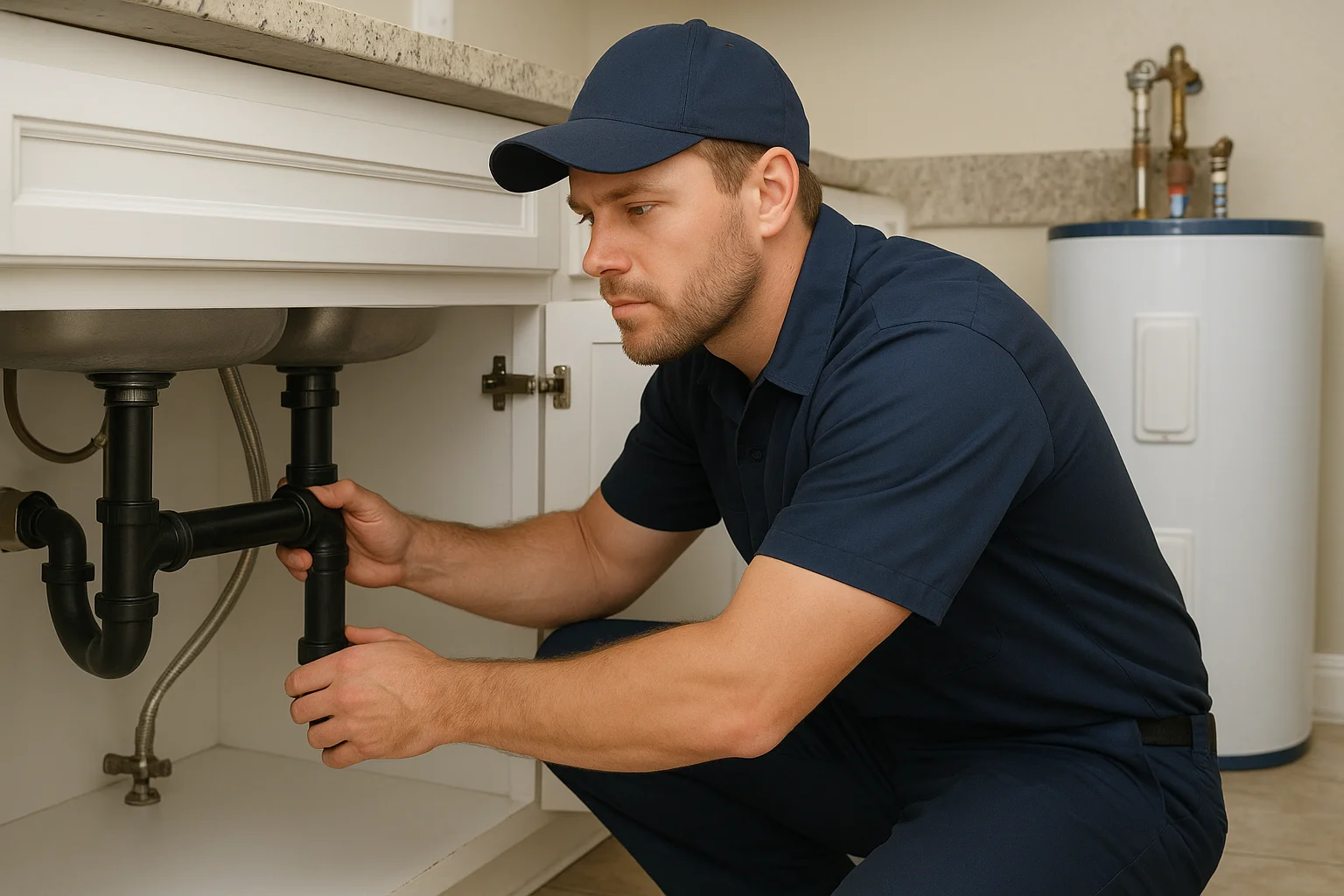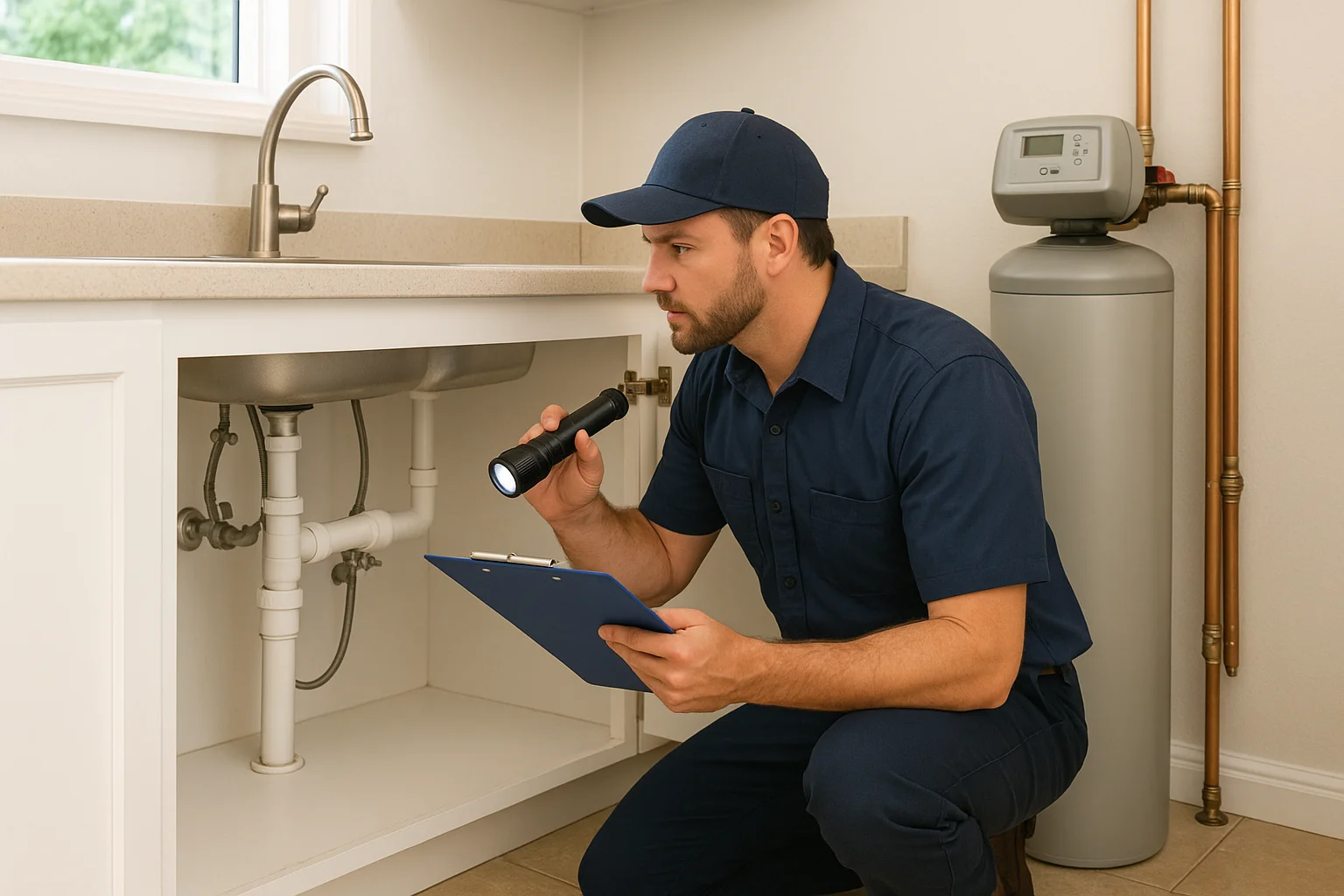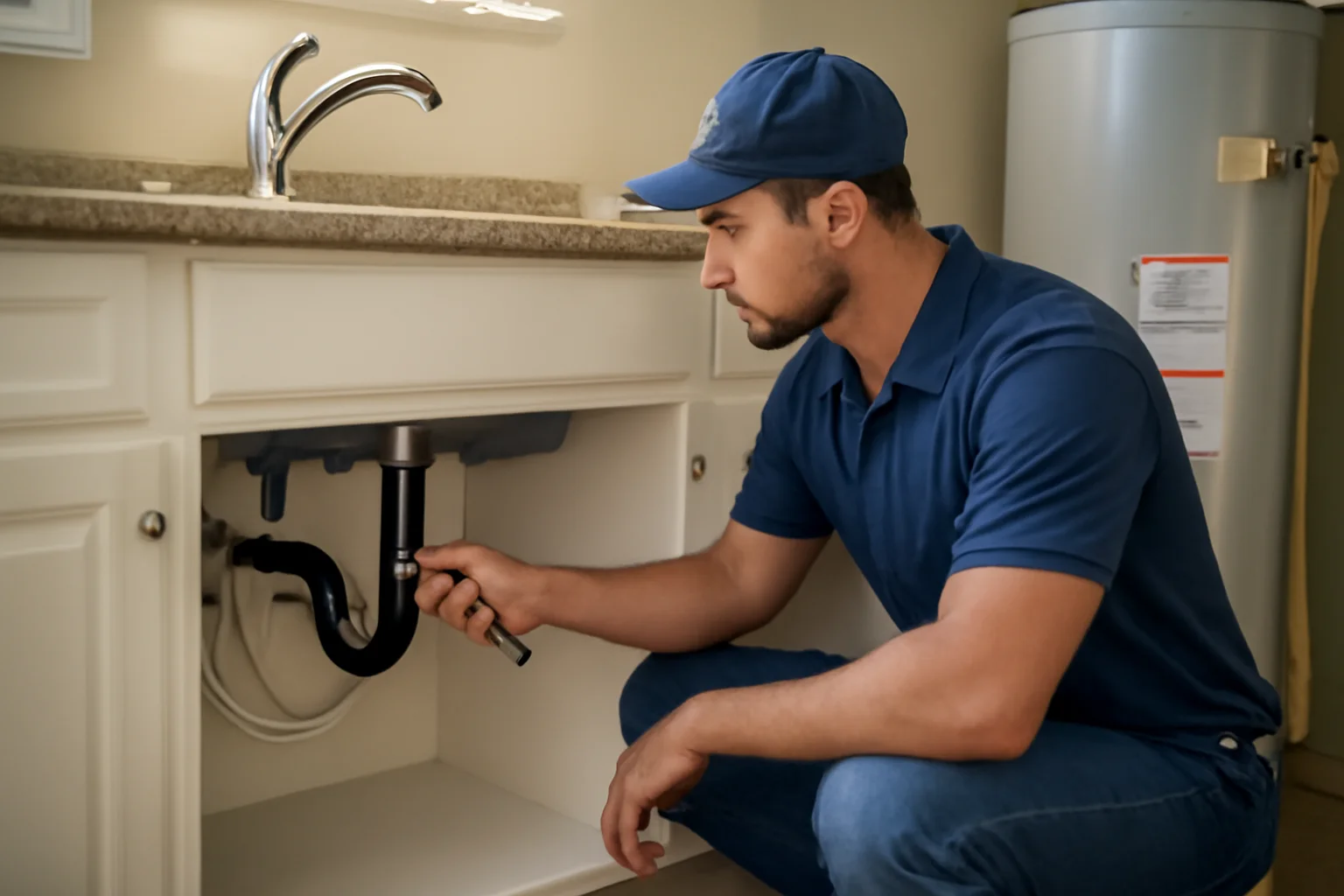
DeFuniak Springs homes rely on steady water delivery for everything from showers to laundry to watering the yard. When a water line starts to fail, the damage can be fast and expensive, especially when leaks go unnoticed under slabs, in crawl spaces, or near landscaping. Smart repair planning helps you catch problems early, minimize water damage, and choose the right approach for water line repair in DeFuniak Springs, FL.
This guide walks through practical steps homeowners can take to reduce plumbing emergencies, protect drains and fixtures, and prepare for repair work with a licensed local team.
Why water line problems become emergencies in Walton County
In DeFuniak Springs, plumbing systems face seasonal swings. Humid stretches, heavy rain, and occasional freeze and thaw cycles can stress pipes, fittings, and joints. If your home has older plumbing, hard water deposits can also contribute to scale buildup and reduced flow. Over time, that combination can lead to leaks, pinhole failures, and pressure drops.
Water line leaks tend to escalate for one simple reason: water travels. A small underground leak may eventually show up as damp flooring, soggy drywall, a musty smell, or a sudden change in water pressure. Once water reaches the wrong areas, you can see secondary issues like:
- Warped baseboards and flooring
- Cracked drywall and ceiling stains
- Soil erosion near the foundation
- Slab leak indicators such as recurring moisture on the same spot
- Higher water bills that don’t match your household use
That is why planning matters. Homeowners who know what to look for and how to respond quickly can prevent a repair job from turning into an emergency drain cleaning or water damage restoration situation.
Early clues of a failing water line
You do not always hear a leak. Many water line issues are quiet until they are not. Watch for patterns that point to a pipe repair need, not just a fixture problem.
1) Unexplained changes in water pressure
A sudden drop in pressure at multiple fixtures can suggest a line restriction or leak. If only one faucet is affected, the issue might be a sink repair problem, a clogged aerator, or a localized supply issue. If several areas of the home feel weak, it is more consistent with a water line leak or damage somewhere between the supply entry and your plumbing branches.
2) Water that keeps running when everything is off
If your toilet stops and starts or you have constant small refilling sounds, it can blend into the background. A running toilet repair near me search is often triggered by this clue, but the root cause can be supply pressure changes or a leak affecting the line feeding the toilet. Run a quick check: turn off all faucets and appliances, then check for movement on your water meter.
3) Wet spots, damp soil, and recurring odors
Look for damp areas near exterior walls, along landscaping, or under spots where your home’s plumbing is likely to run. Musty smells can indicate hidden moisture. If the wet spot returns after drying, you likely have an active leak.
4) Higher water bills with steady household habits
If your water use has not changed but your bill climbs, do not assume it is the irrigation system. Underground leaks can increase usage without obvious visible damage.
5) Cracks, settling, and signs of slab stress
DeFuniak Springs homes with slabs can experience slab leak symptoms. Hairline cracks near walls, recurring moisture, or warm spots on the floor can point to water escaping beneath concrete. These situations often require precise leak detection and planning.
Common causes of water line leaks in DeFuniak Springs homes
Water line repair is not one-size-fits-all. Understanding typical causes helps you ask better questions and plan the right solution.
Corrosion and age-related wear
Older supply lines can corrode, especially where water chemistry and oxygen exposure accelerate damage. Over time, joints loosen, fittings weaken, and small failures expand.
Hard water scale and flow restrictions
Hard water can lead to mineral buildup inside pipes and fixtures. When scale reduces flow, pressure can fluctuate, and parts may wear faster. While scale alone is not usually the primary cause of a sudden burst pipe repair, it can contribute to system stress and complicate troubleshooting.
Freeze and thaw stress
Even though DeFuniak Springs does not see extreme winter conditions every year, occasional cold snaps can affect exposed sections of plumbing. Water trapped in vulnerable areas expands and can damage pipe walls.
Ground movement and landscaping changes
Backfill settling, tree roots, and digging for sprinkler repairs or fence installs can damage underground lines. If you have recently had landscaping work, mention it to your plumber when discussing pipe repair options.
Drain and sewer line issues that overlap with water lines
Sometimes homeowners discover a sewer line help need and assume it is only a waste line problem. However, supply and drainage systems share space. If you are dealing with a clogged drain repair near me search due to recurring backups, ask the technician to confirm whether the issue is strictly drainage or if there are supply leaks contributing to dampness or pressure changes.
How to plan water line repair before the damage spreads
Planning is what turns a stressful situation into a controlled repair. Here are smart steps homeowners can take right away.
Step 1: Locate the problem area and isolate the water
If you suspect an active leak, shut off the closest water shutoff valve you can access. If you are unsure where it is, do not guess and risk damaging a valve. A professional water leak repair near me team can help identify shutoff locations and confirm the leak source.
For safety, keep electrical risks in mind if water is near outlets or appliances. Water and electricity do not mix.
Step 2: Document clues for faster diagnosis
Take photos of wet areas, note when you first noticed changes, and track your water pressure readings. If you have a water meter, write down the reading before and after a short period when no water is used. This information helps technicians pinpoint whether you have a leak on the supply side, a fixture issue, or another plumbing concern.
Step 3: Check what changed recently
Plumbing emergencies often follow a trigger. Consider whether any of these occurred:
- Recent freeze nights or exposed pipe sections
- Landscaping work, trenching, or sprinkler adjustments
- New appliances or plumbing fixture installation
- Noticeable water pressure changes after a storm
Step 4: Consider how the leak affects drains and fixtures
A supply leak does not just waste water. It can also change how your plumbing behaves. For example, pressure fluctuations can impact toilets, showers, and faucet flow. If you notice ongoing sink repair issues, inconsistent hot water, or unusual toilet behavior, mention that to your plumber. It can help rule out a water heater service problem or confirm a supply leak.
Step 5: Plan for drying and damage control if water has escaped
If water has reached drywall, insulation, or flooring, drying and mitigation may be needed alongside pipe repair. Even when the leak is fixed quickly, damp materials can lead to mold and odors. Discuss repair planning with your service provider so you are not left with hidden moisture.
Leak detection: the difference between guessing and fixing
Homeowners sometimes try to locate leaks by trial and error. That can increase damage and cost. Professional leak detection uses targeted methods to find the actual path of escaping water, especially for underground leaks and slab leak concerns.
When you contact a plumber near me option for water line repair, ask how they approach detection. A good local team will explain how they narrow down the leak location and what the next steps are for repair planning.
What leak detection should clarify
- Whether the leak is on the supply line or related to another plumbing component
- Whether the leak is near a valve, joint, or underground section
- Whether the issue involves a pipe segment that needs replacement
- How much access might be required, depending on the location
That clarity helps you avoid unnecessary demolition and makes the repair process more predictable.
Repair options for water lines: patch, replace, or reroute
The best repair depends on where the leak is, how severe it is, and how old the surrounding pipe materials are. In many cases, spot repairs can work, but replacement is often the smarter long-term choice when corrosion or repeated failures are present.
Pipe replacement for sections with repeated damage
If a line has multiple weak points, a partial patch may not hold. For homeowners weighing options, it helps to review pipe replacement planning. You can also explore Pipe Replacement in DeFuniak Springs for a sense of how teams approach long-term fixes.
Fixture and valve checks that reduce recurring problems
Sometimes the leak is not strictly in the underground line. A failing shutoff valve, pressure regulator issue, or worn fixture connection can mimic a bigger problem. A licensed plumber will confirm the source before recommending repairs.
Water pressure regulation and system stability
If water pressure is too high, it can stress pipes and fittings. If pressure is too low, it can cause inconsistent performance at fixtures and appliances. Repair planning should include pressure assessment so you do not fix the leak and then keep stressing the system.
Preventing future emergencies: maintenance that actually helps
Water line repair prevention is less about one dramatic action and more about consistent habits that reduce risk. These practical steps help homeowners protect pipes, drains, and fixtures throughout the year.
Keep an eye on water pressure and meter readings
Once a month, check your water meter when the home is quiet. If the meter moves, you may have an undetected leak. Also note whether pressure changes seasonally, especially after storms or temperature swings.
Maintain drains so they do not mask supply problems
Clogged drains can create backups that look like leaks or cause wet areas near fixtures. If you notice slow drains, recurring odors, or gurgling, address the issue early with drain cleaning before it becomes a bigger plumbing emergency. If you are searching for emergency drain cleaning near me, that usually means the problem has already progressed.
For helpful habits, you may also like A Smarter Way to Handle Plumbing Maintenance in DeFuniak Springs.
Watch common fixture trouble spots
Even though your focus is water line repair, fixture issues can reveal broader plumbing stress. Leaky faucets, failing toilet parts, and worn supply lines to toilets or sinks can waste water and add to pressure fluctuations. If you are dealing with recurring issues, review Making Smarter Choices About Plumbing Fixture Replacement in DeFuniak Springs, FL.
Plan water heater service as part of whole-home plumbing care
Water heaters connect to your supply lines and can influence pressure and temperature stability. If you experience inconsistent hot water or repeated performance issues, include water heater maintenance in your planning. You can find Water Heater Maintenance for local help.
Homeowners searching for tankless water heater repair near me often discover that supply line conditions and pressure stability affect performance too. Coordinating plumbing repairs helps prevent repeated service calls.
Be proactive about hard water effects
If you suspect hard water, consider discussing water quality and scale control with your plumber. Scale can contribute to reduced flow and more frequent fixture issues. For homeowners focused on water quality and plumbing care, Cleaner Water Starts With Better Plumbing Care in DeFuniak Springs is a useful read.
When to call a professional water line repair team
Some issues are DIY-friendly, but water line repair often requires specialized tools, leak detection, and experience with underground plumbing. Call a licensed plumber when you see any of the following:
- You suspect a slab leak or recurring moisture in the same location
- Multiple fixtures show low pressure at the same time
- Your water meter moves when water use is off
- You notice damp drywall, bubbling paint, or wet floors
- You have a burst pipe repair near me type emergency such as visible spraying or fast water accumulation
- You are dealing with repeated toilet or faucet leaks that do not resolve with simple adjustments
In urgent situations, homeowners often search for emergency plumber near me. If water is actively escaping, fast action matters. Shutting off the water and contacting a local team can reduce damage and speed up repair planning.
Questions to ask before the repair begins
Good communication helps you feel confident about the work. Use these questions when you talk with a plumber near you about water leak repair, pipe repair, or replacement.
About diagnosis
- How will you confirm the leak location?
- Is there a chance the issue is actually a toilet repair, faucet repair, or fixture supply line?
- Will you check water pressure and shutoff valves as part of the diagnosis?
About repair approach
- Will the repair be a patch or a full pipe replacement section?
- If the leak is underground, what access might be required?
- How will you prevent damage to nearby landscaping, drains, or foundation areas?
About restoring your home
- What drying or mitigation steps are recommended if water has escaped?
- How will you verify the repair is holding before closing up the area?
For homeowners who want to reduce repeat problems, the best service plans often include maintenance guidance. You can also read Staying Ahead of Plumbing Problems in DeFuniak Springs Homes for more prevention ideas.
Local plumbing service matters for DeFuniak Springs conditions
Choosing a local provider means the team understands the kinds of homes and plumbing layouts common in Walton County, including older neighborhoods, slab foundations, and properties with mature landscaping. Local experience also supports better planning around access challenges and seasonal risk.
If you are searching for plumbing services in DeFuniak Springs or specifically need water line repair, A Superior Mechanical can help you move from uncertainty to a clear repair plan. That includes leak detection, repair or replacement recommendations, and guidance to reduce the odds of another emergency.
Smart planning is how you protect your home’s foundation, keep drains and fixtures working normally, and avoid the kinds of urgent calls that interrupt daily life. When water lines fail, acting early is the best insurance you can buy.
If you want broader service options across Walton County, you can also explore plumbing services in Walton County.
Find Water Line Repair in DeFuniak Springs, FL
If you need Water Line Repair in DeFuniak Springs, FL, visit our local service page or contact A Superior Mechanical today.
Map of DeFuniak Springs, FL
Frequently Asked Questions
How can I tell if the leak is in my water line or just a fixture?
Start by checking whether the issue affects multiple fixtures. If several faucets show low pressure or you hear water where no one is using it, it points to the supply side. Also watch your water meter when the home is quiet. A running toilet repair may be localized, but meter movement and damp areas near walls or foundation often indicate a water line leak that needs leak detection.
What are common slab leak signs in DeFuniak Springs homes?
Look for recurring damp spots, cracks that appear in the same area over time, warm or hot floor sections, and ceiling or wall staining. You may also see higher water bills even when household use stays steady. Slab leak repairs usually require professional detection to pinpoint the exact location before pipe repair or replacement.
Should I shut off the water immediately if I suspect a burst pipe?
Yes. If water is actively escaping, shut off the closest water shutoff valve you can access and keep the affected area clear. Then contact an emergency plumber near me option for fast leak location and repair planning. Acting quickly helps reduce water damage to flooring, drywall, and nearby drains.
Can hard water cause water line leaks?
Hard water is more likely to cause scale buildup and flow restrictions inside pipes and fixtures. That can contribute to pressure changes and wear over time, but sudden underground leaks are usually linked to age, corrosion, freeze thaw stress, shifting ground, or damaged joints. A licensed plumber can confirm the actual cause during leak detection.
How do I prevent water line emergencies between repairs?
Check water pressure periodically, watch for damp spots and recurring odors, and review your water meter for movement when no fixtures are running. Keep drains flowing with timely drain cleaning, and address small fixture leaks before they become bigger. Coordinating plumbing maintenance near me with a local team helps catch problems early.
Related Articles
Photo Gallery