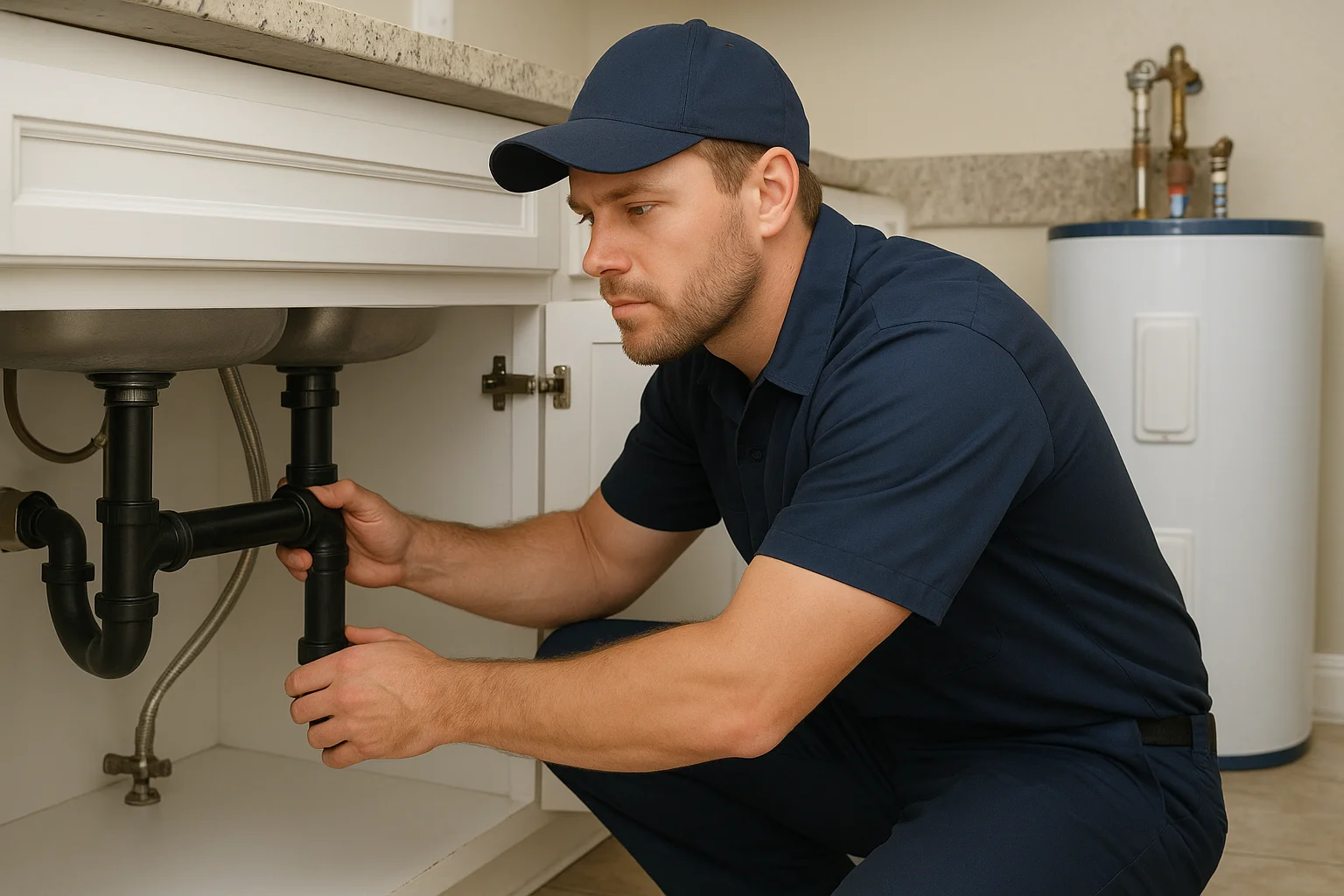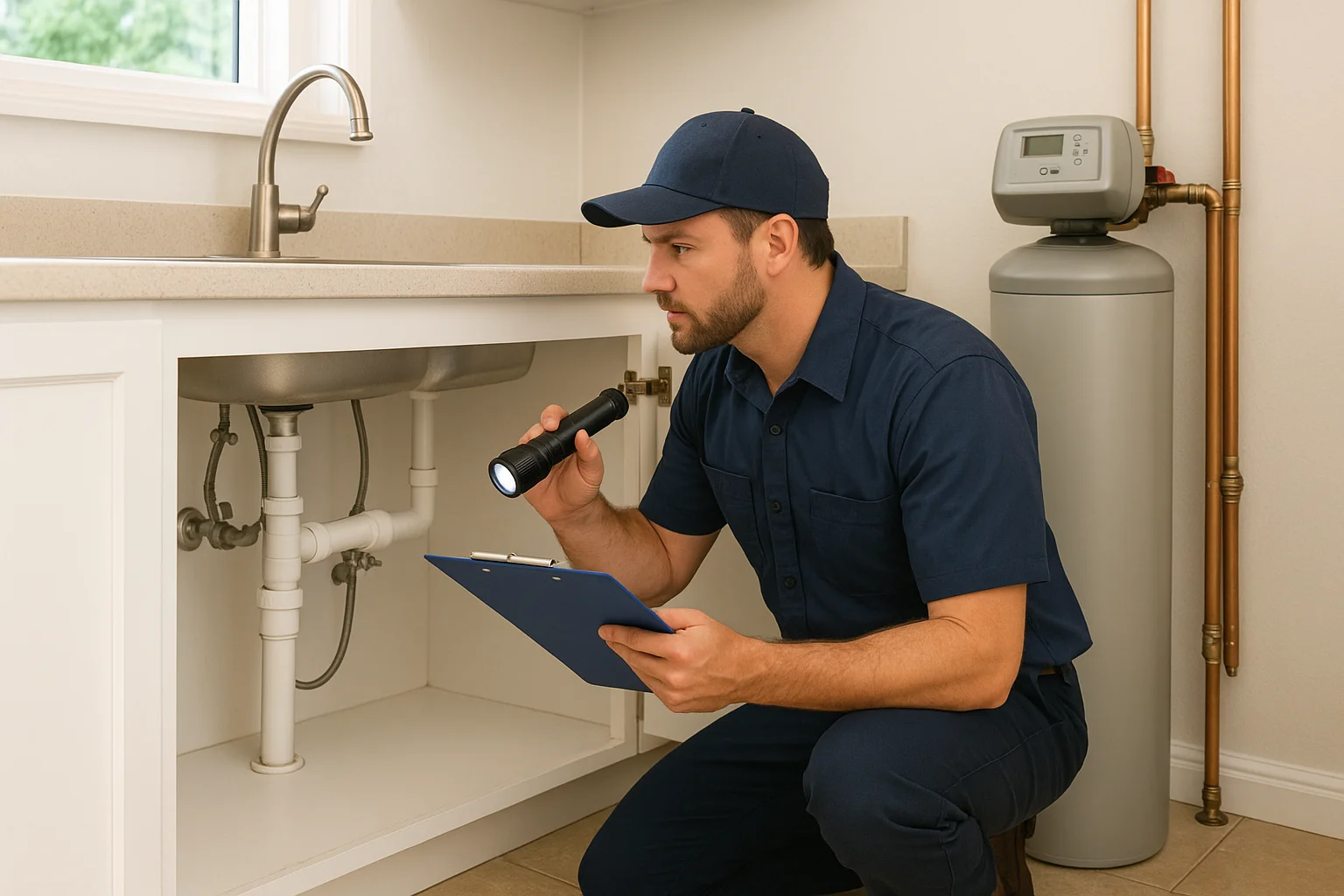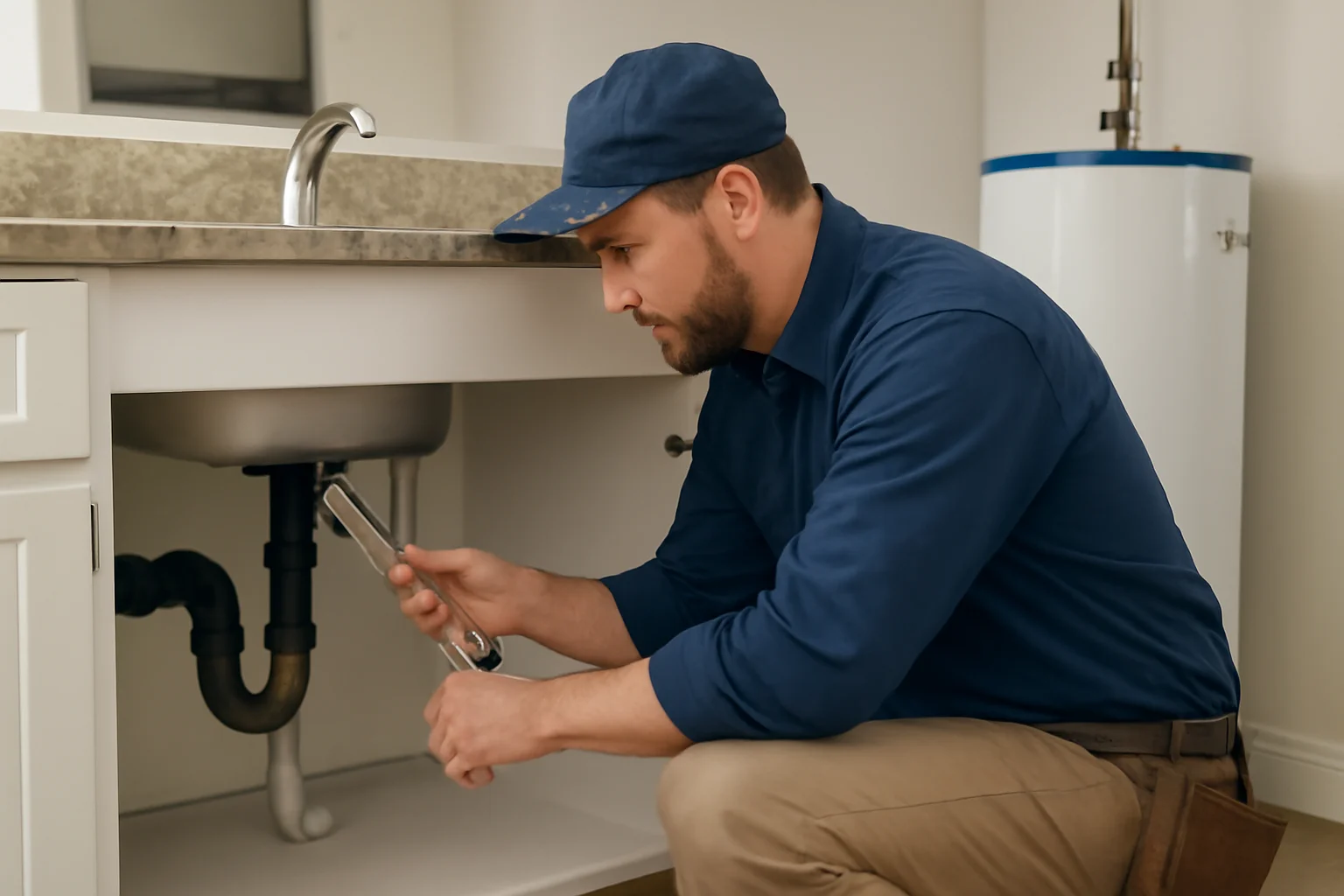
Living near the water in Seaside, FL means your home deals with salt air, humidity, and hard water that can wear down plumbing parts faster than many homeowners expect. Whether your house is a newer build or an older property with original fixtures, plumbing fixture replacement is often the difference between a manageable repair and an expensive leak, drain backup, or water damage claim.
This guide explains what typically causes fixture and plumbing failures in Seaside, what homeowners can check at home, and how to plan replacement before the problem grows. If you are searching for a plumbing fixture replacement specialist in Seaside, FL, this will help you speak the same language as the plumber and make better decisions for your budget.
Why fixture replacement costs more after the damage spreads
Plumbing fixtures are the visible parts of your system: faucets, shower valves, toilets, supply lines, drain assemblies, and garbage disposals. They also connect to the parts you rarely see: shutoff valves, supply piping, seals, cartridges, and sometimes the drain and sewer lines behind the walls or under slabs.
When a fixture starts to fail, the failure often looks small at first. A worn cartridge can cause a slow drip. A loose connection can seep around a base. A toilet that runs can waste water and slowly degrade seals. Once water gets where it should not, the real costs begin: cabinet rot, subfloor damage, mold, and repairs that go beyond fixture replacement.
In Seaside, FL, the timing matters even more because the area’s humid coastal climate can accelerate corrosion and mineral buildup. Hard water also plays a role. Over time, mineral deposits can clog aerators, reduce water pressure, and force homeowners to crank handles harder, which further stresses valves and supply connections.
Common fixture wear problems in Seaside homes
Every home has its own plumbing history, but many Seaside issues follow predictable patterns. Here are the most common signs that fixture replacement may be the smarter path than repeated patchwork.
1) Leaks around faucets, shower handles, and toilets
A leak that looks like “just a little water” can still be expensive. Drips can travel along supply lines and behind wall finishes. Toilet leaks can be especially sneaky. A worn flapper or fill valve can cause constant running, which increases water use and can raise monthly bills even when there is no obvious puddle.
If you notice dampness under a sink, water pooling at the toilet base, or moisture around a shower valve, treat it like a plumbing repair issue, not a cosmetic one. Homeowners in Seaside who search for leak detection near me often find the leak is coming from a connection or seal tied to the fixture.
2) Low water pressure or pressure that changes
Water pressure problems can be about the whole system, but fixtures can be a major factor. A clogged aerator, failing cartridge, or partially blocked supply can create weak flow at one sink or shower while other fixtures seem fine.
In some cases, mineral buildup from hard water causes restricted flow. In others, a failing shutoff valve or older supply lines contribute to inconsistent pressure. If you are experiencing low pressure, consider a home plumbing inspection near me approach that checks both fixtures and plumbing pathways, not just the faucet head.
3) Drains that don’t clear cleanly
Fixture replacement and drain health are connected. If you replace a sink or faucet but the drain assembly is worn or misaligned, you can still end up with slow drainage. In coastal homes, hair, sand-like debris, and grease buildup can contribute to clogs over time.
Homeowners often end up searching for bathroom drain cleaning near me or kitchen sink drain repair near me after repeated slowdowns. If clogs return quickly, the issue may be a damaged trap, worn seals, or a deeper drain problem that needs sewer and drain services.
4) Toilets that rock, wobble, or keep running
A toilet base that rocks can indicate worn wax rings, loose bolts, or subfloor movement. Continued rocking can compromise seals and create hidden leaks. If you hear the toilet running after it should be done, the fill valve or flapper may be failing, and replacement is often more cost-effective than trying to “adjust” the same worn parts.
5) Corroded or failing supply lines and fittings
Many plumbing failures are not just the fixture. Older homes may have aged supply lines, corroded fittings, or deteriorated washers. Newer homes can also develop issues if water chemistry, installation practices, or fixture quality does not hold up.
When a plumber replaces a fixture, they often inspect and may replace connecting parts like supply lines, shutoff valves, and drain fittings. That is one reason professional fixture replacement can prevent future leak repairs.
Older homes vs newer builds: different failure patterns, same cost risks
Seaside contains a mix of older properties and newer construction. Both can require fixture replacement, but the “why” can differ.
Older homes: seals, valves, and hidden deterioration
Older homes may have outdated plumbing materials, older valve designs, or fixtures that have been repaired repeatedly. Over time, seals harden, cartridges wear, and connections loosen. When homeowners keep replacing only the visible portion, the underlying issue can remain.
In some cases, especially in slab or partially slab conditions, leaks can be more serious. While fixture leaks are common, slab leaks are a different and higher-risk emergency plumbing concern. If you see unexplained water bills, damp spots, or warm areas on the floor, ask about sewer and drain services and also request a broader evaluation for potential leak sources.
Newer homes: “builder-grade” issues and water quality stress
Newer homes may still experience fixture failure. Coastal water chemistry and hard water can stress cartridges and seals. Builder-grade fixtures can also wear faster if they are used heavily or if water pressure is high.
If a new shower starts dripping months after installation or a kitchen faucet develops leaks at the base, it is still worth addressing early. Early replacement can avoid recurring repairs and prevent water from damaging cabinetry and walls.
How to tell if you need repair or full fixture replacement
Homeowners often ask whether they should repair a fixture or replace it. The answer depends on the part failing, the condition of surrounding plumbing, and how much damage has already occurred.
Repair may be enough when...
- The leak is clearly confined to a replaceable internal part like a cartridge, flapper, or gasket.
- The fixture body and connections look sound and there is no corrosion at supply or shutoff points.
- The drain issue is limited and clears normally without repeat backups.
Replacement often makes sense when...
- The fixture is old and repeatedly failing, especially with multiple leaks or inconsistent performance.
- There is corrosion at connections, damaged supply lines, or persistent moisture around the base.
- Hard water buildup has caused recurring clogging and reduced performance despite cleaning.
- The fixture type or configuration is outdated and replacement improves reliability and water efficiency.
If you are comparing options, consider reading Practical Plumbing Advice for Seaside Homeowners Living Near the Coast for local-specific tips on keeping fixtures in better shape.
Costs that surprise homeowners: water use, water pressure, and repair scope
When fixture problems linger, costs can multiply in ways that are easy to miss.
Higher water use
A toilet that runs, a shower that drips, or a faucet with a persistent leak can quietly increase water use. Even small leaks can add up over weeks, especially during times when the household is using more water.
Water pressure issues that worsen other parts
When pressure is too high, it can stress fixtures. When pressure is too low, it can contribute to incomplete flushing, slower drain clearing, and repeated clogs. A professional plumber can help determine whether the issue is fixture-related or part of the larger plumbing system.
Expanded scope of repairs
Once water has damaged subflooring, vanity cabinets, or the wall finish, the job turns into demolition and rebuild, not just fixture replacement. That is why homeowners searching for plumbing repair near me often get the best results when they address leaks early.
Maintenance steps that reduce the chance of expensive failures
You do not need to be a plumber to reduce wear. Small habits and quick checks can extend fixture life and help you spot issues before they become emergency plumbing concerns.
Do a monthly quick check
- Look under sinks for dampness and check around the toilet base for moisture.
- Watch for water spots on shower walls or ceilings below bathrooms.
- Listen for a toilet that refills more than it should.
Clean aerators and showerheads for hard water
Hard water minerals can restrict flow and force homeowners to open valves wider. Cleaning aerators and showerheads can improve water pressure at the fixture and reduce strain. If cleaning does not restore performance, the cartridge or valve may be failing.
Avoid harsh chemical drain cleaners
For slow drains, many homeowners reach for chemical products. These can sometimes damage pipes or worsen buildup. Instead, consider professional drain cleaning when needed. If you keep dealing with clogs, ask about a root cause evaluation, especially if you suspect a damaged trap, venting issue, or deeper sewer line problem. When a clogged drain repair near me search turns urgent, professional help is safer and often faster.
Use shutoff valves correctly
Know where your main shutoff and fixture shutoffs are. If a leak starts, shutting off water quickly can limit damage. A Superior Mechanical can also help with inspection and replacement of shutoffs during fixture work.
Why local plumbing service matters in Seaside
Seaside plumbing is influenced by local conditions: salt air that can accelerate corrosion, humidity that affects moisture buildup, and hard water that increases mineral deposits. Local plumbers also understand how older neighborhood homes may have different plumbing layouts and common wear points than newer builds.
Working with a local team helps with more than just installing a new faucet. It includes checking connections, evaluating water pressure and flow, inspecting drains and traps, and making sure fixture replacement aligns with the rest of your plumbing system.
If you want a broader look beyond one fixture, you can explore Plumbing Services for options that cover repairs, inspections, and maintenance planning.
Choosing the right replacement approach for your home
Not all fixture replacements are the same. A high-quality installation considers the condition of the surrounding plumbing and the water characteristics in your home.
Select fixtures that match your water conditions
If you deal with hard water, consider fixtures and internal components that are designed for better mineral resistance and easier maintenance. Your plumber can also recommend cleaning and care routines that protect performance.
Plan replacement around your daily routine
Fixture work sometimes requires shutting off water to a bathroom or kitchen. Scheduling during a time that fits your household reduces stress. If you are managing a rental property, plan replacement so tenants are not left without key fixtures for longer than necessary.
Bundle related repairs when it is efficient
Replacing a faucet is a great time to inspect supply lines, shutoff valves, and the drain assembly. Replacing a toilet can be a good time to confirm the wax ring seal, check the supply connection, and verify proper flushing performance. This is often a smarter way to avoid repeat visits and repeated labor charges.
If you are also thinking about fixture upgrades in nearby areas, these guides can help you compare strategies: A Smarter Way to Handle Plumbing Fixture Replacement in Wright, FL and Making Smarter Choices About Plumbing Fixture Replacement in DeFuniak Springs, FL.
Emergency plumbing concerns related to fixtures and connected systems
Most fixture issues are manageable, but certain situations require urgent action because water damage can escalate quickly.
- A supply line leak that continues even after you shut off the valve.
- Water actively running from behind a wall or from the ceiling below a bathroom.
- Signs of a possible slab leak, such as unexplained water use, damp flooring, or recurring moisture.
- A sewer backup risk, including repeated toilet clogs, foul odors, and gurgling drains.
If you suspect a sewer line issue, a sewer and drain services evaluation can help determine whether drain cleaning will solve the problem or whether deeper investigation is needed. For homeowners searching for sewer inspection near me, this is the kind of situation where early diagnosis matters.
What to ask a plumber before fixture replacement begins
When you call for plumbing repair near me service or a fixture replacement estimate, clear questions can prevent surprises.
- “What is causing the leak or poor performance, and is it coming from the fixture or the connection?”
- “Will you inspect the shutoff valve and supply lines during the replacement?”
- “Do you recommend replacing parts like drain assemblies or wax rings at the same time?”
- “If you find mineral buildup or corrosion, what are the options to prevent it from returning?”
- “Will you check water pressure and flow at the fixture?”
If your home also needs hot water service, you can pair relevant work. For example, if you are searching for water heater repair near me or planning water heater installation near me, ask the technician to note any pressure issues that could affect fixture performance.
Planning for the long term: a maintenance mindset
Fixture replacement is not only about fixing what is broken. It is about preventing repeat problems. Older homes may need periodic updates as seals and valves wear. Newer homes may require attention based on water quality and usage patterns.
For homeowners who want a structured approach, consider scheduling plumbing maintenance near me service that includes inspection of visible fixtures and key connections. A Superior Mechanical can help coordinate fixture work with drain and sewer evaluations when needed, so small issues do not quietly become major repairs.
If you are ready to upgrade the reliability of your home’s plumbing, explore Plumbing Replacement and review how fixture replacement fits into the broader plumbing plan for Seaside properties. You can also browse the full service area at /service-areas/walton-county/seaside and learn more about service coverage across /service-areas/walton-county.
For homeowners weighing timing and seasonal factors, this nearby guide may be useful: Choosing the Right Time for Plumbing Fixture Replacement in Upper Grand Lagoon.
Reliable fixture replacement that protects your home and your budget
When fixtures fail in Seaside, FL, the real expense often comes from what happens next: water damage, recurring clogs, and repairs that reach beyond the original problem. Replacing worn fixtures early, using quality parts, and having a professional inspect the connections can help keep your drains, pipes, and home structure in better shape.
Whether you need plumbing fixture replacement for a kitchen faucet, toilet repair, shower valve work, or a sink repair that keeps coming back, A Superior Mechanical focuses on reliable installation and practical solutions for local homes.
Find Plumbing Fixture Replacement in Seaside, FL
If you need Plumbing Fixture Replacement in Seaside, FL, visit our local service page or contact A Superior Mechanical today.
Map of Seaside, FL
Frequently Asked Questions
How do I know whether I should repair a faucet or replace it?
If the leak is coming from a replaceable internal part like a cartridge or gasket and the rest of the fixture and connections look solid, repair may be enough. If you see corrosion at the base, repeated leaks, or persistent mineral buildup that keeps returning, replacement is often the more cost-effective option.
Can hard water in Seaside, FL cause plumbing fixture problems?
Yes. Hard water can build up inside faucet aerators, showerheads, and valve components. Over time, mineral deposits can reduce water pressure, cause dripping, and shorten the lifespan of cartridges and seals.
Why does a toilet keep running even after small adjustments?
A running toilet is usually caused by a worn flapper, a failing fill valve, or a seal that no longer holds properly. Adjustments may temporarily change the behavior, but replacement of the worn parts is typically the lasting fix.
What should I do if I suspect a slab leak near a bathroom or kitchen fixture?
Shut off the water if you can do so safely, avoid using affected plumbing, and contact a professional promptly. Slab leaks can cause hidden damage and may not be obvious until water use rises or damp spots appear.
Is drain cleaning or sewer inspection needed if clogs keep coming back?
If clogs return quickly after cleaning, the issue may be deeper than surface buildup. A plumber may recommend sewer inspection near me style diagnostics to check for damaged pipes, venting problems, or other causes that routine drain cleaning cannot fully fix.
Related Articles
Photo Gallery