Niceville, FL is a great place to live, but local water conditions can be a challenge for households. Some homes notice hard water spots on glass, scale buildup around faucets and showerheads, and sediment or odor concerns in the water. Others start to complain about metallic or chlorinated tasting water, cloudy ice cubes, or coffee that never tastes quite right. If you have seen these issues show up in the kitchen, bathroom, laundry room, or even in how your skin feels after bathing, a reverse osmosis (RO) system may be worth serious consideration.
This guide explains what homeowners should know about reverse osmosis systems for homes in Niceville, FL. You will see how RO fits into a complete water treatment plan, what to expect from installation, and what maintenance helps the system keep performing. If you are searching for reverse osmosis systems in Niceville, FL, this is a practical starting point.
What a reverse osmosis system actually does
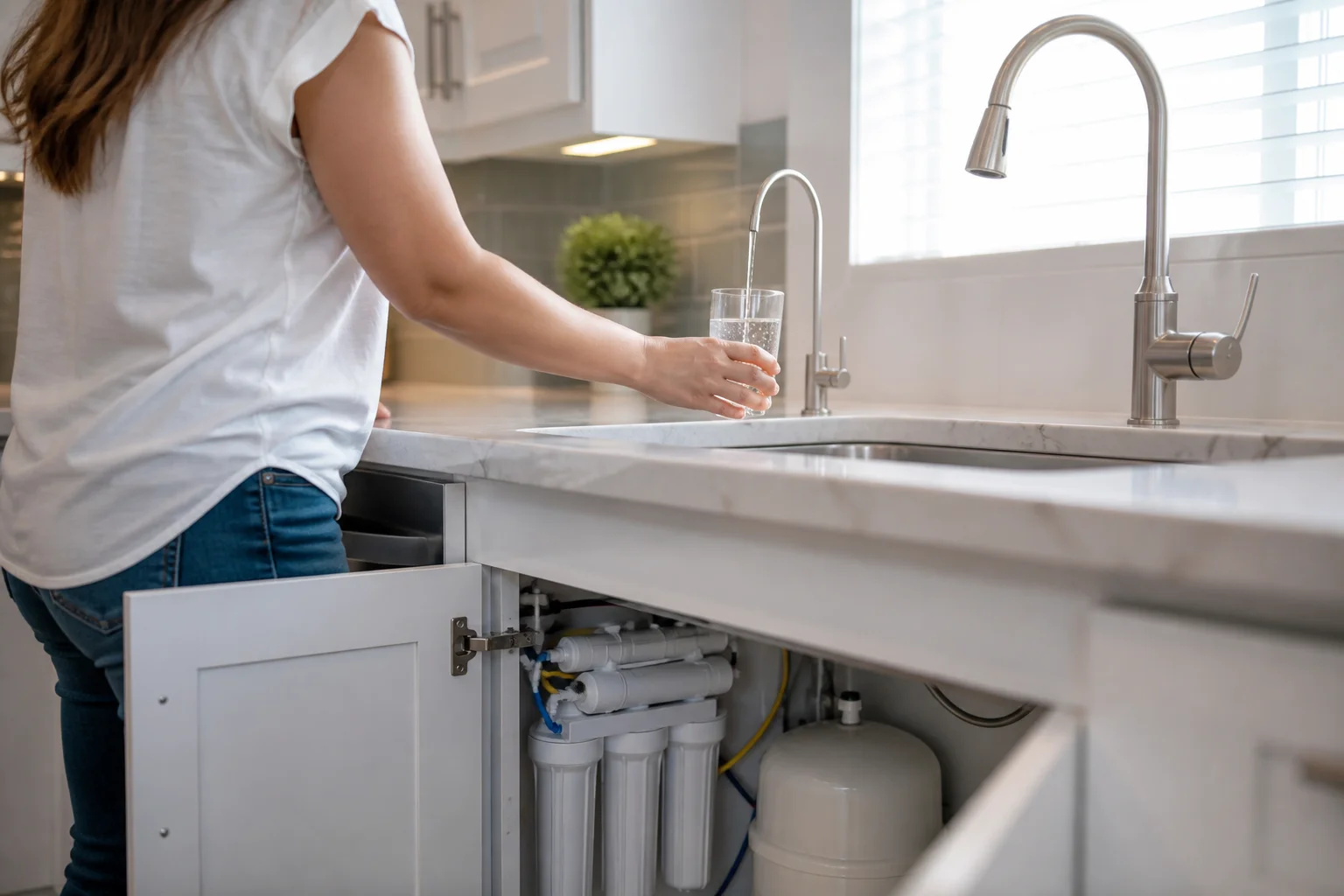
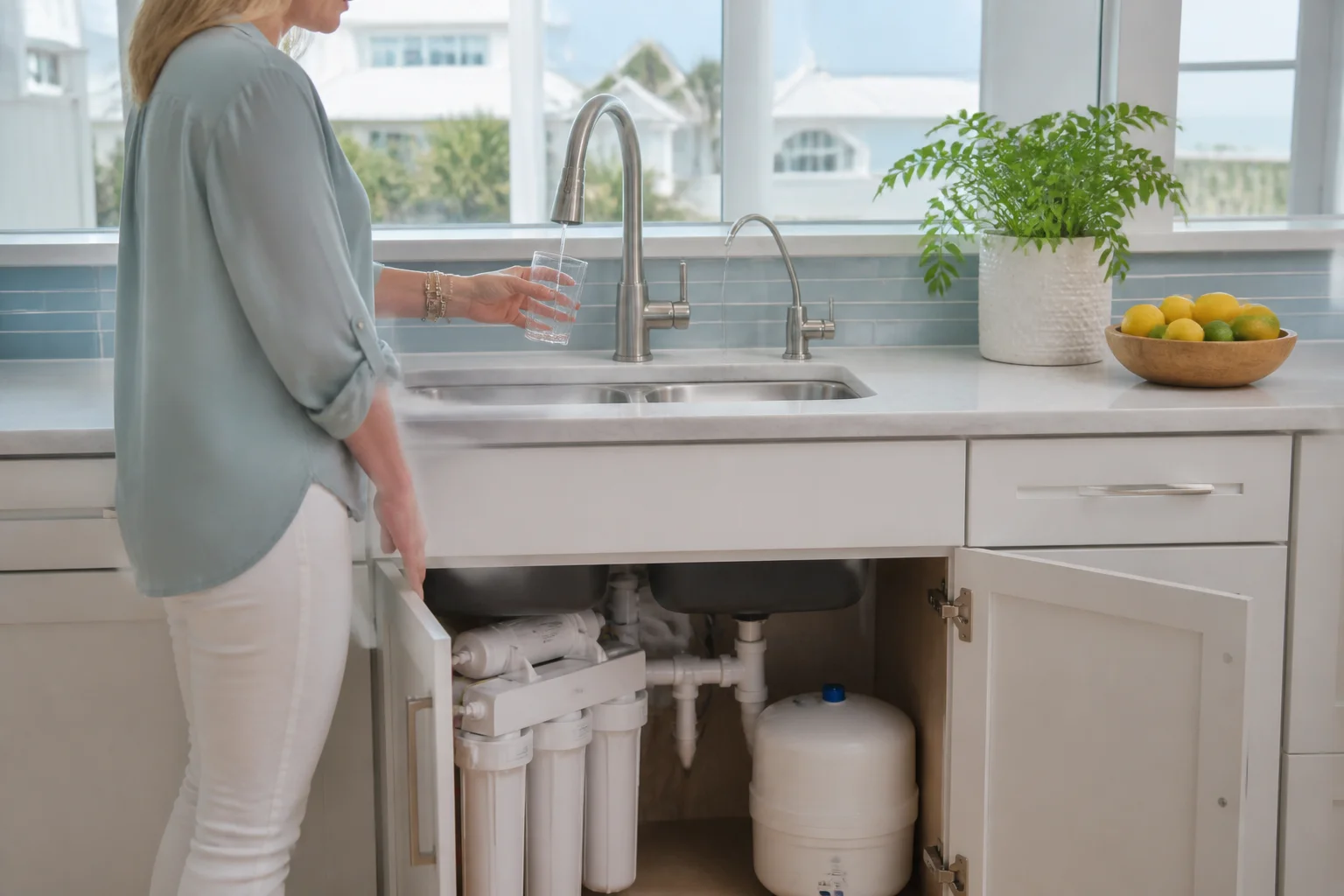
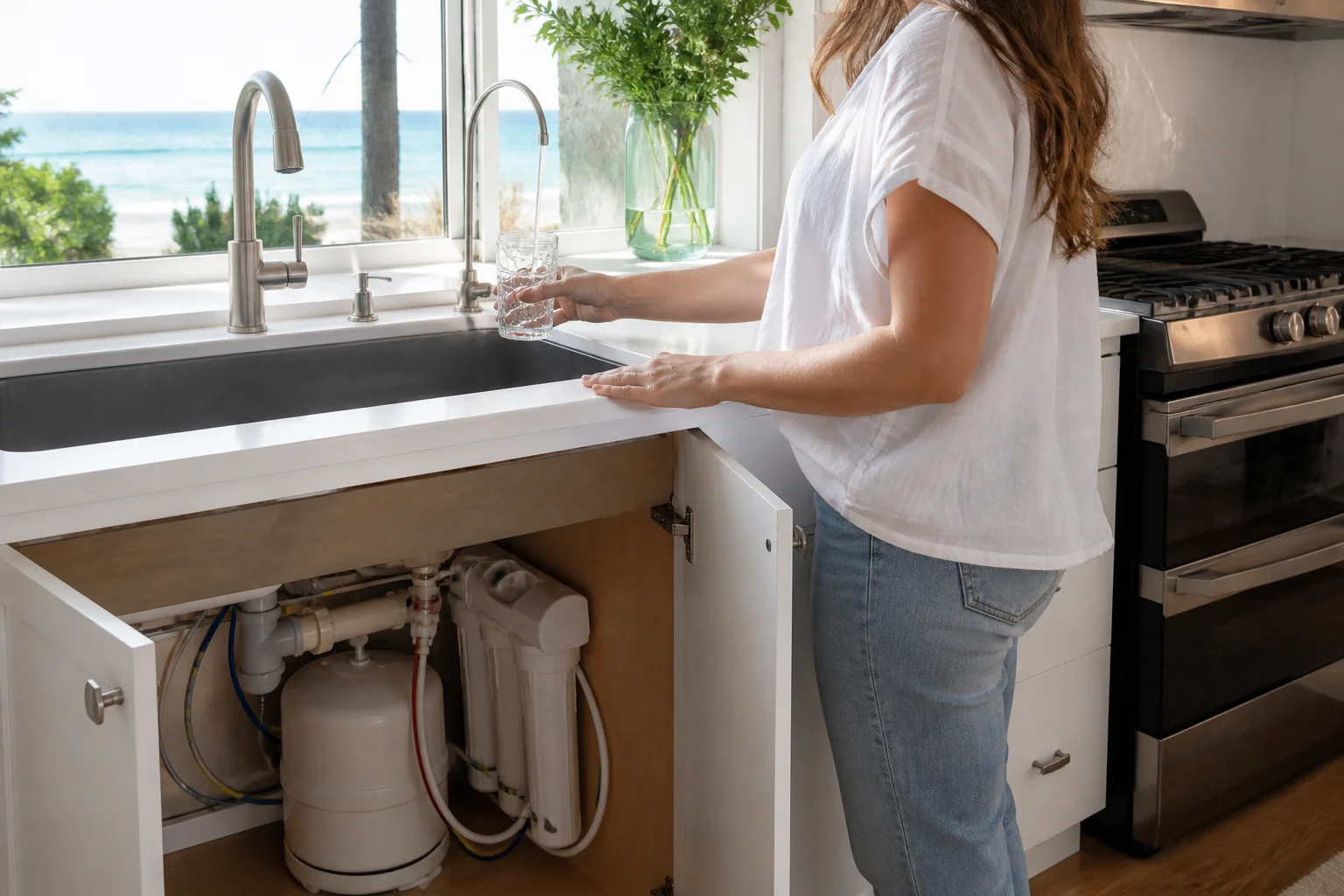
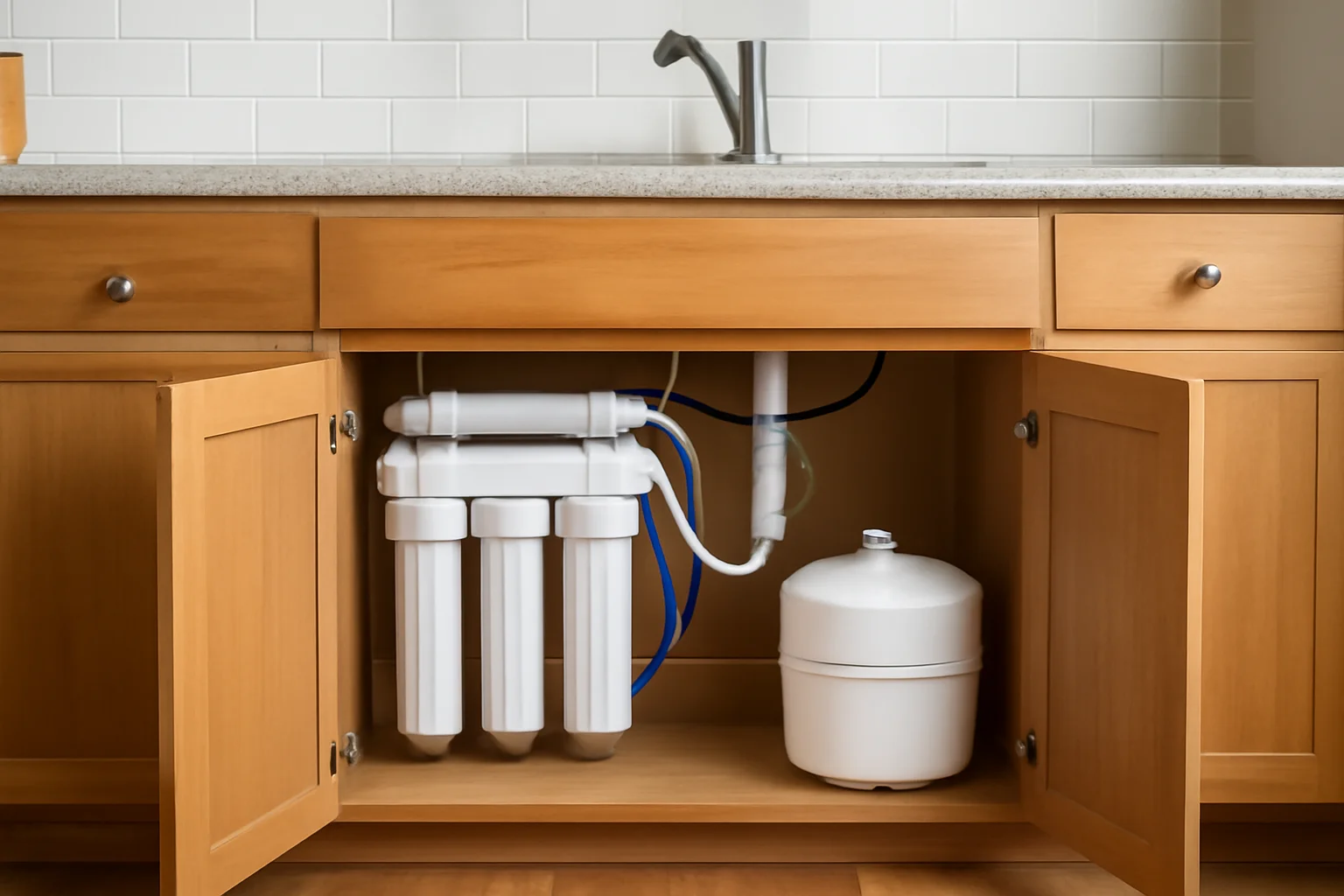
A reverse osmosis system is a home water purification method that uses pressure to push water through a semi-permeable membrane. The membrane helps separate many dissolved contaminants from the water you drink and use for cooking. Most systems also include pre-filters to protect the membrane and post-filters to improve taste and clarity.
In everyday terms, RO is often chosen for drinking water and cooking water because it delivers cleaner, better tasting water right from the tap. Many Niceville homeowners pair RO with other water treatment steps, especially when hard water is also part of the problem.
Why Niceville homes notice water quality issues
Water quality is not one-size-fits-all, and the conditions around Okaloosa County can vary from neighborhood to neighborhood. Many households deal with a combination of mineral content, sediment, and taste or odor complaints. When that happens, you see it across the home.
Here are common signs that show up in Niceville homes and are often part of the reason homeowners explore water filtration near me and home water purification near me options:
- Hard water spots on glass, dishes, and fixtures after washing
- Scale buildup around faucets, showerheads, and plumbing, including reduced water flow over time
- Dry skin or dull hair after bathing, especially after long showers
- Metallic, chlorinated, or unpleasant taste in drinking water
- Cloudy ice cubes or a hazy look to water
- Poor tasting coffee and cooking water that affects everyday meals
- Visible sediment, discoloration, and odor concerns
- Appliances wearing out faster due to mineral scale and buildup
- Soap that does not lather or rinse well, leaving residue behind
Even if your main goal is drinking water, these issues can point to a larger water quality picture. That is where a thoughtful system design matters.
Reverse osmosis helps with taste, odor, and dissolved contaminants
For many families, the first “aha” moment comes from the kitchen. When drinking water and cooking water taste better, meals get easier and more enjoyable. You might notice:
- Cleaner tasting water for drinking
- Better water for drinking and cooking that improves flavor in tea, coffee, soups, and sauces
- Less concern about metallic tasting water or chlorinated notes
- Clearer ice cubes and a more consistent look from the freezer tray
RO is especially popular when homeowners want purified water for daily use without relying on bottled water. If you are comparing home water purification near me solutions, RO is one of the most well-known technologies for producing purified drinking water.
Hard water is a separate issue from RO
One of the most important things homeowners should know is that reverse osmosis and hard water treatment are not the same job. Hard water is largely mineral driven, and those minerals can cause scale buildup on faucets, showerheads, and plumbing. Scale also makes appliances work harder and can shorten their lifespan.
RO can help with many dissolved contaminants, but it may not be the most efficient first step for protecting plumbing and fixtures from mineral scale across the whole home. That is why many Niceville households benefit from combining systems.
For example, some homeowners choose:
- Reverse osmosis for drinking water and cooking
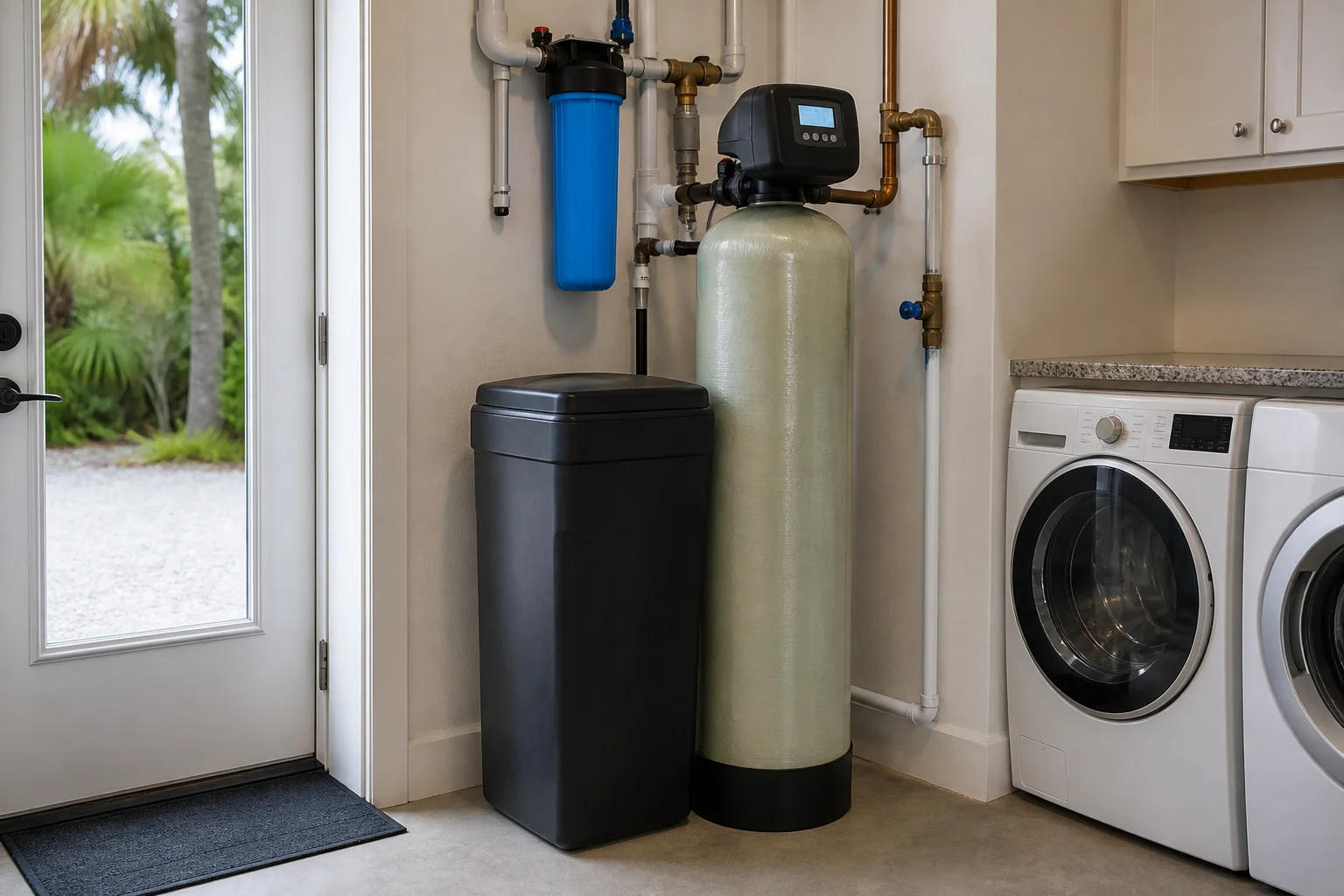
- Water softening or whole home water filtration to reduce mineral scale and improve how soap performs
If you are already dealing with hard water spots on glass and soap that does not lather well, consider discussing an overall plan with a local water treatment provider. You can also explore options like water filtration RO water softeners to see how RO and softening may work together.
How RO fits into a whole home water treatment plan
In a typical Niceville home, the kitchen is where reverse osmosis makes the biggest daily difference. But the rest of the house still needs protection from scale, sediment in household water, and buildup in fixtures and appliances.
Here is a realistic way families often think about it:
Kitchen and dining routines
Picture a weekday morning in a Niceville kitchen. Someone fills a kettle, makes coffee, and tops off a water glass for the kids. When the water tastes better and looks clearer, the routine feels effortless. RO is often installed at the point of use to support better drinking water and better water for drinking and cooking.
Bathing and everyday comfort
When hard water is present, minerals can leave residue that makes skin feel drier and hair look dull. Many homeowners notice the difference after addressing mineral scale. If you are also experiencing dry skin or dull hair after bathing, ask about whether water softening or whole home water filtration should be part of your plan.
Laundry and household cleaning
Soap that does not lather or rinse well is often tied to mineral hardness. When water is treated properly, laundry can feel cleaner and fixtures can stay less spotty. You may also see fewer problems with residue on sinks and shower doors.
Appliances and plumbing longevity
Scale buildup on faucets, showerheads, and plumbing does not just look bad. It can affect water flow and efficiency. Appliances that rely on clean, consistent flow, such as water heaters and some household machines, can wear out faster when scale is constantly forming. Pairing RO for drinking water with the right whole home approach helps protect the equipment you rely on.
What to look for in a reverse osmosis system
Not all RO systems are built the same. Homeowners should evaluate performance, filtration stages, and how the system will be maintained over time. When you talk with a qualified water treatment team, ask about:
- Pre-filtration to protect the RO membrane from sediment or particles
- Membrane quality and how it is rated for your water conditions
- Post-treatment that supports taste and odor improvement
- Storage tank size and recovery rate for your household
- Filter change schedule and what it includes
- Drain line handling for reject water, which is part of how RO works
If you are comparing options, keep your goals clear. If your main concern is metallic tasting water, cloudy ice cubes, or poor tasting coffee water, RO is often a strong match. If your main concern is scale buildup on faucets and fixtures throughout the home, you will likely want additional treatment beyond RO.
AO Smith water filtration and choosing compatible components
Some homeowners ask about AO Smith water filtration because AO Smith is a widely recognized name in water treatment products. While product availability and exact configurations can vary, the key takeaway for homeowners is compatibility and the right setup for your water.
For reverse osmosis systems, you want correct pre-filtration and a membrane design that aligns with your water quality. If your home also needs an AO Smith water softener or another softening approach, it should be planned so the whole system works together. A local water treatment professional can help you avoid buying parts that do not address the biggest issues in your home.
Installation details that matter in Niceville homes
RO systems are often installed under a kitchen sink or near the point of use. Installation quality affects performance and convenience. A good install also keeps the system accessible for maintenance.
During installation, a technician should consider:
- Plumbing layout and how the RO line will connect
- Where the RO faucet will be mounted
- How the drain line is routed
- Ventilation and space for the system components
- How the system will be serviced safely over time
If you want to learn more about local service coverage, you can review the city and service area pages like /service-areas/okaloosa-county/niceville and /service-areas/okaloosa-county. For RO specifically, you can also read more on the reverse osmosis systems in Niceville, FL service page.
Maintenance: the part that protects your investment
RO systems are not “set it and forget it.” Filters and membranes have a useful life, and the system performance depends on timely maintenance. In Niceville, where households may experience sediment and taste issues, maintenance helps avoid problems like:
- Water that starts tasting off again
- Cloudy ice cubes returning
- Reduced flow or inconsistent production
- Higher wear on the membrane due to clogged pre-filters
A typical maintenance plan includes scheduled filter changes and checks of system operation. If you have visible sediment, discoloration, and odor concerns in your overall water, it may also influence how often pre-filters need attention.
When you are comparing water filtration near me options, look for a provider that offers maintenance and filter replacement, not just initial installation.
How much does an RO system cost to run?
Cost is not just the purchase price. Homeowners should also think about ongoing filter replacement and how the system performs over time. RO does use water pressure and produces reject water, which is normal for the technology. The good news is that the system can still be efficient for drinking and cooking when it is sized correctly for the household.
To budget realistically, ask your installer or water treatment professional about:
- Expected filter change intervals
- What is included in maintenance visits
- How system performance will be verified after service
- Whether you should add whole home water filtration or water softener service based on your symptoms
This is also a good time to discuss water softener service near me if your home’s main issues include scale buildup around faucets and showerheads or dry skin after bathing.
Common homeowner mistakes to avoid
Homeowners often run into issues when they choose an RO system without addressing the full water picture. Here are a few pitfalls to avoid:
- Assuming RO will fix hard water spots everywhere. RO can improve drinking water, but hard water scale across the home may still be present.
- Skipping maintenance. Old filters can lead to off taste, reduced flow, and membrane strain.
- Choosing an RO system without considering sediment. If you have sediment in household water, pre-filtration matters.
- Ignoring soap performance. If soap does not lather or rinse well, you may need softening or a whole home approach.
It may help to think of RO as part of a clean water system, not the only solution.
When you should call a professional for RO and water treatment
If you are noticing any of the issues listed earlier, it is a good time to get a professional evaluation. Call for help if you have:
- Metallic, chlorinated, or unpleasant taste that affects drinking and cooking
- Cloudy ice cubes or water that looks discolored
- Persistent scale buildup on faucets, showerheads, and fixtures
- Dry skin or dull hair after bathing
- Visible sediment and odor concerns
- Appliances wearing out faster or needing repairs sooner than expected
Also, if you already have RO installed and the water quality has changed, maintenance may be overdue. A water treatment expert can help you identify whether it is time for filter replacement, membrane service, or additional whole home water filtration steps.
For homeowners who want to be proactive about plumbing reliability alongside water treatment, you may find these resources helpful: How Better Plumbing Installation Helps Niceville Homes Stay Reliable Year Round and Why a Small Water Heater Problem in Niceville Can Turn Into a Bigger Plumbing Repair.
How better water improves daily life in Niceville
Water treatment is not only about technical performance. It shows up in small moments throughout the day. When you have better tasting drinking water, cooking water that does not carry unwanted flavor, and water that rinses cleaner, the whole home feels more comfortable.
That can look like better coffee and tea in the morning, clearer ice in summer, less residue on glass and dishes, and fewer frustrations with soap and shower cleanup. Over time, protecting plumbing and appliances from scale buildup can also reduce the number of repairs you deal with.
Niceville homes deserve clean water systems that match real conditions. If you are searching for water treatment near me or water filtration near me, choosing a local provider who understands local needs can make a difference. For RO installation and support, you can start with reverse osmosis systems in Niceville, FL, and explore broader options on /water-filtration-ro-water-softeners.
If you are also considering water softening, ask about how a combined approach can address both drinking water quality and the mineral issues behind hard water spots on glass, scale buildup on fixtures, and soap that does not lather or rinse well. For many families, that combination is what turns “we notice the water problems” into “our home just feels right.”
Find Reverse Osmosis Systems in Niceville, FL
If you need Reverse Osmosis Systems in Niceville, FL, visit our local service page or contact A Superior Mechanical today.
For a broader look at whole-home water filtration, reverse osmosis, and water softener options, visit our water filtration, RO, and water softener page.
Map of Niceville, FL
Frequently Asked Questions
Does reverse osmosis remove hard water minerals?
Reverse osmosis can reduce many dissolved contaminants in drinking water, but hard water scale throughout the home is often driven by minerals that may still affect fixtures and appliances. Many Niceville homeowners choose RO for drinking and cooking, plus water softening or whole home water filtration for scale control.
Will an RO system fix metallic or chlorinated tasting water?
RO systems are commonly used to improve taste and odor by filtering dissolved substances. If you are dealing with metallic tasting water or chlorinated taste, RO can help, especially when paired with proper pre-filtration and timely maintenance.
How often do RO filters need to be replaced?
It depends on your water conditions and the specific system design. Pre-filters usually need more frequent changes than the membrane. A local water treatment professional can recommend a maintenance schedule based on sediment and taste or odor concerns in your home.
Is reverse osmosis only for drinking water?
Most homeowners install RO at a kitchen sink for drinking water and cooking water. Whole home water filtration or an AO Smith water softener may be added separately to address scale buildup around faucets, showerheads, and plumbing.
What should I look for in a reverse osmosis installation in Niceville?
Look for correct plumbing connections, a properly routed drain line, system components sized for your household, and an accessible setup for filter changes. The right installation also supports consistent performance and protects your investment.
Related Articles
- How Better Plumbing Installation Helps Niceville Homes Stay Reliable Year Round
- Practical ways Niceville homeowners can handle plumbing financing without delaying repairs
- Why a Small Water Heater Problem in Niceville Can Turn Into a Bigger Plumbing Repair
- Why Better Plumbing Replacement Pays Off in Niceville Homes
Photo Gallery