A glass of water at breakfast should not come with an unpleasant aftertaste. Clean dishes should not need another wipe to remove chalky spots. Yet many homeowners find themselves working around water problems every day, from buying bottled drinking water to scrubbing buildup off the showerhead.
A Superior Mechanical provides water purification services in Crestview, FL, including filtration, reverse osmosis, and water softening. The right starting point is understanding what is actually in your water. Hardness, sediment, disinfectant taste, and plumbing-related concerns require different solutions, even when their symptoms overlap.
Why Water Treatment Needs a Local Starting Point
Crestview's warm, humid climate makes drinking water and showers a regular part of busy household routines. After yardwork, outdoor play, or a summer afternoon outside, families want water that tastes pleasant and feels comfortable for bathing. Laundry, dishwashing, and ice makers add to the demand.
Water conditions are not identical across Crestview homes. A property on a public supply may have different treatment needs from one using a private well. Source water, existing equipment, service lines, and interior piping all influence what reaches the faucet. Hardness should be measured rather than assumed from a neighborhood or ZIP code.
Across Okaloosa County, local service matters because equipment must fit both the water chemistry and the home. Available installation space, peak household flow, drainage access, and maintenance needs matter as much as a filter's advertised capacity.
Everyday Clues That Your Water Deserves a Closer Look
Spots on glass and buildup around fixtures
Hard water contains dissolved calcium and magnesium. When droplets evaporate, those minerals can leave hard water spots on glass, dishes, and fixtures. The same process contributes to scale buildup around faucets and showerheads. Inside water heaters and some plumbing components, mineral deposits can also accumulate, especially where water is heated.
White crust is a useful clue, but it is not a complete diagnosis. Dishwasher detergent, rinse settings, and permanently etched glass can also affect appearance. Testing hardness helps determine whether water softening would address the underlying problem.
Soap that struggles and bathing that feels less comfortable
If soap does not lather or rinse well, hardness may be part of the explanation. Minerals interact with soap and can leave residue on shower surfaces, washcloths, and skin. Some homeowners notice dry skin or dull hair after bathing and begin looking into treatment.
What people describe as dry skin from hard water can have several causes, including hot showers, cleansers, and skin conditions. Softening can reduce hardness-related soap residue, but it is not a medical treatment or a guarantee of softer skin.
Unpleasant taste, cloudy ice, and disappointing coffee
Chlorine taste in water may reflect a disinfectant used by the public supplier. Metallic tasting water can involve iron, copper, corrosion, or other factors that deserve testing. Odors may come from the source water, treatment equipment, a water heater, or even the sink drain rather than the water itself.
These issues often become most noticeable in the kitchen. Coffee tastes flat or harsh, cooking water affects the flavor of soup, and children avoid refilling their glasses. Cloudy ice cubes can result from trapped air and minerals, so cloudiness alone does not prove that water is unsafe.
Sediment, discoloration, and appliance wear
Visible sediment in household water may come from a well, disturbed distribution lines, corrosion, or deteriorating components. Brown, orange, or dark discoloration needs investigation rather than an automatic filter purchase. Note whether it appears at every tap, only in hot water, or after the home has been unoccupied.
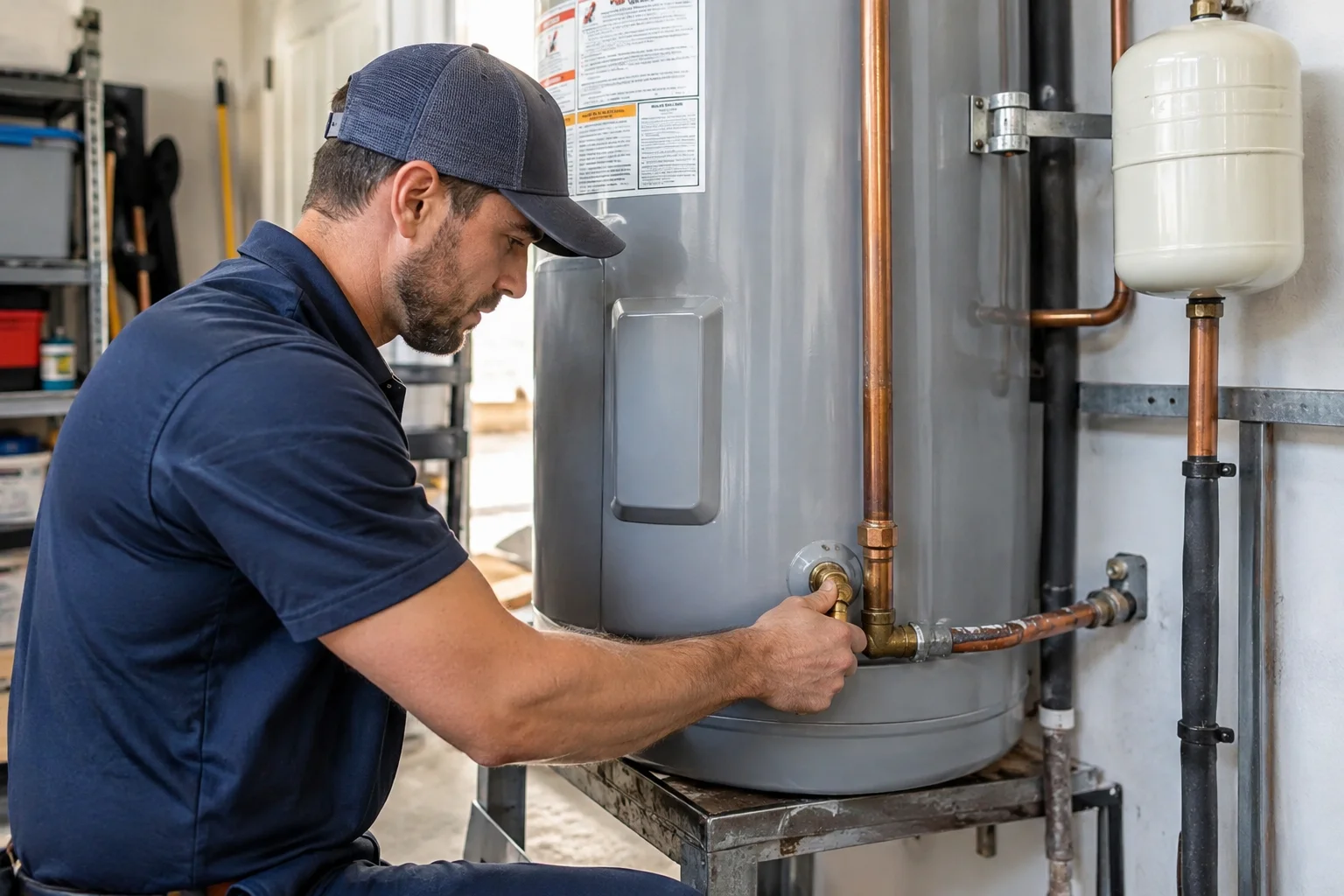
Hardness scale can reduce heating efficiency and contribute to appliances wearing out faster, particularly water-heating equipment. It can also affect valves and small passages. Treatment may reduce that burden, but it will not repair existing damage or eliminate every cause of appliance failure.
Testing Separates a Taste Problem From a Safety Concern
For homeowners searching for water treatment near me, a useful first appointment includes questions about the water source, recent changes, and where symptoms appear. Checking untreated and treated water, where applicable, helps reveal whether existing equipment is doing its job.
Useful measurements may include hardness, pH, iron, manganese, and disinfectant residual. Additional testing should follow the symptoms and water source. Total dissolved solids readings provide context, but they do not identify individual contaminants or establish that water is safe.
Public-supply customers can review their utility's current water quality report for source-level information. That report does not replace testing for a concern inside the home. Private well owners should arrange appropriate laboratory testing, including routine bacterial and nitrate testing and additional checks after flooding or suspected contamination.
A sudden chemical odor, unexplained discoloration, or suspected contamination calls for prompt guidance from the utility or local health department. Do not rely on taste or a basic household filter to judge safety. Follow official advisories, including any instructions about drinking, cooking, or alternate water supplies.
Match the Treatment to the Problem
Whole home water filtration for incoming water
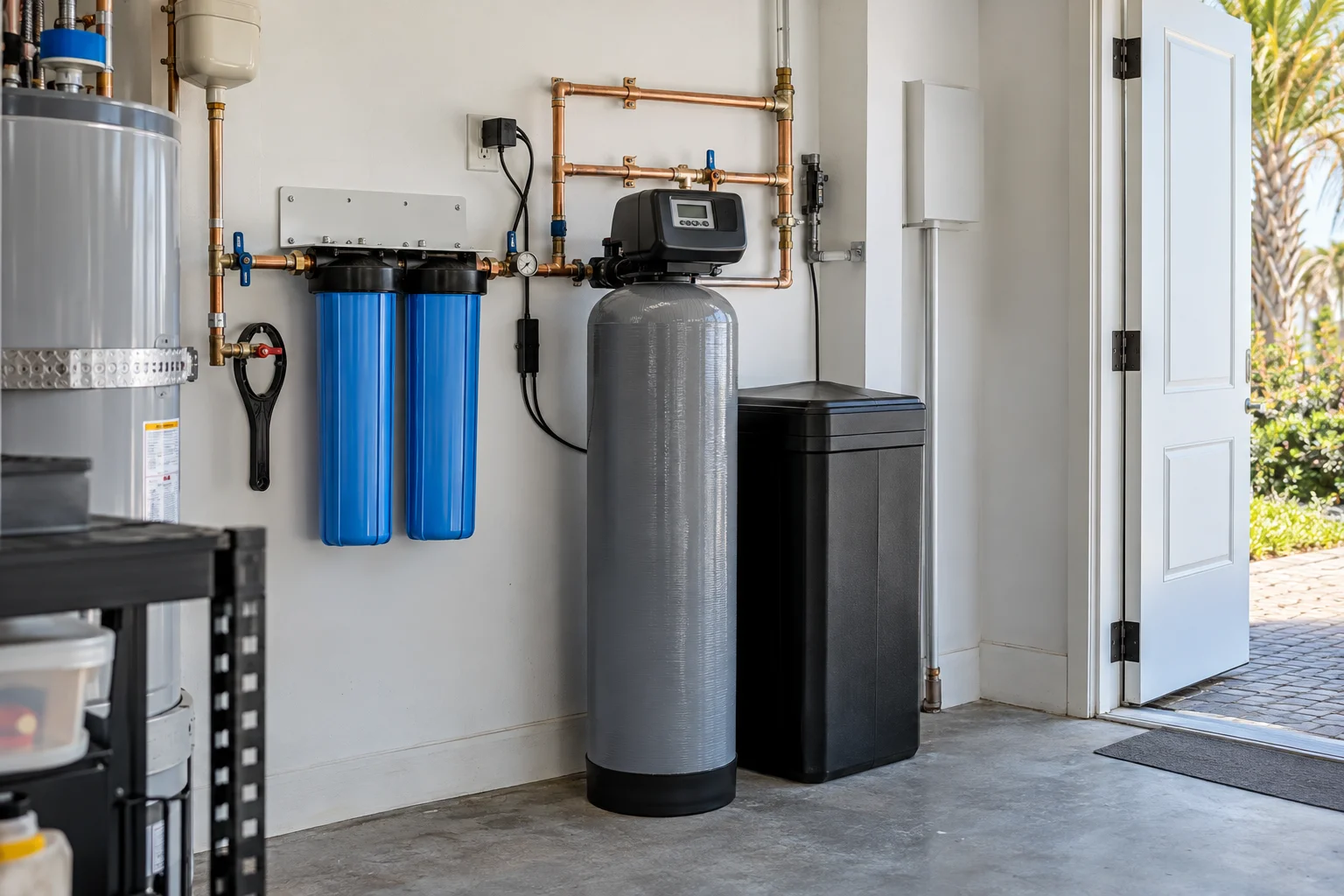
Whole home water filtration treats water near the point where it enters the home. Depending on the media and design, a whole house water filter may reduce sediment, certain disinfectant tastes and odors, or specific tested contaminants. No single filter removes everything.
Sediment filtration captures particles within its rated size range. Activated carbon can address certain taste and odor concerns, but chlorine and chloramine treatment requirements differ. Equipment should be selected for the actual disinfectant, flow rate, and required contact time.
Homeowners comparing water filtration near me should ask what a proposed system is certified to reduce. A carbon filter generally does not remove dissolved hardness minerals, so filtration alone may leave the spotting and scale problem unresolved.
Water softening for hardness and scale control
A conventional ion-exchange water softener removes calcium and magnesium by exchanging them for sodium or potassium ions. Proper sizing considers measured hardness, household water use, and peak demand. The goal is reliable softened water without unnecessary regeneration or excessive salt use.
An AO Smith water softener may be an option, depending on the model and installation requirements. Softening can reduce new hardness deposits and improve soap performance, but it does not disinfect water or replace contaminant-specific filtration. Salt-free scale-control products work differently and do not remove hardness in the same way.
If an existing system stops controlling spots, water softener service near me may be a more useful search than shopping immediately for a replacement. Salt bridging, incorrect settings, valve problems, or worn media can affect performance. Testing treated water helps confirm whether repairs are warranted.
Reverse osmosis for drinking and cooking water
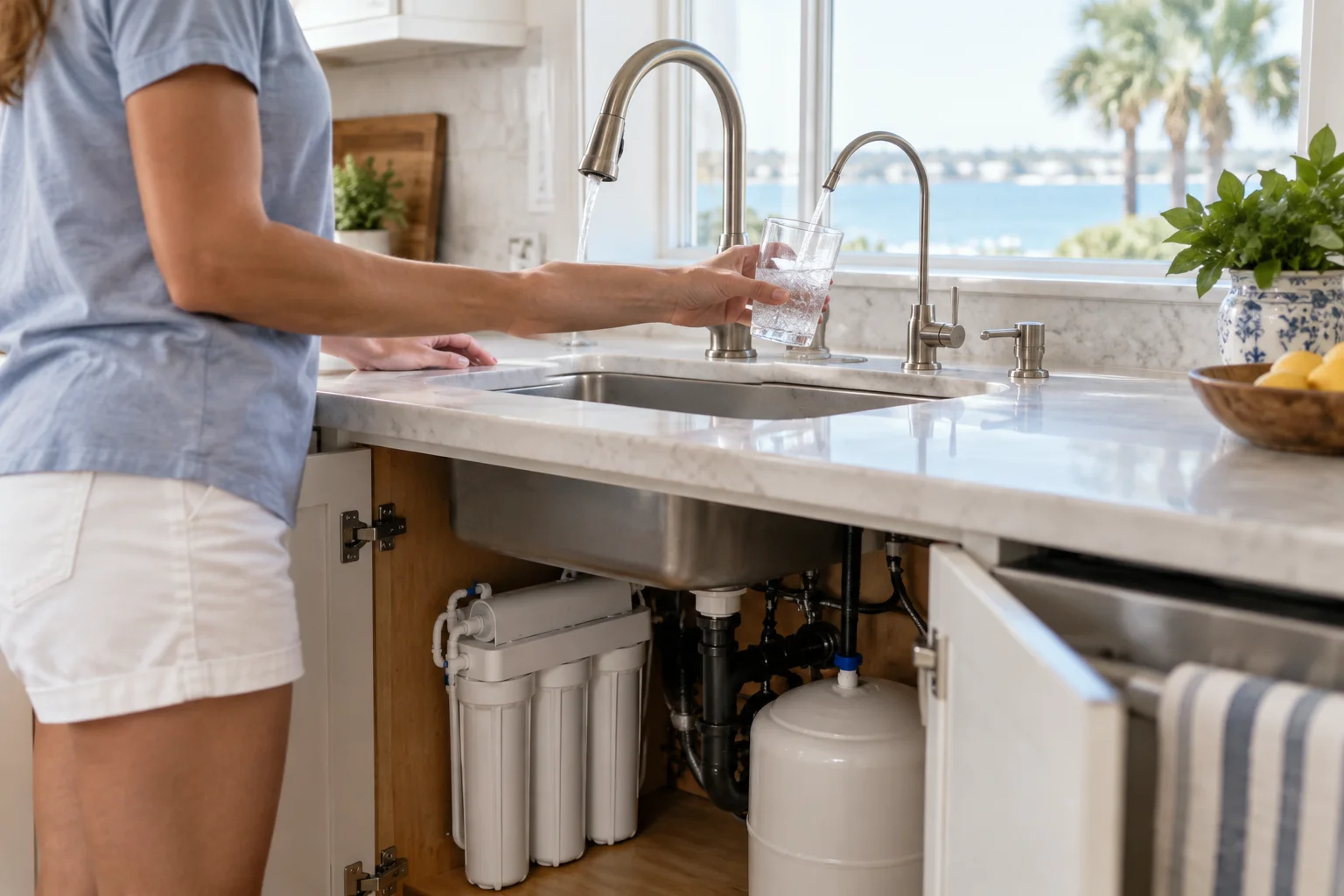
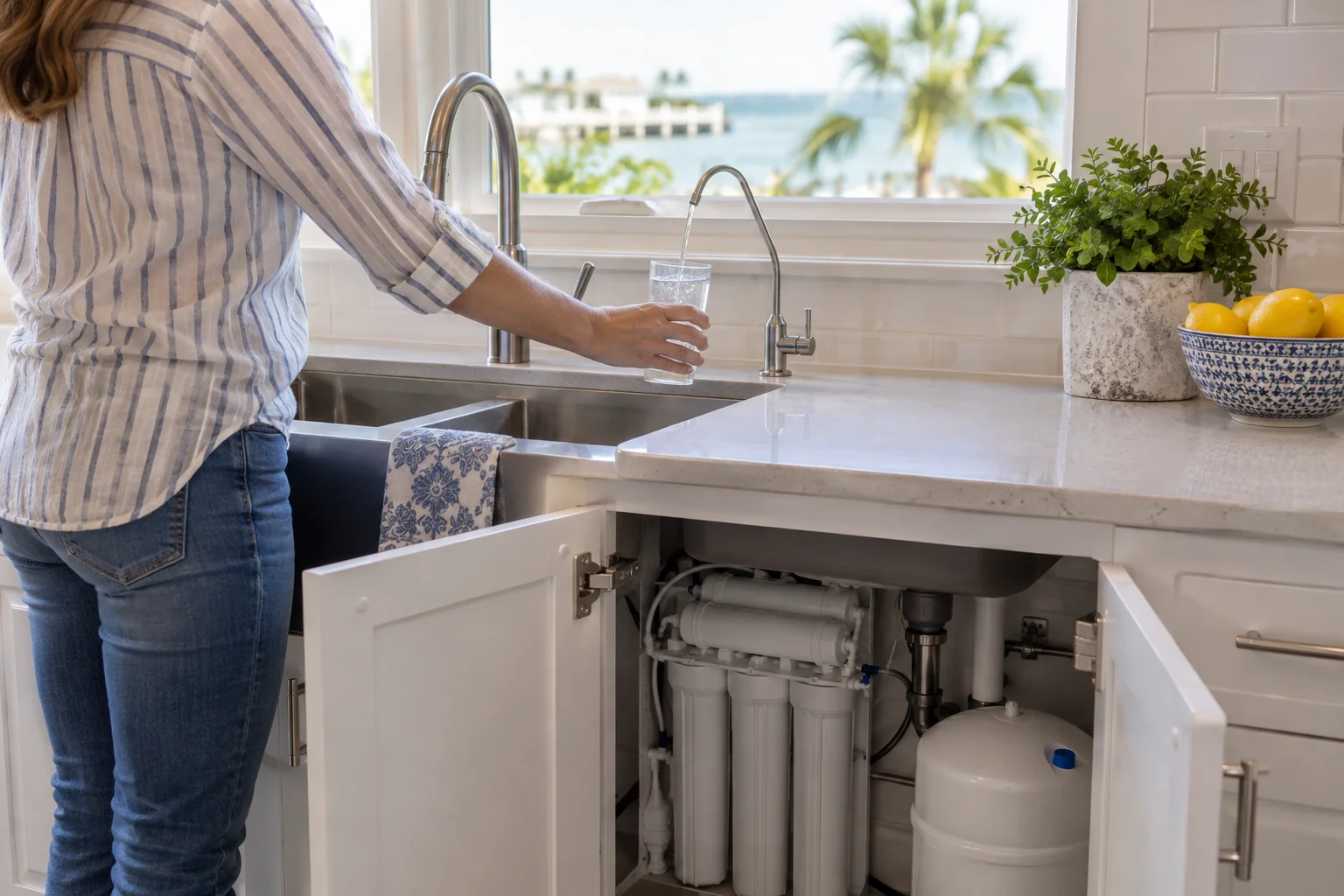
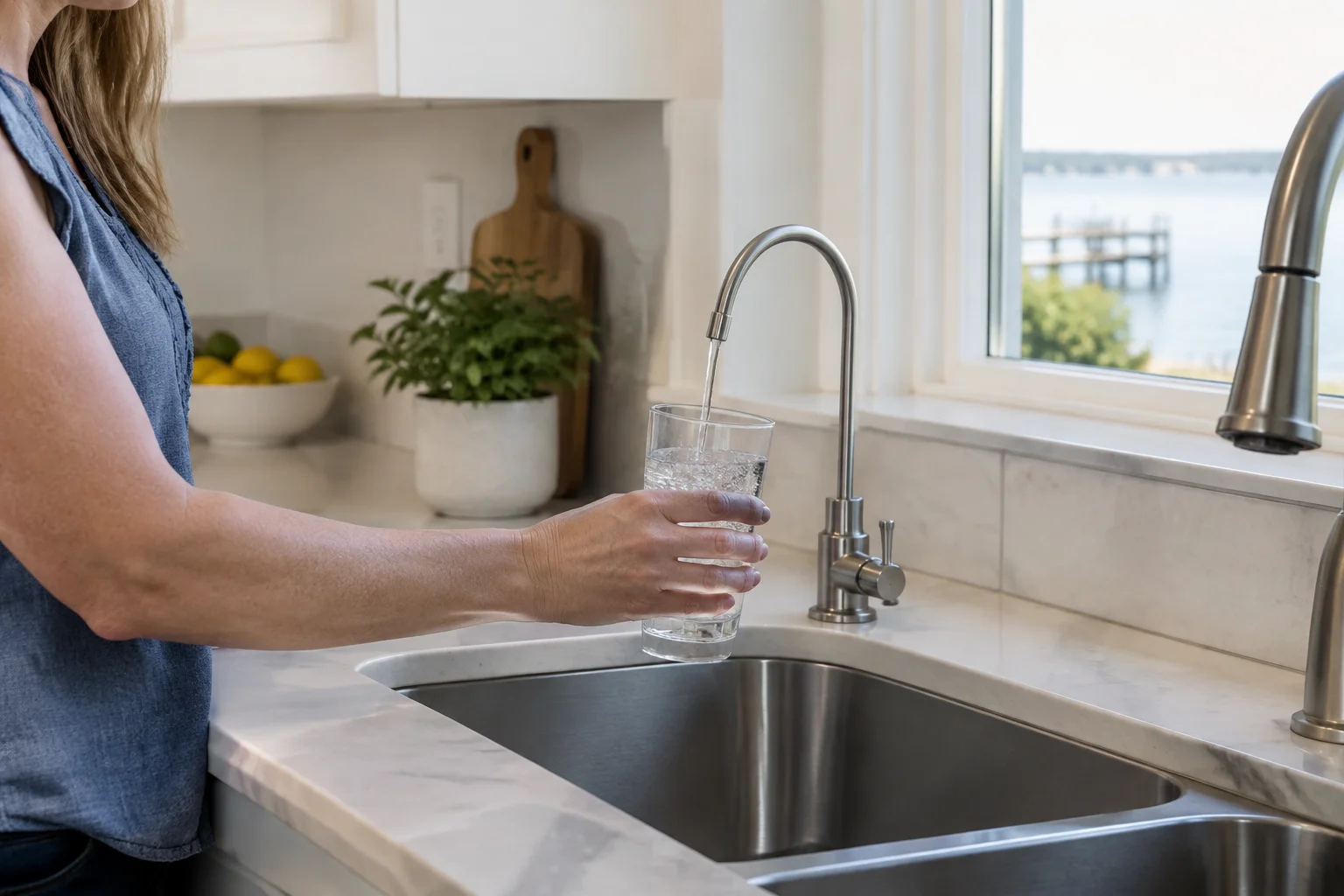
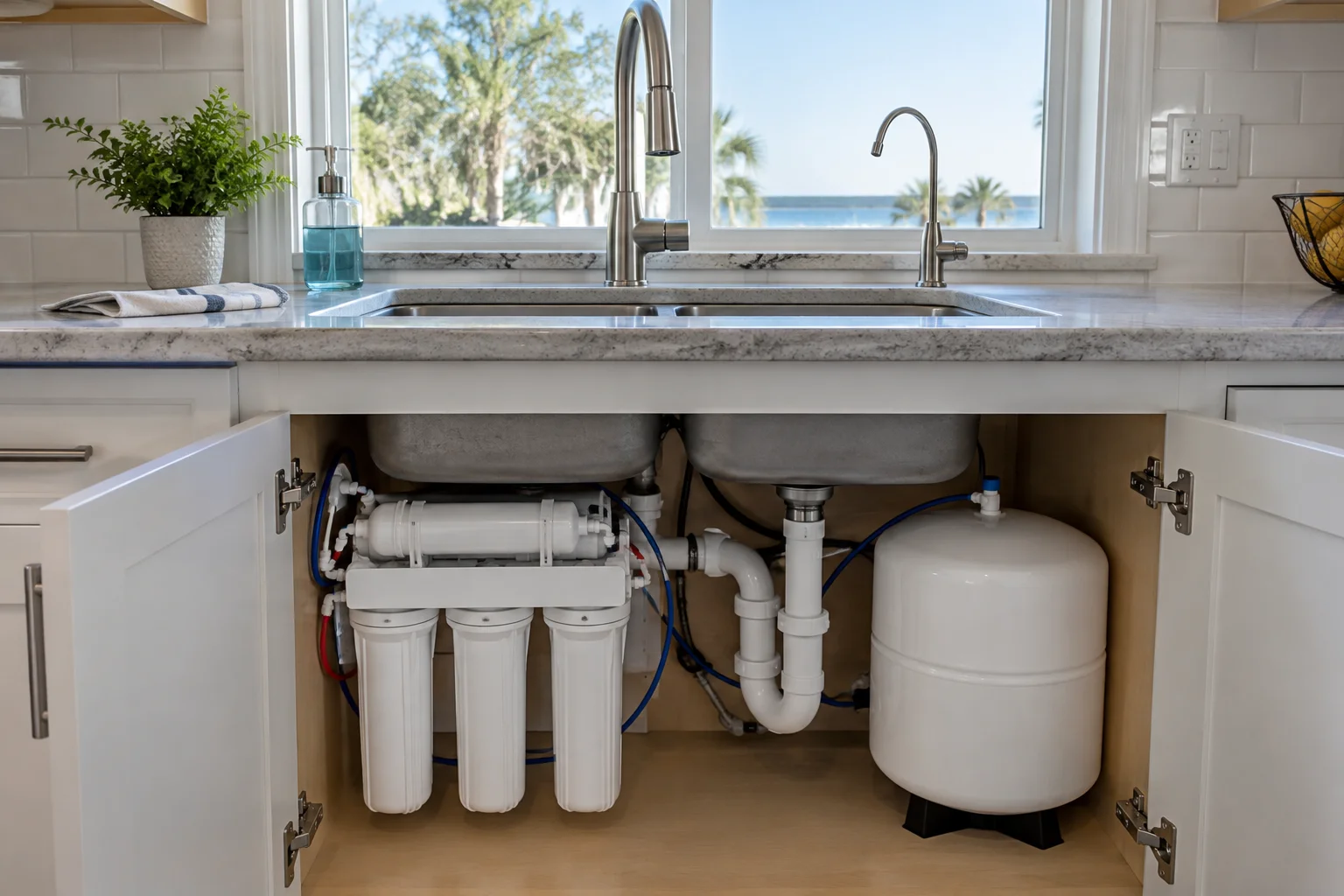
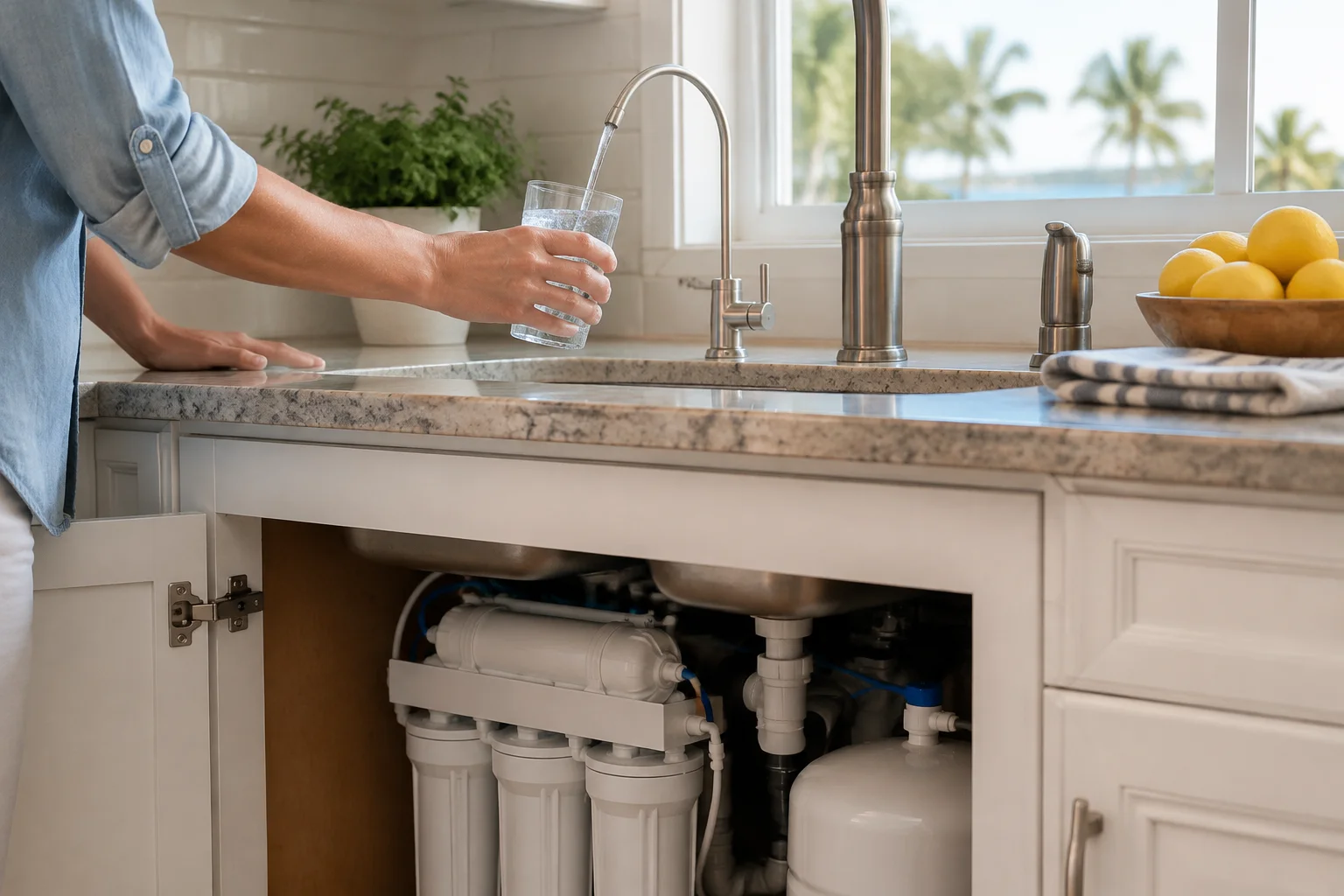
Reverse osmosis systems typically serve a dedicated kitchen faucet, using prefilters and a membrane to reduce many dissolved substances. They are a practical option when the main goal is better drinking water and cooking water rather than treating every fixture.
A reverse osmosis installation should account for available space, feed pressure, drain access, production capacity, and filter service access. Supplying a refrigerator may be possible, but pressure and manufacturer requirements need review. RO may improve ice quality, though it cannot guarantee perfectly clear cubes.
Choose a system with independently verified reduction claims for the substances of concern. Membranes and cartridges need scheduled replacement, and RO systems produce a reject-water stream. The amount varies with system design and operating conditions.
Where AO Smith water filtration fits
A Superior Mechanical offers AO Smith systems as part of its water treatment services. AO Smith water filtration options should be evaluated by the specific model's capabilities, capacity, certifications, and maintenance requirements, not the brand name alone.
Some homes benefit from a combination of sediment filtration, softening, and kitchen RO. Others need a simpler setup. The company's water filtration, reverse osmosis, and water softener options provide a starting point for discussing an appropriate clean water system without assuming every home needs every component.
How Better Water Changes the Household Routine
Picture the kitchen during a weekday morning: someone fills the coffee maker, another packs water bottles, and breakfast dishes go into the dishwasher. Treatment matched to the water can make those small tasks more pleasant. Drinking water may taste better, while cooking water is less likely to carry an unwanted odor into rice or soup.
In the bathroom, softened water can reduce fresh mineral deposits on shower glass and fixtures. In the laundry room, reduced hardness may improve detergent performance. Follow detergent and appliance guidance before adjusting quantities, since more soap is not always better.
Protecting appliances is another practical benefit of managing hardness and sediment. Still, cleaner water for everyday life does not mean maintenance disappears. Water heaters, dishwashers, and ice makers continue to need manufacturer-recommended care. Our article on cleaner water and fewer plumbing problems in Crestview homes explores that connection further.
Keep the System Working After Installation
Water treatment is an ongoing service responsibility, not a one-time purchase. Replace cartridges according to the manufacturer's schedule and actual water conditions. A loaded sediment filter can restrict flow, while exhausted carbon may no longer deliver the expected taste and odor reduction.
For softeners, check the salt supply, watch for bridging, and review unusual changes in salt consumption. Have hardness checked downstream when spotting returns. RO systems need timely prefilter and membrane service, along with sanitizing procedures specified by the manufacturer.
Keep a record of installation dates, cartridge types, service visits, and water test results. Changes in household occupancy or water conditions may justify adjustments. Existing restricted flow can also require a separate diagnosis, as discussed in how Crestview homes can stay ahead of clogged pipes and plumbing wear. New treatment should not be expected to clear an established blockage.
Get a Clear Plan for Your Crestview Water
Professional help makes sense when spots quickly return after cleaning, taste or odor persists, sediment appears repeatedly, or an existing system no longer performs. Call promptly about sudden changes, especially if multiple fixtures are affected. Describe when the problem started and whether it involves hot water, cold water, or both.
A Superior Mechanical can help Crestview homeowners evaluate water purification options around their actual concerns, from kitchen drinking water to whole home hardness control. Ask for an explanation of what the recommended equipment treats, what it does not treat, and what upkeep will cost. A practical plan should connect test results to the water your family drinks, cooks with, bathes in, and uses every day.
Find Water Purification Services in Crestview, FL
If you need Water Purification Services in Crestview, FL, visit our local service page or contact A Superior Mechanical today.
For a broader look at whole-home water filtration, reverse osmosis, and water softener options, visit our water filtration, RO, and water softener page.
Map of Crestview, FL
Frequently Asked Questions
Will a whole house water filter remove hard water spots in my Crestview home?
Most sediment and carbon filters do not remove the dissolved calcium and magnesium that cause hard water spots. A hardness test can help determine whether you need a water softener, filtration, or a combination. Treatment can reduce new mineral deposits, but it will not reverse permanent glass etching.
Should I choose reverse osmosis or a water softener?
They serve different purposes. A softener treats hardness to reduce scale and improve soap performance throughout the home. Reverse osmosis typically treats drinking and cooking water at a kitchen faucet, reducing substances covered by the system's verified performance claims. Some homes benefit from both.
Does A Superior Mechanical offer AO Smith water treatment systems in Crestview?
Yes. A Superior Mechanical provides water purification services in Crestview that include AO Smith systems, filtration, reverse osmosis, and water softening. The appropriate equipment depends on your water test results, household demand, installation conditions, and maintenance preferences.
Related Articles
Photo Gallery