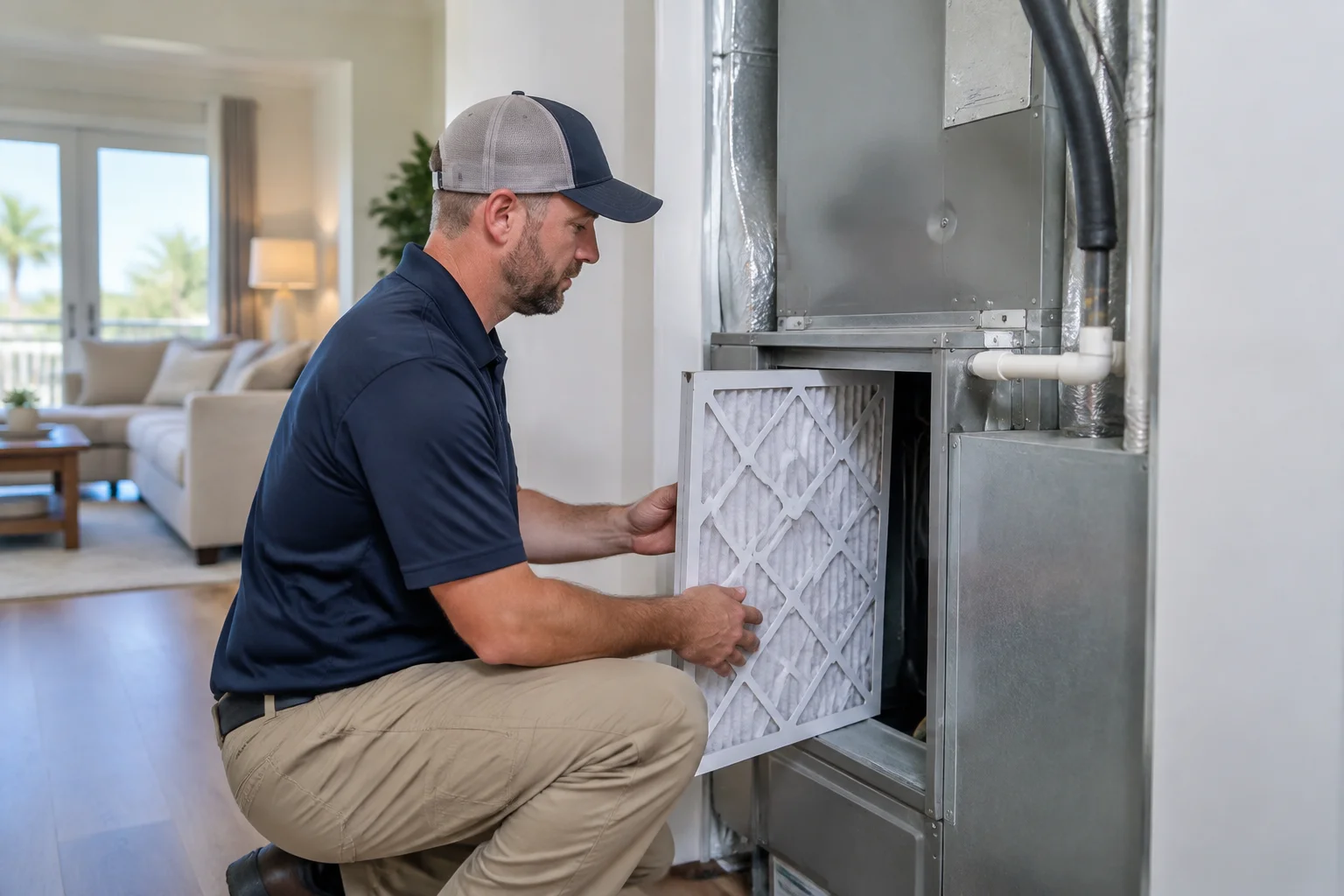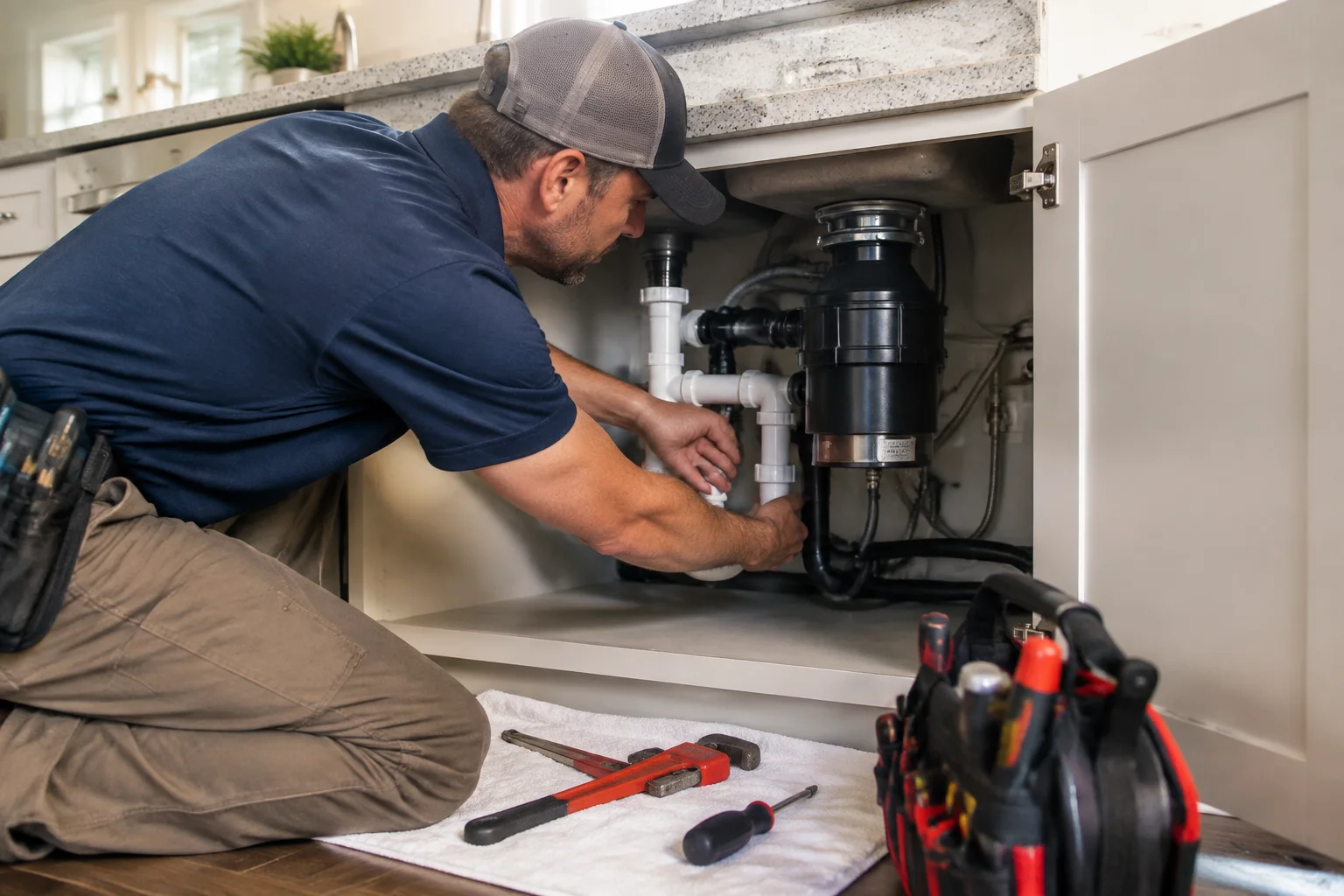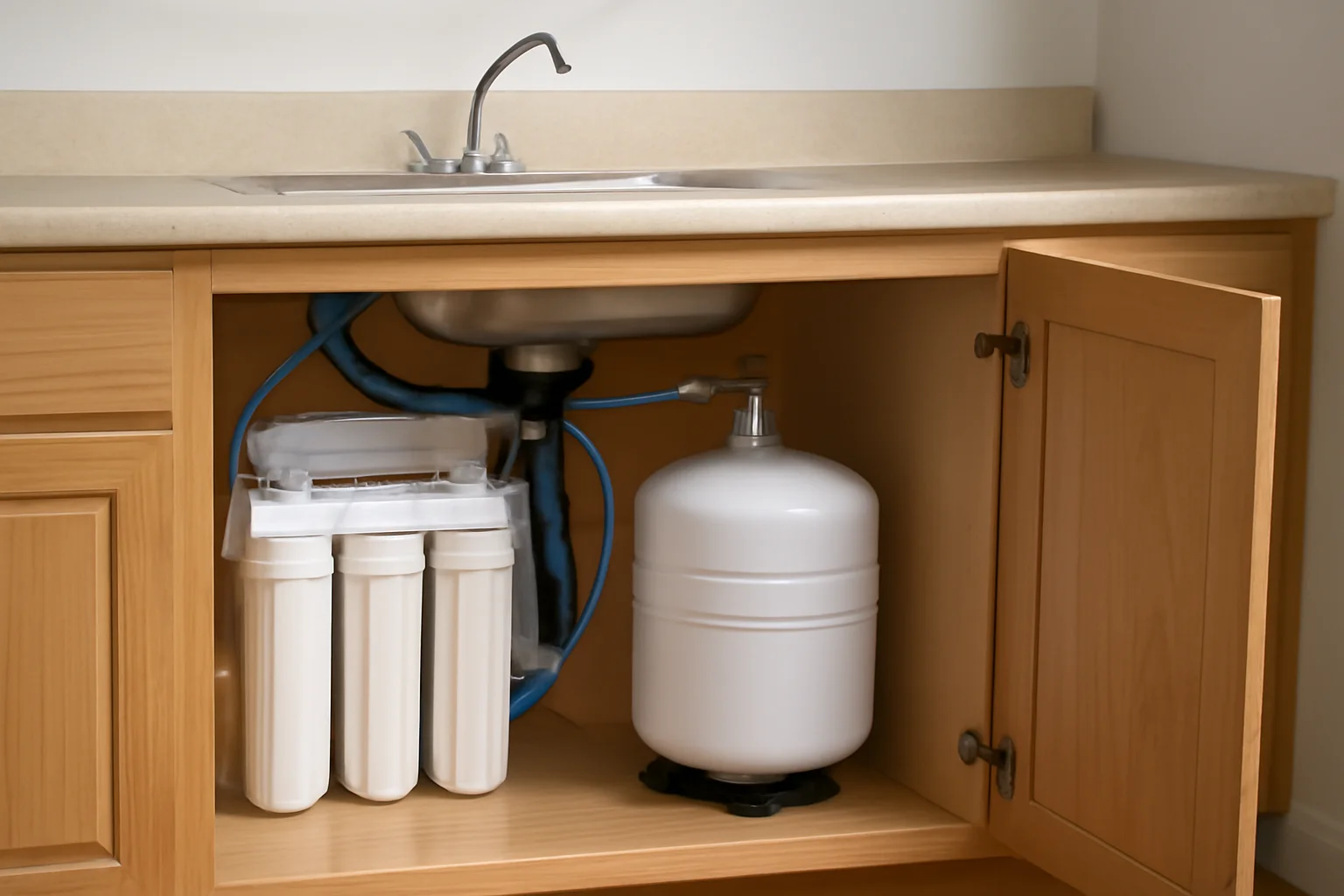
Walk into a Wright, FL kitchen and you can feel the difference good water makes. Tea tastes cleaner. Coffee tastes less flat. Ice cubes stay clear instead of cloudy. But reverse osmosis (RO) systems do not work the same way for every home, because local water conditions and water chemistry can change how membranes filter, how pre-filters protect the system, and how often you will need service.
This guide explains how Wright, FL water conditions affect reverse osmosis systems for homeowners, what common symptoms mean, and how working with a local water treatment professional helps protect your drinking water system, your appliances, and your budget. If you are searching for reverse osmosis systems in Wright, FL or water filtration and water softeners, the details below will help you ask the right questions and spot issues early.
Why Wright, FL water conditions can change RO performance
Reverse osmosis systems are precision filtration devices. They push water through a semi-permeable membrane that removes dissolved contaminants. The catch is that the membrane and its protecting components are sensitive to what is already in your incoming water.
In Wright and throughout Okaloosa County, homeowners may see a mix of conditions driven by seasonal changes, source water variations, and how water travels through local infrastructure. Even when the water supply is treated, the water that reaches your home can still contain minerals, dissolved solids, and disinfectant byproducts that influence RO operation.
Two homes can have the same RO model and still experience different results because the incoming water has different hardness, total dissolved solids, and chlorine or chloramine levels. Those differences show up as:
- Different taste and odor results (for example, a stronger chlorine taste in water)
- Different filter life and membrane wear
- More or less scale buildup on faucets, showerheads, and plumbing lines
- Clear or cloudy ice cubes
That is why local service matters. A Superior Mechanical evaluates the water your household is actually using, not just the RO system on the shelf.
Hard water and RO: scale can build even when RO is installed
Hard water is a major driver of scale buildup. When calcium and magnesium are high, you may notice hard water spots on glass, whitish residue on dishes, and mineral deposits around fixtures. You might also see the early signs of scale around faucets and showerheads, especially after the water evaporates.
For RO systems, hardness and total dissolved solids can accelerate membrane stress. While RO removes many dissolved substances, incoming mineral content still affects how pre-filters and the membrane perform before water reaches the RO stage.
Everyday signs hard water is affecting your home
If you have RO for drinking water but still see these issues, it can mean your whole home water is not being treated consistently:
- Soap does not lather or rinses poorly in showers and laundry
- Dry skin or dull hair after bathing
- Visible sediment, discoloration, and odor concerns in some fixtures or at certain times
- Appliances wearing out faster, especially water-using appliances like coffee makers and ice makers
Hard water treatment is often the missing piece. Many homeowners benefit from pairing RO with water softening or a whole house approach so the home plumbing stays protected and the RO system is not fighting harsh water every day.
Chlorine and taste: why RO can be perfect and still not taste right
Homeowners often install RO specifically to improve drinking water and cooking water. That usually works. But if your incoming water has higher disinfectant levels, you may still notice lingering taste or odor problems.
One common complaint is a chlorine taste in water or an unpleasant smell that shows up in:
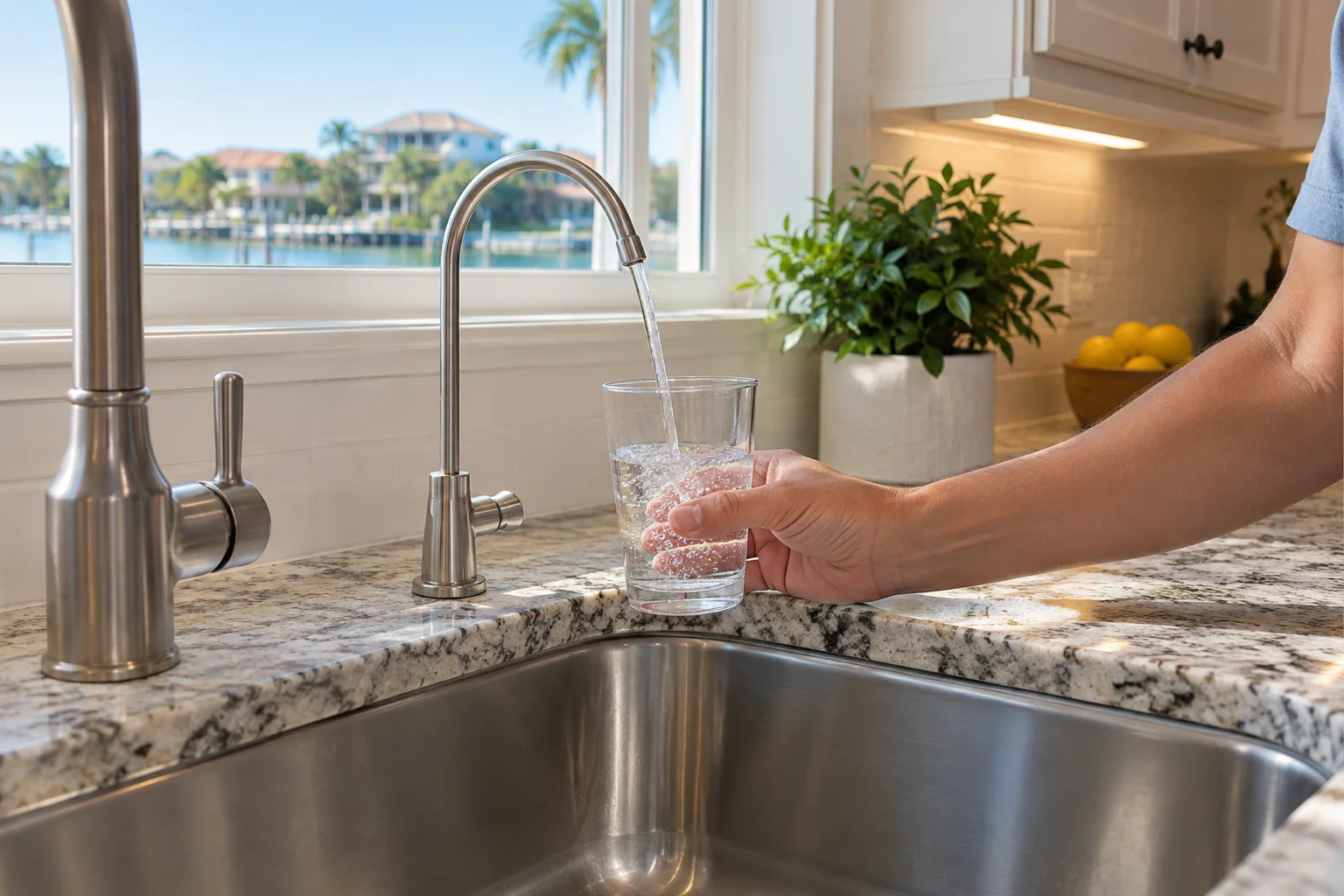
- Drinking water from the RO faucet
- Cooking water used for pasta, rice, or soups
- Ice cubes that look slightly cloudy
- Water used for coffee, tea, and beverages
RO can reduce many contaminants, but it depends on the system configuration and the pre-treatment steps. Chlorine can also impact filter media and membrane life if it is not properly handled. That is why RO systems often include carbon stages and why correct filter selection and timing are so important.
Cloudy ice cubes and poor tasting coffee
Cloudy ice cubes are a frequent clue that something is off in the water. It can be mineral content, dissolved gases, or residual disinfectants. When ice and drinking water both look or taste wrong, homeowners often assume the RO system is failing. Sometimes the RO is doing its job, but pre-filtration or filter replacement intervals are not aligned with local water conditions.
If your coffee tastes flat or your cooking water does not perform like it used to, it is worth having your water tested and your RO system inspected. A Superior Mechanical can help you understand whether the issue is the RO stage, the pre-filters, or the broader water treatment setup feeding the system.
Filter life and maintenance schedules in Wright, FL
RO systems need maintenance because the filters and membrane are designed to remove contaminants until they reach capacity. In Wright, FL, local water chemistry can affect how quickly that capacity is reached.
Homeowners may notice that their RO system:
- Produces less water than expected
- Slows down dispensing from the RO faucet
- Produces water that tastes different from earlier
- Requires more frequent filter changes than the previous owner’s system history suggested
When filters are overdue, you can see early symptoms such as sediment or discoloration, or a shift in odor. Over time, neglected maintenance can increase stress on the membrane. That is one of the reasons RO drinking water system performance can decline faster when pre-filters are not matched to the incoming water.
What to watch for between service visits
Even if you are not a water treatment expert, you can look for practical indicators:
- Visible sediment or discoloration where you draw RO water
- Odor changes, especially around the time filters should have been replaced
- Soap does not lather and shower water feels harsh, suggesting hard water is still impacting the rest of the home
- More scale buildup on faucets and showerheads that is trending worse
Those home clues also help determine whether you need RO-only service or whether whole home water filtration and water softening should be part of the plan.
RO systems and whole home water filtration: protecting everything that touches water
Many Wright homeowners start with RO for the kitchen and drinking water. That makes sense. The kitchen is where you notice better water the fastest, from family meals to daily hydration. But water does not stop at the faucet.
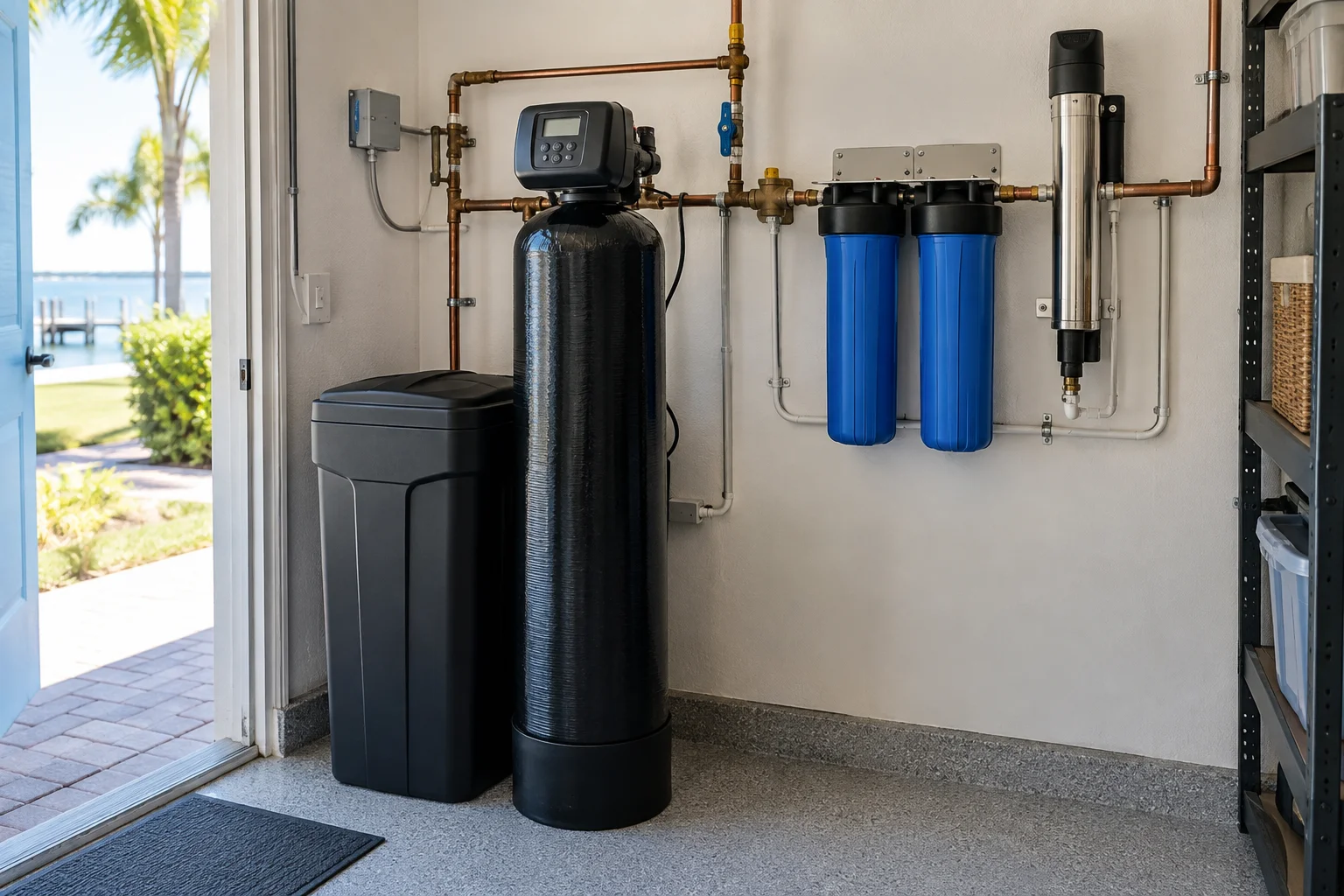
Whole home water filtration and water softening can reduce the mineral and contaminant burden on your plumbing, fixtures, and appliances. When the rest of the home has cleaner, more balanced water, you often see fewer hard water spots on glass and dishes, less scale buildup around fixtures, and better bathing comfort.
How better water shows up in daily life
Picture a typical Wright evening. Kids rinse off after sports. You run the dishwasher. The laundry cycles. The bathroom has a showerhead you clean every few weeks because the deposits keep returning. When water conditions are harsh, you might notice:
- Dry skin or dull hair after bathing because minerals and residue can make water feel harsher
- Soap that does not lather or rinse well, leaving a film
- Dishes that look spotty, even after drying
- Appliances wearing out faster due to mineral scale in internal components
Whole house treatment can reduce those frustrations. It can also help your RO system because the water feeding the RO may be easier on the filters and membrane, depending on your setup.
Where AO Smith water filtration fits in
Homeowners in Wright, FL often ask about brands and system options that are reliable for local water conditions. AO Smith water filtration is a common consideration because of the brand’s focus on residential filtration and water system support.
When a technician designs a water treatment plan, the goal is not just “add RO.” The goal is to build a system that matches your water chemistry: pre-treatment for chlorine and sediment, filtration steps for taste and odor, and a plan for hardness and scaling. AO Smith water filtration equipment can play a role in whole home water filtration or coordinated systems depending on your needs.
If you are comparing solutions, it can help to ask how the system handles:
- Chlorine taste in water and odor concerns
- Scale and hard water spots on glass and fixtures
- Filter change intervals based on actual usage
- Compatibility with RO drinking water system requirements
RO plus water softening: a common pairing for Wright homes
In homes where hard water treatment is needed, RO alone may not solve every problem. RO is often used for drinking water and cooking water quality, while water softening or whole house filtration addresses the minerals that affect bathing, laundry, and fixtures.
Many homeowners choose an AO Smith water softener or other water softening approach to reduce hardness impacts. With water softening, you can see improvements such as:
- Less scale buildup around faucets, showerheads, and plumbing
- Fewer hard water spots on glass and dishes
- Soap that lathers more normally and rinses more cleanly
- More comfortable bathing, especially if you have felt dry skin or dull hair after showers
For homeowners searching for water softener installation near me, the key is choosing a setup that complements your RO system. A Superior Mechanical can help coordinate RO drinking water needs with whole home water treatment goals, so the kitchen gets better tasting water while the rest of the home stays protected.
If you want to understand how local service supports better outcomes, you can also explore water treatment services across Wright and how conditions in Okaloosa County influence system design. For a broader look at service coverage, visit Okaloosa County water treatment area.
Common RO problems Wright homeowners report
Here are some realistic scenarios that homeowners in Wright often bring up after installing or living with an RO system for a while.
“The RO water tastes different and the ice looks cloudy.”
That can happen when pre-filters are exhausted, carbon stages are overdue, or the system is not configured for the incoming water chemistry. Cloudy ice cubes can also reflect mineral content or dissolved gases. A technician can inspect the system, check filter condition, and confirm flow and performance.
“I still see scale buildup on faucets and showerheads.”
RO typically treats water for drinking and cooking. If hard water is affecting the rest of your home plumbing, you may still see scale around fixtures. This is where whole home water filtration or water softening becomes important. For RO-only setups, scale in the rest of the home is often expected, but it should not be ignored if it is impacting appliances and comfort.
“Coffee and cooking water do not taste right.”
Even when RO is installed, you might be drawing water that is not fully filtered if there are issues with the RO faucet line, storage tank performance, or filter timing. If you notice a metallic or chlorinated flavor, it is worth scheduling service so the system is producing consistent RO drinking water system output.
“Appliances are wearing out faster.”
Water scale can shorten the lifespan of water heaters, ice makers, and other components that depend on clean flow paths. If you are seeing premature wear, it can be a sign that hard water treatment and whole home protection are not sufficient.
How reverse osmosis installation and service should be handled locally
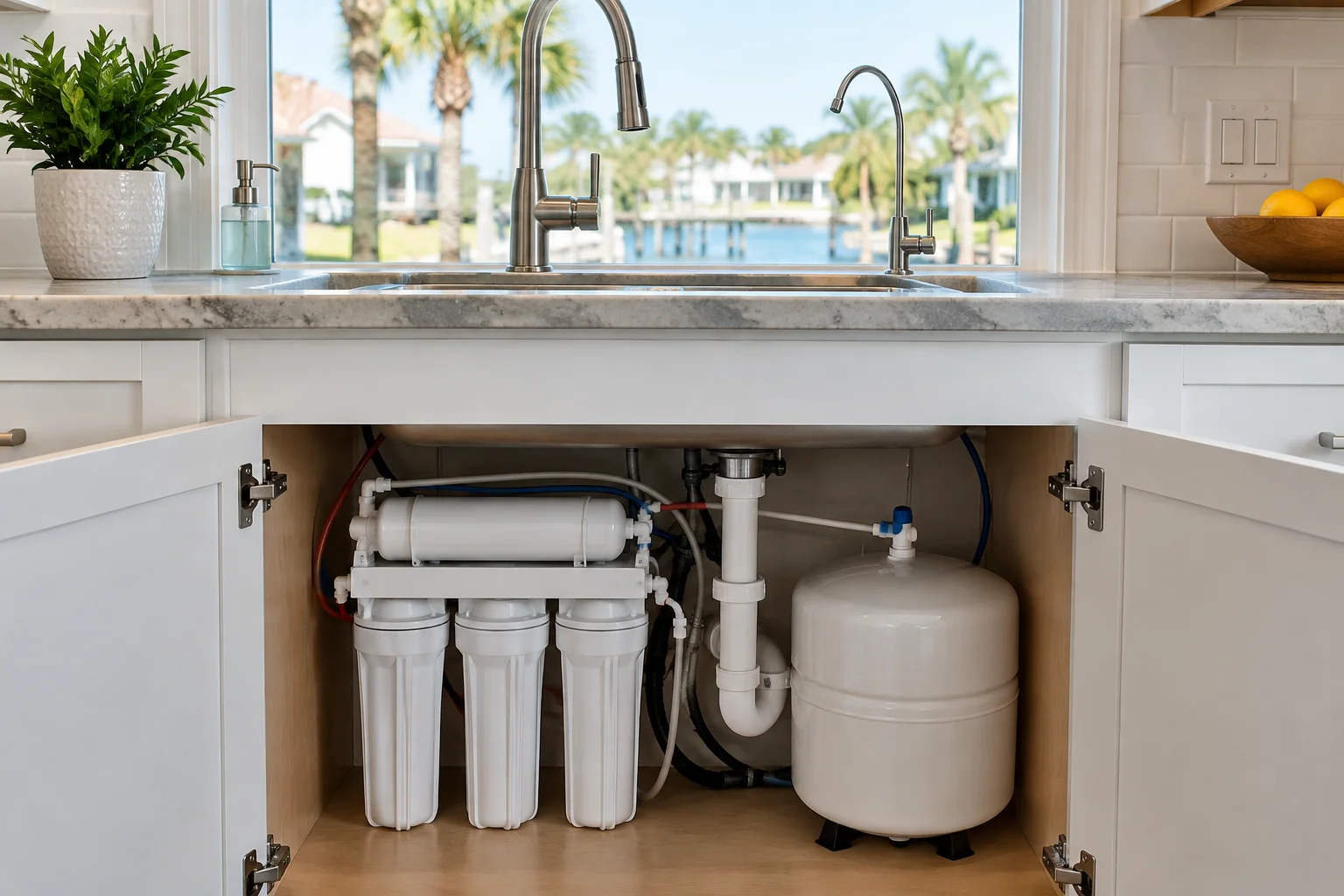
RO installation is not just about mounting the system under the sink. A proper setup considers the feed water quality, the filtration stages you need, the storage tank or system configuration, and how the system will be maintained over time.
If you are searching for reverse osmosis installation near me, look for a company that:
- Evaluates your water conditions and explains what is driving taste, odor, and scale
- Matches pre-filtration to protect the RO membrane
- Provides a realistic maintenance plan for filter replacement and performance checks
- Discusses how RO fits with hard water treatment and whole home water filtration
Because Wright homes experience the day-to-day effects of water quality, service should be built around real household use: drinking water, cooking water, bathing, laundry, and the fixtures and appliances that experience water every day.
Maintenance tips homeowners can do between visits
You cannot fully replace professional water testing and service, but you can help your RO system last longer by staying consistent with small habits.
- Follow the filter schedule recommended for your system. If your water tastes or smells off, do not wait only for the “next” date.
- Check for changes in flow. Slower output from the RO faucet can indicate a filter restriction or system issue.
- Pay attention to the kitchen. If ice cubes become cloudy or coffee tastes worse, treat it as a clue.
- Keep the RO faucet clean. Mineral residue can build around fixtures if water conditions are harsh.
If you are also dealing with fixture buildup, it may be helpful to review how water quality affects fixture longevity. For homeowners considering upgrades or replacements, you can read A Smarter Way to Handle Plumbing Fixture Replacement in Wright, FL.
Why scheduling water treatment service matters for Wright families
Water quality is one of those home factors that quietly impacts everything. When conditions are harsh, you may spend more time cleaning hard water spots on glass and dishes. You might notice dry skin or dull hair after bathing. Your soap may not lather or rinse well. Your appliances may wear out faster. And your drinking water and cooking water may taste metallic or chlorinated.
When local water treatment service is done well, it becomes easier to maintain a routine at home. Better drinking water supports everyday kitchen moments. Whole home water filtration and water softening reduce scale buildup around faucets and showerheads. And a properly maintained RO system keeps your RO drinking water system producing reliable results.
For homeowners in Wright, FL, the most effective path is often a coordinated plan: reverse osmosis for drinking and cooking, plus whole home protection if hard water and scale are showing up throughout the house. If you are comparing options or trying to figure out why your RO system is not delivering the results you expected, start with a local evaluation. You can learn more about service coverage at reverse osmosis systems for Wright and browse more water filtration options at water filtration and water softeners.
If you also suspect water-related damage risk in your home, consider reading How Professional Plumbing Service Helps Wright Homes Avoid Costly Water Damage for additional context on how scale and plumbing performance can connect.
Find Reverse Osmosis Systems in Wright, FL
If you need Reverse Osmosis Systems in Wright, FL, visit our local service page or contact A Superior Mechanical today.
For a broader look at whole-home water filtration, reverse osmosis, and water softener options, visit our water filtration, RO, and water softener page.
Map of Wright, FL
Frequently Asked Questions
Can hard water ruin a reverse osmosis system in Wright, FL?
Hard water can contribute to scale buildup and shorten filter and membrane life by increasing mineral load on the system. Many Wright homes see better results when reverse osmosis is paired with proper hard water treatment or whole house filtration.
Why does my RO water taste chlorinated or metallic even after installing reverse osmosis?
Chlorine taste in water and unpleasant flavors can happen if pre-filters or carbon stages are not matched to your incoming water or if they are overdue. A service visit can confirm filter condition, flow rate, and whether the system needs additional pre-treatment.
What does cloudy ice from an RO system usually mean?
Cloudy ice cubes can point to mineral content, dissolved gases, or filter and pre-treatment issues. If the RO faucet is producing cloudy ice, it is a good sign to have the system inspected and filters replaced based on your water conditions.
Do I need whole home water filtration if I already have RO for drinking water?
Not every home needs whole house water filtration, but many Wright homeowners benefit when they also see hard water spots on glass, scale buildup on faucets and showerheads, dry skin or dull hair after bathing, or soap that does not lather. Whole home treatment can protect plumbing and appliances while RO improves drinking and cooking water.
How often should RO filters be replaced in Wright, FL?
Replacement intervals depend on your household water chemistry, usage, and the specific system configuration. A local water treatment professional can recommend a schedule based on your incoming water and inspection results.
Related Articles
Photo Gallery