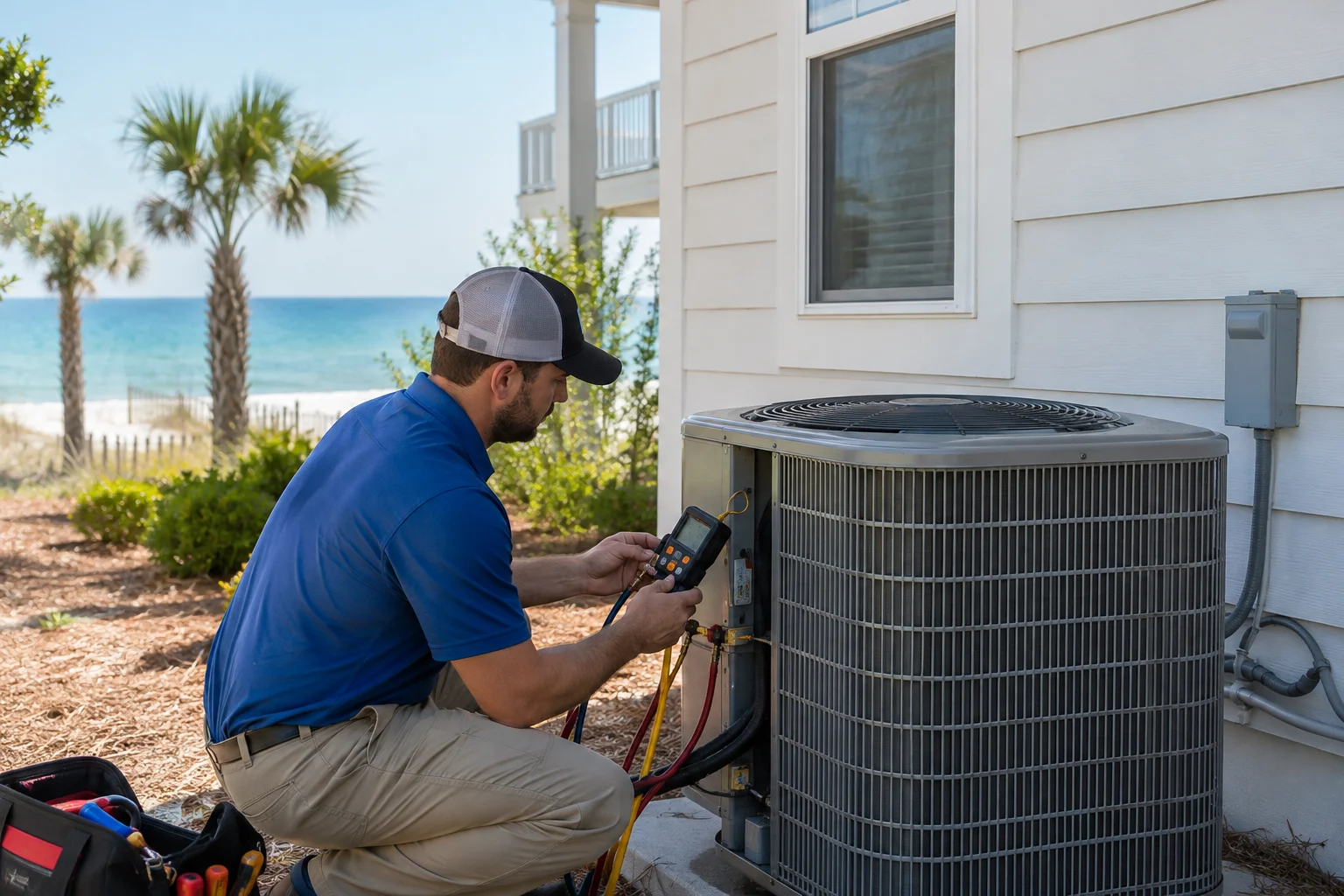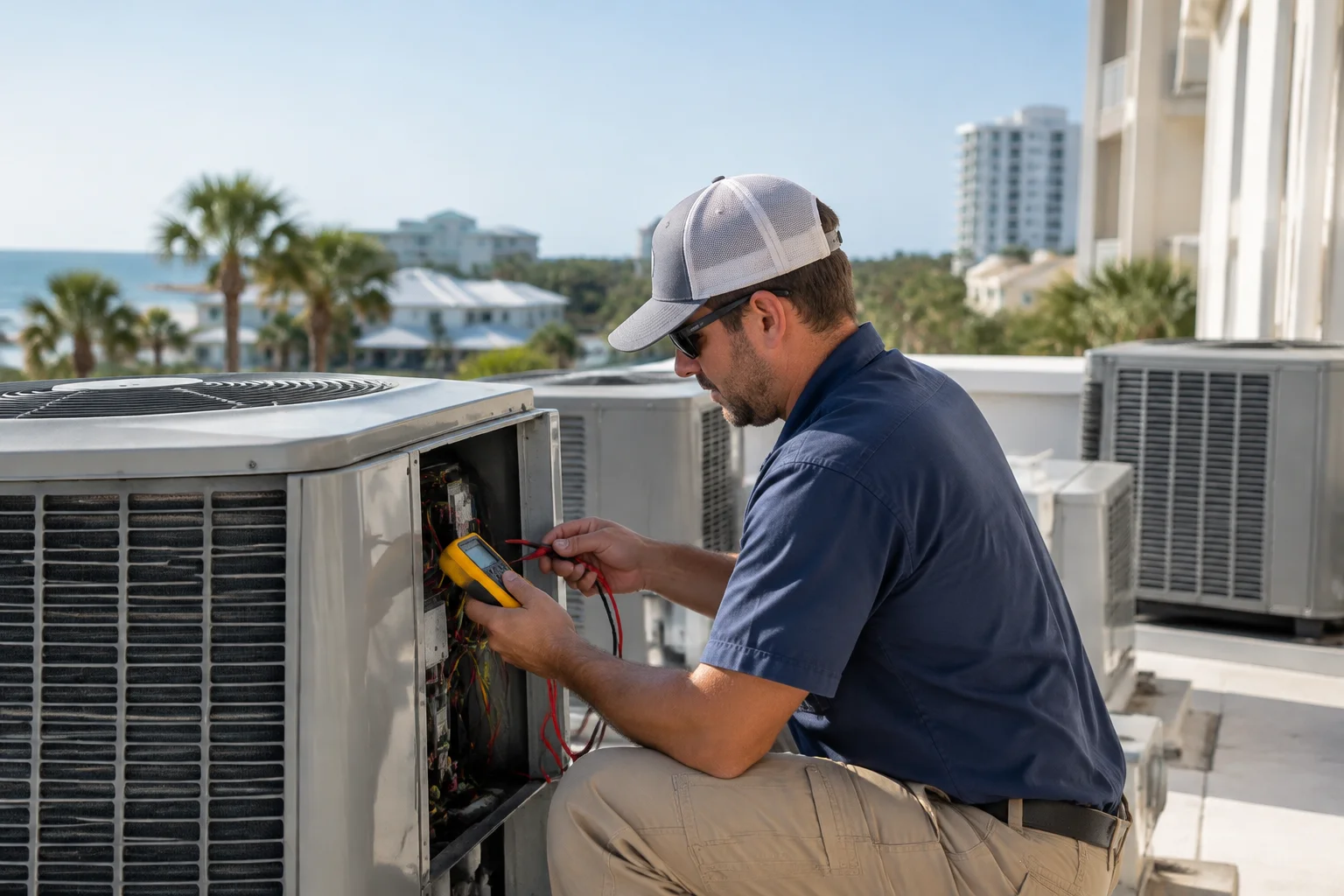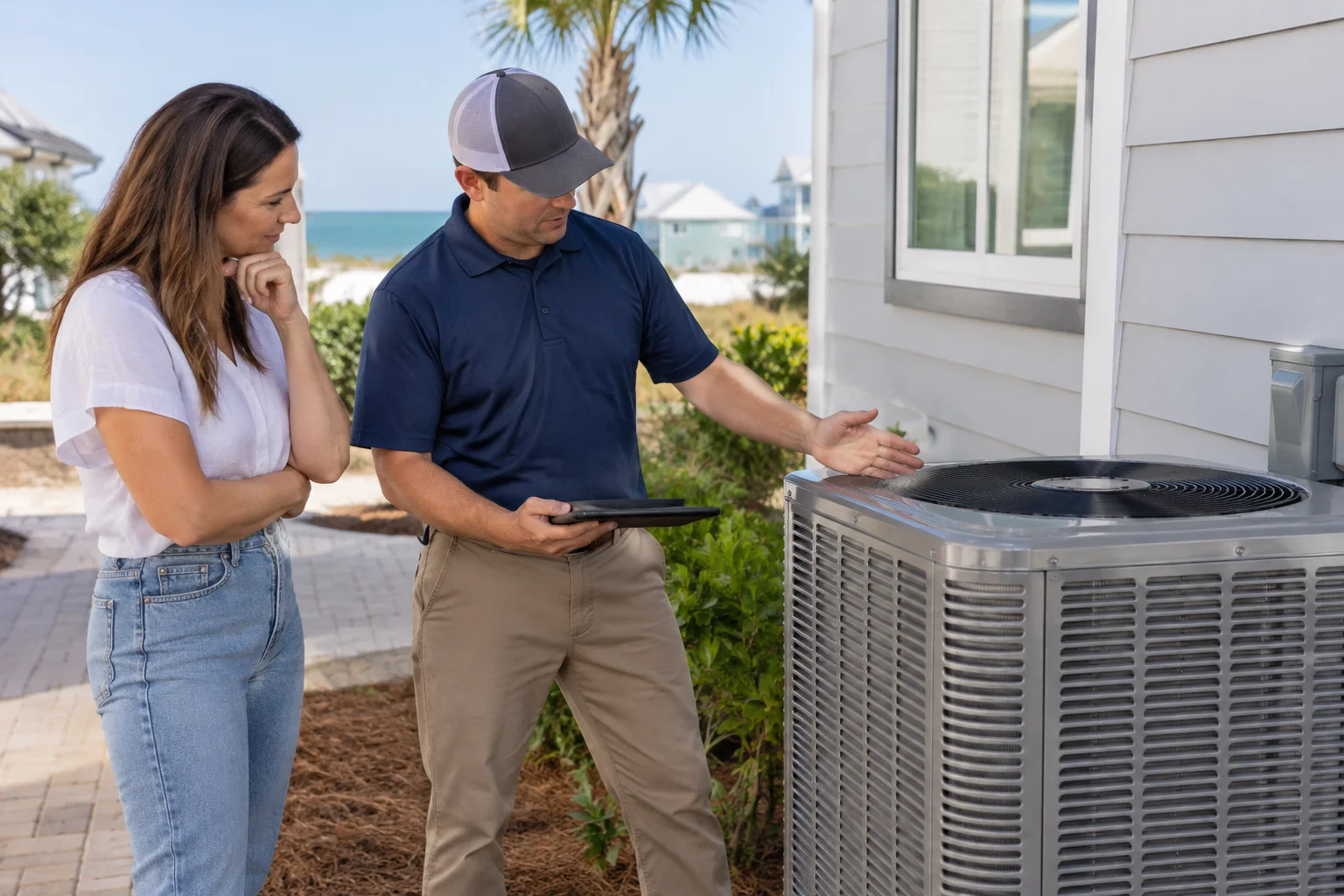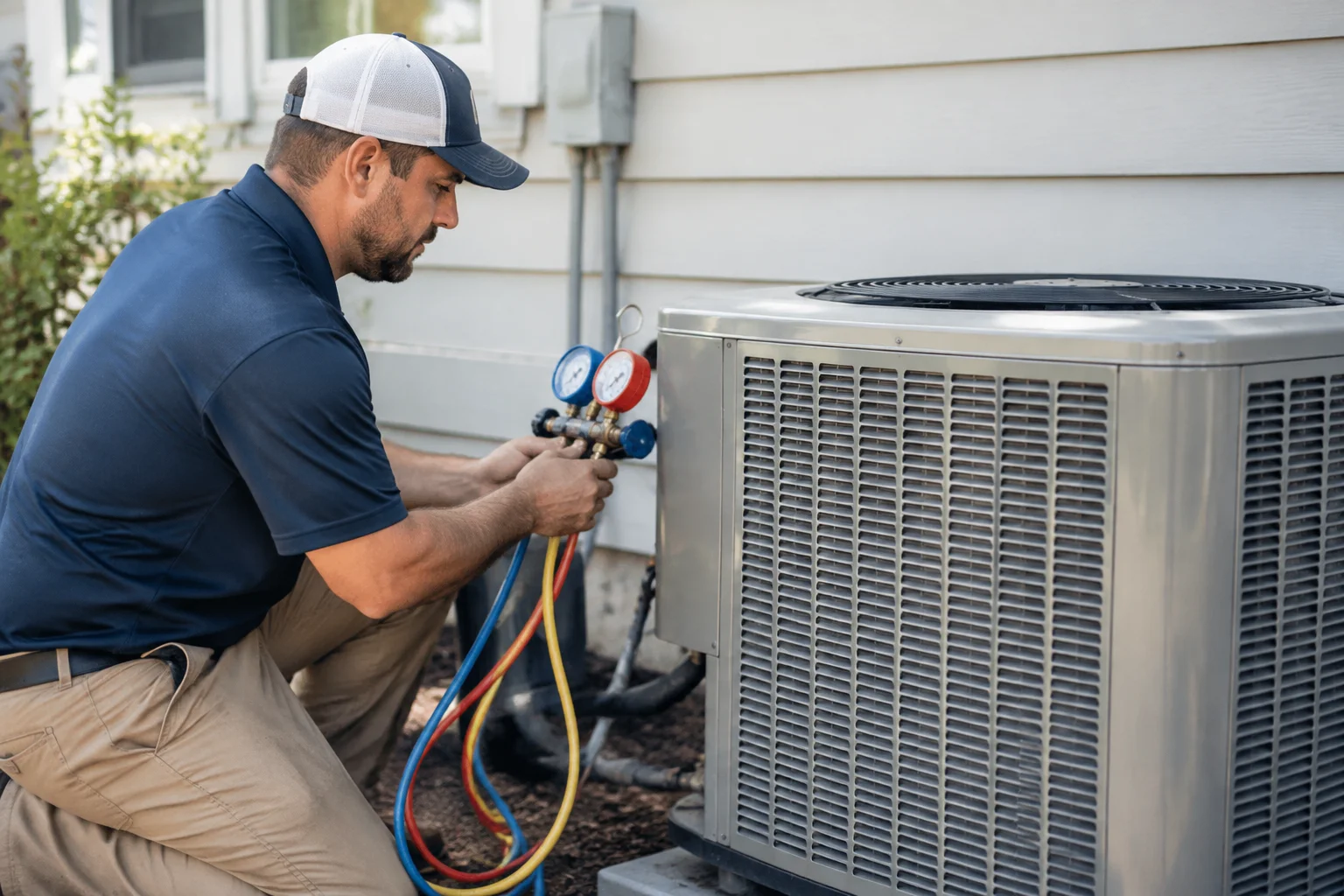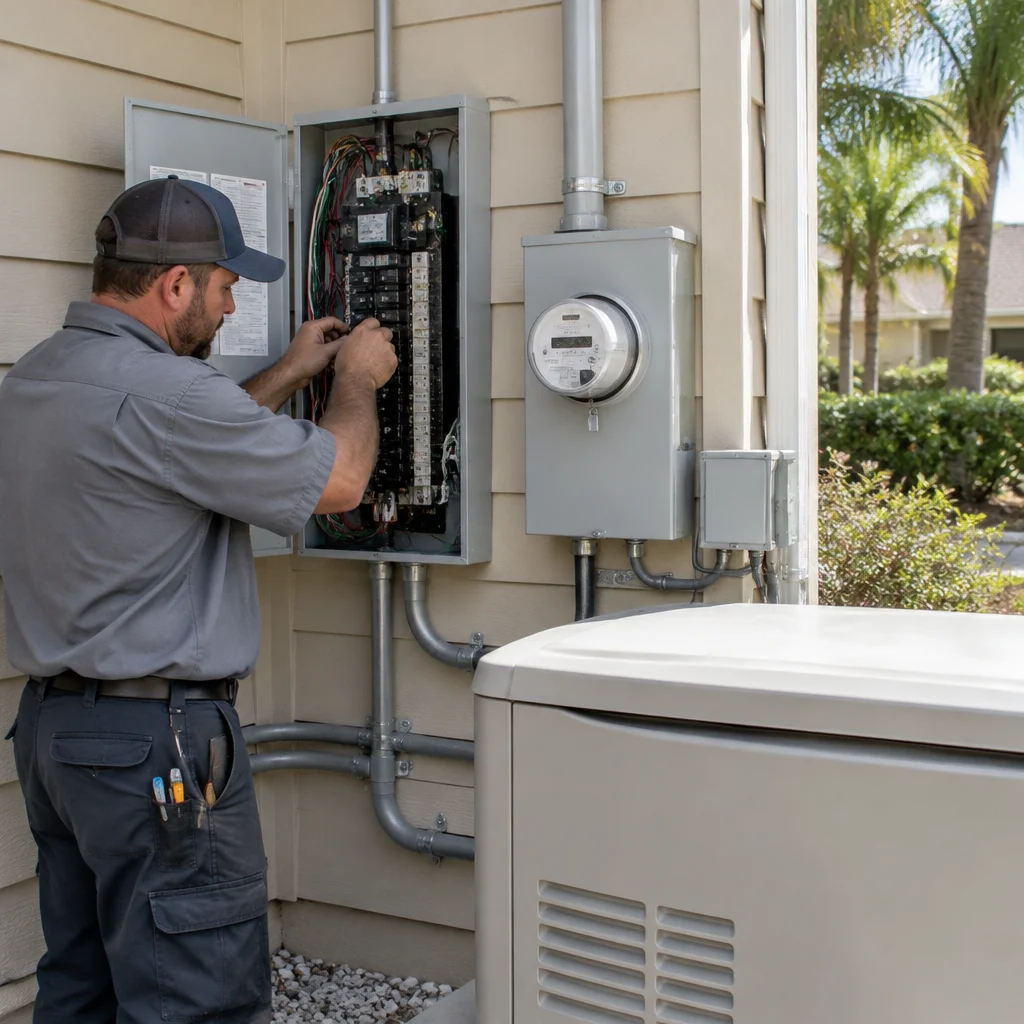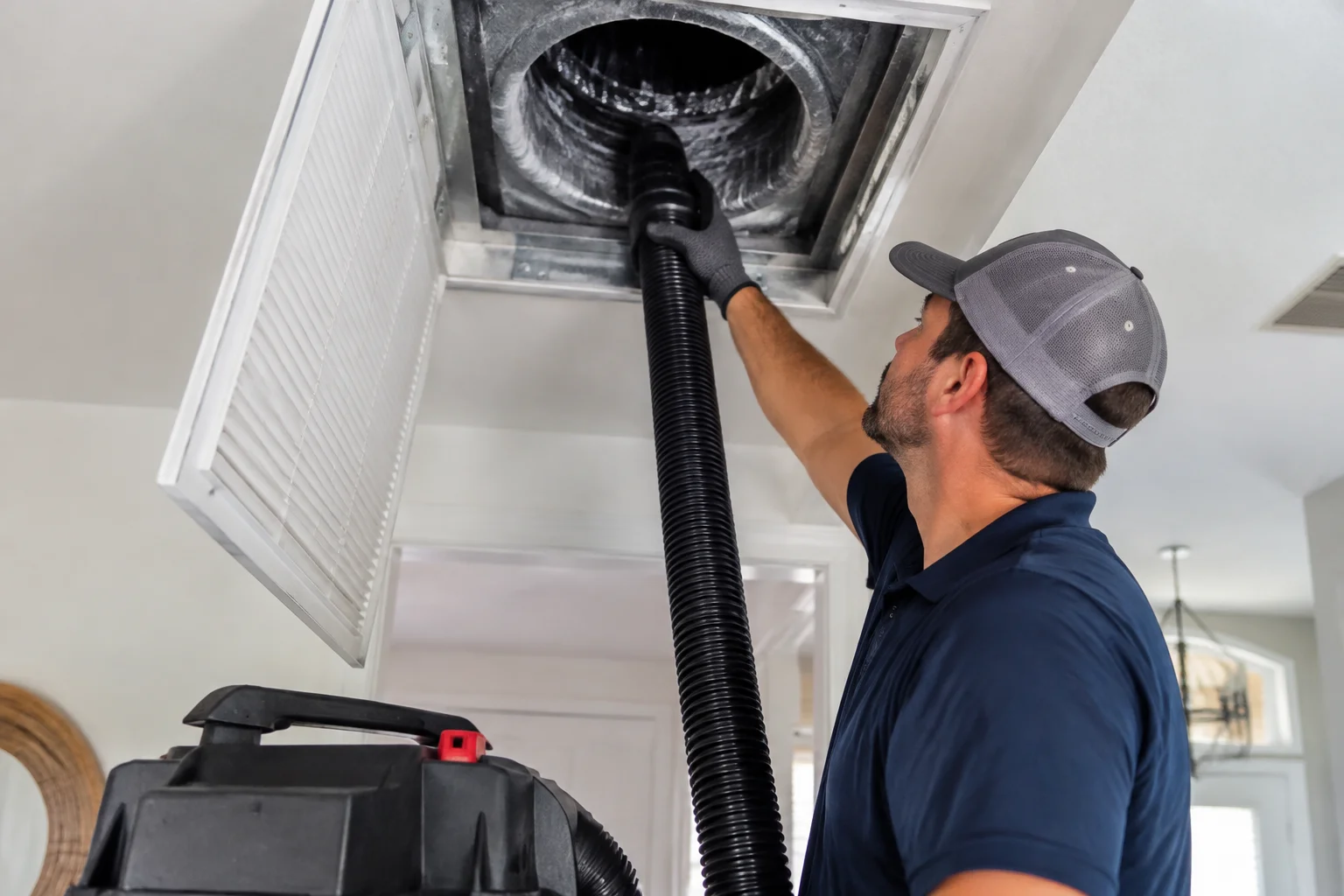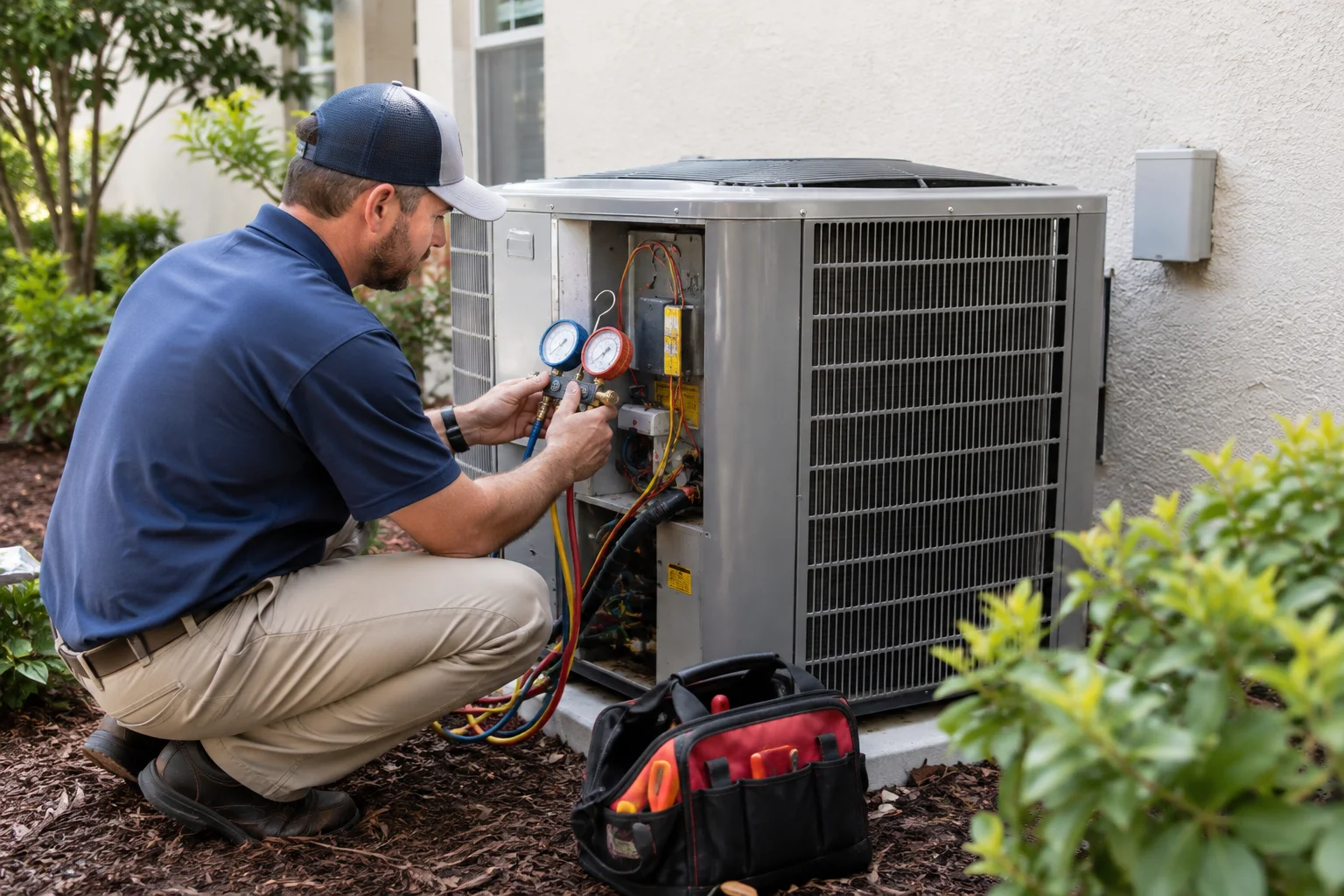
Niceville, FL has a way of testing HVAC systems. Warm temperatures, high humidity, and salt air near the coast can push air conditioners harder than homeowners expect. If your cooling system is struggling, replacing the unit is often the most reliable path to steadier comfort. But replacement alone does not solve every comfort issue. The real protection comes from pairing air conditioning replacement with preventive HVAC maintenance that supports airflow, indoor air quality, and proper refrigerant system performance.
This guide focuses on practical steps homeowners can take around AC replacement, plus the maintenance habits that help reduce emergency cooling concerns and avoid avoidable repair calls. If you are searching for an air conditioning replacement solution in Niceville, these tips will help you ask better questions and protect your investment.
Why Niceville AC systems fail faster than you might think
In Niceville and across Okaloosa County, many homes run their air conditioners for long stretches each year. That constant demand, combined with Florida heat and humidity, can accelerate wear on components inside the refrigerant system, the condensate drainage pathway, and the controls that manage temperature and fan operation.
Salt air exposure is another factor homeowners notice over time. Even when an outdoor unit is not directly in the harshest coastal zone, corrosion can still affect electrical connections, coil surfaces, and fan components. When airflow drops due to dirty coils or restricted ductwork, the system often compensates by running longer, which increases energy use and adds stress.
Common cooling problems in the area include:
- Reduced cooling performance even when the thermostat is set correctly
- Short cycling, where the system turns on and off frequently
- Humidity that lingers indoors, leaving rooms feeling clammy
- Weak airflow from vents, especially on upper floors or farther rooms
- Condensate drainage issues that can lead to water around the indoor unit or damp odors
- Uneven temperatures caused by ductwork leaks or poor distribution
When these issues build up, they can create a cycle: the system works harder, runs longer, and accumulates more wear. That is why HVAC company visits for evaluation and preventive maintenance matter just as much as the replacement decision.
Replacement is a turning point, not the finish line
Many homeowners assume that installing a new air conditioner automatically fixes comfort. A new system can deliver better cooling performance, but it depends on the full setup: correct system sizing, refrigerant system integrity, airflow, thermostat operation, and condensate drainage. If any of those pieces are mismatched, the new unit may still struggle to dehumidify properly or maintain stable temperatures.
That is why homeowners often benefit from a replacement plan that includes more than just swapping the outdoor unit. A licensed HVAC contractor should review:
- Whether your home needs HVAC replacement due to age, repeated repairs, or comfort and humidity issues
- Airflow conditions, including ductwork condition and vent distribution
- Indoor air quality considerations, especially for allergy seasons and humid indoor conditions
- Thermostat setup and whether your control strategy matches how your home cools
- Condensate drainage, since proper removal of condensate supports safe operation and moisture control
If you are comparing options, you can also explore local context on the Niceville HVAC service area page to understand how A Superior Mechanical supports homeowners and businesses across the region.
Pre-replacement checklist: protect your home before the first cool day
Before installation begins, you can take steps that help your new system perform as intended. Think of this as protecting airflow, moisture control, and indoor air quality from day one.
1) Prepare for airflow and ductwork reality
Florida humidity makes airflow problems more noticeable. If ducts are leaky or undersized, the system may not deliver enough conditioned air to each room. That can lead to uneven cooling and higher energy use.
Ask your contractor to evaluate ductwork for issues like:
- Disconnected or poorly sealed duct joints
- Debris or dust buildup inside supply runs
- Insulation gaps in ductwork located in hot spaces
- Blocked or undersized returns that limit airflow
Even if your main goal is air conditioning replacement, proper ductwork support is one of the best ways to protect the system from working harder than it should.
2) Plan for condensate drainage and moisture control
When indoor humidity is high, the evaporator coil produces more condensate. That condensate must drain correctly through the condensate drainage pathway. If drainage is restricted, misrouted, or poorly supported, it can contribute to moisture problems and can affect system performance.
During your replacement process, make sure the installer verifies that condensate drainage is properly configured for your setup. Homeowners should also watch for signs after installation, such as:
- Water pooling near the indoor unit
- Musty odors that suggest moisture buildup
- Frequent shutdowns related to drain safety controls
3) Confirm thermostat operation and comfort settings
A thermostat is more than a temperature display. It influences how the system cycles and how consistently it maintains indoor conditions. In humid climates, the ability to control fan behavior and cycle timing can affect dehumidification performance and comfort.
If you are considering thermostat installation near me or upgrading controls, ask your HVAC technician to confirm the thermostat settings and compatibility with your new air conditioning system. Proper calibration and correct wiring help prevent problems that can look like equipment failure.
4) Think about indoor air quality before the first filter change
Air conditioning service is also about indoor air quality services. When air moves properly and filtration is maintained, homeowners often notice fewer dust issues and improved comfort. In a humid area, clean filtration and good airflow can reduce how much airborne debris recirculates through the home.
Discuss filtration options and maintenance schedules with your contractor. Your HVAC maintenance plan should include filter checks that match how your household lives, including pets, allergies, and how often doors open during peak summer.
Maintenance tips that protect cooling performance after replacement
Once your new system is installed, the next step is protecting it with preventive HVAC maintenance. These habits help the refrigerant system operate within expected conditions and support consistent airflow, which is critical in Florida heat.
1) Keep indoor airflow stable with routine filter care
Dirty filters restrict airflow. That can reduce cooling performance and increase energy use because the system has to run longer to reach the thermostat setpoint. It can also contribute to coil conditions that lead to more frequent cycling.
For most homes, a simple routine works well: check filters regularly and replace them when they are dirty. If anyone in your home has allergies, you may need to inspect filters more often during peak humidity and pollen periods.
If your home has multiple return paths or rooms with different airflow patterns, pay attention to whether certain vents feel weaker. Weak airflow can be a clue to ductwork restrictions, return issues, or blower problems.
2) Schedule seasonal tune ups focused on cooling and humidity
A seasonal maintenance visit is where many homeowners prevent problems that would otherwise show up mid-summer. A proper tune up for air conditioning replacement should include checks that support cooling performance and moisture control, such as:
- Verifying indoor and outdoor airflow conditions
- Inspecting coil surfaces and removing buildup that affects heat transfer
- Reviewing condensate drainage to confirm moisture is managed correctly
- Checking thermostat operation and system cycling behavior
- Confirming that refrigerant system operation appears consistent with the system design, based on what the technician observes in person
Homeowners searching for Air Conditioning Maintenance often want more than a quick check. Look for a licensed HVAC contractor near you who takes airflow and humidity control seriously, not just “turn it on and see.”
3) Monitor airflow and comfort like a homeowner, not a technician
You do not need diagnostic tools to spot early warning signs. After replacement, track how the home feels during the hottest part of the day. Pay attention to:
- Does the system cool evenly across rooms?
- Does humidity feel controlled, or does it feel damp even when temperatures are set low?
- Do certain vents blow weaker than others?
- Is the system short cycling or running continuously longer than usual?
These comfort changes can point to airflow issues, ductwork problems, thermostat behavior, or condensate drainage concerns. If you notice patterns, document them and share them with your HVAC service team.
4) Treat salt air exposure as a maintenance factor
Salt air does not always cause immediate failures, but it can increase corrosion risk over time. Outdoor coil and metal components can accumulate residue and corrosion that affects airflow and heat transfer. That is another reason seasonal maintenance matters in Niceville.
Ask your contractor how they protect outdoor components during routine visits, and whether any additional cleaning or inspections are appropriate for your property’s exposure level.
5) Keep energy use in check by supporting system efficiency
Even with a new unit, poor airflow and moisture control can raise energy use. When the system runs longer to compensate for restrictions, your electric bills often reflect it. Preventive steps like filter care, maintaining clear outdoor unit airflow, and addressing ductwork airflow limits help the system cool more efficiently.
Homeowners looking for an AC replacement estimate near me typically want clarity on total comfort performance and operating costs. A good evaluation connects energy use to real airflow and indoor conditions, not just the unit size on paper.
Signs your system needs professional attention after replacement
Even with good maintenance, problems can arise. The key is to respond early. If you are dealing with any of the following, contact an HVAC service professional for an in-person evaluation rather than trying to self-diagnose:
- The system runs but does not cool effectively, especially during peak heat
- Humidity remains high and rooms feel clammy, even when temperatures are near your target
- Water appears around the indoor unit or near the condensate drain area
- Frequent cycling or unusual noises that start after installation or after a maintenance visit
- Airflow feels weak from multiple vents at the same time
- The thermostat display changes behavior, such as unexpected fan cycling
Trying to “fix” refrigerant system concerns or control issues without a technician can delay resolution. Refrigerant-related problems require careful measurement and safe handling. A licensed HVAC contractor can investigate by observing system operation and checking the components involved.
Preventive HVAC maintenance that reduces emergency cooling concerns
In Florida, cooling failures do not always happen at convenient times. Preventive maintenance reduces the chance that you will be stuck waiting during the hottest weekend of the year. Homeowners can also reduce risk by building a maintenance calendar ahead of time.
Consider these practical steps:
- Schedule maintenance before the hottest stretch of summer
- Replace filters on schedule and keep spare filters on hand
- Keep outdoor unit areas free of leaves and debris so airflow is not restricted
- Confirm condensate drain paths are clear and the surrounding area stays dry
- Review thermostat settings and ensure the system is operating in the intended mode
If you have a property that cannot tolerate downtime, explore Emergency HVAC Services so you know where to turn if cooling becomes urgent.
How to choose the right local HVAC contractor for replacement and upkeep
When homeowners search for an HVAC company near me, they often focus on availability and price. Those matter, but the bigger difference is how thoroughly the contractor evaluates your home. For air conditioning replacement in Niceville, you want a licensed HVAC contractor near you who treats the installation as a system-wide process, including airflow, indoor air quality, ductwork, and condensate drainage.
Look for a contractor who can explain the reasoning behind recommendations in plain language. You should feel comfortable asking about the evaluation process and how they plan to protect comfort in Florida heat and humidity.
If your home is part of a rental or managed property portfolio, maintenance planning and consistent service records can matter. You can read more about that approach with Property Management HVAC Services.
Related reading for homeowners planning AC replacement in the area
If you want additional guidance that fits Niceville living, these resources can help you connect maintenance habits to real comfort outcomes:
- Keeping Niceville Cool Starts with Better AC Maintenance
- How to Know It’s Time for Air Conditioning Replacement in Sandestin, FL
- How Freeport Homeowners Can Avoid Bigger Problems During Air Conditioning Replacement
- Why Air Conditioning Replacement Matters More on 30A Than You Might Think
Those posts cover decision-making and practical prevention steps that pair well with the replacement-focused guidance in this article.
Special considerations: ductless systems and multi-zone comfort
Some Niceville homes use ductless mini split installation or multi-zone setups to improve comfort in rooms that do not cool evenly. If you are exploring multi-zone options, it is especially important that airflow and control strategies match how the home is used.
For homeowners considering multi-zone approaches, review VRF Multi-Zone Systems to understand how zoning and controls can influence comfort and energy use.
When to request an air conditioning replacement evaluation
If your system is already showing repeated cooling issues, poor humidity control, or frequent breakdowns, it may be time to consider air conditioning replacement rather than extending repairs. While this article focuses on protection and maintenance, the replacement decision should be based on an in-person assessment of your home and equipment.
To move forward with confidence, start by scheduling an evaluation for your property in Niceville. You can also review the service page for details on replacement planning through this air conditioning replacement location service area page.
How A Superior Mechanical helps homeowners protect cooling performance
In Okaloosa County, the goal is consistent comfort through Florida heat and humidity, not just a system that turns on. A Superior Mechanical supports homeowners with replacement planning and preventive maintenance that considers airflow, indoor air quality, condensate drainage, thermostat operation, and refrigerant system performance as observed during service.
If you are comparing options for HVAC replacement near me or trying to prevent another mid-summer breakdown, we can help you connect maintenance habits to long-term cooling performance across Niceville and the broader Okaloosa County area.
If you are dealing with urgent comfort issues, consider scheduling emergency HVAC services so your home can stay cool while a technician evaluates what is happening.
Find Air Conditioning Replacement in Niceville, FL
If you need Air Conditioning Replacement in Niceville, FL, visit our local service page or contact A Superior Mechanical today.
Map of Niceville, FL
Frequently Asked Questions
What maintenance matters most after air conditioning replacement in Niceville?
The biggest day-to-day protections are clean filters, stable airflow, and routine seasonal maintenance. In humid Florida weather, proper condensate drainage and thermostat settings also play a major role in comfort and moisture control.
How do I know if my cooling issue is related to airflow or ductwork after replacement?
If you notice weak airflow in certain rooms, uneven temperatures, or the system runs longer to reach the thermostat setpoint, ductwork and airflow restrictions may be involved. A professional evaluation can confirm what is happening without guessing.
Can humidity problems continue even with a new AC unit?
Yes. Humidity can remain high if airflow is restricted, the system is not operating as intended, or condensate drainage is not managing moisture correctly. A licensed HVAC contractor should review the setup in person.
Should I upgrade my thermostat when I replace my air conditioner?
Sometimes, but it depends on your home and the existing controls. Thermostat operation affects cycling and comfort. Ask your technician whether a thermostat installation near me upgrade is appropriate for your system and needs.
When should I call for air conditioning repair near me versus scheduling maintenance?
Call for professional help if cooling performance drops, humidity stays high, you notice water near the indoor unit, or the system cycles unusually. Maintenance is ideal for prevention, but these comfort and moisture signs deserve an in-person inspection.
Related Articles
Photo Gallery