Niceville homes sit in a climate where water use is year-round and plumbing systems work hard. When hard water is part of the picture, water softening helps protect fixtures, appliances, and even your skin and hair. But small changes in water quality can reveal that your softener is not doing its job, or that another part of your clean water system needs attention.
This guide walks through the most common small water quality symptoms homeowners notice in Niceville, FL, what can cause water softening problems, and how professional water treatment service can restore better water for drinking and cooking, bathing, laundry, and everyday life.
Why water softening problems show up as everyday symptoms
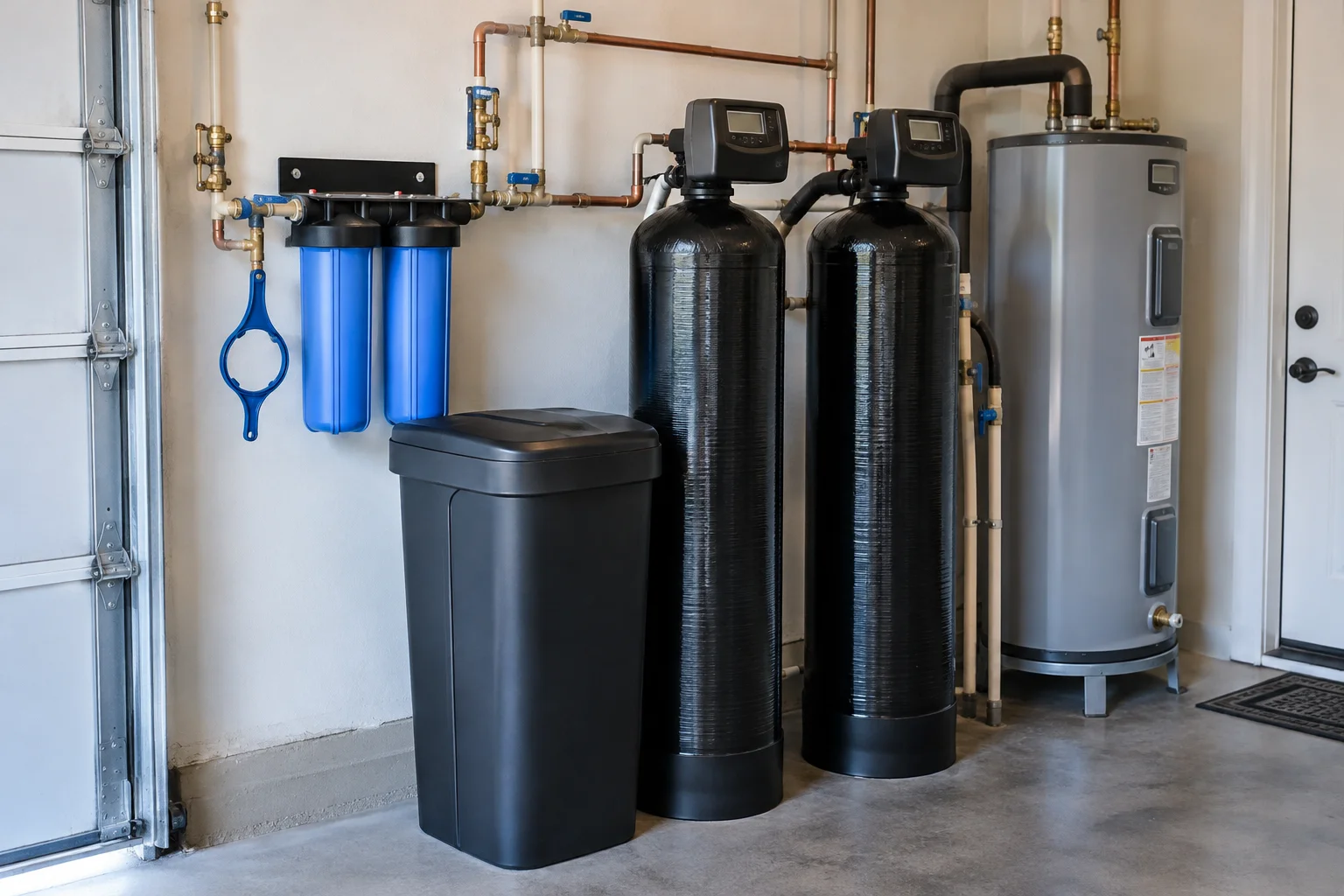
Water softeners are designed to reduce hardness minerals, mainly calcium and magnesium, that cause scale buildup. When softening performance drops, you typically see gradual changes first. The water may still feel “okay,” but you start noticing patterns like:
- Hard water spots on glass, dishes, and fixtures
- Scale buildup around faucets, showerheads, and plumbing connections
- Dry skin or dull hair after bathing
- Soap that does not lather or rinses poorly
- Metallic, chlorinated, or unpleasant taste
- Cloudy ice cubes and “off” tasting coffee and cooking water
- Appliances wearing out faster than expected
- Visible sediment, discoloration, and odor concerns
In Niceville, where many homes rely on whole-home water treatment to keep plumbing reliable and protect investments, these symptoms are often the clue that your system needs service or a better fit for your water conditions.
Hard water spots and scale buildup: the clearest softener warning
If you are seeing hard water spots on glass and dishes, or you notice scale buildup on faucets and showerheads, that is usually a sign that hardness minerals are not being reduced properly. Even a small drop in softening efficiency can show up quickly in areas that get frequent hot water exposure.
Common causes behind scale buildup on fixtures
- Low or contaminated salt supply: If the brine tank does not have enough salt, or if salt has clumped, the system may not regenerate correctly.
- Brine tank issues: A malfunctioning float, a stuck valve, or a blocked line can prevent the right amount of brine from being drawn.
- Clogged injector or nozzle: The brine draw and regeneration cycle depend on precise flow. Blockage can reduce performance.
- Dirty media or exhausted resin: Over time, the resin bed can become less effective. When it is exhausted, hardness slips through.
- Incorrect settings: If the softener is set for the wrong household size or water hardness level, it may regenerate too little or too late.
- Bypass valves left open: Some systems include bypass positions for maintenance. If they are not fully closed, untreated water can mix in.
For homeowners searching for water softener service near me, these are the kinds of issues that often create “it used to be fine” problems. A technician can verify regeneration performance, check for flow restrictions, and confirm the system is set to match your property’s water.
Soap that does not lather: a symptom many families notice first
Hard water is notorious for affecting how soap and shampoo behave. When hardness minerals remain in the water, soap does not lather well and may leave a film that feels slick or sticky after rinsing.
What this looks like in daily life
In many Niceville kitchens and bathrooms, the pattern starts with laundry and bathing:
- Soap that does not lather or rinse well
- Shampoo that feels like it never fully rinses
- Bathtub rings that return faster than they should
- Clothing that feels stiff or looks dull even after washing
When you are trying to get ready for work or school, these are frustrating symptoms. They also can point to water softening problems that make hardness minerals interfere with cleaning.
Dry skin and dull hair: when hard water softening is not keeping up
Dry skin from hard water and dull hair after bathing are common complaints. Many homeowners describe skin that feels tight or hair that looks flat, especially after showers with hot water. This can happen when hardness is not being removed and soap films remain on skin and hair.
In Niceville, humidity and outdoor activities can make bathing routines feel more noticeable. When the water is not softened consistently, you may feel the difference on your skin more often.
Dry skin from hard water does not have to be your new normal. A properly functioning water softener can improve how soap and shampoo work, help reduce residue, and support better comfort across your home.
Chlorine taste, metallic flavor, and cloudy ice: softeners are not always the whole answer
Water softening primarily targets hardness minerals. But homeowners often notice taste and clarity issues at the same time they see scale. That is where water filtration and clean water systems near me searches become relevant.
Small clues you might be dealing with filtration issues
- Metallic tasting water or an odd flavor that changes day to day
- Chlorine taste in water that shows up in drinking water
- Cloudy ice cubes from air and mineral content, sometimes paired with odor concerns
- Poor tasting coffee and cooking water, especially when you brew with tap water
- Visible sediment, discoloration, and odor concerns
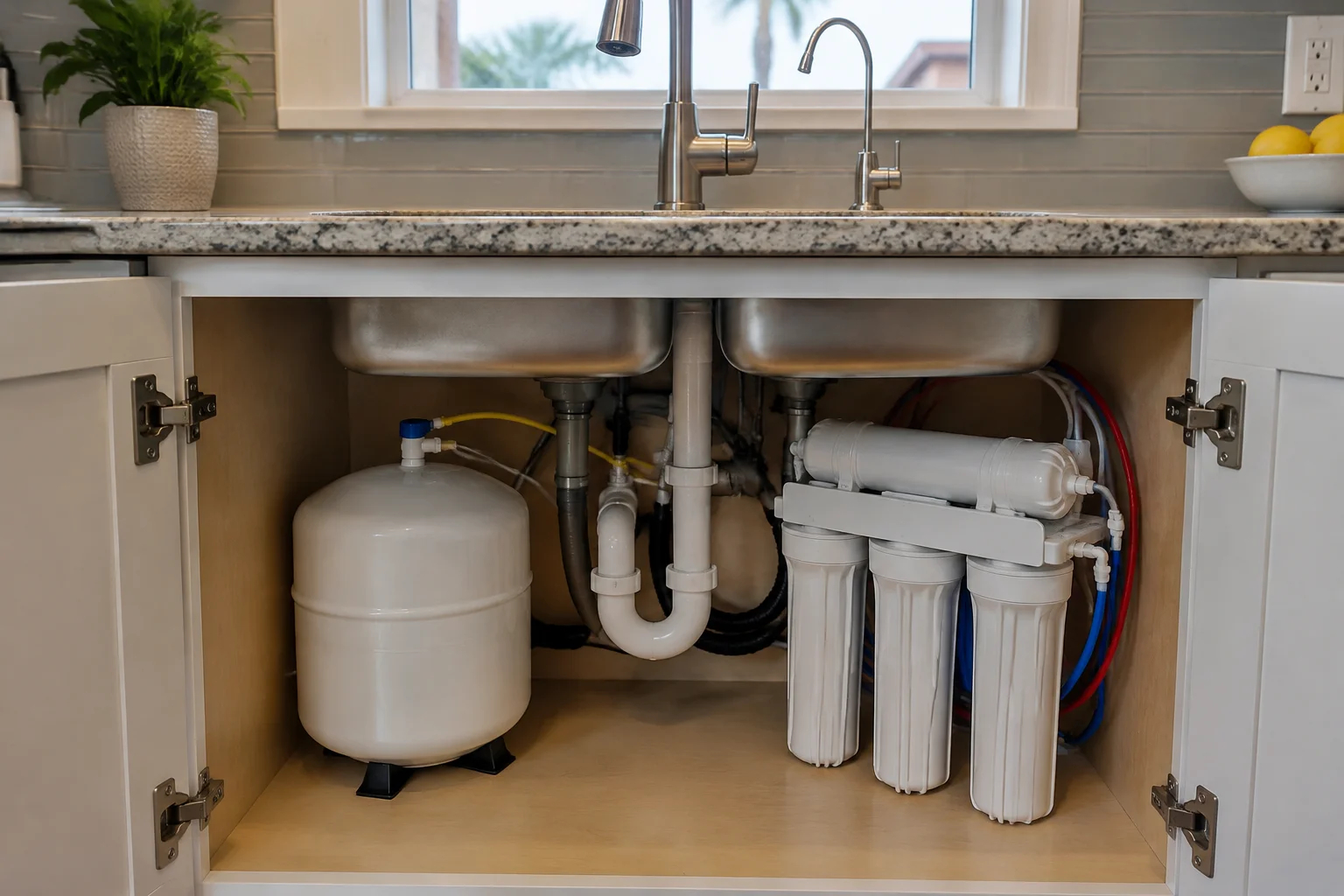
If your softener is working but your drinking water still tastes off, you may need a drinking water filter or a system that addresses taste and odor. Whole home water filtration can help, and reverse osmosis systems are often considered when homeowners want very consistent drinking water quality for the kitchen.
Appliances wearing out faster: the hidden cost of poor softening
Scale does not just look bad. It builds up inside pipes and appliances that heat water. Over time, that buildup can reduce efficiency and shorten lifespan.
Where you may notice it first
- Water heater recovery feels slower or performance drops
- Dishwasher cycles do not seem to clean as well
- Clothes look worn sooner, especially after repeated hot water washes
- Faucet aerators clog more often
When hard water treatment becomes part of protecting fixtures and appliances, water softening and filtration work together. If one piece is underperforming, the benefits do not show up across your home.
What can cause water softening problems in Niceville homes
When homeowners call for water treatment service in Niceville, the cause is often a mix of water conditions, system wear, and installation or maintenance factors. Here are the most common culprits.
1) Salt and brine delivery problems
Many issues trace back to the brine tank and regeneration cycle. Salt bridges, low salt levels, and clogged parts can prevent proper brine draw and reduce softening performance. Even if the system seems to run, it may not be regenerating effectively.
2) Resin bed exhaustion or media contamination
Resin can wear out. It can also become less effective if the system is not maintained. When the resin is exhausted, you will often see hardness symptoms like scale buildup and soap that does not lather.
3) Incorrect hardness settings or water usage changes
Households change. Families expand. Teen schedules and more laundry loads can raise water demand. If your softener settings do not match your current household and water hardness, the system may regenerate too infrequently.
4) Flow restrictions and plumbing bypass
Clogs in lines or a valve not fully returned from bypass can limit softening. You might still get softened water sometimes, but not consistently enough to prevent scale.
5) A mismatch between softening and filtration needs
Some water quality concerns are not hardness related. If you are dealing with chlorine taste in water, odors, sediment, or cloudy ice cubes, your home may benefit from water filtration beyond softening. Whole home water filtration, AO Smith water filtration options, and reverse osmosis for drinking water are common paths homeowners explore.
How to tell if it is your water softener or another part of the clean water system
Homeowners usually want a clear answer, not guesswork. While a professional test is the most reliable approach, you can observe patterns.
Clues it is mostly a softener performance issue
- Hard water spots on glass and dishes are increasing
- Scale buildup around faucets and showerheads is growing
- Soap does not lather or rinse well
- Dry skin or dull hair after bathing becomes more noticeable
Clues it may be a filtration issue, not just hardness
- Metallic tasting water or unpleasant odor concerns
- Chlorine taste in water that affects drinking and cooking
- Cloudy ice cubes and poor tasting coffee
- Visible sediment or discoloration
Many Niceville households benefit from a combined approach: water softening to prevent scale and protect plumbing, plus filtration to improve taste, odor, and clarity for drinking and cooking.
Solutions: restoring softening and upgrading clean water for the kitchen
Once you identify the symptoms, the fix depends on what is failing. Professional water softener installation near me and service typically include inspection, testing, and system adjustments.
Water softener service and repair
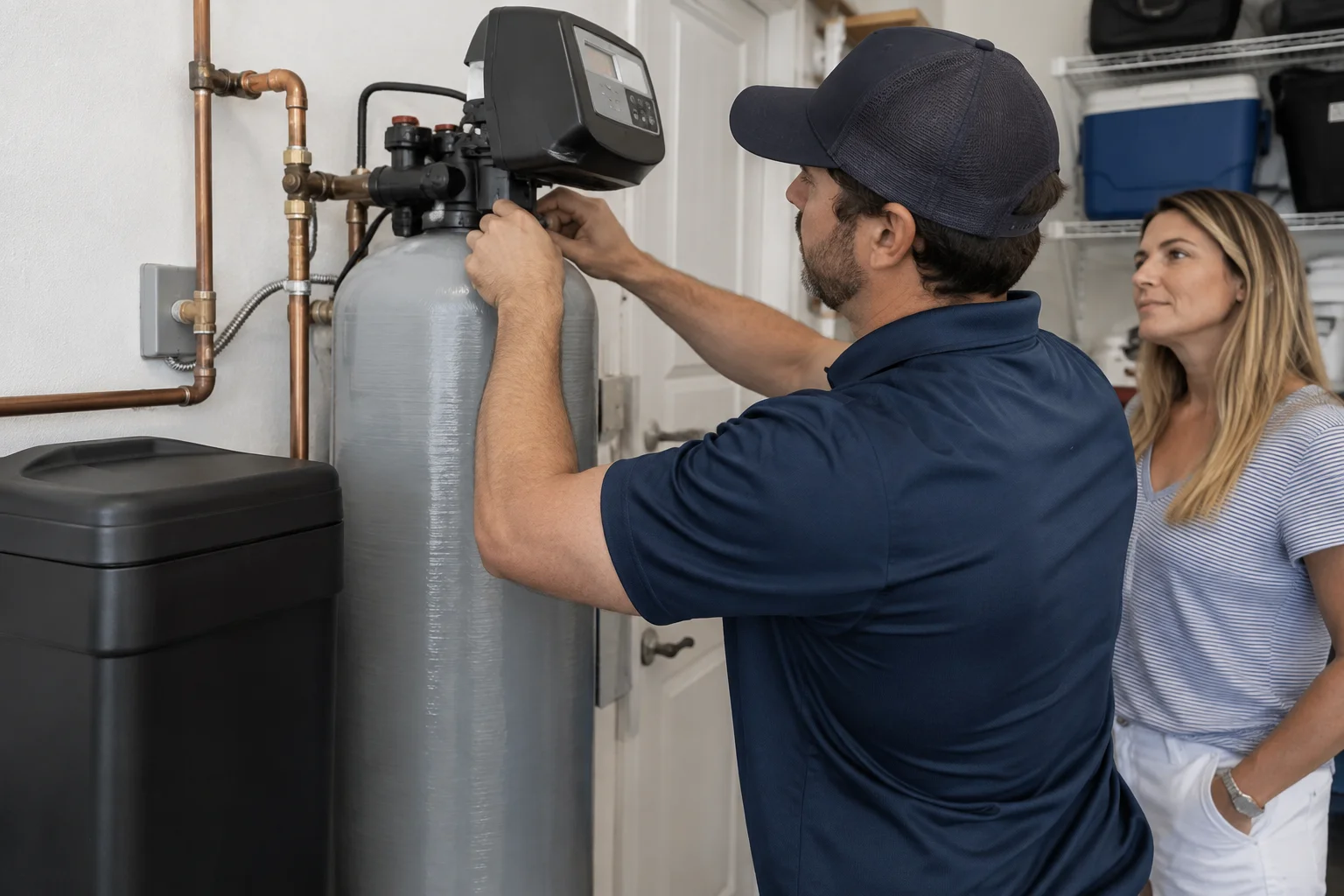
A Superior Mechanical can troubleshoot regeneration performance, check brine draw, inspect valves and injectors, and confirm correct settings. If the system is still repairable, restoring proper regeneration can bring back the benefits you expect.
Water softener replacement and upgrading
If the resin bed is exhausted or components are repeatedly failing, replacement may be the most cost-effective route. Upgrading can also help if your household size or water usage has changed.
Whole home water filtration to address taste, odor, and clarity
Whole house water filter options can reduce issues that show up in drinking water. For homeowners concerned about chlorine taste in water, metallic flavor, or cloudy ice cubes, filtration can make kitchen water feel cleaner and more consistent.
Reverse osmosis for better drinking and cooking water
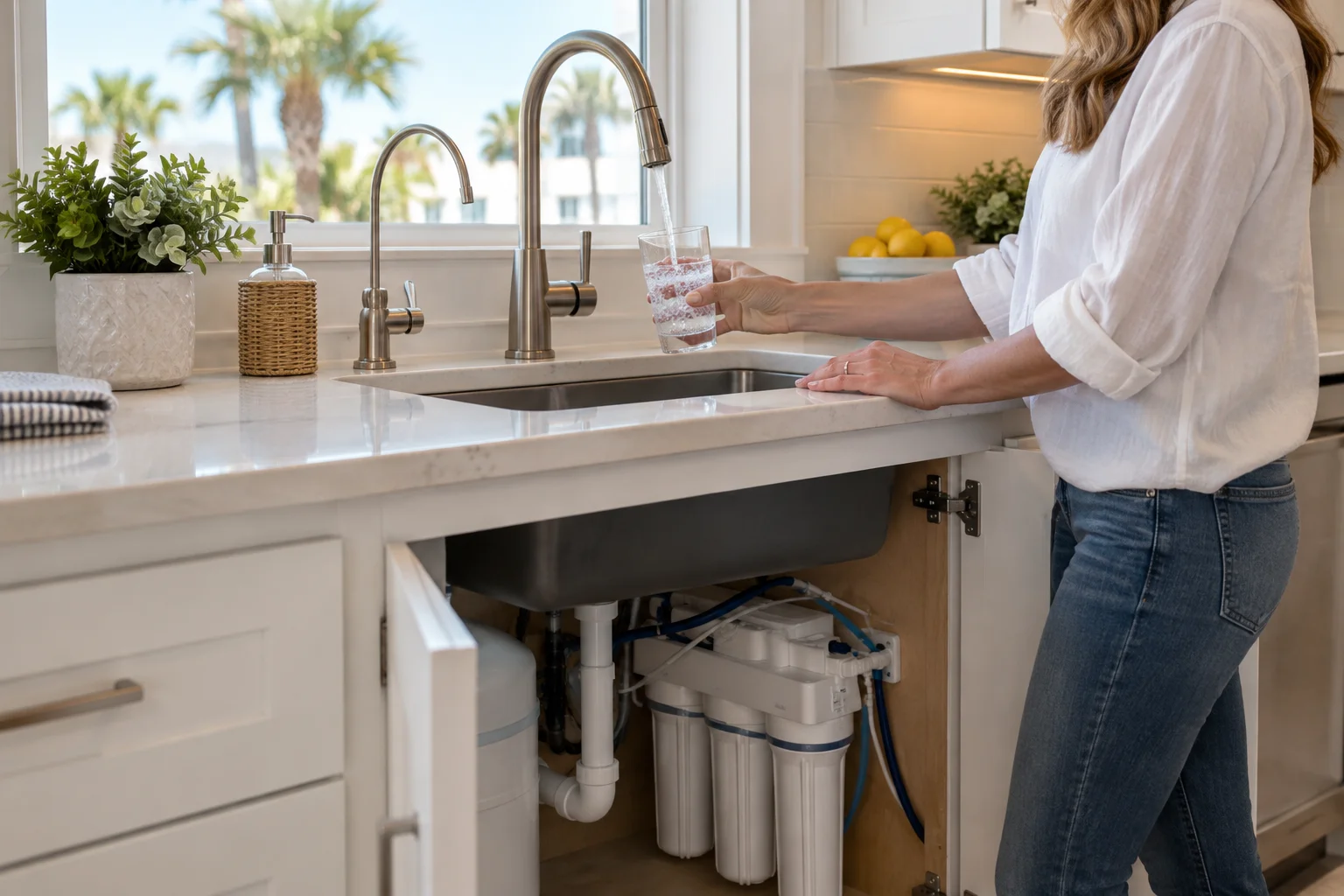
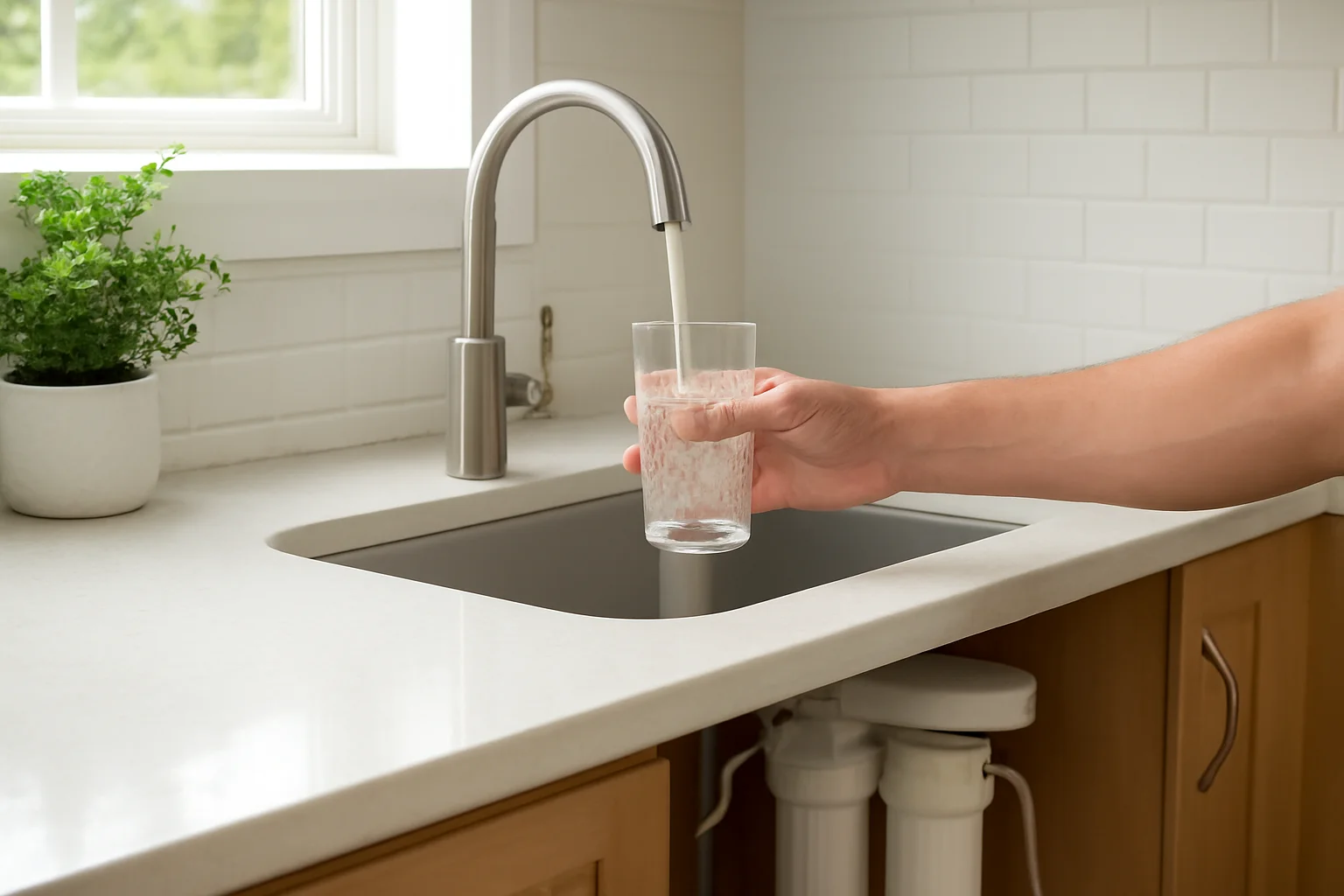
Reverse osmosis systems are often chosen for the sink and drinking water tap when homeowners want a noticeable improvement in taste. If you are making coffee, cooking with tap water, or filtering ice for drinks, reverse osmosis can help deliver better water for drinking and cooking.
AO Smith water filtration and clean water systems
Many homeowners look for dependable brands and proven performance. AO Smith water filtration solutions can be part of a layered approach, pairing filtration with softening to protect plumbing while improving how water tastes and feels.
What local conditions in Niceville mean for water treatment
Niceville is in Okaloosa County, where coastal weather patterns and seasonal changes can affect how homes experience water quality issues. Hard water problems are common in many areas for reasons that can include local mineral content and water chemistry. When water conditions vary or when water usage changes with seasons, softeners and filters can be pushed harder.
This is why water treatment service matters locally. A system that works well in one part of the country might not match the mineral profile of another. A technician can help you choose the right balance of water softening, whole home water filtration, and drinking water filtration for your home.
If you are looking for a trusted provider, you can explore water softening in Niceville and water treatment services across Niceville. For broader coverage, water treatment in Okaloosa County can help you understand service options for nearby neighborhoods and communities.
Maintenance that prevents small symptoms from turning into big repairs
Most water softener issues are preventable with routine care. Homeowners do not need to become technicians, but a few simple habits can reduce the chance of scale buildup and improve reliability.
Salt tank and brine checks
- Keep salt levels adequate for your household size and system type
- Watch for clumping or salt bridges and address them early
- Confirm the system is not accidentally set to bypass
Pay attention to performance drift
If you start seeing hard water spots on glass again, scale buildup on showerheads, or soap that does not lather, treat it like a signal. Waiting until appliances wear out faster can cost more than a service call.
Support the rest of your clean water system
If taste and odor are also concerns, do not rely on softening alone. Pairing filtration with softening can help your kitchen water taste better and support better drinking water quality. For more options, visit water filtration and reverse osmosis water softeners.
When to call a professional for water softener service
Call for service when you notice a pattern, not a one-off problem. Here are practical triggers that often mean your system needs inspection or adjustment.
- Scale buildup around faucets and showerheads is increasing
- Hard water spots on dishes and glassware keep coming back
- Soap does not lather or rinse well consistently
- Dry skin or dull hair after bathing becomes more frequent
- Chlorine taste in water, metallic tasting water, or odor concerns show up
- Cloudy ice cubes appear, and coffee or cooking water tastes off
- You see sediment or discoloration in water
Professional troubleshooting matters because the fix might be as simple as correcting a setting or as involved as replacing a failing component or upgrading the system. A technician can also help you decide whether whole home water filtration or reverse osmosis should be added to your clean water system.
If you are also dealing with other home reliability concerns, it can help to think about the whole plumbing picture. For example, homeowners sometimes notice water quality problems alongside aging plumbing. You can read why a small water heater problem in Niceville can turn into a bigger plumbing repair and why better plumbing replacement pays off in Niceville homes to connect the dots between water treatment and system longevity.
And if repairs or upgrades are on your timeline but you need flexibility, this guide may help: practical ways Niceville homeowners can handle plumbing financing without delaying repairs.
A family-friendly way to think about better water in Niceville
Picture a typical weekday in Niceville. The coffee pot runs early. Someone rinses dishes after dinner. Kids hop in the shower before heading out. Laundry gets thrown in between activities. When water softening and filtration work well, those routines feel easier. Soap lathers and rinses clean. Glasses look clearer. Hair feels less dry. Coffee tastes more consistent.
When water softening struggles, the clues show up in small ways that pile up. A film on glassware. A showerhead that needs extra scrubbing. Laundry that feels a little stiff. A taste you cannot ignore when you pour a glass of water.
That is why listening to water quality symptoms matters. They can reveal whether your water softener needs service, whether you need whole home water filtration, or whether reverse osmosis is the right solution for better drinking water and cooking water.
If you are ready to address it, the water softening service page for Niceville is a useful starting point: water softening in Niceville, FL. For broader options in the region, Okaloosa County water treatment can help you understand how clean water systems are supported across the area.
Find Water Softening in Niceville, FL
If you need Water Softening in Niceville, FL, visit our local service page or contact A Superior Mechanical today.
For a broader look at whole-home water filtration, reverse osmosis, and water softener options, visit our water filtration, RO, and water softener page.
Map of Niceville, FL
Frequently Asked Questions
Why do I still see hard water spots if I have a water softener?
Hard water spots on glass and dishes usually mean the softener is not removing enough hardness. Common causes include low or clumped salt, brine tank or injector problems, exhausted resin, incorrect hardness settings, or a bypass valve left open. A technician can test performance and identify the exact issue.
Can a water softener fix chlorine taste or metallic tasting water?
Typically, no. Water softening targets hardness minerals, not taste and odor. If you notice chlorine taste in water, metallic flavor, or cloudy ice cubes, you may need whole home water filtration, AO Smith water filtration, or reverse osmosis for drinking water and cooking water.
How often should a water softener be serviced in Niceville?
Many systems benefit from at least annual inspection, with additional service when symptoms appear, like scale buildup on faucets and showerheads or soap that does not lather. If your household water use changes, you may also need a settings review.
What should I check first at home before calling for water softener service?
Start with the salt level and whether the salt looks clumped. Confirm the system is fully out of bypass. If you have recent changes in household size or water use, note them. If symptoms persist, schedule service so the system can be tested and adjusted.
Related Articles
- How Better Plumbing Installation Helps Niceville Homes Stay Reliable Year Round
- Practical ways Niceville homeowners can handle plumbing financing without delaying repairs
- Why a Small Water Heater Problem in Niceville Can Turn Into a Bigger Plumbing Repair
- Why Better Plumbing Replacement Pays Off in Niceville Homes
Photo Gallery