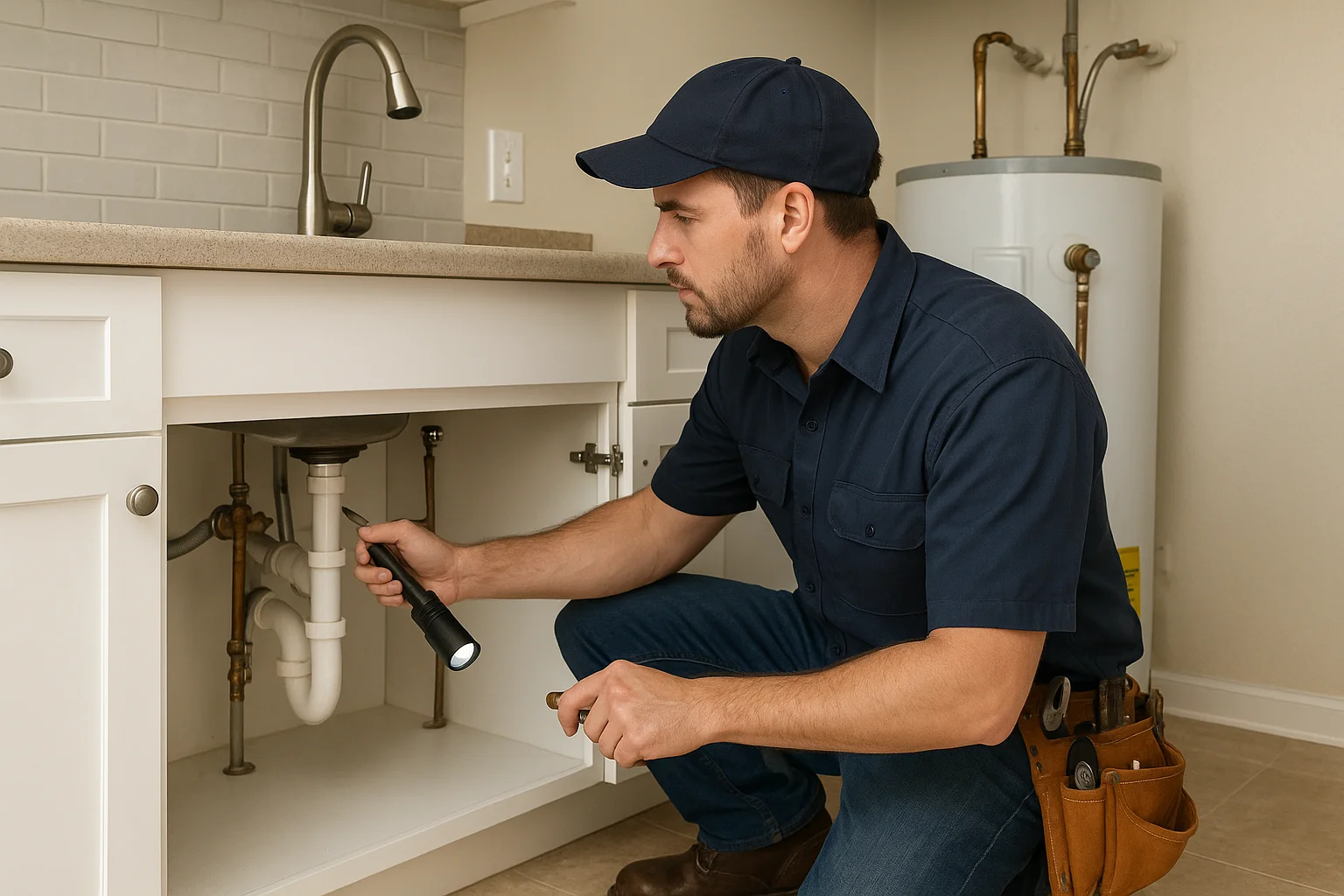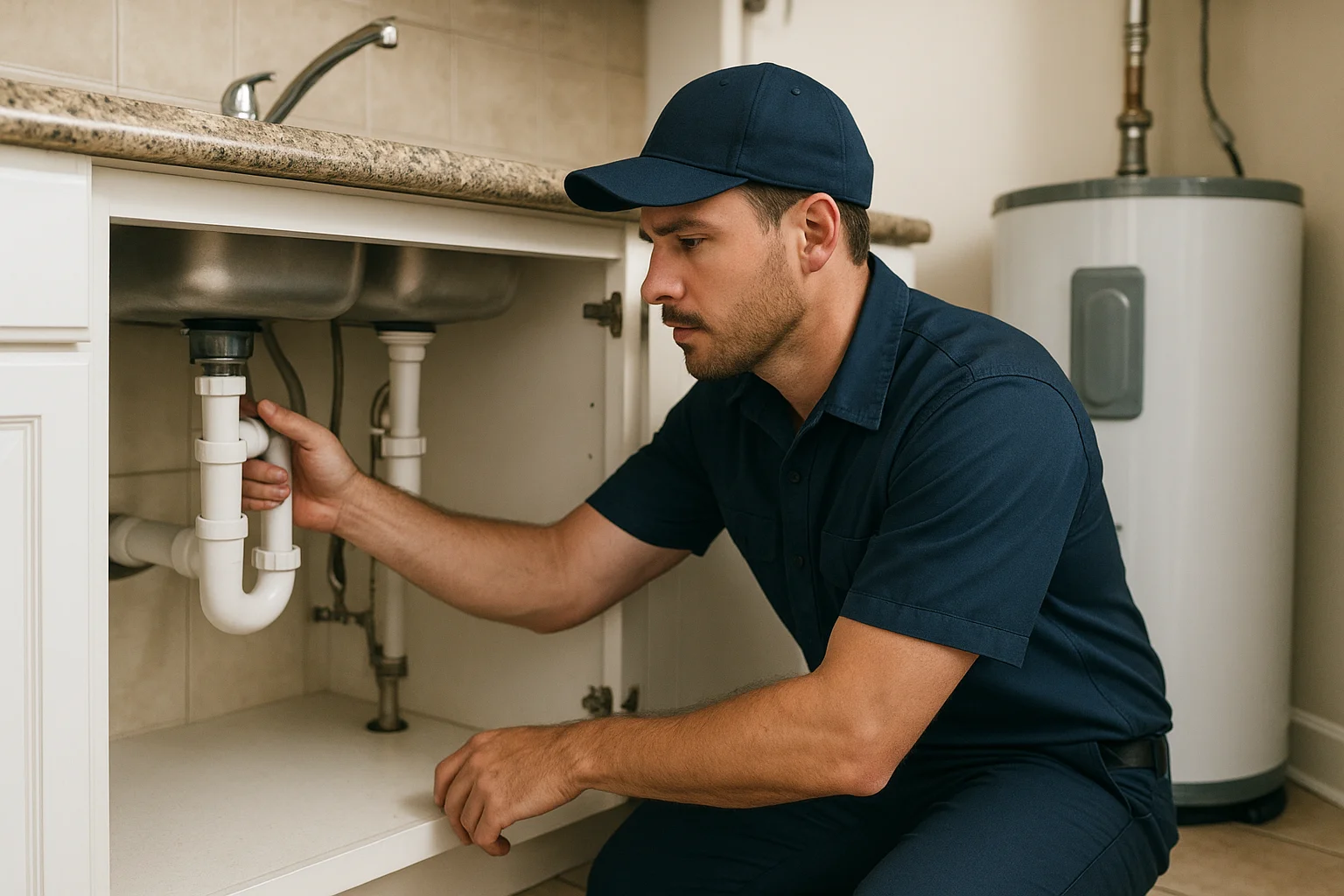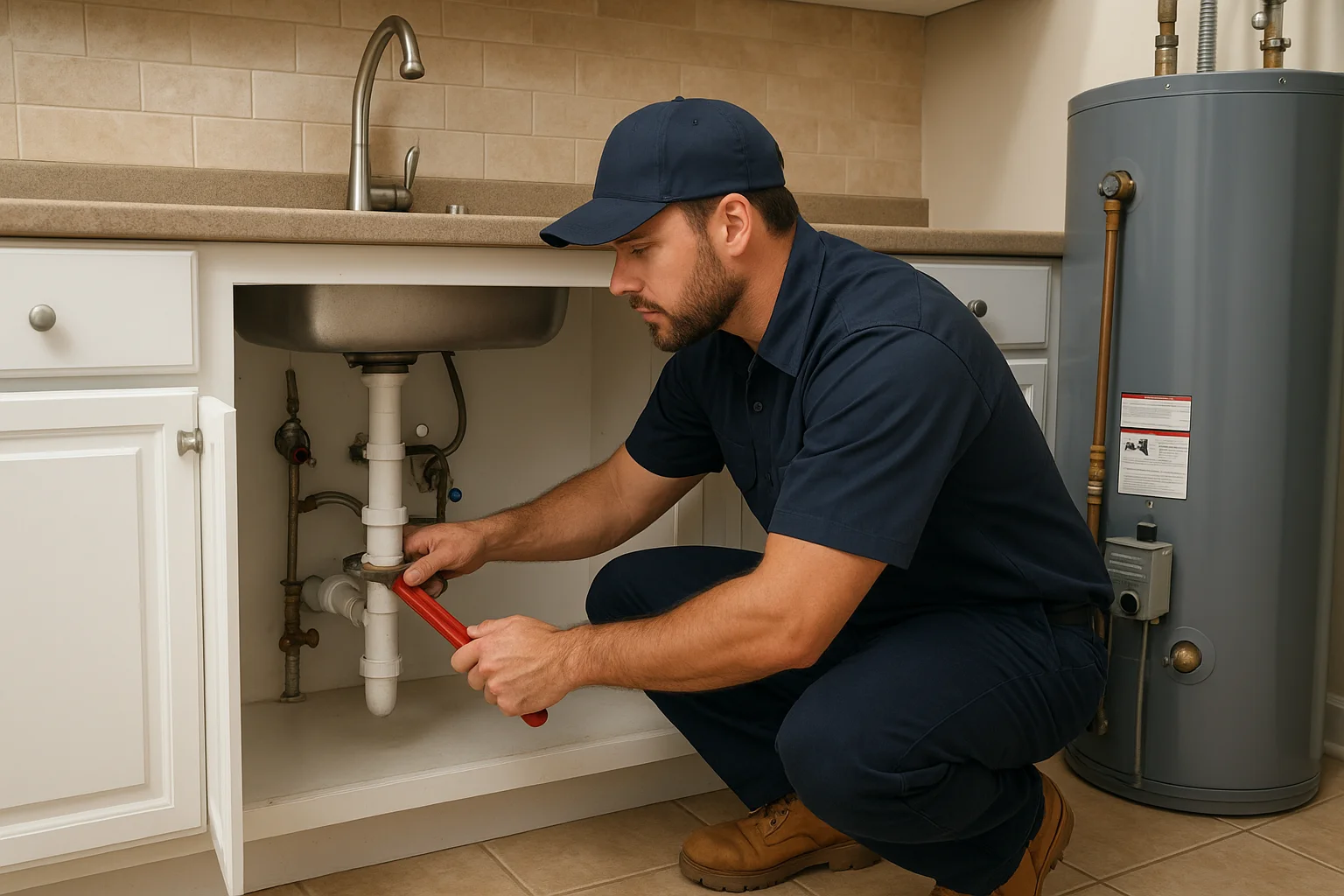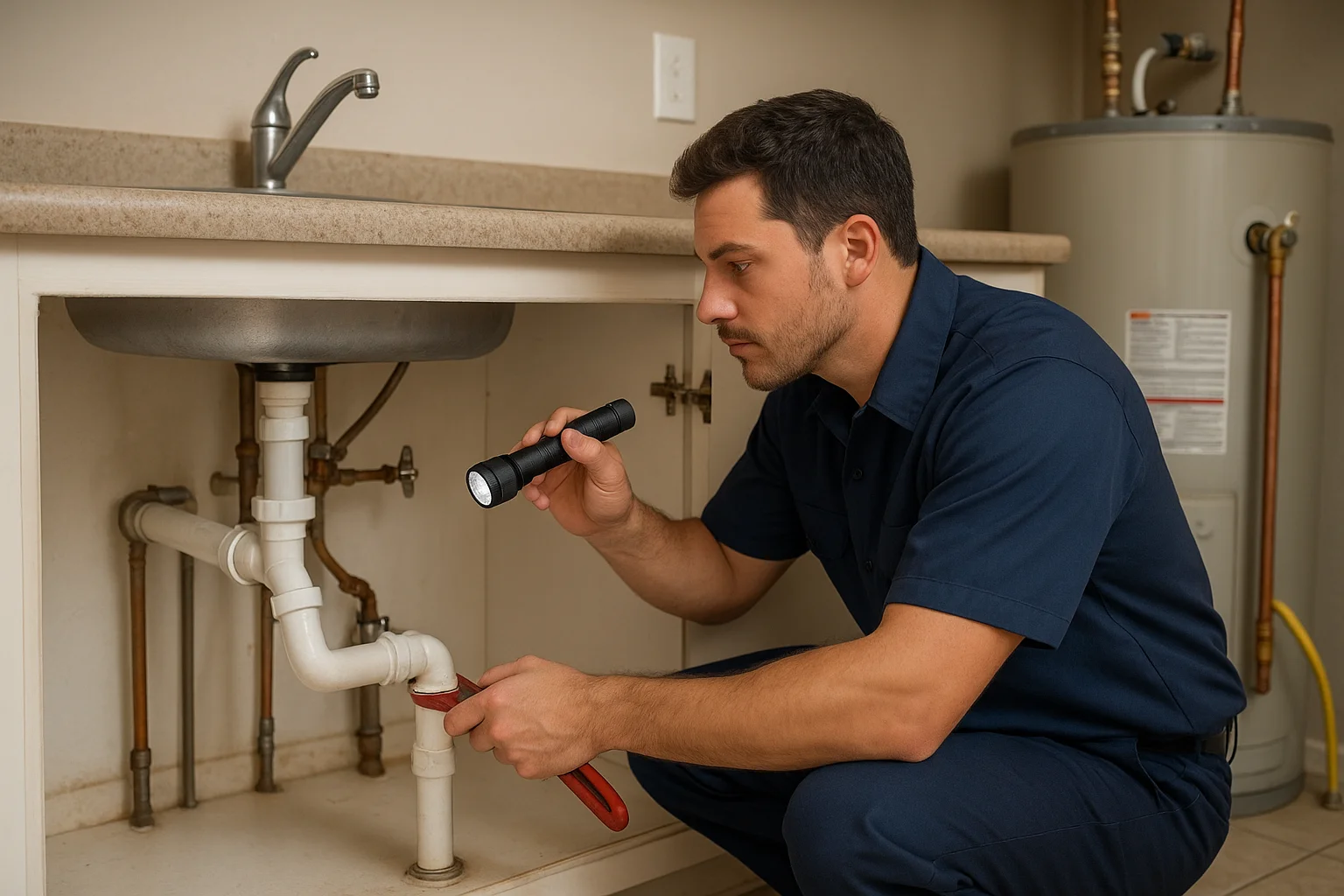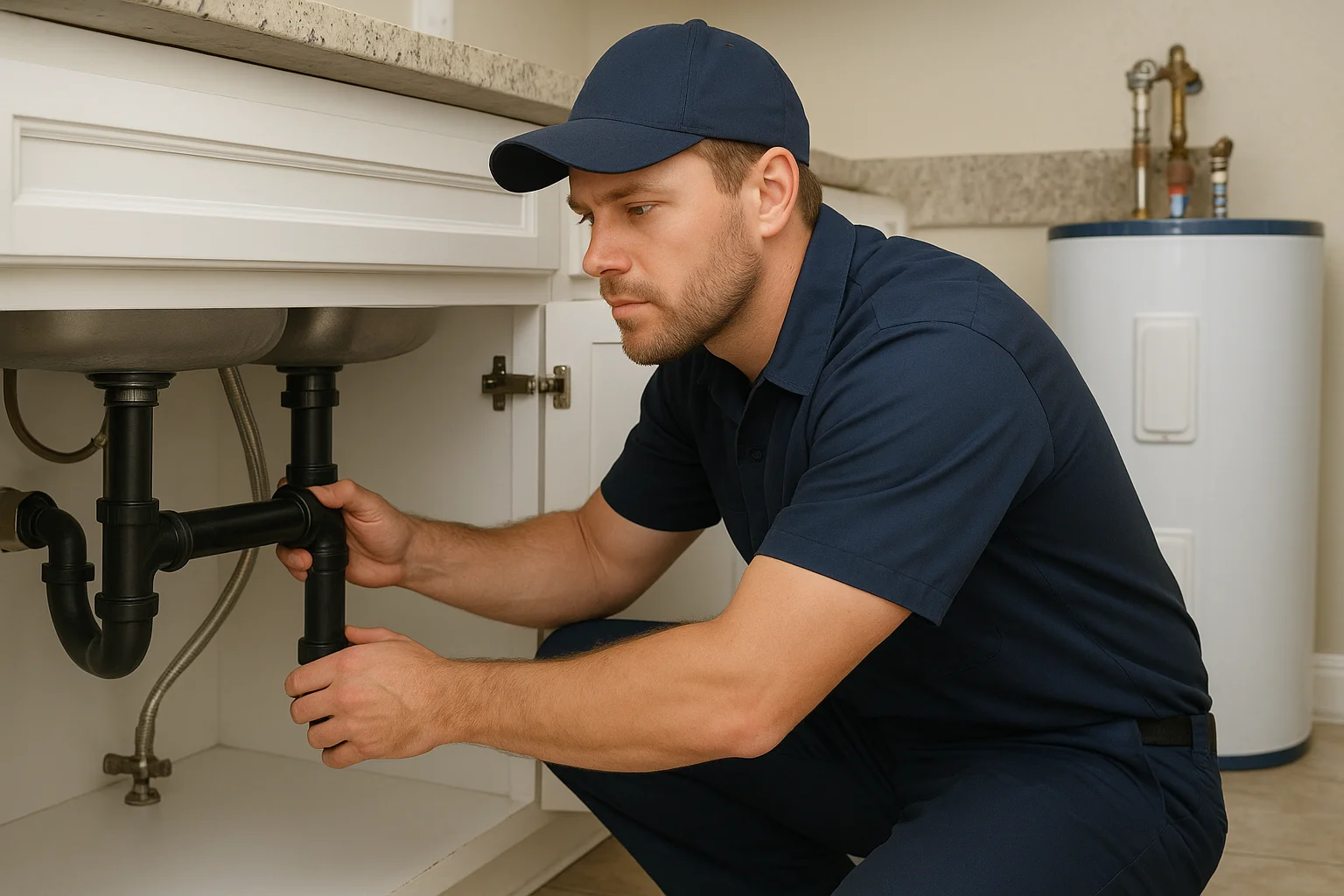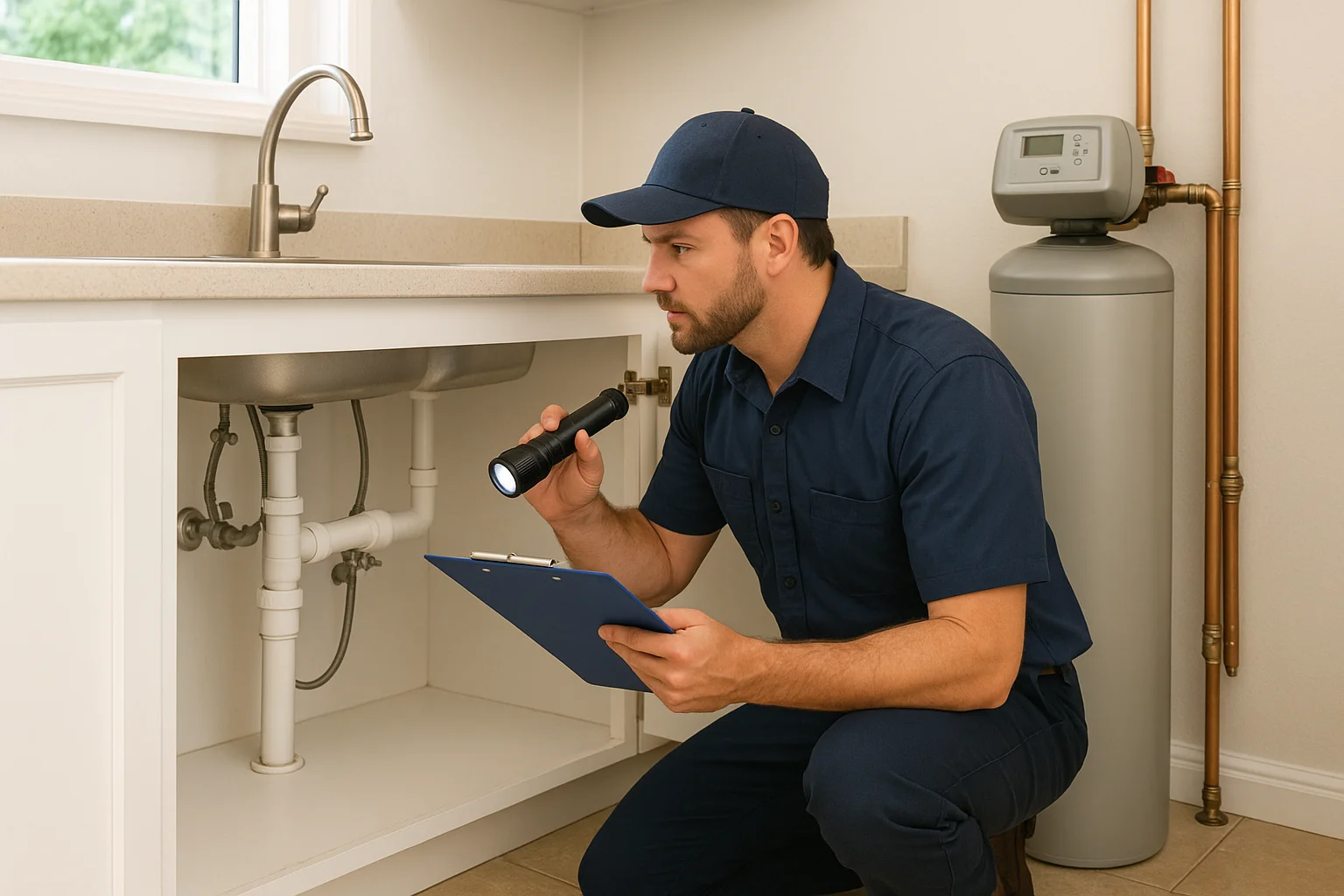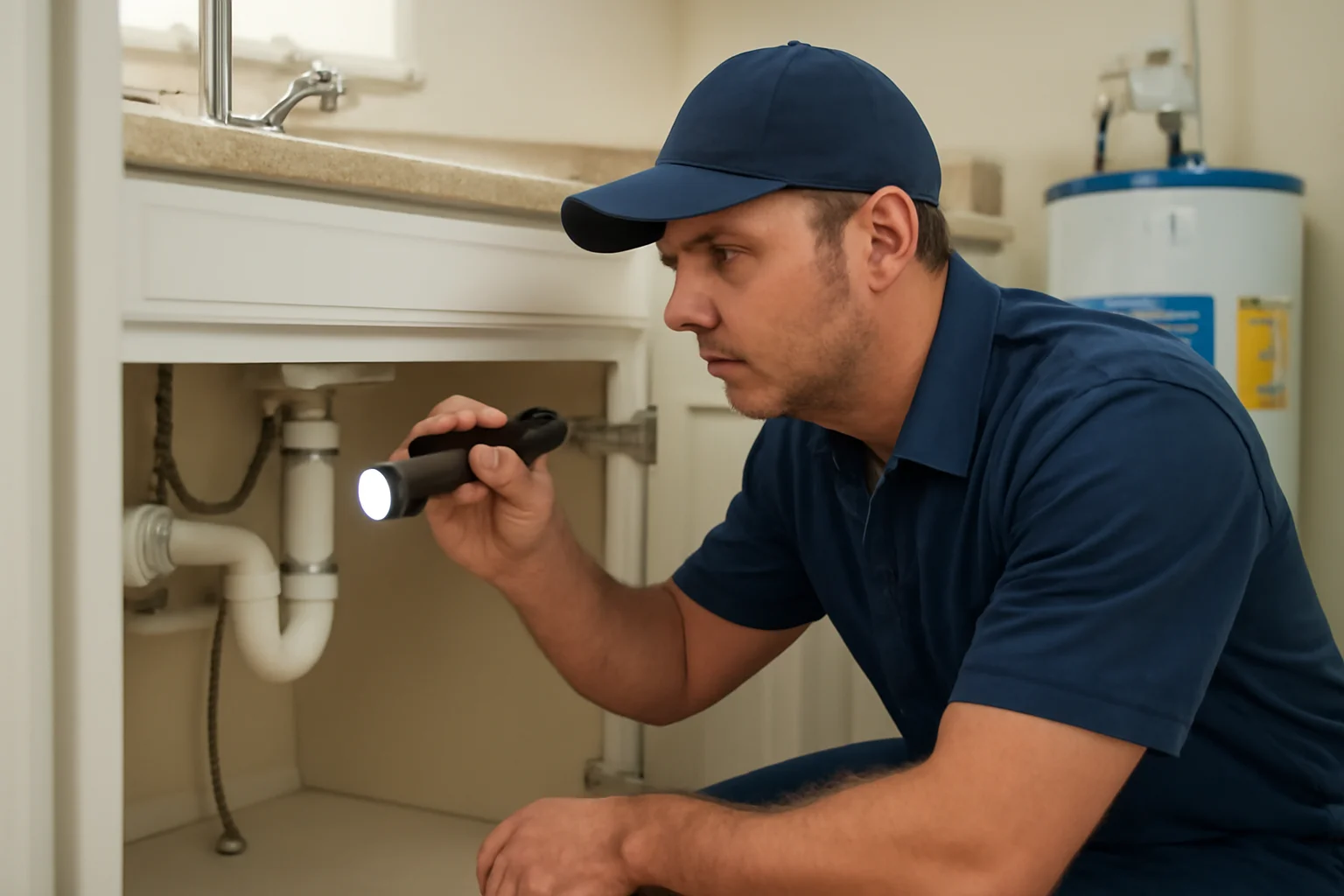
Seaside, FL homes sit on the Gulf Coast, where heat, humidity, and shifting ground can put stress on pipes under floors. When a leak stays hidden in a slab, it can quietly waste water, weaken foundations, and turn a routine plumbing problem into an emergency plumbing concern. The good news is that many slab leak issues can be prevented or minimized through better leak detection habits, prompt plumbing repair, and the right waterline care.
If you are searching for leak detection and slab leak repair in Seaside, this guide will help you understand what to watch for, why slab leaks happen in local homes, and how to reduce the odds of a sudden, expensive failure. You will also find practical steps you can take before the situation escalates, plus when it is time to call a local plumber near you.
Why slab leaks are a bigger deal in Seaside homes
Slab leaks occur when water pipes run beneath a concrete slab and develop a failure. Unlike a visible leak under a sink or behind a toilet, a slab leak can be hard to spot at first. The water may move through soil, dampen flooring materials, or travel along construction joints before you notice anything.
In Seaside and across Walton County, the combination of coastal conditions and common home plumbing layouts makes early detection especially important. Many homes have water supply lines routed under slabs, and older plumbing systems may be more vulnerable to wear from age, pressure changes, and mineral buildup.
Seaside also sees high humidity and frequent rain, which can affect soil moisture and contribute to ground movement. While the slab itself is rigid, the surrounding soil can shift, stressing pipes over time. Add in hard water, and mineral deposits can make pipes less tolerant of pressure and temperature changes.
Leak detection starts with your daily water habits
Professional leak detection near me services use specialized tools, but homeowners can often catch early warning signs before the leak becomes a plumbing emergency. The key is to treat water use like a health metric for your home.
Check water use patterns, not just the bill
Sudden increases in water usage are a common clue. If your bill jumps without a change in how many people are using the home, a hidden leak may be present. Even if the increase is gradual, it can still point to a slow leak in pipes, fixtures, or underground lines.
For rentals and busy households, this matters even more. Tenant turnover, seasonal irrigation habits, and different routines can mask early leak signals. A short, consistent monitoring routine helps separate normal usage from abnormal water loss.
Know your water pressure and watch for fluctuations
Water pressure that is too high can stress pipes and fittings. Pressure that fluctuates can contribute to internal wear and joint failures. In Seaside homes, pressure changes can also happen when neighbors draw water during peak demand or when municipal conditions shift.
If you notice hammering noises, inconsistent hot water, or pressure that drops when other fixtures run, it is worth investigating. While these symptoms can have multiple causes, they are often linked to plumbing repair needs that may include pipe repair, fixture checks, or deeper leak detection.
Listen and look for subtle signs
Slab leaks sometimes show up through indirect clues. Consider the following:
- Warm spots or damp areas on floors that do not match weather or spills
- Musty odors or persistent humidity indoors
- Cracks near baseboards or along interior walls
- Faster water heater cycling than usual, especially during periods of low household use
- Toilet behavior that suggests water is leaking into the bowl even when no one is using it
Not every symptom confirms a slab leak, but multiple clues together are a strong reason to schedule a professional evaluation.
Common causes of slab leaks in Walton County homes
Slab leaks rarely happen overnight. They typically develop due to a combination of age, installation factors, and environmental stress. Here are the most common causes relevant to local homeowners:
Pipe corrosion and mineral buildup
Hard water is common in many areas along the Gulf Coast. Minerals can build up inside pipes, narrowing flow paths and increasing internal pressure during heating and cooling cycles. Over time, this can contribute to pinhole leaks and weakened sections.
Mineral buildup can also affect water heaters. When a water heater struggles with scaling, you may see more frequent operation or reduced efficiency, which can complicate leak diagnosis. That is why technicians often check water heater service history and system performance during leak detection.
Ground movement and stress on plumbing lines
Soil moisture changes, heavy rains, and seasonal shifts can move the ground around a slab. When pipes are under the slab, they can experience repeated stress at bends, joints, and penetrations. Even small movements can lead to slow failures.
Freeze and thaw cycles, even in coastal weather
Seaside has a mild climate compared to northern states, but cold snaps still happen. If pipes are exposed near exterior walls or if water sits in vulnerable sections, freeze-thaw cycles can contribute to cracking. This can show up later as a slab leak once the system is under normal load.
Wear from water pressure changes
High pressure can stress seals and fittings. A home that has experienced plumbing repair, fixture replacement, or a change in water system components may also have pressure adjustments that were never rechecked. If you recently had a repair and then noticed new symptoms, mention it to your plumber near you.
How to tell the difference between fixture leaks and slab leaks
Homeowners often start by checking obvious leaks: faucet drips, toilet repairs, and sink repair near me concerns. Those are valid places to look. But slab leaks can mimic fixture leaks because both can cause higher water bills.
A practical approach is to isolate the source of water use:
- Check toilets first. A flapper that does not seal fully can waste a lot of water without visible puddles.
- Inspect faucets and showerheads. Small drips add up, especially with high water use households.
- Run the home’s water minimally. If the water meter moves when no fixtures are running, you likely have a hidden leak.
If the meter continues to register usage after you confirm fixtures are off, it is time to look beyond visible plumbing. That is where professional leak detection near me becomes valuable, especially for pipes under slabs.
Why early leak detection reduces emergency plumbing calls
When leaks go undetected, they can damage flooring, cabinets, and subfloor materials. They can also create conditions that allow mold growth in hidden spaces. For homeowners in Seaside, where humidity is already high, moisture problems can escalate quickly.
Early detection helps you avoid the most disruptive outcomes:
- Reduced property damage because you repair before water spreads
- Lower overall repair costs compared to emergency slab leak repair
- More stable water heating because a leak can force a water heater to work harder
- Fewer secondary issues such as sewer line help problems caused by water intrusion or altered drainage patterns
Even if your initial issue seems unrelated, like a slow drain or recurring drain cleaning needs, hidden leaks can contribute to moisture around plumbing penetrations. If you are dealing with a shower drain clog repair near me search that keeps coming back, a technician may also check adjacent plumbing lines during diagnosis.
Professional slab leak repair: what homeowners should know
Slab leak repair is not one-size-fits-all. The right approach depends on the leak location, pipe material, and whether access is feasible without excessive demolition. A reputable local plumber will evaluate the situation carefully before recommending the repair path.
Leak detection tools and methods
Technicians typically use methods designed to find leaks without guessing, such as pressure-based testing, acoustic listening, and specialized monitoring. The goal is to confirm the leak location and determine whether it is in supply lines, a connection point, or another plumbing segment.
Accurate detection matters because it helps prevent unnecessary demolition and reduces the chance of missing another leak.
Repair options may include rerouting or localized access
Depending on the pipe condition and leak location, repairs may involve accessing the affected section and repairing or replacing the damaged segment. In some cases, a reroute may be recommended to reduce the likelihood of future failures in the same area.
Homeowners who are considering plumbing repair should ask how the repair plan protects nearby plumbing fixtures and how it will be tested afterward to confirm the water pressure system is stable.
Prevention steps Seaside homeowners can take year round
You can reduce the odds of slab leaks and other plumbing emergencies with consistent maintenance. Think of it as local plumbing maintenance tailored to how your home uses water.
Protect pipes from pressure stress
If your home has a pressure regulator, make sure it is functioning correctly. If you do not know when it was last inspected, include it in your next plumbing inspection. If you have experienced water pressure changes, mention it during leak detection planning.
Manage hard water effects
Hard water can speed up scale buildup and internal pipe wear. If you have noticed spots, scale, or mineral taste in drinking water, you may benefit from water treatment strategies. For more context, see Cleaner Water, Clearer Living in Seaside: How Better Treatment Helps With Spots, Scale, Taste, and Odor.
For long-term waterline care, also review Keeping Seaside Homes Running Smoothly with Better Waterline Care. These steps can reduce strain on pipes and help your plumbing system last longer.
Maintain fixtures to reduce misleading symptoms
Fixing small leaks in visible fixtures can prevent confusion during leak diagnosis. A slow toilet leak, a dripping faucet, or faucet repair issues can raise water bills and mask slab leak signals.
If you need fixture help, consider Plumbing Fixture Replacement for worn parts and Plumbing Repair for overall troubleshooting.
Stay ahead of drain and sewer line problems
Clogged drains and sewer backup concerns can create emergency plumbing situations, especially during heavy rainfall. While a slab leak is different from a sewer line problem, both can cause water-related damage and stress on the plumbing system.
If you are dealing with recurring clogs or slow drains, schedule drain cleaning and diagnosis before backups occur. When you search for drain cleaning, include details about what you have noticed, including whether multiple drains are affected at once.
Water heater clues that may point to hidden leaks
A leaking supply line under a slab can cause your water heater to run more often. If you notice inconsistent hot water, higher energy use, or frequent cycling, do not assume the water heater is the only problem.
In Seaside homes, water heaters also face hard water scale and temperature stress. If you are searching for water heater repair near me because the unit seems to be struggling, ask for a system check that includes plumbing line evaluation. If a slab leak is forcing extra hot water usage, repair priorities may shift.
For water heater service options in the area, you can review Water Heater Repair.
When to call a plumber fast for leak detection and slab leak repair
Some plumbing situations should not wait. If you notice any of the following, it is time to contact a local plumber near you for leak detection and slab leak repair:
- Water meter movement when no fixtures are running
- Persistent dampness under flooring, near baseboards, or around slab edges
- New cracks in interior walls or near plumbing penetrations
- Low water pressure that does not match typical usage patterns
- Frequent water heater cycling without a clear reason
- Signs of sewer backup repair near me concerns, such as gurgling drains, multiple fixture backups, or foul odors
In urgent cases, calling for same day plumber near me service can help limit damage. A quick response often means less demolition and fewer repairs to surrounding areas.
Choosing a local plumbing partner in Seaside
Local plumbing service matters because Seaside homes share similar construction styles, water conditions, and maintenance challenges. A contractor familiar with the area is more likely to recognize how coastal humidity, hard water, and common pipe routes affect leak behavior.
If you want to explore service coverage, visit our Seaside service area and the broader Walton County service area. That context helps you understand how quickly help can arrive when an emergency plumbing concern develops.
When interviewing a plumber near you, ask about their leak detection process, how they confirm the location, how they test repairs afterward, and how they handle coordination if additional plumbing repair or water heater service is needed.
Practical checks you can do before help arrives
If you suspect a hidden leak, you can prepare so a technician can diagnose faster and more accurately:
- Take a photo of any damp areas, cracks, or unusual floor discoloration
- Note when symptoms started and whether water use changed
- Record water heater behavior, such as cycling frequency and hot water recovery time
- If safe, check whether the water meter moves when all fixtures are off
- Make a list of recent plumbing repairs, including any pipe repair, faucet repair, toilet repair, or drain cleaning work
These steps can reduce guesswork and help prevent unnecessary disruptions.
Related maintenance habits that lower plumbing risk
Leak prevention is more than slab leak repair readiness. It is also about keeping drains flowing, fixtures in good condition, and sewer lines monitored when needed.
For example, if you have recurring bathroom or kitchen clogs, recurring drain cleaning needs can indicate an underlying sewer line issue. Searching for sewer inspection near me can be a smart move when multiple fixtures drain slowly or when you notice odors returning after cleaning.
If you are also improving water quality, pairing leak detection with water treatment can reduce scale and help protect pipes. To connect the dots between water quality and plumbing longevity, review Practical Plumbing Advice for Seaside Homeowners Living Near the Coast.
For homeowners who manage both water supply and fixture performance, consider additional service support such as Water Purification Services and fixture-focused help like Plumbing Fixture Replacement. These steps support the same goal: fewer leaks, fewer interruptions, and less emergency plumbing risk.
When you are ready to protect your home, make sure your first call is to a team that can handle the full process from detection to repair. That is how Seaside homeowners reduce surprises and keep their plumbing system stable through the year.
A Superior Mechanical provides expert leak detection and slab leak repair in Seaside, FL for homes, rentals, and businesses in Walton County.
Find Leak Detection and Slab Leak Repair in Seaside, FL
If you need Leak Detection and Slab Leak Repair in Seaside, FL, visit our local service page or contact A Superior Mechanical today.
Map of Seaside, FL
Frequently Asked Questions
What are the first signs of a slab leak in a Seaside, FL home?
Common early signs include unexplained increases in water use, warm or damp spots on floors, new cracks near baseboards, musty odors, and water heater cycling more often than usual.
Can a slab leak cause low water pressure or changes in water temperature?
Yes. A slab leak can reduce pressure by allowing water to escape before it reaches fixtures. It can also affect hot water performance if the leak is drawing hot water from the water heater.
How do plumbers find leaks under a concrete slab without breaking everything open?
Professional leak detection uses testing and specialized equipment to pinpoint the leak location. The goal is to confirm where the leak is coming from so repairs can be targeted with less unnecessary demolition.
Should I check toilets and faucets before calling for leak detection near me?
Definitely. Toilet repairs and faucet repair issues are common and can raise water bills. If the water meter still moves when all fixtures are off, that is a strong reason to investigate hidden lines and request leak detection.
Is slab leak repair an emergency plumbing situation?
It can be. If you see active dampness, meter movement with no fixture use, or rapidly worsening symptoms, call a plumber right away. Faster response can reduce property damage and limit disruption.
Related Articles
- Practical Plumbing Advice for Seaside Homeowners Living Near the Coast
- Cleaner Water, Clearer Living in Seaside: How Better Treatment Helps With Spots, Scale, Taste, and Odor
- Keeping Seaside Homes Running Smoothly with Better Waterline Care
- Reading the Warning Clues in Seaside Homes Before a Panel Upgrade Becomes Urgent
Photo Gallery