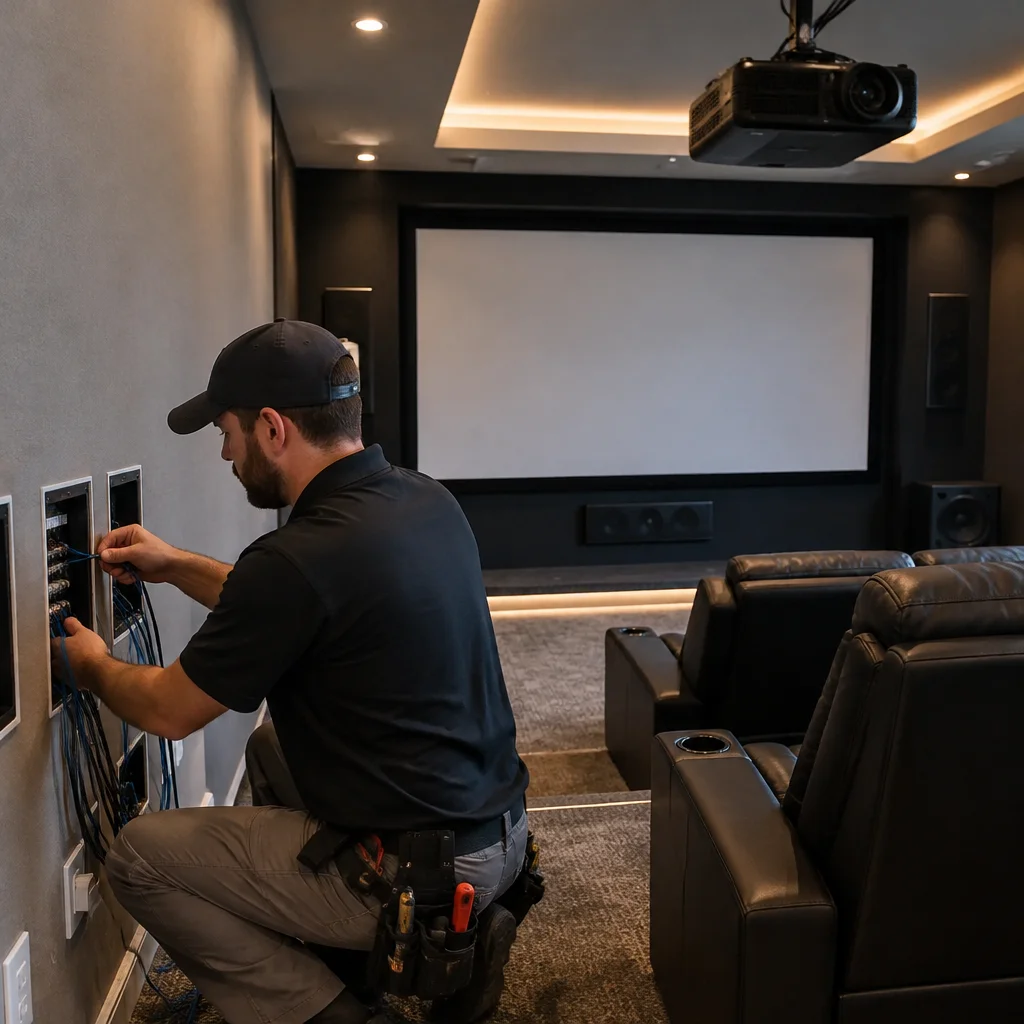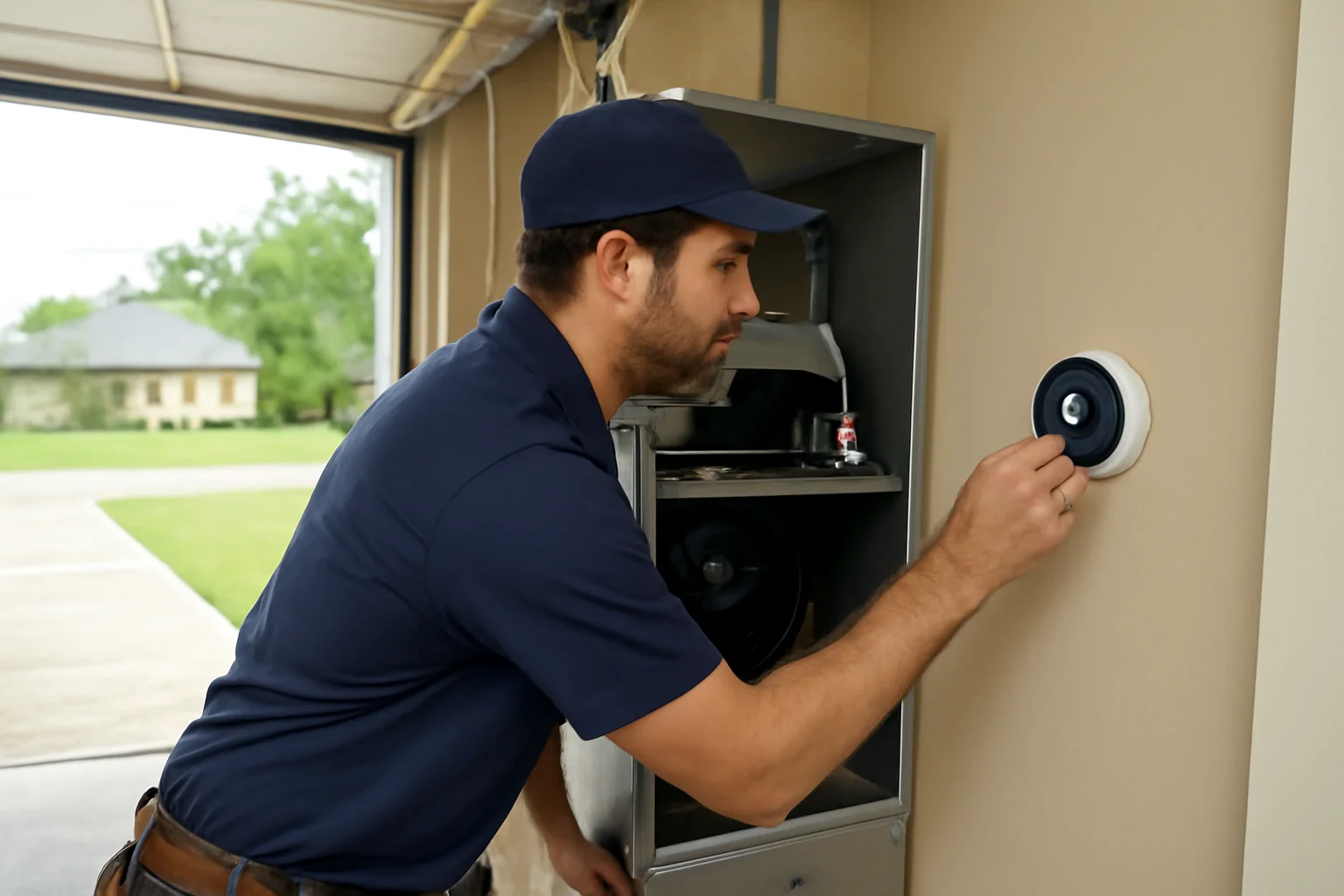
Smart thermostats can make day to day comfort easier, especially in Panama City where summer heat and humidity can push HVAC systems hard. But the difference between smooth performance and constant troubleshooting often comes down to a few overlooked setup and maintenance details. If you are considering smart thermostat installation or you already have one, this guide highlights what local homeowners should know for everyday HVAC reliability in Bay County.
Why Panama City weather makes thermostat setup more important
Panama City is known for warm, humid summers and salt air that can affect how HVAC systems operate over time. When humidity is high, air conditioning does more than cool. It must remove moisture while maintaining comfortable airflow. A smart thermostat may look like it is just controlling temperature, but it is also influencing how your system runs, how long it cycles, and how consistently indoor conditions stay within range.
That matters because many common HVAC problems in Florida are tied to airflow and moisture management. If the system cannot move air properly through ductwork or if condensate drainage is restricted, the indoor coil and drain line can become trouble spots. Smart thermostats that are not configured with your actual system and airflow needs can increase stress on refrigerant systems by encouraging the HVAC to run longer or cycle more frequently than necessary.
The setting that causes the most headaches: “Auto” fan and comfort modes
One of the most common local issues homeowners run into is how the thermostat controls the indoor fan. Many smart thermostats offer fan settings like Auto or On, plus comfort modes that adjust temperature targets depending on occupancy and time of day. In a humid coastal climate, the goal is usually steady, efficient cooling that also supports dehumidification.
If fan behavior is set in a way that prevents proper moisture removal, you can end up with higher indoor humidity even when the thermostat shows the temperature is “on track.” Symptoms often include:
- Rooms feeling sticky despite reaching the set temperature
- Musty odors that come and go when the system cycles
- Cold air that feels inconsistent because airflow patterns are off
A Superior Mechanical can review how your system is currently controlling cooling and fan operation during an smart thermostats service area visit. That kind of HVAC service near me support is especially useful when you suspect the thermostat settings are working against the way your ductwork and airflow are designed.
Temperature targets that ignore humidity and airflow
Smart thermostats may prioritize quick temperature recovery. For example, if the home warms up while you are away and the thermostat tries to “catch up” quickly when you return, the air conditioner can run hard. In Panama City’s humidity, that can lead to a situation where the system is cooling but not removing moisture as effectively as it should.
Another overlooked factor is that temperature readings depend on where the thermostat is mounted. If it is influenced by direct sunlight, airflow from a nearby vent, or drafts from gaps in the wall, the thermostat may “think” the house is hotter or cooler than it really is. That can cause inappropriate cycling and uneven comfort.
Homeowners often assume the fix is to raise or lower the temperature more aggressively. In reality, the reliability improvement usually comes from calibrating the thermostat location, choosing realistic schedules, and confirming that the HVAC airflow is balanced. If you are dealing with uneven rooms, you may also need ductwork attention such as air conditioning inspection near me style troubleshooting to understand whether the issue is airflow, duct leakage, or system performance.
Condensate drainage and smart control: why moisture management still matters
In humid Florida weather, your air conditioner’s condensate drainage system is constantly at work. When the drain line is slow, partially blocked, or the condensate pan is not draining correctly, water can back up. That can lead to water damage risks and can also contribute to indoor air quality problems.
Smart thermostats can indirectly affect this by changing runtime patterns. If the thermostat is set to cycle more frequently or run shorter bursts, condensate behavior can change. Over time, that can make drainage issues more noticeable or more frequent.
Look for these red flags that suggest moisture management needs attention:
- Water near the indoor air handler or on the floor around the unit
- Gurgling sounds during or after cooling
- Recurring musty smells linked to cooling cycles
- Frequent “off-cycle” humidity concerns
If you notice any of these, it is not the time to keep adjusting thermostat schedules. A professional HVAC technician should inspect condensate drainage, airflow, and system operation to reduce the chance of bigger problems. If the home is not comfortable and cooling is unreliable, you may also be dealing with an emergency cooling concern, which is why many homeowners search for emergency AC repair near me during peak heat.
Refrigerant systems and thermostat behavior: what you should and should not assume
Because smart thermostats control when the system runs, homeowners sometimes connect comfort issues directly to thermostat settings. That can be true in some cases, but it can also be misleading when the real cause is related to the refrigerant system, coil performance, or airflow restrictions.
It is important not to try to “diagnose refrigerant” based on thermostat history alone. Runtime charts and temperature swings can point to many different causes. For example, a thermostat that shows frequent calls for cooling could be reacting to incorrect sensor placement, ductwork restriction, dirty filters, or a performance issue that requires in person evaluation.
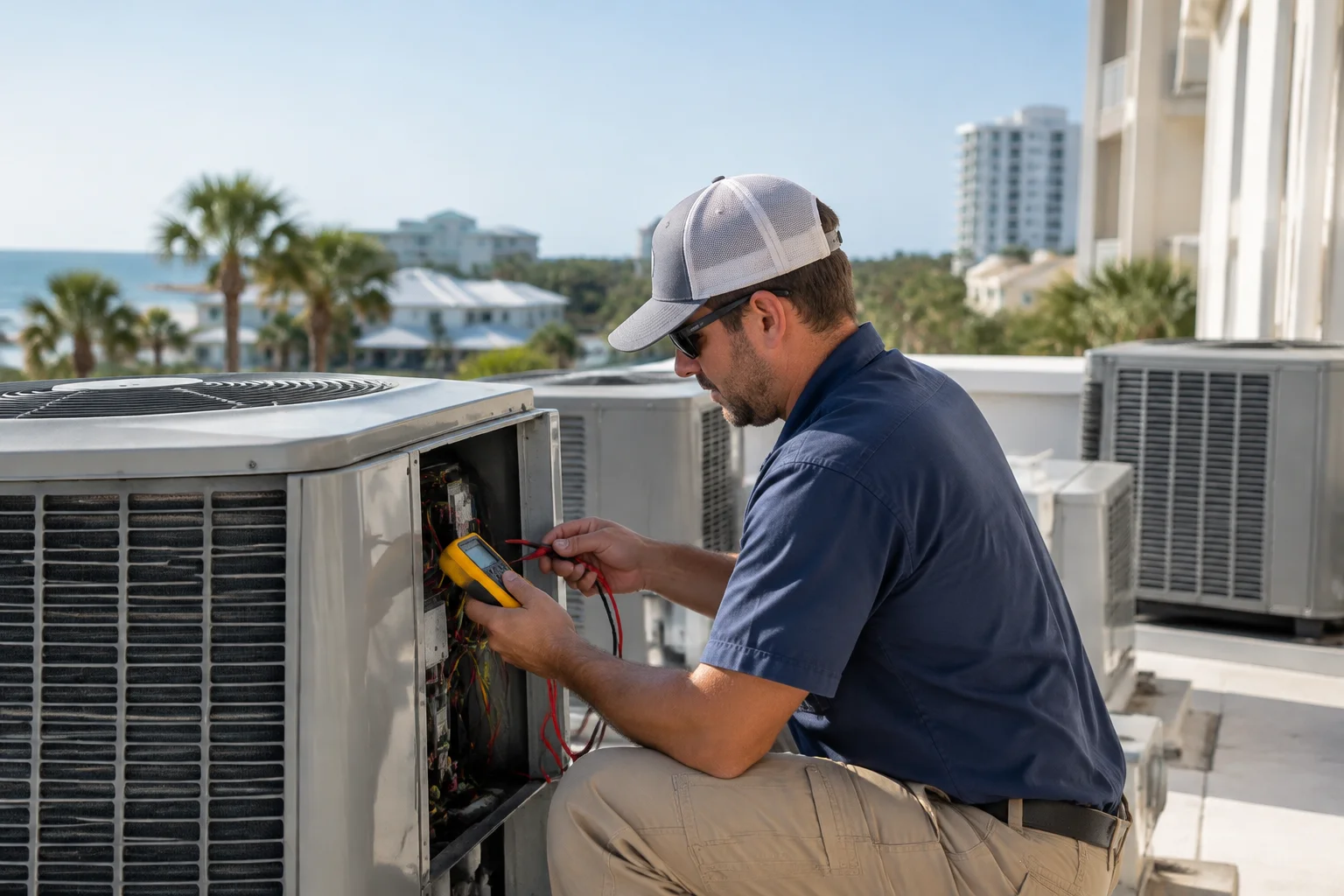
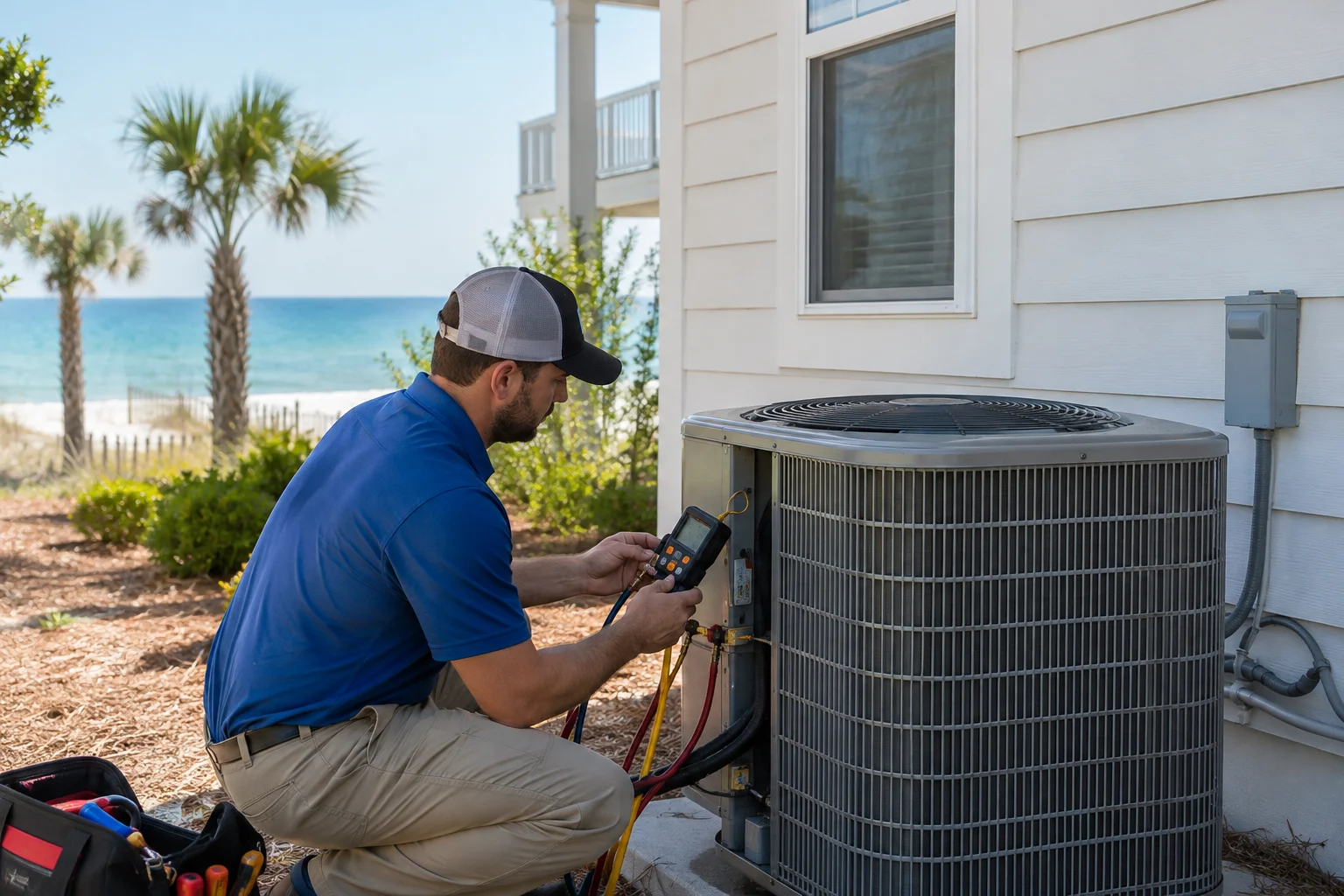
A Superior Mechanical can help you understand the system’s actual behavior during service. This is where preventive HVAC maintenance and a proper air conditioning inspection near me can prevent small problems from turning into a bigger breakdown. If your smart thermostat is installed but your cooling performance is still inconsistent, professional evaluation is the reliable next step.
Ductwork and return air: the “hidden thermostat” in many Panama City homes
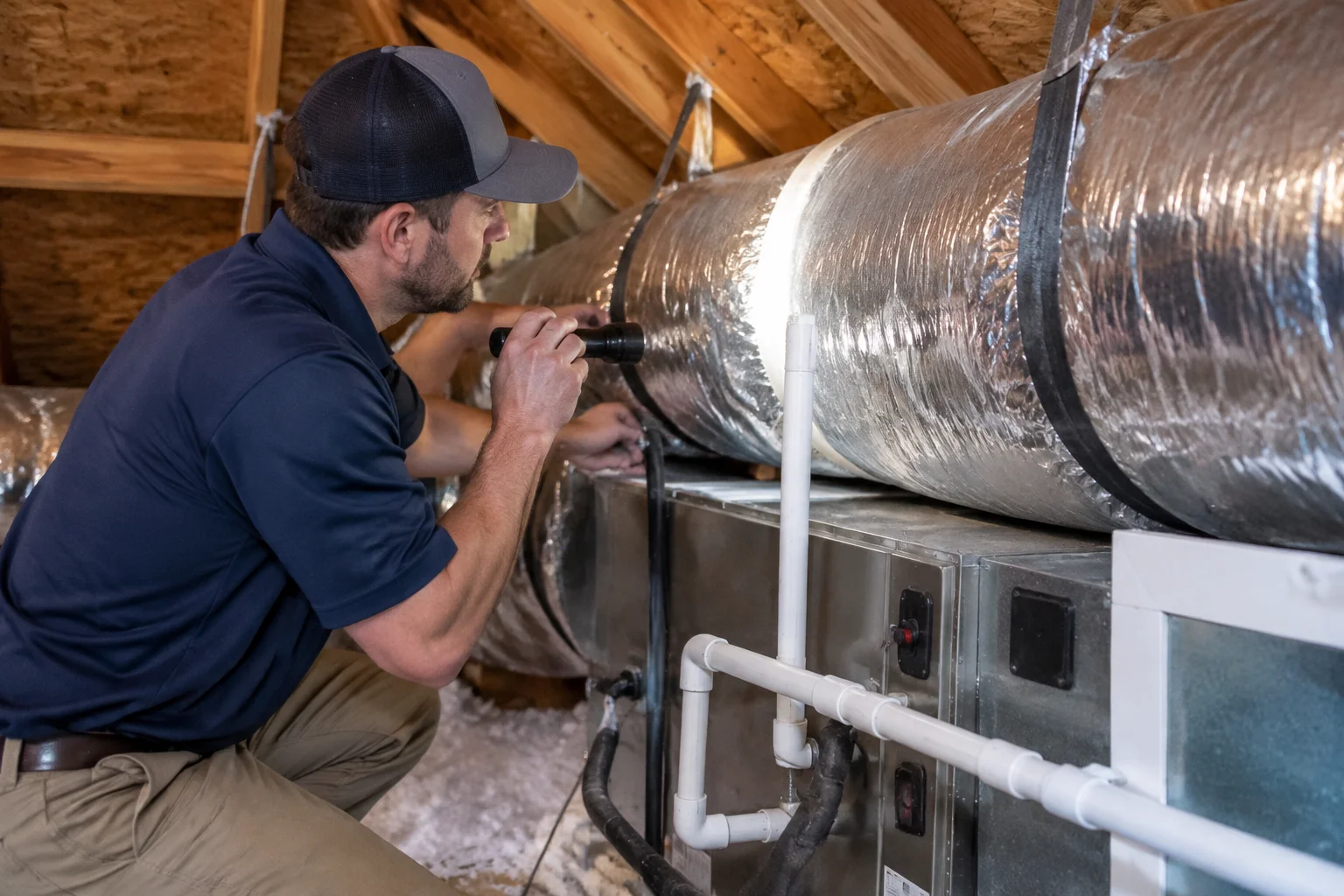
In many Bay County homes, ductwork layout and return air paths play a major role in what the thermostat experiences. If returns are undersized, duct runs are poorly sealed, or air is blocked by debris or insulation issues, the home can feel uneven even when the system is running.
Smart thermostats may respond to those uneven conditions by extending runtime or increasing cycling. That can reduce everyday reliability by putting more wear on the system.
Common ductwork related symptoms include:
- Hot spots in bedrooms or living areas
- Cold air that feels weak at certain vents
- Rooms that never fully match the thermostat setting
- Increased dust or debris distribution
If you are searching for duct repair near me or duct cleaning near me because comfort is uneven, smart thermostat settings alone are unlikely to solve the root cause. Proper ductwork evaluation supports better airflow, which supports both comfort and indoor air quality.
Indoor air quality settings: filters, humidity control, and ventilation schedules
Smart thermostats often include features that affect indoor air quality, such as humidity targets, ventilation reminders, and fan schedules. In Panama City’s humid climate, indoor air quality is not just about temperature. It is about controlling moisture and maintaining clean airflow paths.
Homeowners sometimes overlook that a smart thermostat cannot compensate for a clogged filter or a poorly sealed return. If the system is drawing air through dirty components, airflow can drop and humidity control becomes less effective.
Practical steps homeowners can take include:
- Confirming your filter schedule matches local use patterns
- Ensuring the thermostat’s humidity controls are compatible with your system
- Setting ventilation and fan schedules thoughtfully so the system supports dehumidification rather than fighting it
If you are looking for indoor air quality services near me, ask your HVAC contractor to connect thermostat settings to real airflow and moisture performance. That approach tends to deliver more reliable comfort than adjusting settings without checking the system.
Compatibility and wiring details that affect reliability
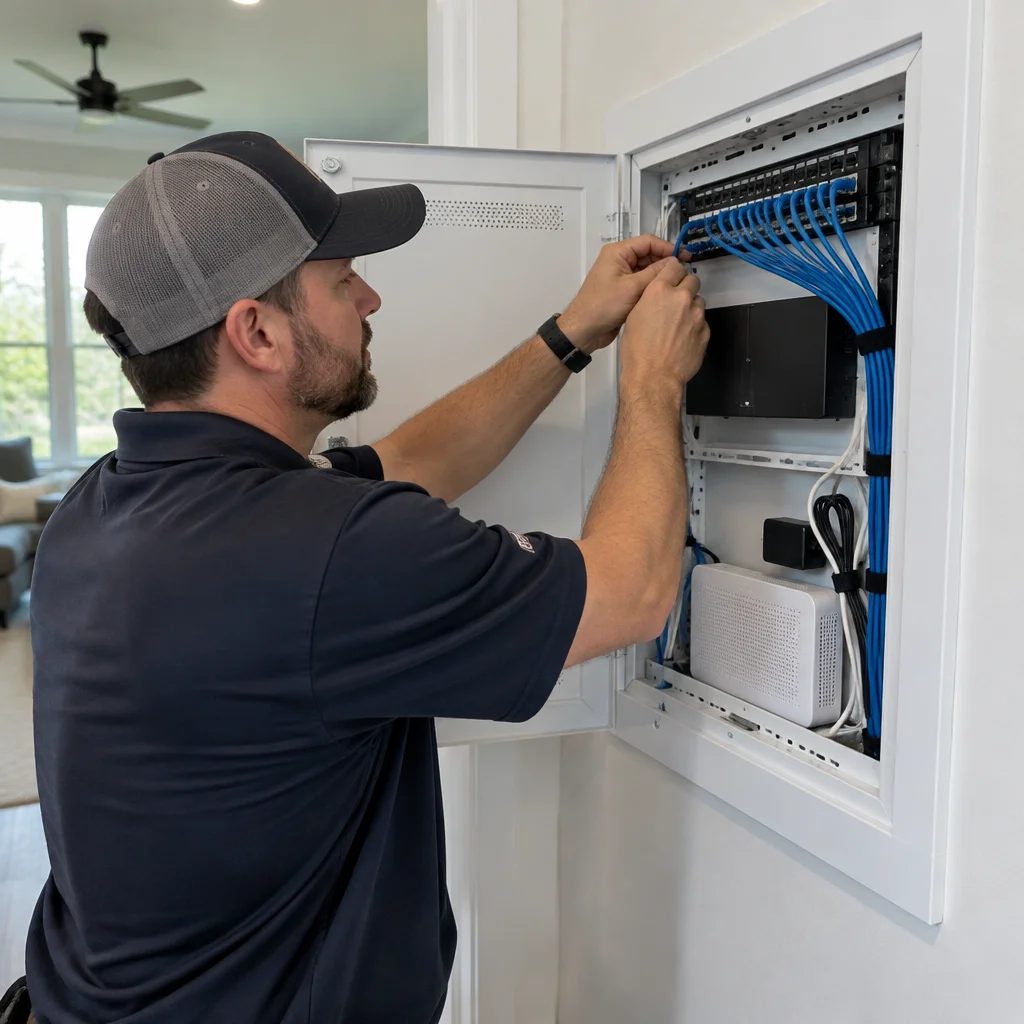
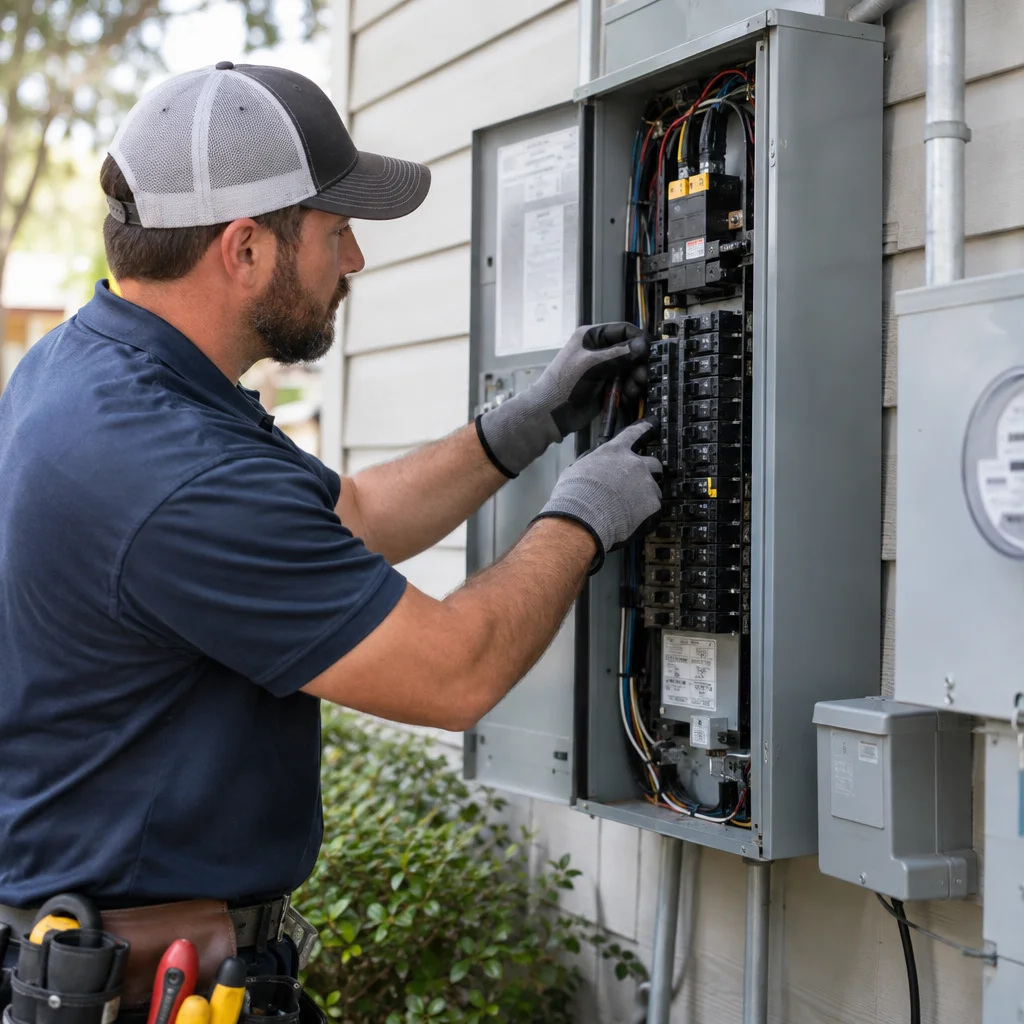
Smart thermostats are not one size fits all. Compatibility depends on your existing thermostat wiring, your HVAC controls, and whether your system uses specific functions for heating and cooling. Even when a smart thermostat powers on, incorrect wiring configuration can lead to inconsistent heating control, cooling behavior that does not match expectations, or fan control that does not behave properly.
Another detail that local homeowners sometimes miss is how the thermostat communicates with the HVAC system. Some setups rely on specific connections for staging or control logic. If those are not configured correctly, the thermostat can cause the system to behave differently than you expect.
This is why smart thermostat installation near me should include an on-site assessment. A professional local HVAC contractor can verify compatibility, confirm correct configuration, and help you avoid reliability issues that come from guessing.
Energy use myths: “smart” does not automatically mean “efficient”
Smart thermostats can help with scheduling and remote control, but energy use still depends on how your HVAC system is running. In a hot, humid coastal climate, comfort and efficiency depend on airflow, moisture management, and the ability of the system to cool effectively without unnecessary cycling.
Some homeowners expect the thermostat app to solve comfort and cost. When the home has ductwork leaks, restricted airflow, or condensate drainage concerns, the thermostat may simply make the system work harder to compensate. That is why energy use results vary from home to home.
If you want more reliable operation, focus on the basics: filter condition, airflow, duct integrity, and system performance. Smart controls work best when the HVAC system itself is healthy.
Preventive maintenance that pairs well with smart thermostats
Smart thermostats can provide more data, but they do not replace maintenance. Panama City homeowners often overlook that summer wear and humidity stress can reveal performance problems that were already forming.
A preventive HVAC maintenance plan typically supports reliability by addressing airflow restrictions, checking system operation, and helping reduce the chance of breakdowns during peak cooling demand. When your system is maintained, the thermostat’s scheduling and comfort features are more likely to perform as intended.
Consider pairing your smart thermostat usage with regular service that includes:
- Air filter checks and airflow verification
- Indoor coil and condensate drainage inspection
- System performance checks that reflect real cooling behavior
- Thermostat configuration review after major changes, such as ductwork repairs or system service
If you are comparing repair versus replacement, you can also explore HVAC financing options with a licensed HVAC contractor. Reliable comfort decisions are easier when you understand the system condition and the role the thermostat plays.
Common “smart thermostat” problems that are actually HVAC problems
These are frequent homeowner reports in Panama City and nearby Bay County areas. The thermostat is often blamed first, but the underlying cause can be HVAC related:
- The home feels warm even though the thermostat says cooling is running. This can point to airflow issues, ductwork problems, or system performance concerns.
- The thermostat shows frequent cycling. That can be caused by sensor placement, humidity control settings, or system restrictions.
- Humidity stays high. This can indicate that dehumidification is not keeping up, possibly due to airflow, coil condition, or fan control settings.
- Cooling shuts off early. That can be tied to system safety controls or operational limits that require in person inspection.
If your smart thermostat is installed and the HVAC still behaves inconsistently, do not assume the thermostat is the problem. A professional HVAC contractor near you can evaluate the system as a whole.
When to call A Superior Mechanical for help
Smart thermostats can be part of a reliable comfort routine, but you should call a professional when the system performance does not match the thermostat settings or when comfort issues come with warning signs.
Schedule service if you notice:
- Uneven cooling across rooms
- Humidity problems that persist even with cooling running
- Condensate drainage concerns, odors, or visible moisture
- Unusual noises, repeated short cycling, or frequent system alerts
- Cooling reliability issues during peak Florida heat
If you are dealing with an emergency cooling concern, it helps to understand local response options. Bay County homeowners also benefit from knowing how 24/7 support can protect comfort during severe heat. For more on that topic, read Why 24/7 HVAC Response Matters in Panama City Homes.
Smart thermostat tips for local homeowners who want everyday reliability
You do not need to overcomplicate things to get better results. These practical habits tend to work well in Panama City’s climate:
- Place the thermostat away from direct sun and drafts. Sensor accuracy affects comfort and cycling.
- Use realistic schedules. Over-aggressive recovery can increase system stress in humid weather.
- Review fan and humidity settings with your HVAC system in mind. Dehumidification depends on airflow and runtime patterns.
- Keep up with preventive HVAC maintenance. Smart controls perform best with clean airflow paths and healthy system operation.
- After any HVAC service, confirm thermostat settings. Configuration review can prevent mismatches between thermostat logic and HVAC operation.
How to get smart thermostat installation support in Panama City
If you are upgrading your home’s comfort, the simplest path is professional installation and configuration that matches your system and your Bay County home layout. A Superior Mechanical provides smart thermostat installation in Panama City, helping homeowners, rentals, and commercial properties improve comfort and reliability while navigating Florida heat, humidity, and coastal conditions.
To learn more, visit smart thermostats for Panama City area homes and explore our broader Panama City service area for related options.
If your home has multiple comfort zones or you are considering additional control upgrades, you may also find helpful information in Heating Control Systems.
Related reads for smarter control without bigger HVAC headaches
If you want to compare experiences from other Panama City homeowners, these guides cover thermostat mistakes and comfort fixes in local conditions:
- Smart Thermostats in Panama City Beach: Small Problems That Can Turn Into Bigger HVAC Headaches
- Smart Thermostats and Fewer HVAC Surprises in Panama City Homes
- Keeping Your Cool in Panama City Beach Without Letting Smart Thermostats Create Bigger HVAC Problems
For homeowners also managing business comfort, commercial HVAC service needs can be different, so consider Commercial HVAC Services when applicable.
Find Smart Thermostats in Panama City, FL
If you need Smart Thermostats in Panama City, FL, visit our local service page or contact A Superior Mechanical today.
Map of Panama City, FL
Frequently Asked Questions
Can a smart thermostat help with indoor humidity in Panama City?
It can, but only if the thermostat settings match your HVAC system and airflow. In Florida humidity, dehumidification depends on proper cooling operation, fan control, and airflow through ductwork, plus healthy condensate drainage.
Why does my HVAC short cycle after installing a smart thermostat?
Short cycling can come from thermostat sensor placement, fan or comfort mode settings, airflow problems, or system performance issues. An on-site HVAC inspection is the best way to confirm the cause rather than changing settings blindly.
Will a smart thermostat reduce wear on my AC in coastal Florida?
It can support steadier control when configured correctly, but “smart” does not automatically mean less wear. If airflow is restricted, ductwork is leaking, or condensate drainage is restricted, the system may run longer or cycle more, increasing stress.
Is it safe to adjust thermostat settings if I suspect a refrigerant problem?
No. Refrigerant system issues require professional evaluation. You can make comfort worse if you rely on thermostat changes instead of having a licensed HVAC contractor inspect system performance in person.
What should I ask a technician during smart thermostat installation in Bay County?
Ask about thermostat compatibility with your HVAC controls, correct wiring configuration, fan behavior for humid conditions, how to place and calibrate the sensor, and how to confirm that airflow and condensate drainage support reliable cooling.
Related Articles
- Smart Thermostats in Panama City Beach: Small Problems That Can Turn Into Bigger HVAC Headaches
- Smart Thermostats and Fewer HVAC Surprises in Panama City Homes
- Keeping Your Cool in Panama City Beach Without Letting Smart Thermostats Create Bigger HVAC Problems
- Why 24/7 HVAC Response Matters in Panama City Homes
Photo Gallery