Bid-A-Wee feels like summer year-round, and your HVAC system works hard to keep up. Between Florida heat, high humidity, and the salt air drifting in from the coast, even small thermostat problems can turn into bigger comfort issues and higher energy use. Smart thermostats can help, but only when they are configured correctly for your home’s ductwork, refrigerant system behavior, and airflow needs.
This guide explains how smart thermostats influence comfort and airflow, the common mistakes that lead to expensive repairs or premature system wear, and what to ask for from a local HVAC professional. If you are searching for smart thermostats in Bid-A-Wee, this is the practical checklist you can take with you.
Why a smart thermostat matters more in Bid-A-Wee than in cooler climates
Smart thermostats are not just “remote controls.” They also manage temperature cycles, fan behavior, and sometimes humidity settings based on built-in sensors and your HVAC system’s response. In Bid-A-Wee, those decisions matter because Florida indoor comfort is not only about temperature. Humidity and airflow strongly affect how your air conditioner or heat pump feels and how well it removes moisture.
When your home is humid, the air can feel warmer than the thermostat number. If the system short-cycles or runs without enough airflow through the indoor coil and ductwork, moisture removal can suffer. That can contribute to:
- Clammy indoor air and higher humidity
- More dust and debris accumulating in ducts and registers
- Condensate drainage issues that may lead to overflow or water damage
- Indoor air quality concerns, especially for allergy and asthma triggers
How smart thermostats affect airflow, humidity, and comfort
Most HVAC systems are built around a simple rhythm: call for cooling, the indoor blower moves air across the evaporator coil, and the refrigerant system removes heat and moisture. Smart thermostats can change the timing and fan operation of that rhythm.
Fan settings can make or break moisture removal
Some smart thermostats offer options like auto fan or continuous fan. In humid climates, continuous fan can sometimes increase comfort, but it can also keep the system from running long enough to fully dehumidify. On the other hand, an auto fan setting that responds too slowly can reduce coil contact time. The “right” approach depends on your system type, ductwork design, and whether your condensate drainage is performing as intended.
Smart recovery and adaptive schedules can cause short cycling
Smart features that predict when to start cooling can be helpful, but if your HVAC system needs longer run times to properly remove humidity, aggressive scheduling can lead to short cycles. Short cycling can increase wear on the components in your refrigerant system and may show up as:
- Frequent starts and stops
- Uneven room temperatures
- Higher humidity because the coil does not stay cold long enough
Humidity control is only as good as the indoor sensor and system behavior
Some smart thermostats include humidity sensors. Others rely on external sensors or HVAC system signals. In Bid-A-Wee, humidity swings can be significant. A thermostat that reads humidity inaccurately, or one that does not coordinate with how your air conditioner or heat pump actually dehumidifies, can lead to comfort complaints that look like “the AC is not working” when the real issue is control strategy.
Common smart thermostat mistakes that lead to expensive HVAC problems
Smart thermostats are usually reliable devices, but the setup is where homeowners can get into trouble. Here are the issues that most often create costly headaches in Bay County homes.
Ignoring HVAC compatibility and wiring details
Not every thermostat supports every system configuration. A mismatch between thermostat settings and your HVAC controls can cause incorrect fan operation, improper heating or cooling calls, and inconsistent temperature swings. That can also increase energy use because the system may not run when it should, or may run longer than necessary.
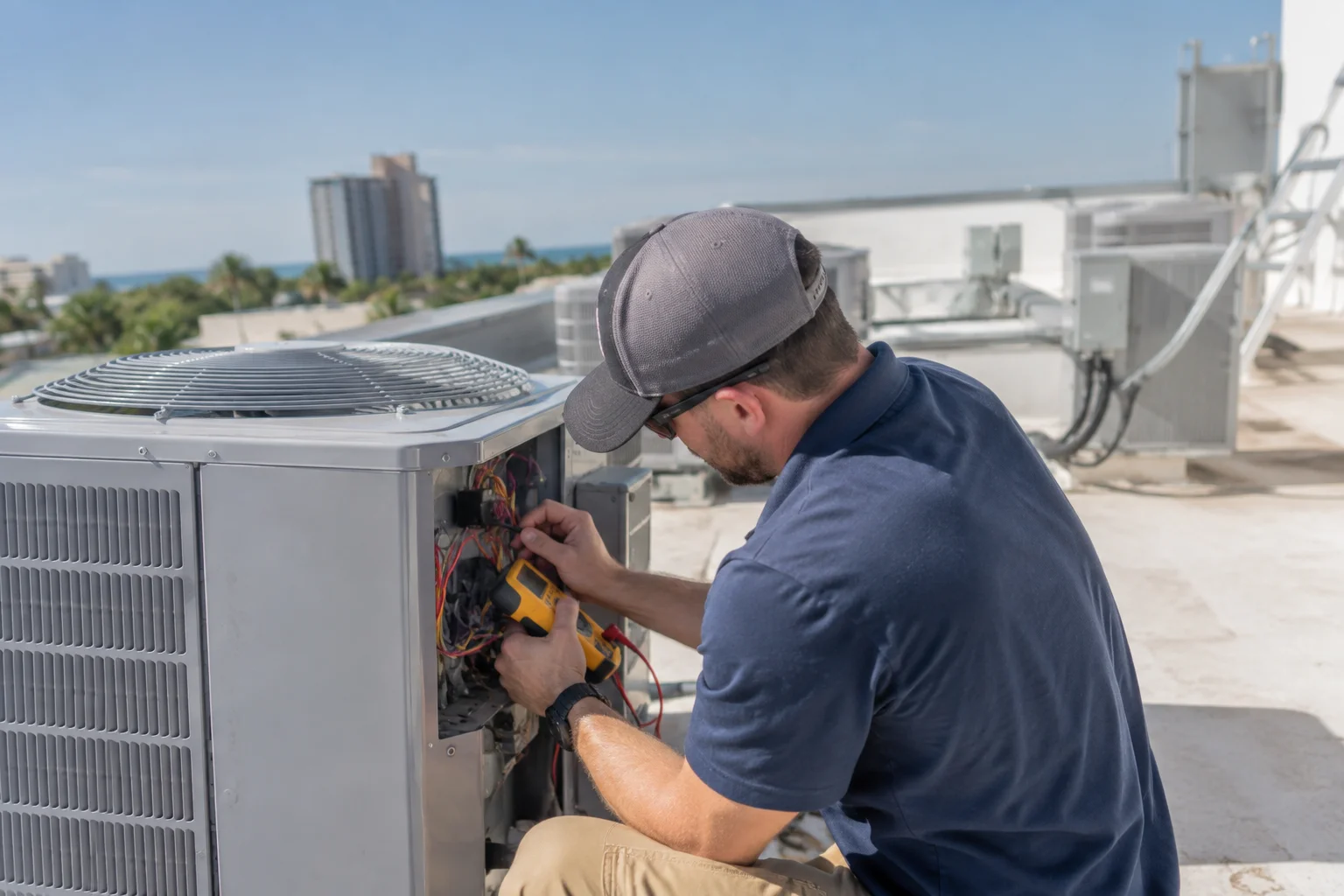
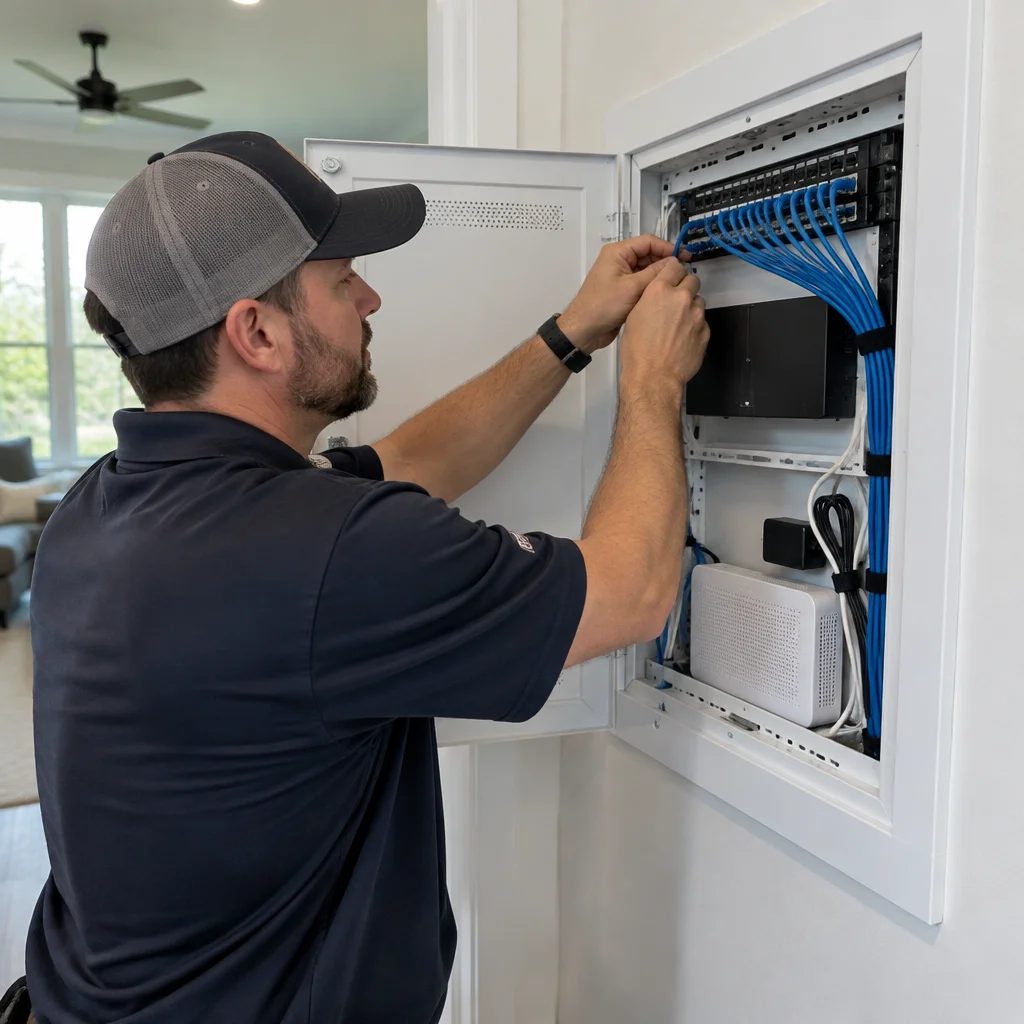
Before installation, a professional should confirm thermostat compatibility, check wiring connections, and verify the control logic works with your specific equipment. If you are considering a DIY swap, remember that “it powers on” is not the same as “it controls correctly.”
Relying on app features without understanding comfort goals
Many homeowners focus on convenience, like remote scheduling and geofencing. Those features are useful, but they do not automatically account for Florida heat load, humidity, and airflow patterns through your ductwork. If your home has hot rooms, cold spots, or rooms that feel stuffy, the thermostat settings alone will not fix the underlying airflow balance.
Skipping ductwork considerations and airflow checks
Your thermostat can only control the system. It cannot correct poor airflow caused by blocked or leaking ductwork. In humid climates, restricted airflow can also cause coil performance issues and may contribute to condensate drainage problems.
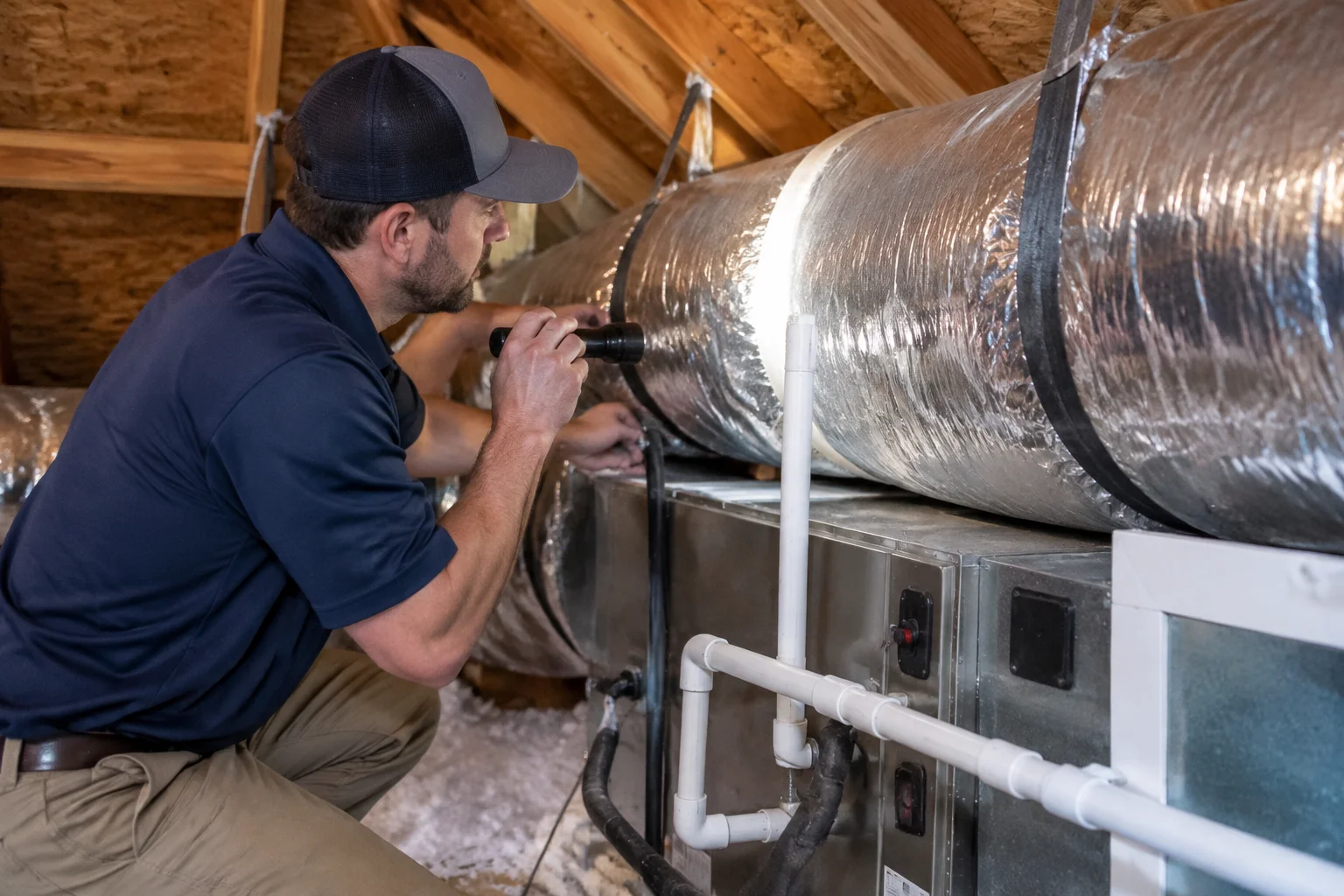
If you are planning smart thermostat installation, it is smart to ask about duct inspection near you and whether ductwork needs attention. In some cases, a duct inspection can reveal issues like:
- Loose duct joints allowing conditioned air to escape
- Blocked returns that limit airflow
- Supply vents that do not deliver enough air to key rooms
- Signs that ductwork has collected dust and debris
Overlooking indoor air quality and filtration needs
Smart thermostats may include reminders for filter changes, but homeowners often postpone maintenance. In Bid-A-Wee, HVAC systems can pull in dust and moisture-laden air. If filters are overdue or airflow is restricted, you can end up with reduced comfort and indoor air quality problems.
For a deeper look at how HVAC upkeep supports cleaner air, review How Preventive HVAC Service Supports Cleaner Indoor Air in Bid-A-Wee.
Why “it cools” is not the same as “it cools correctly”
One of the biggest comfort surprises in Florida is when an AC unit runs but the home still feels humid. That can happen when the system is not delivering proper airflow across the evaporator coil, when run times are too short, or when condensate drainage cannot keep up.
Smart thermostat settings can unintentionally worsen these issues. For example, if the thermostat is set to reach a temperature quickly and then shut off early, the indoor coil may not stay cold long enough to remove moisture. The result is air that feels cool at first, but uncomfortable after the initial cycle.
A Superior Mechanical can help you connect thermostat behavior to real comfort outcomes by assessing airflow, condensate drainage performance, and system operation during an on-site visit. If you are dealing with symptoms that feel like “HVAC repair near me” is needed, start with a professional evaluation rather than changing thermostat settings repeatedly.
When smart thermostat installation should be paired with HVAC maintenance
Upgrading controls can be a great move, but it should not be a substitute for preventive HVAC maintenance. Before or soon after installation, homeowners in Bid-A-Wee benefit from verifying that key parts of the system are in good working order.
AC tune up and system checks
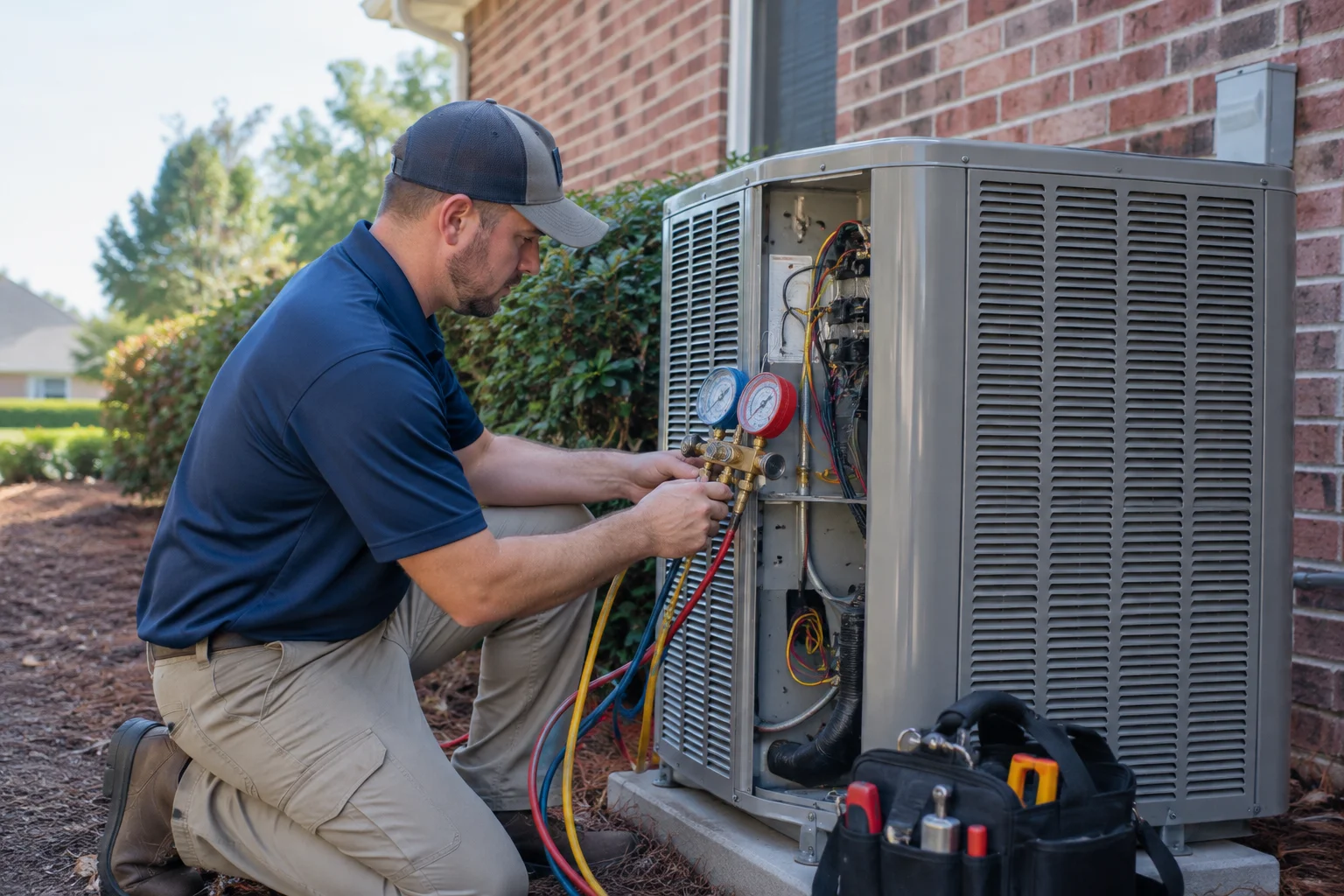
An AC tune up helps confirm the system is ready to cool efficiently through Florida’s heat. During a maintenance visit, a technician can inspect components that affect airflow and performance, including elements related to refrigerant systems, indoor coil condition, and overall operational stability.
Heat pump service and airflow balance
If your home uses a heat pump, thermostat control impacts heating and cooling behavior. Heat pump comfort depends on how the outdoor and indoor sections cooperate, and airflow needs to match the system’s operating mode. If you are searching for HVAC service near me because you suspect inconsistent comfort, pairing smart thermostat setup with heat pump service can prevent frustration.
Condensate drainage and moisture management
In humid conditions, condensate drainage is critical. If drainage is partially blocked, water can back up, create moisture problems, or affect system operation. Even if the thermostat is “perfect,” poor drainage can still lead to comfort complaints and potential damage. A professional can inspect drainage during service visits.
How to choose smart thermostat settings for Bid-A-Wee comfort
You do not need to memorize every feature, but you do want settings that align with how your HVAC system removes heat and moisture. Here are practical setup ideas homeowners can discuss with their installer.
Start with realistic temperature targets
Setting aggressive temperature targets can increase cycling and may reduce dehumidification. Consider choosing targets that feel comfortable without constantly forcing the system to ramp up and shut down quickly.
Use humidity-aware comfort goals when available
If your thermostat supports humidity control or related comfort modes, ask how those settings interact with your equipment. The goal is balanced comfort, not just lower temperature.
Review fan behavior after the first few days
After installation, pay attention to how your home feels across the day. If rooms feel muggy, the system may not be running long enough or airflow may be restricted. If rooms feel too dry or uneven, fan operation and scheduling may need adjustment. A professional can help refine settings based on actual performance.
Understanding energy use and why “smart” does not always mean “cheaper”
Smart thermostats can help reduce energy waste, but they can also increase energy use if configured poorly. For example, frequent adjustments, continuous fan settings that run when the system would otherwise cycle normally, or overly aggressive recovery can all raise demand.
In Bid-A-Wee, the cost drivers are often comfort strategy and airflow efficiency. If your ductwork is leaking or blocked, the system may run longer to achieve the thermostat target. If your refrigerant system is not performing as expected, the thermostat may call for cooling more often than it should. That is why energy savings claims without a system check can be misleading.
Salt air and humidity: why corrosion and buildup make professional setup even more important
Bid-A-Wee homes experience coastal influences, and salt air can contribute to corrosion over time. Humidity also supports buildup on surfaces and can affect how air moves through the system. When control settings are off, the HVAC system may compensate by running longer. That extra runtime can accelerate wear and make future HVAC repairs more likely.
Professional HVAC service helps you avoid that spiral by confirming that the system can respond correctly to thermostat commands and that airflow and moisture management are working together.
What to ask A Superior Mechanical during smart thermostat installation
If you want smart thermostat installation in Bid-A-Wee, it helps to have a short list of questions. Here are the most useful ones to ask so you get better airflow, better comfort, and fewer surprises.
- Is my current thermostat wiring and HVAC control setup compatible with this smart thermostat model?
- How should we set fan operation to support humidity removal in this climate?
- Should we review ductwork performance or schedule a duct inspection near me before finalizing settings?
- Can we confirm condensate drainage is clear and operating properly?
- Do you recommend an AC tune up or HVAC maintenance near me as part of the upgrade?
- If I have uneven comfort, what airflow or ductwork adjustments should we consider?
These questions keep the focus where it belongs: thermostat control plus HVAC system performance. If you are managing multiple units, you can also ask about Property Management HVAC Services for consistent comfort across rentals.
Preventive maintenance that protects comfort after the upgrade
Once your smart thermostat is installed, the work does not stop. Preventive HVAC maintenance helps keep airflow steady and keeps indoor air quality in a healthier range.
Filters, airflow, and indoor air quality
Replace filters on schedule and keep return air pathways clear. When airflow drops, the system can struggle to remove moisture. That is when homeowners often feel like “the thermostat is wrong,” even though the system is simply not moving air the way it should.
Consider duct cleaning or duct inspection based on conditions
Homeowners sometimes look for duct cleaning near me when they notice dust, odors, or persistent airflow problems. The better first step is usually duct inspection near me to determine whether cleaning is actually needed and whether there are leaks or blockages that should be addressed.
Related smart thermostat issues in nearby areas that can apply in Bid-A-Wee
Smart thermostat problems often follow the same patterns across Bay County: humidity control confusion, short cycling due to scheduling, and airflow limitations. If you want more real-world examples, these reads can help you spot issues early:
- Smart Thermostats in Panama City Beach: Small Problems That Can Turn Into Bigger HVAC Headaches
- Smart Thermostats and Smoother Comfort in Destin Homes: Staying Ahead of HVAC Problems Before They Grow
- Smart Thermostats and Fewer HVAC Surprises in Panama City Homes
When to call for emergency cooling instead of adjusting the thermostat
Smart thermostat troubleshooting is useful, but it cannot replace emergency response when your system cannot keep up with Florida heat. If you notice signs of system failure such as warm air blowing from vents, repeated inability to start, unusual burning smells, or the system shutting down repeatedly, do not keep cycling the thermostat. That can delay needed repairs during critical cooling hours.
For urgent situations, use Emergency HVAC Services so your home stays safe and comfortable while the issue is diagnosed on-site.
Smart thermostats and system replacement: what homeowners should know
Some homeowners consider replacing an older HVAC system after a smart thermostat upgrade reveals ongoing performance issues. That decision should be based on an in-person evaluation of the actual system condition, not only thermostat behavior.
A technician can identify whether comfort problems stem from airflow restrictions, condensate drainage concerns, control mismatches, or other HVAC factors. Avoid assuming that equipment replacement is the right move without a professional assessment of your refrigerant system performance, indoor coil condition, and ductwork airflow.
Financing options for comfort upgrades in Bid-A-Wee
If you are planning both smart thermostat installation and necessary HVAC service, ask about HVAC Financing. Many homeowners find that spreading out the cost of an upgrade plus preventive maintenance helps them address comfort issues sooner rather than later.
For homeowners in Bid-A-Wee, smart thermostats work best when they are installed and configured as part of an HVAC comfort plan. When airflow, humidity management, and system operation are aligned, you get better control, steadier comfort, and fewer expensive surprises during the hottest months of the year.
To get started, schedule service with A Superior Mechanical for smart thermostats in Bid-A-Wee, or browse our wider Bid-A-Wee HVAC services and Bay County HVAC coverage.
Find Smart Thermostats in Bid-A-Wee, FL
If you need Smart Thermostats in Bid-A-Wee, FL, visit our local service page or contact A Superior Mechanical today.
Map of Bid-A-Wee, FL
Frequently Asked Questions
Will a smart thermostat automatically improve humidity control in my Bid-A-Wee home?
Not automatically. Humidity comfort depends on how your HVAC system removes moisture, how long it runs, and how airflow moves through your ductwork and indoor coil. A smart thermostat can help, but it must be configured to match your equipment and your home’s comfort needs.
Why does my AC run but my home still feels humid after I install a smart thermostat?
That often points to control settings and system performance issues, such as short cycling from scheduling, fan behavior that reduces dehumidification, restricted airflow, or condensate drainage problems. An on-site HVAC evaluation is the safest way to identify the cause.
Can I install a smart thermostat myself to avoid HVAC repair costs?
DIY installation can work for some setups, but mismatched wiring, incorrect settings, or incompatible HVAC controls can lead to comfort problems and unnecessary wear. Professional installation helps ensure the thermostat controls your system correctly, especially in humid Florida conditions.
Do smart thermostats help with energy use in Bay County?
They can, but results depend on configuration and how efficiently your system is running. If ductwork airflow is restricted or the system is not performing as expected, a thermostat can still increase energy use by calling for cooling more often than necessary.
When should I call for emergency AC repair instead of adjusting thermostat settings?
Call for emergency cooling help if your system repeatedly fails to start, blows warm air during a cooling call, or shuts down unexpectedly, especially during peak heat. In those situations, troubleshooting alone can delay repairs.
Related Articles
- How Preventive HVAC Service Supports Cleaner Indoor Air in Bid-A-Wee
- Smart Thermostats in Panama City Beach: Small Problems That Can Turn Into Bigger HVAC Headaches
- Smart Thermostats and Smoother Comfort in Destin Homes: Staying Ahead of HVAC Problems Before They Grow
- Smart Thermostats and Fewer HVAC Surprises in Panama City Homes
Photo Gallery