Smart thermostats can make it easier to manage comfort in Panama City, FL, especially when Florida heat, humidity, and salty air put extra stress on HVAC systems. But a smart thermostat is only as helpful as the maintenance behind it. Small habits like verifying settings, keeping sensors clean, and watching airflow can prevent wasted energy and help avoid uncomfortable surprises.
If you are looking for smart thermostat installation in Panama City, FL, or you want to keep your current system running smoothly, this guide walks through practical maintenance tips homeowners can do and the issues that are better handled by an HVAC professional.
Why smart thermostats need maintenance in Panama City’s climate
Panama City sits in a hot, humid coastal environment. That means your air conditioning and heat pump run more often, indoor humidity can climb quickly, and HVAC components work harder to keep temperatures stable. Salt air from the coast and the way air moves through ductwork in older homes can also affect performance.
A smart thermostat controls more than temperature. It influences how your system cycles, how long it runs, and how it responds to indoor conditions. If settings drift, sensors get dirty, or the thermostat is not configured correctly for your HVAC setup, you can end up with:
- Short cycling that reduces comfort and increases wear on the system
- Higher energy use because the system runs longer than it should
- Uneven airflow, especially if supply vents are blocked or ductwork is restricted
- Indoor air quality issues when humidity is not managed effectively
Start with the basics: confirm your thermostat setup matches your HVAC system
Before you do anything else, make sure your smart thermostat is configured for the equipment you actually have. In Panama City, homes may use central air conditioning, heat pumps, or systems with different fan behaviors. A mismatch can cause comfort problems that seem “mysterious” until the configuration is corrected.
Look for these common setup issues homeowners can check:
- System type: Confirm the thermostat is set for the correct equipment mode, such as cooling only versus heat pump operation.
- Fan settings: Make sure the fan behavior matches what your system needs. “Always on” fan can increase airflow and comfort in some situations, but it can also increase humidity and energy use if the system is not designed for it.
- Temperature limits and schedules: Review vacation or sleep schedules so your system is not fighting Florida humidity by overcorrecting.
- Sensor placement: Avoid placing the thermostat where it will read heat from direct sunlight, nearby appliances, or HVAC airflow that does not reflect the rest of the home.
If you are searching for smart thermostats and fewer HVAC surprises in Panama City homes, this step is one of the biggest “prevention wins.”
Keep airflow healthy: vents, returns, and ductwork matter
Smart thermostats can only measure what is happening where the sensors are. If airflow is weak or restricted, the thermostat may think the home is not cooling enough and keep running the system longer. That can also affect humidity removal, which is crucial in Bay County’s muggy summers.
Homeowners can do these practical checks:
Check and clear supply vents and returns
Make sure furniture, curtains, and rugs are not blocking registers. Verify return vents are not obstructed by storage or closed doors. If certain rooms always feel hotter or colder, that can point to ductwork issues or airflow imbalance.
Watch for airflow problems that feel like thermostat issues
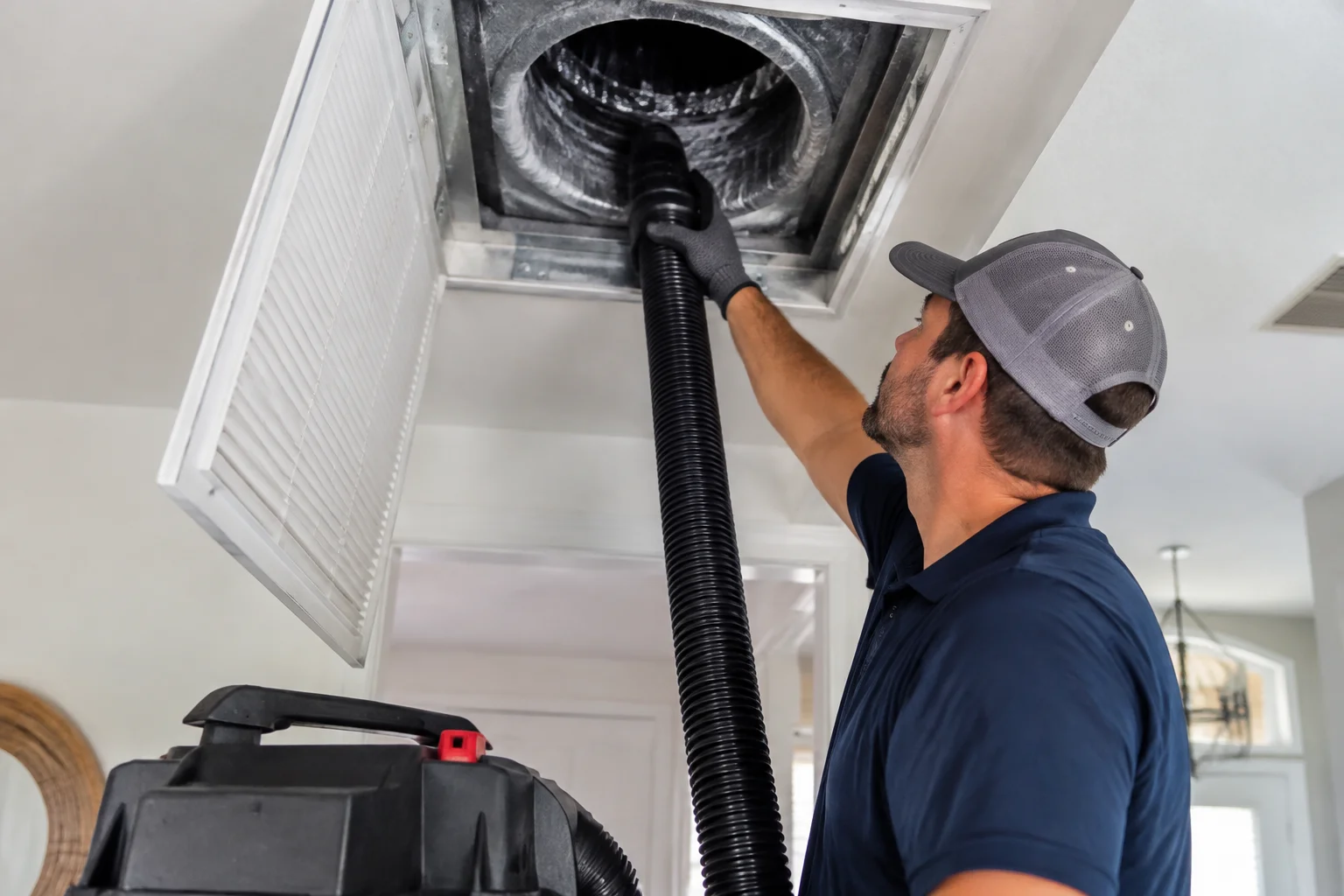
Airflow complaints often get mistaken for thermostat problems. If you notice weak airflow, persistent hot spots, or rooms that never seem to reach the set temperature, consider duct inspection and ductwork service. For homeowners looking for duct inspection near me or duct cleaning near me, it is worth starting with a professional assessment rather than guessing.
In some homes, duct sealing can reduce air loss. If you are evaluating upgrades, you can explore duct sealing or duct sealing and Aeroseal services.
Humidity control: smart thermostats should help, not hinder
In Panama City, humidity is not a minor comfort issue. When humidity stays high, the home can feel warmer than the thermostat setting, and indoor air quality can suffer. Many smart thermostats include humidity sensing and comfort features, but they still rely on your HVAC system performing correctly.
Use these maintenance habits to support humidity control:
- Replace filters on schedule: Dirty filters restrict airflow and reduce the system’s ability to remove moisture.
- Confirm indoor humidity readings: If your thermostat reports humidity levels that seem inconsistent with how the home feels, your sensor location or HVAC performance may be off.
- Check for condensate drainage issues: During cooling seasons, condensate drainage helps remove moisture. If drainage is slow or blocked, you may see water problems and reduced dehumidification.
If you suspect condensate drainage problems, do not rely on thermostat alerts alone. A professional HVAC inspection is the safest way to verify condensate drainage, airflow, and system operation.
Sensor care: clean the thermostat and protect accurate readings
Smart thermostats include sensors that can drift if they are exposed to dust or airflow patterns that do not represent the rest of the home. Simple maintenance can help keep readings reliable.
Practical sensor care steps:
- Turn off power at the thermostat or HVAC system before cleaning if your model requires it. Follow the manufacturer guidance for safe cleaning.
- Gently remove dust from the thermostat face and around vents. Avoid moisture getting into the thermostat.
- Reconsider sensor placement if the thermostat is near a hallway draft, kitchen heat, or a sun-exposed wall.
For homeowners asking about HVAC controls service near me, accurate sensor location is often part of the conversation. If the thermostat is reading “correct” temperatures but the home still feels off, the issue may be airflow, ductwork, or system performance.
Review schedules and setbacks carefully during Florida summers
Smart thermostats are popular because they can schedule comfort and allow remote control. But during Panama City summers, aggressive setbacks can lead to heavy re-cooling. That can strain the refrigerant system and increase run time, especially if humidity is high.
Instead of large temperature swings, consider:
- Using smaller schedule changes that maintain comfort while still reducing energy use
- Setting hold times for when the home is occupied rather than relying on long off periods
- Using “vacation mode” thoughtfully for rentals and second homes so humidity does not climb unchecked
If you manage a rental or property with frequent tenant changes, smart thermostat programming should be simple, consistent, and aligned with your HVAC system. A helpful next step is reviewing Property Management HVAC Services for guidance on keeping systems reliable between stays.
Watch for warning signs that the thermostat is not the real problem
Smart thermostats can display errors or behave unexpectedly, but comfort issues are often caused by HVAC system conditions like airflow restrictions, refrigerant system problems, or condensate drainage faults. Homeowners can watch for patterns that suggest the thermostat is not the root cause.
Common warning signs include:
- System runs constantly and the temperature never stabilizes
- Frequent short cycling where the system turns on and off rapidly
- Uneven cooling where some rooms feel much hotter or colder
- High indoor humidity even when the thermostat is set for cooling
- Strange noises or odors that appear when the system cycles
If any of these show up, avoid assuming it is a “settings” problem. Refrigerant systems and air conditioning components need an in-person evaluation. Do not attempt refrigerant diagnosis yourself, and do not treat thermostat behavior as proof that the refrigerant system is fine.
Emergency cooling concerns: plan for outages and hot spells
Florida heat can turn uncomfortable quickly, especially during storms when power may be unstable. Smart thermostats can still help with monitoring, but they should not be the only layer of protection.
Practical steps for emergency cooling concerns:
- Know how your thermostat behaves during outages so you are not surprised when power returns.
- Keep filters clean before peak summer weeks.
- Maintain clear access to the HVAC equipment area so technicians can inspect quickly if needed.
If you want to reduce the stress of a breakdown during peak demand, read Why 24/7 HVAC response matters in Panama City homes so you can plan ahead for hot-weather emergencies.
How preventive HVAC maintenance supports smart thermostat performance
A smart thermostat can improve comfort and energy use, but preventive HVAC maintenance keeps the system ready to respond accurately to your settings. This is where professional service matters most in Bay County, where humid summers can reveal weaknesses.
During preventive HVAC maintenance, an A Superior Mechanical technician can review system operation, airflow, and comfort performance. Maintenance typically includes checks that help support:
- Airflow and ductwork performance so the thermostat senses conditions that match the rest of the home
- Indoor air quality by addressing common causes of poor air movement and comfort
- Cooling and heat pump operation so the system can manage humidity effectively
- Condensate drainage so moisture removal stays consistent during cooling season
If you are also concerned about air quality, you can explore indoor air quality services near me and discuss options that fit your home.
Smart thermostat installation and upgrades: why local HVAC contractors matter
When homeowners search for HVAC contractor near me or smart thermostat installation near me, the goal is more than a clean wall mount. The install needs to match the HVAC controls, airflow behavior, and operating modes of your system.
In Panama City, that can include:
- Ensuring the thermostat is compatible with your existing HVAC controls
- Verifying proper configuration for cooling and, if applicable, heat pump operation
- Confirming that the thermostat location supports accurate temperature and comfort sensing
Professional installation helps reduce the chance of “phantom” comfort issues that look like thermostat errors but are actually control configuration or airflow problems. If you are comparing options, you can review the service page for smart thermostats in Panama City.
When to call for HVAC repair instead of adjusting the thermostat
Smart thermostats are convenient, but they cannot fix a failing component. If your system needs AC repair, air conditioning service, or heat pump service, addressing the HVAC issue is the real path to stable comfort.
Call an HVAC professional if you notice:
- Cooling performance drops and the system cannot reach set temperatures
- Humidity control worsens, especially during peak summer
- Condensate drainage seems backed up or you notice water where it should not be
- The system cycles unusually, with repeated start and stop behavior
- You see persistent error codes or the thermostat repeatedly loses connection
For homeowners searching for AC repair near me or heat pump repair near me, it is smart to ask the technician to evaluate airflow, condensate drainage, and system operation. Avoid trying to diagnose refrigerant or electrical issues yourself. Those require safe, in-person checks.
Small maintenance habits that add up
If you want a simple routine that supports energy use, comfort, and indoor air quality, focus on these habits:
- Replace filters on schedule and confirm the right filter type for your system
- Keep vents and returns clear so airflow stays consistent
- Review schedules and avoid extreme setbacks during humid weeks
- Clean the thermostat gently to support accurate sensor readings
- Schedule preventive HVAC maintenance before peak cooling demand
These habits help your HVAC system deliver the airflow and moisture removal your thermostat expects. That is how smart thermostats turn into real comfort improvements instead of ongoing troubleshooting.
Where to get help in Bay County
Whether you are in Panama City proper or nearby areas in Bay County, working with a local HVAC service provider helps you plan for the realities of Florida heat and humidity. If you want to keep your system running efficiently and avoid mid-summer breakdowns, start with HVAC care that matches your home, your ductwork, and your thermostat setup.
You can also browse more local coverage on the Panama City service area page and the broader Bay County service area for additional HVAC options.
If you want to compare smart thermostat approaches for different home types, these reads may help: Keeping your cool in Panama City Beach without letting smart thermostats create bigger HVAC problems and Smart thermostats in Panama City Beach: Small problems that can turn into bigger HVAC headaches.
Find Smart Thermostats in Panama City, FL
If you need Smart Thermostats in Panama City, FL, visit our local service page or contact A Superior Mechanical today.
Map of Panama City, FL
Frequently Asked Questions
How often should I clean or check my smart thermostat in a Panama City, FL home?
Plan a quick visual check a few times per year, and clean dust from the thermostat face as recommended by the manufacturer. If your home has heavy dust, pets, or the thermostat is near an air path, you may need to check it more often. If readings seem off, an HVAC professional can help confirm sensor placement and system performance.
Can a smart thermostat cause AC repair problems?
A smart thermostat usually does not “cause” equipment failure, but it can reveal underlying issues. If airflow is restricted, humidity control is weak, or the thermostat is misconfigured for your HVAC system, it may push the system to run longer than necessary. That can increase wear. If you are seeing comfort drops or unusual cycling, schedule smart thermostat support alongside an HVAC inspection.
Why does my home feel humid even when the thermostat is set to cool?
High humidity can point to airflow restrictions, filter issues, condensate drainage problems, or cooling system performance concerns. A smart thermostat may read temperature correctly while the system struggles to remove moisture. An in-person HVAC evaluation is the right next step for accurate troubleshooting.
What should I do if my smart thermostat says the AC is running but the house is not cooling?
First, check for obvious airflow blockages like closed vents or dirty filters. If the problem continues, contact an HVAC professional for an inspection. Do not attempt refrigerant diagnosis or electrical troubleshooting yourself. In humid Florida weather, cooling performance issues can become urgent when indoor comfort and humidity control matter.
Is duct cleaning or duct inspection helpful for smart thermostat performance?
It can be, especially if you notice uneven temperatures, weak airflow, or persistent hot spots. Before cleaning, consider a duct inspection to identify airflow restrictions. If ducts need attention, services like duct sealing may improve air delivery and help the thermostat reflect real comfort conditions.
Related Articles
- Smart Thermostats in Panama City Beach: Small Problems That Can Turn Into Bigger HVAC Headaches
- Smart Thermostats and Fewer HVAC Surprises in Panama City Homes
- Keeping Your Cool in Panama City Beach Without Letting Smart Thermostats Create Bigger HVAC Problems
- Why 24/7 HVAC Response Matters in Panama City Homes
Photo Gallery