Bluewater Bay, FL can be a tough place for air conditioning. Humidity lingers, warm coastal air pushes cooling systems hard, and salt air can add stress to outdoor equipment. When your AC starts acting up, homeowners often focus on the loud symptoms, like warm rooms or strange sounds. Smart maintenance goes deeper by improving airflow, supporting refrigerant system performance, and keeping condensate drainage and controls working the way they should.
This guide shares practical, homeowner-friendly HVAC tips tied to air conditioning repair in Bluewater Bay. It also explains why professional HVAC service in Bluewater Bay matters when problems involve refrigerant systems, condensate drainage, or thermostat operation. If you are searching for HVAC company near me or air conditioning repair near me, these steps can help you troubleshoot thoughtfully before you call.
Why airflow problems show up first in Bluewater Bay homes
Most AC performance issues are felt as airflow issues. In a humid Florida climate, weak airflow can cause comfort complaints and also increase indoor humidity, which makes the system work harder to maintain temperature.
Common airflow causes homeowners can spot
Before you assume a refrigerant problem, check airflow-related items you can safely observe:
- Warm rooms or uneven cooling across bedrooms or living areas. Hot spots often point to airflow restrictions, ductwork issues, or thermostat placement problems.
- Weak supply air from vents even when the system runs. This can relate to dirty filters, blocked returns, or ductwork that needs inspection.
- High humidity in the house even when the temperature seems close. Poor airflow and restricted condensate drainage can both contribute to moisture problems.
- Ice on the indoor coil or refrigerant lines. Ice can be a symptom of airflow restriction, low airflow across the coil, or other conditions that require in-person evaluation.
Why airflow and ductwork are not “set and forget”
Bluewater Bay homes can include layouts where duct runs are longer, or where supply registers are affected by furniture placement, window coverings, and seasonal changes. If you are noticing airflow complaints, it helps to read them as a system issue rather than a single-vent problem.
If you suspect ductwork problems, you are not alone. For a deeper look at how airflow is affected, read Why Ductwork Problems Hit Bluewater Bay Homes Harder Than You Think. For duct-specific service options, consider Duct Replacement when ductwork is damaged or severely undersized.
Humidity control is part of AC repair, not just comfort
In Florida heat and humidity, air conditioning is also a dehumidification system. When humidity is high, many homeowners interpret it as a “temperature problem.” In reality, the system may be cooling but not removing moisture effectively.
Condensate drainage: the quiet reliability factor
As AC runs, indoor humidity condenses on cooling surfaces and drains through condensate drainage components. If condensate drainage is restricted, the system can back up moisture, reduce cooling efficiency, and contribute to water issues around the indoor unit.
Homeowners can watch for early clues:
- Musty odors near air handlers or closets where indoor equipment sits.
- Water collecting around the unit or near a drain line.
- Frequent shutdowns or performance changes during humid afternoons.
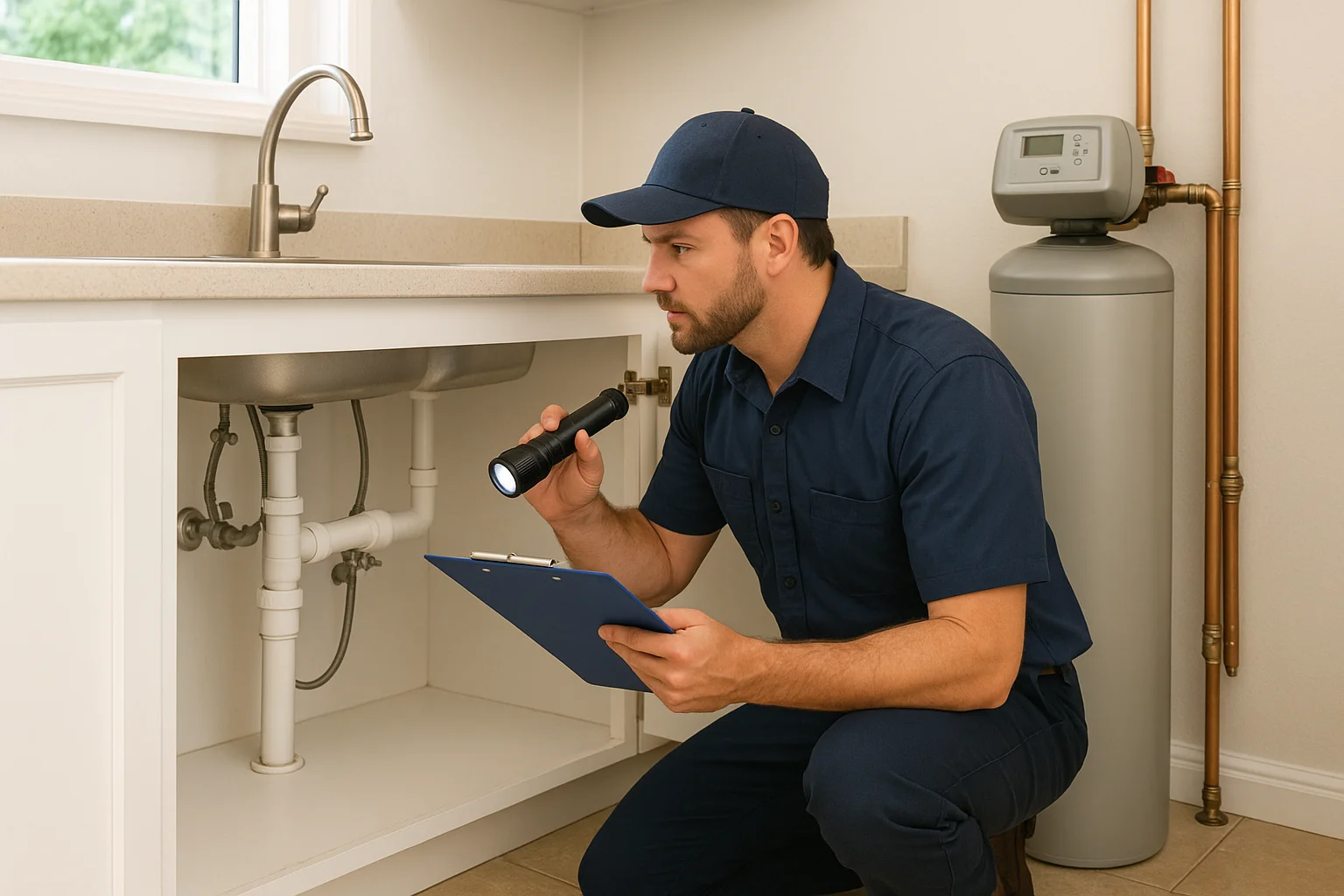
Because condensate drainage involves internal components, it is best handled by a local HVAC technician. A professional AC repair visit can include inspecting drainage pathways and verifying that the air handling process is supporting proper moisture removal.
Refrigerant systems: what homeowners should know before troubleshooting
Refrigerant systems are essential to cooling performance. However, homeowners should not attempt refrigerant diagnosis on their own. Refrigerant work requires training and proper tools, and the right “fix” depends on what is actually happening in the system.
How airflow and filtration connect to refrigerant performance
Even though refrigerant is inside a sealed system, airflow problems can affect coil temperatures and system behavior. Dirty filters, blocked returns, or restricted ductwork can reduce airflow across the evaporator coil. That can lead to poor cooling, coil icing, and system strain.
What you can do safely is focus on airflow support: replace filters on schedule, keep return air paths clear, and ensure vents are not blocked. If symptoms persist, that is the point to schedule air conditioning inspection near me or HVAC service near me so a technician can evaluate the full system.
Thermostats and controls: small settings that can cause big comfort issues
Modern thermostats can be helpful, but they can also contribute to comfort complaints if settings or wiring are off, or if the thermostat is installed in a spot that does not reflect the temperature of the occupied rooms.
Check these thermostat behaviors
- Fan mode: “On” can run the blower continuously, which may feel like it is helping but can also increase humidity and energy use depending on how the system cycles.
- Temperature swings: If the thermostat seems to “miss” the target temperature, it could be due to sensing location, calibration, or system performance issues.
- Schedule changes: Vacation modes and schedule overrides can create the impression of a repair problem when the system is actually operating differently than expected.
When you suspect thermostat behavior is part of the problem, ask about thermostat installation and verification during your HVAC visit. If you need thermostat-focused support, look for indoor air quality services only if comfort issues include air quality concerns, and then let the technician guide the right path.
Outdoor units in salt-air climates: reliability tips that actually matter
Bluewater Bay is near coastal conditions, and salt air can add corrosion stress to outdoor equipment. Coastal exposure combined with Florida storms and pollen seasons can lead to performance drops that homeowners notice as “the AC is not cooling like it used to.”
What you can do without harming the system
- Keep shrubbery trimmed so airflow around the outdoor unit is not blocked.
- Clear debris from around the unit after storms. Avoid pushing debris into the unit.
- Watch for abnormal noise, such as grinding or rattling, which can indicate fan or mounting issues.
- Do not spray unknown cleaners directly on coils or fins. Improper cleaning can damage components.
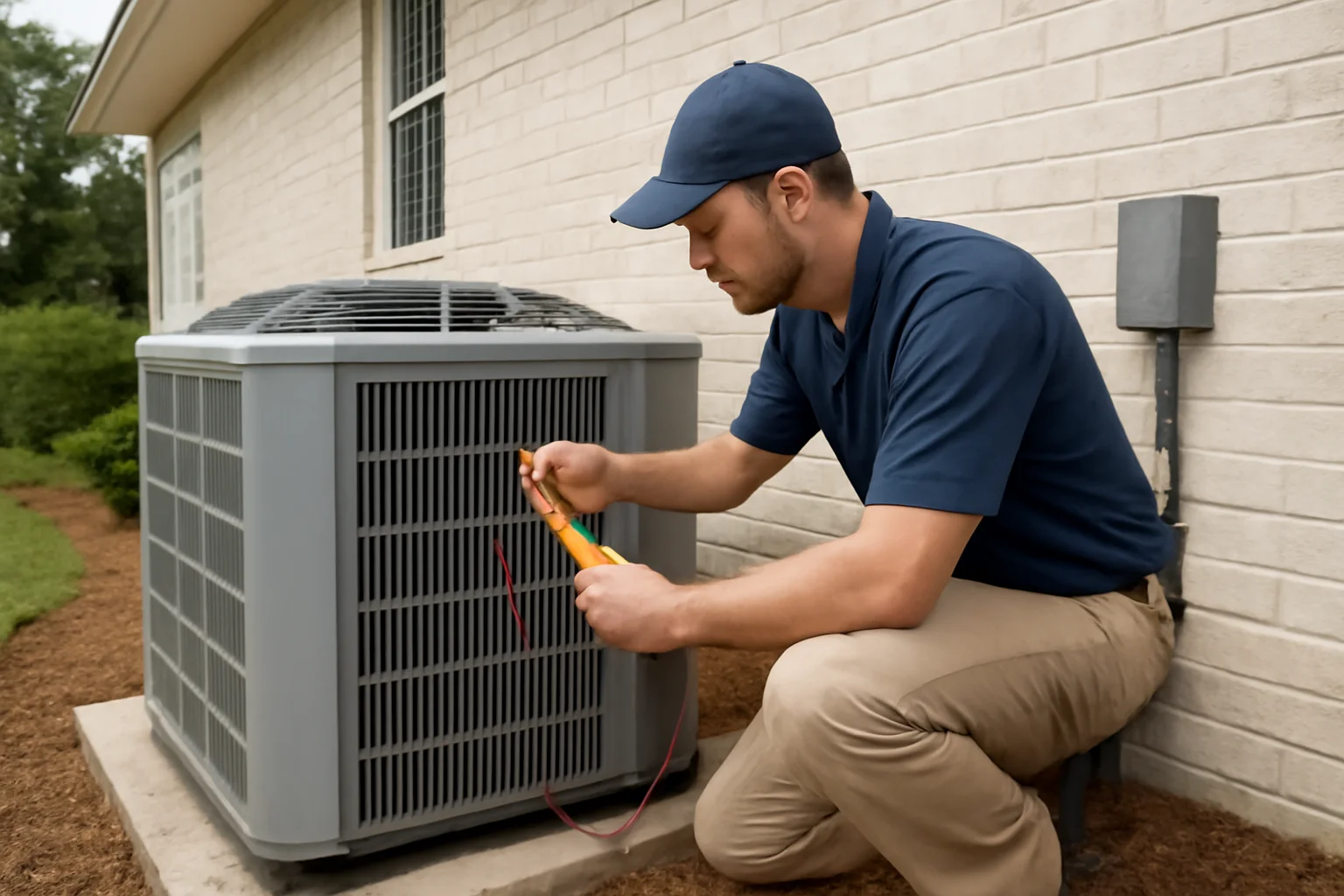
For homeowners who want to improve reliability, outdoor unit care should be part of HVAC maintenance near me planning, not a DIY project. A technician can inspect coil condition, airflow, drainage concerns related to the indoor coil, and overall system operation.
Energy use: why “it runs all day” can be a repair clue
In Florida heat, energy use often rises during the hottest months. But if your system seems to run constantly, it can be a sign of an underlying airflow, humidity, or control issue. When airflow is restricted, the system may not reach temperature targets efficiently. When humidity is not removed properly, the system may cycle more often to maintain comfort.
Instead of trying to guess the cause, treat unusual run times as a signal to schedule professional evaluation. This is especially important if you are seeing:
- Long run times with weak cooling
- Frequent short cycling
- Rising humidity despite normal thermostat settings
Technicians can evaluate the full air conditioning system, including airflow pathways, condensate drainage concerns, thermostat operation, and the refrigerant system as needed. Homeowners should not attempt a refrigerant diagnosis without an in-person professional assessment.
Heat pump considerations for Bluewater Bay homeowners
Some Bluewater Bay homes use heat pumps, which can provide heating and cooling. In humid Florida summers, heat pump cooling performance depends on the same core principles: airflow, coil cleanliness, condensate drainage, and correct thermostat control.
Why heat pump issues can feel like “AC repair”
If your heat pump is struggling, you may notice cooling problems similar to a traditional AC system. If you are searching for heat pump repair near me, it helps to describe what you are experiencing, such as weak airflow, humidity discomfort, or unusual cycling.
If you are considering new equipment, ask about heat pump installation near me during an assessment. For replacement guidance, you may also want to review Air Conditioning Replacement to understand how technicians evaluate system capacity and home comfort needs.
Preventive maintenance habits that support fewer repair calls
Smart HVAC maintenance is not about chasing every small change. It is about reducing the conditions that lead to breakdowns: restricted airflow, dirty coils, drainage problems, and neglected controls.
Simple homeowner maintenance that protects AC performance
- Replace filters on schedule. If you have pets, higher dust levels, or seasonal allergies, you may need to replace more often.
- Keep returns clear. Do not block return grilles with furniture, rugs, or storage.
- Check thermostat location. Avoid placing it where direct sunlight or heat sources can skew readings.
- Watch condensate drainage. If you notice moisture issues, address them promptly.
Schedule professional HVAC maintenance before peak summer stress
In the Bluewater Bay area, scheduling preventive HVAC service before the hottest stretches can reduce the odds of a mid-summer breakdown. If you want a maintenance-focused breakdown of why this matters, read Why Preventive HVAC Service Pays Off for Air Conditioning Repair in 30A, FL. Even though the area is different, the humidity and cooling demands follow similar patterns.
Maintenance visits can also help homeowners spot ductwork problems earlier and address indoor air quality concerns before they become comfort issues. If indoor air quality matters to you, explore Indoor Air Quality Services as part of a broader comfort plan.
When you should treat it as an emergency cooling concern
Florida heat can escalate quickly. If your system fails during a heat wave, it is not just inconvenient. It can become an emergency cooling concern, especially for children, older adults, or anyone sensitive to heat.
Call for emergency HVAC services if you see these issues
- The AC stops cooling and will not restart properly.
- The indoor unit runs but there is no meaningful airflow from vents.
- You notice water around the unit along with cooling failure or unusual operation.
- The system makes loud, repeated noises or shows signs of overheating.
If your cooling system is down and you need help quickly, use Emergency HVAC Services for fast support.
How to talk to your technician so you get the right AC repair for the right cause
When you call an HVAC company, the fastest path to accurate air conditioning repair is clear communication. You do not need to diagnose refrigerant systems or electrical components. You do need to describe symptoms and timing.
Gather a few details before the appointment
- When the problem started and whether it began after a storm, power fluctuation, or seasonal change.
- Which rooms are affected most and whether airflow feels weak.
- Whether humidity feels worse than usual.
- Any visible signs like ice on coils or moisture near the indoor unit.
- Thermostat behavior, including fan settings and schedule changes.
This kind of information helps a local HVAC technician evaluate airflow, condensate drainage, ductwork performance, thermostat settings, and system reliability. It also reduces the chances of chasing the wrong issue.
Smart maintenance also means knowing when replacement is the better route
There are moments when repairs are not the best long-term plan. A professional evaluation can help determine whether ongoing air conditioning repair is likely to keep paying off or whether HVAC replacement near me planning makes more sense for your home.
Replacement conversations often involve:
- Repeated repair needs during the same cooling season
- Comfort issues that persist even after airflow and ductwork concerns are addressed
- System performance that cannot maintain indoor comfort during peak humidity
If replacement is on your radar, review Air Conditioning Replacement and ask the technician to explain the options for your home’s layout, airflow needs, and indoor air quality goals.
Choosing A Superior Mechanical for air conditioning repair in Bluewater Bay
Homeowners in Bluewater Bay rely on local HVAC expertise because the climate is specific. Florida heat and humidity, coastal salt air, and the way homes are built all influence how AC systems perform over time. A Superior Mechanical focuses on reliable air conditioning repair for homes, rentals, and businesses across Okaloosa County.
If you are planning preventive HVAC maintenance or troubleshooting airflow and humidity concerns, start with a visit focused on the whole system, not just one symptom. You can reach the right service page at /service-areas/okaloosa-county/bluewater-bay/air-conditioning-repair-bwbfl, or learn more about service coverage at /service-areas/okaloosa-county/bluewater-bay.
Find Air Conditioning Repair in Bluewater Bay, FL
If you need Air Conditioning Repair in Bluewater Bay, FL, visit our local service page or contact A Superior Mechanical today.
Map of Bluewater Bay, FL
Frequently Asked Questions
Why is my AC blowing air but my home still feels humid in Bluewater Bay?
Humidity can stay high when airflow is restricted, the indoor coil is not removing moisture effectively, or condensate drainage is not working properly. A technician can inspect airflow, check drainage pathways, and evaluate system operation so you get an accurate repair plan.
Can a dirty air filter cause AC problems beyond weak airflow?
Yes. A clogged filter can reduce airflow across the evaporator coil, which can lead to poor cooling, higher humidity, and even coil icing. Replace filters on schedule, and if symptoms continue, schedule an air conditioning inspection near you.
Should I try to diagnose refrigerant issues myself?
No. Refrigerant diagnosis requires proper training and tools. Homeowners should focus on airflow and comfort symptoms, then schedule an in-person evaluation for air conditioning repair.
What’s the quickest way to prepare for an AC repair appointment?
Write down when the problem started, which rooms are affected, whether humidity is worse, thermostat settings, and any visible signs like water around the indoor unit or ice on coils. This helps the technician evaluate airflow, condensate drainage, and system operation efficiently.
When does an AC issue become an emergency cooling concern?
If the AC stops cooling during a heat wave, will not restart, or you notice water around the indoor unit along with cooling failure or unusual noises, treat it as urgent. Use emergency HVAC services so your home can stay safe and comfortable.
Related Articles
Photo Gallery