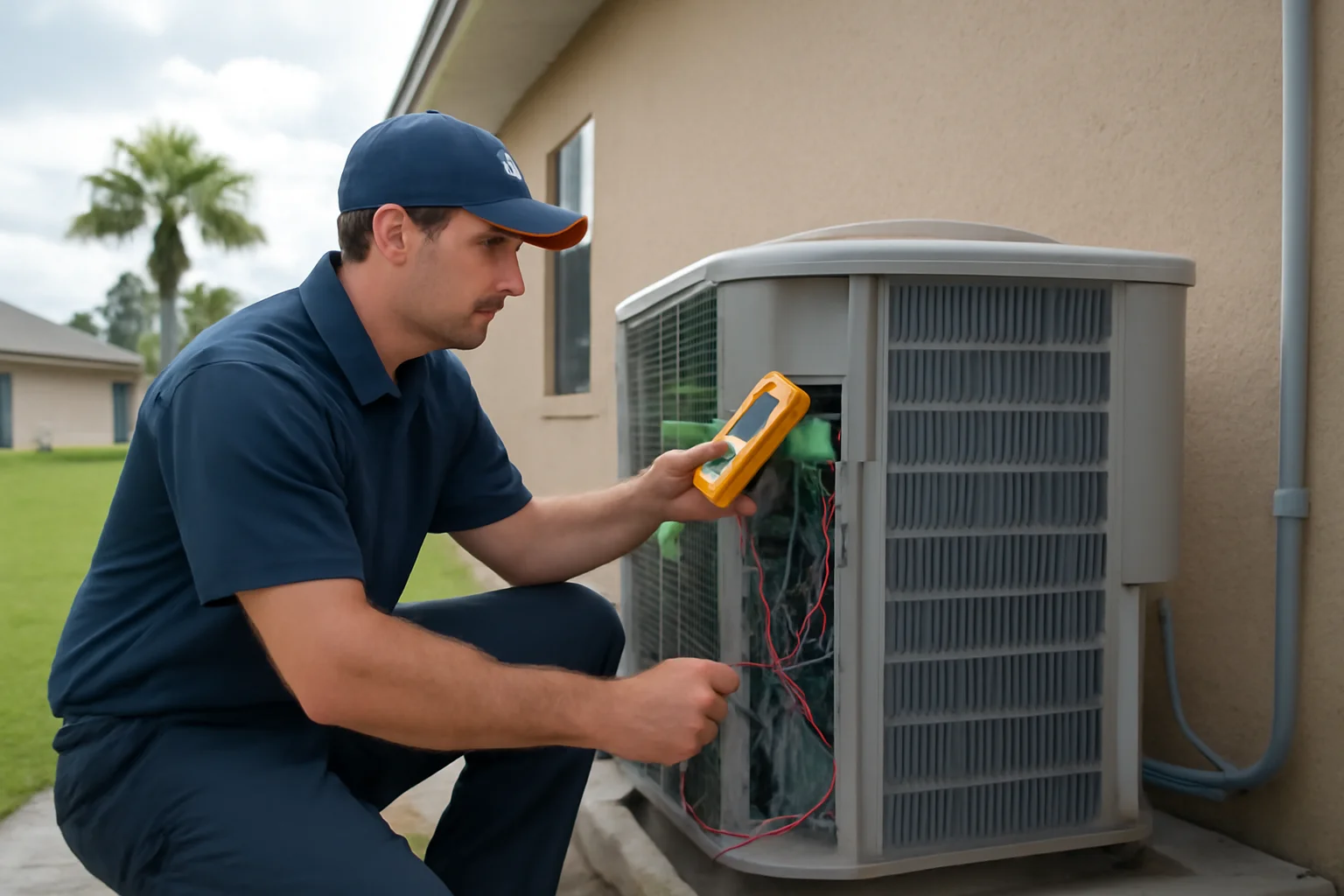
Inlet Beach homes sit in a challenging mix of coastal humidity, salty air, and seasonal temperature swings. That environment puts real demands on heating control systems, whether your home is older with legacy ductwork and thermostats or newer with modern equipment and tighter construction. The good news is that better HVAC maintenance can make those heating controls work the way they are supposed to. When airflow is steady and components stay clean and properly adjusted, thermostats and control logic can regulate comfort more accurately, with fewer interruptions.
If you are searching for heating control systems in Inlet Beach, this guide explains how maintenance supports both older and newer setups. It also covers common causes of poor heating performance in Walton County homes, what homeowners can do between service visits, and when to call an HVAC contractor.
Why heating control systems struggle in Inlet Beach climates
Heating control systems do more than turn heating on and off. They help coordinate how your furnace or heat pump, blower, refrigerant system, and ductwork respond to indoor conditions. In coastal Florida, humidity and salt air can influence how well the system maintains stable operation.
Humidity affects airflow and comfort feedback
Inlet Beach humidity can be high, especially during summer and shoulder seasons. When indoor humidity stays elevated, you may feel warmer or cooler than the thermostat setting suggests. Some systems compensate by adjusting blower speed or heating demand, but those decisions rely on sensors, airflow, and proper duct performance. If airflow is restricted, the system may cycle more often or fail to deliver consistent heat.
Salt air and dust build up over time
Coastal air brings more airborne contaminants indoors. Over months and years, that can contribute to clogged filters, dust on blower components, and buildup on heat exchanger surfaces or other parts of the refrigerant system. Maintenance helps keep those components operating efficiently so the heating control system can respond promptly without overworking the equipment.
Older homes may have legacy ductwork and thermostat setups
Older Inlet Beach homes can have ductwork that was designed for a different airflow balance, different comfort expectations, or different equipment. Thermostats may be older models or wired in ways that do not fully support modern control features. Even if the system runs, uneven airflow can make the thermostat “think” the home is reaching temperature while some rooms remain under-conditioned.
Newer homes can still face reliability issues
Newer construction often uses improved insulation and tighter envelopes. That is helpful, but it can also increase the importance of correct airflow and correct control settings. If duct sealing and airflow balance are off, the heating control system may not achieve the expected temperature distribution. In addition, humid coastal air can still affect condensate drainage on systems with evaporator coils or cooling components, which can indirectly impact heating performance and indoor air quality.
How HVAC maintenance improves heating control performance
Heating control systems work best when the rest of the HVAC system supports them. Preventive HVAC maintenance is not just about keeping equipment running. It helps ensure that the control signals match real-world airflow and temperature conditions.
Cleaner airflow paths help controls respond accurately
Many heating control decisions depend on how quickly conditioned air moves through the home. When filters are dirty or return air pathways are restricted, the blower can move less air than expected. That can change temperature stratification and delay the response that the thermostat or zoning controller is designed to measure.
Regular service typically includes filter guidance, inspection of blower and air passages, and attention to ductwork airflow issues. If you are dealing with uneven temperatures, maintenance can be paired with duct sealing to reduce leaks that rob the system of the airflow your heating controls are trying to deliver.
Refrigerant system health supports stable heating operation
In heat pump and air conditioning systems, the refrigerant system plays a major role in how heating is delivered. When components are dirty or airflow is not correct, the refrigerant system can operate under stress. A maintenance visit focuses on airflow and cleanliness so the refrigerant cycle can run as intended.
Homeowners should know that refrigerant issues require an in-person evaluation. A technician can check system performance using appropriate tools and procedures. Maintenance can reduce the likelihood of problems that lead to unreliable heating control behavior, such as short cycling, inconsistent demand, or reduced comfort.
Condensate drainage matters for overall comfort and reliability
Even in heating seasons, HVAC systems may still handle moisture during transitional months. If condensate drainage is restricted or drain lines are not functioning properly, moisture can affect indoor air quality and system reliability. In cooling operation, a clogged drain can lead to shutdowns or performance changes that also show up as temperature control problems.
During maintenance, professionals can inspect condensate drainage components so the system can manage moisture without interruption. This is one of the quieter reasons homeowners feel “temperature problems” that are actually moisture and airflow-related.
Thermostats and sensors need correct placement and proper operation
Heating control systems may include smart thermostats, remote sensors, zoning controls, or integrated HVAC controllers. These devices rely on accurate temperature readings and proper communication with the HVAC equipment.
Maintenance helps verify that sensors are clean and positioned away from direct sun, drafts, and heat sources. Inconsistent sensor readings can cause the system to chase comfort, cycle too frequently, or under-heat certain rooms. For homeowners considering upgrades, professional installation and configuration are important for both comfort and reliability.
Common heating control complaints in Inlet Beach homes
Many heating control issues are not caused by the thermostat itself. They are caused by the system around the thermostat, including airflow, ductwork, and equipment condition.
“The thermostat says it is warm, but bedrooms feel cold”
This often points to airflow imbalance. Supply air may not reach certain rooms effectively, or returns may be restricted. Zoning systems can also amplify the issue if dampers, airflow paths, or control settings are not matched to the duct layout. Maintenance can identify airflow constraints and recommend next steps such as duct sealing or airflow-focused service.
Frequent cycling or “short bursts” of heating
Short cycling can be a sign that the system is not achieving stable operation. Dirty components, airflow restrictions, or control settings that do not match your home can lead to rapid on and off behavior. The goal of maintenance is to keep airflow steady and equipment operating within normal conditions so the heating controls do not work against the system.
Uneven comfort after humidity swings
When humidity changes, comfort perception changes too. If your indoor air quality is not managed well, the home can feel clammy or overly warm even when temperatures are near the thermostat setpoint. This can lead to higher heating demand or inconsistent control responses. Pairing HVAC maintenance with indoor air quality services can help stabilize comfort.
If you want to explore that side, read Indoor Air Quality Testing That Helps Inlet Beach Homes Stay Comfortable Longer.
Comfort problems that show up during emergency cooling concerns
In coastal Florida, weather can change quickly. If your system is already struggling, a sudden warm spell may turn into an emergency cooling concern. Even if you are focused on heating control, the same reliability factors affect cooling performance. A heating control system that depends on stable blower operation, airflow, and moisture management will be more dependable when you need it most.
If you are dealing with urgent comfort needs, look for air conditioning inspection options and ensure your maintenance plan covers both heating and cooling reliability.
Maintenance steps that support airflow and reliability
Not every home needs the same maintenance plan, but the foundation is consistent: keep airflow clean, keep components operating as designed, and ensure controls match the actual home.
Filter and airflow checks that protect the control system
Filters affect airflow immediately. A seasonal inspection helps ensure the filter type and condition match your system needs. If you have pets, beach sand, or high dust levels, filter changes may need to happen more often. The key is that heating control performance depends on airflow being within the expected range.
Blower and air handling inspection
Technicians can inspect blower components, check for buildup, and verify that air movement is adequate. When the blower is clean and operating correctly, the heating control system can deliver the temperature changes it is designed to produce.
Ductwork evaluation: leaks, restrictions, and pressure balance
Ductwork problems are a top cause of uneven heating and comfort complaints. Maintenance can include duct inspection and airflow-focused checks. If you have visible leakage, frequent temperature swings between rooms, or noticeable drafts, duct sealing can be a practical step. For homeowners who also suspect duct contamination, duct cleaning may be considered based on inspection findings.
If you are searching for duct cleaning near me or duct repair near me, start with an inspection that connects duct performance to heating control outcomes.
Condensate drainage inspection for moisture control
Even though heating is the focus, moisture management supports overall reliability and indoor air quality. Maintenance can include inspection of drainage components and clear pathways so water does not back up or interfere with system operation.
Thermostat and control configuration review
For smart thermostats, zoning, and sensor-based systems, configuration matters. Maintenance can include checking that the thermostat communicates properly, that sensors are reading correctly, and that control settings align with your home layout. If you feel like the system is “learning” the wrong patterns, a professional review can help correct the mismatch.
Homeowners comparing upgrades often ask about why heating control systems matter for nearby communities, because airflow and humidity patterns can shape how controls perform.
Older vs. newer homes: where maintenance makes the biggest difference
Heating control systems can be effective in both older and newer homes. The difference is usually the surrounding infrastructure, like ductwork, insulation, and the age of control wiring.
Older homes: focus on ductwork, airflow paths, and control compatibility
In older Inlet Beach homes, maintenance often reveals duct leaks, airflow restrictions, or return issues that affect heating distribution. If zoning is involved, dampers and airflow balance may need attention. Even a well-functioning thermostat cannot overcome major airflow problems.
When homeowners search for HVAC repair near me or residential HVAC service near me, they often want comfort fixes quickly. A maintenance visit can also guide longer-term reliability improvements, including duct sealing and control tuning.
Newer homes: focus on tight envelopes, humidity control, and correct sensor strategy
Newer homes can respond quickly to heating signals, but they can also develop comfort complaints when airflow distribution is not dialed in. Maintenance can help ensure the blower system moves air as intended and that indoor air quality stays healthy in humid conditions.
If you are considering comfort upgrades, it can help to understand how your home handles moisture and airflow. For homes exploring alternative layouts, Ductless Mini-Splits in Inlet Beach Homes: Comfort, Airflow, and Coastal Humidity can provide useful context about airflow and humidity in coastal settings.
Preventive maintenance schedules for Inlet Beach homeowners
There is no single schedule that fits every home, but most Inlet Beach homeowners benefit from consistent seasonal attention. The goal is to keep heating control systems stable before peak demand periods.
Seasonal checks before major temperature swings
In coastal Florida, weather can shift quickly. A preventive HVAC maintenance visit before the heaviest heating and cooling periods can reduce the odds of unreliable control behavior. It also helps catch airflow problems early, when they are easier to correct.
Extra attention for vacation rentals and high occupancy homes
Vacation rentals often cycle on and off frequently. That can stress equipment and make control problems more noticeable. If you manage a rental, consistent service helps protect comfort for guests and supports dependable operation for both heating and air conditioning service.
For commercial-style schedules or larger properties, consider Commercial HVAC Maintenance to match the way the property is used.
What homeowners can do between service visits
Homeowners cannot replace professional HVAC service, but small actions can support heating control performance.
Keep vents and returns clear
Do not block supply vents or return grilles with furniture, curtains, or storage. Blocked airflow can cause the thermostat to read differently than the rooms actually feel.
Watch for control symptoms that are more than “just temperature”
If you notice frequent cycling, rooms that never reach setpoint, or a system that struggles during humid or transitional weather, treat it as a maintenance signal. Those symptoms can be related to ductwork, airflow, condensate drainage, or control configuration.
Use thermostat settings thoughtfully during humidity swings
During humid periods, aggressive temperature changes can lead to more cycling and less stable comfort. A steady approach lets the system and controls regulate without chasing the setpoint constantly.
Plan for indoor air quality support
Better indoor air quality can improve comfort perception, which reduces thermostat “chasing.” If you have allergies, musty odors, or persistent humidity issues, consider indoor air quality services. Start with inspection and testing recommendations from a qualified HVAC contractor.
For guidance on testing and comfort, see Indoor Air Quality Testing That Helps Inlet Beach Homes Stay Comfortable Longer.
When to contact A Superior Mechanical for heating control help
If your heating control system feels unreliable, it is worth getting a professional evaluation. A technician can connect control symptoms to the actual performance of airflow, refrigerant system behavior, condensate drainage, and ductwork conditions. That is especially important in coastal Florida, where humidity and salt air can create problems that do not show up in inland climates.
Call for service if you notice persistent control problems
- Heating reaches the thermostat setpoint but rooms remain uncomfortable
- The system cycles frequently or struggles to maintain temperature
- You see moisture-related issues like musty smells or drainage concerns
- Zoning or sensor-based controls do not match how the home actually feels
Choose professional HVAC service for safer, more accurate troubleshooting
Homeowners searching for HVAC contractor near me often want a quick answer. The most useful approach is an inspection that connects comfort symptoms to system operation. That includes evaluating airflow and duct performance, checking control communication and sensor placement, and reviewing system operation under real conditions.
If you need help with controls directly, explore heating control systems in Inlet Beach. For broader service options across the area, visit the Inlet Beach service page and Walton County HVAC service area.
And if you need repair support beyond heating controls, you can also review air conditioning inspection for system-wide reliability, or consider Commercial HVAC Repair for multi-zone or larger properties.
Better maintenance supports energy use and long-term reliability
When heating control systems operate with correct airflow and stable equipment performance, they can regulate comfort with less waste. That matters for energy use in Florida, where heating demand can be moderate but humidity and cooling load can still influence system behavior.
Maintenance also helps prevent “small issues” from becoming reliability problems. Restricted airflow can increase strain on components. Moisture and drainage problems can affect indoor air quality. Control mismatches can lead to frequent cycling. Addressing these factors early supports dependable heating and cooling performance, including during sudden coastal weather changes when emergency cooling concerns become more likely.
For homeowners, the practical takeaway is simple: heating control systems are only as reliable as the airflow, ductwork, moisture management, and equipment condition underneath them. A Superior Mechanical focuses on that connection so your thermostat and heating controls can deliver the comfort you expect in Inlet Beach.
Find Heating Control Systems in Inlet Beach, FL
If you need Heating Control Systems in Inlet Beach, FL, visit our local service page or contact A Superior Mechanical today.
Map of Inlet Beach, FL
Frequently Asked Questions
How does HVAC maintenance improve heating control system comfort in Inlet Beach homes?
Maintenance helps keep airflow steady, ducts and returns functioning properly, sensors reading accurately, and moisture management working as intended. When the HVAC system delivers what the thermostat expects, heating controls can regulate comfort more consistently.
Can ductwork issues make a thermostat seem “wrong” even when the system is running?
Yes. If supply airflow is uneven or returns are restricted, some rooms may not reach setpoint while the thermostat reads the temperature elsewhere. Duct sealing and airflow-focused service can reduce that mismatch.
What role does humidity play in heating control problems in coastal Florida?
Humidity affects how warm or cool you feel and can influence system operation during transitional seasons. If airflow and indoor moisture control are off, heating demand and cycling may become less stable, which can look like a thermostat or control issue.
Is it safe to troubleshoot refrigerant or replace a component without an inspection?
No. Refrigerant issues require an in-person professional evaluation and appropriate testing. A technician can verify system performance and confirm whether the problem is related to airflow, controls, condensate drainage, or the refrigerant cycle.
How do I know whether my home needs heating control system repair versus a thermostat upgrade?
It depends on how the system is performing. A professional inspection can determine whether the root cause is airflow, ductwork, sensor placement, wiring or communication, zoning operation, or equipment condition. Upgrades may help, but they should match your home’s layout and comfort needs.
Related Articles
Photo Gallery