Smart thermostats can make home comfort easier to manage, especially in Panama City Beach where heat, humidity, and long cooling seasons put steady pressure on HVAC systems. But a smart thermostat only helps when it is set up correctly, connected properly, and matched to the way the home is used. A few small improvements can lower wear on the system, reduce odd cycling, and help homeowners avoid repair calls that start with simple thermostat issues.
If you are looking for smart thermostat service in Panama City Beach, it helps to think beyond the device itself. The thermostat, the wiring, the HVAC equipment, and even the home’s layout all affect how well the system performs. In Bay County, where coastal air, high humidity, and heavy AC use are part of daily life, those details matter.
Why smart thermostats need extra attention in Panama City Beach
Panama City Beach homes deal with conditions that can reveal weak points in a thermostat setup quickly. Summer cooling loads are high, afternoon storms can affect power quality, and humidity can make short cycling or poor airflow feel worse than a simple temperature problem. In many homes, the thermostat is asked to manage both comfort and moisture control, which means it needs to be configured with care.
Homes near the beach may also see more corrosion risk, more dust and salt exposure over time, and more frequent HVAC runtime. That does not mean smart thermostats are a bad fit. It means they need to be installed, calibrated, and maintained with local conditions in mind. For homeowners across Panama City Beach and the wider Bay County area, the best setup is usually the one that works with the HVAC system instead of pushing it too hard.
Small thermostat problems that can lead to bigger HVAC repairs
Many thermostat issues start as comfort complaints. A room feels warmer than the rest of the house. The AC turns on and off too often. The system runs, but the home still feels sticky. Over time, those symptoms can point to problems that increase repair risk.
Incorrect temperature swings
If the thermostat is programmed to make large temperature changes, the HVAC system may run harder than needed. In a humid climate, aggressive setbacks can also make the home feel clammy when the system has to recover quickly. That extra strain can affect compressors, blower motors, and other components.
Poor placement
A thermostat installed near a supply vent, sunny window, kitchen, or exterior door can read the room incorrectly. That can cause the AC to shut off too early or run too long. In homes with open layouts or additions, placement matters even more. A smart thermostat cannot fix a bad location on its own.
Loose or outdated wiring
Some smart thermostats need a C wire or compatible system wiring to work reliably. If the wiring is loose, undersized, or not matched to the equipment, the thermostat may reboot, lose settings, or fail to communicate with the HVAC system. That kind of inconsistency can create unnecessary service calls and confusion.
Poor humidity control settings
In Panama City Beach, comfort is not just about temperature. Humidity control matters too. If the thermostat is not set up to manage humidity properly, the system may cool the house without removing enough moisture. That can lead homeowners to lower the temperature more than they should, which increases system wear.
How to improve smart thermostat performance at home
Most homeowners do not need to become HVAC technicians to get better results from a smart thermostat. A few practical adjustments can make the system more reliable and easier on the equipment.
Check the thermostat location first
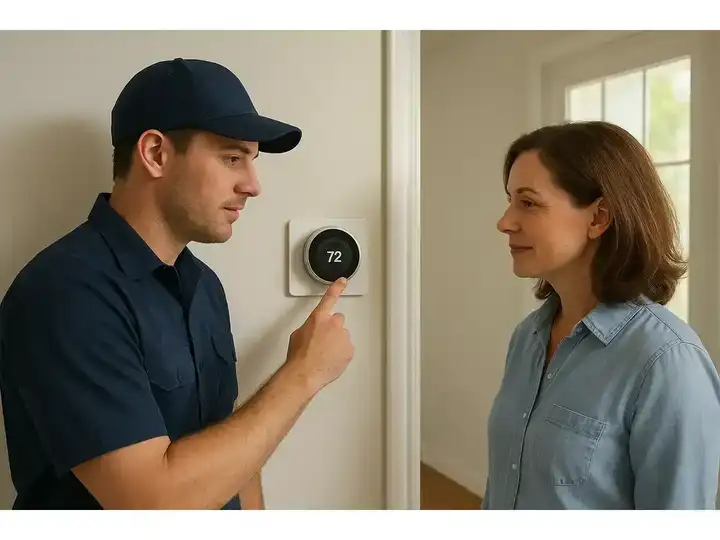
Before changing settings, look at where the thermostat is mounted. It should be away from direct sunlight, lamps, ovens, vents, and drafty doors. If it is in a bad spot, the readings will always be off. In some homes, moving the thermostat is the best way to improve accuracy and reduce unnecessary cycling.
Use steady temperature settings
Frequent large temperature changes can make the HVAC system work harder than necessary. In a coastal Florida climate, a steadier setting often performs better than constant adjustments. Smart thermostats can help by learning patterns and maintaining a more even indoor temperature.
Make sure humidity settings are enabled
If your thermostat and HVAC system support humidity control, use it. A home that feels too humid often leads people to lower the temperature, but that is not always the best fix. Better humidity settings can improve comfort without forcing the system into overwork.
Keep the thermostat connected and updated
Wi-Fi drops, app glitches, and outdated firmware can all affect performance. If your smart thermostat keeps losing connection or forgetting schedules, it may not be the thermostat itself. It could be a network issue, a software update problem, or a compatibility issue with the HVAC controls. Keeping the device updated helps prevent those headaches.
Replace weak batteries and check for warning messages
If your thermostat uses batteries, low power can cause display problems or inaccurate operation. Many smart thermostats also show alerts when sensors, wiring, or system communication need attention. Those alerts are worth checking early, before they turn into larger repair issues.
Signs the thermostat may be stressing the HVAC system
A smart thermostat should make the system feel smoother, not more erratic. If something seems off, the thermostat may be part of the problem.
Watch for these warning signs:
- The AC starts and stops more often than usual
- Indoor temperatures do not match the thermostat setting
- Some rooms stay warmer or more humid than others
- The thermostat screen resets or goes blank
- Energy bills rise without a clear reason
- The system runs longer but comfort does not improve
These issues can come from thermostat settings, wiring, sensor placement, or HVAC equipment that needs maintenance. A professional can sort out whether the thermostat is the cause or just showing symptoms of a deeper issue.
Local conditions that make smart thermostat care more important
Panama City Beach homes face a mix of coastal weather and heavy seasonal cooling demand. That creates a few common challenges that homeowners in other climates may not notice as quickly.
Humidity and long cooling cycles
Air conditioners in this area often run for long stretches during warm months. That is normal, but it also means the thermostat has to help balance comfort and moisture removal. If the thermostat is poorly calibrated, the system may not run long enough to dehumidify properly, or it may run too long and waste energy.
Storms and power interruptions
Summer storms can cause brief outages or power fluctuations. After that happens, some smart thermostats need to reconnect to Wi-Fi, reload schedules, or reset preferences. If the device does not recover cleanly, the HVAC system may behave unpredictably until someone checks it.
Coastal wear on equipment
Salt air and moisture can affect more than outdoor units. Over time, they can contribute to corrosion in electrical connections and control components. That is one reason local service matters. A technician who works in Panama City Beach understands the conditions that can affect both smart controls and HVAC equipment.
Maintenance habits that help prevent avoidable repairs
Smart thermostats work best as part of a larger maintenance routine. A few habits can keep the system more stable through the hottest months.
Test the system before peak season
Do not wait for the first major heat wave to find out the thermostat is not communicating correctly. Run the system early in the season and check that it responds quickly, maintains temperature, and cycles normally.
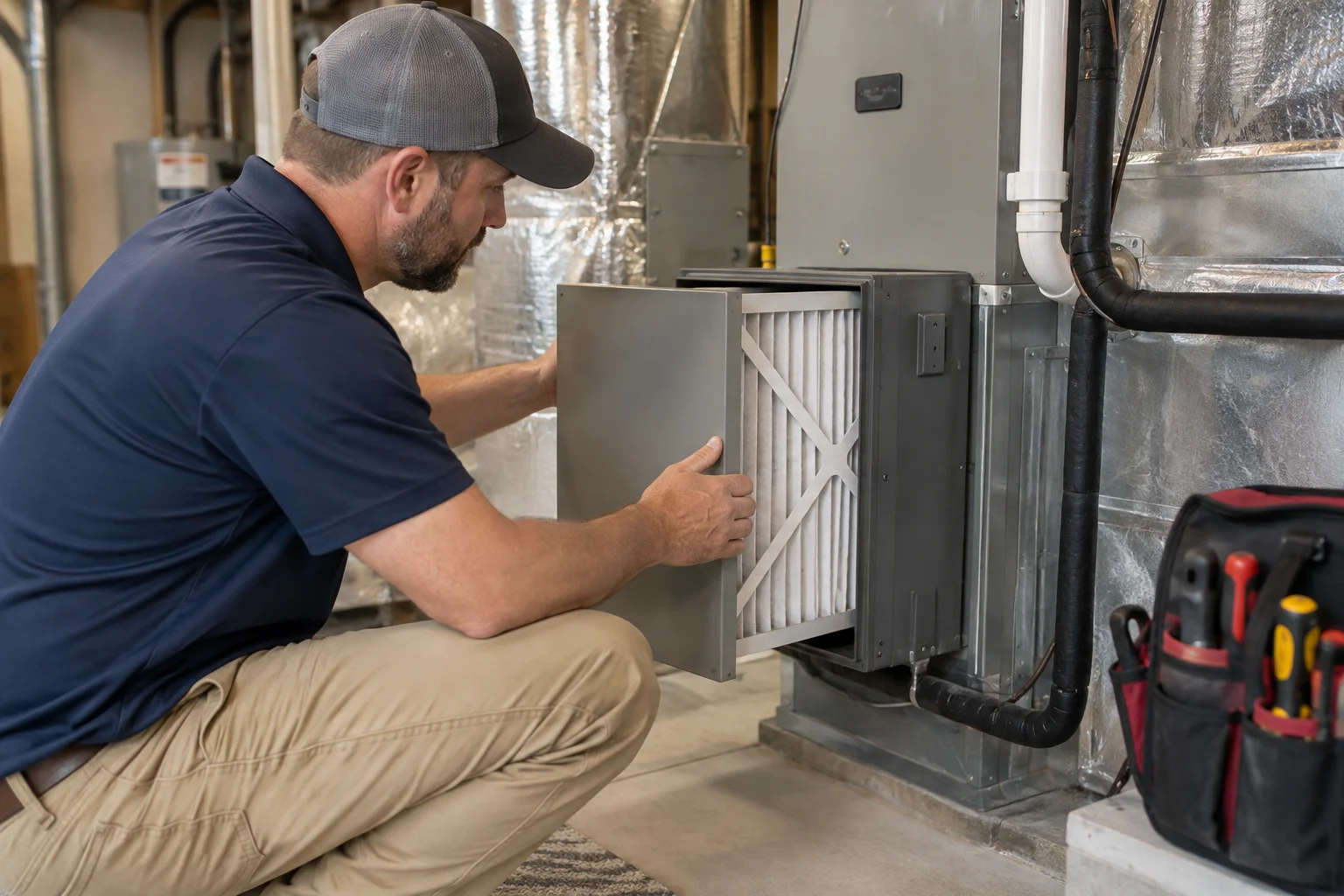
Keep filters and airflow in good shape
A thermostat can only control the system. It cannot fix restricted airflow caused by dirty filters, blocked returns, or duct problems. If airflow is weak, the thermostat may keep calling for cooling longer than expected. That can make the system seem like it has a thermostat issue when the real problem is elsewhere.
If indoor air quality is also a concern, homeowners may want to read Cleaner Air, Easier HVAC Care: A Practical Guide to Filtration and Purifiers in Panama City Beach for more ways to support system performance.
Review schedules after lifestyle changes
If your work hours changed, the home is occupied differently, or you are renting the property seasonally, the thermostat schedule may no longer fit. Reworking the schedule can reduce unnecessary runtime and help the HVAC system operate more efficiently.
Watch for compatibility issues after upgrades
If you have replaced part of the HVAC system, added zoning, or changed control equipment, the thermostat may need to be reconfigured. This is especially important in homes with more complex systems. For related reading, see Keeping Your Cool in Panama City Beach Without Letting Smart Thermostats Create Bigger HVAC Problems and VRF and Multi Zone HVAC Care for Panama City Beach Homes: The Problems Owners Should Not Overlook.
When a professional should step in
Some thermostat issues are simple. Others point to wiring, control board, or system compatibility problems that need a trained technician. Professional help makes sense if the thermostat keeps losing power, the system short cycles, the display is unreliable, or the home never reaches the set temperature.
It is also smart to call for help if you are installing a new smart thermostat and want it configured correctly from the start. A proper installation can prevent future headaches, especially in homes with older HVAC equipment, multi stage systems, or unusual wiring. That is where local experience matters. A technician who knows Panama City Beach homes can spot issues that might be missed in a quick install.
Homeowners who need help with smart thermostat upgrades can use A Superior Mechanical’s smart thermostat service in Panama City Beach for installation and configuration support. If other home systems are being updated at the same time, related services like Electrical Replacement, Water Softening Systems, Pool, Spa & Hot Tub Wiring, and Commercial Plumbing Services may also be relevant for certain properties and mixed use homes.
Getting more from your smart thermostat in Bay County
A smart thermostat should make life easier, not create more HVAC problems. In Panama City Beach, that usually means keeping the device properly placed, correctly wired, and set up for humidity control as well as temperature control. It also means paying attention to how the system behaves during long cooling seasons and after storms or power interruptions.
With the right setup, homeowners can get better comfort, steadier indoor conditions, and less strain on the HVAC system. For homes across Panama City Beach and Bay County, that can make a real difference in repair risk and long term performance.
For homeowners comparing system upgrades, it may also help to look at A Smarter Way to Plan Commercial HVAC Installation for Homes in Panama City Beach, FL if your property has complex cooling needs or you are considering a larger system change.
Find Smart Thermostats in Panama City Beach, FL
If you need Smart Thermostats in Panama City Beach, FL, visit our local service page or contact A Superior Mechanical today.
Map of Panama City Beach, FL
Frequently Asked Questions
Do smart thermostats help with humidity in Panama City Beach homes?
Yes, but only if the thermostat and HVAC system are configured correctly. In a humid coastal climate, settings that support longer, steadier cooling cycles can help the system remove more moisture and improve comfort.
Why does my smart thermostat keep losing connection?
Common causes include weak Wi-Fi, power issues, outdated firmware, or wiring problems. If the thermostat keeps rebooting or dropping offline, a professional should check the installation and control wiring.
Can a smart thermostat lower HVAC repair risk?
It can help by reducing unnecessary cycling, improving scheduling, and giving homeowners better visibility into system performance. It works best when it is installed correctly and paired with regular HVAC maintenance.
Should I replace my thermostat if my AC is short cycling?
Not always. Short cycling can come from thermostat placement, settings, airflow problems, low refrigerant, or equipment issues. A technician can determine whether the thermostat is the cause or just part of the symptom.
Related Articles
- Keeping Your Cool in Panama City Beach Without Letting Smart Thermostats Create Bigger HVAC Problems
- A Smarter Way to Plan Commercial HVAC Installation for Homes in Panama City Beach, FL
- VRF and Multi Zone HVAC Care for Panama City Beach Homes: The Problems Owners Should Not Overlook
- Cleaner Air, Easier HVAC Care: A Practical Guide to Filtration and Purifiers in Panama City Beach
Photo Gallery