Walk into your kitchen after a rain of beach days and you can usually spot hard water problems fast. Glasses look hazy, dishes feel like they never got fully clean, and faucets and showerheads show rough white scale. In Inlet Beach, Florida, those frustrations are more than cosmetic. Hard water can build up inside plumbing and appliances, reduce efficiency, and affect how water feels on skin and hair.
Water softening is one of the most practical water treatment options for homeowners who want better everyday water. Done right, it helps protect fixtures and appliances, improves soap performance, and supports cleaner drinking water when paired with the right filtration steps.
What hard water is doing to your home in Inlet Beach
Hard water contains dissolved minerals, most commonly calcium and magnesium. When water heats up or evaporates, those minerals can precipitate out and stick to surfaces. That is where you see the familiar signs around the house.
Common signs you are dealing with hard water
If you recognize several of these, you are not imagining things:
- Hard water spots on glass, especially after rinsing or running the dishwasher
- Hard water spots on dishes and a film that makes plates look streaky
- Scale buildup around faucets, showerheads, and plumbing connections
- Dry skin or dull hair after bathing, along with that “residue” feeling
- Metallic tasting or chlorinated water, sometimes with an unpleasant taste for drinking and cooking
- Cloudy ice cubes that look off compared to what you remember from other places
- Poor tasting coffee and cooking water, even when you use good ingredients
- Soap that does not lather or rinse well, meaning you end up using more product to get the same clean
- Visible sediment, discoloration, and odor concerns that show up in certain faucets or at certain times
- Appliances wearing out faster, especially water heaters and scale-sensitive units
Hard water scale does not just sit on the surface. It can build up inside pipes, reduce heat transfer in water heaters, and clog parts in dishwashers and washing machines. Over time, that means more maintenance and earlier replacement cycles.
Why water softening helps, and what it actually protects
Water softening is designed to reduce the mineral hardness that causes scale buildup. Most modern systems use a process that exchanges hardness minerals for sodium or potassium ions. The result is water that behaves differently on surfaces and inside equipment.
Fixtures and faucets stay cleaner longer
When hardness is reduced, you typically see fewer hard water spots on glass and fewer streaks on shower doors and mirrors. Scale buildup around faucets and showerheads becomes slower to form, so you spend less time scrubbing white crust and more time enjoying the beach.
Appliances run more efficiently
Scale is a heat transfer problem. In a water heater, it can create an insulating layer that makes the burner or heating element work harder. Dishwashers and washing machines can also accumulate scale in valves, lines, and internal components.
By using water softening as part of your home water treatment, you reduce the conditions that lead to premature wear. Many homeowners notice that their appliances seem to perform more consistently after switching to softened water, and they are less likely to experience the “why is this taking longer to heat or rinse?” feeling.
Bathing and laundry feel better
Hard water can interfere with soap and detergents. If your soap does not lather, it is often because minerals are reacting with it before the soap can do its job. With softened water, soap typically lathers better and rinses more completely.
That can translate to dry skin or dull hair improving over time. Laundry may also feel softer, and you can reduce the need for extra rinse cycles or additional detergent just to overcome residue.
Inlet Beach water conditions and why local service matters
Inlet Beach is part of Walton County, where many homes rely on municipal supply and a mix of local water characteristics that can change with time. Even when two neighborhoods are close, hardness levels, sediment, and taste issues can vary.
That is why homeowners searching for water filtration near me or water treatment near me should look for a local team that understands how water behaves in the Inlet Beach area and can recommend the right approach for your home.
Professional assessment also matters because softening is not one-size-fits-all. The correct system size, resin type, and settings depend on your household water usage and water chemistry.
Water softening vs. reverse osmosis and whole home water filtration
Homeowners often ask whether they need just softening or something more. In many cases, the best setup combines softened water for the whole home with targeted filtration for drinking and cooking.
Softening is for scale control
Water softening is primarily about reducing hardness minerals so you get fewer scale buildup around faucets, less limescale in appliances, and better soap performance. It is ideal for protecting plumbing and extending the life of scale-sensitive equipment.
Reverse osmosis is for drinking water taste and purity
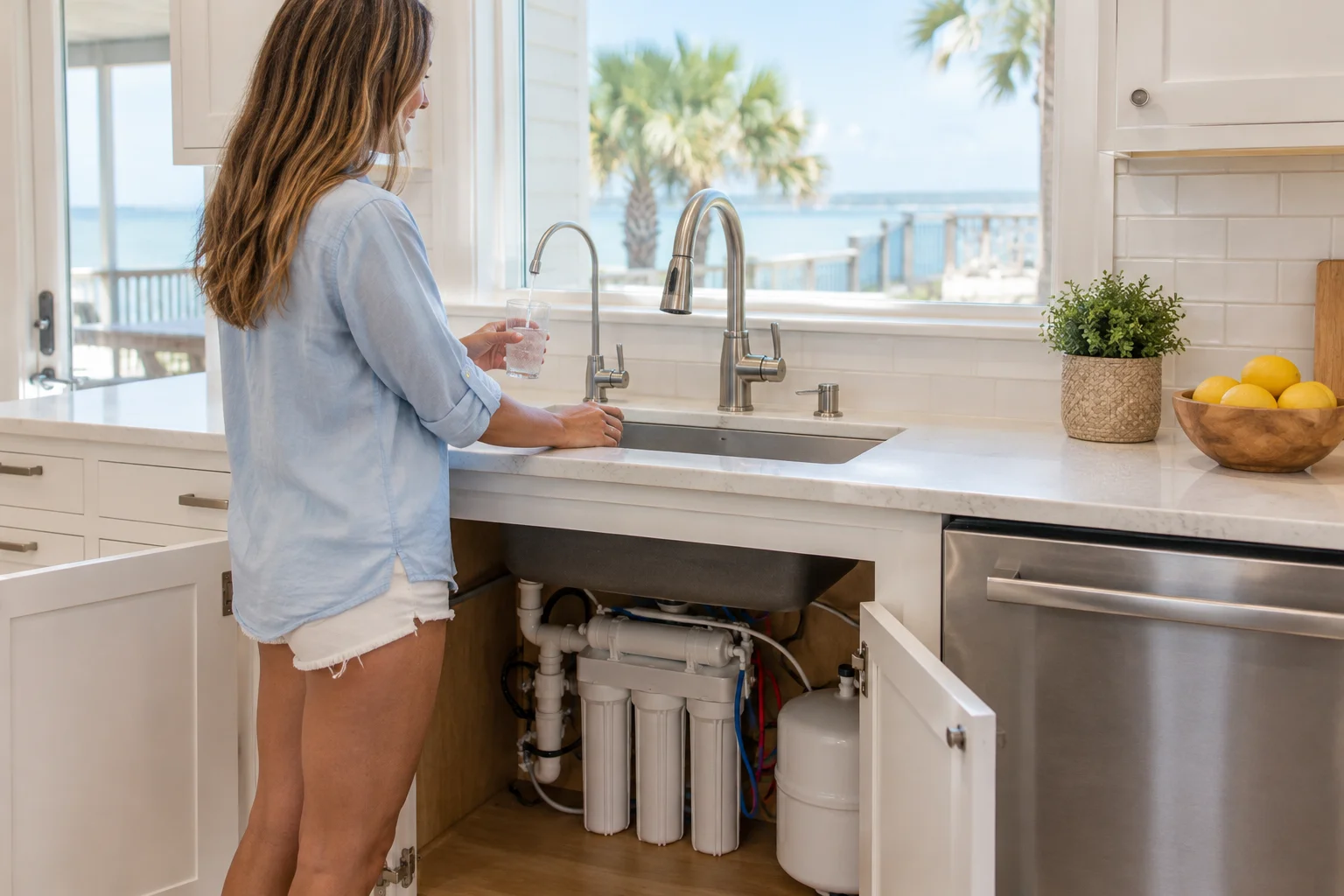
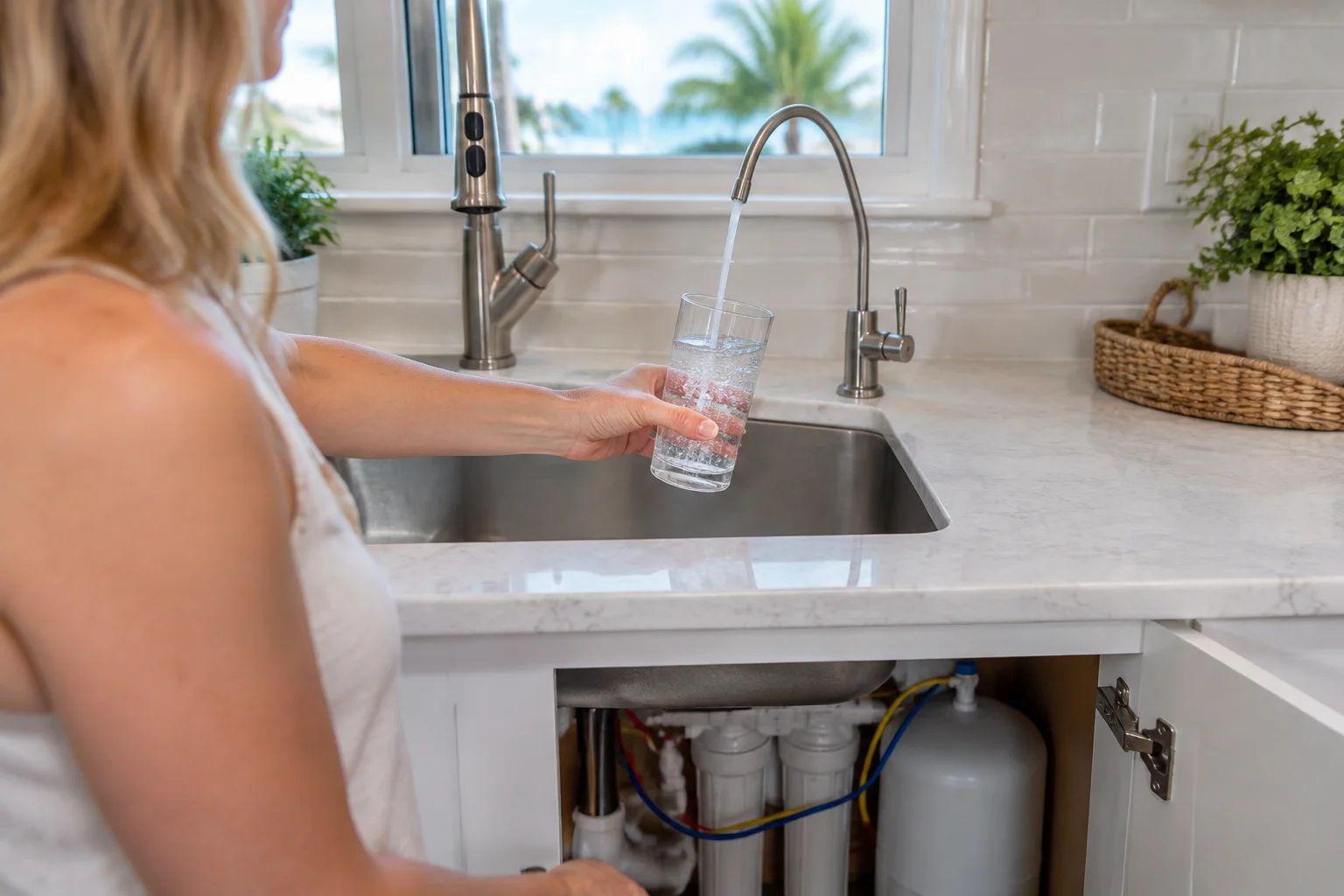
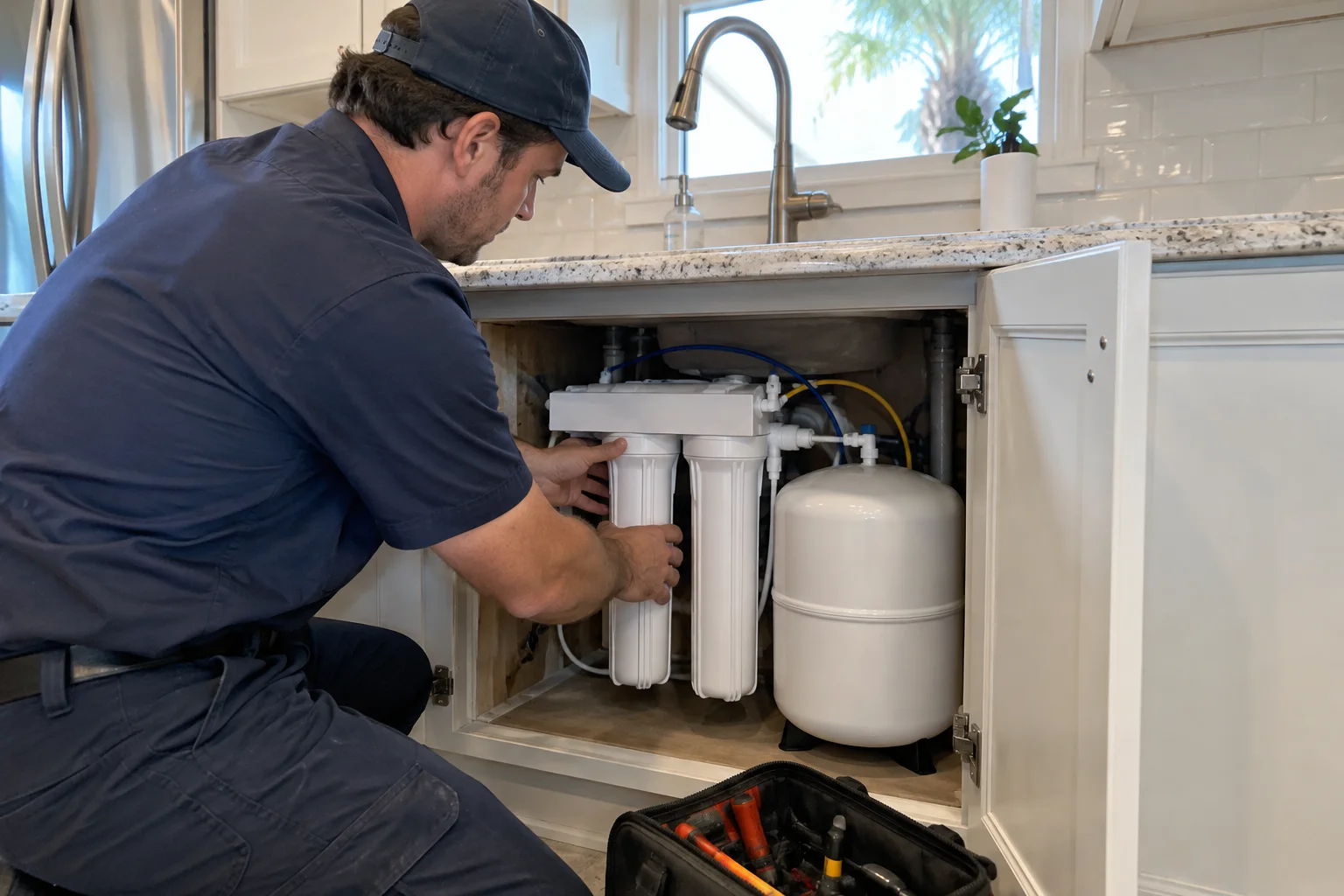
A reverse osmosis system can provide a focused layer of protection for drinking water, especially when you are dealing with taste concerns like metallic tasting water, chlorinated notes, or sediment-related flavor issues. RO is also commonly used to support better water for drinking and cooking, which can make a noticeable difference in coffee and recipes.
If you have cloudy ice cubes or you can taste something “off” in water at the kitchen sink, reverse osmosis can be a strong complement to softening.
Whole home water filtration supports cleaner water throughout the house
Whole home water filtration can help reduce sediment, discoloration, and odor that may show up in different fixtures. This is useful when you see visible sediment or you are concerned about discoloration and odor concerns beyond just hardness.
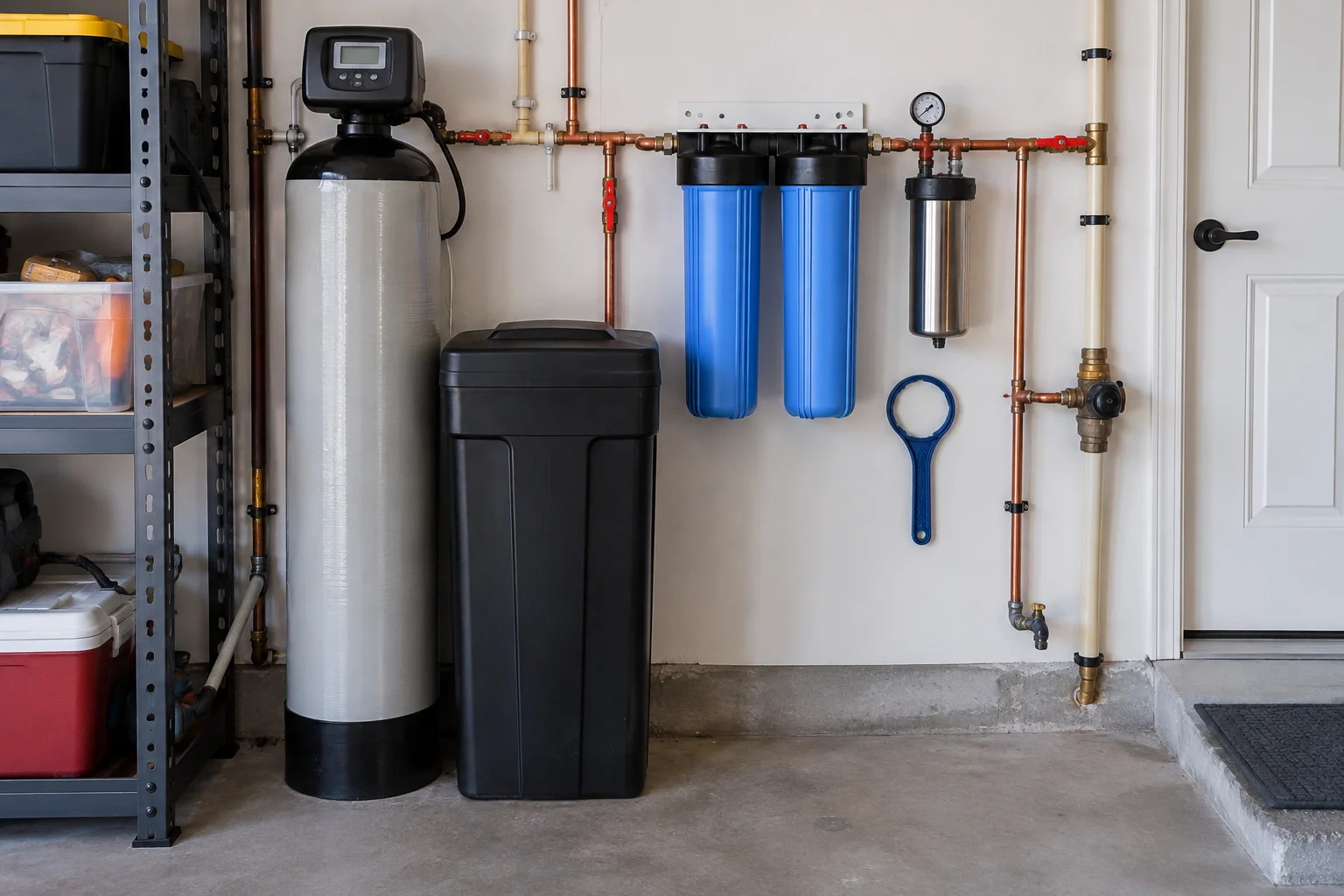
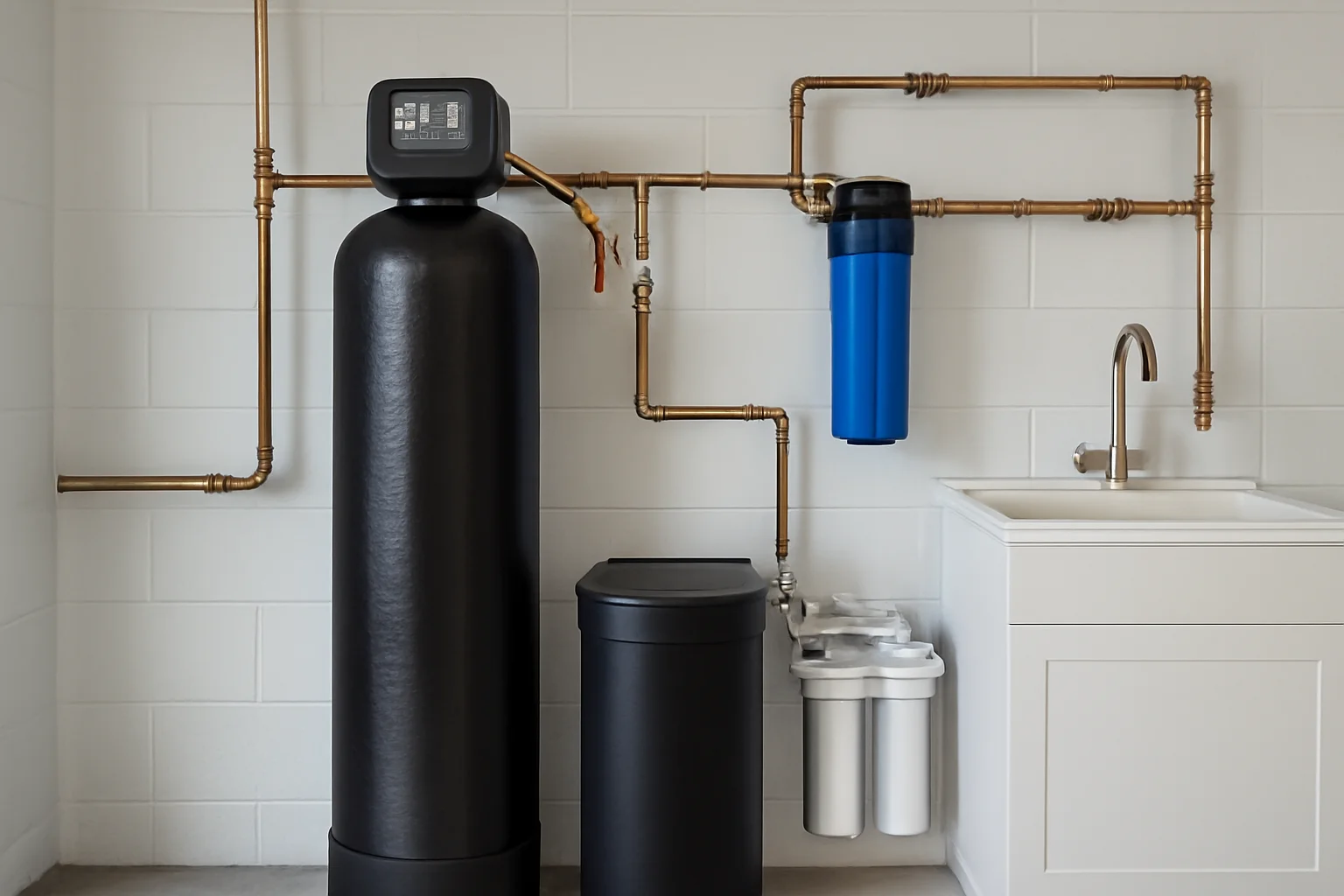
For homeowners who want a complete clean water system, combining whole home filtration with water softening can address both scale and water quality. If you are exploring options, you can browse the water softener and filtration solutions here: /water-filtration-ro-water-softeners.
AO Smith water softener systems for Inlet Beach homes
Many homeowners choose an AO Smith water softener because it is built for dependable residential performance and designed to integrate into whole home water treatment. The right system should match your home’s water hardness and household usage.
What to look for in a properly installed softener
Professional installation is what separates a system that “works” from one that performs well for years. A qualified technician should:
- Test your water and confirm hardness levels and iron or sediment concerns
- Size the unit correctly for your household
- Verify plumbing connections, drain line setup, and bypass operation
- Set regeneration schedules and hardness settings accurately
- Explain maintenance needs so you can keep performance consistent
For many families, the best sign is what happens in daily life. The kitchen sink stops being the place you dread, and the shower stops leaving that chalky film. You can also feel the difference when doing laundry and when cleaning around fixtures.
Everyday scenarios: how softened water changes daily routines
Hard water issues are rarely abstract. They show up at the exact moments you have better things to do.
Kitchen mornings and family coffee
Picture a typical Inlet Beach morning. Someone reaches for the coffee maker, and the pot comes out tasting a little flat. You descale more often than you think you should. Ice cubes look cloudy. With a combination of softening and appropriate drinking water treatment, you can support better water for drinking and cooking. That means fewer scale deposits in coffee equipment and water that tastes cleaner.
If you are also dealing with taste issues like metallic tasting water or chlorinated notes, pairing softened water with a reverse osmosis system can help improve drinking water quality while still protecting appliances throughout the home.
Bath time and the “why does my skin feel tight?” question
When water is hard, soap can leave residue behind. Over time, that can contribute to dry skin or dull hair after bathing. With softened water, soap and shampoo may rinse more completely, leaving skin and hair feeling better.
It is not about a one-time fix. Many homeowners notice changes after a few weeks of consistent bathing and laundry with softened water.
Laundry loads that actually rinse clean
If your detergent seems to disappear but clothes still feel stiff, hard water may be interfering. With softened water, you can often use less detergent and get better rinse results. That can be especially helpful for families with towels, swimwear, and everyday wear that picks up salt and sand.
Prevention and maintenance that keeps softening working well
Even the best system needs care. The goal is to keep hardness control consistent so you prevent scale buildup from returning.
Keep an eye on salt and system settings
Most salt-based systems require regular attention to salt levels. If salt runs low, the unit can lose effectiveness and scale can start to creep back into fixtures.
Watch for performance changes
When softening is not performing as expected, you might notice:
- More hard water spots on glass returning in the shower
- Scale buildup on faucets starting to look thicker or faster
- Soap beginning to feel like it does not lather or rinse
- Appliance maintenance intervals creeping earlier than they should
Schedule professional water softener service
Water treatment is not just installation. It is also ongoing verification. A professional can check settings, inspect components, and confirm the system is regenerating correctly.
For homeowners looking for water softener service near me, A Superior Mechanical provides local support for Inlet Beach. You can review the service area here: /service-areas/walton-county/inlet-beach/water-softening-ibwcfl and learn more about the broader Walton County region at /service-areas/walton-county or /service-areas/walton-county/inlet-beach.
When to call a professional instead of troubleshooting alone
Some issues are easy to spot, but softener problems can be more technical than they seem. Call a professional if you see:
- Scale is returning quickly after you thought you had solved the problem
- Water tastes metallic or unpleasant despite softening
- You suspect sediment or odor problems that softening alone will not address
- Your dishwasher, water heater, or washing machine seems to be wearing out faster than expected
- You want to add drinking water treatment like reverse osmosis or whole home filtration and want a coordinated plan
Local guidance matters because the best water treatment strategy often depends on your exact water chemistry and household needs, not just a generic hardness number.
How better water supports long-term home maintenance
Softened water is one of the most straightforward ways to reduce the hidden costs of hard water. When scale is controlled, you protect plumbing surfaces, improve heat transfer in water heaters, and reduce the strain on appliances.
If you are also thinking about protecting major equipment, these reads can help connect the dots between water quality and maintenance:
- How Water Softening Protects Rosemary Beach Plumbing from Costly Water Damage
- Keeping a Water Heater Replacement from Turning Into a Bigger Plumbing Bill in Inlet Beach
- Keeping Plumbing Repairs Smaller in Inlet Beach Starts with Better Maintenance
Better water is not only about cleaning. It is about reducing stress on the systems that keep your home comfortable, safe, and efficient.
Choosing the right system for your Inlet Beach home
Homeowners searching for water filtration near me often want one solution that handles everything. The reality is that different problems call for different treatment types. A well designed plan may include:
- Water softening to reduce hardness and protect fixtures and appliances
- Whole home water filtration to help with sediment, discoloration, and odor concerns
- Reverse osmosis for drinking water taste, cloudy ice cubes, and cooking water quality
- AO Smith water softener equipment selected and configured for your home
If you want to explore options for clean water systems, start here: /water-filtration-ro-water-softeners.
For many families in Inlet Beach, the payoff is immediate and practical. Less scale on shower glass. Cleaner dishes. Better tasting water for coffee. Laundry that rinses better. Appliances that do not seem to struggle as much. The biggest win is that softened water protects what you cannot see until it fails.
Find Water Softening in Inlet Beach, FL
If you need Water Softening in Inlet Beach, FL, visit our local service page or contact A Superior Mechanical today.
For a broader look at whole-home water filtration, reverse osmosis, and water softener options, visit our water filtration, RO, and water softener page.
Map of Inlet Beach, FL
Frequently Asked Questions
Will a water softener remove sediment, discoloration, or unpleasant odors?
Most water softeners focus on hardness minerals that cause scale. If you have visible sediment, discoloration, or odor concerns, you may need whole home water filtration or another filtration stage in addition to softening. A technician can test your water and recommend the right combination.
Can water softening help with metallic tasting water and cloudy ice cubes?
Softening helps with hardness related issues like scale, but taste and cloudy ice cubes can also come from other factors such as sediment or certain water treatment byproducts. For drinking water taste, many homeowners pair softening with reverse osmosis to support better water for drinking and cooking.
How do I know my soap does not lather because of hard water?
If your soap does not lather well, you often see residue on sinks and tubs, and you notice hard water spots on glass or shower doors. Those signs together strongly point to hardness interfering with soap performance.
What maintenance does an AO Smith water softener require?
Maintenance typically includes monitoring salt levels, keeping the system settings correct, and scheduling professional checks. If you notice performance drop, like faster scale buildup on faucets or soap starting to behave poorly again, it is a good time to have the system inspected.
Should I choose water softening alone or add whole home filtration and reverse osmosis?
If your main issue is scale and soap performance, water softening may be the core solution. If you also have sediment, odor, or drinking water quality concerns, adding whole home water filtration and reverse osmosis can create a more complete clean water system.
Related Articles
- Keeping a Water Heater Replacement from Turning Into a Bigger Plumbing Bill in Inlet Beach
- Keeping Plumbing Repairs Smaller in Inlet Beach Starts with Better Maintenance
- How Water Softening Protects Rosemary Beach Plumbing from Costly Water Damage
- Indoor Air Quality Testing That Helps Inlet Beach Homes Stay Comfortable Longer
Photo Gallery