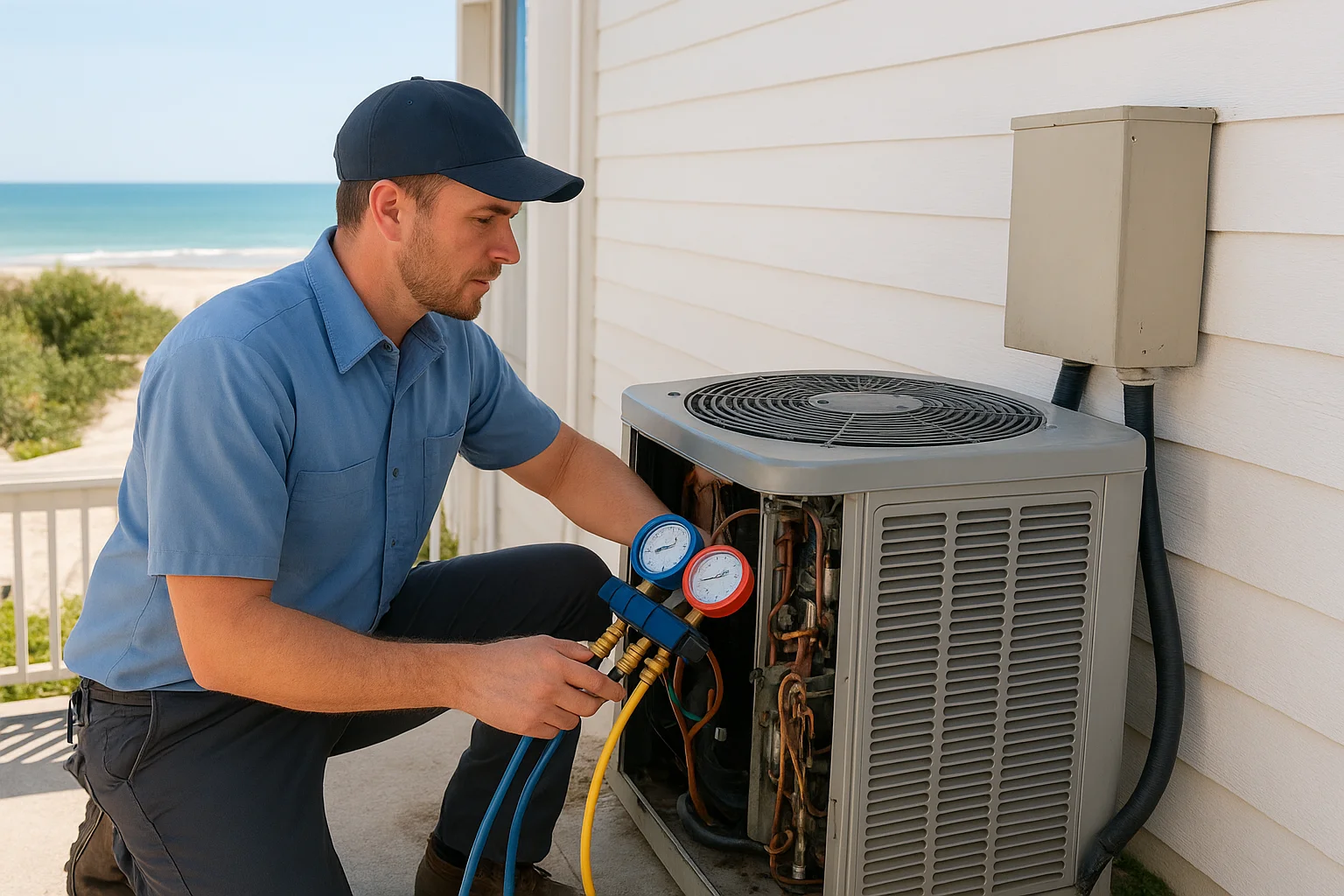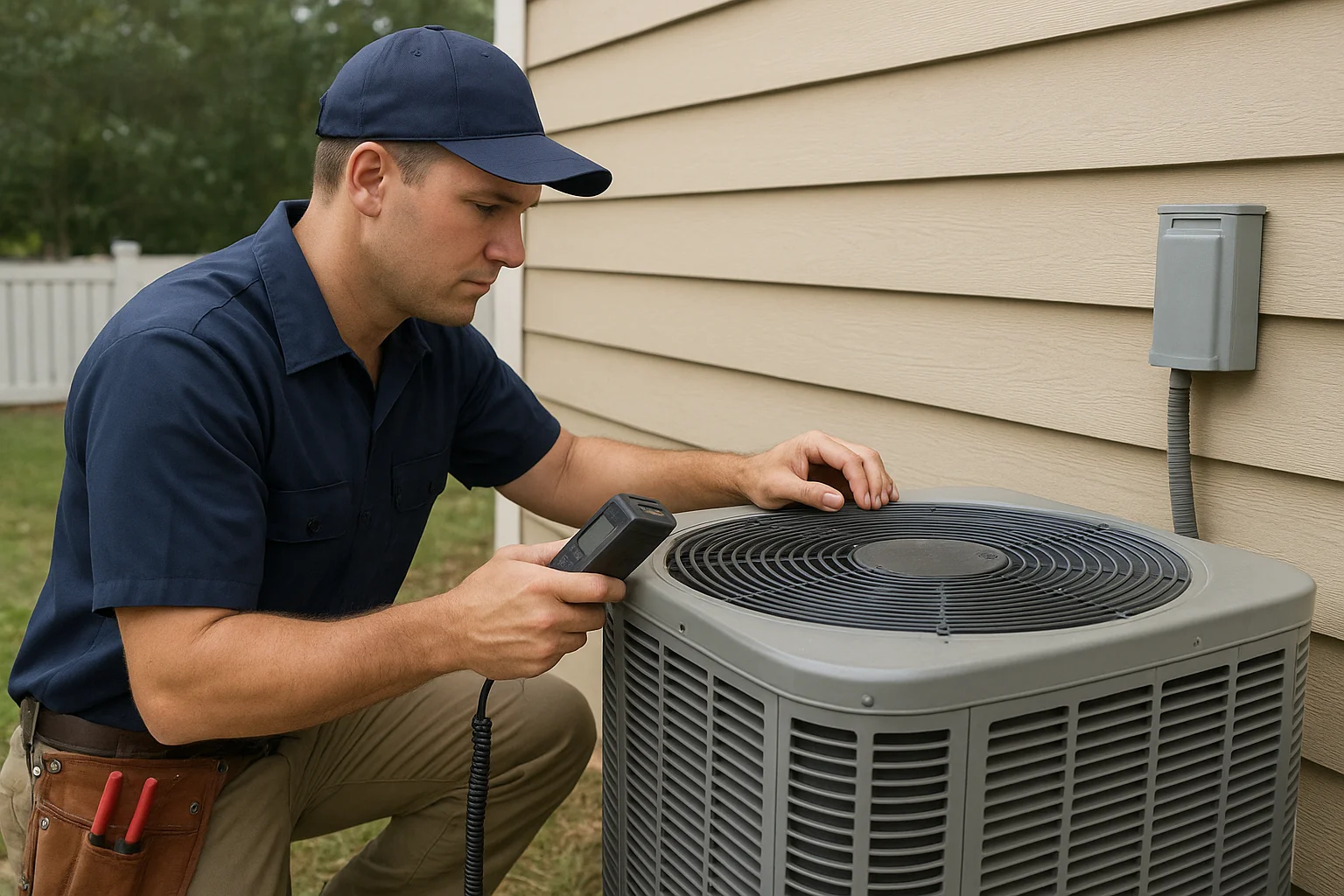
Commercial buildings in Bid-A-Wee, FL run on comfort and uptime. When your air conditioning or heat pump system starts acting up, it is tempting to wait and see. But in Florida heat and humidity, timing matters. A minor repair may become a bigger reliability issue, affecting airflow, indoor air quality, energy use, and even emergency cooling concerns.
A Superior Mechanical provides commercial HVAC repair in Bid-A-Wee for businesses across Bay County. Below is what commonly causes problems during commercial HVAC repair, why they can be worse when repairs are delayed, and how property owners can reduce risk with preventive HVAC maintenance.
Why “later” is risky for commercial HVAC repair in Bid-A-Wee
In Bid-A-Wee, the climate works against HVAC reliability. Summer brings high humidity, frequent warm days, and conditions that stress cooling systems. At the same time, coastal exposure in the wider Bay County area means salt air can contribute to corrosion and wear on outdoor components. When a system is not corrected promptly, the HVAC system often runs longer to maintain temperature, which increases wear on refrigerant systems, moving parts, and controls.
Delayed repairs can also turn a manageable problem into a chain reaction. For example, restricted airflow can overwork the cooling coil, condensate drainage, and blower components. A thermostat that is slightly off, or a control sequence that is not aligned with the building’s needs, can cause short cycling or extended run times. Those symptoms may look like “it is still cooling,” but the underlying cause may be accumulating damage.
Common causes that make commercial HVAC repair problems worse over time
1) Airflow problems that go unnoticed
Commercial HVAC systems depend on airflow. If supply air is weak, return air is restricted, or ductwork has leaks or blockages, the system cannot move heat out of the space efficiently. In humid Florida conditions, poor airflow can cause uneven temperatures, hot spots, and comfort complaints that show up quickly but are not always traced to airflow.
When airflow is restricted, the cooling coil may not be able to absorb and release heat as designed. That can lead to higher refrigerant system stress and increased humidity inside the building. Over time, this can also contribute to condensate drainage issues, including overflow or water damage around the air handler.
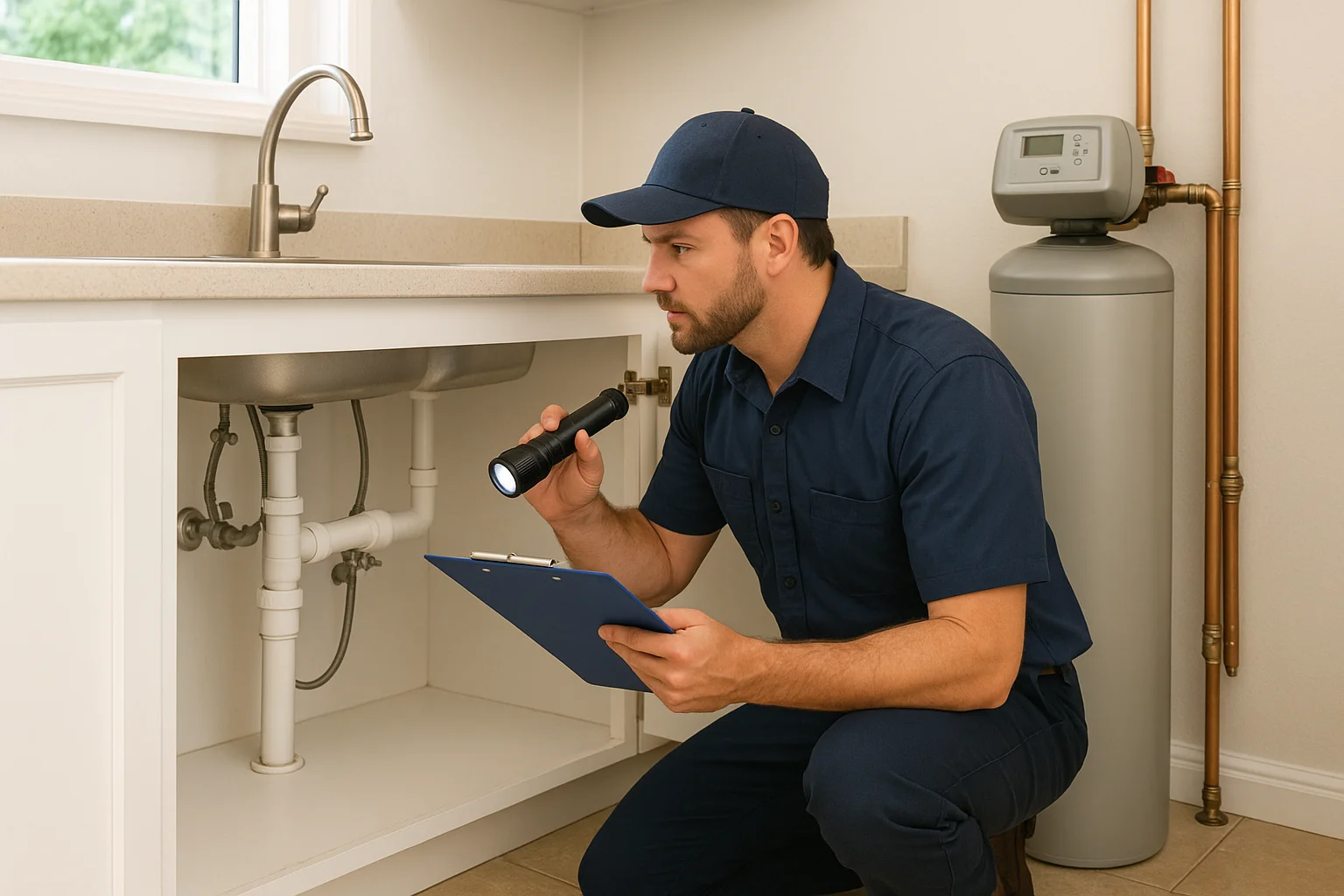
If you are dealing with indoor comfort issues, it helps to start with an Air Conditioning Inspection to evaluate airflow, ductwork condition, and system operation under real load.
2) Humidity control failures
Humidity is not just an inconvenience. In Bid-A-Wee, high moisture levels can affect how the cooling system performs and how the building feels. If your system is not dehumidifying properly, occupants may experience clamminess, muggy air, and temperature swings.
Humidity problems can be caused by airflow imbalance, dirty filters, coil contamination, or condensate drainage restrictions. When humidity control is ignored, the building can develop more conditions that impact indoor air quality, including higher airborne particulate levels and increased risk of biological growth in areas where moisture lingers.
For businesses focused on air quality, it can also be worth discussing filtration and air cleaning options. Explore Air Filtration & Purifiers with Air Scrubbers as part of an overall HVAC reliability plan.
3) Condensate drainage that is partially blocked
Cooling systems remove moisture as they operate. That moisture must drain properly through condensate drainage lines and related components. In humid weather, even a partial blockage can create recurring water issues, odors, and equipment strain.
When condensate drainage is slow or blocked, the system may perform inconsistently. You might notice water near the unit, a musty smell, or the air handler behavior changing during peak cooling. If drainage issues are not addressed promptly, moisture can affect nearby electrical components, insulation, and surrounding surfaces, and it can worsen indoor air quality.
4) Thermostat and control sequence issues
Many commercial HVAC problems start with controls. A thermostat that is miscalibrated, installed in a spot exposed to direct sunlight, or not communicating correctly can cause the system to run too long, short cycle, or fail to coordinate with other HVAC components.
Control problems are especially disruptive in Florida because the system may need to respond quickly to changing humidity and temperature throughout the day. When the controls are not operating correctly, the system can spend extra time in inefficient cycles. That increases energy use and accelerates wear on compressors, fans, and refrigerant systems.
5) Refrigerant system stress from operation outside normal conditions
Refrigerant systems are designed to work within specific operating conditions. If an HVAC system runs with airflow issues, coil fouling, or improper cycling, the refrigerant system can experience stress. Over time, that can lead to performance problems and more frequent repairs.
It is important to avoid guessing. Refrigerant diagnosis should be handled by a licensed professional using appropriate tools and evaluation. If you notice cooling performance that is gradually declining, inconsistent temperatures, or unusual sounds, schedule service rather than attempting DIY refrigerant work. Refrigerant issues are safety and compliance sensitive, and they require in-person assessment.
6) Ductwork leakage and poor distribution
Even when the equipment is functioning, ductwork can undermine reliability. Leaky ducts, disconnected sections, crushed duct sections, or poorly sealed joints can reduce airflow and create pressure imbalances. In commercial spaces, distribution problems are often the reason occupants complain about hot or cold zones.
In humid climates, duct leakage can also contribute to moisture movement where it should not be. That can affect indoor air quality and increase the load on the cooling system. If you are searching for duct inspection near me or duct cleaning near me, consider pairing duct evaluation with an HVAC service visit so the root cause is addressed, not just symptoms.
7) Dirty coils, filters, and general maintenance gaps
Commercial HVAC systems work harder in summer. When maintenance is delayed, filters can load up, coils can collect dust, and drain pans can accumulate debris. That pushes the system toward inefficient operation and can affect indoor air quality by trapping particulates.
Regular Air Conditioning Maintenance helps reduce the chance that a small contamination issue becomes a performance and reliability issue. It also supports consistent airflow and humidity control, which matters for occupant comfort and ventilation effectiveness.
How timing affects energy use and comfort in commercial buildings
When a repair is postponed, the system often compensates by running longer. That increases energy use and can drive up operating costs, especially during peak heat. But the bigger concern is reliability. Extended runtime increases wear and can raise the likelihood of additional failures, such as blower motor problems, control faults, or compressor strain.
Comfort complaints are also a timing issue. In a business environment, temperature stability affects productivity, customer experience, and equipment performance for any sensitive electronics. Even if the building is “cool enough,” poor humidity control can make indoor air feel warmer than the thermostat suggests.
Florida humidity can also magnify indoor air quality concerns. If the system is not removing moisture correctly, occupants may notice stale air, higher dust levels, or respiratory discomfort. That is why addressing commercial HVAC repair issues early supports both comfort and indoor air quality.
Emergency cooling concerns: what to watch for before it becomes urgent
Some symptoms are more urgent than others. If your commercial system is showing signs of failing during peak hours, do not wait until the next scheduled maintenance window.
Consider treating the situation as urgent if you see:
- Rapid loss of cooling during the day, especially when outdoor temperatures rise
- Repeated cycling or frequent on off behavior that disrupts temperature stability
- Water around the air handler or signs of condensate drainage problems
- Strong musty odors that suggest moisture and indoor air quality concerns
- Strange noises from the outdoor unit or air handler that change as the system runs
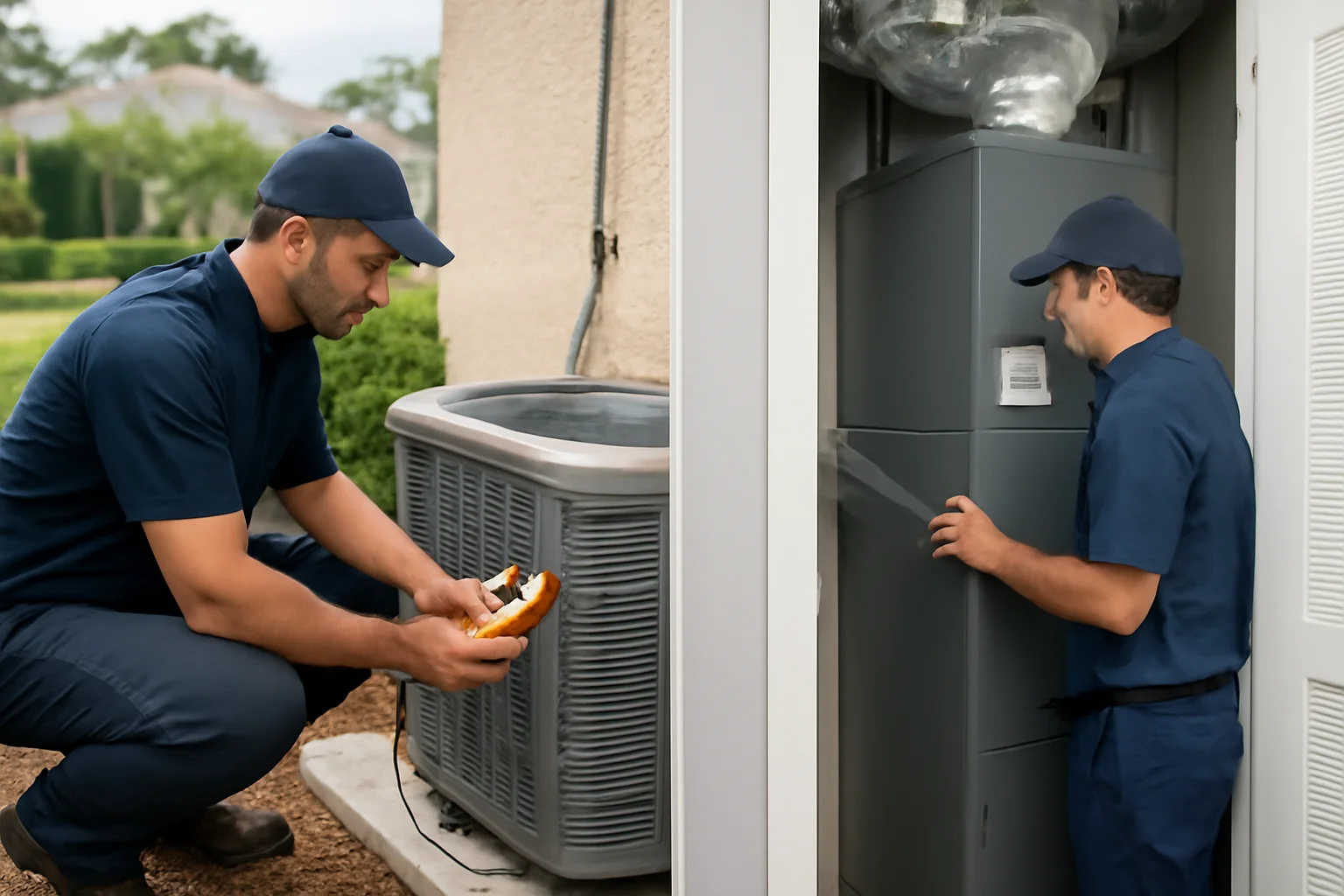
When these issues appear, professional HVAC service matters because the correct fix depends on what is actually happening in the system, including airflow, condensate drainage, thermostat operation, and refrigerant system performance. A Superior Mechanical can evaluate the situation and help you avoid compounding damage.
Preventive HVAC maintenance that reduces the chance of repair snowballing
Preventive maintenance is the most reliable way to keep commercial HVAC performance steady through Florida’s heat and humidity. It also helps you plan repairs rather than react to emergencies.
Focus areas for commercial reliability in Bid-A-Wee
- Airflow checks to confirm supply and return performance
- Filter inspection and replacement based on building use and indoor air quality goals
- Coil cleaning and inspection to support efficient heat transfer
- Condensate drainage verification to reduce overflow and moisture issues
- Thermostat and control review to ensure proper sequences and scheduling
- Ductwork evaluation when distribution problems or hot spots persist
If you are also thinking about air cleaning, indoor air quality services can support healthier indoor environments. For more, visit Indoor Air Quality Services. You can also read How Preventive HVAC Service Supports Cleaner Indoor Air in Bid-A-Wee for practical guidance on linking maintenance with healthier air.
How to decide whether repair or replacement should be discussed
Homeowners sometimes think about HVAC replacement only when a system is completely down. Commercial property owners often face a different reality. Equipment can struggle long before it fails completely.
That is why an in-person evaluation matters. A professional can assess the condition of components, the impact on airflow, humidity control, and refrigerant system operation, and whether ductwork or controls are contributing to performance problems. Only after that can you have an informed conversation about whether repairs are the right path or whether system replacement should be considered.
If you are planning ahead, it can help to compare what is happening now with what you observed during previous seasons. For context on the broader repair importance, see Why Commercial HVAC Repair Matters to Home Comfort in Miramar Beach and Commercial HVAC Repair in Fort Walton Beach: What Property Owners Should Pay Attention To Before Small Problems Grow.
Why local service in Bay County makes a difference
Commercial HVAC repair is not one-size-fits-all. Bid-A-Wee businesses experience real-world conditions tied to Florida weather, humidity levels, and the coastal environment across Bay County. Salt air can contribute to corrosion on outdoor components. Heat cycles can stress systems more than mild climates. And indoor comfort expectations are high because businesses rely on consistent temperatures.
Using a local HVAC contractor who understands these conditions helps you get repairs that match the environment your building actually faces. It also supports better planning for preventive HVAC maintenance and more accurate troubleshooting when airflow, condensate drainage, and controls are involved.
If you are searching for HVAC service near me or commercial air conditioning contractor near me, prioritize firms that focus on system evaluation, not quick guesses. For owners comparing how weather impacts repair decisions, this guide may help: How Local Weather Affects Commercial HVAC Repair in Destin, FL.
Practical steps to take right now if your commercial system is acting up
Before a technician arrives, you can gather details that help with faster, more accurate troubleshooting. These steps also help you decide whether the issue is likely airflow, humidity, drainage, or control related.
- Note when problems start (for example, only during the hottest hours or after a rain event)
- Check for water near the air handler and confirm whether condensate drainage seems to be working
- Observe airflow at supply vents and return grilles, including any unusual noise or weak movement
- Review thermostat behavior such as frequent cycling, unexpected setpoint changes, or schedules that do not match business hours
- Document comfort complaints such as hot spots, cold zones, or persistent clamminess
If you are also considering upgrades, such as ductless mini split installation near me for certain zones, discuss how the existing ductwork and airflow are performing first. In many commercial buildings, the best approach depends on distribution and indoor air quality goals, not just adding capacity.
How A Superior Mechanical supports everyday HVAC reliability in Bid-A-Wee
Commercial HVAC repair is about restoring reliable comfort, not just getting the system running for a day. The goal is to address what is driving the problem, including airflow performance, humidity control, condensate drainage, thermostat and control operation, and refrigerant system behavior. That is what helps prevent small issues from turning into repeated failures.
If you need commercial HVAC repair in Bid-A-Wee, start with a service visit at this service area page. For broader location context, you can also explore Bay County HVAC service coverage and the Bid-A-Wee service area.
When repairs are handled promptly and maintenance is planned, your HVAC system can keep up with Florida heat and humidity while supporting cleaner indoor air, steadier temperatures, and fewer emergency cooling concerns.
Find Commercial HVAC Repair in Bid-A-Wee, FL
If you need Commercial HVAC Repair in Bid-A-Wee, FL, visit our local service page or contact A Superior Mechanical today.
Map of Bid-A-Wee, FL
Frequently Asked Questions
What can cause commercial AC problems to get worse if we delay repair in Bid-A-Wee?
In Florida humidity, delayed repairs can let airflow issues, coil contamination, or condensate drainage problems continue. That increases runtime, stresses refrigerant systems, and can lead to bigger comfort and indoor air quality problems. Scheduling service sooner helps prevent the repair from snowballing.
How can I tell if the issue is airflow or a refrigerant problem?
There are clues like weak supply airflow, hot or cold zones, or repeated cycling, but airflow and refrigerant performance are connected. A professional needs to inspect the system in person to evaluate airflow, controls, and refrigerant system behavior before any diagnosis.
Can high humidity in Bid-A-Wee cause HVAC repair issues even if the thermostat setpoint seems correct?
Yes. High humidity can reveal problems with dehumidification, airflow balance, dirty filters, coil performance, and condensate drainage. Even if the thermostat reads the target temperature, the building can still feel clammy if moisture removal is not working properly.
What are early warning signs of condensate drainage trouble?
Look for water around the air handler, unusual musty odors, recurring dampness, or system behavior that changes during cooling cycles. Condensate drainage problems should be checked promptly because moisture can affect indoor air quality and equipment condition.
How does preventive HVAC maintenance help commercial reliability in Bay County?
Preventive maintenance keeps airflow and humidity control consistent by addressing filters, coils, condensate drainage, and control operation. It also supports cleaner indoor air and helps property owners plan repairs before small issues become emergencies.
Related Articles
- How Preventive HVAC Service Supports Cleaner Indoor Air in Bid-A-Wee
- Why Commercial HVAC Repair Matters to Home Comfort in Miramar Beach
- Commercial HVAC Repair in Fort Walton Beach: What Property Owners Should Pay Attention To Before Small Problems Grow
- How Local Weather Affects Commercial HVAC Repair in Destin, FL
Photo Gallery