In Callaway, FL, the bathroom seems like the last place homeowners think about water flow. But toilets are part of the plumbing system that moves water, manages pressure, and protects your drains and sewer lines. When a toilet runs weak, keeps refilling, or starts leaking at the base, it can waste water, strain drains, and create emergency plumbing concerns that are easy to miss.
A Superior Mechanical helps homeowners with toilet repair and replacement across Callaway and nearby Bay County. This guide explains why toilet repairs matter locally, what causes poor flushing, how to spot early warning signs, and when replacement can be the smarter long-term fix.
Why toilet performance affects water flow in Callaway homes
Toilets rely on steady water pressure, a properly sized water supply, and a functioning internal fill and flush system. When any of these parts start to fail, the toilet may:
- Fill slowly or not fully
- Flush weakly, leaving waste behind
- Run intermittently, wasting water
- Trigger repeated plunging, which can damage pipes over time
In a local home, those issues do not stay confined to the bathroom. Weak flushing can lead to frequent clogs, which increases the likelihood of drain backups and sewer line problems. Even if you never see a major overflow, repeated partial clogs can contribute to buildup in pipes and drains.
Callaway’s humid climate also plays a role. Bathrooms with poor ventilation or recurring leaks can create moisture problems around floors and walls. That moisture can contribute to corrosion and deterioration of plumbing components, especially where older fittings meet newer repairs.
Common toilet problems that reduce flushing power and waste water
1) Running toilets from worn fill valves and flappers
A running toilet is often more than an annoying sound. A worn flapper or failing fill valve can cause the tank to refill constantly or leak small amounts of water into the bowl. That continuous loss can also affect how much water the toilet has available for each flush, leading to weaker performance.
Running toilets are also a major water-use issue in local households. Over time, the wasted gallons add up, and the extra cycling can accelerate wear on other parts of the toilet and supply line.
2) Slow or incomplete tank fills
If your toilet takes longer than usual to refill, it can point to a partially closed shutoff valve, a clogged supply line screen, or a failing fill mechanism. Low-flow symptoms can look like “the toilet just needs a better flush,” but the root cause is often water delivery or internal tank performance.
This is where a plumber near me can make a difference. A quick inspection may reveal a simple adjustment or a replacement part that restores proper flow without replacing the entire toilet.
3) Weak flushes that lead to clogs
Weak flushing is one of the most common pathways from a minor toilet problem to a bigger plumbing repair. When waste does not move fully on the first flush, it can cling to the inside of the bowl outlet and travel into the drain line in smaller pieces. That pattern increases the risk of repeated clogs and can require drain cleaning more often.
If you are searching for drain cleaning near me because toilets are backing up or requiring frequent plunging, the toilet itself may be part of the cause. A repair that restores correct tank water level and flush performance can reduce the load on your drains.
4) Leaks at the base that damage floors and can signal bigger issues
Toilet leaks around the base can start small, but they can be serious. Water can pool under the toilet, soak subflooring, and corrode nearby components. In some cases, persistent leaks can also be connected to issues with the flange, wax ring, or alignment between the toilet and the drain.
In older homes, leaks can be more complicated if there are floor movement or hidden plumbing problems. If you suspect water is getting into places it should not, it is worth scheduling local plumbing services for a proper evaluation.
5) Hard water effects on fixtures and toilet components
Bay County homeowners often deal with hard water. Mineral buildup can affect valves, cause residue in tank parts, and contribute to scale on fixtures. While toilets are designed to handle water, mineral deposits can interfere with seals and moving parts over time.
If your home uses water softening, keeping the system maintained can help protect plumbing fixtures. For related guidance, see Why Water Treatment Makes Water Softening Work Better in Callaway Homes.
How toilet issues can affect drains, sewer lines, and emergency plumbing concerns
Toilets connect to the drain line and, ultimately, the sewer line. When the toilet does not flush correctly, homeowners often react by plunging more aggressively. That can work for minor clogs, but it can also push debris deeper into pipes.
Here is how toilet repair and replacement becomes a broader plumbing issue:
- Frequent clogs: Weak flushing increases the chance of partial blockages.
- Backups and overflows: Severe clogs can lead to water rising in the bowl and slow draining in nearby fixtures.
- Higher drain cleaning frequency: If your toilet repeatedly contributes to clogs, you may need more frequent services.
- Potential sewer line stress: Persistent backups can indicate a deeper issue, including buildup inside sewer lines.
If you are dealing with raw sewage smells, water backing up from multiple drains, or a toilet that will not flush at all, treat it as an emergency plumbing concern. In those situations, using Emergency Plumbing Services helps reduce damage and restore safe function faster.
Repair vs. replacement: what makes sense for Callaway homeowners?
Toilet replacement is not always necessary. Many common problems can be fixed with targeted repairs, such as replacing the flapper, adjusting the float, swapping a fill valve, repairing a supply line leak, or resealing the toilet at the base.
Replacement becomes more attractive when:
- Repairs keep failing: If multiple parts have been replaced but performance is still unreliable, a new toilet may be the more durable solution.
- The toilet is very old: Older models may use more water per flush and can develop worn components faster.
- Frequent clogs persist: If the toilet is not delivering the right flush volume or the internal design is outdated, replacement can improve flow.
- There is a recurring leak at the base: Sometimes resealing helps, but misalignment or flange damage may require a full replacement.
- You want higher efficiency: Modern high-efficiency toilets can reduce water use while improving flushing performance when installed correctly.
When homeowners consider replacement, they often ask about water flow and pressure. A properly installed toilet should match the home’s plumbing setup and deliver consistent flush power. A qualified technician can also check the supply line and shutoff valve to confirm the toilet is getting the water it needs.
Maintenance that prevents toilet problems before they become drain cleaning emergencies
Toilets run day after day, so small issues can turn into bigger ones. A few maintenance habits can reduce the odds of clogs, leaks, and weak flushing.
Check for silent leaks
If the toilet runs quietly or the water level in the tank seems off, it may be time for repair. A dye test can help confirm whether water is leaking from the tank into the bowl.
Watch the fill time and water level
A noticeable change in how long the tank takes to refill can indicate a fill valve problem or supply restriction. Catching it early can prevent weak flushes and repeated plunging.
Inspect the shutoff valve and supply line
A partially closed shutoff valve can reduce tank fill and cause poor flushing. Supply lines can also develop issues over time. If you are noticing slow or inconsistent performance, plumbing repair may be as simple as restoring proper valve position or replacing a failing line.
Use the right approach for clogs
When you have a clog, start with a toilet plunger designed for toilets, not a general-purpose tool. Avoid repeated heavy force that can damage seals or push debris deeper. If the clog returns quickly, treat it as a sign of a deeper issue and schedule service.
Plan periodic plumbing maintenance near me
For homeowners and property managers, routine checks help catch problems before they show up as emergency drain cleaning. If you manage rentals, consider Property Management Plumbing Services to keep toilets, fixtures, and shared plumbing systems in reliable shape.
What a professional plumber checks during toilet repair and replacement
When you schedule toilet repair and replacement, a good local plumbing technician will look beyond the visible symptom. The goal is to restore proper flow, protect the drain line, and prevent repeat failures.
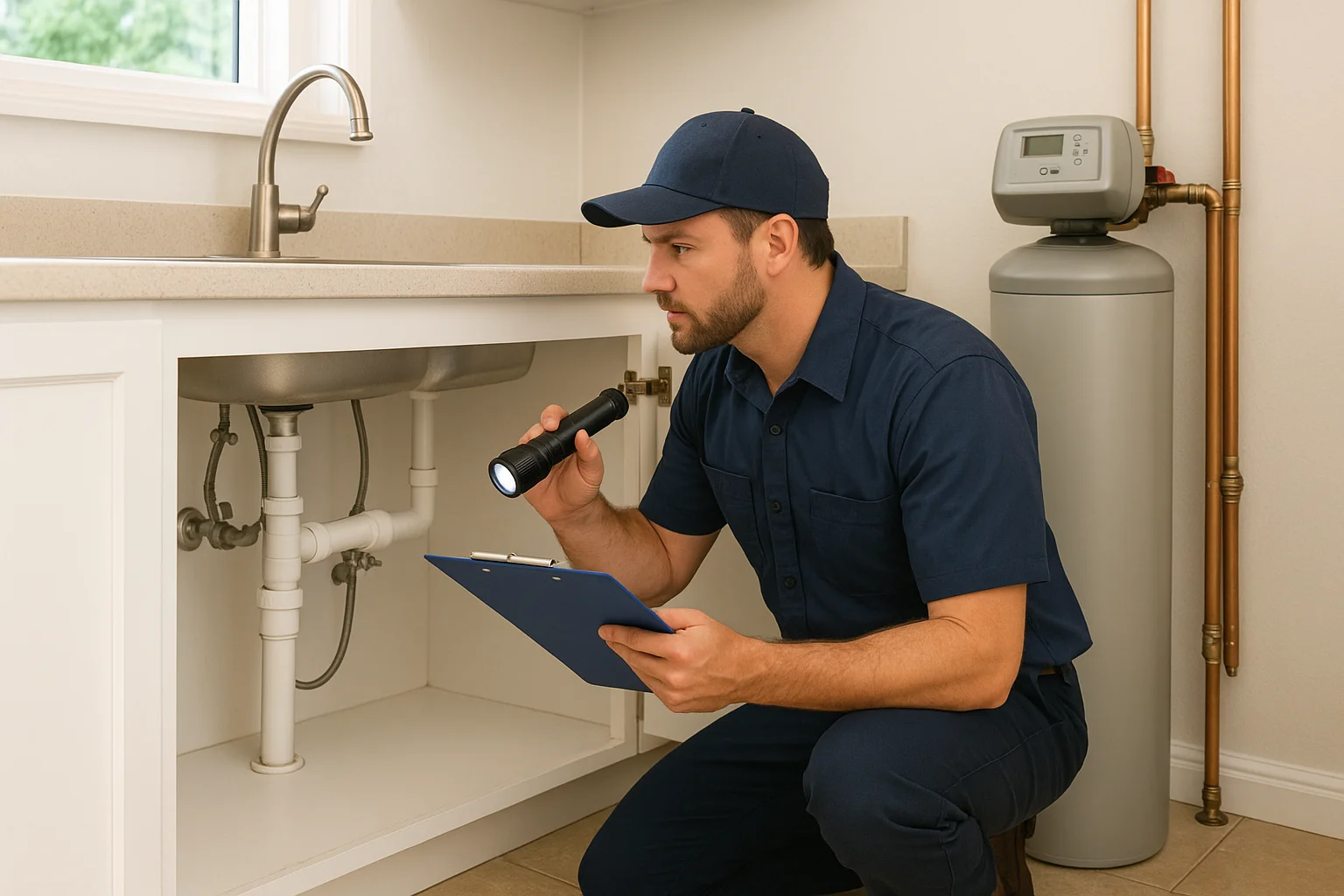
Typical inspection steps include:
- Checking the tank fill rate, water level, and shutoff valve function
- Testing the flapper seal and fill valve operation
- Inspecting the supply line for leaks or restrictions
- Evaluating the toilet base seal and flange condition
- Assessing whether the toilet contributes to drain clogs
If a toilet problem is tied to recurring backups, the technician may recommend additional steps such as sewer inspection near me or drain cleaning to confirm what is happening in the line. That kind of diagnosis is especially important when multiple fixtures start draining slowly or odors appear.
Connecting toilet repairs to whole-home water and fixture performance
Toilets do not work in isolation. The home’s plumbing system shares water supply lines, shutoff valves, and drain piping. When one fixture starts acting up, it is a good time to review how the rest of the system is performing.
Water pressure and supply stability
If your home experiences inconsistent water pressure, toilets can show it first. A weak flush may be the result of supply restrictions elsewhere, not just the toilet. That is why plumbers often check the supply line and nearby fixtures during troubleshooting.
Hard water and buildup in plumbing fixtures
Mineral buildup can affect faucets, valves, and toilet components. If you are also dealing with scale on showerheads or slow-moving water in other fixtures, it may be a sign that water treatment could help reduce maintenance needs. For more on keeping water cleaner and reducing buildup, read Cleaner Water Starts at the Source in Callaway.
Other fixture issues that often show up together
Homeowners who call about toilet repair sometimes also need faucet repair near me because worn cartridges and supply valve issues can mirror the same wear patterns found in toilet components. Addressing both can improve overall water flow and reduce the chance of recurring plumbing maintenance.
When toilet trouble points to bigger plumbing problems
Most toilet issues are straightforward. Still, certain patterns can signal a deeper plumbing concern. Pay attention to these red flags:
- Water pooling around the toilet that persists after repairs suggests a seal or flange issue.
- Multiple clogged drains at the same time can indicate a drain line problem.
- Toilet backups plus gurgling sounds from other fixtures can point to venting or sewer line buildup.
- Frequent slab-related moisture or unusual wet spots near plumbing can be a sign of slab leak repair near me concerns, especially in homes with older plumbing runs.
While toilet repair is usually the immediate focus, a professional evaluation helps confirm whether the toilet is the cause or the first visible symptom.
Toilet repair and replacement for rentals and commercial spaces in Bay County
Callaway homes include everything from family residences to rentals and small commercial properties. In those settings, toilet performance affects tenant satisfaction, cleanliness, and maintenance costs.
For property owners, the biggest advantage of timely toilet repair and replacement is reducing downtime. A toilet that keeps running or fails to flush can quickly become an emergency plumbing concern when it affects shared bathrooms or high traffic areas. Keeping toilets reliable also helps limit the number of times maintenance staff needs to respond to clogs and backups.
If you manage a property, consider aligning toilet service with other plumbing upkeep. You may also need Plumbing Services to keep the full system functioning, including faucet repair, leak repair, and drain cleaning.
Scheduling service in Callaway: what to ask before a plumber arrives
When you are searching for a plumber near me, it helps to know what questions to ask so you can get the right repair the first time. Consider asking:
- Can you identify whether the issue is the toilet’s internal parts or the supply line?
- Do you check the base seal and flange condition during repair?
- If replacement is recommended, what toilet models help improve flush performance and reduce water use?
- Will you test the rest of the bathroom plumbing for signs of backups or slow drainage?
Clear answers help you understand whether toilet repair is the best fix or whether replacement will provide better long-term water flow and fewer repeat calls.
If the problem is active right now, such as a toilet that is overflowing or water is pooling quickly, contact Emergency Plumbing Services for faster response. For routine issues, scheduling a standard visit for toilet repair and replacement can prevent the issue from escalating into drain cleaning near me situations.
To explore other related plumbing topics in the area, you can also review A Callaway Homeowner’s Guide to Smarter Water Filtration and Fewer Plumbing Repairs and Why Reverse Osmosis Systems Struggle in Callaway Homes and What Water Treatment Can Fix.
For homeowners who want a dependable local plumbing team, A Superior Mechanical brings experience with toilet repairs, leak repair, and fixture upgrades across Callaway and Bay County. When your toilet flushes correctly, your drains stay cleaner, your water use is more efficient, and your home stays safer.
For service, visit our Callaway service area or go directly to Plumbing Services.
Find Toilet Repair and Replacement in Callaway, FL
If you need Toilet Repair and Replacement in Callaway, FL, visit our local service page or contact A Superior Mechanical today.
Map of Callaway, FL
Frequently Asked Questions
Why does my toilet flush weakly even when the tank is full?
Weak flushing is usually caused by a problem with the flapper seal, the tank water level, or the fill valve delivering the right amount of water. It can also be related to an issue with the toilet’s internal flushing system or a supply restriction. A technician can check the tank components and confirm the toilet is getting proper water flow.
How can I tell if my toilet leak is just the wax ring or something else?
Leaks around the base that continue after tightening or minor adjustments often point to a failing wax ring or a flange issue. If you see persistent moisture, odors, or water spreading on the floor, it is best to have a plumber inspect the seal, flange alignment, and surrounding plumbing for damage.
Should I repair or replace my toilet in Callaway?
Repair is usually the best choice when the issue is limited to a worn part like a flapper, fill valve, supply line, or a reseal at the base. Replacement is often worth considering when the toilet is very old, keeps failing after repeated repairs, has recurring base leaks, or you want improved efficiency and more reliable flushing.
Can a toilet problem cause drain backups or sewer line issues?
Yes. Weak flushing can leave waste behind and increase the chance of recurring clogs. Repeated plunging can push debris deeper, leading to backups. If you notice gurgling, slow drains, or repeated toilet clogs, a plumber may recommend drain cleaning or sewer inspection to address the root cause.
When should I call an emergency plumber near me for a toilet issue?
Call emergency plumbing services if the toilet is overflowing, water is backing up through drains, sewage odors are present, or multiple fixtures are suddenly affected. Quick action helps limit water damage and reduces the risk of more extensive repairs.
Related Articles
Photo Gallery