Seaside, FL is a coastal place where your home has to work with salty air, humid weather, and water that can be hard on fixtures and appliances. That makes water treatment more than a “nice to have.” For many homeowners, a reverse osmosis (RO) system is the kitchen and bath upgrade that delivers cleaner drinking water, better cooking water, and everyday comfort in showers and laundry. But like any water filtration system, reverse osmosis needs attention when performance slips.
This guide walks through the most common water quality warning signs connected to reverse osmosis systems. You will also see practical steps to protect the taste, odor, and cleanliness your family expects, plus why local service in Seaside matters. If you are searching for reverse osmosis systems in Seaside, FL, this is the kind of troubleshooting checklist that helps you spot issues early.
Why reverse osmosis performance can change in Seaside
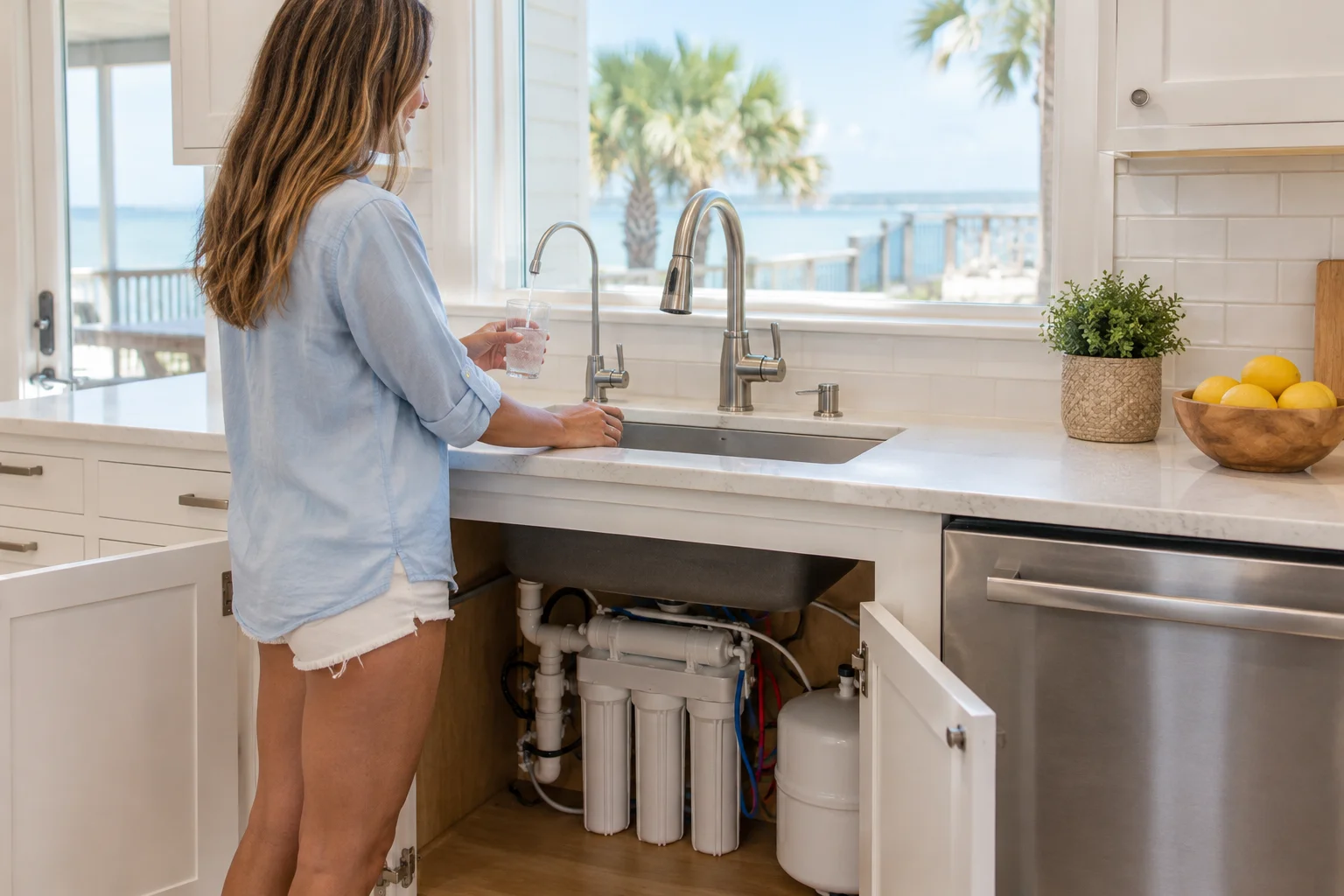
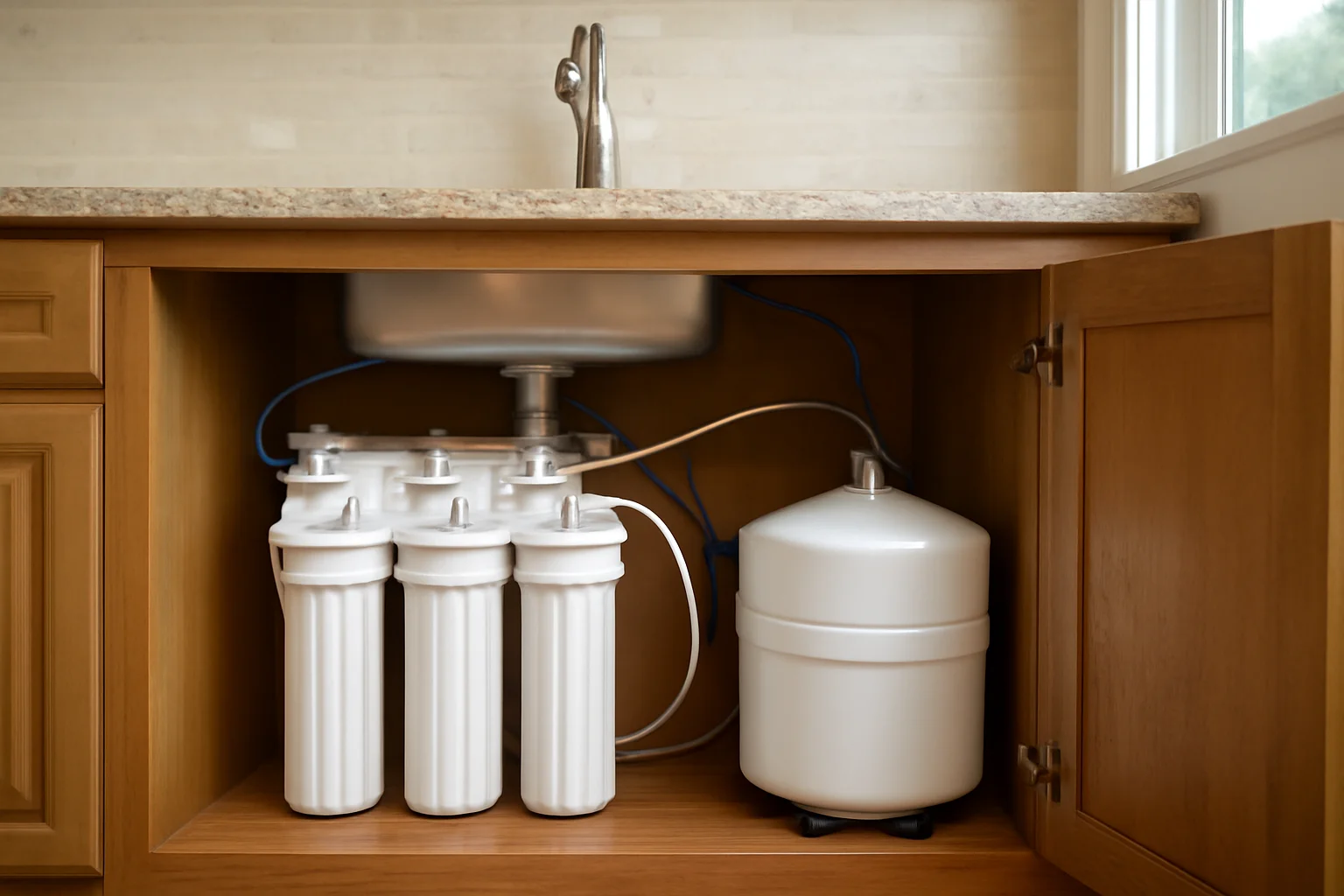
Reverse osmosis is designed to reduce contaminants by pushing water through semi-permeable membranes. Most RO systems also rely on a sequence of filtration stages, such as sediment filtration, carbon filtration, and then the RO membrane. When those stages get overloaded, fouled, or out of balance, the water can start to show the same problems you would notice with untreated or poorly treated water.
Seaside homes often face a double challenge. Coastal weather can increase the demand on filters through changes in water chemistry and sediment patterns, while hard water can create scale that coats surfaces and restricts flow. When reverse osmosis is paired with proper pre-filtration and, when needed, water softening, the system typically performs more consistently. When the pre-treatment is missing or neglected, RO systems may still run, but not at their best.
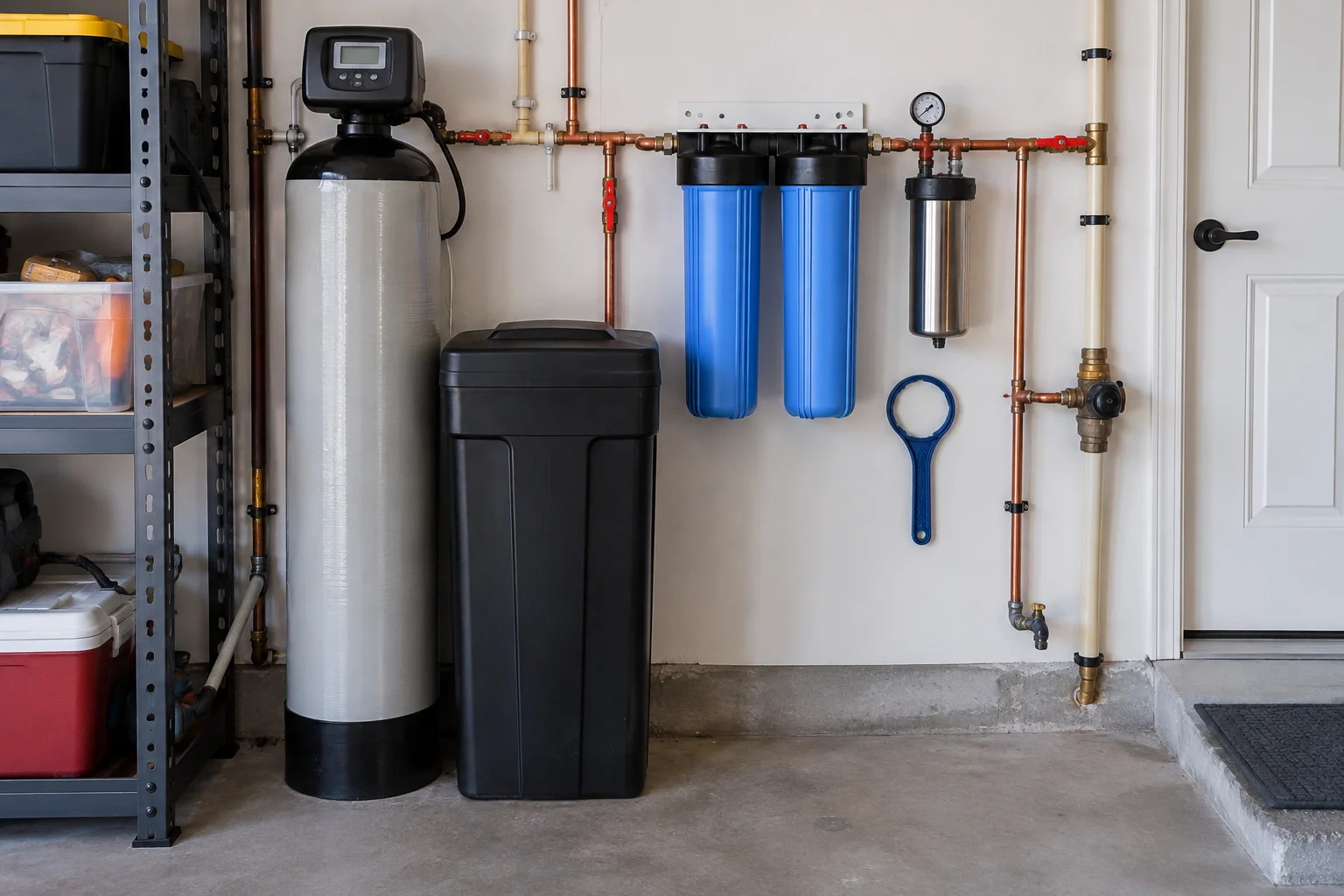
If you are exploring water filtration and RO water softeners, it helps to understand that RO is usually part of a broader clean water system. Whole home water filtration and targeted water softener service can reduce scale and protect plumbing and appliances, while the RO unit focuses on drinking water quality at the tap.
Water quality warning signs tied to reverse osmosis issues
Here are the most common clues homeowners in Seaside notice. Many of them show up in the kitchen first, then carry over to bathing, laundry, and fixtures.
1) Metallic, chlorinated, or unpleasant taste and odor
One of the first “tell” signs is taste. If you notice a metallic taste, a strong chlorine taste in water, or an odor that was not there before, it often points to carbon filter decline or a membrane that is no longer rejecting contaminants as effectively.
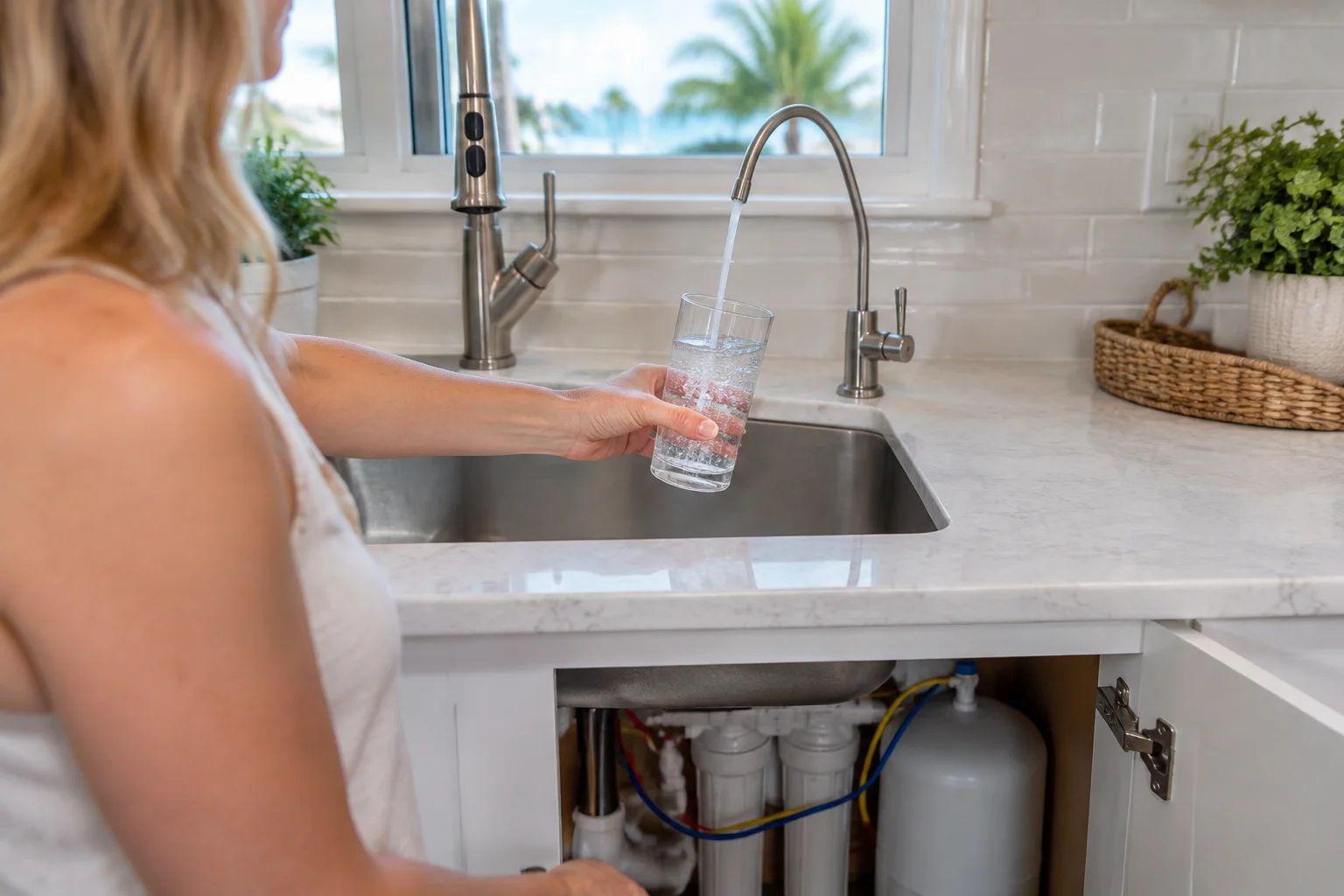
Family scenes make it obvious. Maybe the kids ask why the water tastes different from the last time, or you notice the ice bucket gets a smell. If your coffee tastes off, the issue can start with filtered water for coffee and cooking. Poor tasting coffee water is a frequent complaint when RO performance slips.
2) Cloudy ice cubes from RO water
Cloudy ice cubes can be more than a visual quirk. They can indicate dissolved solids, micro-bubbles, or changes in filtration quality. When RO membranes or post-filters are not working properly, you may see ice that looks cloudy compared to earlier batches.
In coastal kitchens, this can become a noticeable pattern during warmer months when people use more chilled drinks. If the ice looks cloudy and the taste is slightly off, it is worth checking RO filtration stages rather than assuming it is “just the water.”
3) Sediment, discoloration, or visible particles in drinking water
Visible sediment in household water is another red flag. Even small particles can show up as discoloration or specks in a glass. In an RO system, that can mean a sediment pre-filter is clogged, a housing seal is failing, or the system is not protecting the membrane the way it should.
For homeowners searching for water filtration near me, this is especially important if you have a vacation rental or frequent guest turnover. Consistent water clarity supports guest satisfaction and protects your appliances.
4) Poor lather, soap that does not lather or rinse well
If your water starts feeling “slippery” or oddly harsh, soap performance can give you a clue. Hard water and scale buildup can interfere with how soap and detergents react, leading to soap that does not lather or rinse well.
In the shower, it can feel like you never fully rinse. In the kitchen, it can mean residue on glassware and a film that is difficult to wipe away. This is also a common sign that whole home scale control may be needed alongside RO.
5) Hard water spots on glass, dishes, and fixtures
Hard water spots on glass and dishes are not just cosmetic. They are a sign that minerals are depositing as water dries. Around faucets and showerheads, scale buildup can form quickly, especially when water is heated and evaporates.
Homeowners often notice it after dinner prep, when you pull out plates that look fine at first glance but have a chalky film after drying. Over time, the same mineral deposits can build around plumbing connections and reduce flow.
When RO is not paired with appropriate pre-treatment, minerals can still contribute to scale in the rest of the plumbing system, even if the drinking water seems “okay.”
6) Scale buildup around faucets, showerheads, and plumbing
Scale buildup around faucets and showerheads is one of the most practical clues. If you are scrubbing more often or descaling more frequently than you did last year, it can indicate that scale control is slipping.
RO systems can contribute to better drinking water, but they do not always prevent scale throughout your entire home. That is why water softener installation near me and whole house water filter options are commonly discussed together. A clean water system should protect both your RO unit and the rest of your plumbing.
7) Dry skin or dull hair after bathing
Many Seaside residents describe a difference after switching to better water. When mineral content is high or scale is affecting how water interacts with soap and shampoo, you can end up with dry skin or dull hair after bathing.
This is not about “magic water.” It is about the way minerals and deposits can leave residue on skin and hair. RO can improve drinking water quality, but if your whole home water chemistry is hard and untreated, bathing results may still feel harsh.
8) Appliances wearing out faster
Coffee makers, dishwashers, water heaters, and ice machines can all suffer when scale builds inside them. If you are noticing more frequent repairs, shorter appliance lifespans, or performance drop, hard water treatment should be part of the conversation.
Even if your kitchen drinking water is filtered, appliances still connect to the rest of your plumbing. Whole home water filtration and water softening can reduce mineral buildup where it matters most.
9) Cloudy or off-tasting cooking water
Cooking water matters. If pasta, rice, or vegetables taste different, or if your cooking water has an odd aftertaste, it can be tied to filtration performance. This is especially noticeable when you rely on filtered water for coffee and cooking every day.
If you are using RO water for cooking and you notice a shift, the issue could be that the RO membrane is aging, the filters are due, or the system is not producing water at the expected quality.
Common causes behind these warning signs
Most RO problems are not mysterious. They are usually tied to maintenance, water chemistry changes, or installation details.
Clogged or exhausted pre-filters
Sediment and carbon filters protect the RO membrane. When they are overdue, they can allow contaminants to reach the membrane or reduce flow. That can lead to taste and odor issues, visible sediment, and poor performance.
RO membrane aging or fouling
The membrane is the heart of the system. Over time, it can become less effective due to normal wear, scale formation, or dissolved solids that were not controlled upstream.
Scale and mineral buildup
Scale buildup around fixtures is a visible clue, but scale can also affect RO membranes and internal components. Hard water minerals can restrict flow and reduce rejection performance. This is where water softening and proper pre-treatment can make RO last longer.
Incorrect pressure or flow rate
If the system is not receiving the right feed pressure, it may not produce water as efficiently. Some RO systems also rely on proper storage tank function and correct operation of valves.
Maintenance intervals that do not match your household use
A vacation rental with high turnover can use water differently than a full-time household. If filter change schedules are based on a generic timeline rather than real usage, you may notice water quality changes earlier than expected.
How to troubleshoot safely at home
You can do a few simple checks before scheduling service. These steps do not replace professional testing, but they can help you describe the issue clearly.
Compare taste and clarity from different taps
Test RO water versus non-RO drinking water. If the RO water is the problem, focus on the RO stages. If everything tastes off, the issue may involve broader water treatment.
Look for changes in ice appearance
If cloudy ice cubes show up after a period of normal clarity, it can align with filter decline or membrane performance issues.
Check for leaks under the sink and monitor water production
Any leaks should be addressed promptly. If you notice slower production or unusual cycling, it can indicate a filter restriction or pressure issue.
Pay attention to soap behavior and fixture buildup
When soap does not lather or rinse well, and you see hard water spots on glass, it can point to hard water scale control needs. That is where pairing RO with an RO plus water softener approach can improve results across the home.
What proper solutions look like in Seaside
When homeowners call for reverse osmosis installation near me or service, the goal is not just to get water flowing again. The goal is to restore consistent, clean water quality for drinking, cooking, bathing, and daily use.
Replace the right filter stages on schedule
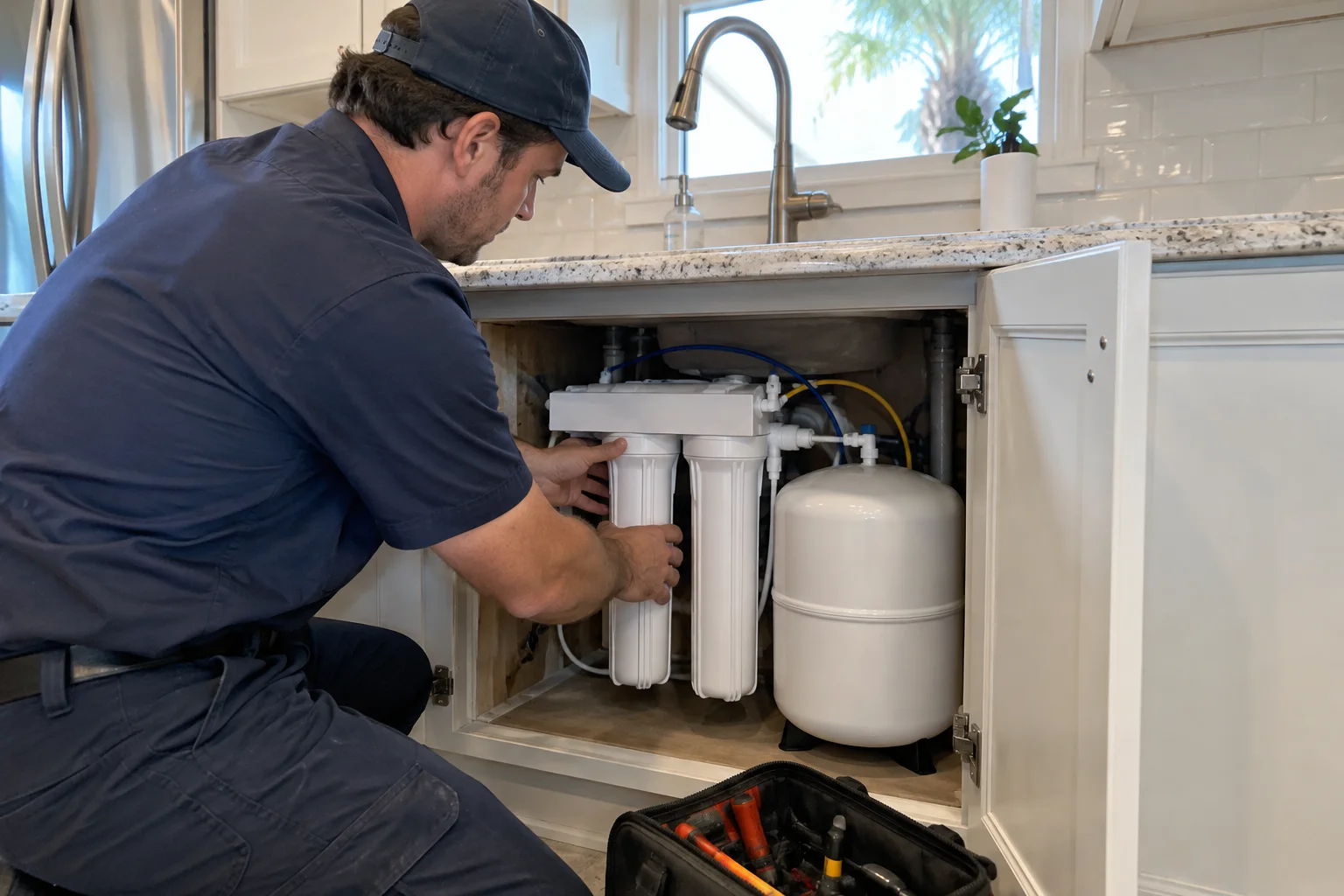
A qualified technician will identify which stage is affecting taste, odor, clarity, or flow. That might include sediment pre-filter changes, carbon filter replacement, or RO membrane service.
Confirm system performance with appropriate testing
Professional water testing can help determine whether the RO system is meeting performance targets. This is especially helpful when you are noticing metallic tasting water, chlorine taste in water, or odor concerns.
Address hard water with water softening and whole home filtration when needed
If you are dealing with scale buildup around showerheads and faucets, you may benefit from an AO Smith water softener or a whole house water filter strategy. Whole home water filtration can reduce sediment and improve water consistency throughout the home.
For many Seaside households, a combined approach works best: whole home protection to reduce scale and residue, plus RO for high-purity drinking water. That combination supports filtered water for coffee and cooking, clearer ice, and more comfortable bathing.
Use AO Smith water filtration components appropriately
AO Smith systems are widely used for water treatment needs, including whole home water filtration and water softening. When paired correctly with reverse osmosis, homeowners often see improvements in taste, odor, and daily water feel, while also protecting appliances and plumbing.
Why local water treatment service matters in Walton County
Water systems are affected by local conditions, household usage patterns, and how a home is plumbed. In Walton County, including Seaside, many homes are dealing with coastal humidity, seasonal changes, and water chemistry that can contribute to scale formation and sediment issues.
Local service also matters because technicians understand the setups common in the area, including systems used in vacation rentals and coastal homes where guests may notice water quality quickly. If you manage a property, you want clean water systems near me that keep your kitchen and bath experience consistent week after week.
For homeowners looking at service options, it helps to review the city and county coverage. You can explore more about the area on our Seaside service page and Walton County coverage, then schedule RO service through the appropriate local page for reverse osmosis systems.
Maintenance habits that help RO systems last longer
RO maintenance is not just filter swaps. A few practical habits can reduce stress on the system and keep water tasting clean.
Replace filters based on performance, not just time
If you notice changes in taste, cloudy ice cubes, or odor concerns, do not wait for the calendar to catch up. A technician can check whether filters or the membrane are due early.
Keep the storage tank and system components clean
RO systems rely on storage tanks and internal components that should be inspected periodically. If water quality changes after long idle periods, it may be related to system sanitation or tank performance.
Use the system consistently for drinking water needs
In vacation homes, water may sit longer between guest stays. That can affect taste and odor if the system is not maintained for seasonal use. A service plan tailored to your schedule helps.
Watch for soap and spotting patterns as early indicators
When you see hard water spots on glass returning faster than usual, it can mean scale control is slipping. Addressing hard water early helps protect fixtures, improves bathing comfort, and supports cleaner daily use.
When to call A Superior Mechanical for reverse osmosis service
If any of the following are happening, it is time to contact a professional for inspection and testing:
Metallic tasting water, chlorine taste in water, or unpleasant odor in RO drinking water
Cloudy ice cubes, visible sediment, or discoloration
Soap does not lather or rinse well, along with increasing hard water spots on glass and fixtures
Scale buildup around faucets and showerheads that seems to be accelerating
Dry skin or dull hair after bathing that lines up with changes in water feel
Appliances wearing out faster, especially coffee makers, dishwashers, and ice machines
These are all signs that your clean water system may need filter changes, membrane service, or better whole home water treatment coordination. For reverse osmosis installation and repair in the Seaside area, you can start with reverse osmosis systems in Seaside.
If you want to compare how different water issues show up in everyday life, these reads can help:
Smart Plumbing Habits for Reverse Osmosis Systems in 30A Homes
Practical Plumbing Advice for Seaside Homeowners Living Near the Coast
Better water is the kind of upgrade you notice every day. It shows up in the glass you pour for the family, the taste of coffee and cooking water, the comfort of bathing, and the way fixtures and appliances hold up over time. When reverse osmosis warning signs start appearing, addressing them quickly helps keep your kitchen and bath water cleaner and more reliable across Walton County.
Find Reverse Osmosis Systems in Seaside, FL
If you need Reverse Osmosis Systems in Seaside, FL, visit our local service page or contact A Superior Mechanical today.
For a broader look at whole-home water filtration, reverse osmosis, and water softener options, visit our water filtration, RO, and water softener page.
Map of Seaside, FL
Frequently Asked Questions
How often should I change filters on my reverse osmosis system in Seaside?
Most RO systems need filter changes on a schedule, but coastal use patterns and water chemistry can shift performance. If you notice chlorine taste in water, metallic tasting water, cloudy ice cubes, or sediment, schedule service sooner to check which stage is due.
Can hard water affect my reverse osmosis system?
Yes. Hard water minerals can contribute to scale buildup that restricts flow and reduces RO efficiency. That is one reason many households benefit from combining RO with water softening and, in some cases, whole home water filtration.
Why does my RO water taste different even though the system is still running?
If the system is producing water but taste or odor changes, it can mean the carbon filter or membrane is no longer performing as expected, or a pre-filter is clogged. A technician can test performance and replace the correct components.
Is RO only for drinking water, or can it help with bathing and laundry?
RO is typically installed for drinking water and cooking water at specific fixtures. For bathing, dry skin, and laundry results, whole home water treatment and scale control usually play a bigger role. Pairing RO with whole house water filter or water softening can improve daily water feel.
Related Articles
- Practical Plumbing Advice for Seaside Homeowners Living Near the Coast
- Smart Plumbing Habits for Reverse Osmosis Systems in 30A Homes
- Cleaner Drinking Water and Healthier Plumbing: A Rosemary Beach Homeowner’s Guide to Reverse Osmosis Systems
- Cleaner Water, Clearer Living in Seaside: How Better Treatment Helps With Spots, Scale, Taste, and Odor
Photo Gallery