Upper Grand Lagoon homes rely on good water for everything from morning showers to laundry and cooking. When water softening or whole home water filtration is not set up correctly, the results can feel inconsistent, even if the equipment is new. Timing matters because water treatment systems do not work in isolation. They respond to water chemistry, household use, and maintenance schedules. When those pieces get out of sync, scale buildup on fixtures, unpleasant tastes, and sediment concerns can show up sooner than you expect.
If you are seeing hard water spots on glass, dishes, and fixtures, or you are noticing dry skin from hard water and dull hair after bathing, it is worth looking beyond the symptoms. In Upper Grand Lagoon, where many homes experience hard water conditions that contribute to mineral deposits, the “when” and “how” of water softening can make a big difference.
Why timing matters for water softening and filtration
Water softeners and filtration systems are designed to treat water in a controlled way. That control depends on timing and flow. A few common timing issues can cause a system to underperform, even if it is installed correctly.
Regeneration schedules that do not match your household demand
Most traditional water softeners regenerate on a schedule or based on usage. If the schedule is set too infrequently, the resin bed can become saturated with hardness minerals. If it is set too often, salt and water may be wasted, and the system may not fully complete the cycle before the next day’s use. Either way, the water coming out can lose its “soft” feel.
In a typical Upper Grand Lagoon household, showers, laundry, and dishwashing patterns can vary by season. More guests during warm months, heavier laundry loads, or changes in occupancy can all shift demand. When homeowners notice scale buildup around faucets, showerheads, and plumbing after a period of normal use, it can be a sign the regeneration timing needs adjustment.
Filter and sediment buildup that slows water through the system
Whole home water filtration systems are often installed to address sediment, odor, and other water quality concerns. If a pre-filter or sediment filter is overdue for service, water flow can drop and contact time can change. That can lead to visible sediment in household water, discoloration, or a musty odor that shows up in sinks and showers.
Timing matters because filters are not meant to run until they fail. When sediment accumulates, it can also feed into the softening process, increasing the workload on the softener.
Installation timing and startup steps that get skipped
Even with great equipment, startup procedures matter. If a system is not flushed properly, or if bypass valves are not set correctly, you can end up with incomplete treatment from day one. Homeowners may interpret the early results as “the system is not working,” when the real issue is that the system was not properly placed into service.
Common problems that show up when water softening is not working right
Hard water does not just affect comfort. It affects surfaces, appliances, and plumbing performance over time. When softening is disrupted, the signs are usually visible in everyday places you use and clean.
Scale buildup on glass, dishes, and fixtures
One of the first clues is the look of water and minerals. You may notice hard water spots on dishes after the dishwasher runs, or cloudy marks on drinking glasses. In the shower, scale buildup around faucets and showerheads can create a rough feeling and reduce water flow. Over time, scale buildup on faucets can also make cleaning harder and more frequent.
If you are seeing persistent spots even after you clean, it is a strong indicator that the softening and filtration system is not keeping up.
Dry skin or dull hair after bathing
Water that is too hard can make soap feel like it is not working. You might notice dry skin from hard water, tightness after showers, or hair that looks dull even with regular conditioning. This is not just a comfort issue. It can also be a clue that soap is not rinsing well because minerals interfere with lather and rinse performance.
Soap that does not lather or rinse well
When minerals are present, soap can bind to them instead of cleaning effectively. Homeowners often describe it as soap scum that never quite disappears or a residue that builds up quickly. If laundry feels stiff or bath towels do not feel as fresh, the water chemistry may be part of the problem.
Metallic, chlorinated, or unpleasant taste
Hard water is not the only factor that affects taste. Some homes also notice metallic tasting water or a chlorinated or unpleasant taste in drinking water and cooking water. Whole home water filtration can help address taste and odor, but timing still matters because filters must be maintained. If filter media is exhausted, taste issues can return.
Cloudy ice cubes and sediment concerns
Cloudy ice cubes can be more than a cosmetic issue. They can signal dissolved minerals, air, or filtration problems. If you also see visible sediment, discoloration, or odor concerns in sinks or at specific fixtures, it may be time to evaluate both softening and filtration.
Poor tasting coffee and cooking water
Coffee and cooking water can reveal water quality quickly. Hard water can change how coffee extracts and can affect the flavor of soups, sauces, and rice. If you notice poor tasting coffee water or that cooking water leaves a heavier mineral taste, consider whether your water softener and filtration system are working in sync.
Appliances wearing out faster
Water treatment is not only about comfort. It is about longevity. Scale buildup inside water heaters, dishwashers, and other appliances can reduce efficiency and lead to earlier wear. When appliances begin to underperform, it is worth looking at water chemistry and whether water softening and filtration are protecting internal components.
What can cause water softening problems in Upper Grand Lagoon homes
Homeowners often assume a water softener either works or it does not. In reality, water softening problems are frequently caused by a few predictable factors related to timing, maintenance, and system design.
Hard water levels change with season and usage patterns
Upper Grand Lagoon and the broader Bay County area can see shifts in how water behaves through the year. While the exact hardness can vary, many homes experience enough hardness to drive scale and soap inefficiency. If your household use changes, the softener may need a different regeneration approach. A system set for a low-usage household may struggle during peak use.
Filters that are not replaced on schedule
Whole house water filter components typically have service intervals. Sediment filters clog, carbon filters exhaust, and other media loses effectiveness. If you delay maintenance, you can see problems like sediment in household water, persistent odors, or taste issues. Those issues can also cause the softener to work harder, which may lead to earlier breakthrough of hardness minerals.
Salt bridging or low salt in the brine tank
A softener needs salt to regenerate properly. Salt bridging, a lack of salt, or incorrect salt type can interrupt regeneration and cause hard water to slip through. Some homeowners notice the return of scale buildup around faucets and showerheads after a period of good performance. That pattern can match a brine-related timing problem.
Resin bed or valve issues
Over time, a softener’s internal components can wear. A malfunctioning valve may not move through regeneration steps correctly, or it may fail to draw brine at the right time. Resin beds can also degrade. If your water softener is producing inconsistent results, it may be more than a schedule issue.
Bypass valves accidentally left open
This is simpler than it sounds. After service work, homeowners might find the system partially bypassed. When that happens, you may still get some benefits, but not enough to prevent hard water spots on dishes and glass. It can also show up as ongoing scale buildup on showerheads.
How reverse osmosis and whole home filtration fit with softening
Many homeowners want better drinking water and cleaner water for cooking, while also protecting plumbing and appliances. That is where system design and timing come into play.
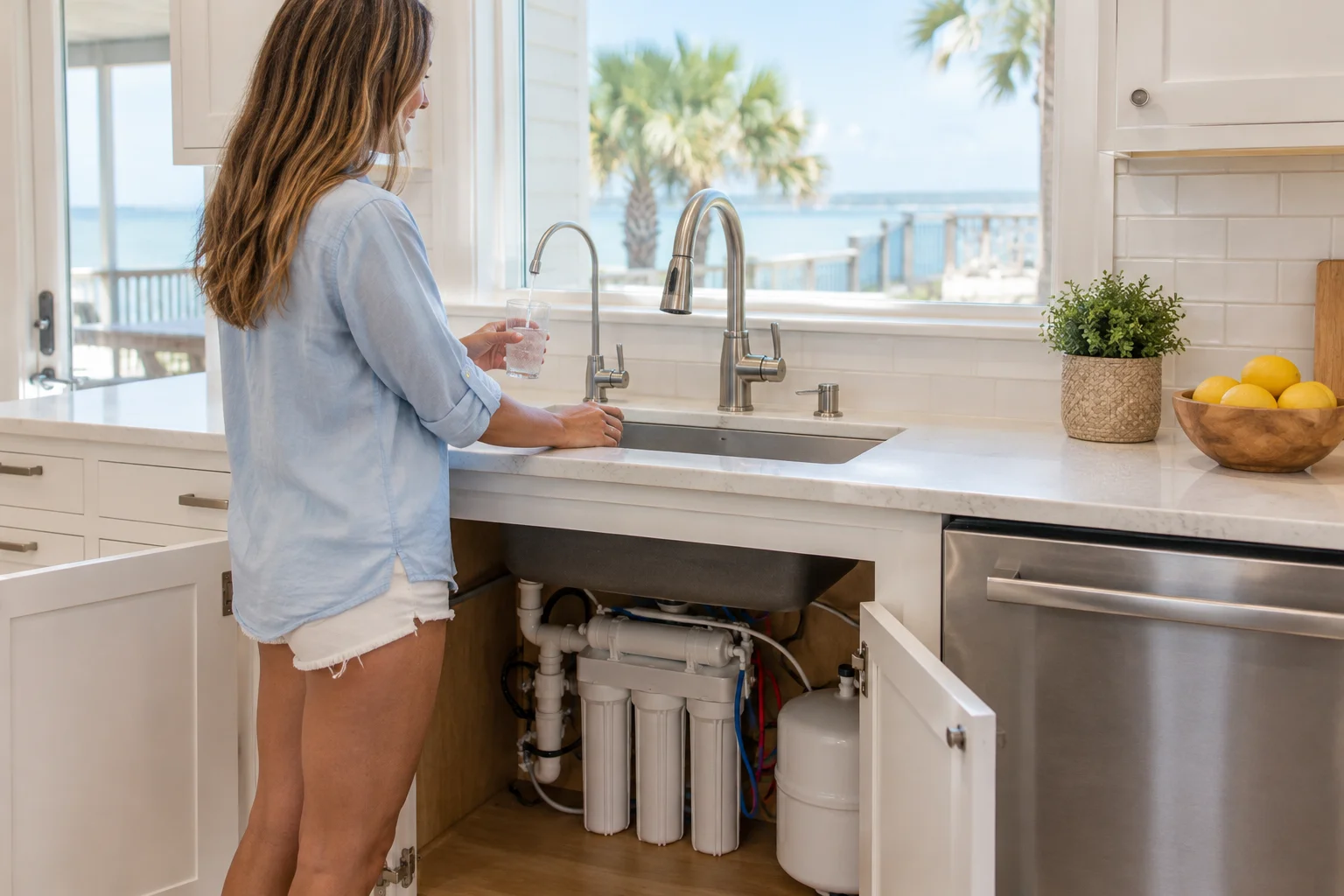
Reverse osmosis for drinking water and cooking
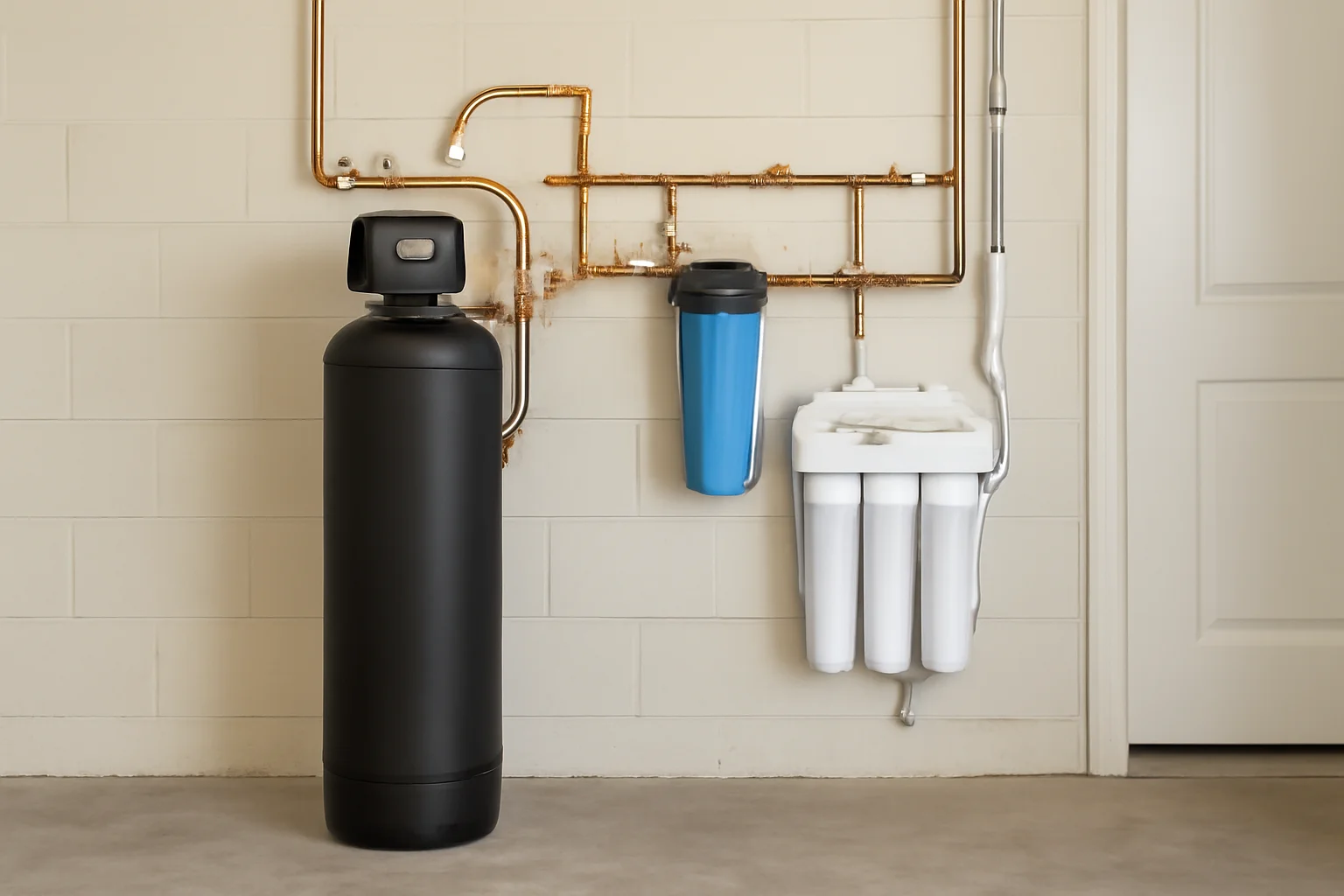
Reverse osmosis is often used at the kitchen sink to improve taste, reduce certain contaminants, and provide cleaner drinking water. For homes with metallic tasting water, unpleasant taste, or concerns about how water affects coffee, reverse osmosis installation near me is frequently part of the plan.
However, reverse osmosis is not meant to replace whole home water softening. If hard water is not addressed, scale can build up on RO components faster, reducing efficiency and increasing maintenance needs. That is why timing and coordination matter between the softener and the RO system.
Whole home water filtration for sediment, odor, and cleaner water throughout the house
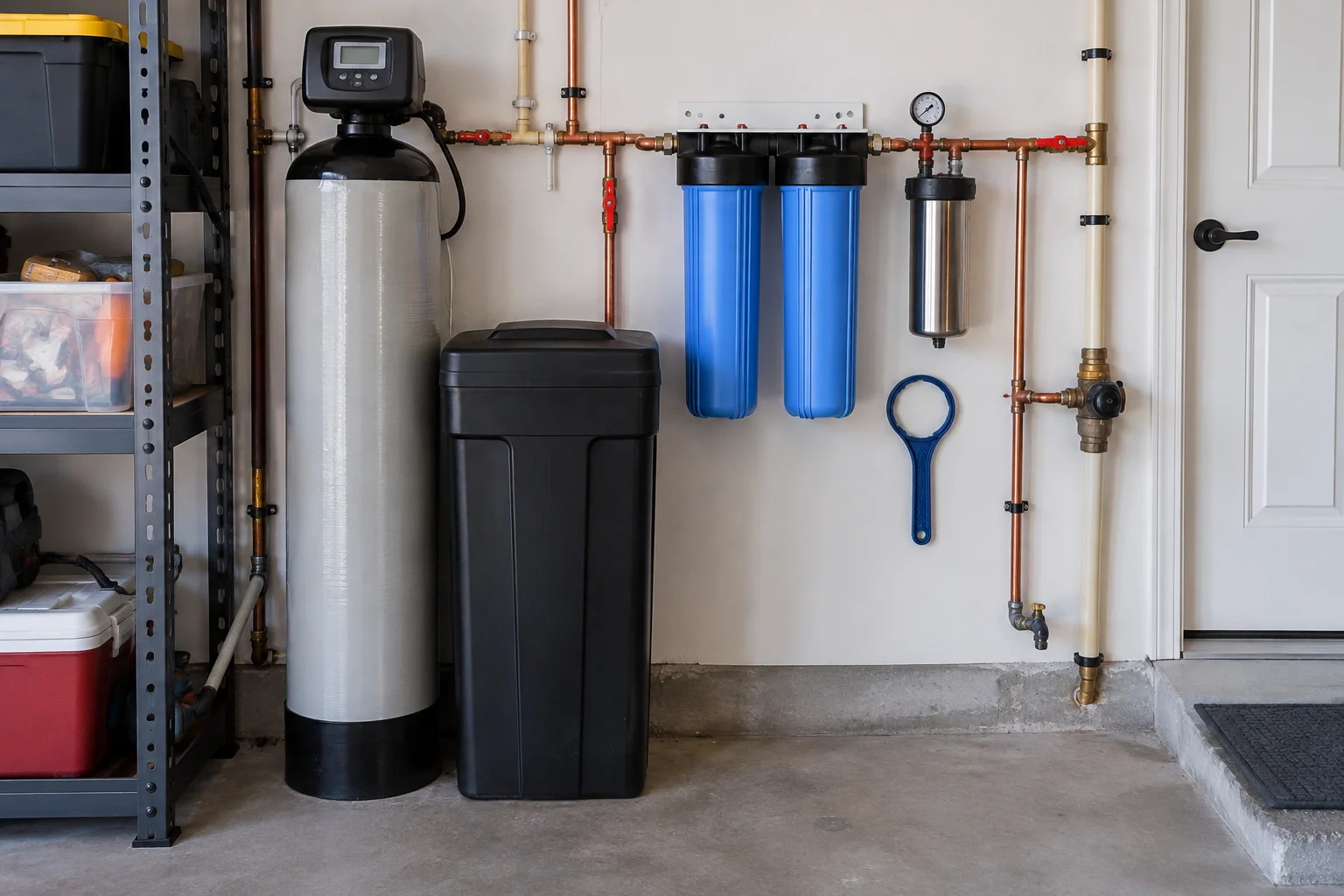
Whole house water filtration can help with sediment, odor concerns, and taste issues that show up at multiple fixtures. When you are dealing with visible sediment, discoloration, or consistent odor concerns, whole home filtration can be a more practical foundation.
For homeowners searching for clean water systems near me, the goal is usually to treat water before it reaches faucets, showers, laundry, and appliances. When filtration is maintained at the right intervals, you can reduce the mineral and particle load that contributes to scale and residue.
AO Smith water filtration and water softening coordination
Some homeowners choose AO Smith water filtration equipment because it is built for whole home performance. Whether you are focused on an AO Smith water softener or an integrated filtration setup, the timing of maintenance still matters: filters need scheduled service, and softener regeneration must match your household’s water use.
When AO Smith water softener performance is supported by properly maintained filtration, you are more likely to see better rinse results, fewer hard water spots, and improved water quality for bathing and laundry.
Everyday impacts you can notice in Upper Grand Lagoon
Water treatment is not abstract. It shows up in your kitchen, your bathroom, and your laundry room. Think about a typical week in Upper Grand Lagoon: family breakfast, school schedules, weekend grilling, and showers that start early.
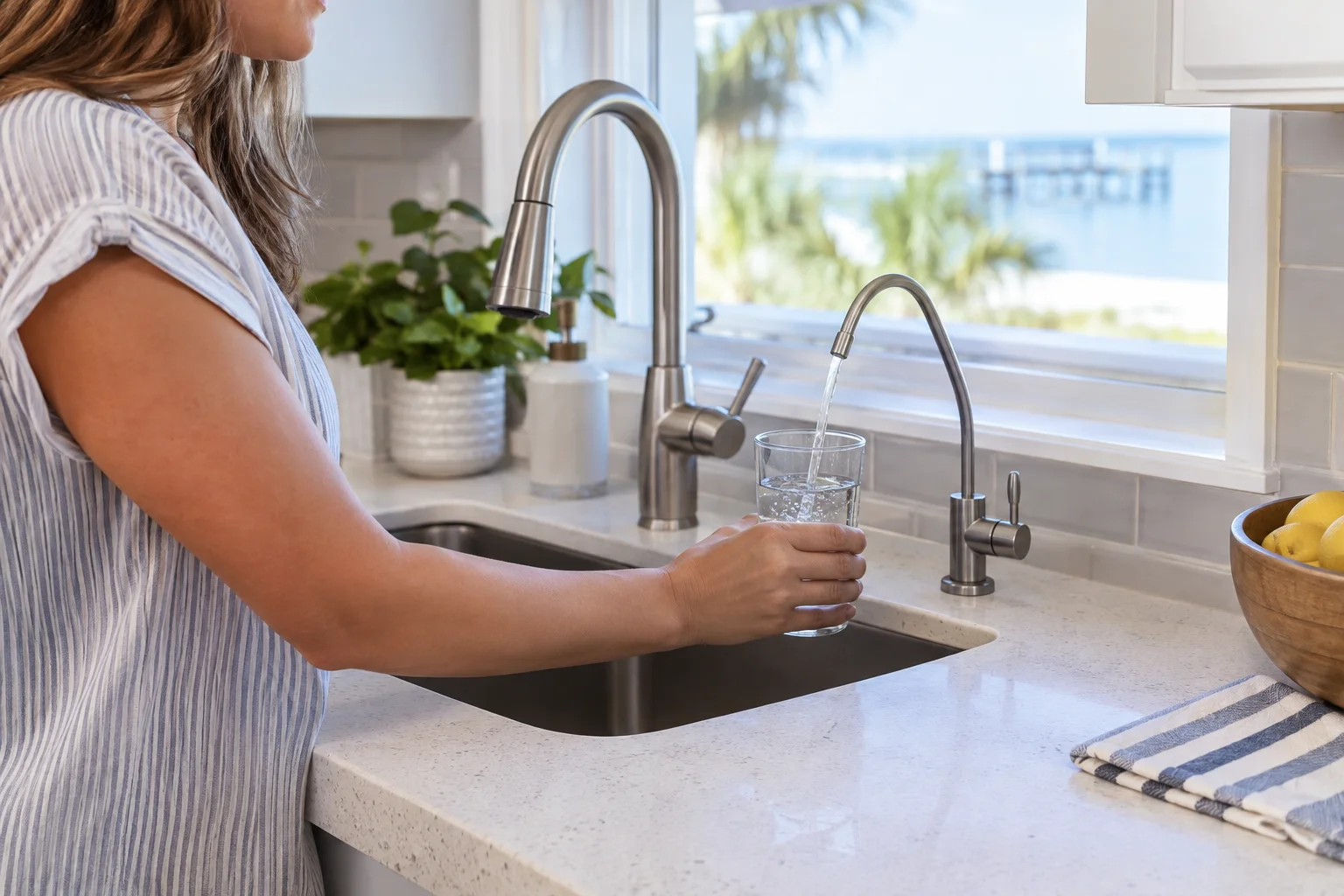
Kitchen scenes: drinking water, ice, and cooking water
When water quality is off, you notice it right away. You might fill a glass and see cloudy ice cubes, or you might hesitate before pouring a pitcher because the taste feels off. Coffee can taste flatter, and cooking water can leave a mineral note that changes how flavors come through.
With properly tuned water filtration and water softening, the same kitchen routines feel easier. Drinking water tastes better, ice looks clearer, and cooking water performs more consistently.
Bath time: soap performance and comfort
Hard water can make soap feel like it does not lather or rinse well. That is frustrating when you are trying to get kids clean quickly or when you want your shampoo and body wash to work the way they are supposed to. Dry skin or dull hair after bathing can be the result of mineral buildup and residue.
Softer water helps soap work better and supports a more comfortable bathing experience.
Laundry day: residue, stiffness, and towel feel
In laundry, minerals can contribute to stiffness and residue. If whites do not brighten as expected or towels feel rough, it may not be the detergent. When softening is functioning properly, laundry often rinses cleaner and feels better.
Fixtures and appliances: less buildup, better performance
Scale buildup around faucets and showerheads can reduce flow and make cleaning more time-consuming. Over time, it can also affect how fixtures look. Appliances can wear out faster when scale forms inside heating elements and lines.
When water softening and filtration are timed and maintained correctly, you can reduce scale buildup on faucets and help appliances last longer.
Prevention and maintenance that keeps timing on track
Even the best water softener service in Upper Grand Lagoon depends on ongoing upkeep. The goal is to prevent breakthrough, reduce scale buildup, and protect both plumbing and appliances.
Check salt levels and tank health
Keep an eye on salt levels and look for signs of bridging or clumping. If you notice a sudden return of hard water spots on glass or dishes, check the brine tank before assuming a bigger issue.
Replace filters on schedule
For whole home water filtration, filter replacement is not optional. Follow manufacturer guidance and have a local water treatment professional assess conditions, especially if you see sediment in household water, odor concerns, or taste changes.
Review your regeneration schedule after household changes
If your family grows, you travel more, or laundry usage changes, regeneration timing may need adjustment. Adjusting the schedule can help prevent hardness breakthrough and reduce unnecessary regeneration cycles.
Keep an eye on “early warning” surfaces
Hard water spots on dishes, cloudy glassware, and scale buildup around faucets often appear before larger plumbing issues. When you treat the problem early, you can reduce damage and keep appliances running efficiently.
When to call a professional water treatment team
Some homeowners can troubleshoot minor issues, but water softening and filtration problems often require testing and system diagnostics. Consider calling a professional if you are dealing with:
- Persistent scale buildup around faucets, showerheads, and plumbing
- Dry skin from hard water or soap that does not lather or rinse well
- Metallic tasting water, unpleasant odor, or a strong taste in drinking water
- Cloudy ice cubes, discoloration, or visible sediment in household water
- Appliances wearing out faster or water heater performance dropping
A Superior Mechanical can evaluate your current setup, confirm whether water softening and filtration are working together, and recommend service or upgrades. If you are searching for water softener installation near me or need water filtration near me, start with a local assessment in Upper Grand Lagoon.
You can explore our water softening service for Upper Grand Lagoon and also review how our approach supports water filtration and reverse osmosis water softeners. For broader service coverage, visit the Upper Grand Lagoon service area page, and for countywide resources, see Bay County.
If you want more context on how water quality affects daily life, read Why Water Softening Matters for Upper Grand Lagoon Homes. For homeowners thinking about fixture upgrades alongside water treatment, Choosing the Right Time for Plumbing Fixture Replacement in Upper Grand Lagoon can help you plan. And if you manage larger properties, A Smarter Way to Handle Commercial Plumbing Services in Upper Grand Lagoon may offer useful guidance. For a look at long term protection, How Water Softening Protects Rosemary Beach Plumbing from Costly Water Damage shows what scale prevention can mean for plumbing systems.
Upper Grand Lagoon water treatment works best when timing is intentional
Water softening problems often feel mysterious until you connect the dots between household demand, filter maintenance, and system coordination. When timing is correct, you get softer water that helps soap lather and rinse better, reduces hard water spots on dishes and glass, and limits scale buildup around faucets and showerheads. When timing is off, mineral buildup can return, tastes can change, and appliances can wear out faster.
In Upper Grand Lagoon, where families use water heavily throughout the day, a water treatment system needs ongoing attention to keep performance consistent. That is why professional service and properly matched filtration and softening are worth prioritizing, especially when you are aiming for cleaner drinking water, better cooking water, and dependable whole home protection.
Find Water Softening in Upper Grand Lagoon, FL
If you need Water Softening in Upper Grand Lagoon, FL, visit our local service page or contact A Superior Mechanical today.
For a broader look at whole-home water filtration, reverse osmosis, and water softener options, visit our water filtration, RO, and water softener page.
Map of Upper Grand Lagoon, FL
Frequently Asked Questions
Why do I still see hard water spots on dishes and glass even after installing a water softener?
Hard water spots can mean the softener is not regenerating correctly, the brine tank is not drawing properly, the system is partially bypassed, or the regeneration schedule does not match household demand. Whole home water filtration issues can also contribute if sediment or other particles are affecting water quality.
How do I know whether I need reverse osmosis installation or whole home water filtration first?
If your main concern is taste and drinking water quality at the kitchen sink, reverse osmosis is often a strong choice. If you are also dealing with sediment, odor concerns, discoloration, or problems at multiple fixtures, whole home water filtration can be the better foundation. Many homes use both, coordinated with water softening to reduce scale buildup on RO components.
Can poor water quality affect laundry, bathing, and appliance lifespan?
Yes. Hard water can reduce how soap lathers and rinses, contributing to dry skin from hard water and dull hair after bathing. It can also leave residue in laundry and accelerate scale buildup inside water heaters and appliances, which can lead to earlier wear and reduced efficiency.
How often should filters be replaced in a whole house water filter system?
Filter life depends on water conditions and usage. A sediment filter may clog sooner if there is visible sediment in household water, while carbon or other media may exhaust with taste and odor concerns. Your local water treatment provider can recommend timing based on testing and system performance.
Is AO Smith water softener service different from other brands?
The fundamentals are similar across brands, but the equipment and maintenance steps can vary. AO Smith systems often have specific startup, regeneration, and filter service requirements. Professional service helps confirm proper settings, correct timing, and that your softening and filtration components work together.
Related Articles
Photo Gallery