Florida humidity does not take a break. In Camp Creek, that constant moisture can make your home feel warmer than the thermostat says, strain air conditioner and heat pump performance, and add wear to ductwork and indoor air quality systems. A whole home dehumidifier is designed to manage humidity across the entire house, not just in one room. When it is sized and maintained correctly, it can help you protect comfort, reduce mold risk, and avoid unnecessary stress on your HVAC equipment.
If you are searching for whole home dehumidifiers in Camp Creek, FL, this guide will help you understand what matters for older and newer homes alike. It also covers maintenance habits that can save money over time by improving system efficiency and reducing emergency cooling concerns during peak summer humidity.
Why Camp Creek humidity makes dehumidification a bigger deal
Camp Creek sits in the humid climate of Walton County, where warm air holds a lot of moisture. Salt air exposure along the broader Emerald Coast region can add additional stress to HVAC components and ductwork over time. Even when your air conditioner is running, humidity can remain high if the system cannot remove enough moisture or if airflow is restricted.
Whole home dehumidifiers help by removing moisture from indoor air using a dedicated process and then handling condensate drainage properly. That reduces the “sticky” feel and helps your home reach a more comfortable balance of temperature and relative humidity. When humidity levels are controlled, you often notice:
- Less condensation on cooler surfaces
- Fewer musty odors and improved indoor air quality
- Comfort that feels consistent room to room
- Potentially lower strain on AC and heat pump systems during long humid stretches
Whole home dehumidifiers work with your HVAC, not against it
Most whole home dehumidifiers are integrated into the home’s air distribution. That means airflow, ductwork design, and thermostat control all influence performance. A dehumidifier can be paired with your air conditioning system or operated with its own controls, depending on the installation design.
Homeowners often assume the dehumidifier is “standalone,” but the best results usually require coordination with the rest of the HVAC setup, including:
- Airflow paths through returns and supply ducts
- Thermostat settings and how they influence run time and indoor conditions
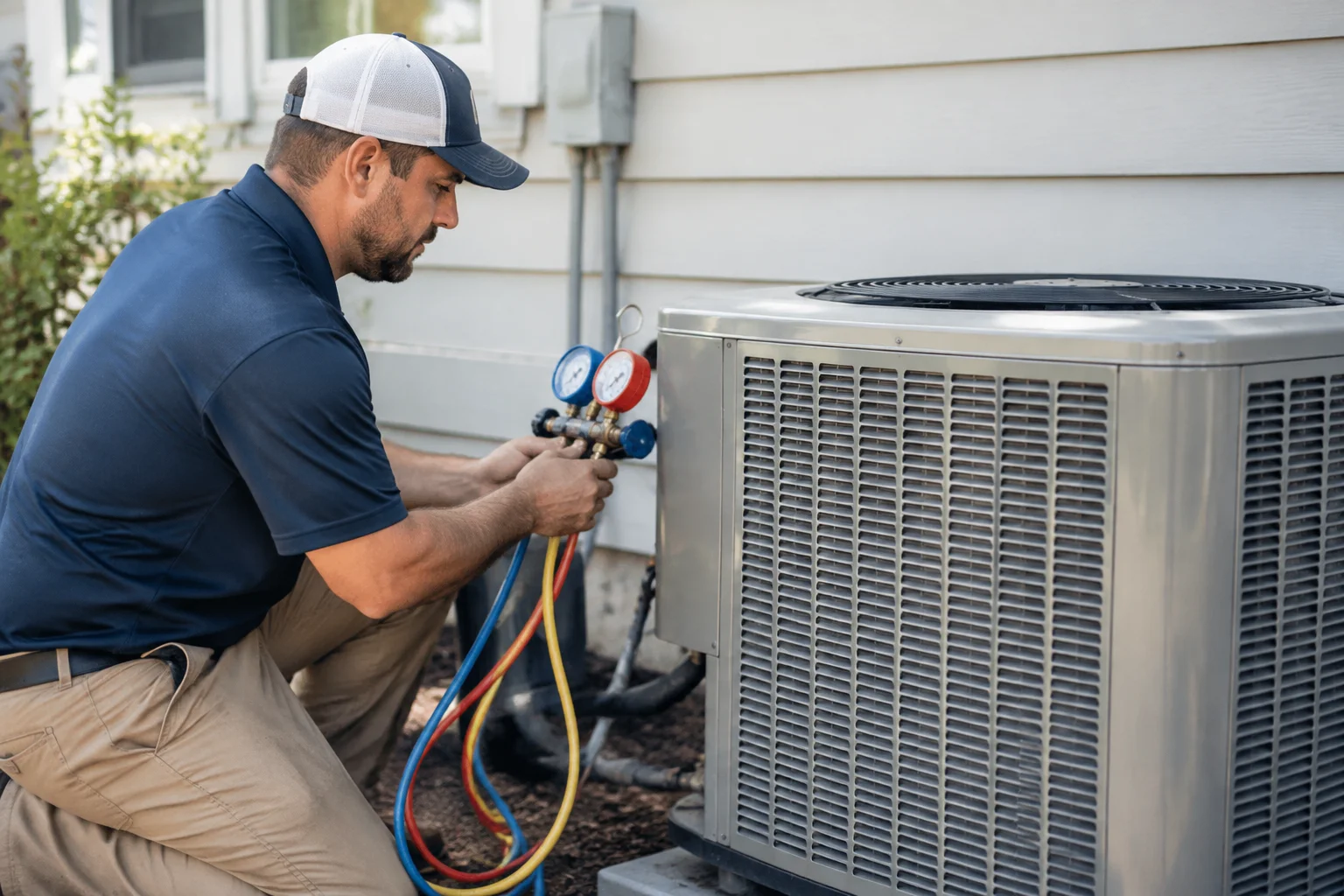
- Refrigerant systems performance when the AC or heat pump is actively cooling
- Condensate drainage so water is removed safely and consistently
Because HVAC systems and ductwork vary widely by home age and layout, installation details matter. That is why a licensed HVAC contractor matters, especially for homeowners searching for air conditioning service near me or HVAC repair near me who want humidity control that actually sticks.
Older homes in Camp Creek: common humidity and airflow challenges
Older Camp Creek homes may have ductwork and insulation details that were not designed for modern comfort expectations. Whole home dehumidifiers can still be a smart solution, but the maintenance and tuning needs may be different.
Leaky or poorly balanced ductwork
If supply and return airflow is uneven, a dehumidifier may not pull moisture from the areas that need it most. That can lead to:
- Rooms that feel clammy while others feel fine
- Higher humidity pockets near exterior walls or older crawl spaces
- Overworking the HVAC system to compensate
If your home has noticeable airflow issues, consider reviewing ductwork condition. You can also explore duct replacement (metal or fiberglass) if ducts are damaged, undersized, or difficult to seal effectively.
Condensate drainage issues that show up later
Dehumidifiers remove moisture and create condensate that must drain reliably. Older homes sometimes have drainage paths that are not ideal for consistent condensate removal. Over time, buildup can slow drainage, and that can cause overflow risk or shut downs. It is not a DIY job if you are not familiar with the unit’s drain setup.
Thermostat and control mismatches
Older thermostat setups may not manage humidity-related comfort as effectively. Even if your HVAC equipment is working, the house can still feel humid if the system stops cooling too soon or if fan operation is not coordinated. A professional can review your thermostat operation and how it interacts with the dehumidifier and air conditioning cycle.
Newer homes: humidity can still build up
Newer construction in Camp Creek can be tighter and more energy efficient, but that does not automatically solve humidity. In fact, tighter homes can trap moisture more effectively if ventilation and dehumidification are not well balanced.
Common newer-home issues include:
- Energy-saving design that reduces air exchange
- Oversized cooling systems that short-cycle
- Ductwork that is correctly installed but not optimized for balanced airflow
- Dehumidifier installation that does not match the home’s actual humidity load
When cooling runs in short bursts, the AC may not stay on long enough to remove enough moisture from the air. A whole home dehumidifier can help correct that imbalance and improve indoor air quality services outcomes.
Maintenance that keeps whole home dehumidifiers performing
The biggest money saver is consistent maintenance. Humidity control systems are not just “set it and forget it,” especially in Florida. Salt air, dust, and seasonal humidity swings can all affect performance. Preventive HVAC maintenance helps you catch problems before they become emergency cooling concerns.
Check and replace filters as recommended
Many dehumidifiers and related HVAC components rely on filters to protect airflow and internal parts. If filters are clogged, airflow can drop, which can reduce moisture removal and increase energy use. Follow the manufacturer guidance for your specific unit and schedule filter checks during peak humidity months.
Inspect condensate drainage and the drain line
Condensate drainage is a high-impact maintenance item. Over time, mineral deposits, algae, and debris can restrict drainage. That can lead to:
- Water backing up
- Unit shutoffs
- Unwanted moisture in nearby areas
A Superior Mechanical can inspect the drainage route and verify safe operation. Homeowners can also look for signs like wet spots near the unit, recurring odors, or unexpected shut downs, then book service.
Verify airflow and duct conditions
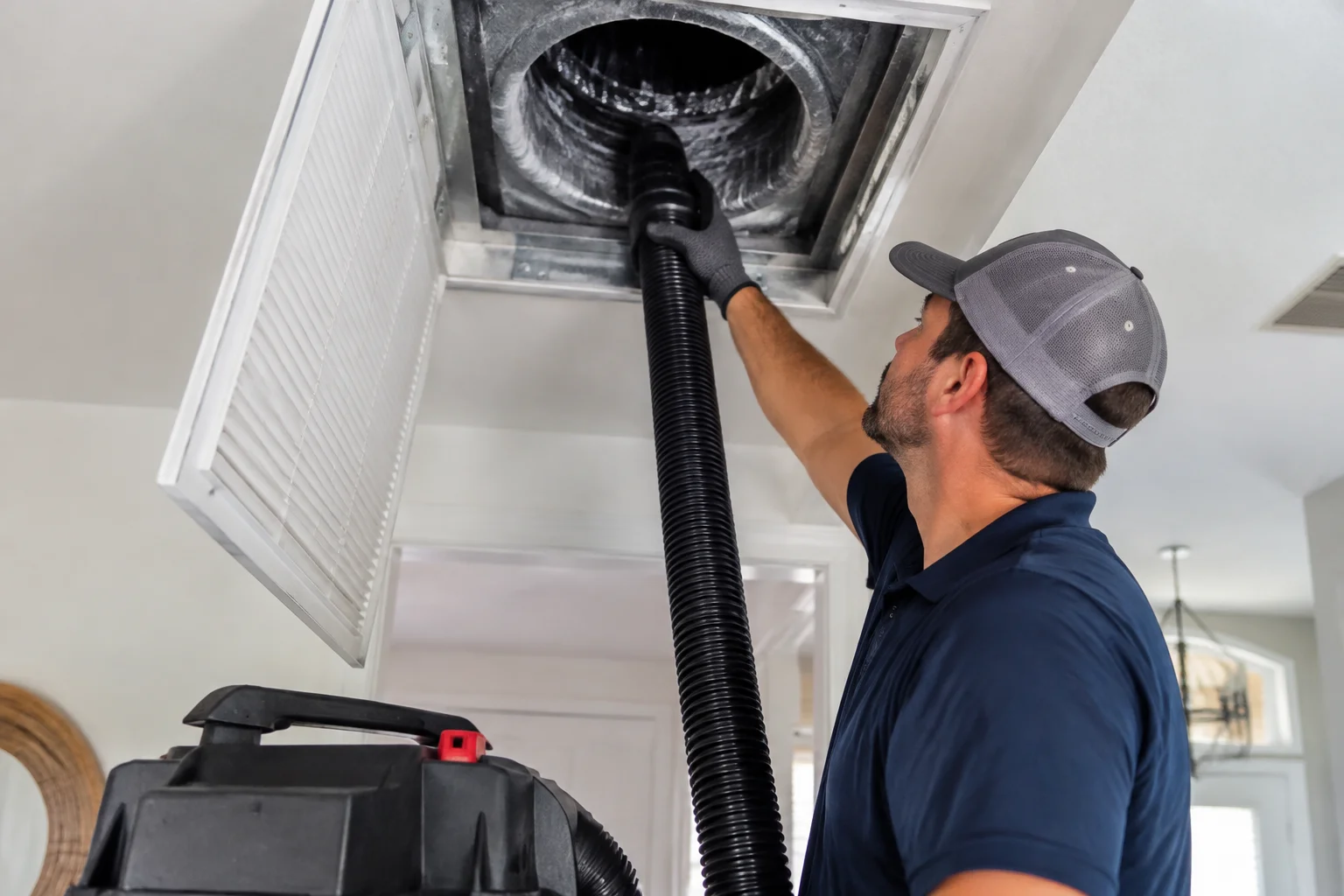
Whole home dehumidifiers depend on proper airflow. If your HVAC service technician notices reduced return flow, blocked registers, or duct restrictions, that can limit performance. In Camp Creek homes, dust accumulation and airflow changes over time are common, especially if air filters have been neglected.
If you suspect duct problems, it can be helpful to review ductwork condition. For some homes, duct replacement or targeted improvements may be part of a complete humidity plan. You can learn more about duct replacement to understand options.
Keep thermostats and humidity set points realistic
Thermostat control affects how often your air conditioner or heat pump runs. If settings are inconsistent with your comfort goals, the home can remain humid even when cooling is active. Humidity set points should be chosen based on your home’s needs and the dehumidifier’s capability. A licensed HVAC contractor can help you dial in thermostat operation and fan settings.
If you are considering thermostat upgrades, you can also review heating control systems since controls often influence comfort and run time.
Watch for refrigerant system strain signs
While dehumidification is separate from refrigerant handling, moisture control and cooling performance are linked. When an air conditioner or heat pump struggles, the home may not remove enough moisture. Signs that point to potential HVAC issues include:
- Cooling that feels weak or uneven
- Frequent cycling or long run times
- Rising indoor humidity despite normal thermostat settings
- Unusual noises or odors coming from the system
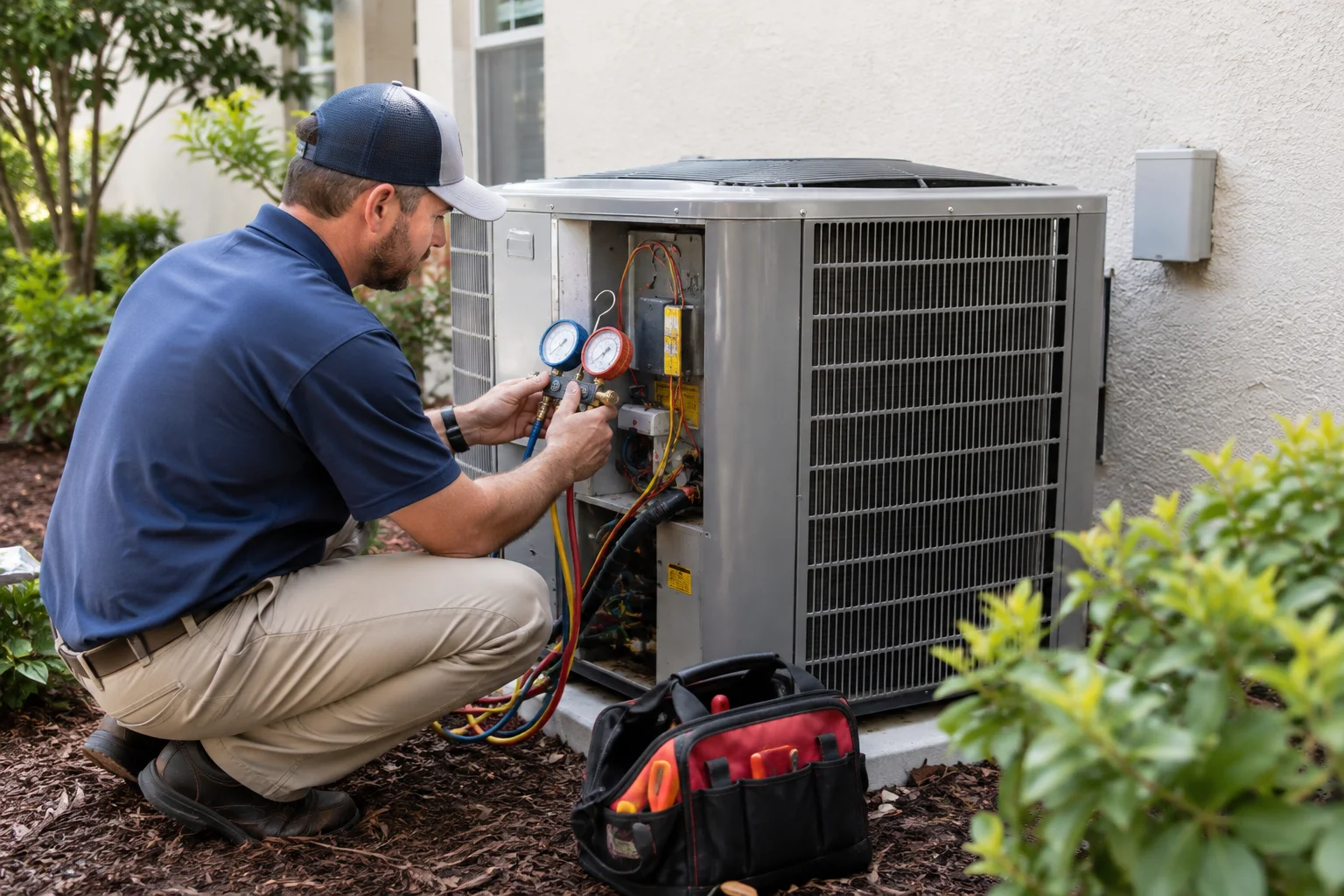
It is important not to assume the cause without an in-person evaluation. Refrigerant system diagnosis and repair should be handled by a professional, especially if you are searching for heat pump repair near me or air conditioner service near me.
Signs your whole home dehumidifier needs service
Humidity problems often show up gradually. Paying attention early can prevent bigger HVAC repair needs later.
- Indoor humidity stays high even when cooling runs
- Musty odors or a damp smell that returns after the unit has been working
- Condensate drainage concerns, such as wet areas near the drain line or recurring shutdowns
- Airflow feels weak or rooms feel uneven compared to other areas
- Short cycling that seems more frequent during hot, humid days
If any of these issues are happening, it is reasonable to schedule an HVAC service visit. Homeowners who are facing HVAC repair near me searches during summer often get better outcomes by addressing dehumidifier-related performance along with AC tune up needs.
How to reduce energy waste while improving comfort
In Florida heat, energy use rises naturally. The goal is not just to run equipment, but to run it effectively. Whole home dehumidifiers can reduce the “comfort deficit” that causes people to drop thermostats lower than necessary. That said, maintenance and airflow balance determine whether the system runs efficiently.
Energy waste can increase when:
- Filters are clogged
- Airflow is restricted in ducts or returns
- Condensate drainage is partially blocked
- Thermostat and humidity control strategies are mismatched
- The dehumidifier is not operating in a way that matches the home’s humidity load
Professional preventive HVAC maintenance can help identify the root cause of comfort and humidity issues without guessing. If you are comparing options for system upgrades, consider the full comfort plan, not just the dehumidifier alone. The best results often come from pairing dehumidification with smarter HVAC planning for indoor air.
You might also find these reads helpful: Smart HVAC Planning for Cleaner Indoor Air in Camp Creek and Smart HVAC Planning for Camp Creek Homes: Comfort, Humidity, and Better AC Installations.
Maintenance planning for Camp Creek seasons
Humidity swings in Camp Creek can be dramatic. A practical maintenance rhythm helps your dehumidifier and HVAC system stay ready when summer humidity peaks.
Spring and early summer: tune for humidity season
Before the hottest stretches, schedule inspection and maintenance that focuses on airflow, filters, condensate drainage, and overall performance. This is also a good time to address any ductwork concerns that could limit moisture removal.
Mid-summer: watch performance closely
If your home starts feeling clammy faster than usual, or if humidity readings creep up during normal cooling, do not assume it will “work itself out.” Florida heat can push systems to their limits, and small issues often become bigger ones quickly.
Late summer and early fall: clean up and prepare for next year
As humidity patterns shift, maintenance can help prevent carryover problems like drainage buildup or filter neglect. It also supports indoor air quality so your home stays comfortable during shoulder seasons.
Why professional local HVAC service matters in Walton County
Humidity control is not only about comfort. It also affects how your home handles moisture over time, including potential mold risk. For homeowners, working with a licensed HVAC contractor near me is often the difference between a dehumidifier that runs and a dehumidifier that performs.
A professional visit can include:
- Assessing how the dehumidifier integrates with your existing HVAC system
- Checking airflow and duct conditions that influence moisture removal
- Inspecting condensate drainage for safe operation
- Reviewing thermostat settings and control behavior
- Coordinating any related AC repair or heat pump service needs
If you are also dealing with cooling performance issues, it can be helpful to explore heat pump services or plan a broader air conditioning maintenance guide that aligns with dehumidification needs.
Dehumidifier service and system replacement considerations
Homeowners sometimes worry that humidity control automatically means system replacement. That is not always the case. Dehumidifier performance problems can come from maintenance gaps, airflow restrictions, condensate drainage issues, or control mismatches. An in-person evaluation is the only reliable way to determine what is truly needed.
When it comes to system replacement near me searches, it helps to think in terms of the whole comfort system. If your HVAC equipment is struggling, it may affect how humidity behaves in your home. Likewise, if your dehumidifier is not sized or installed appropriately for your home’s layout and ductwork, even a working HVAC system may not deliver comfortable humidity levels.
For guidance on long-term planning, you can also review how maintenance supports humidity control in other nearby areas, such as why better HVAC maintenance matters for whole home dehumidifiers in Sandestin.
Emergency cooling concerns: when humidity and AC issues get urgent
In Camp Creek, the worst time to discover a drainage problem or a cooling performance issue is during peak humidity and heat. Emergency cooling concerns often show up as:
- Sudden dehumidifier shutdowns
- Water overflow risks from drainage problems
- AC or heat pump performance dropping while indoor humidity climbs
- Thermostat behavior that does not match comfort needs
If you notice wet spots, recurring shutdowns, or a rapid rise in humidity, contact a local HVAC provider right away. Waiting can increase the chance of moisture-related damage and can make HVAC repairs more complicated.
Choosing the right humidity plan for your Camp Creek home
Every home has a different humidity load based on insulation levels, ductwork layout, number of occupants, and daily routines. Older homes may need more attention to ductwork and drainage details. Newer homes may need better control coordination to prevent short cycling and maintain stable indoor air quality.
If you want a clear path forward, start with a professional assessment tied to your home’s comfort goals. You can request service through A Superior Mechanical’s whole home dehumidifier service page. For broader service options across the area, visit the Camp Creek service area page and consider how related needs like ductwork or HVAC maintenance fit into your overall plan.
Whole home dehumidifiers can be a major comfort upgrade for Camp Creek homes, especially in the Florida heat where humidity can wear down systems and challenge indoor air quality. With the right setup and maintenance, your dehumidifier can help protect your home while supporting your AC and heat pump performance throughout the year.
Find Whole Home Dehumidifiers in Camp Creek, FL
If you need Whole Home Dehumidifiers in Camp Creek, FL, visit our local service page or contact A Superior Mechanical today.
Map of Camp Creek, FL
Frequently Asked Questions
How do I know if my Camp Creek home needs a whole home dehumidifier instead of just running the AC?
If your home feels clammy even when the air conditioner runs, humidity stays high, or you notice musty odors, a whole home dehumidifier may help by removing moisture more consistently. A professional assessment can also check airflow, thermostat behavior, and HVAC performance so the humidity plan fits your home.
What maintenance items matter most for whole home dehumidifiers in Florida humidity?
Filters, airflow, and condensate drainage are the big ones. Clogged filters can restrict moisture removal, and drainage buildup can cause shut downs or overflow risk. Regular inspections during humid months help prevent problems before they affect comfort or indoor air quality.
Can high indoor humidity be caused by an AC or heat pump problem?
Yes. If cooling performance is weak, cycling patterns are off, or airflow is restricted, the system may not remove enough moisture. Refrigerant system issues and other HVAC faults should be evaluated in person by a licensed HVAC contractor.
Why is condensate drainage such a common issue?
Because dehumidifiers create water that must drain reliably. In humid climates, drainage lines can accumulate buildup over time. When drainage slows, the unit can shut down or create unwanted moisture. Routine professional checks help keep condensate drainage working safely.
Should I adjust my thermostat to control humidity?
Thermostat settings can influence comfort and run time, but the right approach depends on your system and dehumidifier integration. A technician can review your thermostat installation and control behavior so adjustments improve humidity control without causing unnecessary energy use.
Related Articles
Photo Gallery