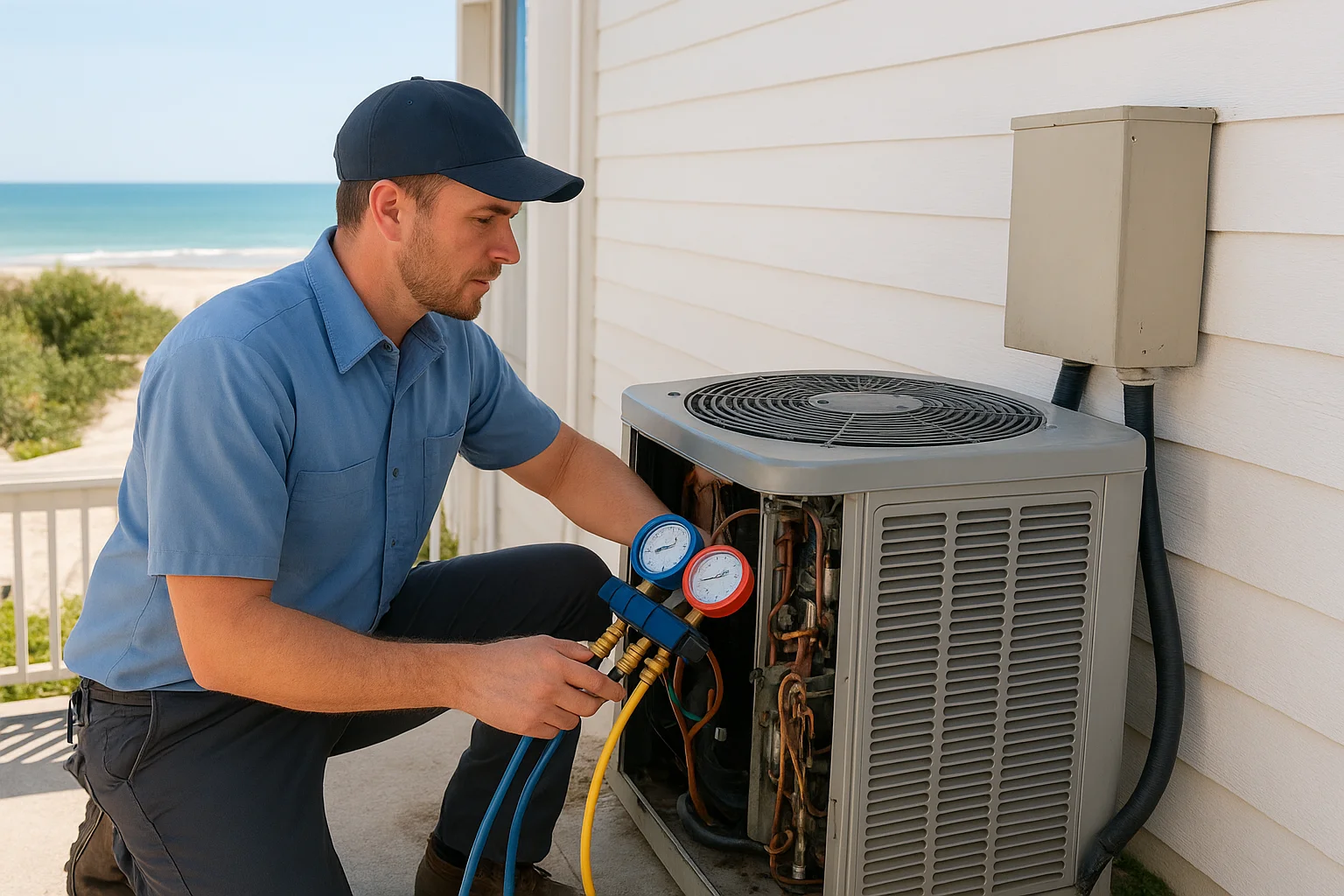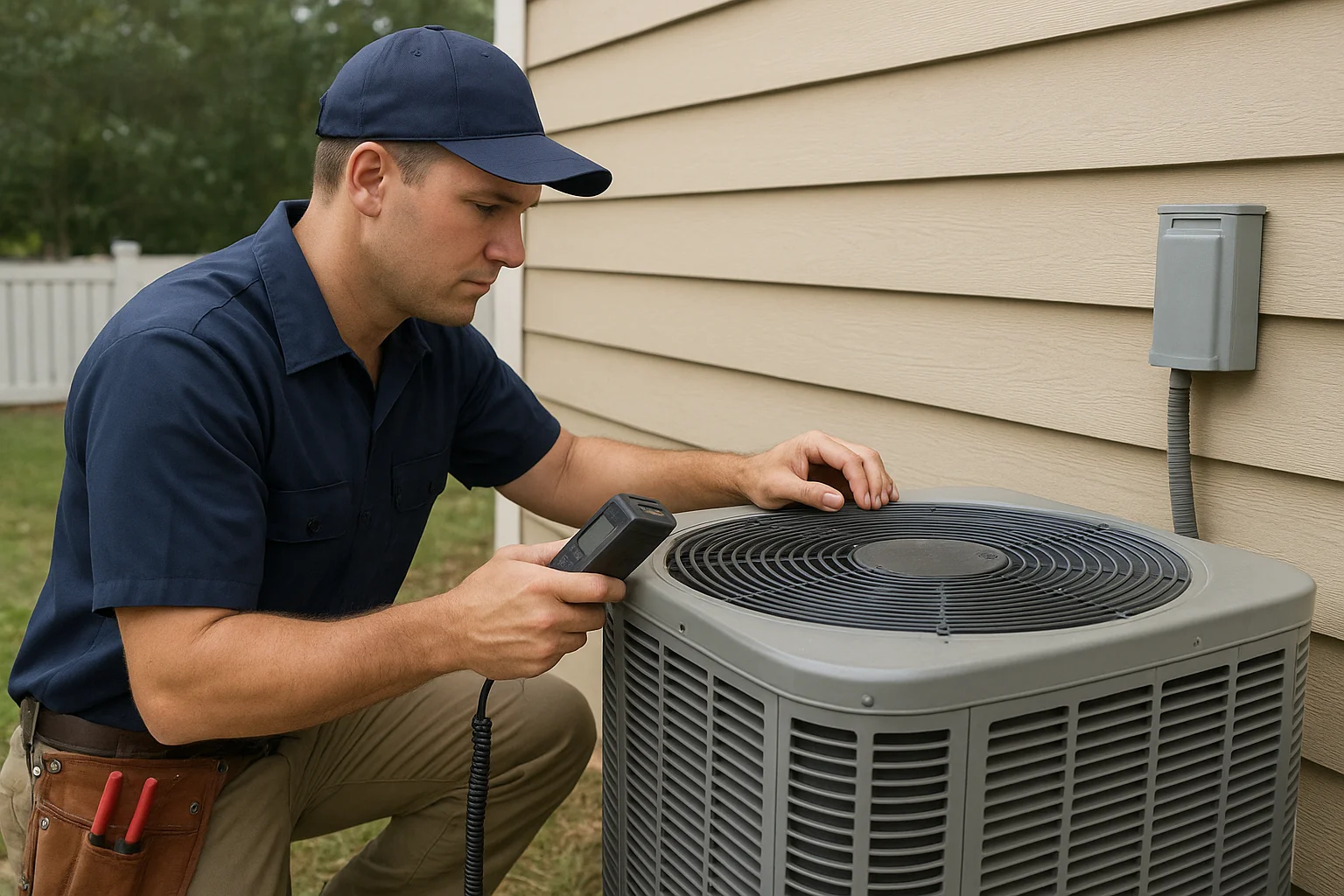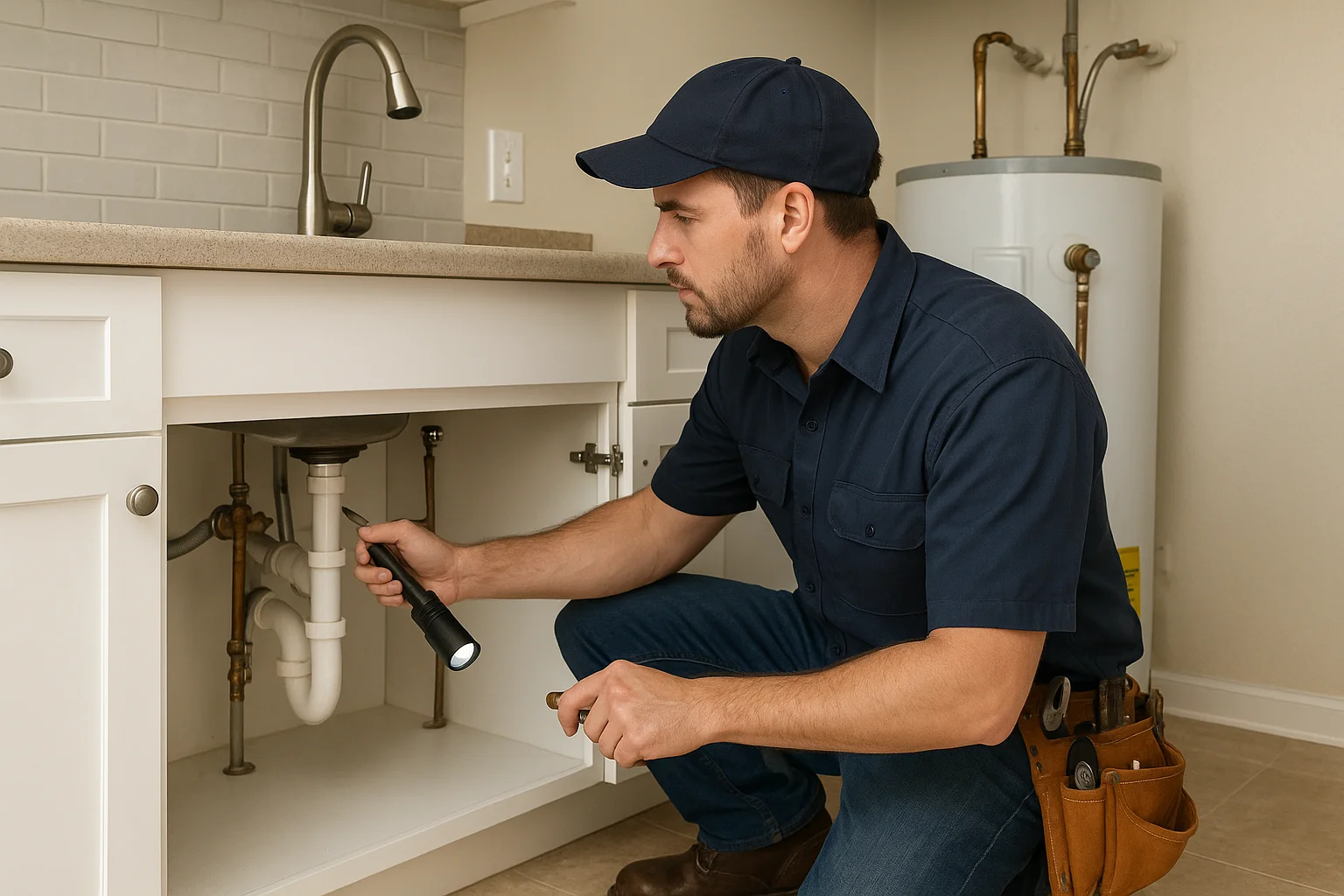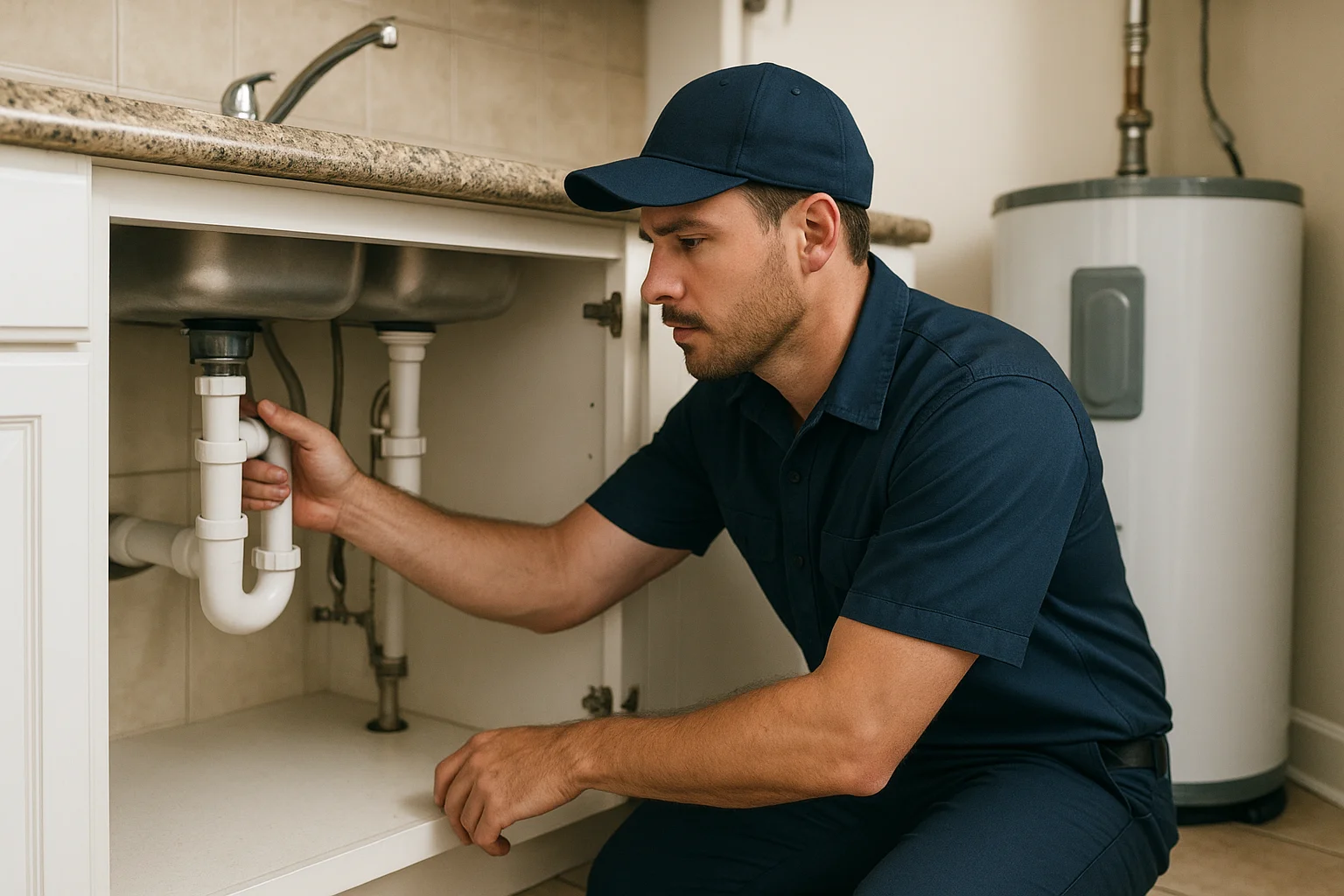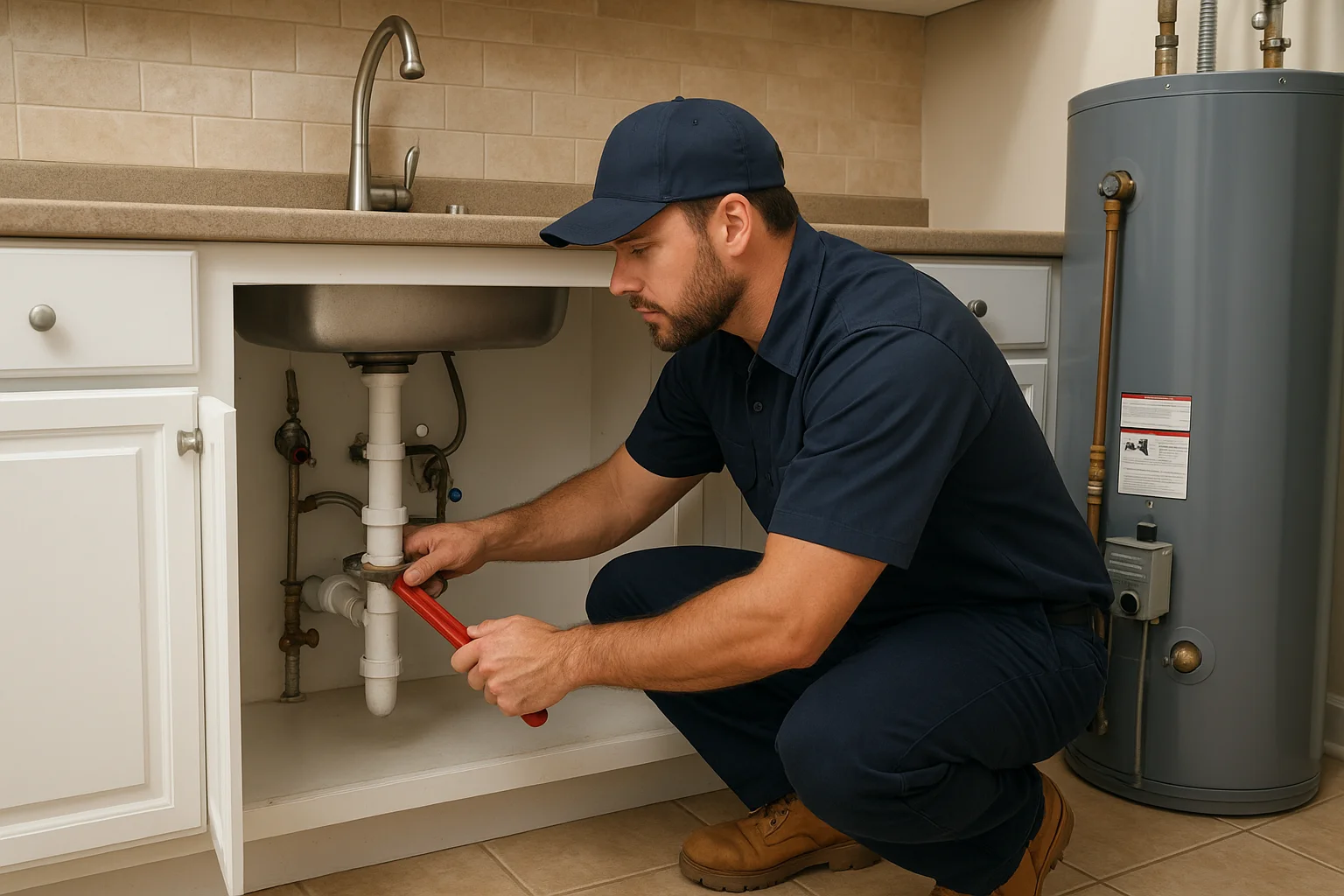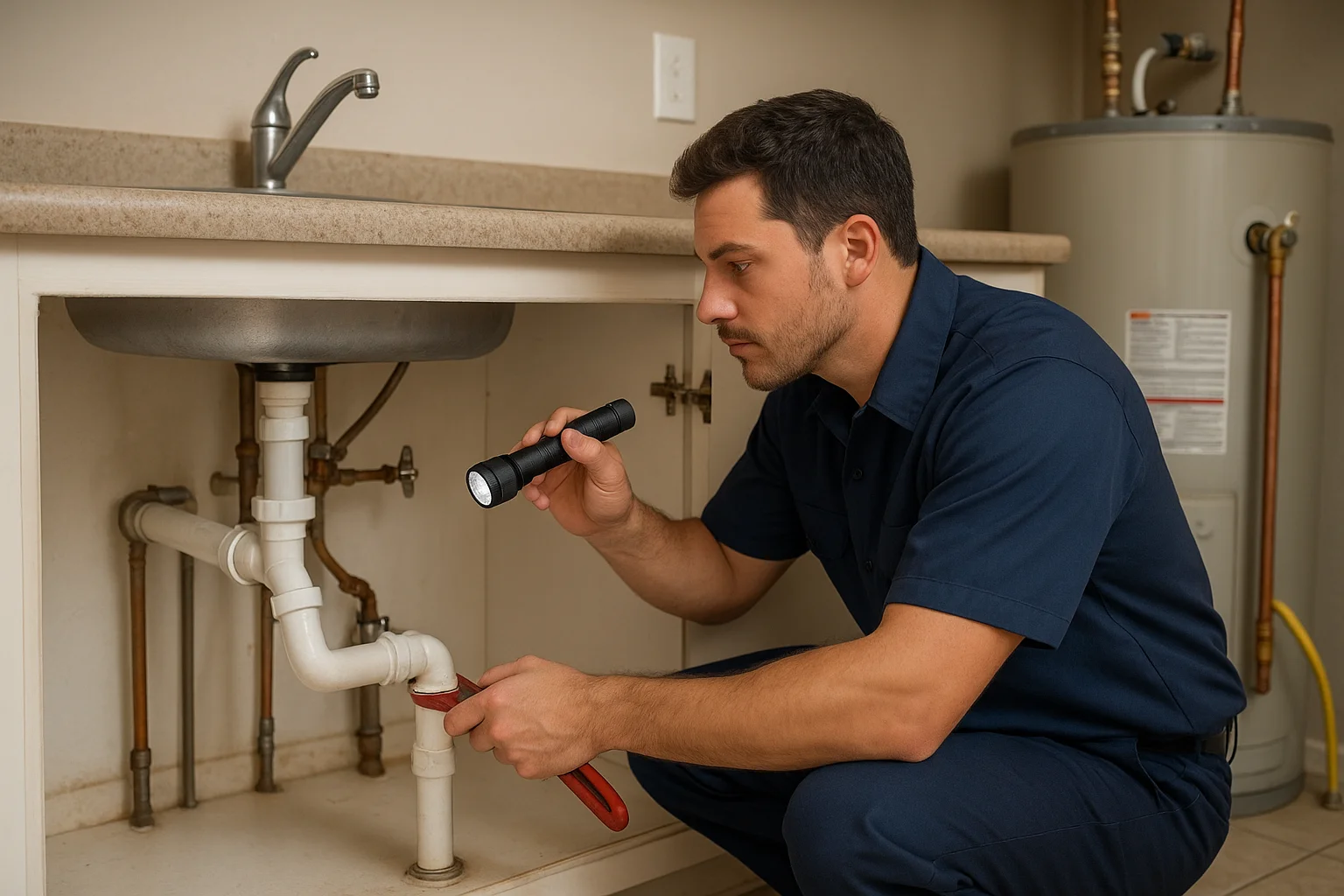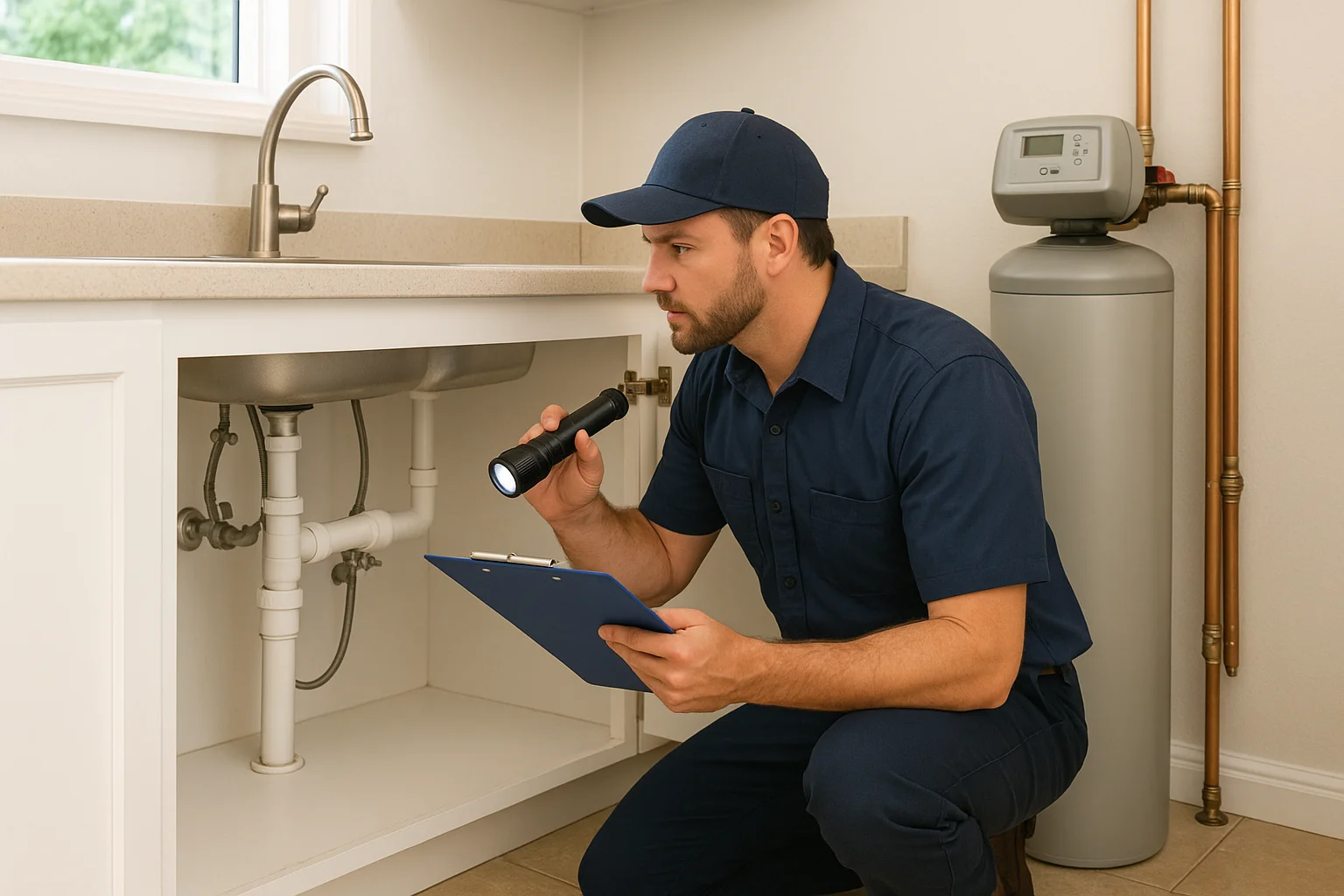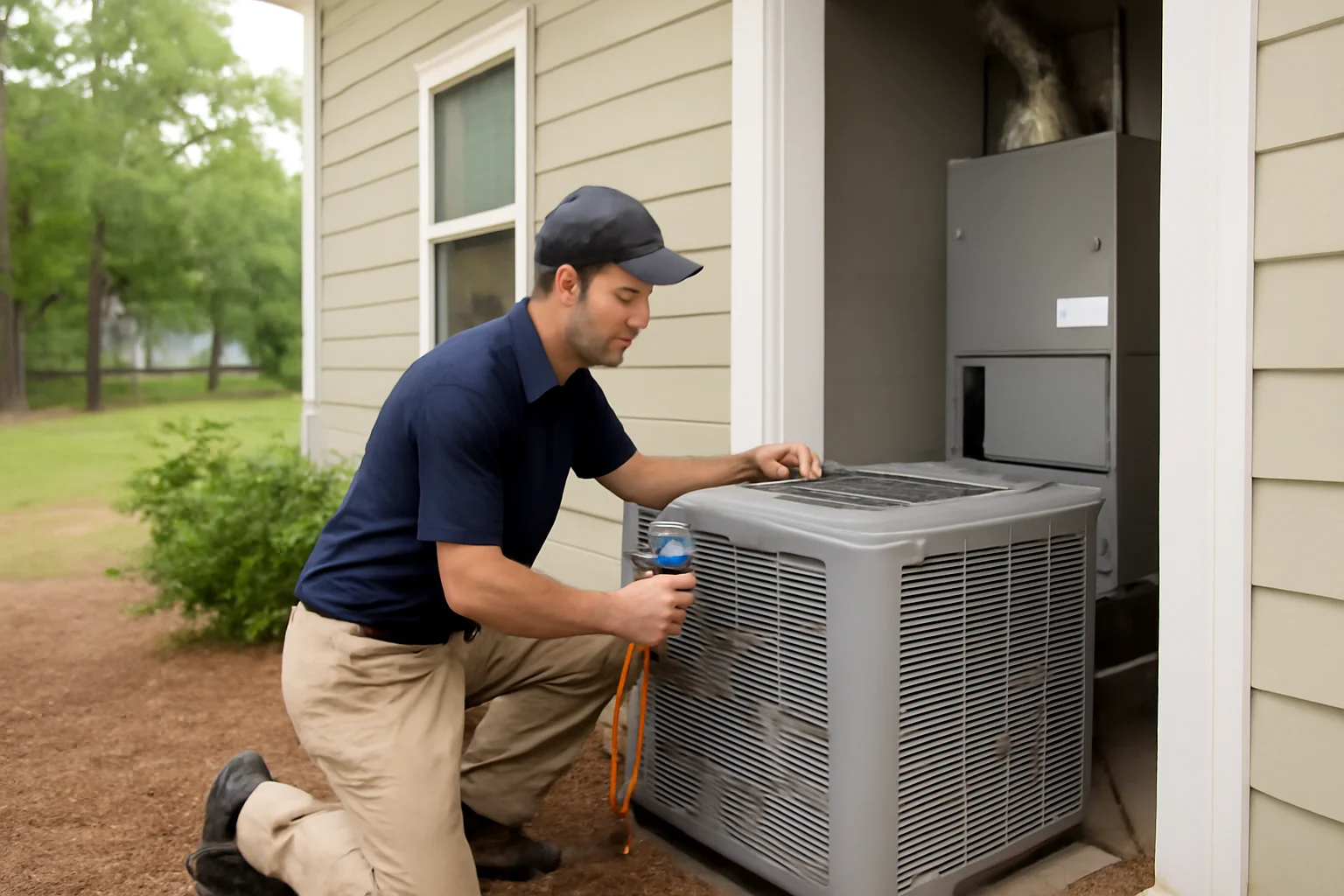
On 30A, HVAC systems do not just run through a season. They live in a climate that is hot, humid, and often influenced by salt air from the Gulf. For vacation rentals, condos, HOAs, and investment properties, that constant demand can shorten equipment life and turn small comfort issues into emergency cooling concerns.
This guide is written for homeowners and property managers who oversee multiple properties and want practical, HVAC-first answers. You will learn what commonly shortens HVAC system lifespan in 30A, FL, what to watch for, and how Property Management HVAC Services in 30A help keep heat and humidity under control.
30A’s climate is hard on HVAC systems, especially in humidity-heavy months
Florida summers bring long stretches of heat and moisture. Even when outdoor temperatures are not extreme, humidity can keep indoor spaces feeling damp. HVAC systems have to work harder to remove moisture, not just cool the air. That added workload increases wear on refrigerant systems, motors, and controls, and it can also stress ductwork and condensate drainage.
In coastal areas of Walton County, salt air adds another layer of challenge. Salt can contribute to corrosion over time, especially on outdoor units and in areas where airflow patterns concentrate airborne particles. The result is not always an immediate failure. Often the system runs longer, performs less efficiently, and accumulates damage that shows up months later.
What shortens HVAC lifespan in 30A properties
1) Poor airflow that forces the system to overwork
Airflow problems are one of the most common reasons HVAC systems age faster. When air cannot move through the ductwork and returns effectively, the indoor coil can collect heat and moisture without adequate transfer. That can lead to higher operating pressures in refrigerant systems and more frequent cycling.
In rental properties, airflow issues can be caused by undersized or obstructed returns, dirty filters, blocked vents from furniture, or ductwork that has leaks or restrictions. You might notice weak airflow from air conditioning vents, hot rooms, or inconsistent temperatures between floors. Over time, this strain can wear out components and reduce comfort.
Homeowners searching for HVAC maintenance near me often discover that the biggest gains come from airflow improvements and ductwork attention, not just “turning the thermostat down.” If you suspect a duct or airflow issue, ask about preventive HVAC service that includes checking airflow pathways and system performance.
2) High indoor humidity and weak dehumidification
Cooling is not the same as dehumidifying. In humid climates, an HVAC system must remove moisture from indoor air and route condensate safely through the condensate drainage system. If dehumidification is weak, you may see condensation at vents, musty odors, or damp walls and ceilings.
Humidity can also create indoor air quality issues. Mold growth risk increases when moisture lingers. That is why indoor air quality services and whole-home moisture control strategies matter for property managers, especially in condos and multi-unit buildings where ventilation and airflow are shared constraints.
For homeowners who want to manage moisture more consistently, whole home dehumidifiers may be part of a long-term plan, depending on the property layout and existing HVAC design.
3) Condensate drainage problems that lead to water and coil stress
During cooling, the indoor coil produces condensation. That water needs a clear path through the condensate drain line and related components. When drainage is slow, partially blocked, or poorly trapped, water can overflow into the unit area or around nearby components.
Even if you do not see an obvious leak, restricted drainage can raise humidity locally and contribute to corrosion, microbial growth, and premature wear. In managed properties, drainage issues can be hard to catch because occupants may not report small symptoms right away.
Look for signs like water around the air handler, recurring “slimy” buildup in drain areas, or a musty smell that appears after the system runs. If you manage multiple units, consider scheduling inspections that include condensate drainage checks as part of air conditioning maintenance.
4) Salt air corrosion and outdoor unit exposure
Coastal exposure can accelerate corrosion on outdoor coils, fan assemblies, and electrical components. Corrosion does not always cause immediate failure, but it can reduce heat transfer and increase the system’s workload. Over time, this can contribute to airflow restrictions, refrigerant system inefficiency, and component degradation.
Outdoor units should not be blocked by shrubs or fences that restrict airflow. They also need periodic checks to ensure the coil and fan area are not accumulating debris. A property that looks “fine” from the street can still have coil buildup and corrosion that affects performance.
5) Thermostat settings that create stress cycles
Thermostats influence how often a system runs and how hard it works. In vacation rentals, guests may change settings quickly, or the thermostat may be set to swing widely between occupied and unoccupied temperatures. Large swings can increase run time and cycling, especially during high humidity periods when the system is trying to cool and dehumidify.
Smart thermostats can help, but they are only effective if their scheduling matches how the property is used and if the HVAC system is sized and tuned for the space. A licensed HVAC professional should evaluate the system’s behavior with the current thermostat setup to avoid unnecessary strain.
6) Refrigerant system issues caused by neglect, not guesswork
Refrigerant systems are designed to operate within specific conditions, and small problems can compound. Low refrigerant, restricted flow, or other refrigerant-related concerns can cause the system to run improperly. However, homeowners should not attempt to “diagnose refrigerant” based on symptoms alone.
If you suspect a refrigerant issue, the correct approach is an in-person evaluation by a licensed HVAC contractor. A professional will inspect system performance, check for operational indicators, and address the underlying cause. Trying to self-correct can lead to safety risks and further equipment damage.
7) Ductwork leaks and duct sealing gaps
Ductwork is often the missing link in HVAC lifespan. Leaky ducts can pull in hot attic air, reduce system efficiency, and increase run time. Even when the system cools, duct leakage can prevent the home from maintaining a stable temperature and humidity level.
In older 30A homes and many multi-unit properties, ductwork may have hidden gaps, disconnected joints, or sections that are not insulated properly. Those issues can show up as uneven comfort, higher energy use, and faster wear on the HVAC equipment.
If you are considering duct repair or duct cleaning, start with a system assessment. For homeowners searching for duct repair near me or duct cleaning near me, the best next step is to confirm whether duct leakage, airflow restrictions, or contamination is driving comfort complaints.
Common symptoms that often point to lifespan-shortening issues
When systems age faster, it is usually because they are running in less-than-ideal conditions. Here are practical signs property managers can track across units:
- Frequent cycling, where the system turns on and off more than expected.
- Hot spots or rooms that never feel comfortable, even when the thermostat is adjusted.
- Rising indoor humidity, damp odors, or condensation around vents.
- Weak airflow from supply registers or a “stuffy” feel indoors.
- Drain issues, including water near the air handler or recurring moisture problems.
- Strange noises during cooling, which can signal fan or airflow-related wear.
- Higher energy use without a clear explanation, often tied to airflow and system performance.
For managed properties, the pattern matters. If multiple units show similar symptoms after the same seasonal change, it could point to a shared maintenance gap, thermostat schedule issue, or ductwork condition.
Preventive HVAC maintenance that protects comfort and extends system life
Preventive maintenance is not just about avoiding breakdowns. In humid coastal climates, it is about keeping the system operating within a healthy range so components are not forced to compensate for airflow restrictions, moisture imbalance, or drainage problems.
Seasonal tune-ups focused on humidity control
During AC tune up visits, technicians can inspect key operating conditions, verify thermostat operation, and check airflow and moisture handling components. For 30A properties, that often means focusing on:
- Air filter condition and airflow pathways
- Return and supply airflow balance
- Indoor coil condition and heat transfer performance
- Condensate drainage and overflow safety
- Outdoor unit cleanliness and airflow around the condenser coil
- Electrical control components and contactor condition
If you want a reliable starting point, look for HVAC maintenance that includes more than a quick check. Homeowners searching for HVAC maintenance near me in the 30A area should ask what is included in the inspection and how the technician evaluates airflow and humidity performance.
Ductwork inspection and targeted ductwork service
Ductwork is where comfort and humidity control often break down. A property can have a perfectly functioning air conditioner and still feel damp if air distribution is poor. Duct inspection can reveal issues like disconnected sections, leaks, or restrictions.
Depending on what is found, duct repair near me searches may lead homeowners to sealing, rebalancing, or other ductwork corrections. In some cases, duct cleaning may be discussed if contamination is contributing to indoor air quality concerns.
Indoor air quality services for moisture and comfort
Humidity can worsen indoor air quality by supporting microbial growth and increasing airborne particulates. Indoor air quality services can address filtration, ventilation balance, and moisture-related comfort issues.
For property managers, this matters because guest reviews are often tied to “how the place feels,” not just temperature. When indoor humidity is controlled, spaces feel fresher and occupants tend to have fewer comfort complaints.
Property management HVAC services in 30A: what homeowners should look for
Property management is different from single-home ownership. The HVAC system has to perform reliably for changing occupancy schedules, cleaning cycles, and seasonal demand. When you oversee vacation rentals, HOAs, condos, or investment properties, the best HVAC partner plans for consistency across units.
When evaluating a licensed HVAC contractor near me for property management HVAC services in 30A, ask how they handle:
- Maintenance scheduling that aligns with seasonal humidity peaks.
- Documentation for each unit, so you can track recurring issues.
- Repair prioritization based on occupancy risk and comfort impacts.
- Scalable support across multiple buildings or units in Walton County.
It also helps to choose a provider that understands local conditions, including salt air exposure and the way coastal homes and condos are constructed. For example, ductwork routing and condensate drainage design can vary widely between single-family homes and multi-unit properties.
Repair decisions: why “quick fixes” can shorten lifespan
When an air conditioner is not cooling well, it is tempting to focus only on restoring comfort. But quick fixes without a broader HVAC inspection can lead to repeat failures. A system that is struggling due to airflow restriction or condensate drainage problems may continue to operate outside of ideal conditions even after a minor component is replaced.
For homeowners searching for AC repair near me, the goal should be a repair approach that addresses the cause, not just the symptom. That often means pairing repair work with airflow and moisture checks, and verifying that thermostat behavior matches the property’s needs.
If you manage properties with heat pumps, you may also need heat pump repair near me during shoulder seasons. Heat pumps can be affected by humidity conditions and airflow issues too, especially when coils are dirty or drainage is not performing as expected.
Emergency cooling concerns: how to reduce the odds of a mid-summer breakdown
On 30A, a cooling failure can become urgent fast, especially in occupied rentals or condos where humidity rises quickly indoors. Emergency HVAC services are important, but prevention usually reduces the need.
Plan ahead by:
- Scheduling preventive HVAC maintenance before the hottest stretches.
- Tracking recurring issues by unit, not just by season.
- Confirming that condensate drainage is clear and safe.
- Reviewing thermostat schedules for occupied and unoccupied periods.
- Maintaining clear airflow around outdoor units.
If you want guidance for seasonal stress and readiness, read How 30A Homes Can Stay Ahead of HVAC Emergencies During Seasonal Stress. For larger property portfolios, having a clear plan with a local team can reduce downtime when occupants need relief.
For true emergencies, you can also review Emergency HVAC Services in the area.
Energy use and replacement planning for coastal properties
As HVAC systems age under humidity and salt air stress, energy use often rises. That can be a clue that airflow is restricted, coils are not transferring heat efficiently, or moisture control is falling behind. While you may see “better cooling” after a repair, a system that continues to run longer can still be headed toward earlier replacement.
Homeowners searching for HVAC replacement near me should focus on a full evaluation, not assumptions. Replacement decisions should be based on in-person inspection, system condition, ductwork performance, and how the home or condo handles humidity.
If you are planning upgrades, also consider how the rest of the system supports comfort. Ductwork, thermostat control, indoor air quality strategies, and humidity management can all affect whether a new system performs as intended.
For properties with heating control needs, explore Heating Control Systems to ensure temperature control is consistent across seasons.
Financing and long-term maintenance decisions for managed properties
Property owners often need a practical plan that balances repairs, preventive maintenance, and eventual replacement. If you are managing multiple units, it helps to keep HVAC financing and maintenance decisions coordinated so comfort does not become an afterthought.
To support that planning process, see Keeping HVAC Financing on Track in 30A, FL Homes. The most effective approach usually pairs scheduled maintenance with repair work that addresses root causes like airflow restrictions and condensate drainage issues.
Where to start if you manage an HOA, condo, or vacation rental
If you are trying to protect HVAC lifespans across Walton County, start with a property-wide HVAC assessment. Even a single air conditioning inspection can reveal airflow issues, ductwork concerns, and moisture-handling problems that are not obvious during normal occupancy.
For local homeowners and managers, it also helps to connect service planning to the property type. Condos may have shared systems or specific duct routes. Vacation rentals may experience rapid thermostat changes. HOAs often need consistent documentation for multiple units.
You can learn more about scalable support and property management HVAC services across 30A at this Walton County, 30A service area page, and you can browse more options at the 30A page and the Walton County page.
Find Property Management HVAC Services in 30A, FL
If you need Property Management HVAC Services in 30A, FL, visit our local service page or contact A Superior Mechanical today.
Map of 30A, FL
Frequently Asked Questions
How does humidity specifically shorten HVAC system life in 30A, FL?
In humid conditions, the system has to cool and remove moisture more consistently. That means longer run times and more frequent cycles, which increases wear on refrigerant systems, indoor coils, and motors. Humidity can also contribute to condensate drainage stress, which adds corrosion and microbial growth risk.
What are the most overlooked causes of early AC failure in coastal Walton County homes?
Airflow restrictions, ductwork leaks, and condensate drainage problems are often overlooked. Salt air exposure can also accelerate corrosion on outdoor components. When these issues go unchecked, the AC may run longer, operate less efficiently, and age faster.
Can I fix HVAC lifespan issues by changing thermostat settings alone?
Thermostat scheduling can reduce unnecessary cycling, but it does not solve underlying airflow, ductwork, or drainage problems. If humidity is high or comfort is uneven, a professional HVAC inspection is needed to identify the root cause.
Is refrigerant low the likely cause if the AC is not cooling well?
Low refrigerant can be a factor, but symptoms are not enough to confirm it. Refrigerant-related concerns require an in-person evaluation by a licensed HVAC contractor to check system performance safely and identify the underlying cause.
What should property managers do before peak summer to prevent emergency cooling concerns?
Schedule preventive HVAC maintenance focused on airflow, coil performance, condensate drainage, and thermostat operation. Keep outdoor unit airflow clear, and track recurring comfort or moisture complaints across units so repairs address root causes early.
Related Articles
Photo Gallery