Fort Walton Beach homes run on hot water every day, from morning showers to laundry and dishwashing. But when plumbing systems get worn, the installation of a new water heater can become harder, slower, and sometimes riskier. Plumbing wear and tear affects water pressure, pipe condition, drainage, and even safety controls, especially in older houses near the Gulf where moisture and hard water are common.
This guide explains how aging plumbing impacts water heater installation in Fort Walton Beach, FL, what homeowners should look for, and how local, code-compliant plumbing service can prevent costly surprises. If you are searching for a plumber near me or need water heater service that includes the plumbing details, start with the basics below.
Plumbing wear and tear does not stay “behind the walls”
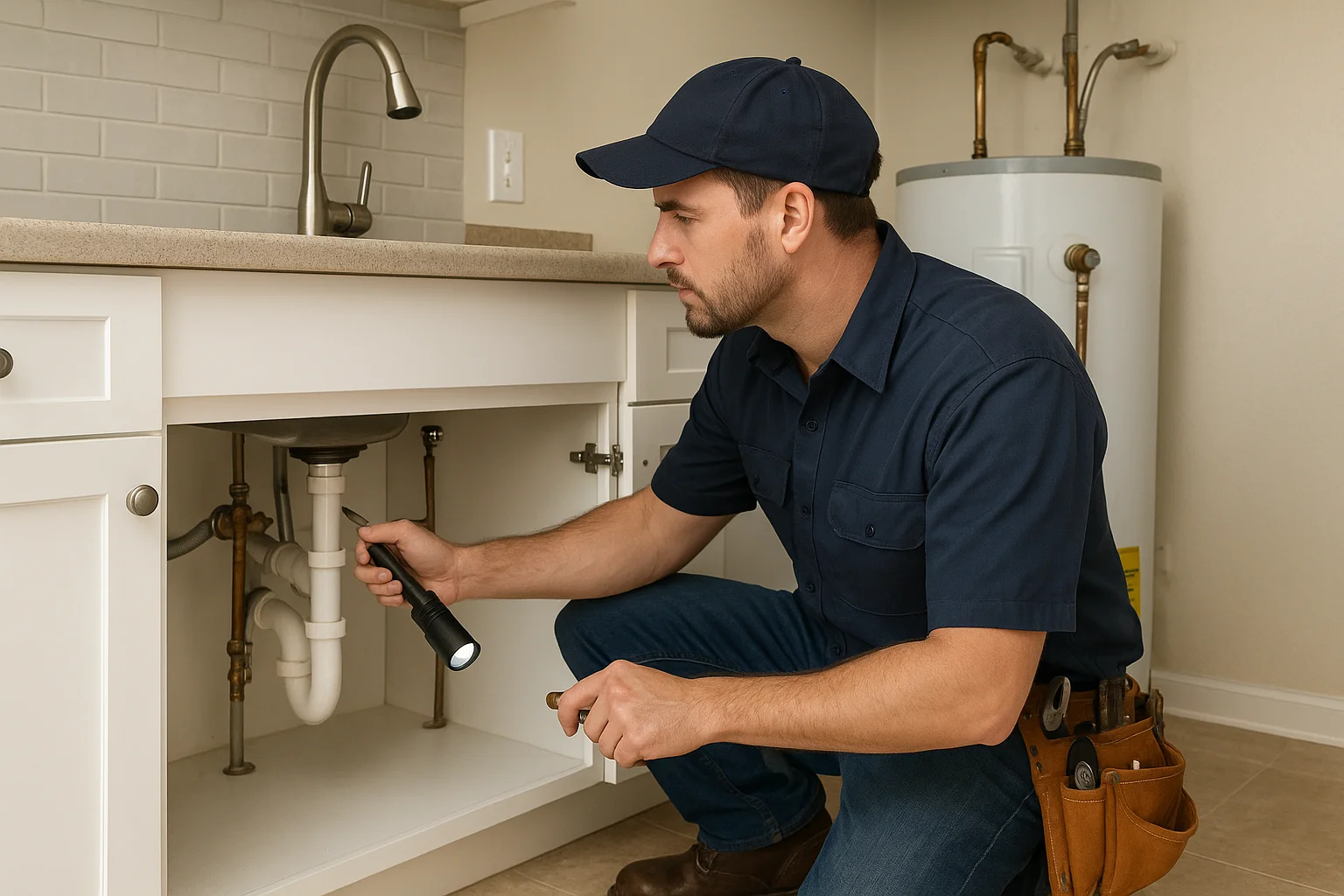
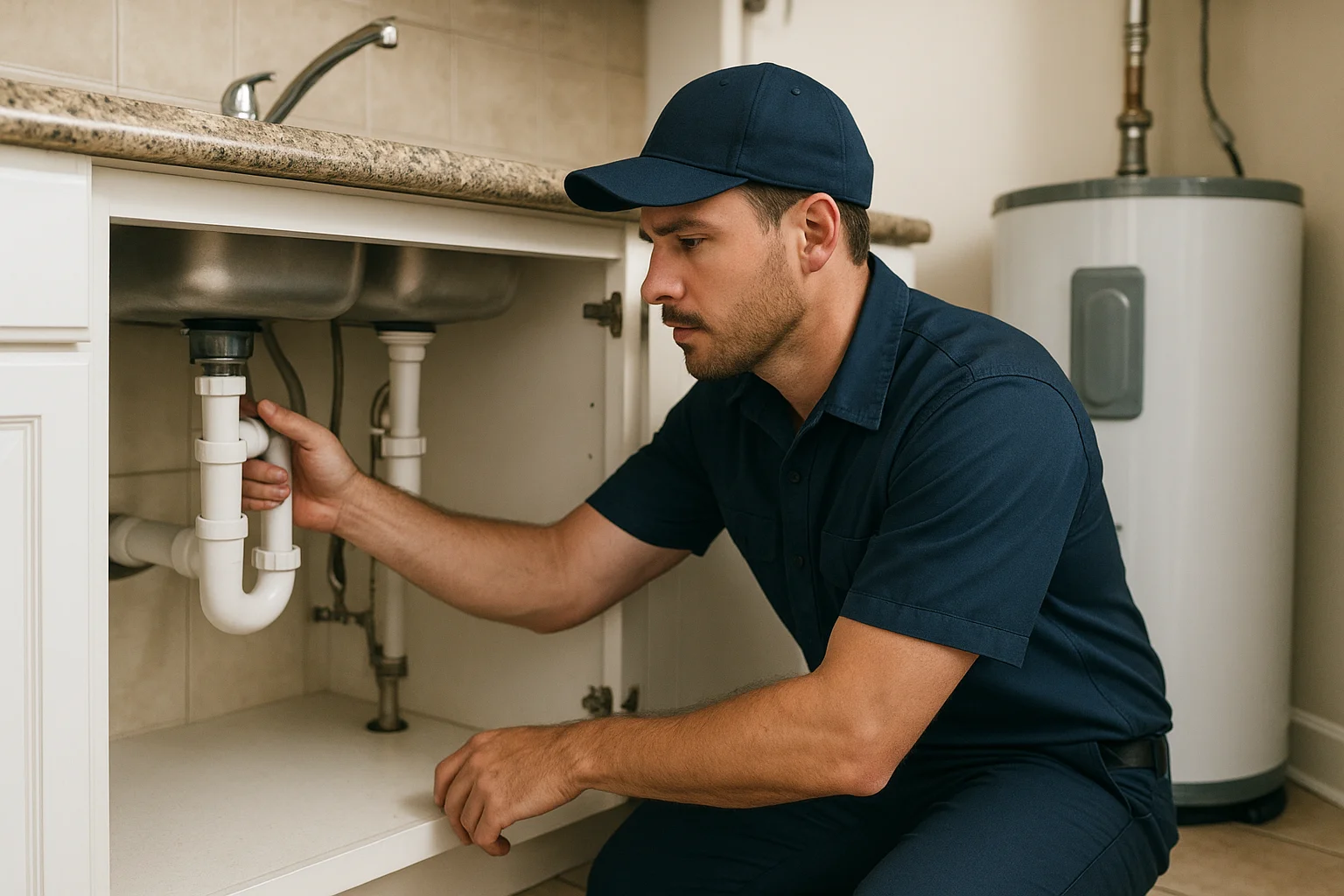
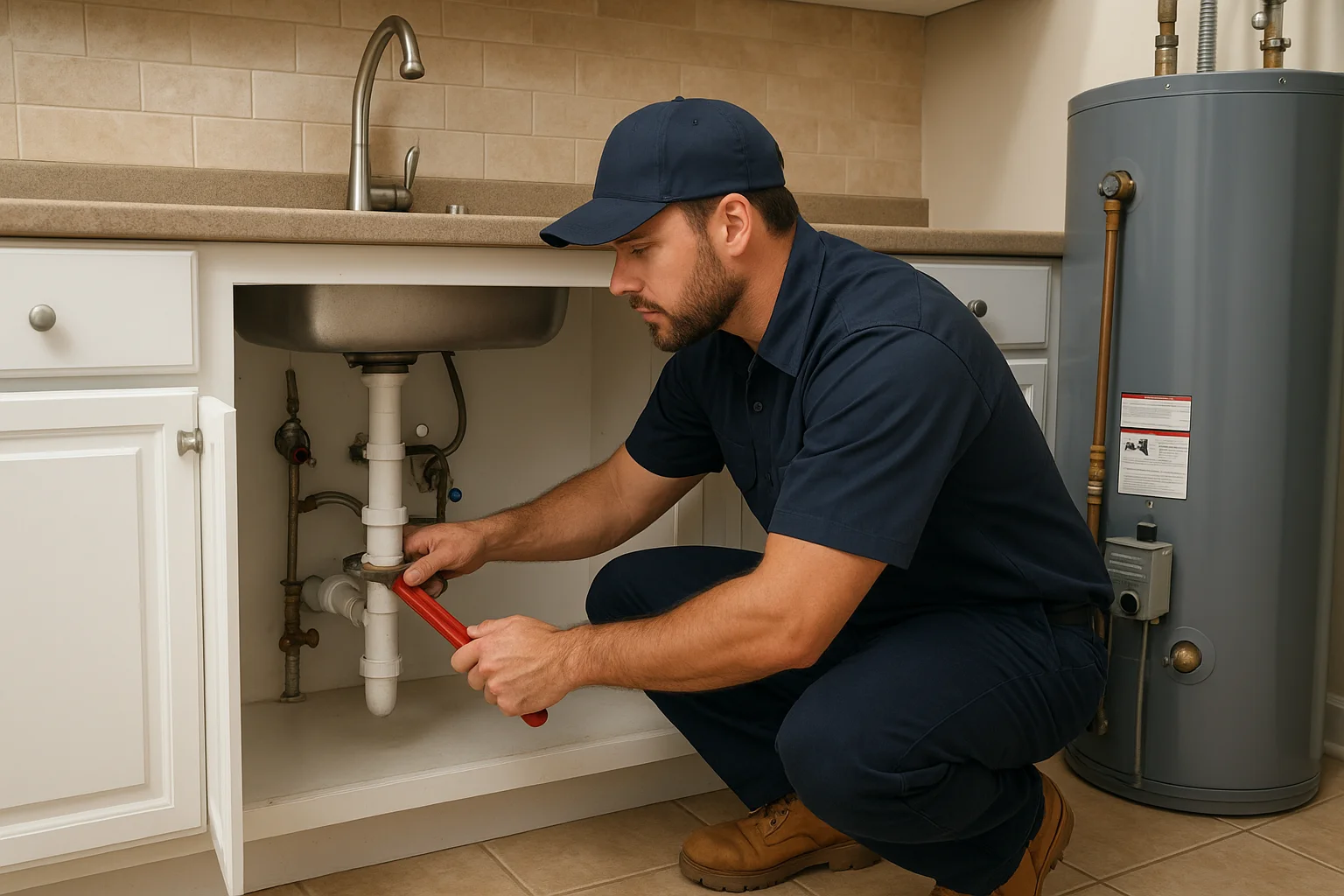
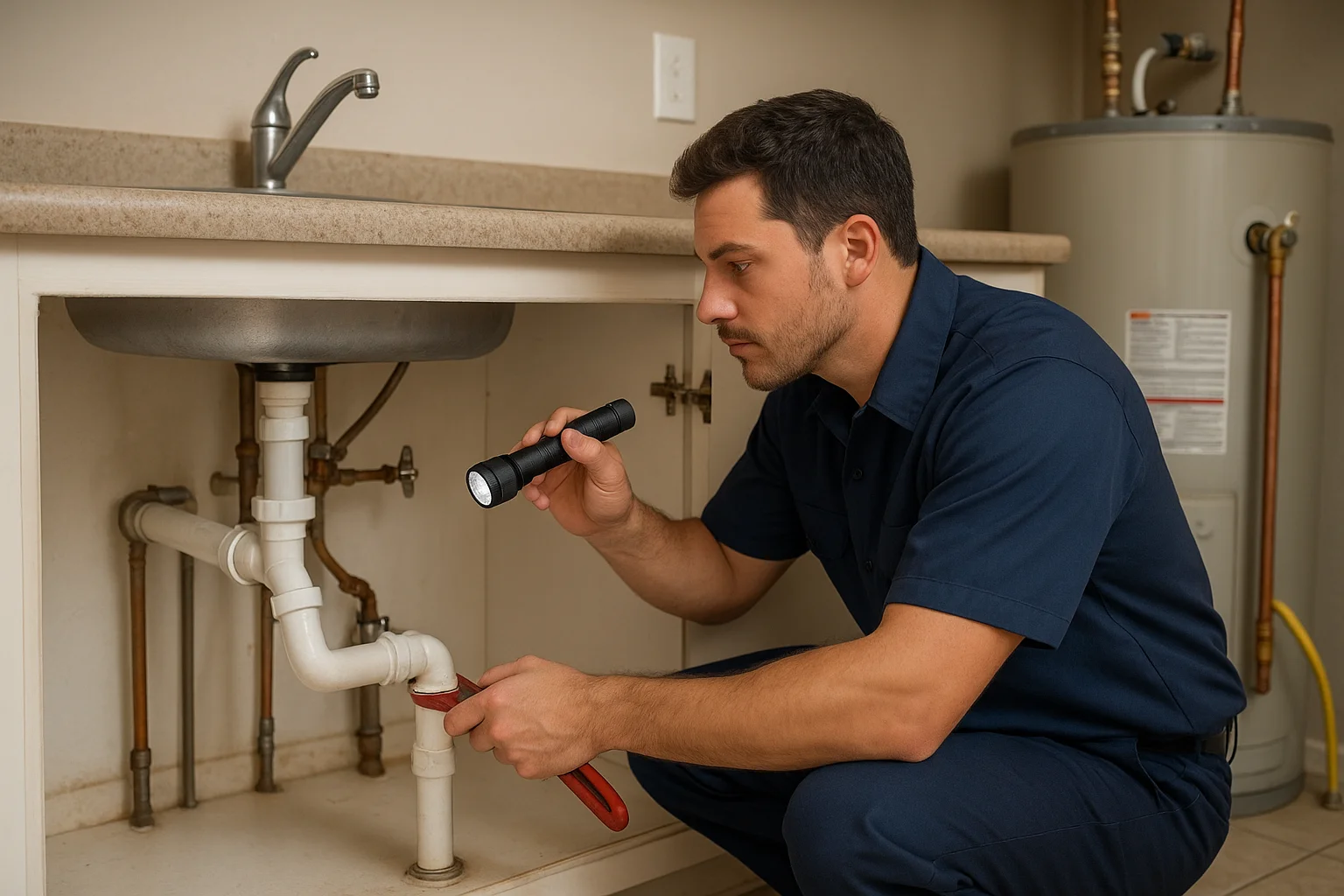
Many homeowners focus on the water heater itself, but the system is only as reliable as the plumbing connected to it. During installation, a plumber must connect supply lines, verify pressure, confirm venting and drainage paths, and ensure shutoffs and fixtures work properly. If the surrounding plumbing is already struggling, a new tank or tankless unit may not perform as expected.
In Fort Walton Beach, the combination of daily water use, coastal humidity, and hard water can accelerate wear on pipes, valves, and fixtures. Over time, mineral scale and sediment can build up, which affects flow rates and can contribute to premature water heater replacement.
How old pipes change water pressure and hot water delivery
Water pressure is a major factor in how water heaters operate. When plumbing is worn, homeowners often notice symptoms like weak hot water at showers, inconsistent temperatures, or long recovery times after a large load of laundry.
Signs your supply lines are limiting flow
During water heater installation, plumbers typically check for issues such as:
- Corroded or partially blocked supply lines that reduce flow to the heater
- Shutoff valves that do not fully open, causing restricted flow
- Mineral buildup that narrows pipe passages, especially with hard water
- Pressure fluctuations that can make a new unit cycle more often than expected
When you replace a water heater without addressing these conditions, you may still feel like the system is “not heating right.” That is why many homeowners searching for plumbing repair also need a plumber to evaluate the whole hot water pathway, not just the heater.
Hidden leaks and slow water damage can show up during installation
New water heater installations often bring plumbing and fittings into fresh focus. A homeowner may have had a small leak for months, but once a tech disconnects and reconnects lines, the leak can become more obvious or worsen.
Common leak sources that complicate replacement
- Worn supply line connections at the shutoff valve or flex connector
- Old drain valve threads that do not seal properly
- Corroded fittings that crumble when touched
- Micro-leaks around the heater base that may be hard to spot until water is running
- Slab leak concerns in homes with concrete foundations, where moisture and temperature changes can reveal issues
Fort Walton Beach homes also face emergency plumbing concerns tied to moisture and aging infrastructure. If you hear dripping, notice damp drywall near plumbing chases, or see water pooling around the heater area, do not wait. Leak detection is not only about stopping water, it is about protecting the installation you just paid for.
If you suspect a leak, you can explore plumbing repair options, and for urgent issues, consider Emergency Plumbing Services.
Drain and vent connections matter more than homeowners realize
A water heater installation is not just about filling the tank or mounting the unit. The system also needs correct drainage, safe venting, and proper discharge paths for temperature and pressure relief components. Plumbing wear can interfere with these parts.
Drain problems that can slow installation or create future failures
During replacement, the plumber may need to connect or verify:
- Drain lines that allow safe discharge during maintenance or relief events
- Clear pathways so water can flow away without backing up
- Proper materials to prevent corrosion and leaks
Sometimes the drain line is connected to an area that already has buildup. That is when a homeowner who is searching for drain cleaning near me may actually need a targeted plumbing assessment before the heater is installed. If the drain line is restricted, discharged water can cause overflow, dampness, or repeated callbacks.
Hard water and sediment: why scaling changes installation outcomes
Hard water is common in many parts of the Gulf Coast region, and Fort Walton Beach homes are no exception. Hard water contains minerals that can deposit inside water heaters and also in connected plumbing. Over time, scale and sediment can reduce efficiency and contribute to noise, temperature swings, and reduced hot water output.
What sediment looks like
Homeowners may notice:
- Rumbling or popping sounds from the heater
- Water that takes longer to heat
- Cloudy hot water at faucets
- Frequent temperature changes
Installation is a good time to address this. A plumber may recommend flushing procedures, a better filtration approach, or Whole Home Water Purification depending on your water quality and household needs. That can help protect both the heater and the pipes feeding fixtures.
Older fixtures and valves can sabotage a new heater
If your home has aging faucets, shower valves, or corroded shutoffs, those issues can affect how your new heater performs. A water heater installation may reveal that the plumbing upstream or downstream is already struggling.
Examples of fixture wear that impacts hot water
- Sticking thermostatic mixing valves that cause temperature inconsistency
- Worn supply stops that do not shut off cleanly
- Corroded showerheads or restricted aerators
- Leaky valves that increase hot water usage and cycle the heater more often
Even small leaks can add up. In homes with high water use, a slow drip can raise utility costs and put extra load on the heater. If you are experiencing unexpected hot water consumption, plumbing repair can help identify leaks at fixtures before you assume the heater is failing.
Sewer line issues and drain backups can overlap with water heater problems
Water heaters are not usually the cause of sewer backups, but plumbing systems in Fort Walton Beach homes can share similar vulnerabilities. If drains are slow, toilets gurgle, or you see repeating issues in multiple fixtures, the underlying problem may be in the sewer line.
During water heater installation, plumbers may move through the same service areas that include floor drains, nearby cleanouts, and venting routes. If a homeowner has an active backup concern, it can affect installation safety and cleanliness.
When homeowners should think about sewer inspection
- Multiple drains backing up at once
- Recurring clogs after drain cleaning
- Foul odors near drains or around the heater area
- Toilet repair issues that seem connected to other fixtures
If you are searching for sewer drain cleaning near me or sewer backup repair near me, it is often worth coordinating the schedule with your water heater installation so the plumbing team can address root causes rather than treating symptoms.
For households dealing with ongoing drain and fixture problems, you may also find helpful guidance in Plumbing warning signs Fort Walton Beach homeowners should not ignore.
How coastal conditions and seasonal humidity affect plumbing connections
Fort Walton Beach experiences warm weather and coastal humidity. Moisture exposure can accelerate corrosion on metal components, especially around utility closets, crawl spaces, and areas where condensate or minor leaks have been present for a while.
When a plumber installs a new water heater, they typically check the surrounding environment for:
- Signs of rust or corrosion on old fittings
- Damaged insulation or wet surfaces
- Vent and flue integrity where applicable
- Whether nearby pipes are supporting weight or experiencing strain
It is also why homeowners should not treat installation as a purely “swap the unit” task. A reliable plumber near me approach includes evaluating the local conditions that can impact long-term performance.
What to ask your plumber before installation starts
Homeowners in Fort Walton Beach can reduce installation problems by asking the right questions. A professional water heater installation should include plumbing checks that go beyond basic connections.
Smart questions that prevent surprises
- Will you inspect shutoff valves, supply lines, and connections for wear?
- How will you confirm the home’s water pressure is within safe operating range?
- Will you check the drain line and discharge pathway for the temperature and pressure relief components?
- Do you recommend flushing or sediment removal based on water use and water quality?
- If you find a leak or damaged pipe during installation, what are the options for repair?
- Will the installation include code-compliant parts and secure venting practices where needed?
If you want to get ahead of recurring issues, you can also read Why preventive plumbing care makes water heater installation smoother in Cinco Bayou. It is written for homeowners dealing with the same kinds of wear and water use realities common across Okaloosa County.
Common plumbing wear problems that show up during water heater replacement
Below are issues that frequently appear when techs remove an old unit and inspect what it was connected to. Some are repairable on the spot, while others require planning for pipe replacement or additional service.
1) Corroded fittings and failing connections
Old threaded fittings can seize or crack. When a plumber applies torque to disconnect lines, a weak joint may break. That is why a “quick swap” approach can turn into a longer plumbing repair project.
2) Sediment-clogged valves and restricted flow
Mineral buildup can make shutoffs hard to turn or partially block flow. A new heater can still work, but it may not reach the performance you expect if the supply path is restricted.
3) Drain line restrictions
If the drain line is blocked, relief discharge can cause water to pool or back up. That creates water damage risk and can shorten the life of nearby components.
4) Pressure problems from worn pressure regulation
Some homes have pressure regulators or related components that wear out. If pressure is too high, it increases stress on the heater and plumbing. If pressure is too low, recovery times suffer.
5) Slab leak indicators around the heater area
Not every moisture issue is a slab leak, but homeowners should take it seriously when water heater installations happen near concrete foundations. Signs include unexplained increases in water bills, warm spots on floors, or persistent dampness.
Prevention that actually helps: maintenance steps homeowners can take
Even with the best install, plumbing wear will continue if water quality and system health are ignored. The goal is to catch problems early and keep the plumbing pathway clear so your water heater service stays dependable.
Simple maintenance habits
- Check for leaks around the heater base, supply connections, and nearby fixtures
- Listen for unusual noises like popping, rumbling, or constant cycling
- Inspect the drain valve area for signs of moisture or corrosion
- Schedule plumbing maintenance near me before problems escalate, especially if your home is older
- Protect drains by addressing slow sinks early, since clogged drains can worsen over time
If you are dealing with ongoing clogging or slow drainage, searching for main drain cleaning near me can be a smart step. But it is also important to remember that drain and sewer issues can interact with other plumbing concerns, including water pressure and fixture performance.
When emergency plumbing becomes part of water heater installation
Some failures are urgent. A water heater installation may be delayed if the home is dealing with active leaks or major water shutoff issues. In Fort Walton Beach, sudden problems can show up during storms, after high water use days, or when older valves fail.
Consider emergency plumbing support if you have:
- A burst pipe or broken pipe repair need
- Water actively leaking from the heater or supply lines
- Signs of flooding around the utility area
- No hot water plus visible plumbing damage
If you are searching for emergency plumber near me, it helps to have the unit shutoff location and the main water shutoff accessible. A Superior Mechanical can coordinate safe steps so your installation does not turn into a larger water damage event.
Choosing the right installation plan for Fort Walton Beach homes
Every home has different plumbing conditions based on age, water use, and whether the house has been maintained. During installation planning, a professional plumber should consider your household needs, water pressure, pipe size, and the condition of connected plumbing.
You can explore the specific service page for this work here: /service-areas/okaloosa-county/fort-walton-beach/water-heater-installation-fwb. For broader coverage and local service context, visit /service-areas/okaloosa-county/fort-walton-beach and the county overview at /service-areas/okaloosa-county.
If your home has additional plumbing issues beyond the heater, pairing water heater service with repairs can prevent repeat disruptions. Common examples include toilet repair, garbage disposal repair, faucet repair, and drain cleaning needs that show up around the same time as a heater replacement.
For homeowners who want a broader perspective on smarter water heater upgrades, you can also read A Springfield Homeowner’s Guide to Smarter Water Heater Installation and Fewer Plumbing Surprises. The lessons translate well across climates and plumbing systems, especially the focus on protecting the connected piping and preventing avoidable callbacks.
How A Superior Mechanical handles the plumbing side of installation
Professional water heater installation in Fort Walton Beach should include plumbing inspection and code-compliant connections, not only swapping the old unit. That means evaluating supply lines, shutoffs, drainage routes, and signs of leaks or wear that could affect performance.
If your home’s plumbing is showing its age, addressing those issues during installation helps protect your investment and keeps your hot water consistent for the long run. Whether you need a new tank, a tankless system, or commercial water heater installation, the plumbing details matter.
If you are trying to decide whether your situation needs plumbing repair alongside installation, you can start with A Smarter Way to Handle Plumbing Services in Fort Walton Beach Homes and then book a service evaluation through the water heater installation page.
For related help in the home, homeowners can also consider local service options like Toilet Repair and Replacement or Plumbing Repair if other fixtures are contributing to hot water demand or water flow problems.
Find Water Heater Installation in Fort Walton Beach, FL
If you need Water Heater Installation in Fort Walton Beach, FL, visit our local service page or contact A Superior Mechanical today.
Map of Fort Walton Beach, FL
Frequently Asked Questions
Can old plumbing cause a new water heater to fail early in Fort Walton Beach?
Yes. Worn shutoff valves, corroded fittings, restricted supply lines, and sediment buildup can reduce flow or create leaks. Those plumbing issues can make a new unit perform poorly or trigger failures sooner than expected.
What plumbing checks should be part of a water heater installation?
A proper installation should include checking supply lines and shutoffs, confirming water pressure is in a safe operating range, verifying the drain and discharge pathway, and inspecting connections for leaks or corrosion.
How do hard water and sediment affect water heater installation and performance?
Hard water can leave mineral scale inside the heater and in connected plumbing. That can restrict flow, reduce efficiency, and contribute to noises or temperature swings. A plumber may recommend flushing procedures or water purification based on your situation.
If I notice dampness around the heater, should I still proceed with replacement?
Dampness can signal an active leak or failing connection. It is best to have a plumber inspect and address the leak so the new installation is not built on an unstable plumbing condition.
When should I call emergency plumbing instead of waiting for a scheduled install?
Call emergency plumbing if you have active leaks, flooding, a burst pipe, or water that will not shut off. Emergency help helps protect your home and can prevent additional damage while installation plans are adjusted.
Related Articles
- A Smarter Way to Handle Plumbing Services in Fort Walton Beach Homes
- Plumbing warning signs Fort Walton Beach homeowners should not ignore
- A Springfield Homeowner’s Guide to Smarter Water Heater Installation and Fewer Plumbing Surprises
- Why preventive plumbing care makes water heater installation smoother in Cinco Bayou
Photo Gallery