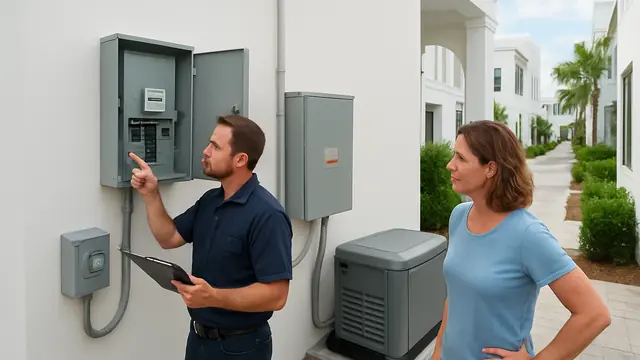
Do not remove an electrical panel cover, touch exposed conductors, bypass protection, or repeatedly reset a fault. Keep clear of smoke, sparks, burning odors, hot equipment, standing water near electricity, and downed lines, then call qualified help.
A homeowner returns to an Alys Beach residence, turns on a countertop appliance, and later notices that the nearby outlet feels warm. Another common situation is discovering warmth behind a television, nightstand, or charging station after several devices have been operating. Because the power is still on, it may seem minor. It is not a symptom to ignore.
A warm outlet usually means heat is coming from the connected device, excessive electrical demand, or resistance at a loose or deteriorated connection. Unplug the equipment and stop using that receptacle. If it is hot, discolored, melted, buzzing, sparking, or producing an unusual odor, switch off the circuit breaker if it is safe and contact a licensed electrician. Do not open the outlet or tighten wiring yourself.
Is the Heat Coming From the Outlet or the Device?
Some chargers, adapters, smart-home modules, and plug-in transformers naturally become mildly warm. Carefully unplug the device and allow both the device and outlet to cool.
If the adapter is warm but the receptacle remains close to room temperature, the device may be the source. If the faceplate, plug openings, or nearby wall remain warm, or the warmth returns with different equipment, the receptacle or circuit should be inspected.
A loose plug, uneven heat, or dark marks are additional warnings. Stop using both the plug and outlet.
Common Reasons an Outlet Feels Warm
A Loose Terminal or Splice
Every receptacle has connections inside the wall box. Current enters on conductors, commonly called wires, and passes through terminals or splices. Those points must remain tight.
When a connection loosens, electricity encounters resistance. Resistance converts some electrical energy into heat. Repeated heating and cooling can worsen the condition.
A loose connection can also arc. Arcing occurs when electricity jumps across a gap instead of following a solid connection. It can create concentrated heat without always tripping a standard breaker.
Worn Internal Contacts
Metal contacts inside the receptacle grip a plug's blades. Repeated use can weaken them. A lamp plug may slide out easily, a charger may sag, or power may cut in and out when the cord moves.
Poor contact creates a smaller path for current and can generate heat. Replacing the worn receptacle is often a limited repair, but the electrician should inspect the wires for damage.
High-Demand Appliances or Too Many Loads
Toasters, electric kettles, hair dryers, portable heaters, irons, and similar appliances draw substantial current. Warmth may develop when one operates on a worn outlet, when several loads share the circuit, or when an adapter or extension cord is involved.
A branch circuit is the group of outlets and lights supplied by one breaker. A television, sound system, chargers, lamps, and nearby appliance may all be using that circuit. The breaker may not trip if total current remains below its threshold, yet a weak connection can still overheat locally.
The two plug spaces on a duplex outlet are not separate circuits. Power strips add plug spaces, but they do not add electrical capacity.
Improper Wiring or a Failing Device
A poor splice, loose push-in connection, damaged insulation, unsuitable terminal, or incorrectly installed receptacle can generate heat inside the box. The outlet may look normal from the room.
Connected equipment can also be responsible. A damaged plug, charger, cord, or appliance may transfer heat into the receptacle. If one device warms multiple outlets, stop using it.
Safe Checks Without Opening the Outlet
Unplug all equipment and let the outlet cool. Look for yellowing, brown marks, cracks, warping, melting, or loose plug openings. From a safe distance, notice any burnt-plastic or unusual fish-like odor.
Inspect the connected device for frayed insulation, bent or darkened plug blades, a loose plug body, or an adapter that is unusually hot. Do not test damaged equipment in another outlet.
If the receptacle has TEST and RESET buttons, it is a GFCI, or ground-fault circuit interrupter. It helps reduce shock risk in specified locations, but it cannot prevent every loose connection or overload. Do not repeatedly press RESET if it will not remain on.
Note what was operating, how long it ran, and whether lights flickered or breakers tripped. Those details help the electrician.
What Homeowners Should Not Attempt
Do not remove the wall plate, touch conductors, or assume a wall switch de-energizes the receptacle. Never insert a screwdriver or other object into it.
Do not bend plug blades, wedge a loose cord, tape it in place, daisy-chain power strips, or use an extension cord as a permanent solution. Moving the appliance may simply transfer the problem elsewhere.
When the Problem Is Urgent
Treat the condition as urgent when the outlet is very hot, produces smoke, sparks, buzzing, popping, or a burning odor, or shows melting or dark discoloration. Turn off the breaker and keep people away.
Prompt service is also appropriate when power cuts in and out, the breaker repeatedly trips, nearby lights dim when an appliance starts, or the receptacle is warm while empty. If there is smoke or active fire, leave the area and call emergency services.
How a Licensed Electrician Diagnoses It
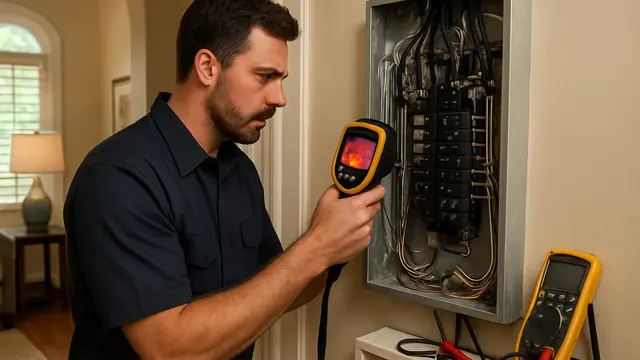
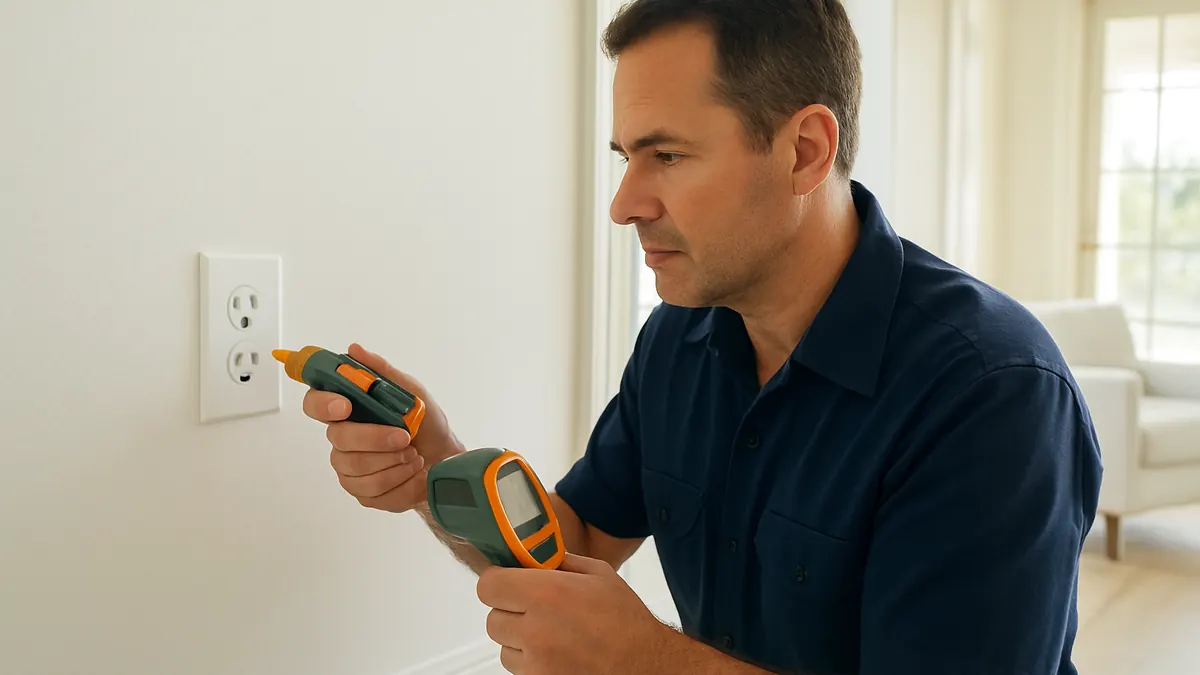
The electrician will ask which device was connected, how long it ran, and what other loads were active. Testing may include voltage, current, polarity, grounding, voltage drop, circuit load, and temperature.
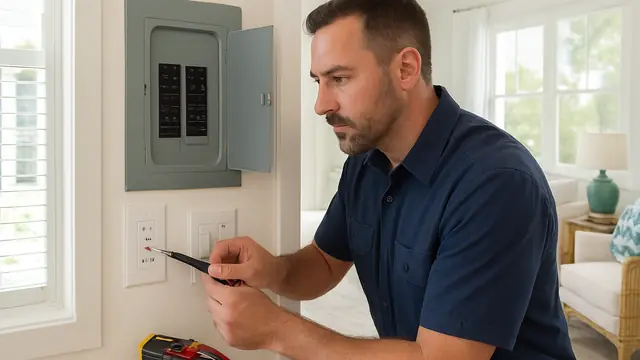
After safely verifying power is off, the electrician inspects terminals, splices, insulation, the box, and grounding. Charring, loose copper, or melting may reveal the failure point.
Nearby devices may also be checked. Electricity often passes through one receptacle on its way to another, so one loose connection can affect downstream outlets. The breaker and panel connection may be evaluated when evidence points beyond the box.
Repair Options From Least to Most Invasive
A damaged appliance cord or plug may need replacement, with the receptacle tested before reuse. A worn receptacle can often be replaced without disturbing finished surfaces.
Loose wires may be properly re-terminated, and damaged connectors or limited conductor damage may be repaired when safe and code-compliant. A crowded or damaged box may need replacement.
If the circuit is overloaded, the electrician may recommend moving devices, changing appliance use, or adding a dedicated circuit. A dedicated circuit supplies a major load from its own breaker. More extensive cable replacement is needed only when damage extends beyond the box.
What Determines Repair Cost?
Cost depends on diagnostic time, accessibility, the number of affected devices, and the extent of heat damage. A straightforward receptacle replacement requires less work than tracing an intermittent fault through several rooms.
Standard, tamper-resistant, GFCI, USB, and specialty receptacles have different requirements. Concealed cable damage, panel work, a new circuit, or multiple damaged connections increase labor and materials.
Preventing Future Overheating
Avoid operating several high-demand appliances from the same receptacle or power strip. Replace frayed cords, cracked plugs, and chargers that become excessively hot.
A loose-fitting outlet is a repair warning. During property maintenance, ask family members, guests, or cleaners to report warmth, buzzing, intermittent power, discoloration, or breaker trips rather than moving equipment and continuing to use the circuit.
Homeowner FAQs
Can a GFCI outlet feel warm?
Its internal electronics may create slight warmth. Noticeable heat, odor, discoloration, or increasing temperature is not normal.
Should I turn off the breaker?
Unplug equipment and stop using the outlet. Turn off the breaker when warmth persists, the source is uncertain, or another warning sign appears.
Could the appliance be causing it?
Yes. A failing plug, cord, charger, or high-demand appliance can transfer heat to the receptacle.
Why did the breaker not trip?
Localized resistance can create heat without raising total circuit current above the breaker's trip level.
Does the whole circuit need replacement?
Usually not. Many cases involve a receptacle, connection, or defective device. Broader work is recommended only when testing shows overloads or wiring damage.
Do Not Ignore Persistent Heat
What causes an electrical outlet to feel warm in Alys Beach can range from a hot adapter to a loose terminal, worn receptacle, overloaded branch circuit, or damaged wiring. Stop using the outlet, note what produced the heat, and arrange a licensed evaluation before reconnecting equipment.
About this guide: This resource provides general homeowner education, not a remote diagnosis. Actual conditions, code requirements, equipment, and safe repair options must be evaluated at the property.