Do not remove an electrical panel cover, touch exposed conductors, bypass protection, or repeatedly reset a fault. Keep clear of smoke, sparks, burning odors, hot equipment, standing water near electricity, and downed lines, then call qualified help.
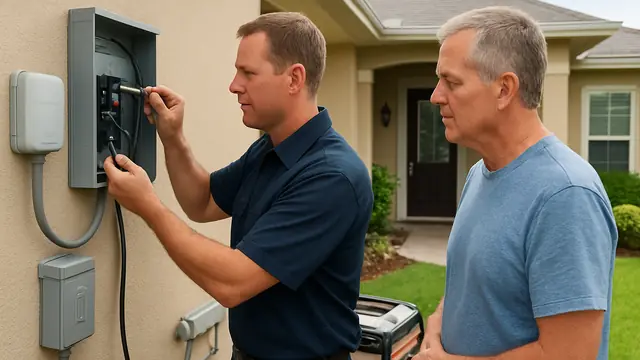
The power goes out, the air conditioner stops, and the refrigerator goes quiet. You may immediately wonder whether a standby generator can carry the entire house or whether you must choose only essential circuits. The safe first step is to list the systems you truly need during an outage. Do not open the electrical panel, move wiring, or attempt a temporary generator connection.
Generator size is based on electrical load, not square footage alone. A smaller home with electric heat, a large air conditioner, an electric water heater, and a pool pump may need more capacity than a larger home with gas appliances. Motor starting demand also matters because compressors and pumps briefly draw more power when they turn on. Official sizing guidance emphasizes connected load, starting demand, and the equipment selected for backup.
What Size Standby Generator Does Your Bid-A-Wee Home Need?
Your generator must have enough capacity to start and run the loads that may operate together. Homeowners generally choose one of two designs.
Essential-load backup
This design powers selected circuits, such as refrigeration, lights, internet equipment, receptacles, a garage-door opener, and one air-conditioning system. It can reduce generator size when the selected loads are calculated and managed correctly.
Whole-home backup
A whole-home design supports most or all normal household circuits through an automatic transfer switch. However, "whole home" does not always mean every high-demand appliance can operate simultaneously. Electric water heaters, dryers, ranges, pool equipment, heat strips, and EV chargers may require load-management controls.
A permanently installed standby generator normally starts automatically after utility power fails. The transfer switch isolates the home from the utility and connects the approved load to generator power.
Common Causes of Incorrect Generator Sizing
The first mistake is selecting capacity from house size alone. Square footage does not reveal the air conditioner's starting requirements, appliance fuel types, or which large loads may run together.
The second mistake is adding only running wattage. A compressor may run normally after startup but require a much larger momentary surge. An undersized generator may bog down, produce severe light dimming, trip a breaker, or shut off when that motor starts.
Electric resistance loads are another concern. Water heaters, ranges, dryers, auxiliary heat strips, and EV chargers can consume substantial capacity. A generator may handle one of these loads but not several simultaneously.
Fuel delivery can also affect available output. The generator needs the correct fuel type, pressure, regulator arrangement, and piping capacity. An electrical design cannot be finalized without confirming that the fuel system can support it.
Future upgrades matter as well. A replacement HVAC system, new pool equipment, electric vehicle charger, or workshop can change the load calculation.
Safe Checks a Homeowner Can Perform
Decide what you expect during an outage. Do you need one air conditioner or every HVAC system? Must the electric range work, or could smaller cooking appliances be used? Do you need medical equipment, security systems, home-office equipment, a pool pump, or a second refrigerator?
Photograph the nameplates on major equipment without removing covers. A professional can use voltage, amperage, model numbers, and air-conditioner data during the assessment.
You may note the main service size and number of electrical panels, but do not assume a 200-amp service requires a generator that supplies the full 200 amps. Load management can often preserve important comfort while reducing the generator capacity required.
Utility bills are only background information. Monthly energy use does not show the short starting surge of a compressor or identify which appliances may operate together.
What You Should Not Attempt
Never connect a generator through a dryer outlet, range outlet, or homemade cord. This can energize wiring in an unsafe direction, bypass proper transfer equipment, and endanger utility workers.
Do not install or modify a transfer switch, increase breaker sizes, defeat generator shutdowns, or bypass load-management controls. Repeated tripping or stalling means the system needs diagnosis.
Do not alter generator placement or exhaust clearances without professional review. Generator exhaust contains carbon monoxide. CPSC warns that generators must be kept outside and away from openings, and working carbon-monoxide alarms provide an important additional layer of protection.
Signs That Make the Problem Urgent
Get immediate help if you smell fuel, see smoke or arcing, notice melted wiring, or hear unusual metallic knocking. Do not approach a unit near fire, smoke, or a suspected fuel leak.
Leave the home and call emergency services if a carbon-monoxide alarm sounds or anyone develops headache, dizziness, nausea, confusion, or weakness during operation.
An existing generator also needs prompt service when it repeatedly stalls as the air conditioner starts, produces extreme light flicker, transfers power on and off, trips its output breaker, or displays recurring fault codes. Possible causes include overload, fuel restriction, battery trouble, control failure, or transfer-switch problems.
How a Licensed Electrician Diagnoses Generator Capacity
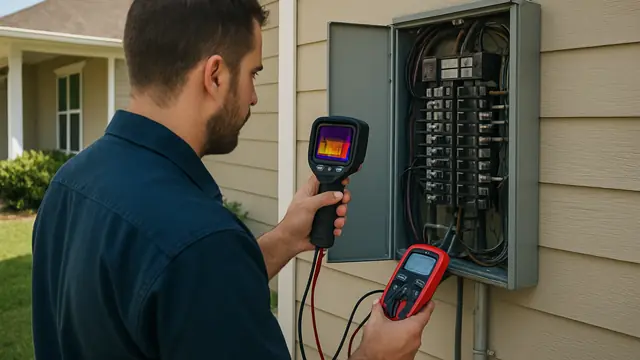
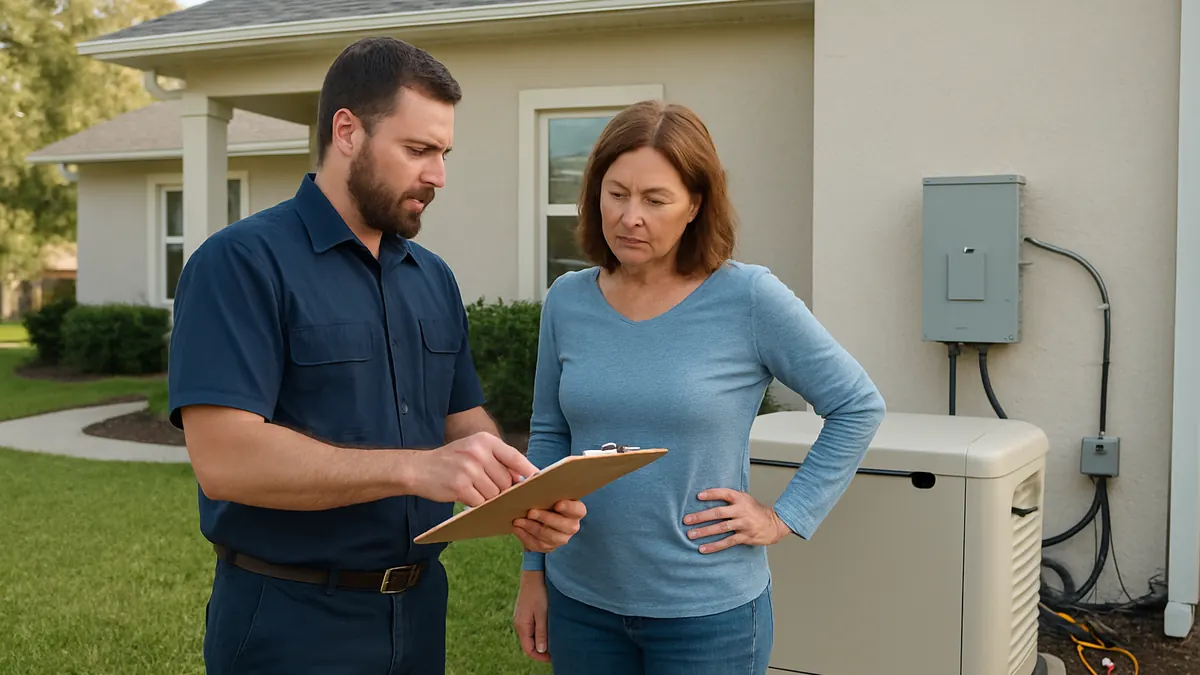
The electrician inventories general household load, fixed appliances, HVAC equipment, pumps, and special circuits requested for backup. The calculation considers which loads may operate together and applies the appropriate demand method.
Motor starting requirements receive separate attention. The largest compressor or pump can determine whether the generator starts equipment smoothly even when total running wattage appears acceptable.
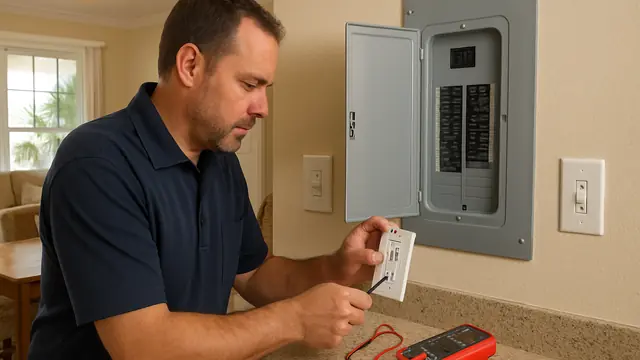
The electrician also examines the service equipment, panels, grounding and bonding, available installation area, and transfer-switch arrangement.
Fuel capacity is confirmed with the appropriate qualified professional. The completed installation is then tested for transfer operation, major-load startup, voltage stability, load-shedding sequence, and return to utility power.
Repair and Upgrade Options, Beginning With the Least Invasive
When an existing generator is nearly adequate, the first option may be changing which circuits receive backup power. Removing a nonessential electric load can create usable capacity without replacing the generator.
Approved load-management controls may temporarily prevent selected appliances from starting when the generator is heavily loaded. A compatible HVAC soft-start device may also reduce compressor starting demand, although compatibility and manufacturer instructions must be verified.
Other targeted repairs include tightening or replacing damaged electrical connections, replacing a weak battery, servicing the fuel system, repairing transfer-switch components, or replacing a failed load-control module.
Generator replacement becomes reasonable when the unit is materially undersized, unreliable, obsolete, severely damaged, or unable to support required loads after practical management options are considered.
Factors That Affect Installation Cost
Cost depends on generator capacity, transfer-switch type, number of managed loads, panel configuration, fuel source, fuel-line work, placement, mounting base, trenching, conductor length, permitting, and access.
Some homes also need panel modifications, service-equipment work, or coordination for multiple HVAC systems.
Prevention and Maintenance
Follow the manufacturer's maintenance schedule and arrange service after extended operation. Routine care may include inspecting the battery, oil, filters, spark plugs where applicable, wiring, fuel components, enclosure, and transfer switch. Manufacturer guidance commonly recommends professional service at least annually, even when outages have been limited.
Keep the unit's ventilation area clear. Watch for debris, corrosion, insect activity, vegetation, and water intrusion. Test carbon-monoxide alarms monthly.
Reassess generator capacity whenever you add a major electrical load, including a new air conditioner, water heater, range, pool system, or EV charger.
Choose Capacity From the Home's Real Electrical Demand
What size standby generator does your home need in Bid-A-Wee? It needs enough capacity to start and run the loads you select, supported by the correct transfer switch, fuel supply, and load-management strategy. The reliable answer comes from evaluating actual equipment rather than choosing from square footage or another home's installation.
About this guide: This resource provides general homeowner education, not a remote diagnosis. Actual conditions, code requirements, equipment, and safe repair options must be evaluated at the property.