Do not remove an electrical panel cover, touch exposed conductors, bypass protection, or repeatedly reset a fault. Keep clear of smoke, sparks, burning odors, hot equipment, standing water near electricity, and downed lines, then call qualified help.
You may notice the lights blink during a thunderstorm, hear the air conditioner restart, or discover that a television, modem, or appliance no longer works after the power returns. For a Bid-A-Wee homeowner, those symptoms can point to a voltage surge: a brief spike in electrical pressure that travels through the wiring and reaches equipment throughout the house.
The safest immediate action is to unplug any device that smells burned, feels unusually hot, makes buzzing sounds, or will not operate normally. Do not open the electrical panel or attempt to repair damaged wiring. If breakers are tripping, outlets are scorched, or several systems stopped working at once, contact a licensed electrician promptly.
Whole-home surge protection reduces the amount of damaging excess voltage that reaches your equipment. It does not make a house immune to every electrical event, but it can provide an important first layer of defense.
What Whole-Home Surge Protection Actually Protects
A whole-home surge protective device is normally installed at or near the main electrical panel. When a voltage spike enters the system, the device redirects much of that energy toward the grounding system instead of allowing the full surge to continue through branch circuits.
It can help protect equipment throughout the home, including:
- Heating and cooling equipment
- Refrigerators, ranges, dishwashers, washers, and dryers
- Televisions, computers, modems, routers, and smart devices
- Garage-door openers, ceiling fans, and lighting controls
- Tankless water heaters and other electronically controlled equipment
Many homeowners think only televisions and computers are vulnerable. Modern HVAC systems and appliances also contain sensitive electronic boards. Those components can be damaged by one major surge or weakened by repeated smaller surges.
Where Electrical Surges Come From
Lightning is the most dramatic source, but it is not the only one. A nearby lightning event can induce voltage on utility or communication lines. A direct strike may exceed what ordinary surge protection can handle, but many damaging events occur farther away and still send a spike into the home.
Utility switching can create surges when power is restored after an outage or equipment is changed on the grid. Some surges also begin inside the house. Large motors and compressors, including air conditioners and refrigerators, can create smaller voltage disturbances as they start and stop.
Loose connections, damaged service equipment, and grounding problems may create similar symptoms. That is why an inspection matters when lights flicker, electronics fail repeatedly, or breakers begin tripping.
Safe Checks a Homeowner Can Perform
Write down what happened. Note whether the problem followed a storm, outage, utility interruption, or startup of a large appliance. Record which devices stopped working and whether they are on one circuit or throughout the house.
Check affected electronics for cracked plugs, melted plastic, discoloration, or a sharp burned smell. Do not continue using equipment that shows those signs.
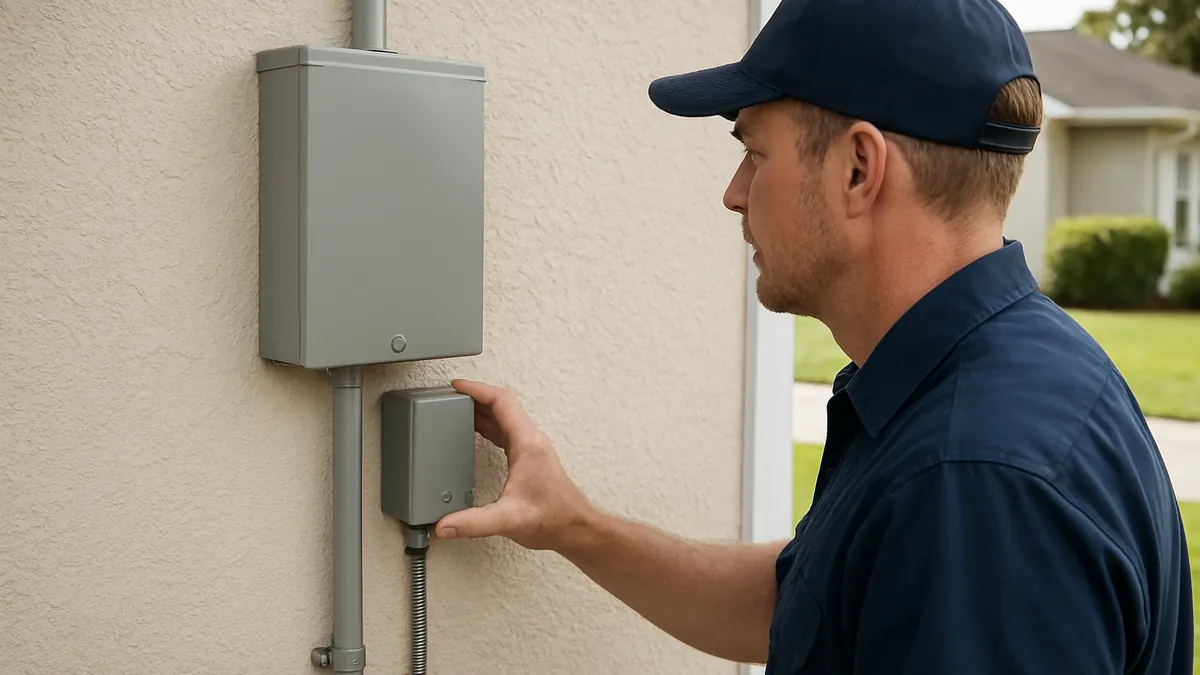
If a whole-home surge protector is already installed, look only at its external status indicator. Do not remove the panel cover. A green light often indicates normal operation, while a red light, no light, or an alarm may indicate that service is needed. Indicator meanings vary, so use the labeling for that unit.
You may reset an accessible breaker once when it is not hot, damaged, or repeatedly tripping. If it trips again, leave it off and schedule an inspection.
What You Should Not Attempt
Do not install a panel-mounted surge protector yourself unless you are properly qualified. Parts of a service panel may remain energized even when the main breaker is switched off.
Do not replace a breaker with a larger one to stop tripping. Breaker size is matched to wiring capacity, and increasing it can create an overheating hazard.
Do not bypass grounding, remove a damaged device, or connect improvised wiring. Surge protection depends on correct installation, compatible equipment, short conductor paths, and an effective grounding and bonding system.
Also, do not assume every power strip is a surge protector. A basic strip may simply provide more outlets.
Signs That Make the Problem Urgent
Arrange prompt electrical service when several electronics fail after one event, a surge protector shows a fault, or breakers trip immediately after power is restored.
Urgent warning signs include burning odors, buzzing or crackling sounds, scorched receptacles, melted plugs, unusually bright or dim lights, a hot panel, smoke, or visible arcing. If smoke or fire is present, leave the area and contact emergency services. Do not touch the panel.
How a Licensed Electrician Diagnoses the Issue
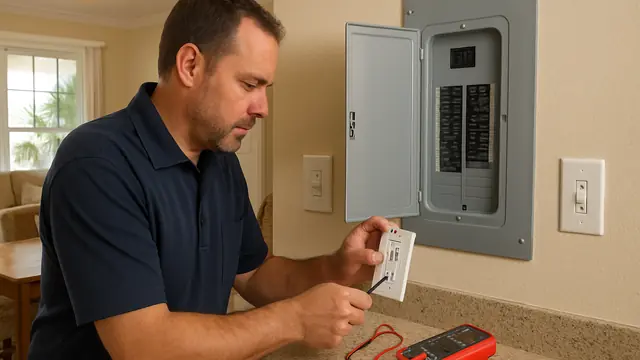
A licensed electrician asks what failed, when it happened, and whether it followed a storm or outage. The inspection may cover the main panel, service conductors, breakers, grounding electrodes, bonding connections, and visible wiring.
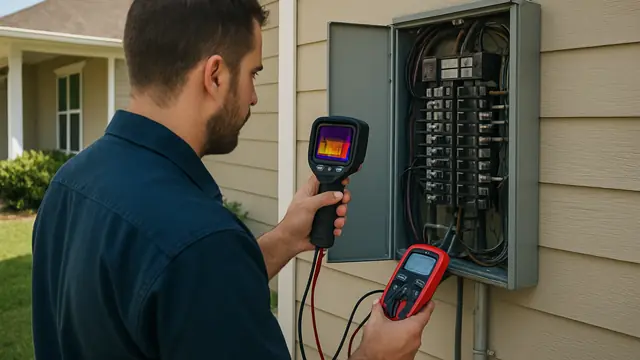
Testing can include checking service voltage, grounding and bonding, affected circuits, and neutral connections. A loose neutral can create severe voltage imbalance and damage equipment, so it should not be mistaken for a simple surge.
If a surge device is present, the electrician verifies its condition, rating, connection method, compatibility, and indicator status. Cable, internet, or other low-voltage entry points may also be considered because surge energy can enter through more than the power service.
Repair and Protection Options
The least invasive option may be replacing an expired plug-in protector for one sensitive device. Quality point-of-use protection can supplement, but not replace, panel-level protection.
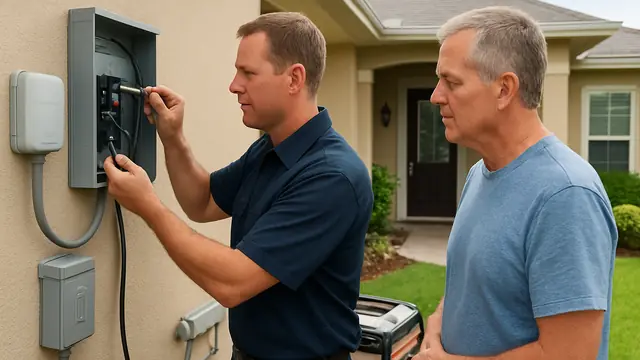
If a whole-home device is present but no longer functional, replacing only that device may restore protection without replacing the panel. If no device exists, an electrician may install a compatible breaker-style or externally mounted protector.
When panel space is limited, approved options may include reorganizing compatible breakers or using a separate enclosure. The correct approach depends on the panel brand, condition, and available capacity.
Grounding, bonding, loose connections, or damaged breakers should be corrected when found. A surge protector cannot compensate for an unsafe electrical system.
Panel replacement is considered when equipment is damaged, obsolete, unsafe, heavily corroded, or unable to support a compliant installation. It should not be the automatic first recommendation.
Factors Affecting Cost
Cost depends on the protector's type and rating, panel condition, available breaker space, installation location, grounding corrections, permit requirements, and whether damaged components also need repair.
A straightforward installation in a modern, accessible panel differs from work involving corrosion, obsolete equipment, or damaged service components. An electrician should separate what is required for safety from what is optional.
Prevention and Maintenance
Use layered protection. A whole-home device handles surges at the panel, while point-of-use protectors add protection for computers, televisions, and networking equipment.
Have grounding and bonding checked when surge protection is installed. Inspect the device's status indicator periodically and after major storms or outages. Replace plug-in protectors when their protection indicator shows failure.
Keep the panel dry, accessible, and free from stored items. Schedule an inspection if electronics fail repeatedly, lights fluctuate, or the panel shows heat damage.
Protect the Systems Your Home Depends On
So, what does whole-home surge protection actually protect in Bid-A-Wee? It helps defend electrical and electronic components throughout your home-from air-conditioning controls and refrigerators to televisions, internet equipment, and hardwired appliances-by diverting much of a voltage spike before it reaches them.
If you have experienced storm-related failure, repeated electronic damage, or a surge-protector fault indicator, the next step is a professional electrical evaluation rather than guesswork.
About this guide: This resource provides general homeowner education, not a remote diagnosis. Actual conditions, code requirements, equipment, and safe repair options must be evaluated at the property.