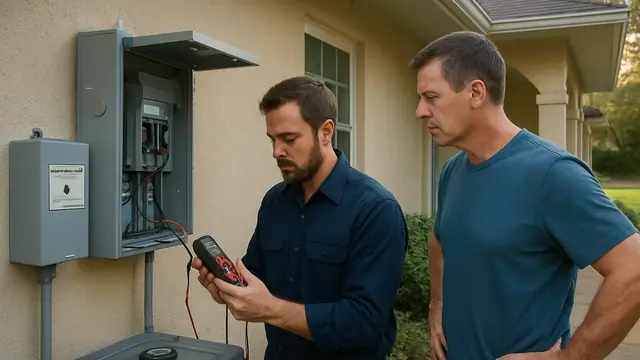
Do not remove an electrical panel cover, touch exposed conductors, bypass protection, or repeatedly reset a fault. Keep clear of smoke, sparks, burning odors, hot equipment, standing water near electricity, and downed lines, then call qualified help.
You unplug an air fryer, coffee maker, television, or charger in your Freeport home and realize the outlet feels warmer than the surrounding wall. It may have worked without interruption, and the breaker may still be on. That does not mean the condition is harmless. A warm electrical outlet can indicate a loose connection, worn internal contacts, excessive circuit demand, a defective device, or heat damage inside the box.
Unplug all equipment from the receptacle and stop using it. If the outlet is hot, smells burnt, buzzes, crackles, sparks, looks discolored, or has melted plastic, switch off the correct breaker if it is safe to do so. Do not remove the cover or touch the internal wiring. Have a licensed electrician identify the source before the outlet is used again.
What Causes an Electrical Outlet to Feel Warm in Freeport?
The basic reason is heat created by electrical resistance or transferred from a device. Resistance occurs when current cannot move cleanly through a secure connection. Small chargers may become mildly warm, but the outlet should cool after they are removed.
Loose Connections Behind the Outlet
When a terminal screw, connector, or splice loosens, the contact area decreases and current creates heat. Loose connections can also cause arcing, which means electricity jumps across a gap. Arcing can damage insulation and leave scorch marks without immediately tripping a standard breaker. An outlet may still work while the connection deteriorates.
Worn Receptacle Contacts
The metal contacts that hold plug blades can weaken with use. A plug that falls out, sits at an angle, or loses power when moved may create heat. Replacing the outlet may be straightforward, but the electrician should inspect the wiring for heat damage.
High-Demand Appliances and Shared Circuits
Hair dryers, heaters, countertop ovens, irons, microwaves, and portable cooling equipment draw substantial current. They may expose a worn connection or overload a shared branch circuit, which is the wiring protected by one breaker. A small loose point can overheat even when total current remains below the breaker's trip level. Power strips add outlets, not capacity.
A Defective Plug, Cord, Charger, or Appliance
The appliance may create the heat. Bent blades, a loose plug body, damaged insulation, or an internal fault can cause resistance. If one item warms multiple outlets, stop using it. Do not tape a damaged plug or cord and return it to service.
Improper Wiring or Heat Damage
Poor splices, damaged insulation, unsuitable devices, and crowded boxes can contribute to overheating. The receptacle may look clean from the front while the back shows melted plastic, darkened terminals, or brittle insulation.
Safe Checks Before the Electrician Arrives
Unplug devices and let the outlet cool. Without opening the box, look for yellowing, dark spots, cracks, warping, soot, or melting. Check the plug and cord for bent blades, black marks, fraying, or looseness.
Note what was operating, whether lights dimmed or power flickered, and whether the breaker tripped. An empty outlet may still carry current to downstream devices. Turn off a clearly labeled breaker when warning signs remain, and do not repeatedly reset it.
What the Homeowner Should Not Attempt
Do not remove the faceplate or pull out the receptacle. Incorrect labeling or shared wiring can create unexpected voltage. Do not insert tools, spray cleaner into the outlet, bend plug blades, wedge a cord in place, daisy-chain power strips, or rely on a permanent extension cord.
Signs That Require Urgent Electrical Service
An outlet that is merely warmer than the wall should be taken out of service and evaluated. The situation becomes more urgent when the receptacle is hot or the temperature rises rapidly.
Call promptly for buzzing, popping, crackling, sparks, scorch marks, melting, smoke, repeated breaker trips, or a burning or fish-like odor. Intermittent power and lights that flicker when a device starts can also indicate a poor connection.
If there is active smoke or fire, leave the property and contact emergency services. Do not use water on energized electrical equipment.
How a Licensed Electrician Finds the Cause
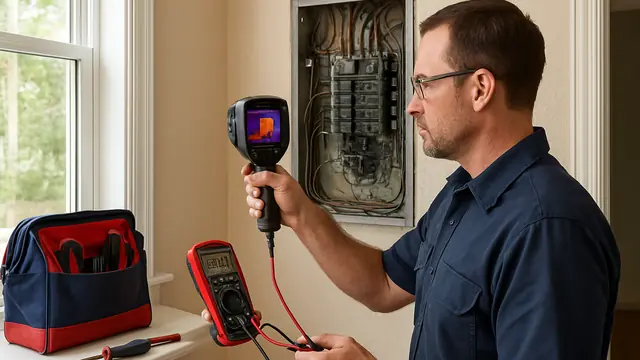
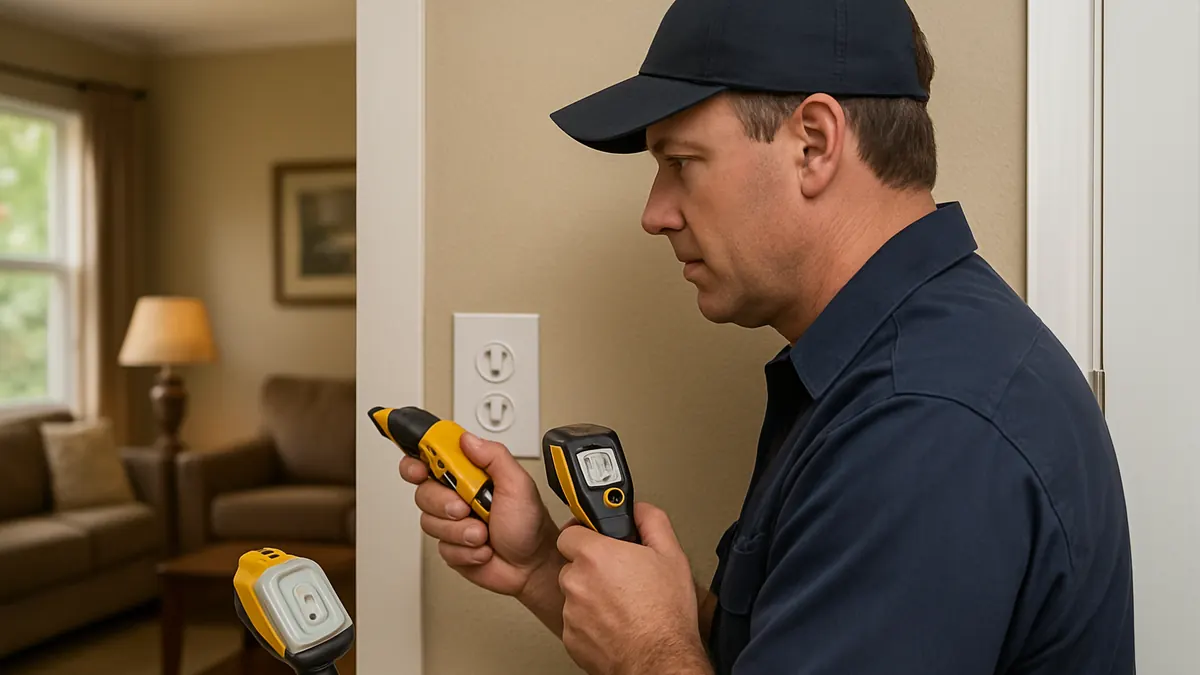
The electrician asks which device was operating and whether other outlets or lights are affected. Testing may include voltage, current, grounding, temperature, and voltage drop, which can reveal hidden resistance.
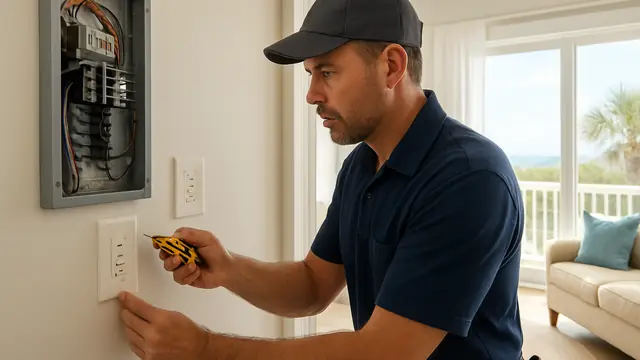
After verifying the circuit is off, the electrician inspects the receptacle, terminals, splices, insulation, grounding, and box. Nearby devices, the breaker, and the panel connection may also be checked.
Repair Options Beginning With the Least Invasive
The first solution may be removing a defective device. If the receptacle is worn but wiring is sound, replacing it and securing the connections may be enough. Loose splices can be remade, and limited heat-damaged conductor ends may be repaired when safe.
For overloads, the electrician may redistribute loads or add a dedicated circuit. More invasive work can include cable, box, breaker, or panel repairs. Complete rewiring is needed only when testing shows broader damage.
Factors That Influence Repair Cost
Cost depends on diagnostic time, box access, receptacle type, and wiring condition. Concealed cable damage, multiple affected devices, GFCI or AFCI protection, panel work, or a new circuit add labor and materials.
Prevention and Maintenance Guidance
Replace outlets that no longer grip plugs securely. Stop using damaged cords, cracked plugs, and chargers that become excessively hot.
Use high-demand appliances according to their instructions and avoid operating several from the same power strip. Extension cords should not become permanent household wiring.
Pay attention to small changes such as occasional flickering, a faint buzz, plugs that feel loose, or slight discoloration. Early evaluation can keep limited receptacle damage from progressing into damaged wiring.
Schedule an Electrical Evaluation
What causes an electrical outlet to feel warm in Freeport may be a failing appliance, worn receptacle, loose terminal, overloaded circuit, or concealed wiring damage. Unplug equipment, turn off power when warning signs are present, and do not reuse the outlet simply because it cools. A licensed electrician can determine the least invasive repair that safely corrects the cause.
About this guide: This resource provides general homeowner education, not a remote diagnosis. Actual conditions, code requirements, equipment, and safe repair options must be evaluated at the property.