A sunny upstairs bedroom, a shaded living room, and a recently enclosed addition rarely need the same amount of cooling. In Panama City, outdoor humidity adds another challenge: a room can reach its thermostat setting and still feel sticky. Solving both problems takes more than adding another indoor unit.
VRF multi-zone systems can provide flexible, room-by-room comfort when the equipment, airflow, controls, and moisture strategy work together. For homeowners considering VRF multi-zone systems in Panama City, FL, careful planning helps prevent expensive compromises after installation.
Where VRF Fits in a Panama City Home
Variable refrigerant flow, or VRF, systems adjust refrigerant delivery to connected indoor units as heating and cooling demand changes. An inverter-driven outdoor compressor can vary its output instead of simply running at full capacity every time a thermostat calls. Indoor units may include wall-mounted equipment, ceiling cassettes, or compact ducted air handlers.
VRF and ductless mini splits share some technology, but the labels are not interchangeable. Many residential multi-split systems have simpler controls and different piping limitations than larger VRF platforms. Homeowners searching for mini split installation near me should compare the actual equipment configuration, not just the name on a proposal.
Useful applications without unnecessary complexity
A multi-zone approach can make sense for two-story homes, additions, remodels, and layouts with rooms used on different schedules. Older homes may benefit where installing full-size ductwork would require extensive ceiling work. Newer homes with tight construction need particular attention to ventilation and small cooling loads.
Not every house needs VRF. A properly sized conventional heat pump, a smaller multi-split system, or repairs to existing ducts may solve the problem more economically. The right recommendation should account for installation cost, maintenance access, available service expertise, and how long you expect to own the home.
Start With Room Loads, Not Square Footage Alone
Panama City homes experience long cooling seasons, humid shoulder seasons, and occasional cold snaps. West-facing windows, attic insulation, air leakage, ceiling height, and occupancy all influence equipment needs. A room-by-room load calculation gives a contractor a stronger starting point than replacing equipment with the same nominal capacity.
Oversized indoor units can satisfy temperature demand too quickly, reducing opportunities for moisture removal. Undersized equipment may struggle during peak afternoon heat. Even variable-capacity systems have minimum operating limits, so modulation does not eliminate the need for accurate sizing.
Match zoning to how the house is used
Bedrooms, home offices, and additions are often sensible zones. Separate thermostats are less helpful when open doorways let air move freely between spaces with very different settings. Indoor unit placement should also account for furniture, sleeping areas, direct sunlight, and access for filter cleaning.
Ask whether the proposed system provides one operating mode at a time or supports simultaneous heating and cooling. Many residential multi-zone heat pumps require connected zones to share a heating or cooling mode. Heat-recovery VRF systems can offer simultaneous operation, but that capability adds design considerations and is not standard on every system.
For additions or a new build, early coordination with new construction air conditioning planning can preserve space for refrigerant piping, drain lines, electrical requirements, and service access before walls close.
Humidity Control Needs Its Own Plan
A thermostat measures temperature, but comfort also depends on moisture. Panama City's coastal weather can create days when the outdoor temperature is moderate while the air remains humid. On those days, a lightly loaded cooling system may not run enough to keep indoor humidity comfortable.
Use a reliable humidity monitor to track conditions in more than one room. A practical target is often around 40 to 55 percent relative humidity, with sustained readings above 60 percent warranting attention. Appropriate targets depend on the home, outdoor conditions, and any condensation concerns.
Cooling equipment does not solve every moisture source
VRF indoor units remove moisture when their evaporator coils operate below the air's dew point. They do not automatically provide dedicated dehumidification or fresh-air ventilation. Dry modes can help under certain conditions, but they are not a substitute for evaluating the home's total moisture load.
A contractor should check air leakage, bathroom exhaust, kitchen ventilation, and any outdoor-air system. A dedicated dehumidifier may be appropriate when humidity remains high despite correct cooling operation. Adding a humidifier is rarely the first answer to discomfort in a coastal Florida home.
Avoid lowering the thermostat repeatedly to chase a clammy feeling. That can overcool rooms without fixing the cause. Ask for temperature and humidity measurements, operating data, and an assessment of infiltration before approving larger equipment.
Airflow Still Matters With Multiple Indoor Units
Separate zones do not guarantee even air distribution. A wall-mounted unit tucked behind a tall cabinet cannot circulate air properly. A ceiling cassette blowing directly onto a bed may create drafts even when the average room temperature is correct. Placement should support circulation without making occupied areas uncomfortable.
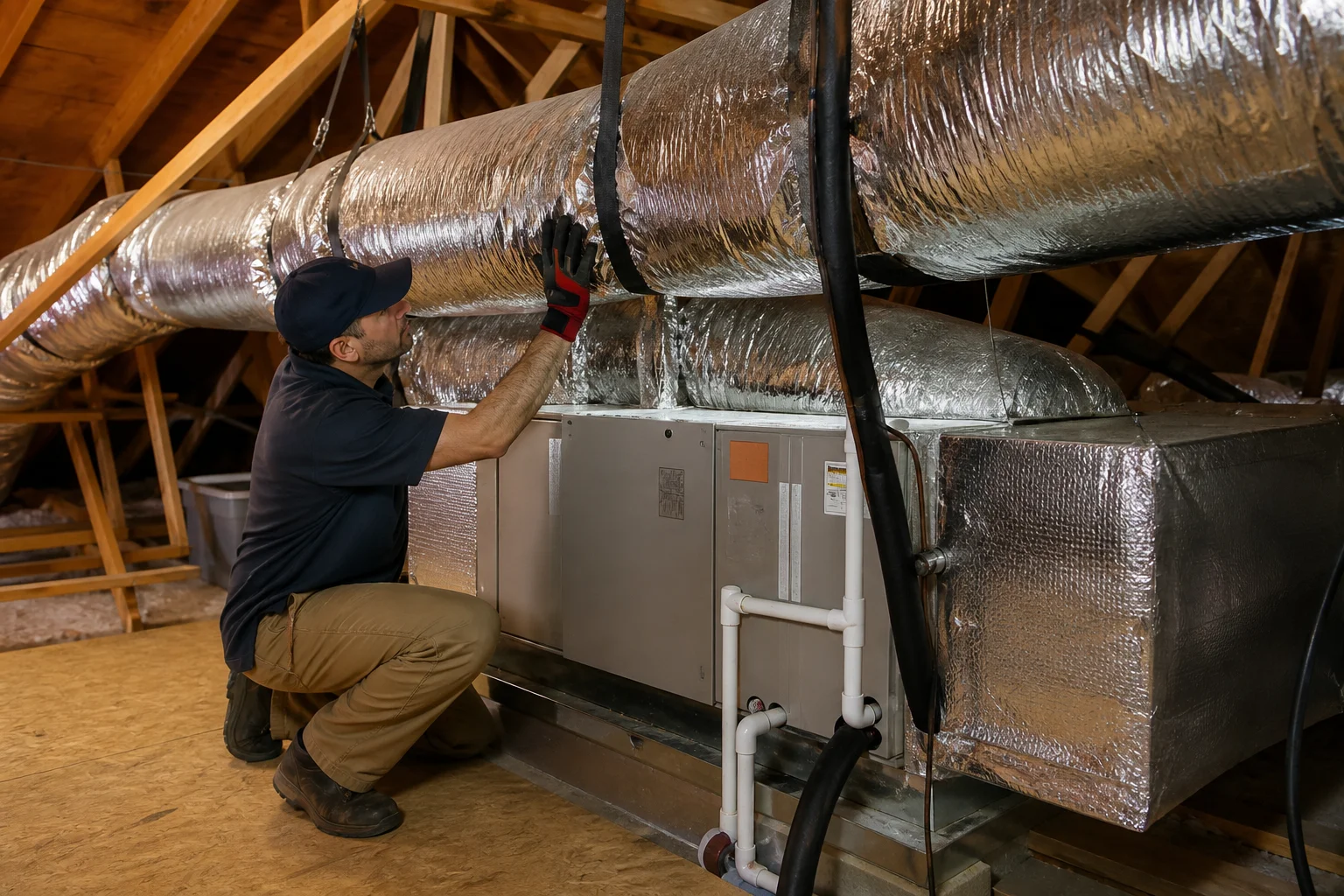
For ducted indoor units, the available fan pressure must match the duct design. Compact air handlers often have specific static-pressure limits. Long runs, undersized returns, restrictive filters, or poorly selected vents can reduce airflow and undermine comfort.
Repair the distribution problem before changing equipment
Hot rooms may result from crushed ducts, disconnected fittings, or leakage in an attic rather than a failing condenser. Ductwork repair and duct sealing can reduce unwanted heat gain and moisture entry. Severely deteriorated or badly sized ducts may need replacement.
The planning principles in this guide to duct replacement and humidity control also apply to ducted VRF zones. The goal is measured airflow that matches each room's needs, not simply more vents.
Keep filters clean and use the type specified for the equipment. An overly restrictive filter can cause problems in a system not designed for it. For indoor air quality concerns, discuss filtration, source control, and ventilation together rather than expecting a small indoor unit filter to address every pollutant.
Give Coastal Outdoor Equipment Room to Last
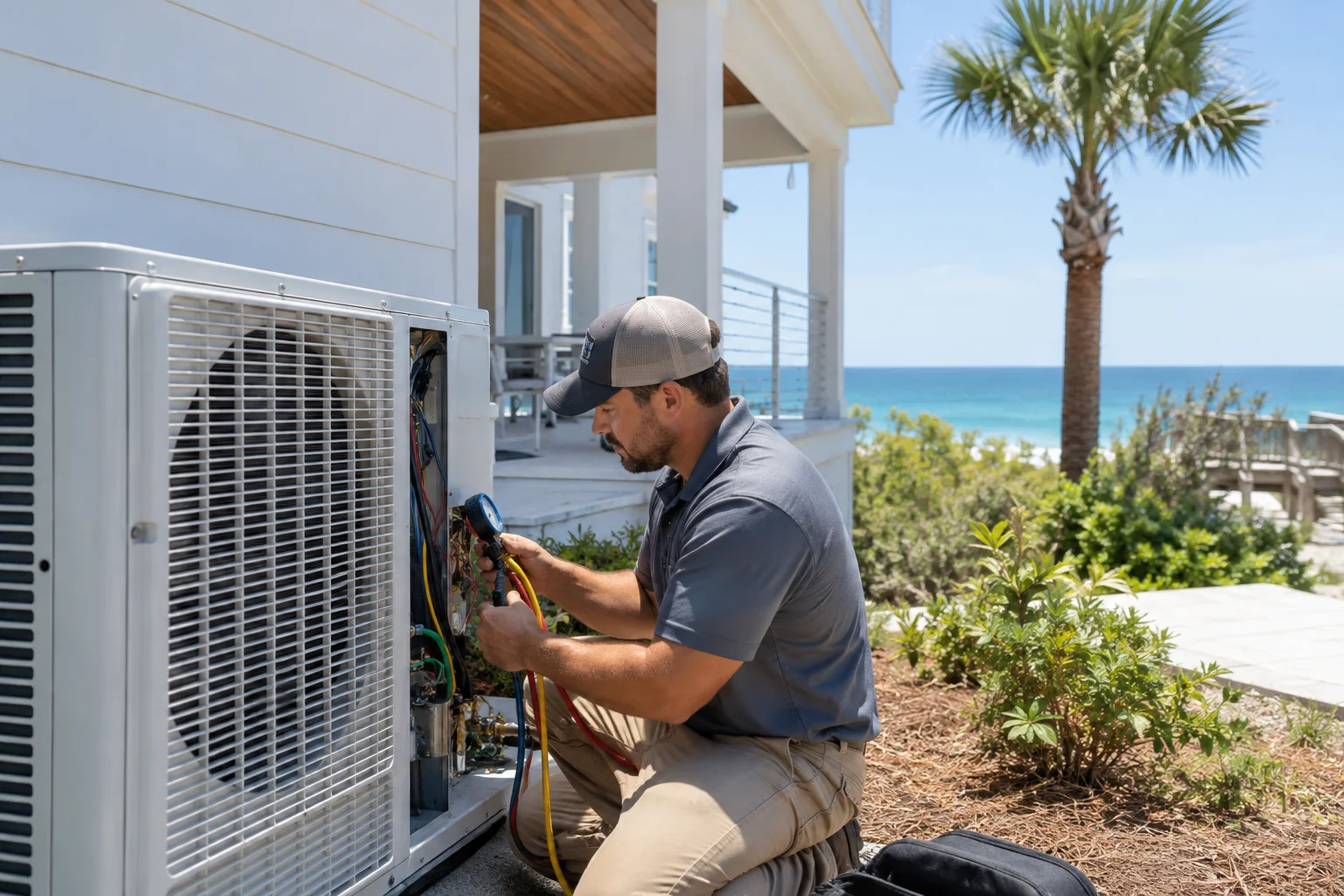
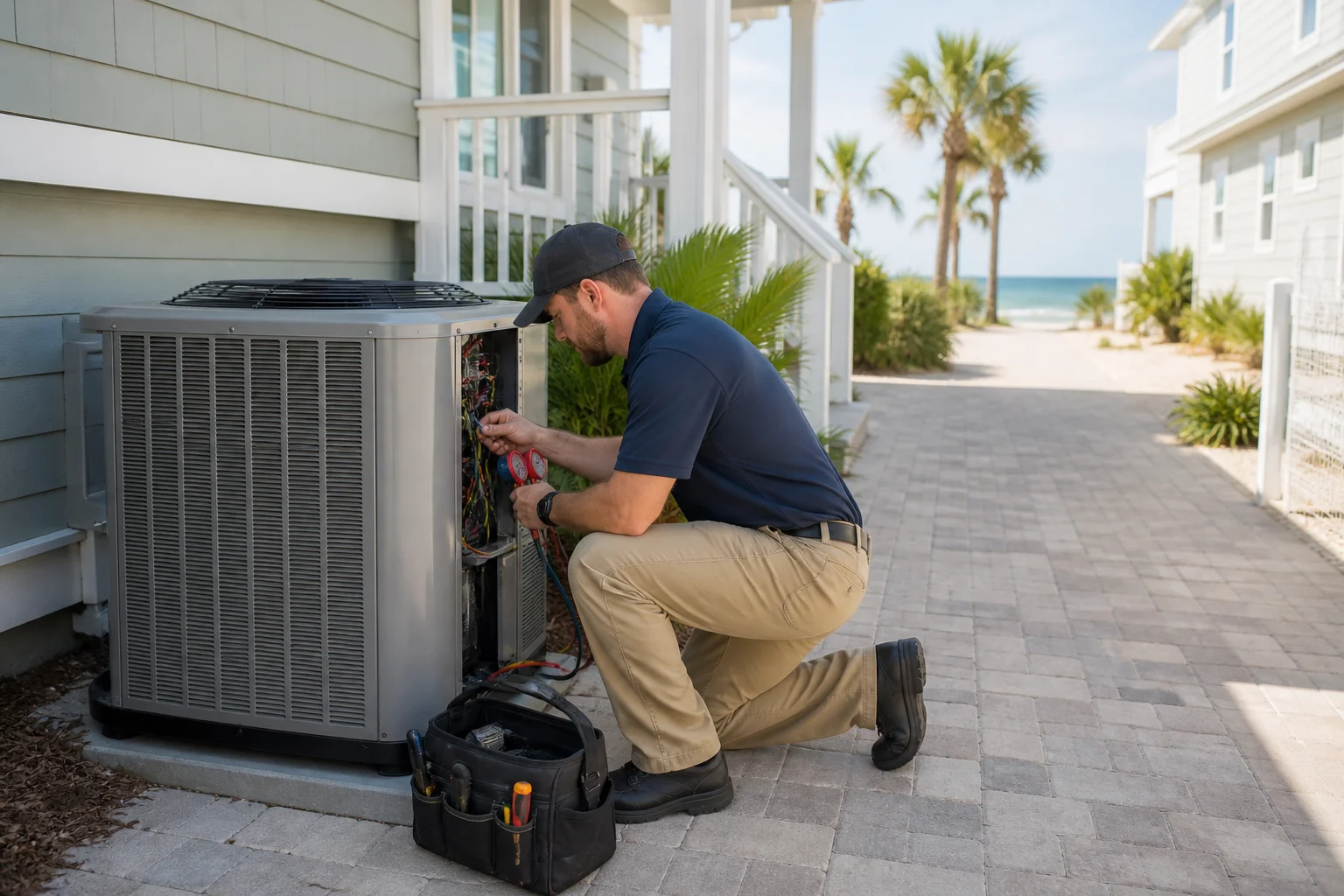
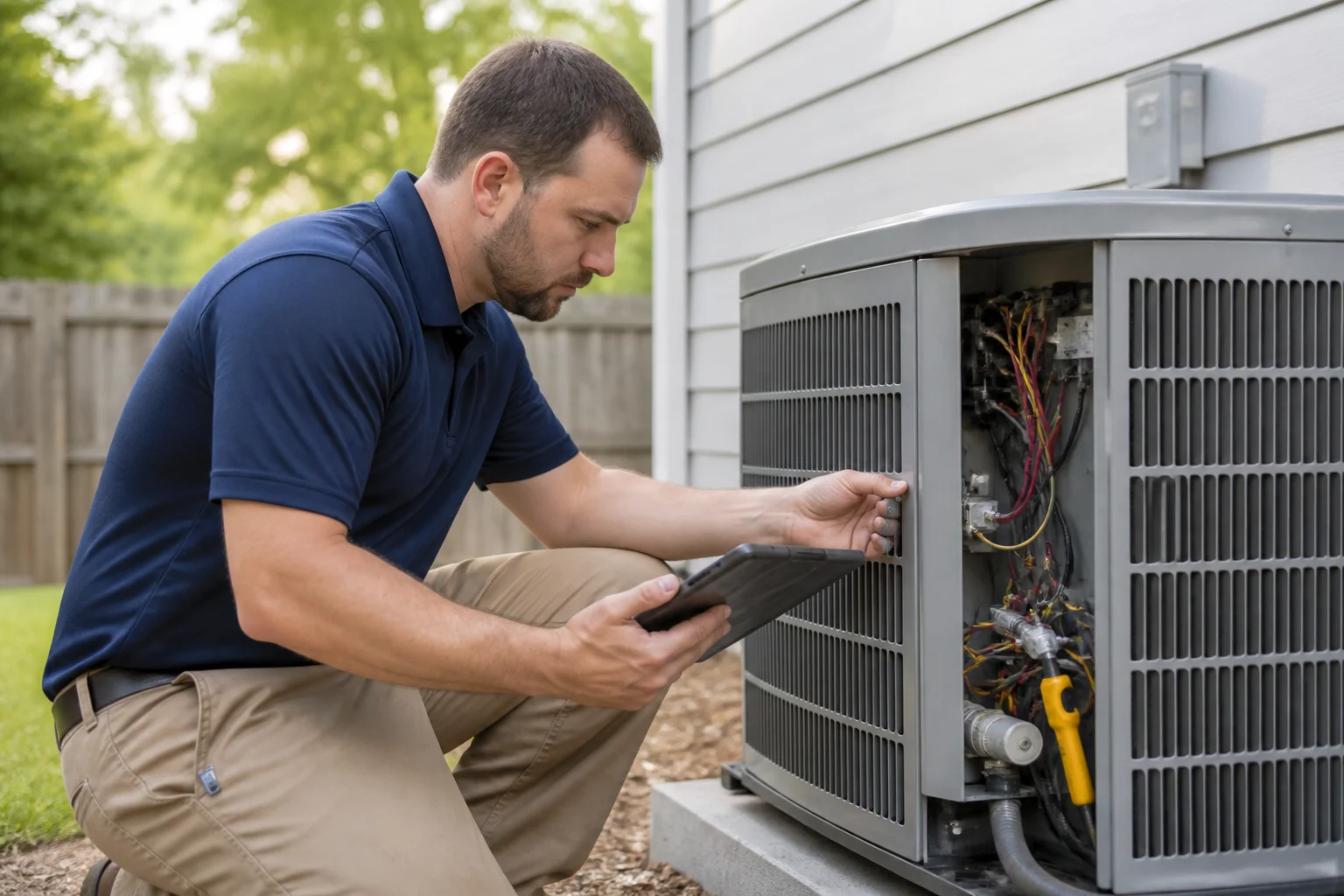
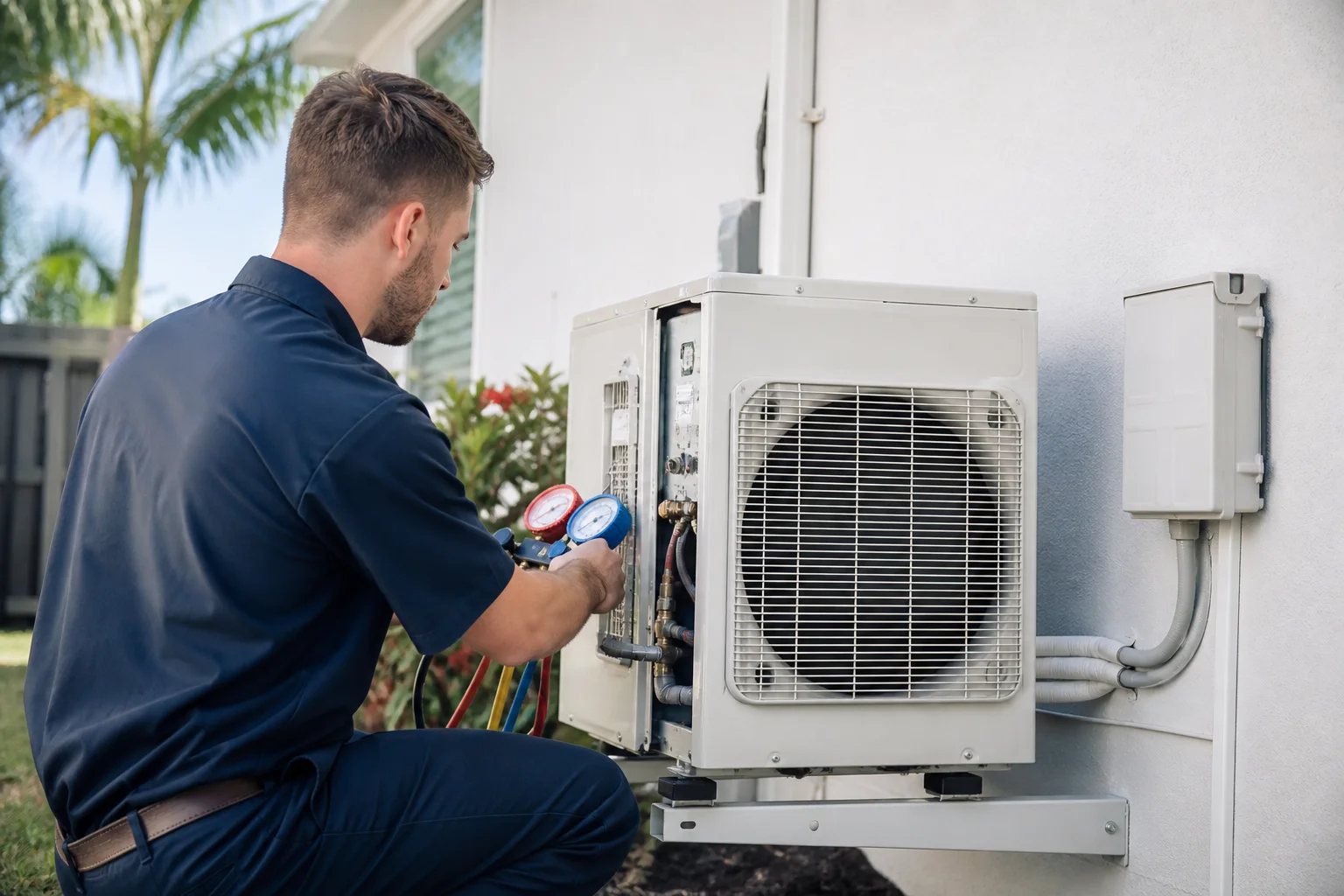
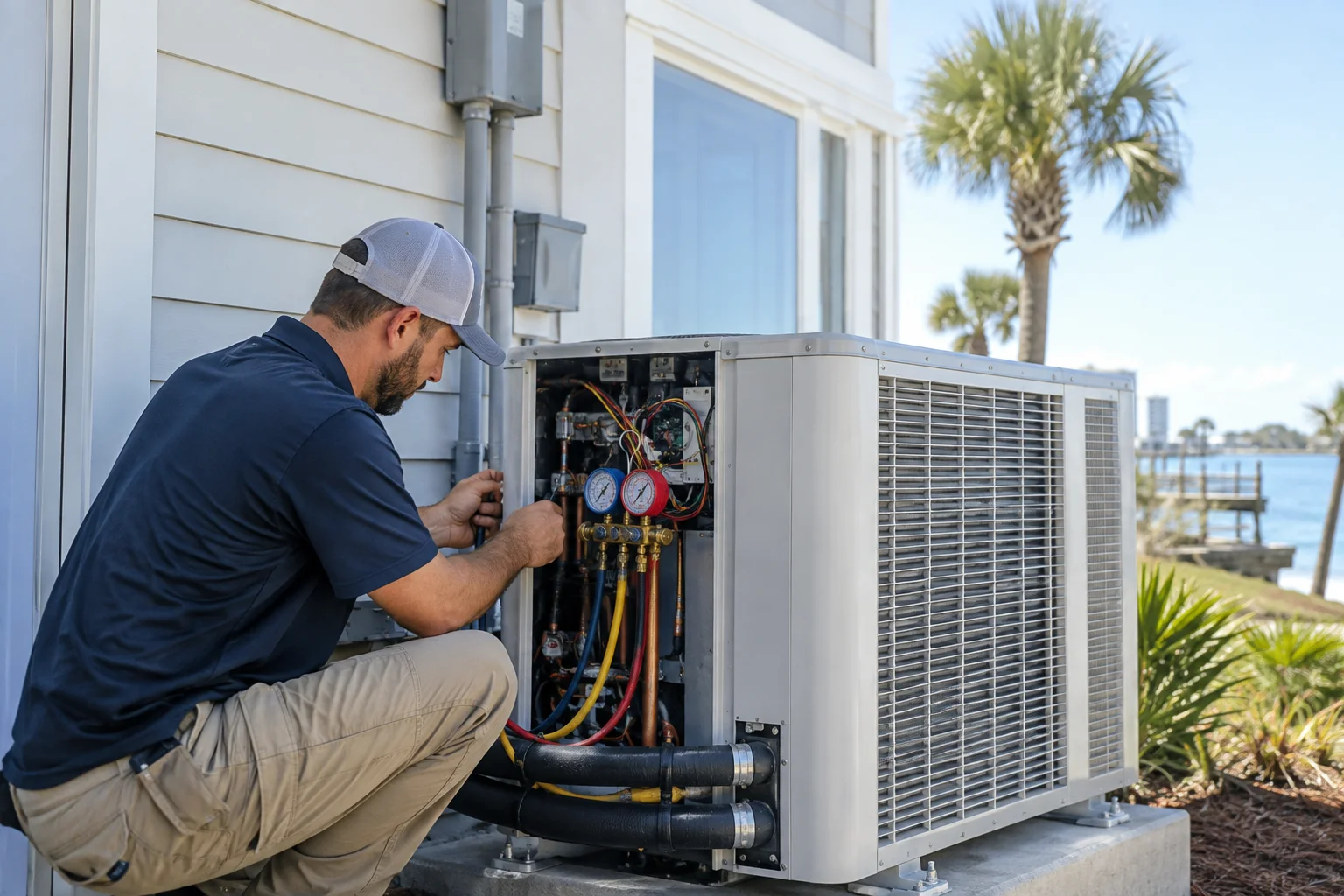
Salt air can accelerate corrosion on outdoor coils, cabinets, and connections, especially at more exposed properties. Leaves, windblown debris, and vegetation can also restrict airflow around outdoor units. Condensers need manufacturer-specified clearances and a location that allows safe inspection and cleaning.
Equipment selection should consider coastal exposure, available factory protective treatments, and warranty requirements. Mounting and anchoring should follow applicable wind and flood requirements. Elevation, drainage, and access deserve attention before choosing the most convenient empty corner of the yard.
After storms, look from a safe distance for shifted equipment, damaged refrigerant lines, debris, or standing water. Do not operate equipment that has been submerged until it has been evaluated. Follow manufacturer guidance for coil cleaning, and avoid pressure washing delicate fins or applying unapproved chemicals.
Small Symptoms Can Reveal Larger VRF Problems
A room that gradually stops keeping up, recurring error codes, new operating noise, or water around an indoor unit deserves investigation. A single uncomfortable zone may point to a local sensor, filter, drain, or control issue. Multiple struggling zones may indicate a shared outdoor-unit or refrigerant-system problem.
Low cooling, ice, and refrigerant leaks
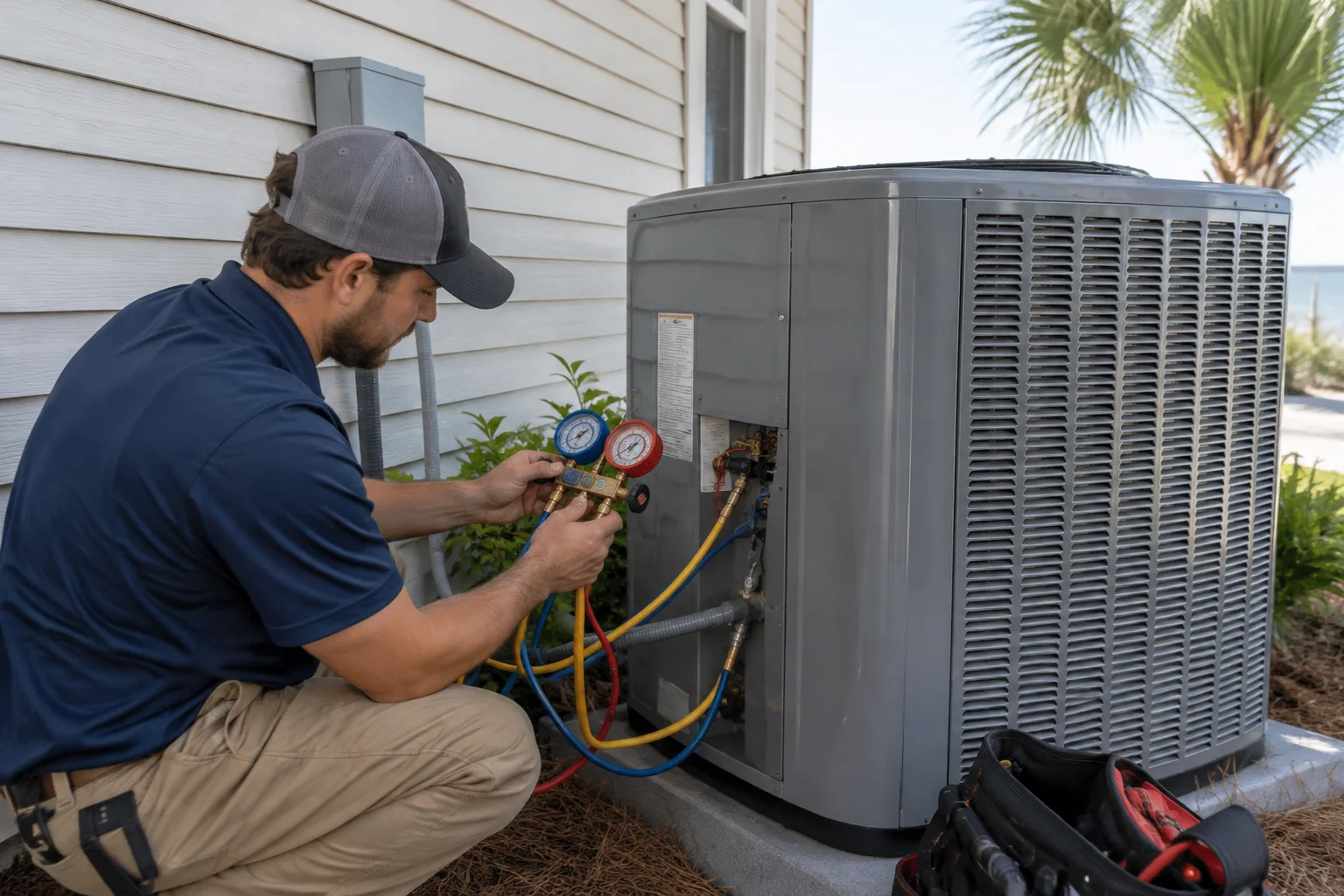
Restricted airflow and refrigerant problems can both cause poor cooling or coil icing. Ice is not proof that the system only needs more refrigerant. Refrigerant is not consumed during normal operation, so an undercharged system requires investigation for leakage or an installation-related charging issue.
If refrigerant leak repair near me is your next search, look for a contractor familiar with the installed VRF brand and its diagnostic procedures. Repair should address the leak, required testing, and the manufacturer's charging method. Repeatedly topping off a leaking system is not a lasting solution.
Drainage trouble and urgent service needs
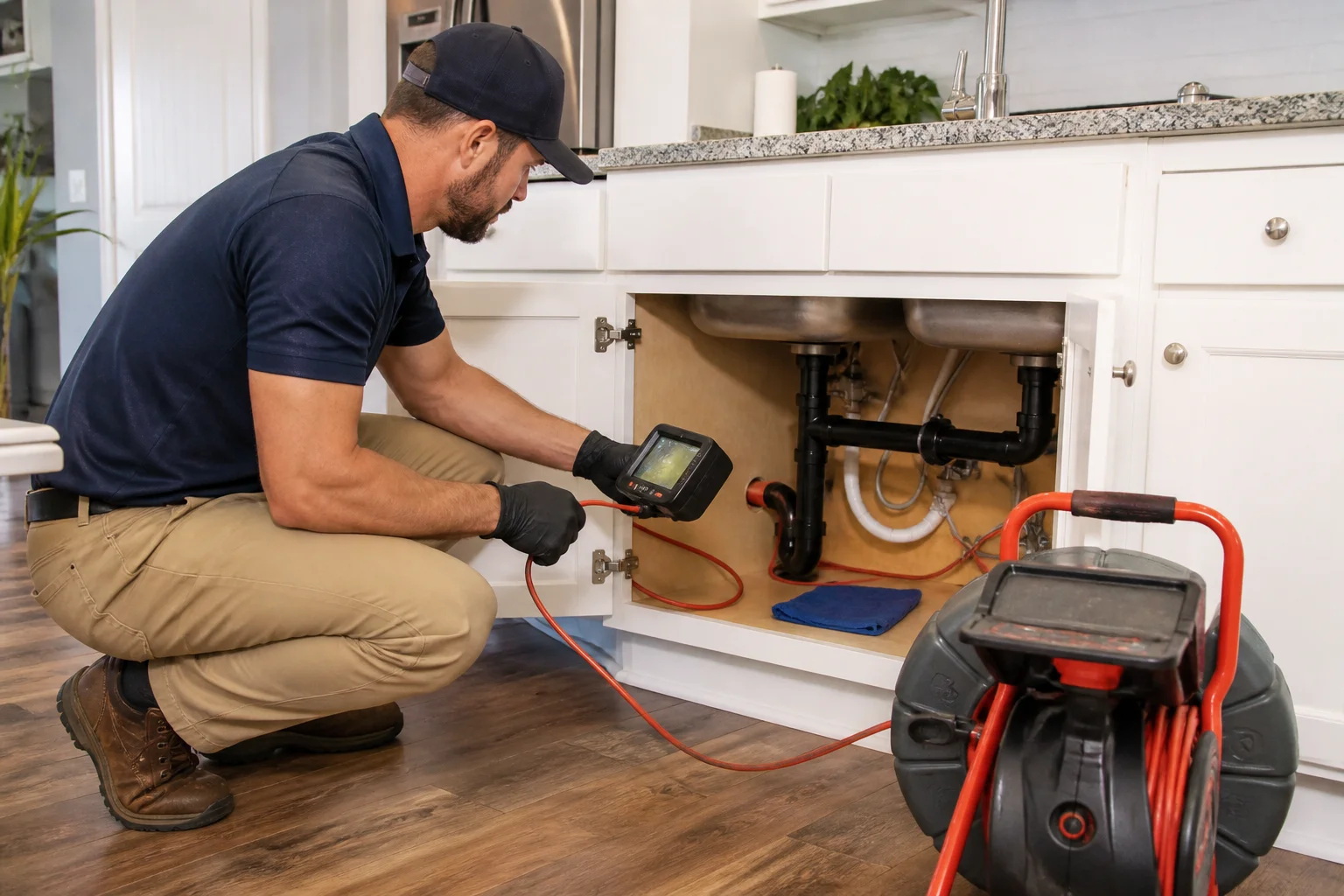
Each cooling indoor unit produces condensate that must drain safely. Blocked drain lines, failed condensate pumps, or incorrect drain slope can cause leaks and property damage. Stop using the affected equipment if water is entering ceilings or walls, and arrange professional service.
Burning odors, smoke, sparking, or severe electrical damage require immediate action. Leave the area and contact emergency services if there is smoke or fire. Loss of cooling during extreme heat also deserves prompt attention, especially with vulnerable occupants. This article on urgent HVAC response in Panama City homes explains why delays can matter.
Maintenance That Protects Comfort and Efficiency
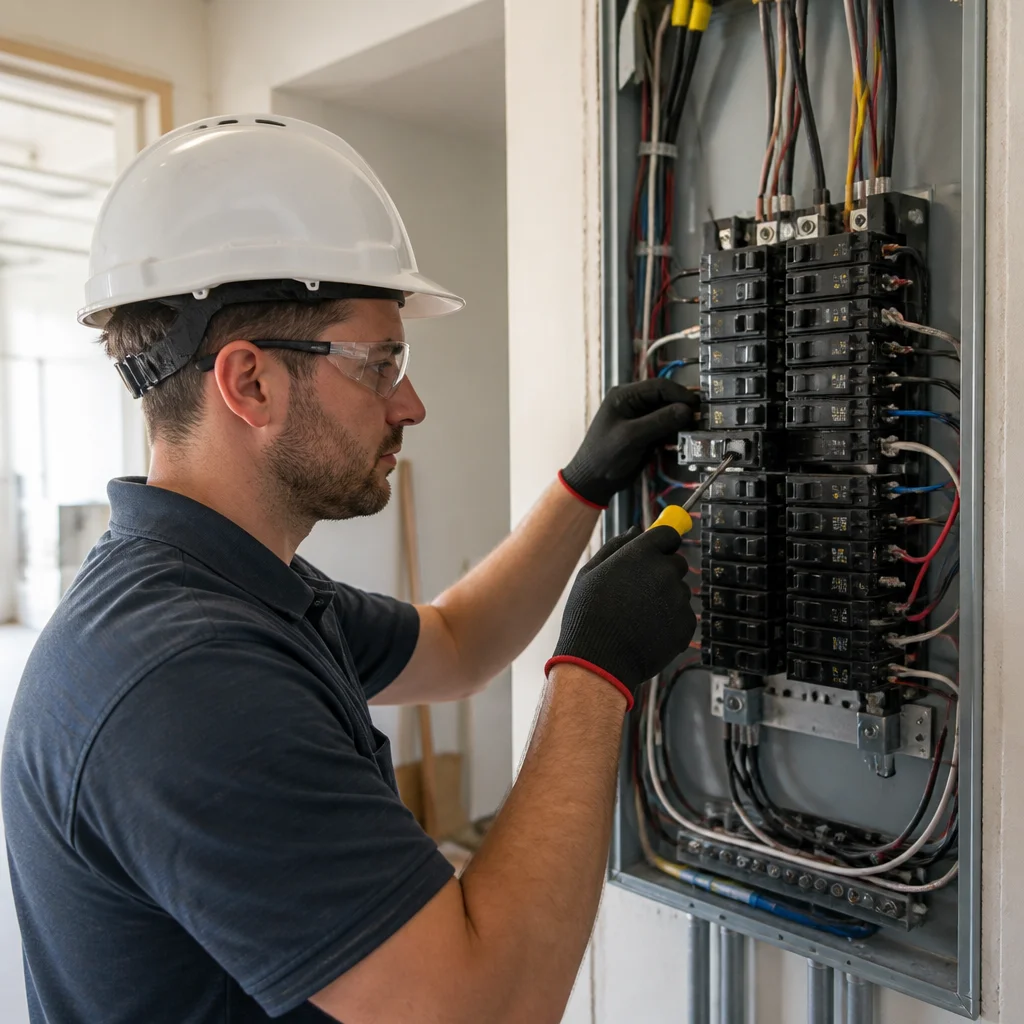
Homeowners can inspect accessible filters, keep air paths open, monitor humidity, and watch for drainage changes. Professional maintenance should go further, including coil condition, drain operation, electrical connections, sensors, controls, and manufacturer-recommended performance checks. Refrigerant diagnosis should follow approved procedures rather than unnecessary routine system access.
Schedule an air conditioning inspection before peak summer demand when possible. If you are searching for an HVAC tune up near me, ask whether the visit includes every indoor unit and any condensate pumps, not just the outdoor equipment.
For winter readiness, have heating operation checked before a cold snap. VRF heat pumps behave differently from furnaces, and defrost cycles can temporarily affect delivered heat. Homes with separate furnaces or supplemental heat need those components evaluated too. Local heating services can help distinguish normal operation from a heating repair issue.
Make Controls and Operating Habits Work Together
Use moderate, consistent temperature settings rather than large daily swings. Keep windows closed during humid weather and use exhaust fans to remove moisture at its source. Closing supply vents to force more air elsewhere can disrupt a ducted zone's airflow and should not replace balancing.
Thermostat installation requires equipment compatibility. Many VRF systems rely on proprietary communicating controls, so a generic smart thermostat may need an approved interface or may limit available features. Ask for a demonstration of scheduling, mode selection, error messages, and filter reminders.
Energy efficiency depends on the whole installation. Compare rated performance, minimum capacity, zoning needs, duct losses, and maintenance requirements. Homeowners exploring heat pump installation near me should request a written scope that explains why the proposed system suits their house rather than relying on a promised percentage of savings.
Build a Practical Plan With a Local HVAC Contractor
A Superior Mechanical provides VRF design, installation, repair, and maintenance in Panama City. Start with the actual comfort complaint and an assessment of the existing system. Sometimes air conditioning repair or airflow correction is the appropriate next step instead of replacement.
Working with a provider familiar with Panama City HVAC needs and broader Bay County service conditions helps keep coastal exposure, seasonal demand, and local construction in view. Before approving a proposal, confirm load calculations, humidity strategy, drainage, service access, controls, and maintenance expectations. Those details make separate zones deliver genuinely useful comfort.
Find VRF Multi-Zone Systems in Panama City, FL
If you need VRF Multi-Zone Systems in Panama City, FL, visit our local service page or contact A Superior Mechanical today.
Map of Panama City, FL
Frequently Asked Questions
Is a VRF system the same as a multi-zone mini split?
They share variable-capacity technology, but they are not always the same. VRF systems generally offer more extensive piping, control, and zoning options. Residential multi-zone mini splits may provide a simpler solution for smaller projects. Compare the specific equipment and design rather than relying on the label.
Can a VRF system control humidity in a Panama City home?
VRF indoor units remove moisture while cooling, but humidity control depends on sizing, runtime, airflow, and the home's moisture load. During mild, humid weather, dedicated dehumidification may be needed. Persistent indoor humidity above 60 percent deserves an evaluation rather than simply a lower thermostat setting.
How often should a coastal VRF system receive maintenance?
Follow the manufacturer's schedule, with professional maintenance commonly planned before the cooling season and a heating check before winter. Coastal exposure, heavy use, and equipment condition may justify more frequent attention. Every indoor unit, filter, drain, and condensate pump should be included in the maintenance plan.
Related Articles
Photo Gallery