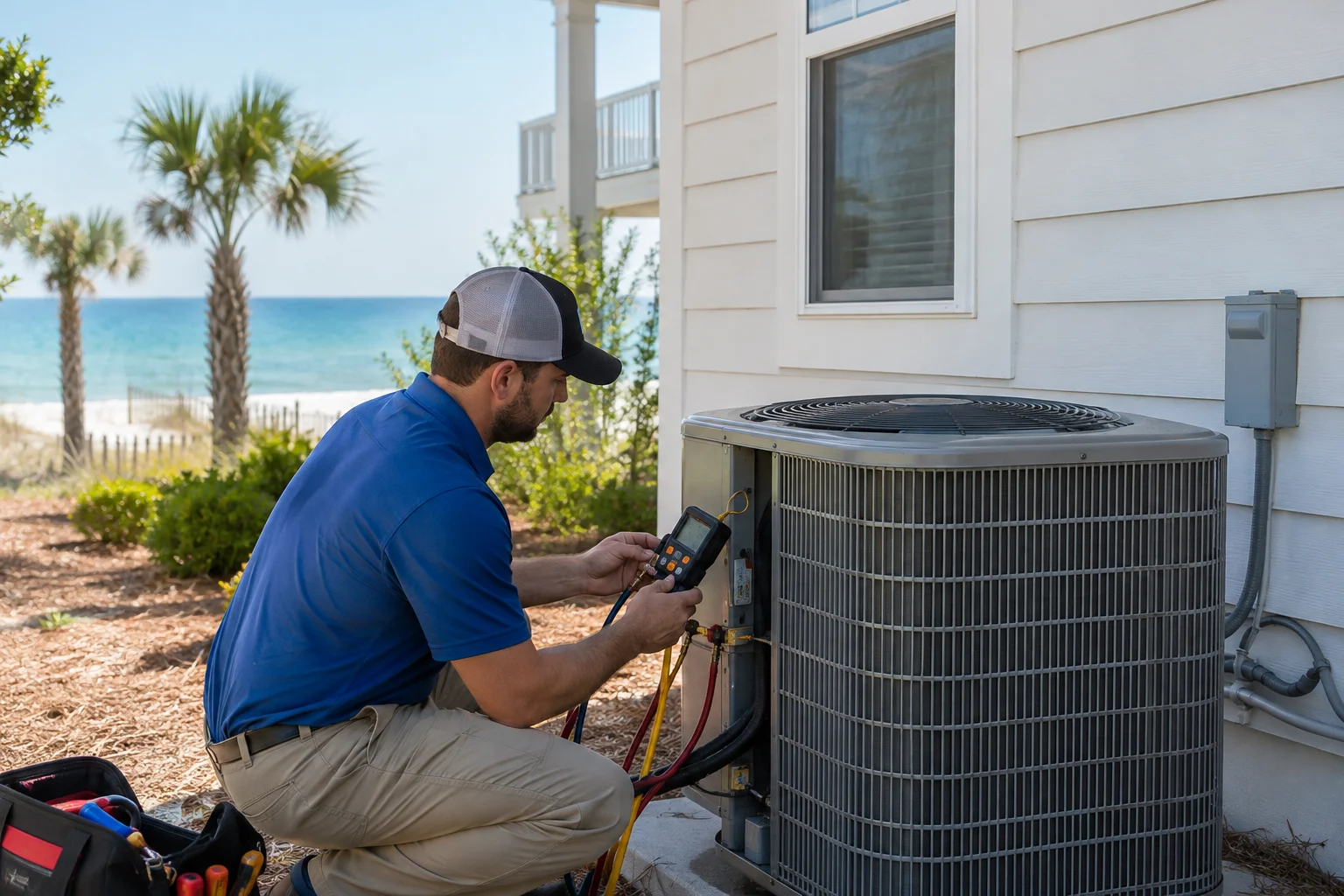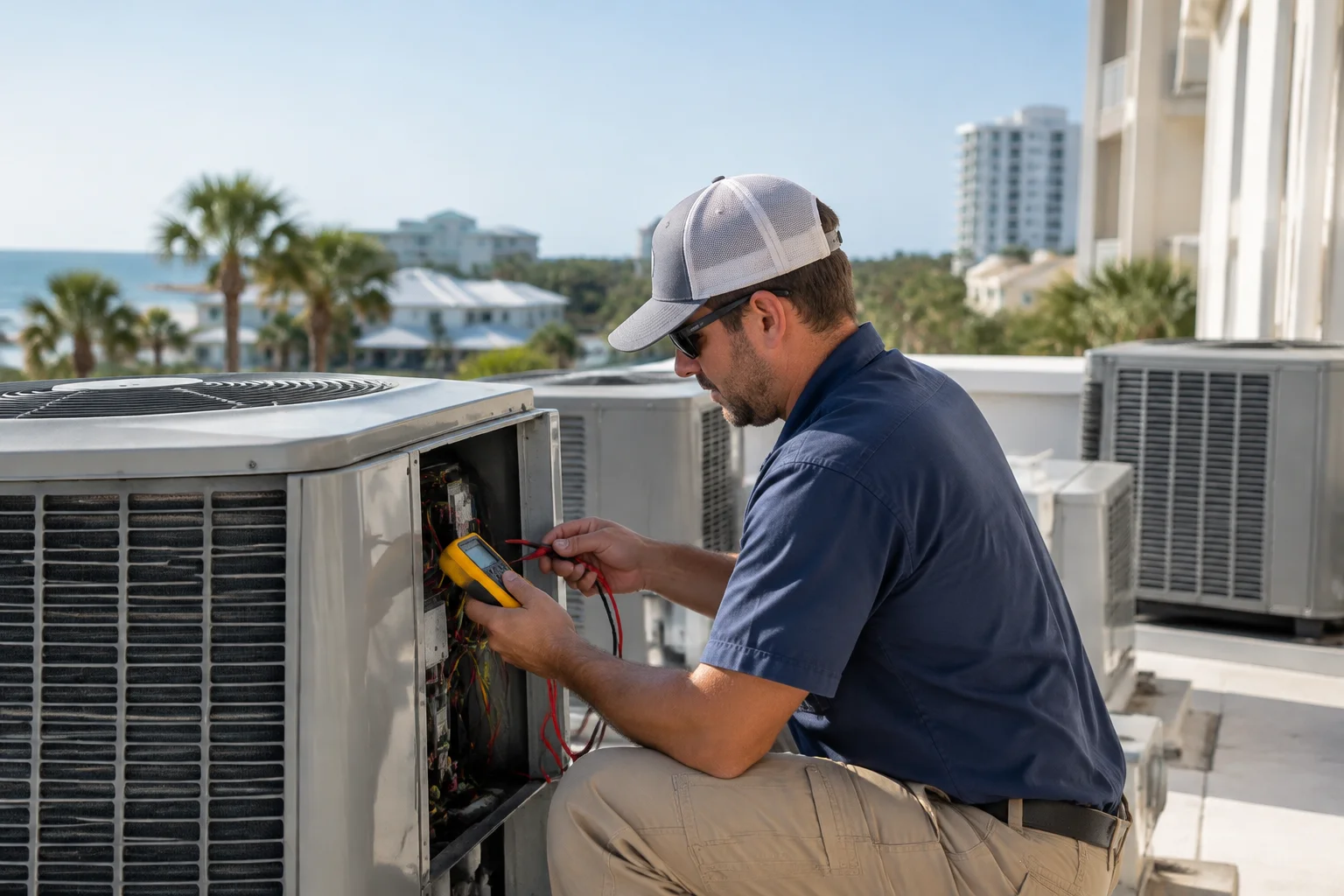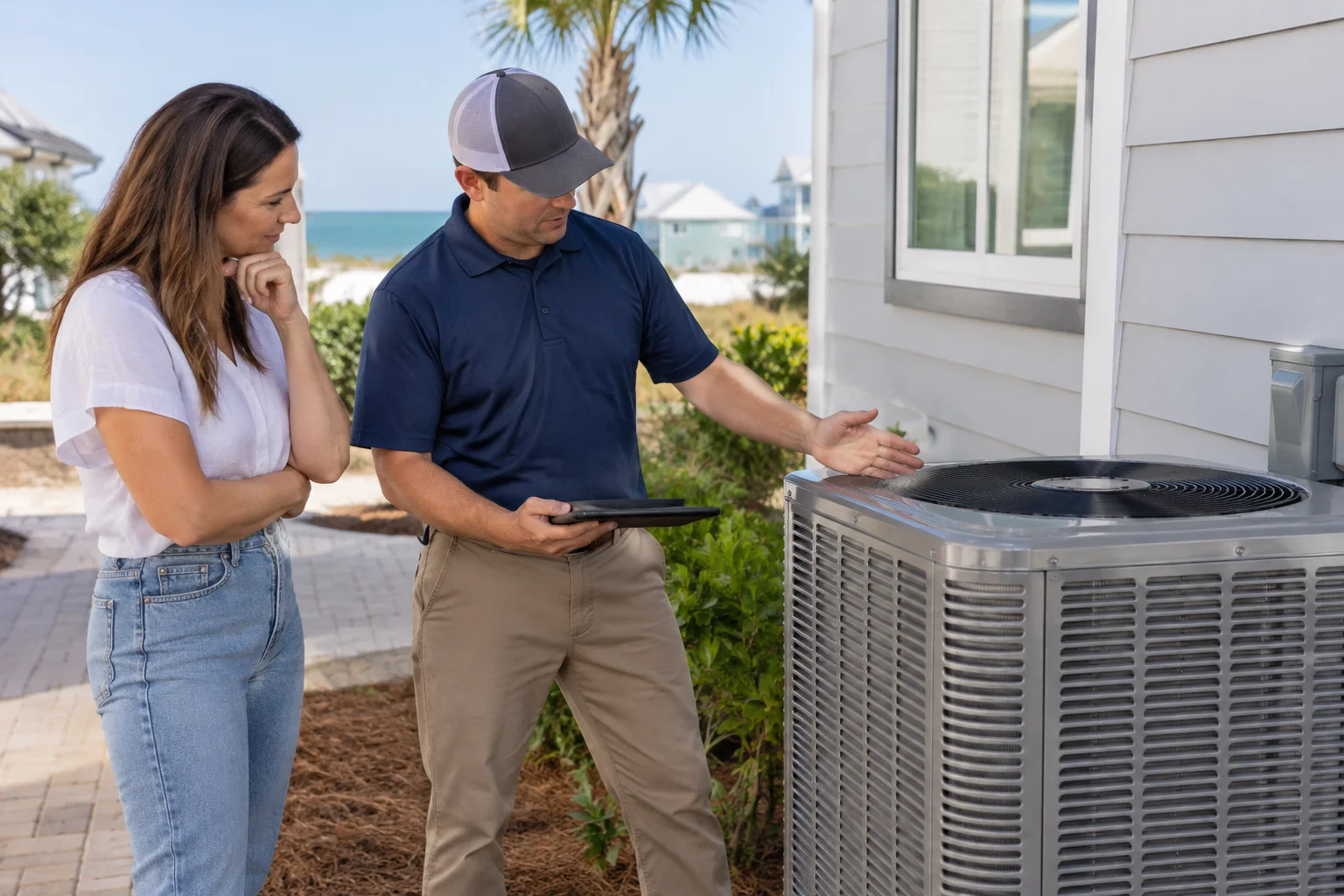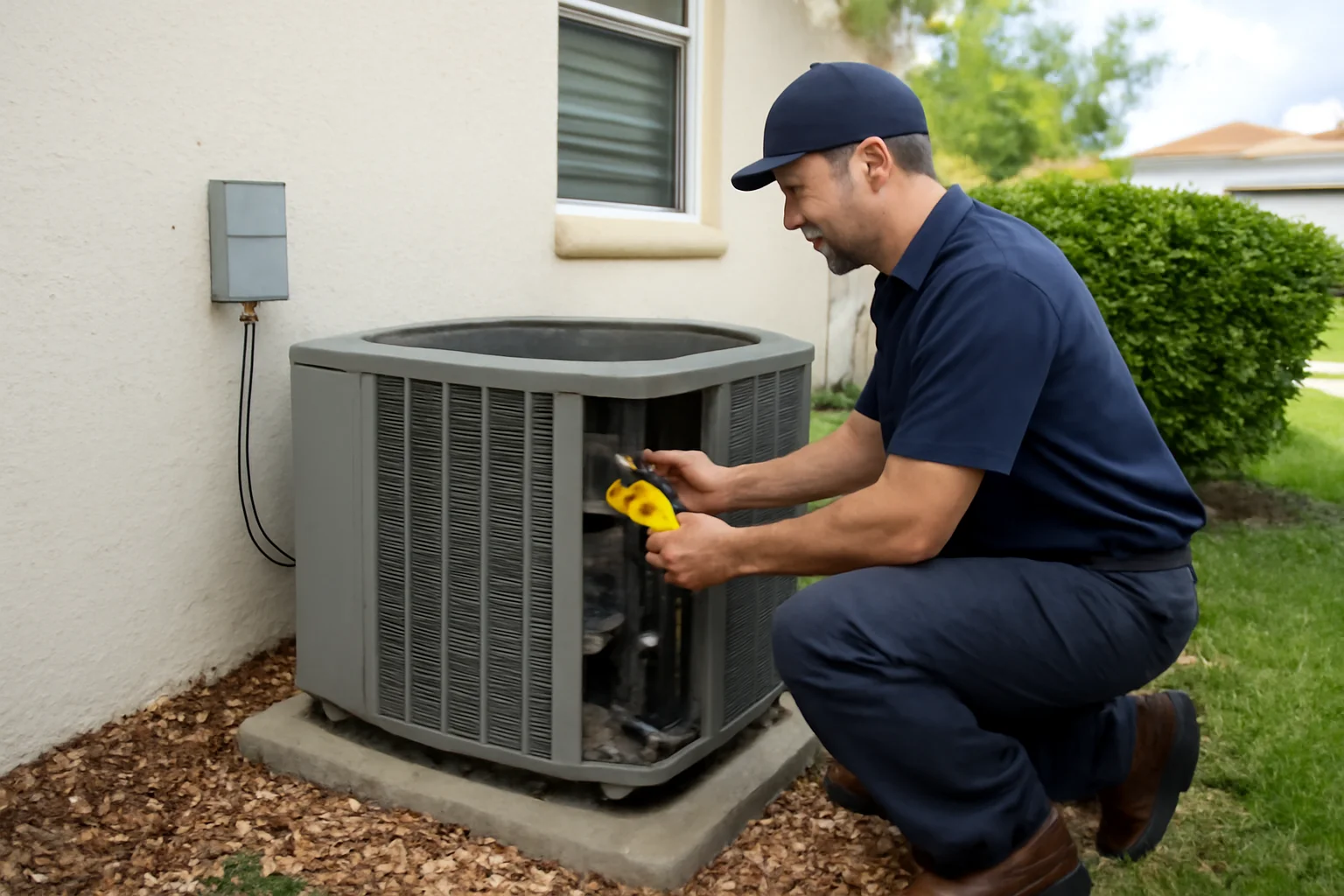
Fort Walton Beach weather can be unpredictable. Warm days, humid nights, and coastal salt air all put extra stress on HVAC systems. When heating and airflow problems build slowly, they often show up at the worst time, like during a sudden cold snap or after weeks of high humidity. A Superior Mechanical helps homeowners across Okaloosa County plan heating services that reduce the odds of emergency HVAC repairs and keep comfort steady.
If you are searching for an HVAC heating services in Fort Walton Beach, FL, this guide breaks down practical planning steps, what to watch for, and how preventive HVAC maintenance helps protect your home’s indoor comfort and air quality.
Why Fort Walton Beach conditions make planning matter
Heating systems in Northwest Florida do not just run in winter. Many homes use heat pumps for heating and cooling, and they cycle through seasonal changes constantly. That constant cycling, combined with local conditions, can expose issues early or accelerate wear.
Here are a few Fort Walton Beach factors that can contribute to heating emergencies:
- Florida heat and humidity: High moisture levels can affect airflow, indoor air quality, and condensate drainage. Even if your system is “only heating,” airflow and moisture management still matter.
- Salt air: Homes near the coast can experience corrosion and accelerated deterioration of outdoor components and metal parts. Maintenance helps catch early signs before they become failures.
- Airflow and ductwork strain: Restricted ductwork or dirty filters can increase system workload. That added strain can lead to overheating, poor temperature control, and more frequent shutdowns.
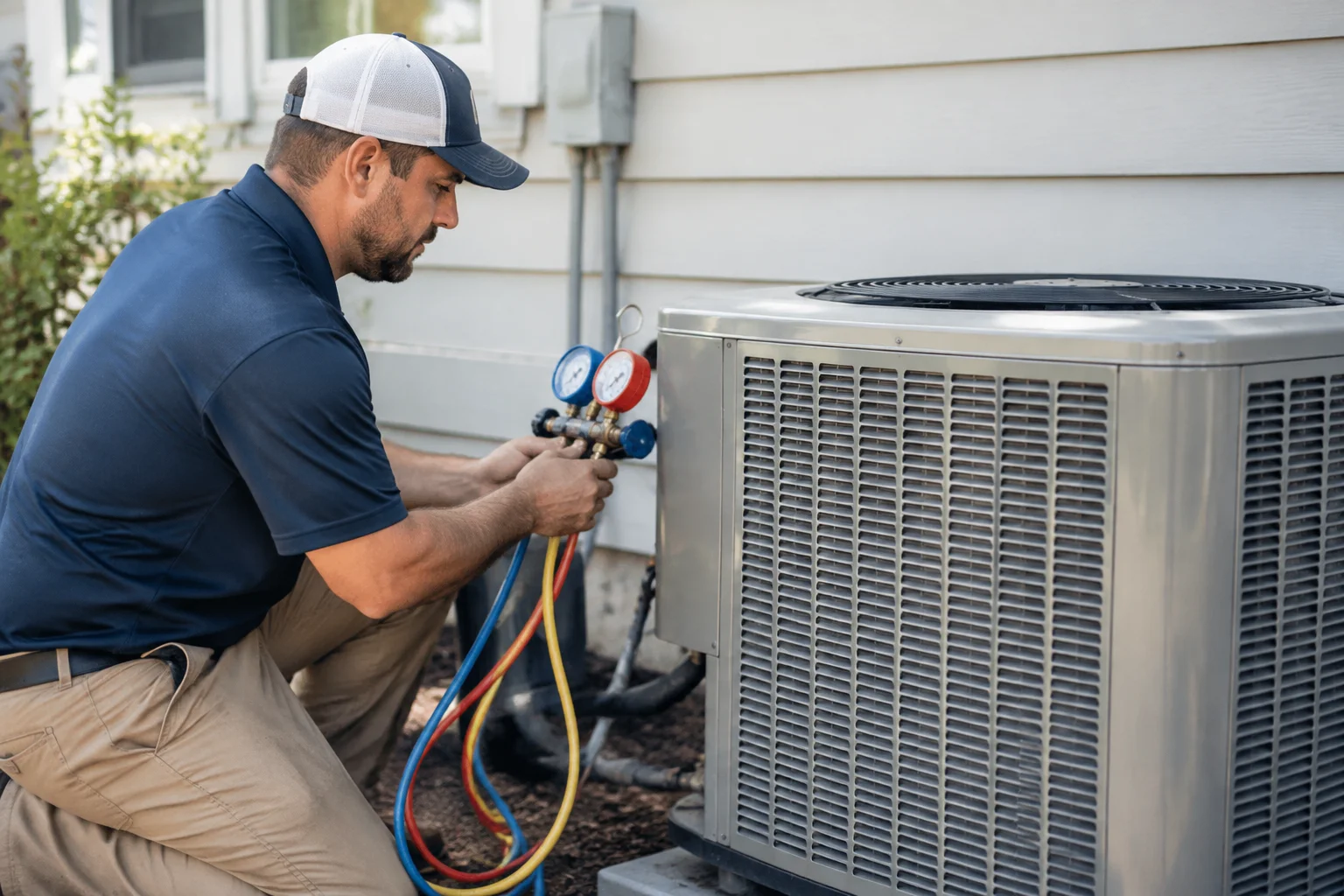
- Refrigerant system sensitivity: Refrigerant systems rely on proper performance across the full operating range. Problems may show up as comfort issues or abnormal cycling, but the correct diagnosis requires an in-person professional evaluation.
Planning ahead does not mean you avoid all repairs. It means you reduce the likelihood that a small comfort problem becomes an emergency cooling concern or a heating breakdown right when you need the system most.
Start with a comfort checklist, not a guess
Many HVAC “emergencies” start as gradual changes. If you track a few basics, you can schedule heating service before the system reaches a failure point.
Use these homeowner checks
- Temperature consistency: Do some rooms run cooler or warmer than others? Uneven airflow can point to ductwork issues, filter problems, or airflow restrictions.
- Thermostat behavior: Are you seeing frequent temperature swings, unexpected cycling, or delays in reaching setpoints? Thermostat settings and system control can affect performance.
- Airflow changes: Notice weaker airflow from vents, unusual noises, or a persistent musty smell. These can relate to ductwork, filter loading, or indoor air quality concerns.
- Humidity clues: If the home feels sticky even when the system runs, or if you notice condensation around air handlers, it can signal an airflow or condensate drainage problem.
- Outdoor unit conditions: After storms or heavy winds, check for visible debris, blocked airflow around the outdoor unit, or signs of corrosion.
If you are trying to decide whether to schedule an air conditioning service or a heat pump service, comfort trends are a useful starting point. When in doubt, a local HVAC contractor can evaluate the system’s actual operating conditions.
Build a seasonal maintenance plan around how your system runs
Fort Walton Beach homeowners often have heat pump systems, split systems, or packaged units. Your maintenance schedule should match how your system cycles through humidity, temperature swings, and daily use.
What preventive HVAC maintenance typically covers
A professional heating inspection and maintenance visit is designed to reduce breakdown risk by checking system components, airflow pathways, and control operation. While details vary by system type, homeowners can expect a technician to focus on:
- Airflow and filter conditions: Proper airflow supports efficient heating and helps protect indoor air quality. Dirty filters and restricted returns can drive higher energy use.
- Condensate drainage: For heat pumps and air handlers that handle moisture, condensate drainage must move correctly. Blockages can lead to water intrusion risks and comfort issues.
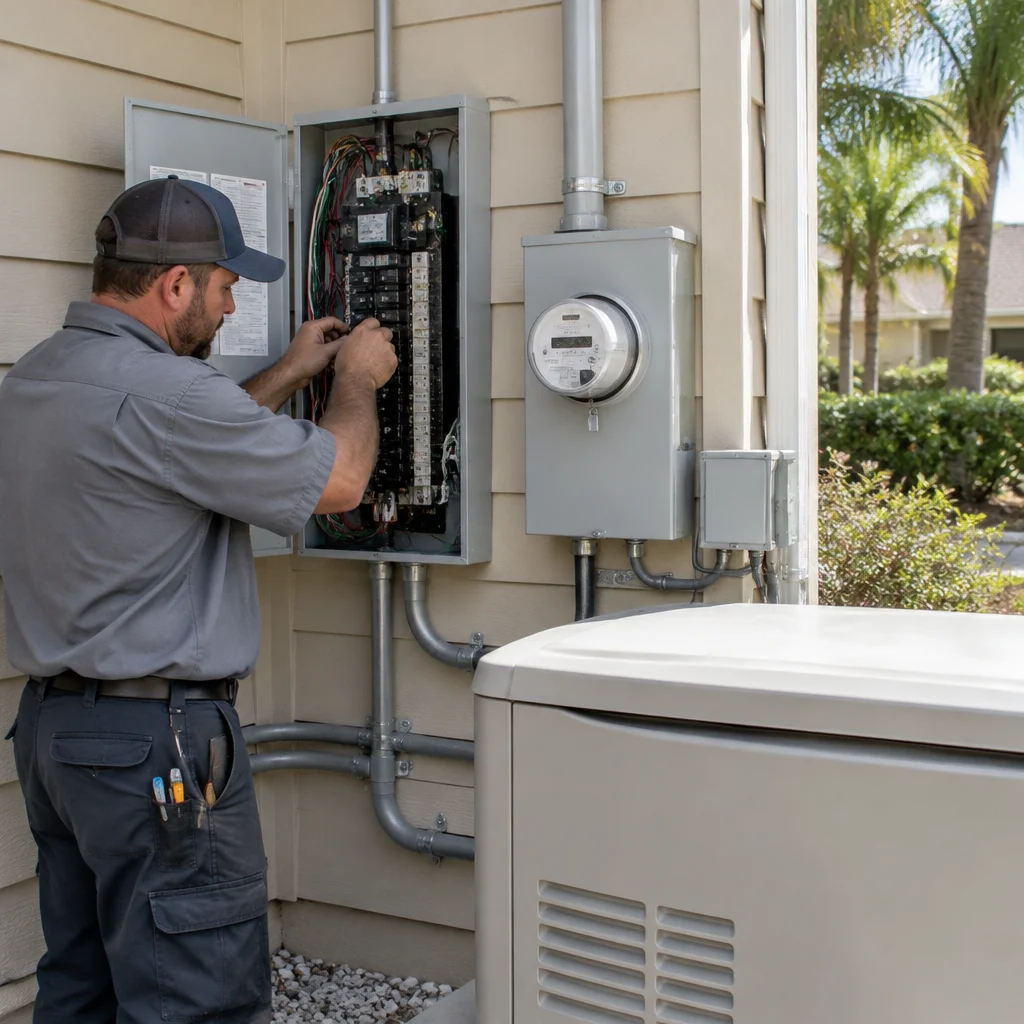
- Thermostat and control operation: Thermostats and heating control systems influence how often the equipment cycles. Correct operation helps maintain stable temperatures.
- System cleanliness and wear: Coastal salt air can increase corrosion risk. Routine service helps identify early deterioration.
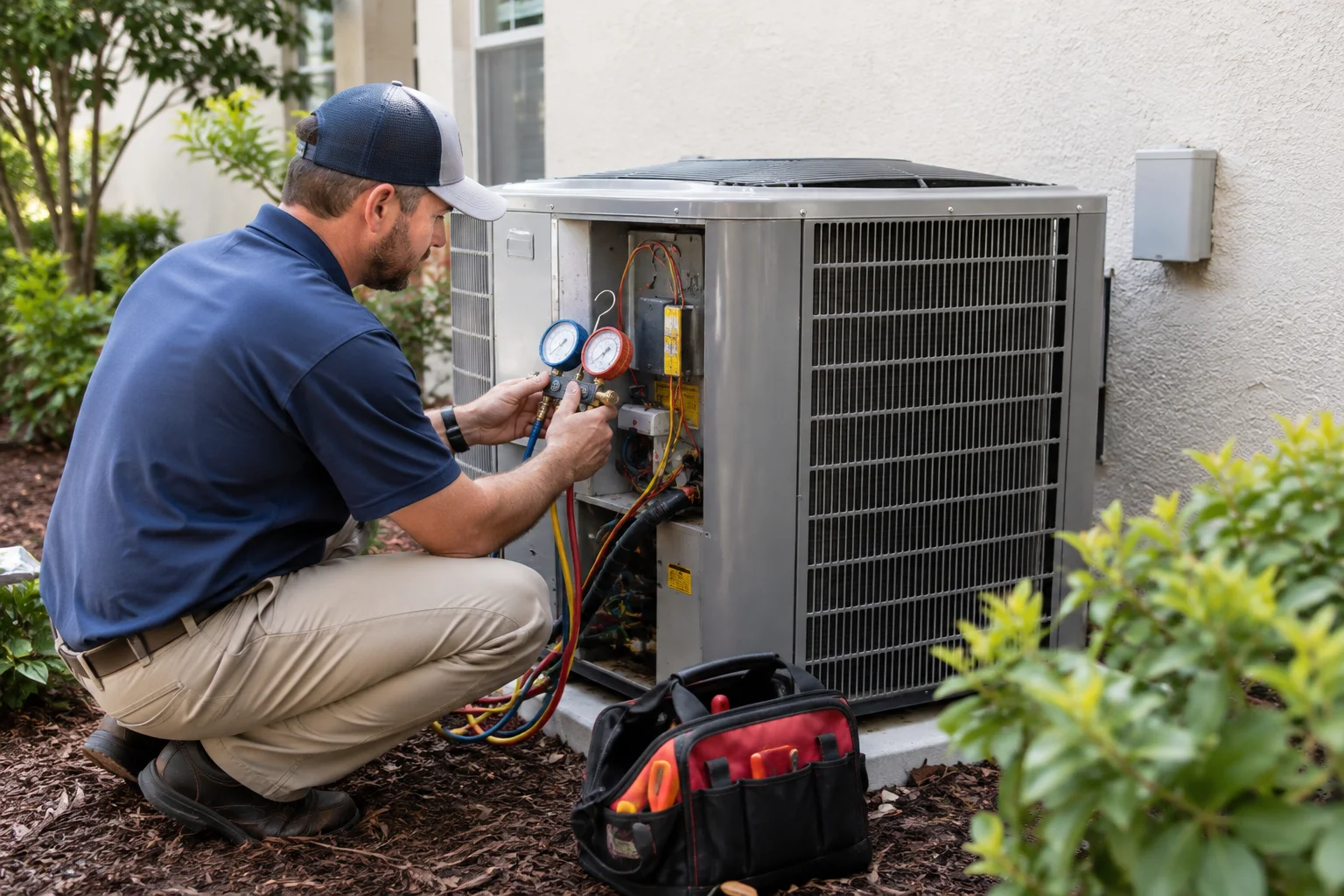
- Refrigerant system performance checks: Refrigerant systems require careful evaluation. If there are signs of an issue, an in-person assessment is the right next step.
If you want to plan more effectively, consider reading about how homeowners can borrow lessons from commercial service routines. See What Fort Walton Beach Homes Can Learn From Commercial HVAC Maintenance.
Pay attention to ductwork and airflow before the system struggles
Many heating problems are really airflow problems in disguise. A system can run and still fail to deliver comfortable heat if air delivery is restricted.
Common ductwork and airflow issues in Okaloosa County homes
- Leaky or disconnected ducts: Air can escape before it reaches rooms, reducing comfort and increasing energy use.
- Blocked supply or return paths: Furniture, storage, or construction debris can affect airflow. Over time, dust and debris can also accumulate.
- Undersized or poorly balanced systems: Some homes need duct balancing or design adjustments to ensure even heating.
- Dirty vents and registers: This can worsen airflow resistance and contribute to uneven temperature distribution.
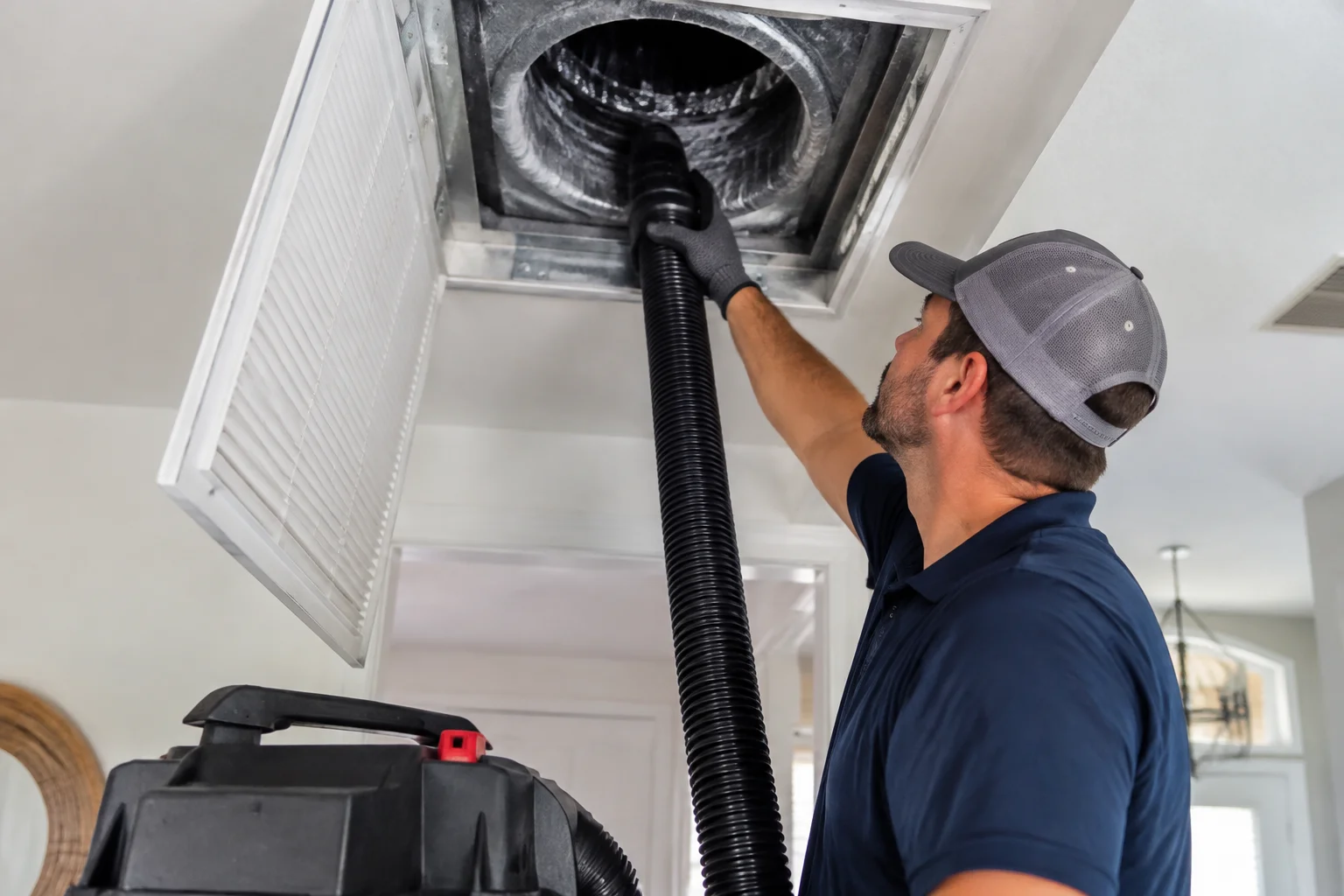
Scheduling ductwork services can be part of your preventative plan, especially if you have rooms that never feel right. If you suspect airflow restrictions, explore Ductwork Services.
Humidity and indoor air quality planning reduces comfort complaints
In a humid environment, indoor air quality is not a “nice to have.” It affects comfort, how the home feels, and how the system performs under load. Heating emergencies can become more likely when indoor air quality problems cause the system to work harder or cycle more frequently.
What to watch for
- Musty odors or lingering dampness: These can point to moisture management issues and airflow problems.
- More dust than usual: Dirty filters, duct leakage, or airflow issues can contribute.
- Condensation around air handlers or near vents: This may connect to condensate drainage performance.
To address indoor comfort holistically, many homeowners look for Indoor Air Quality Services. Planning for indoor air quality alongside heating service can help you avoid the “it feels worse every week” pattern that often leads to emergency HVAC service calls.
Use smarter thermostat settings to prevent unnecessary cycling
Thermostats are the control center for heating. If settings are off, schedules are unrealistic, or the thermostat is not communicating correctly, the system may cycle more than it should. That can increase wear and lead to comfort instability.
Practical thermostat habits
- Set realistic schedules: Sudden large temperature jumps can cause longer run times.
- Keep thermostat placement in mind: Avoid drafts, direct sunlight, or placement near heat sources.
- Watch for frequent cycling: If the system turns on and off rapidly, it may be a sign of a control or airflow problem.
If you are considering an upgrade, you can explore options like Heating Control Systems and Smart Thermostats. A professional HVAC contractor can help you choose settings that match how your home actually heats and cools.
Know the early warning signs that usually lead to emergencies
Some issues are easy to catch early. Others can be misleading, especially in a heat pump system where heating and cooling share components. Here are warning signs homeowners in Fort Walton Beach should not ignore.
Comfort and performance red flags
- Inconsistent heating: The system runs but rooms do not warm as expected.
- Frequent short cycling: Equipment turns on and off quickly, often repeating.
- Unusual noises: Banging, grinding, or new rattling sounds can indicate component problems.
- Weak airflow: Air feels thin from vents or airflow changes room to room.
- Moisture or drainage concerns: Water pooling near indoor equipment or signs of condensate drainage failure.
- Thermostat errors or unexpected behavior: Delays, incorrect readings, or repeated resets.
If you are dealing with a growing issue, you may also be at risk for emergency cooling concerns when the weather flips. If you want a deeper look at how small problems can grow, read Fort Walton Beach Homeowners and the HVAC Problems That Can’t Wait and Commercial HVAC Repair in Fort Walton Beach: What Property Owners Should Pay Attention To Before Small Problems Grow.
Plan for salt air and storm season without waiting for failure
Fort Walton Beach homes often face heavy winds, rain, and coastal exposure. Those conditions can affect outdoor units, airflow clearance, and system cleanliness. Instead of waiting for a breakdown after a storm, plan a quick check.
Simple steps you can take between service visits
- Clear vegetation and debris: Keep space around the outdoor unit so airflow is not blocked.
- Check for standing water and drainage: If you notice water where it should not be, schedule professional evaluation.
- Inspect for visible corrosion or damage: Salt air can accelerate wear. Visible changes are a reason to schedule HVAC service.
These steps do not replace professional maintenance, but they help you avoid obvious problems that can turn into emergency AC repair near me or emergency HVAC calls when demand spikes.
When system replacement should enter the conversation
Not every heating issue means you need HVAC replacement, but planning includes knowing when replacement might be the better long-term path. Replacement conversations often happen when systems struggle to maintain comfort, require frequent repairs, or show signs of aging that affect performance and energy use.
Because every home’s layout, ductwork, and equipment condition are different, a professional assessment is necessary before making decisions. A technician can evaluate how your current system performs, how it handles airflow and humidity, and whether repairs are likely to restore dependable operation.
If you are researching How Fort Walton Beach Weather and Daily Wear Shape Commercial HVAC Repairs Over Time, you can apply the same idea to residential systems: coastal weather and consistent use can change the repair timeline over the years.
How to choose an HVAC company for heating service in Fort Walton Beach
When homeowners search for an HVAC contractor near me, they are usually looking for two things: trustworthy diagnosis and dependable follow-through. Heating service planning should include choosing the right partner before problems happen.
What to look for in a local heating services provider
- Experience with local conditions: Fort Walton Beach homes need service that accounts for humidity, airflow realities, and coastal exposure.
- Focus on the full system: Good heating service includes airflow, ductwork considerations, condensate drainage checks, thermostat and control review, and refrigerant system performance evaluation when needed.
- Clear communication: You should understand what is contributing to comfort issues, what can be addressed now, and what should be monitored.
- Professional evaluation before major decisions: Refrigerant systems and electrical components require in-person assessment. Avoid relying on guesses or remote troubleshooting for repair or replacement decisions.
For Fort Walton Beach homeowners, starting with the heating service page can help you connect the dots between your symptoms and the right type of HVAC help: Heating Services for Fort Walton Beach, FL.
You can also browse the broader area coverage on the Fort Walton Beach service area page and Okaloosa County heating services to see how local support fits your neighborhood.
Turn planning into action: a simple homeowner schedule
If you want fewer HVAC emergencies, the goal is to build a routine that catches issues while they are still manageable.
A practical plan you can follow
- Before peak seasonal swings: Schedule a heating inspection and preventive HVAC maintenance visit to confirm airflow, moisture management, and thermostat operation.
- After storms or heavy coastal weather: Do a basic outdoor unit and airflow-area check, then book service if you notice drainage concerns, blocked airflow, or unusual performance.
- When comfort changes start: If you notice uneven heating, weak airflow, or humidity discomfort, schedule HVAC service promptly rather than waiting for a complete breakdown.
- When you consider upgrades: If you are planning thermostat installation, smart thermostats, or improvements to heating control systems, coordinate the upgrade with a professional inspection so settings and equipment performance align.
Planning ahead helps reduce emergency heating situations, and it also protects you during weather transitions when a system that is already struggling can quickly become an emergency cooling concern.
Frequently, the best “emergency response” is prevention
Most homeowners do not plan to have a heating emergency. But when Florida humidity, salt air, ductwork airflow limits, and thermostat control issues combine, small problems can compound. The safest approach is proactive: schedule maintenance, address ductwork and indoor air quality factors, and keep an eye on condensate drainage and comfort consistency.
If you are looking for reliable heating service in Fort Walton Beach, A Superior Mechanical is ready to help you plan the right next steps based on your system’s condition and your home’s needs. For homeowners searching for HVAC service near me, starting with a planned heating service visit is often the difference between steady comfort and a last-minute repair call.
Request heating services in Fort Walton Beach and review the broader Fort Walton Beach service area for additional information.
Find Heating Services in Fort Walton Beach, FL
If you need Heating Services in Fort Walton Beach, FL, visit our local service page or contact A Superior Mechanical today.
Map of Fort Walton Beach, FL
Frequently Asked Questions
How often should Fort Walton Beach homeowners schedule heating maintenance?
Most homeowners benefit from preventive HVAC maintenance at least once per year, with timing based on how your system runs. If your home has frequent humidity issues or uneven heating, scheduling before seasonal swings can help reduce breakdown risk.
Can humidity in Fort Walton Beach cause heating problems?
Yes. Humidity can affect airflow and indoor air quality and may contribute to condensate drainage issues. When moisture management and airflow are off, comfort can worsen and the system can cycle more than it should.
What are early signs my heat pump or heating system needs service?
Look for inconsistent temperatures, weak airflow, frequent short cycling, unusual noises, musty odors, or signs of condensate drainage trouble. If you notice thermostat behavior that does not match your settings, schedule an air conditioning service or heat pump service evaluation.
Should I try to diagnose refrigerant or thermostat problems myself?
No. Refrigerant system issues require careful, in-person evaluation by a professional. For thermostat and control concerns, a technician can verify wiring, settings, and system communication so you do not waste time on guesswork.
How does ductwork affect heating emergencies?
Restricted or leaky ductwork can reduce airflow, increase system workload, and cause uneven heating. Over time, airflow problems can push the system into more frequent shutdowns or performance issues. Ductwork services can help address airflow delivery.
Related Articles
- What Fort Walton Beach Homes Can Learn From Commercial HVAC Maintenance
- Commercial HVAC Repair in Fort Walton Beach: What Property Owners Should Pay Attention To Before Small Problems Grow
- Fort Walton Beach Homeowners and the HVAC Problems That Can’t Wait
- How Fort Walton Beach Weather and Daily Wear Shape Commercial HVAC Repairs Over Time
Photo Gallery