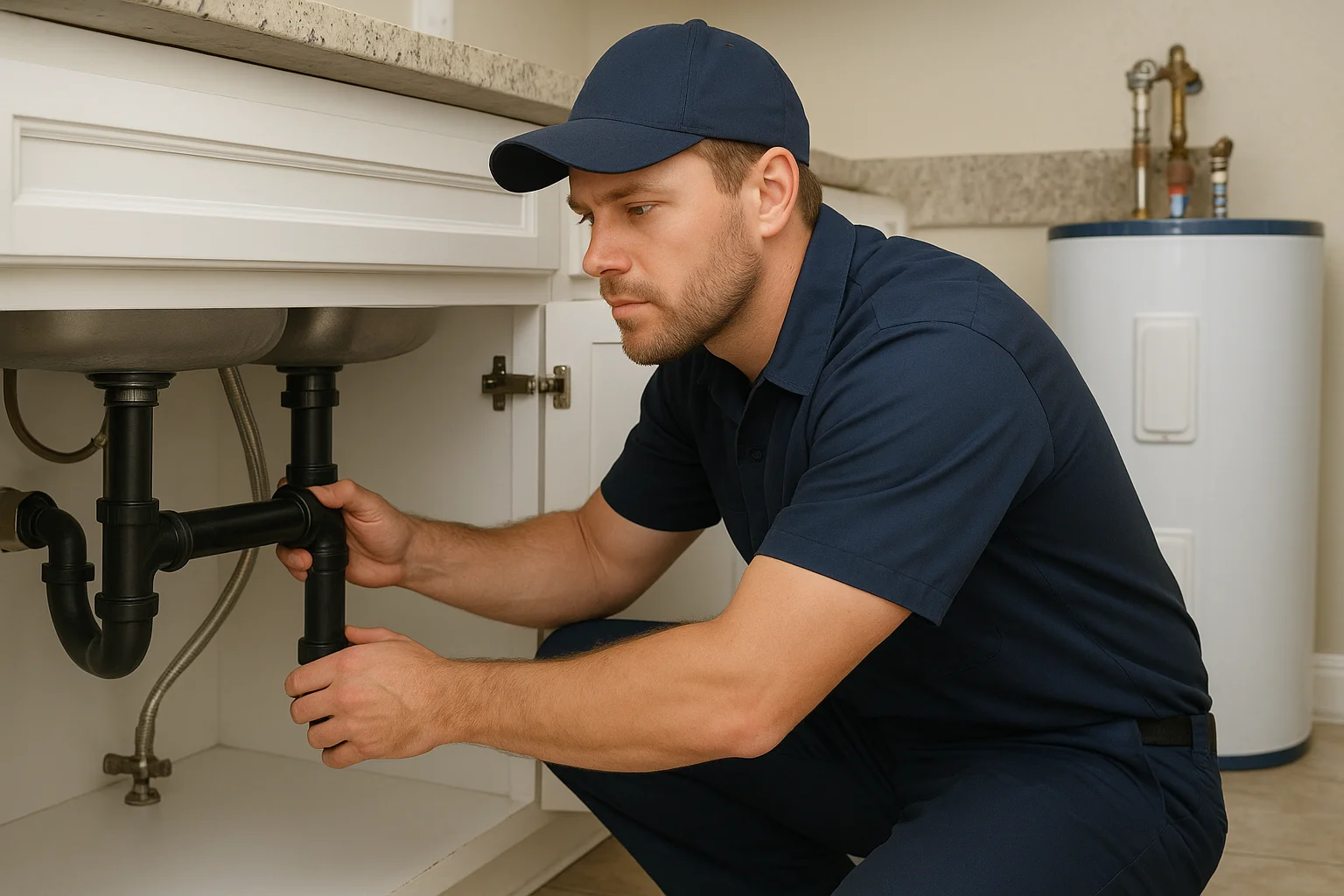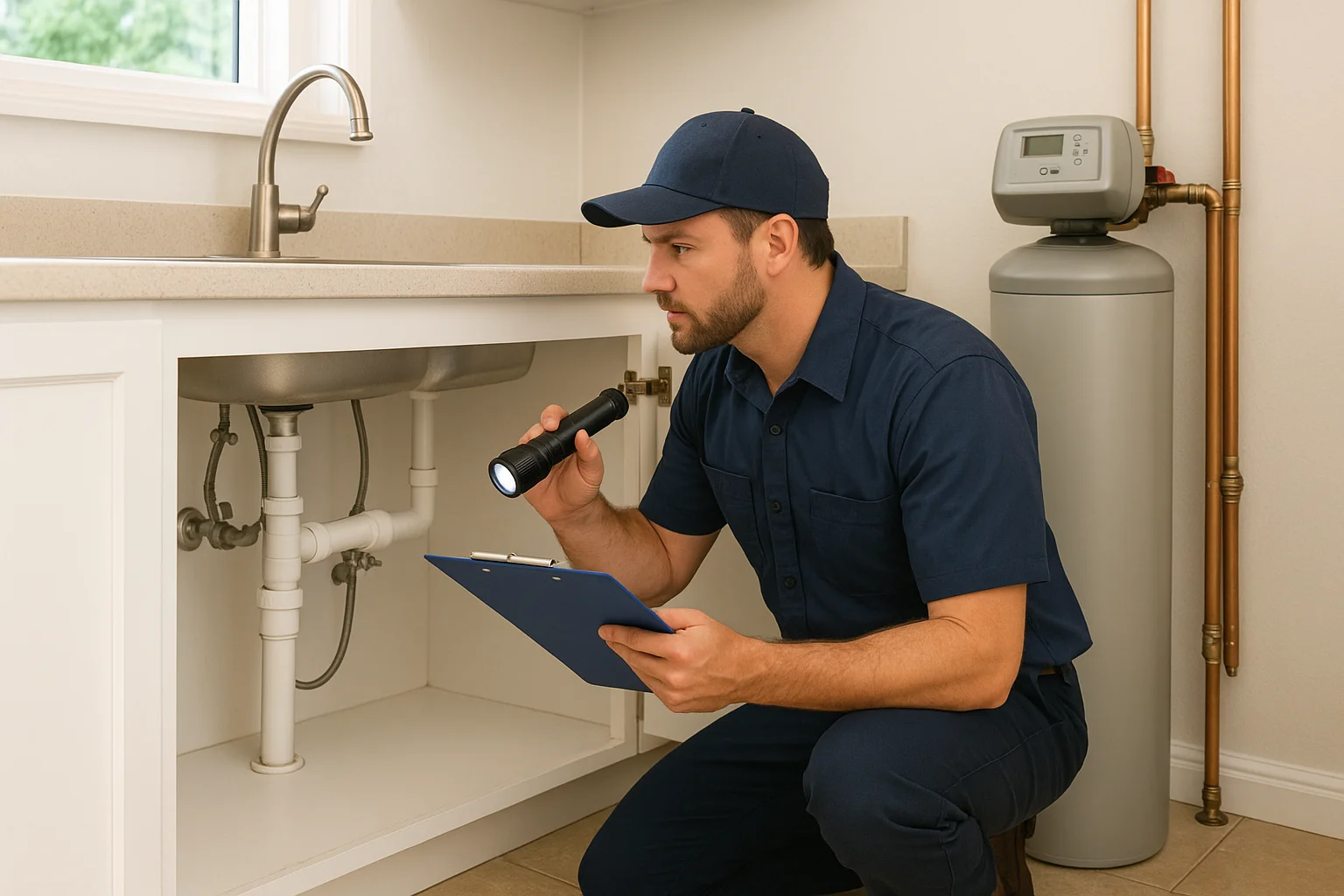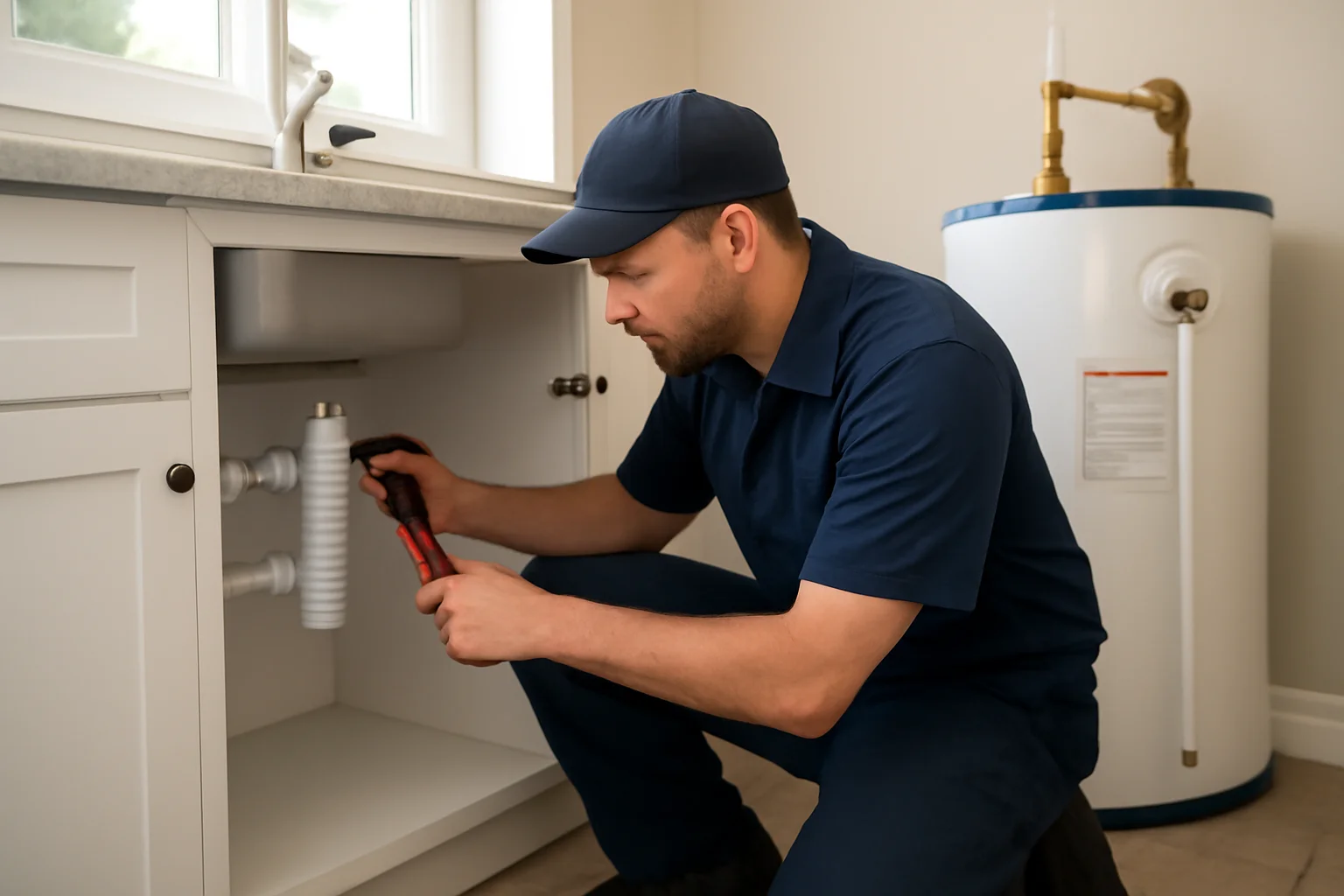
Hammock Bay homes rely on dependable hot water for showers, laundry, dishwashing, and everyday comfort. When a water heater starts acting up, the problem can stay small for a while, or it can escalate quickly into a leak, water damage, or a plumbing emergency. A little maintenance goes a long way in Florida’s warm, humid conditions, especially when hard water and busy household water use can stress tanks and tankless units alike.
This guide walks you through a homeowner-friendly water heater maintenance plan focused on early problem detection. You will learn what to look for, what causes common failures in Walton County County, and how to reduce the odds of emergency plumbing concerns such as active leaks, burst pipe repair needs, or sewer line problems that start indirectly.
Why water heater maintenance matters in Hammock Bay
Water heaters do not fail in a single dramatic moment for most homeowners. Over time, mineral buildup, temperature swings, sediment settling, and aging components can quietly damage the system. In Hammock Bay, two factors make maintenance even more valuable: hard water and high household water use during the year.
Hard water leaves mineral scale inside tanks and on internal components. That scale acts like insulation, forcing the heater to work harder to deliver the same hot water. Tankless systems can also suffer from mineral deposits that reduce flow and efficiency. Meanwhile, frequent showers, laundry cycles, and dishwashing can increase wear on valves, connections, and pressure-related parts.
Maintenance also helps you monitor plumbing conditions around the heater. Many “water heater problems” are actually water supply issues, pressure problems, or small leaks at fittings and pipes. Catching those early can prevent larger repairs like leak detection and slab leak repair, or water damage that affects flooring and nearby fixtures.
Start with the basics: check water pressure, temperature, and access
Before you flush a tank or inspect a tankless unit, take a quick look at the environment around it. A heater that is installed in a tight closet, near laundry lines, or behind access panels can develop issues you would never notice without a routine.
1) Confirm water pressure is in a safe range
Excessive water pressure can increase stress on the water heater and surrounding plumbing. It can also contribute to leaks at threaded connections, shutoff valves, and supply lines. If you have a pressure regulator, make sure it is functioning. If your home has a history of drips, water hammer, or recurring leaks, pressure may be part of the cause.
Homeowners who search for “plumber near me” often end up needing pressure-related diagnostics, especially when the issue appears after irrigation cycles or when multiple fixtures run at once.
2) Verify the temperature setting
Many water heaters are set higher than necessary. Higher temperatures can increase energy use and raise the risk of scalding at faucets and shower valves. On the other hand, setting it too low can encourage bacterial growth in stagnant water areas. A common target is around 120°F for most households, but your best setting can depend on your plumbing layout and how you use hot water.
If you notice inconsistent hot water temperature, it may be a sign the thermostat is failing, the burner or heating element is not operating correctly, or sediment is interfering with heat transfer.
3) Keep the area dry and accessible
Look for signs of moisture around the base, on the floor, or on nearby pipes. In humid coastal Florida weather, small leaks can grow faster than you expect. If you see rust-colored residue, damp insulation, or water trails leading toward the utility closet, treat it as a priority.
When small leaks are ignored, they can lead to more complex repairs, including pipe repair near me scenarios that start with a slow drip and end with a failed fitting or a damaged section of supply line.
Know the warning signs of water heater trouble
Some warning signs are obvious. Others show up as performance problems that homeowners assume are “normal.” Here are the most common clues that a water heater or its connected plumbing needs attention.
Hot water that runs out faster than usual
A tank that delivers less hot water than before may have sediment buildup, a failing heating element, or a thermostat issue. Tankless units can also struggle if flow sensors or internal components are scaling up. If you have a busy household, this problem may be intermittent at first, then become consistent.
Strange noises from the tank or pipes
Banging, popping, or rumbling usually points to sediment heating and expanding inside a tank. Even if the heater still produces hot water, the noise is a strong indicator that flushing is overdue.
Noise can also occur when water pressure fluctuates or when air is trapped in pipes. If you recently changed fixtures or experienced a pressure change, include that in your maintenance notes.
Discolored water or foul odors
Rusty or brown hot water can indicate corrosion inside the tank. Sulfur-like odors can come from bacterial activity in the tank or from water chemistry. These issues sometimes require professional cleaning, tank replacement, or adjustments to the system.
If you also notice staining at sinks, showerheads, or laundry fixtures, consider how hot water is moving through your home’s pipes. Problems can travel to faucets and fixtures, not just stay within the heater.
Leaking around the base, valves, or supply lines
A leak is never something to “watch for a while.” Check for moisture at the drain valve, the pressure relief valve, and the hot and cold water connections. A slow leak may not flood the room, but it can damage floors and cabinets and can increase the chance of electrical hazards in adjacent areas.
If you suspect an active leak, you are in the territory of plumbing repair and leak repair. Many homeowners call because they fear a burst pipe repair near me situation, especially if water is pooling under the heater.
Frequent cycling or temperature swings
Short cycling can happen when the thermostat or heating system is failing, when there is excessive sediment buildup, or when water flow is restricted. Tankless systems may also cycle rapidly if a sensor is reading incorrectly or if mineral scale is interfering with heat exchange.
Homeowner maintenance checklist for tank water heaters
Tank-type water heaters are common in Walton County County homes, often installed in garages, utility rooms, or enclosed closets. You can handle a few safe checks yourself, but flushing should be approached carefully and with the right precautions.
Monthly visual checks
Once per month, do a quick inspection:
- Look for moisture at the base and along nearby pipes
- Check for rust marks around the drain valve or pressure relief valve
- Verify the area is not damp and that insulation is intact
- Listen for new noises during heating cycles
Every 6 to 12 months: plan for flushing
Sediment buildup is one of the biggest causes of performance loss and premature tank failure. Flushing helps remove sediment that settles at the bottom.
If you are comfortable doing basic plumbing work, you can flush a tank using the manufacturer’s instructions. Always shut off power or gas, follow safety steps, and be ready for hot water discharge. For many Hammock Bay homeowners, the safest route is to schedule water heater service so flushing is done correctly and safely.
When flushing is skipped, sediment can clog valves and reduce flow. That can create knock-on issues that affect other plumbing fixtures, including kitchen sink drain repair needs if hot water use changes how waste lines carry water.
Inspect the pressure relief valve
The pressure relief valve is designed to open if pressure or temperature reaches unsafe levels. If you see water discharge from it during normal operation, it can indicate excessive pressure, a malfunctioning thermostat, or other system issues. A professional can test and diagnose the cause instead of simply replacing parts.
Maintenance priorities for tankless water heaters
Tankless units are popular for energy efficiency, but they require maintenance that matches their design. Mineral scale can build up faster in hard water areas, and restricted flow can lead to reduced hot water performance.
Look for flow and temperature complaints
If hot water feels lukewarm, takes longer to arrive, or drops off during showers, scale or internal component buildup may be the cause. A tankless unit may also show error codes. If you see repeated error codes, don’t keep resetting the system. The underlying issue needs inspection.
Descale as recommended by the manufacturer
In hard water conditions, routine descaling helps maintain heat exchange efficiency. A professional service call for tankless water heater maintenance typically includes checking venting, verifying operation, and addressing mineral buildup.
How water heater issues connect to drains, pipes, and sewer lines
Water heaters sit in the middle of a home’s plumbing network. When problems begin in or near the heater, they can show up elsewhere. Understanding these connections helps homeowners catch plumbing problems early.
Leaks can increase drain and sewer stress
A small leak under the heater adds constant moisture and can contribute to soil saturation around the home. Over time, that can affect how waste lines behave in the yard and under the slab, particularly in older neighborhoods or homes with slab foundations.
If you notice wet spots near plumbing routes, recurring dampness, or slow drains that worsen after water use, consider scheduling leak detection and slab leak repair diagnostics. That is especially important if you also see cracking drywall, doors that do not close smoothly, or changes in floor levels.
Pressure changes can affect fixtures
When the heater’s performance changes, you may also notice pressure changes at faucets. Low hot water pressure can impact how sinks drain, because hot water use can change the flow rate through supply lines and mixed faucets. If you are dealing with kitchen sink drain repair near me concerns, remember that “hot water” and “drains” are connected by how household plumbing moves water through the system.
Clogs can mask hot water problems
Sometimes a homeowner thinks the water heater is failing when the real issue is clogged plumbing. For example, a clogged aerator or partially blocked supply line can reduce flow and make the heater seem inefficient. In other cases, a clogged drain can lead to slow backing up that coincides with hot water usage.
If you are experiencing slow drains, backups, or a bad smell, consider pairing water heater service with drain cleaning. You can explore clogged pipes and drain cleaning for help addressing the plumbing system as a whole.
Common causes of water heater failures in Hammock Bay homes
Knowing what typically causes trouble can help you spot patterns earlier and choose the right service.
- Hard water scale: Reduces efficiency, increases noise, and shortens component life.
- Sediment accumulation: Tanks lose heat transfer ability and may overheat or cycle oddly.
- Corrosion: Older tanks can develop leaks and degraded internal parts.
- Temperature and pressure issues: Faulty thermostats or pressure regulators can lead to relief valve discharge.
- Loose fittings and aging valves: Connections loosen over time and can leak slowly.
- Vent and airflow problems: Especially relevant for gas units. Poor venting can cause shutdowns and safety concerns.
Florida’s humidity and temperature swings can also affect how quickly corrosion progresses and how easily you notice leaks. A drip that might be obvious in a dry climate can be harder to spot until it causes damage.
Preventive steps that reduce emergency plumbing concerns
Many homeowners only call when they see water pooling or a complete loss of hot water. A proactive plan helps you avoid the most urgent scenarios, including leak repair emergencies and burst pipe repair near me situations.
Protect your connections and fixtures
Check shutoff valves near the heater and at nearby fixtures. If you cannot easily turn a valve off, that can slow down emergency response. Make sure strainers and filters are clean when applicable, and replace worn supply lines before they fail.
If you are replacing fixtures elsewhere in the home, consider pairing it with a plumbing inspection so you do not miss a problem hidden behind a wall or under a sink. You can also review Plumbing Fixture Replacement if you are updating faucets or shower components that connect to your hot water supply.
Watch the first signs of a leak
Early leak detection is about noticing small changes. Look for dampness, rust streaks, water stains, or mineral deposits around valve bodies and pipe joints. If you see any of these, schedule a service visit rather than waiting.
Keep a simple log
Write down:
- When hot water started acting differently
- Any new noises
- Any changes in water pressure
- Dates you used more hot water than usual
That information helps a licensed plumber diagnose the issue faster, especially if you are searching for an affordable plumber near me who can resolve the root cause.
When to call a professional for water heater maintenance
Some tasks are safe for homeowners, but water heaters involve pressure, heat, and sometimes gas. If anything feels unclear, it is worth bringing in a licensed plumber near me for a proper inspection.
Call quickly if you notice a leak or relief valve discharge
If water is actively leaking around the base, from a valve, or from the pressure relief valve, treat it as urgent. A professional can locate the source, test components, and recommend repair or replacement. This is especially important for homeowners who want to avoid water damage and emergency plumbing concerns.
Call if you suspect sediment buildup or repeated performance issues
Rumbling noises, reduced hot water, and temperature instability are strong indicators that maintenance is overdue. Professional flushing and diagnostics can prevent the tank from failing sooner than it should.
Call if you have recurring drain backups or sewer backup repair concerns
While a water heater does not usually cause sewer backups directly, plumbing systems interact. If you see slow drains, gurgling, or backups that happen after heavy water use, the issue may involve main drain cleaning or venting problems. For sewer backup repair near me concerns, start with a full plumbing inspection so the right line gets addressed.
In some cases, homeowners also need main drain cleaning near me services to keep waste lines flowing smoothly. A good plumber will evaluate the entire drainage system rather than treating symptoms.
Choosing the right local plumbing help in Walton County County
Water heater service is not just about replacing parts. It is about understanding your home’s plumbing layout, water chemistry, and usage patterns. A Superior Mechanical can help Hammock Bay homeowners maintain tank and tankless systems with practical, local insight.
If you want a maintenance plan tailored to your situation, you can explore water heater maintenance in Hammock Bay. For broader local coverage and service options, visit our Hammock Bay service area and Walton County County plumbing services.
For homeowners who like to prepare ahead, these guides can pair well with your maintenance routine: Planning Ahead for Plumbing Maintenance in Hammock Bay Homes and Planning Ahead for Cleaner Water and Fewer Plumbing Surprises in Hammock Bay. If you are dealing with hard water effects, you may also find helpful ideas in Cleaner Water in Hammock Bay Starts at the Tap and A Practical Guide to Reverse Osmosis Systems for Hammock Bay Homes.
Quick seasonal routine for Hammock Bay homeowners
You do not need a complicated schedule. A simple seasonal routine helps you catch problems before they become expensive repairs or emergency plumbing calls.
Spring and early summer
- Check for moisture around the heater and shutoff valves
- Listen for new rumbling or popping
- Test hot water temperature consistency at a faucet
Late summer
- Review water pressure behavior when multiple fixtures run
- Inspect drain lines near the utility area for dampness
- Plan tank flushing or tankless descaling based on your system type
Fall and early winter
- Confirm the pressure relief valve is not discharging
- Clean faucet aerators and showerheads if scale is building up
- Schedule water heater service if your system is older or noisy
That routine keeps you aligned with how Hammock Bay homes actually use water through the year, and it reduces the odds that a minor issue becomes a full plumbing repair situation.
FAQ about water heater maintenance and early plumbing problem detection
If you are seeing symptoms now, you can use the FAQs below to narrow down what you should check first. For hands-on help, a local plumbing professional can confirm whether you need maintenance, leak repair, or a more complete water heater service plan.
Find Water Heater Maintenance in Hammock Bay, FL
If you need Water Heater Maintenance in Hammock Bay, FL, visit our local service page or contact A Superior Mechanical today.
Map of Hammock Bay, FL
Frequently Asked Questions
How often should Hammock Bay homeowners schedule water heater maintenance?
Many tank systems benefit from a professional flush every 6 to 12 months, especially with hard water. Tankless units typically need periodic descaling as recommended by the manufacturer. If you hear rumbling, see discoloration, or notice leaks, schedule service sooner.
Can hard water damage a water heater in Walton County County?
Yes. Hard water mineral scale reduces efficiency and can shorten the life of both tank and tankless water heaters. It can also affect fixtures like showerheads and faucets, and it may contribute to noise and inconsistent hot water.
What should I check first if I suspect a leak near my water heater?
Start with the base, the hot and cold water connections, the drain valve, and the pressure relief valve. Look for dampness, rust streaks, or mineral deposits. If water is actively leaking or the area is getting wet, contact a licensed plumber for leak detection and repair.
Why does my water heater make popping or rumbling sounds?
Those noises commonly come from sediment heating up inside a tank. Sediment buildup can reduce performance and increase wear, so flushing and inspection are usually needed.
When should I worry about sewer line or drain issues related to water heater problems?
If you notice slow drains, gurgling, or backups that happen during heavy hot water use, get a full plumbing inspection. A water heater issue does not usually cause sewer backups by itself, but pressure changes, leaks, and drainage problems can overlap.
Related Articles
Photo Gallery