Florida heat does not wait for convenience. In Callaway, the combination of high humidity, frequent afternoon storms, and salt air can stress air conditioning systems faster than homeowners expect. Planning ahead for an air conditioning inspection in Callaway, FL helps you catch issues early, improve comfort, and reduce the chances of an emergency cooling problem during the hottest days.
This guide walks you through a practical homeowner schedule, what technicians typically inspect, and how you can prepare so your appointment is productive. If you are searching for HVAC repair near me or an air conditioning service partner, planning now can make the difference between a quick tune up and a rushed repair.
Why Callaway’s climate makes inspections more important
Callaway sits in Bay County, where summers are hot and humid and cooling demand can run year-round for many homes. That environment affects several parts of the air conditioning system:
- Humidity and coil performance: When moisture is high, evaporator coils must remove humidity efficiently. If airflow is restricted or coils are dirty, the system may run longer to reach the thermostat setting.
- Airflow and ductwork: Leaky or poorly sealed ducts can reduce airflow, making the system work harder. Over time, ductwork can also shift or develop damage due to heat cycling and building settling.
- Salt air and outdoor equipment exposure: Coastal and near-coastal air can be rough on outdoor components. Corrosion can develop on metal parts and affect airflow paths.
- Condensate drainage: During cooling, condensate drains remove moisture. If the drain line is partially blocked or improperly routed, water can overflow or degrade indoor air quality.
Scheduling an inspection before the peak load season gives your technician a chance to address airflow issues, confirm proper operation, and review maintenance needs for your specific refrigerant system and airflow setup. For homeowners searching for air conditioning inspection near me, a local HVAC company that understands Bay County conditions is a major advantage.
Build a simple inspection timeline you can actually follow
You do not need a complex plan. A good schedule is about timing, documentation, and preparation. Here is a homeowner-friendly approach that works well in Callaway.
1) Choose the right window: before the hottest weeks
Try to schedule your air conditioning inspection in late winter or early spring, or at least a few weeks before consistent daytime heat. That timing helps because you are more likely to catch problems when the system is not already under maximum stress.
If you missed that window, you can still schedule now. A professional HVAC service visit can identify what is limiting cooling performance and what preventive HVAC maintenance steps should come next.
2) Gather basic system info before your appointment
Before the technician arrives, note the following:
- Thermostat type and settings: Is your system controlled by a standard thermostat or a smart thermostat? Are there any unusual schedules?
- Recent symptoms: Temperature swings, weak airflow, strange noises, musty odors, or frequent cycling.
- Any recent changes: New filters, duct repairs, renovations, or changes to indoor air quality devices.
- Access notes: Where is the indoor air handler or furnace area? Is the outdoor unit easy to reach?
This helps the inspection focus quickly on the areas most likely to affect comfort and energy use.
3) Prepare the equipment area so airflow and access are not blocked
Most inspections are limited by access. A few minutes of prep can make your appointment smoother:
- Clear at least a couple of feet around the outdoor unit if possible. Do not block airflow paths.
- Make sure indoor return vents are unobstructed by furniture, rugs, or storage.
- Replace or confirm the filter condition if you are already due. Use the filter type your system requires, and make sure it is installed in the correct direction.
- Check that condensate drainage areas are not blocked by stored items or debris.
If you are planning ductwork work, this is also a good time to consider duct sealing and Aeroseal services, especially if your home has hot spots, uneven cooling, or visible duct gaps.
What a real air conditioning inspection includes
Homeowners often picture a quick “look and listen” visit. A thorough inspection is more methodical. While every system is different, professional inspections generally include checks across these categories.
Airflow and comfort performance
Airflow is the foundation of cooling. If airflow is weak, the indoor coil may not absorb heat properly, and the system may struggle to remove humidity. A technician will typically evaluate:
- Supply and return airflow balance
- Air handler operation and blower performance
- Whether filter and ductwork restrictions are limiting airflow
- Temperature performance across the system
For homeowners searching for HVAC repair near me after inconsistent comfort, airflow is often a key factor that needs inspection, not just a thermostat adjustment.
Refrigerant system operation (without guessing)
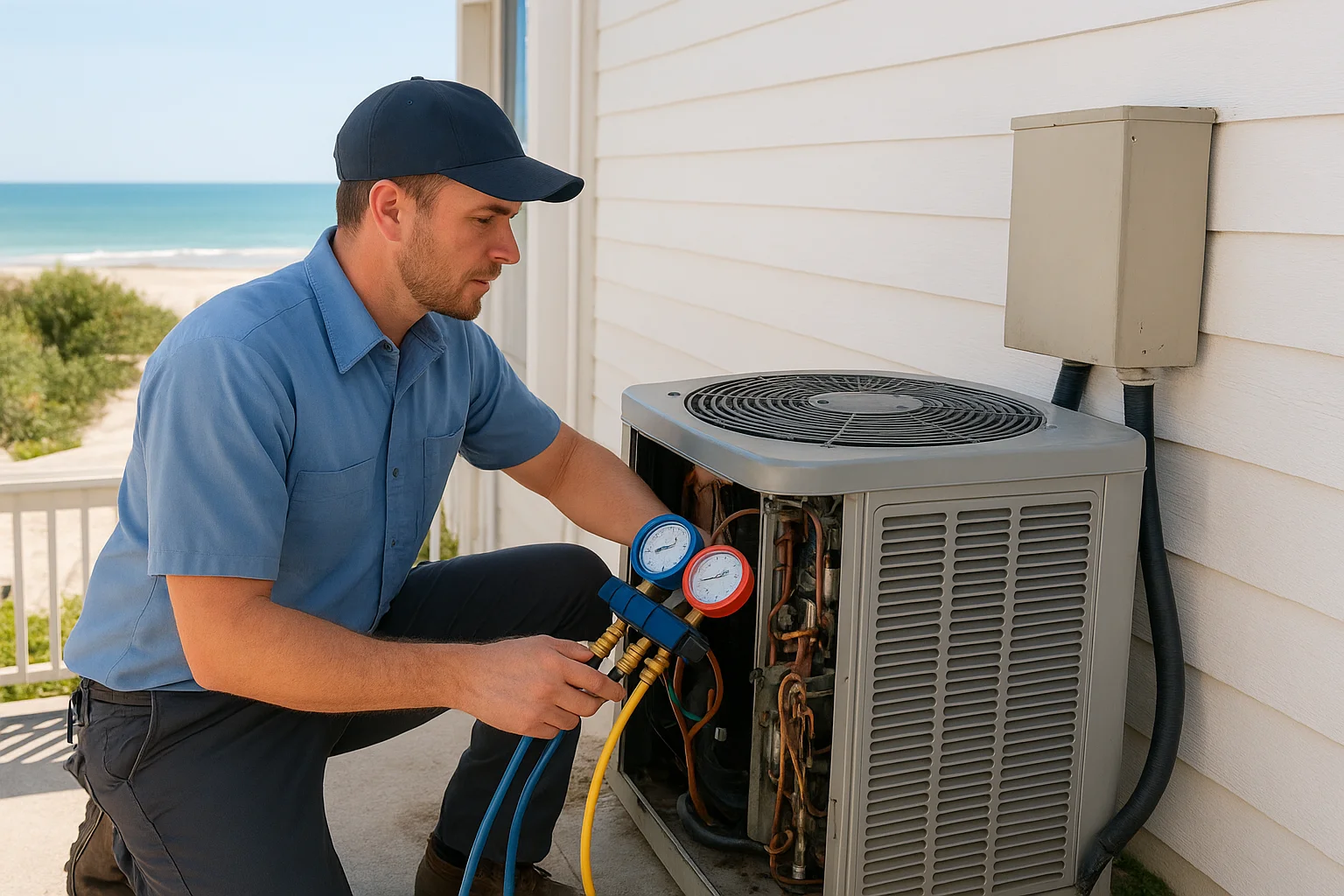
Air conditioners and heat pumps rely on refrigerant systems to move heat. During an inspection, a technician may review refrigerant system performance indicators using professional testing methods. Homeowners should avoid trying to “self-diagnose” refrigerant issues. Refrigerant measurements require proper tools and in-person evaluation.
If the inspection suggests a refrigerant-related concern, the technician will explain what was observed and recommend the appropriate next steps. This is also where a professional HVAC contractor near me matters, because refrigerant system work should be handled responsibly and safely.
Coils, drainage, and moisture control
In humid Florida weather, moisture management is critical. A technician will inspect:
- Indoor evaporator coil condition: Dirt buildup can reduce heat transfer and worsen humidity removal.
- Outdoor coil and airflow path: Debris and buildup can restrict airflow and reduce performance.
- Condensate drainage: The system must drain condensate correctly during cooling cycles. Issues can lead to water problems and can contribute to indoor air quality concerns.
If you have noticed water pooling, a slow drain, or musty smells, bring it up during the inspection. It can help the technician focus on condensate drainage and moisture sources.
Thermostat and control settings
Thermostats control when the system runs and how it cycles. An inspection often includes checking:
- Thermostat operation and responsiveness
- System mode settings (cool vs heat, fan settings, scheduling behavior)
- Whether control behavior matches your comfort expectations
In some cases, a thermostat setting issue creates the illusion of equipment failure. A professional can verify whether the thermostat is operating as intended before recommending HVAC repair or additional work.
Electrical components and safety checks
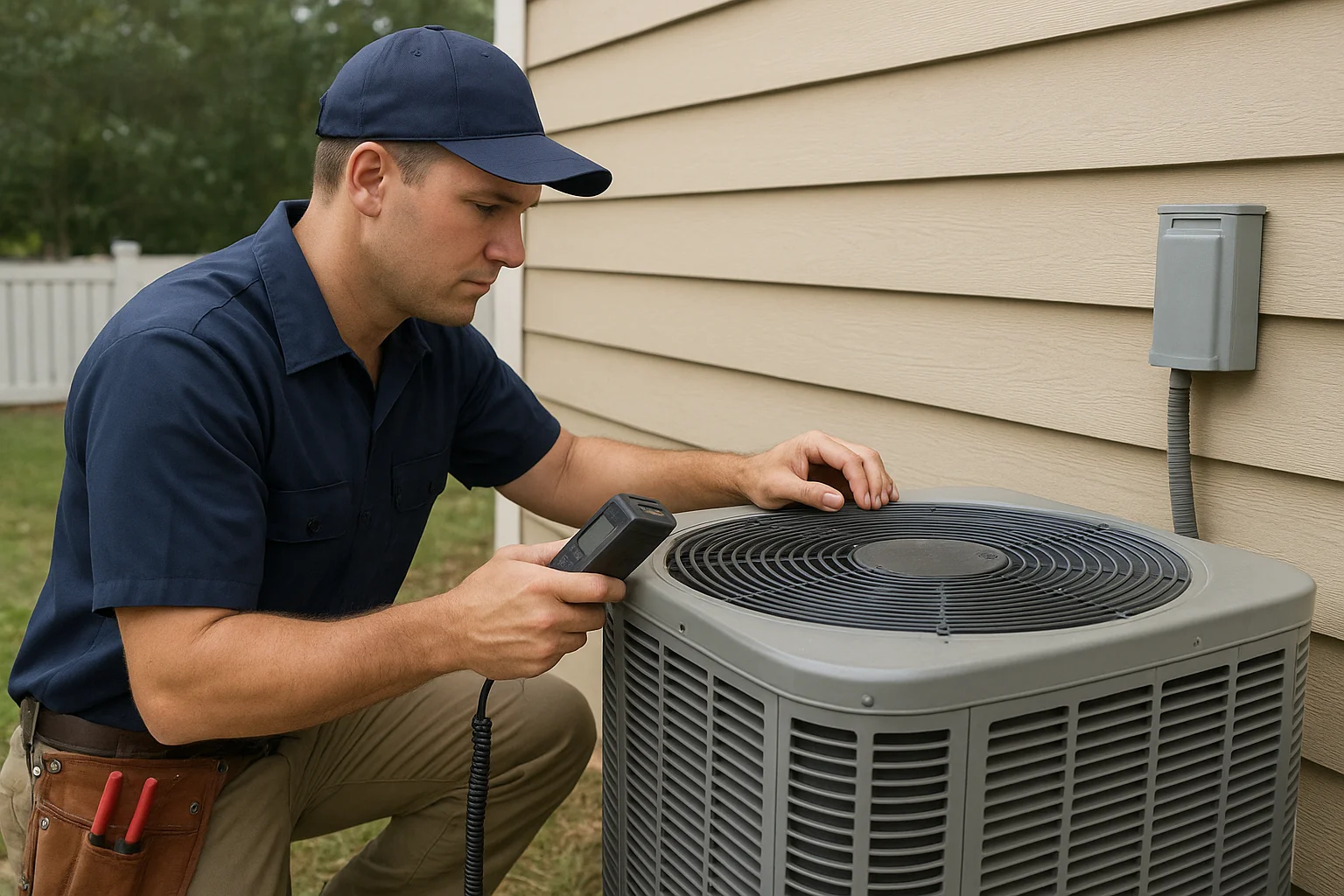
While homeowners should not open electrical panels, a professional inspection includes safety and operational checks of key components. This can include evaluating wiring, contactor operation, and control board behavior, based on the system design.
If you ever experience repeated tripping, burning smells, or sudden shutdowns, treat it as an emergency cooling concern and contact an HVAC company promptly.
Common Callaway issues an inspection can help uncover
Not every homeowner problem is obvious, especially early on. Here are some issues that frequently show up in Florida homes and that an inspection can help identify.
Hot spots and uneven cooling
If one room stays warm while others cool, the cause can be airflow limits, ductwork leakage, or a mismatch between supply and return paths. This is where duct sealing or duct inspection may be part of a longer-term solution.
Short cycling or frequent on-off behavior
Short cycling can increase wear and raise energy use because the system does not run long enough to stabilize temperature and humidity. It can also be a sign of airflow restrictions, control issues, or other problems that require professional evaluation.
Weak airflow from vents
Dirty filters, clogged indoor components, blocked returns, or duct restrictions can all reduce airflow. In Callaway’s humidity, reduced airflow often shows up as comfort complaints before the system fully fails.
Moisture and condensate drainage problems
When condensate drainage is not working correctly, you may see water around the system, notice dampness, or develop indoor air quality issues. An inspection helps confirm proper drainage and identify the source of moisture.
Rising energy use during peak months
Energy use often climbs when the system has to work harder due to airflow limits, dirty coils, or degraded performance. Even if the system still cools, inspection can help you understand what is driving higher run times and where preventive HVAC maintenance can reduce strain.
How to prepare for questions about maintenance and preventive HVAC maintenance
During an inspection, your technician may recommend a maintenance plan. Think of it as a schedule for keeping cooling performance steady in Bay County’s climate. To make those conversations easier, be ready to answer:
- How often you change filters and whether you use the correct filter size
- Whether you notice dust buildup around vents or on return grilles
- How the home feels on humid days compared to drier days
- Whether you have upgraded ductwork, added indoor air quality services, or changed thermostat schedules
If your home uses a heat pump instead of a traditional air conditioner, the same humidity and airflow concerns still apply. For homeowners asking about heating control systems or overall comfort tuning, a comprehensive inspection can help connect cooling performance with your broader HVAC setup.
Indoor air quality: why inspection connects to more than temperature
Cooling systems influence indoor air quality by controlling moisture, moving air through filters, and circulating air throughout the home. In humid areas like Callaway, poor airflow and moisture problems can contribute to:
- Musty odors
- Excess humidity that can worsen comfort and irritate sensitivities
- Dust buildup due to uneven airflow and filter bypass
If you are searching for indoor air quality services near me, ask your technician how your system supports filtration and moisture control. The goal is to keep the air conditioner operating efficiently while supporting healthier indoor conditions.
When you should not wait: emergency cooling concerns
Planning helps, but some situations require immediate attention. Contact an HVAC company promptly if you notice:
- The system will not cool at all during a heat wave
- Refrigerant system indicators or performance problems that persist after basic checks
- Water leaks near the indoor unit, ceiling, or walls
- Burning smells, repeated electrical shutdowns, or unusual sparking sounds
- Any rapid decline in comfort combined with unusual noises or strong odors
Because Callaway summers can get intense, treating these as emergency cooling concerns can help protect your home and avoid longer downtime. If you are looking for air conditioning repair near me, a local team familiar with Bay County conditions can also help you decide whether the best next step is repair, maintenance, or additional diagnostic work.
What to do after the inspection: turn findings into a plan
A good inspection produces actionable recommendations. After your visit, review the technician’s notes and ask clear questions:
- What limited performance most: airflow, coils, drainage, controls, or ductwork?
- Which preventive HVAC maintenance items should happen next and when?
- Are there indoor air quality concerns tied to moisture or filtration?
- Should you schedule additional duct inspection or duct repair?
If ductwork is part of the issue, you can explore options like duct sealing to improve airflow distribution. If the system is otherwise healthy but needs performance support, ask about an air conditioning systems maintenance plan that fits your household.
Local context: why choosing a Callaway HVAC contractor matters
Homeowners in Bay County live with real humidity, real salt air exposure, and real cooling demand. Those conditions affect how often systems need service, what problems show up most, and how technicians prioritize inspection checks. A local HVAC contractor near me who regularly services Callaway homes understands how airflow, condensate drainage, and indoor humidity control tend to behave here.
If you want more guidance specific to the area, these reads can help you stay proactive:
- Keeping Callaway Cool: Smart Air Conditioning Inspection Tips That Prevent Breakdowns
- How Callaway Homes Put HVAC Systems to the Test Over Time
- Understanding HVAC Financing in Callaway: Homeowners Should Not Overlook These Costly Warning Signs
For businesses, humidity and airflow issues can also disrupt comfort and productivity. If you manage a property, see Keeping Commercial HVAC Systems steady in Callaway’s heat and humidity for planning ideas.
Where to schedule your inspection
If you are planning ahead for AC inspection in Callaway, FL, schedule with A Superior Mechanical. You can book directly for air conditioning inspection in Callaway, FL, and learn more about service coverage at the Callaway, FL service area page and the broader Bay County service area.
When your inspection is scheduled before the hottest stretch, you give your system the best chance to perform normally. That can mean fewer comfort surprises, steadier airflow, and better moisture control when Florida humidity is at its peak.
Keeping Callaway Cool can also help you turn inspection findings into a practical routine between visits.
Find Air Conditioning Inspection in Callaway, FL
If you need Air Conditioning Inspection in Callaway, FL, visit our local service page or contact A Superior Mechanical today.
Map of Callaway, FL
Frequently Asked Questions
How often should homeowners schedule an air conditioning inspection in Callaway, FL?
Many homeowners benefit from scheduling an inspection before the hottest months so airflow, coil condition, and condensate drainage can be reviewed while the system is under normal demand. If your home has known comfort issues, higher humidity complaints, or ductwork problems, a more frequent schedule may make sense based on your system’s condition.
What should I do before my AC tune up or inspection appointment?
Clear access around the outdoor unit, ensure indoor return vents are not blocked, and check that your air filter is installed correctly and in good condition. If you have noticed musty odors, water around the indoor unit, weak airflow, or temperature swings, write down what you’ve observed so the technician can focus the inspection.
Can I check refrigerant or diagnose a refrigerant problem myself?
Refrigerant system concerns should be evaluated by a professional during an in-person inspection. Refrigerant diagnosis requires proper tools and safe procedures, and guessing can delay the real cause of poor cooling performance.
Why does condensate drainage matter in Florida humidity?
During cooling, the system removes moisture and drains condensate. If drainage is restricted or improperly routed, water can overflow and indoor humidity can rise, which can affect comfort and indoor air quality. An inspection can confirm drainage performance and address moisture control issues.
If my AC is cooling but using more energy, should I still schedule an inspection?
Yes. Higher energy use can be an early sign of airflow restrictions, dirty coils, ductwork leaks, or other performance limits. An inspection helps identify what is making the system work harder so you can plan preventive HVAC maintenance before the problem worsens.
Related Articles
- Keeping Callaway Cool: Smart Air Conditioning Inspection Tips That Prevent Breakdowns
- Understanding HVAC Financing in Callaway: Homeowners Should Not Overlook These Costly Warning Signs
- Keeping Commercial HVAC Systems steady in Callaway’s heat and humidity
- How Callaway Homes Put HVAC Systems to the Test Over Time
Photo Gallery