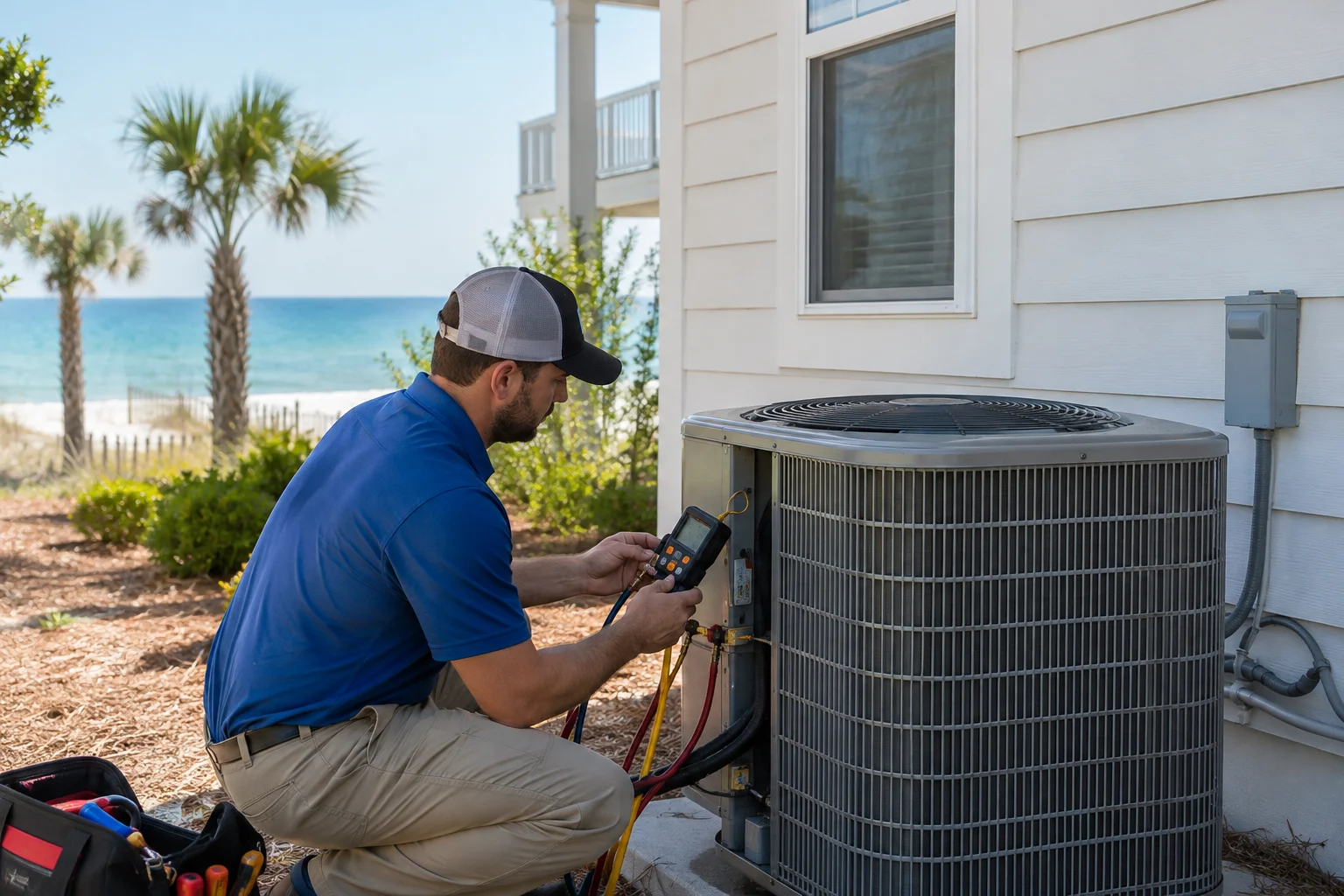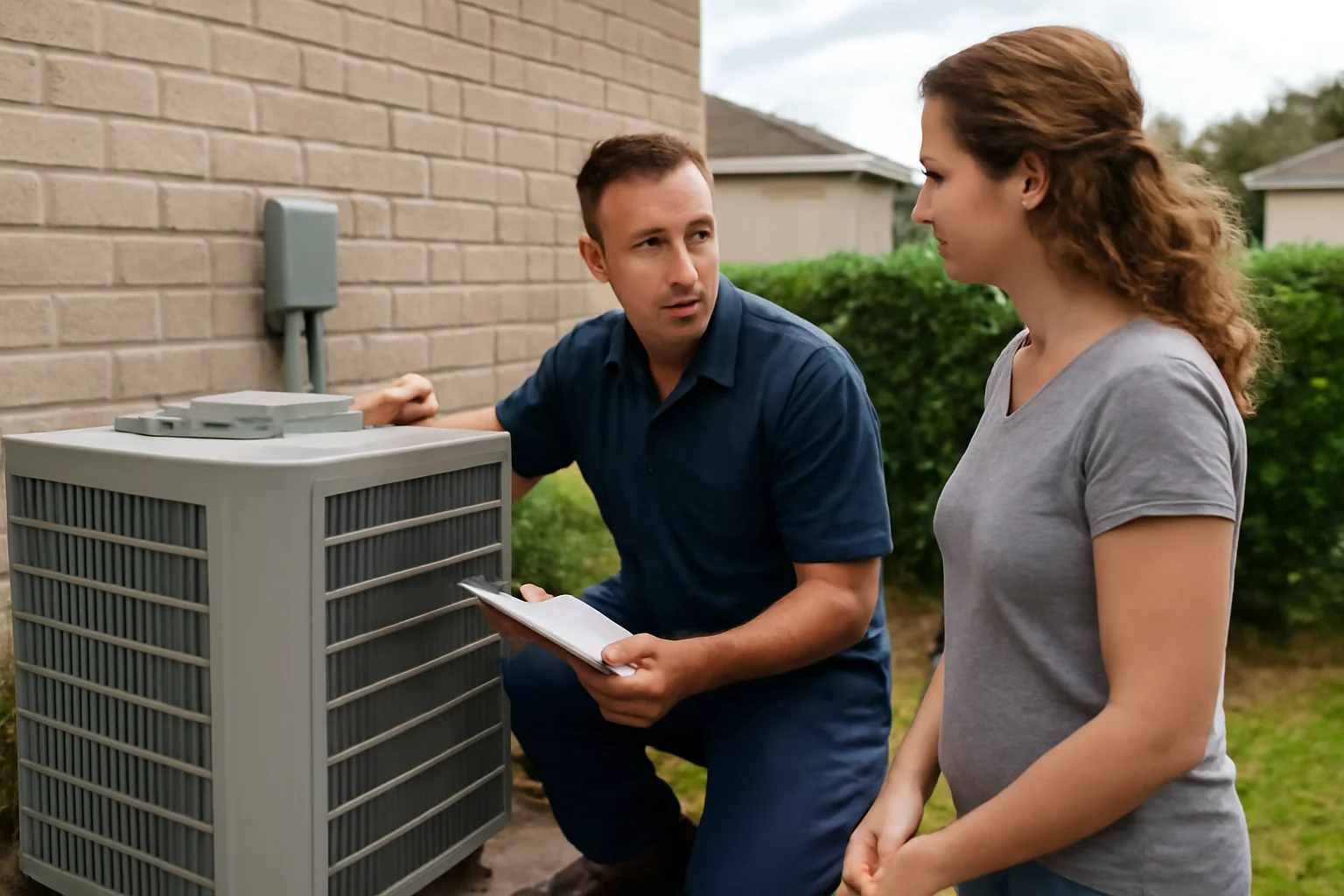
Springfield, FL businesses do not have the luxury of waiting until the building is uncomfortable. Between summer heat, sticky humidity, and coastal salt air moving through the region, commercial HVAC systems work hard year-round. A smart plan for commercial HVAC repair near Springfield, FL can help you avoid unexpected breakdowns, protect indoor air quality, and keep energy use under control.
A Superior Mechanical provides commercial HVAC repair in Springfield, FL for offices, restaurants, retail spaces, multi-unit properties, and other businesses across Bay County. The goal is simple: reduce downtime by catching problems early and responding quickly when repairs are needed.
Start with a seasonal readiness checklist for Springfield’s climate
Planning ahead does not need to be complicated. It does need to match how Springfield weather stresses HVAC equipment. Florida heat drives high cooling demand, while humidity increases moisture load and can strain airflow and condensate drainage. Salt air exposure can also accelerate corrosion on outdoor components over time.
Use a seasonal checklist that includes:
- Cooling season review: Confirm thermostats are set correctly and operating as intended for occupied hours.
- Airflow verification: Ensure supply and return air paths are not blocked and that filters are sized and maintained for the system.
- Humidity and condensate drainage checks: Look for signs of moisture problems around indoor units, drain lines, or condensate pans.
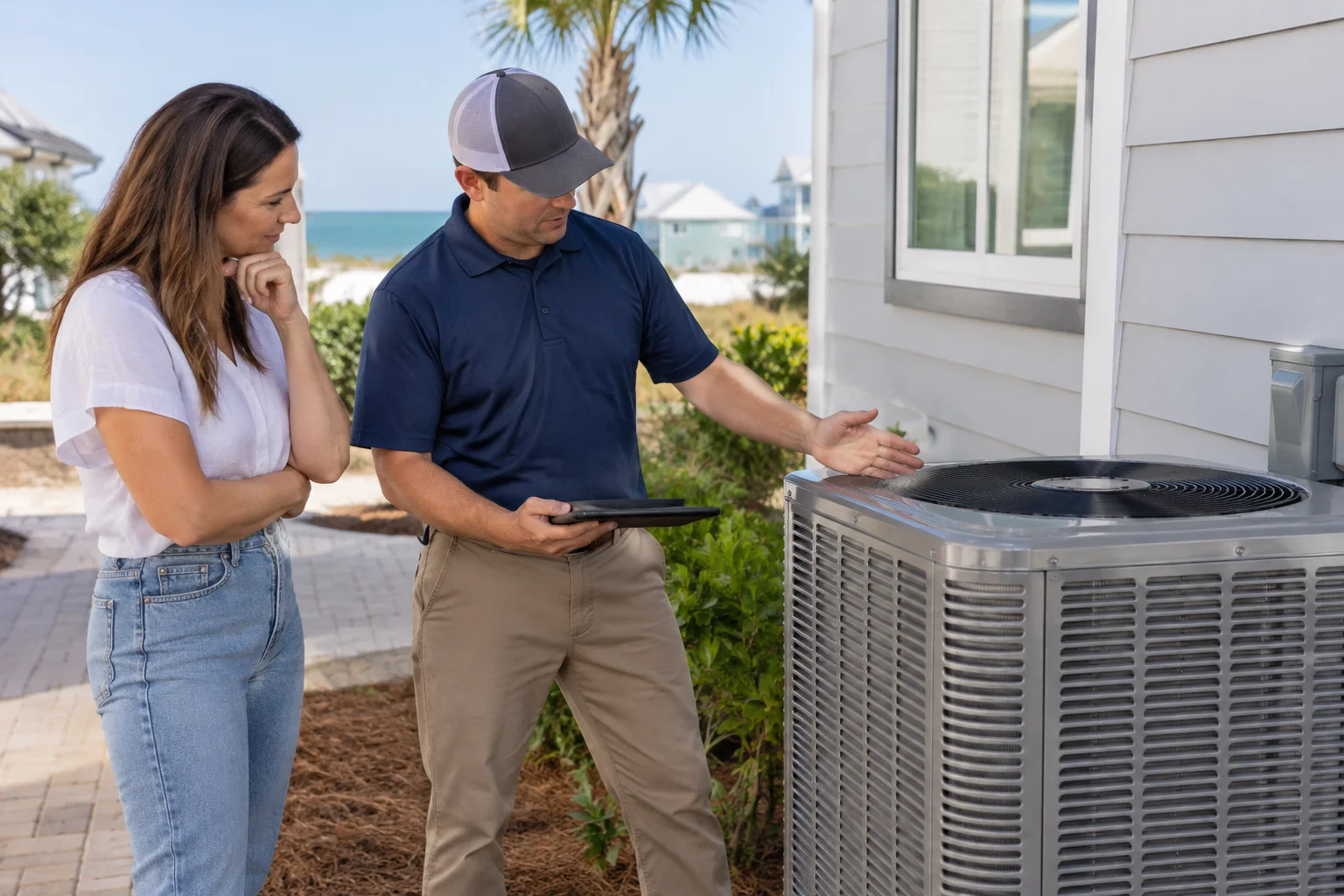
- Outdoor unit inspection: Verify the outdoor coil and fan area are clear of debris and that airflow is not restricted.
- Refrigerant system readiness: Make sure the system is performing at the expected level based on your building’s comfort needs, not just “running.”
When an HVAC maintenance near me search is part of your planning, you are more likely to schedule service before the hottest weeks arrive. That timing matters because many commercial systems only reveal their biggest issues under peak load.
Build preventive HVAC maintenance into your calendar, not your emergency plan
Commercial HVAC repair in Springfield often starts with preventive HVAC maintenance. A tune-up and inspection help identify wear and performance issues before they turn into a shutdown. For homeowners managing commercial properties, the main advantage of preventive maintenance is continuity: you keep comfort steady, protect equipment, and reduce the likelihood of a mid-summer cooling failure.
What preventive maintenance should cover for commercial systems
While every building is different, a strong maintenance plan typically includes:
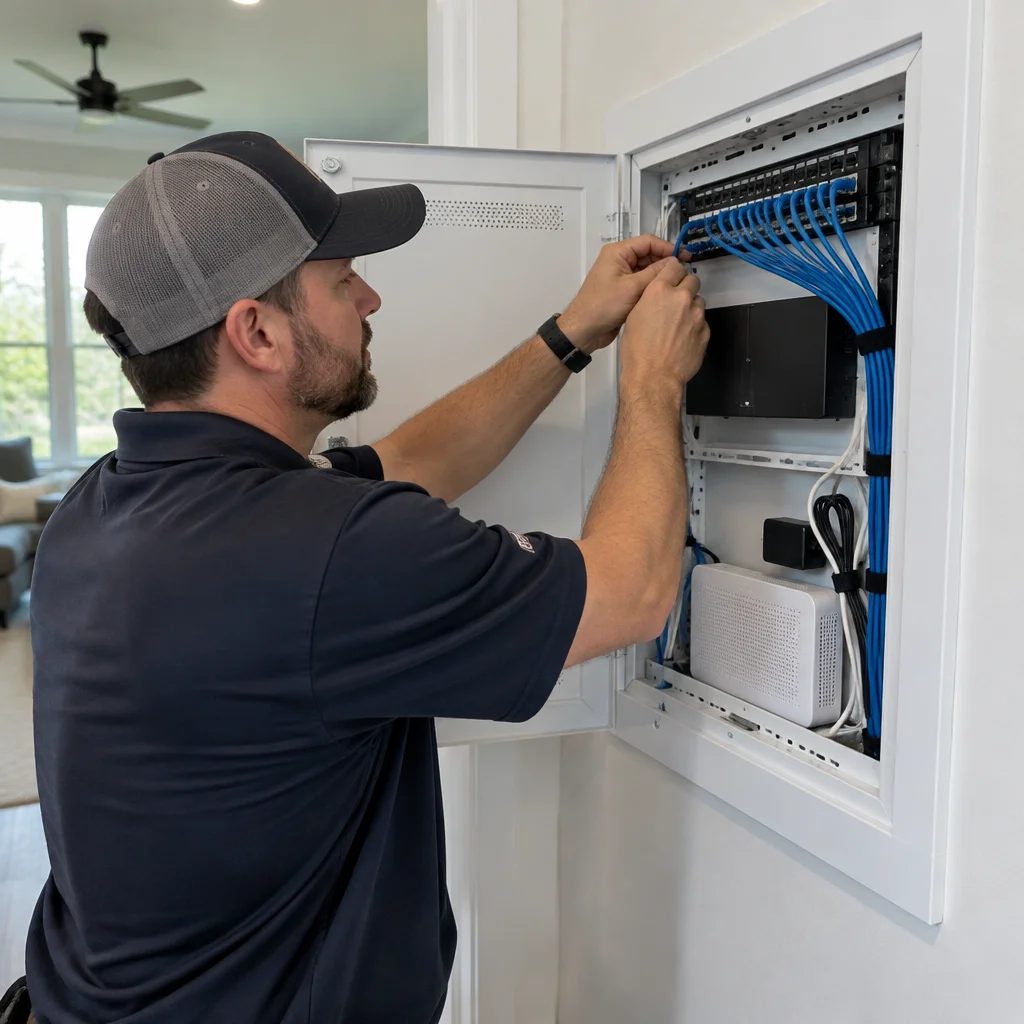
- Thermostat and control checks: Confirm temperature control is accurate and schedules match occupancy. If a thermostat is drifting or a control sequence is off, the system may cycle inefficiently.
- Air conditioning inspection: Evaluate cooling performance, airflow balance, and the condition of the indoor and outdoor coils.
- Heat pump or AC operation verification: For buildings using heat pumps, confirm heating and cooling sequences are working properly and that airflow supports both modes.
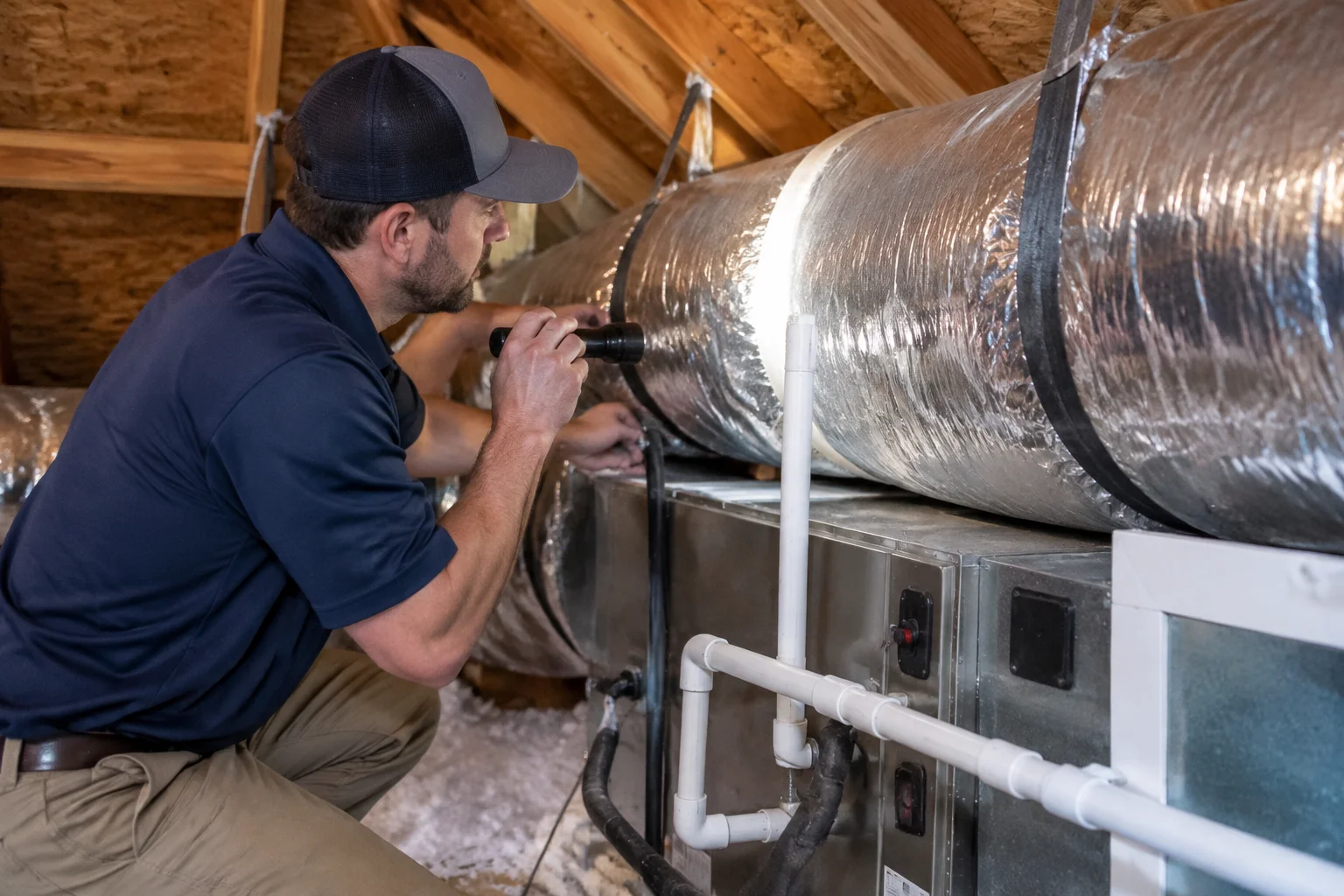
- Ductwork and airflow evaluation: Look for leaks, poor distribution, or restrictions that can cause uneven comfort and higher energy use.
- Condensate drainage inspection: Check condensate drainage paths and related components to reduce the risk of water overflow or moisture-related indoor air quality problems.
- Air filtration performance: Review whether your filtration setup matches the building’s indoor air quality needs.
If you are also considering upgrades, you may want to explore Air Filtration & Purifiers. In humid climates, filtration and ventilation choices can influence comfort and how the system handles moisture.
Know the common commercial HVAC issues Springfield businesses run into
Even with maintenance, commercial systems can develop problems. Planning ahead means you can recognize patterns early and respond before the issue escalates. Here are several issues that show up frequently in Bay County buildings.
1) Refrigerant system problems that show up as “it’s running but not cooling”
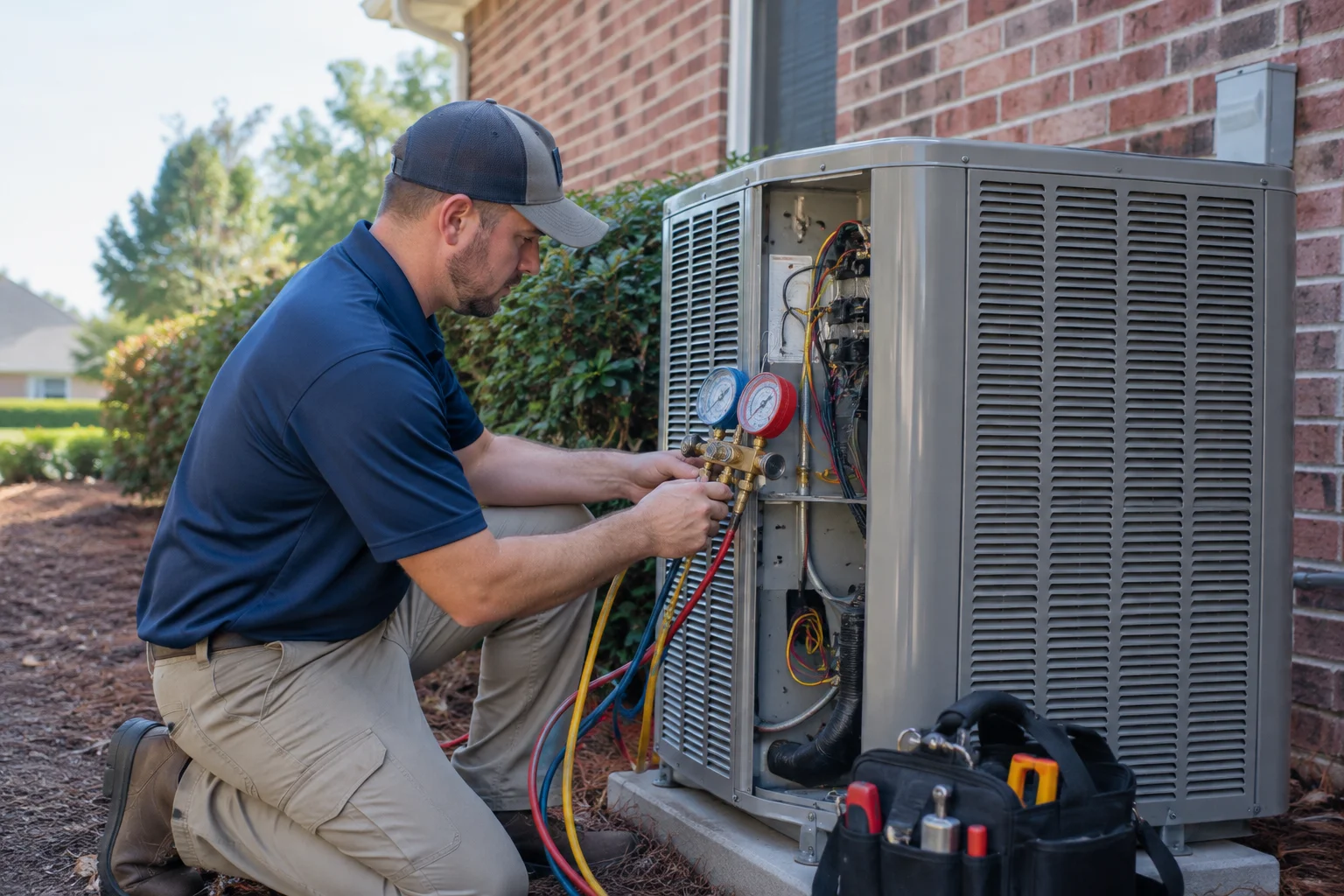
When refrigerant system performance is off, a commercial system can struggle to remove heat and humidity. That can look like weak airflow, longer run times, or rooms that never feel right. Because refrigerant systems are safety and performance sensitive, a qualified technician should evaluate the system in person before any diagnosis or repair steps are taken.
2) Airflow restrictions caused by dirty filters, blocked returns, or ductwork leaks
In humid Florida weather, airflow is not just a comfort issue. It is also tied to moisture control. If airflow is restricted, coils may not operate as intended, and the system may not dehumidify effectively. Over time, ductwork leakage or poor distribution can increase energy use and contribute to hot and cold spots.
If you suspect ductwork is part of the problem, consider reviewing Duct Replacement options with a local HVAC contractor.
3) Condensate drainage and moisture buildup
Condensate drainage issues can lead to water problems, odors, and indoor humidity that makes occupants uncomfortable. In commercial spaces, this can also affect sensitive areas such as kitchens, break rooms, or retail storage. A professional inspection should include a check of condensate drainage components and nearby areas where moisture may collect.
4) Thermostat and control sequence problems
Sometimes the HVAC system is not the problem. Controls can be. A thermostat that is set incorrectly, a schedule that does not match occupancy, or a control sequence that is out of calibration can cause inefficient operation and unnecessary runtime. That wastes energy and can wear equipment faster.
5) Salt air and outdoor unit corrosion
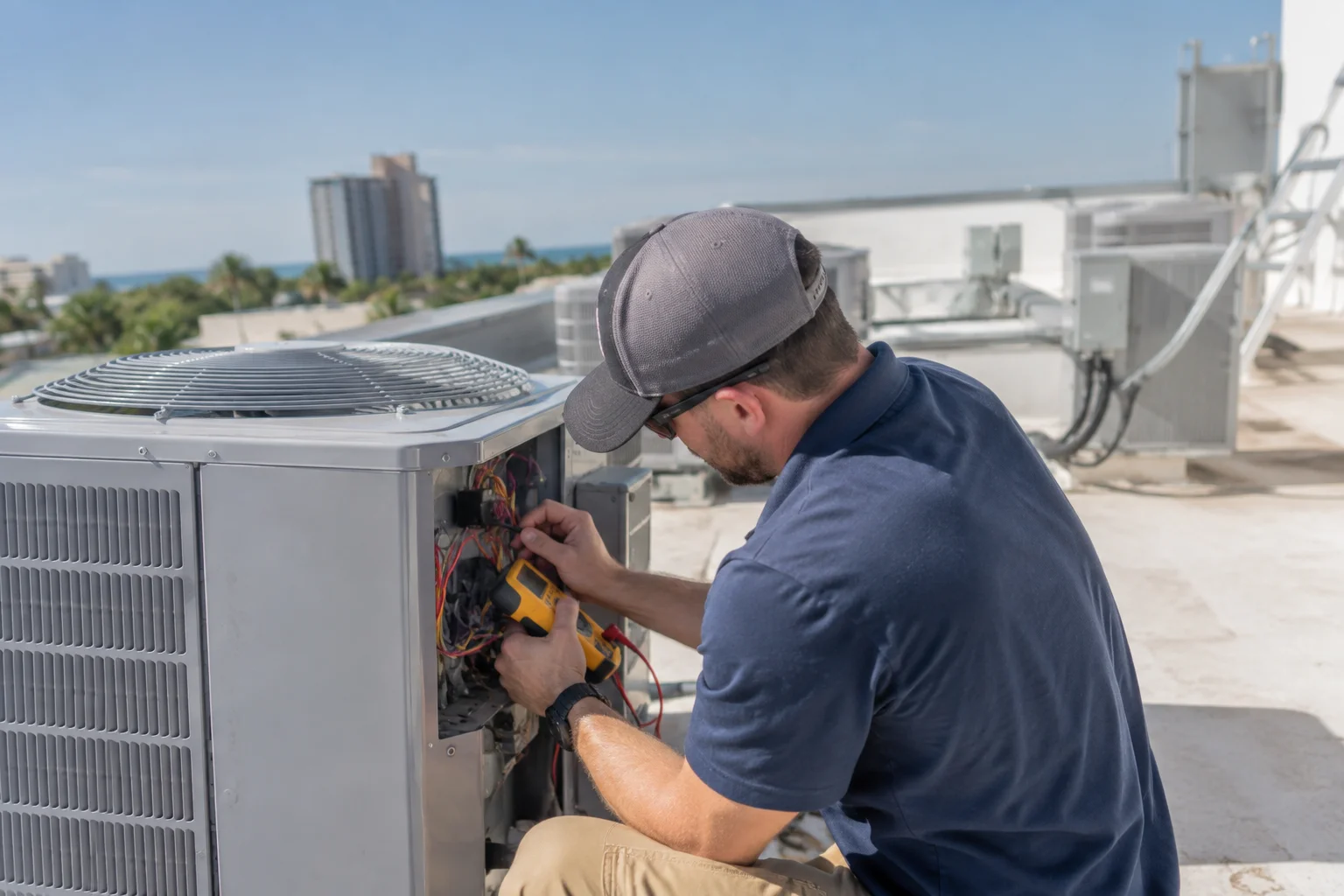
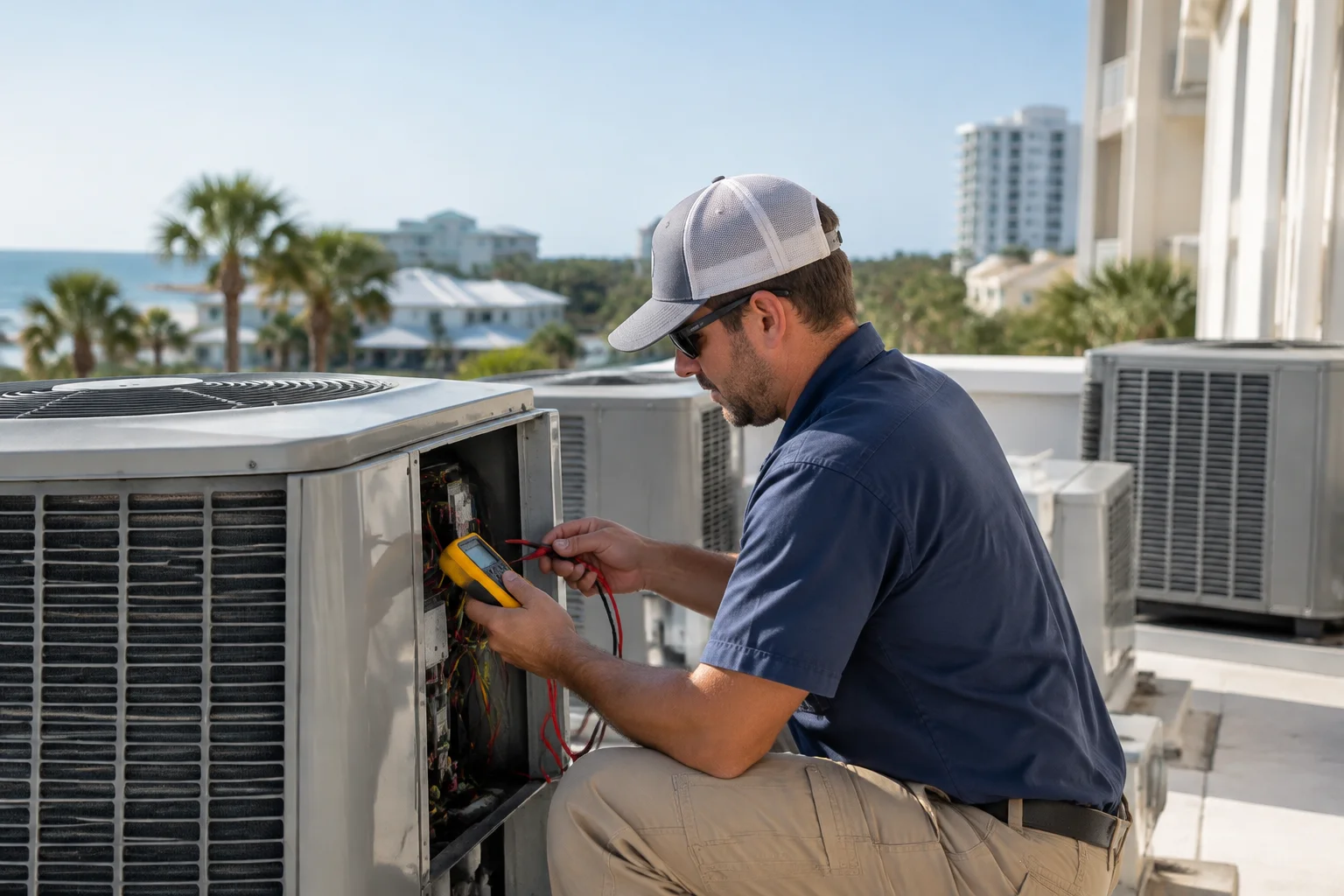
Coastal exposure can increase corrosion risk on outdoor components. Over time, that can impact fan operation, coil performance, and the overall reliability of rooftop units and outdoor condensing sections. Planning ahead includes routine inspection and cleaning priorities suited for the local environment.
Reduce downtime with an “operational risk” approach to HVAC repair planning
Commercial HVAC service near Springfield is not only about comfort. It is about operational continuity. A simple way to plan is to categorize your spaces by risk and set service priorities.
Consider risk levels by building area
- High risk: Areas where comfort directly affects safety, health, or business operations (such as customer-facing spaces, kitchens, or rooms with sensitive equipment).
- Medium risk: Spaces with flexible occupancy or where comfort complaints are common but immediate shutdown is unlikely.
- Lower risk: Areas that are used less frequently or can tolerate short adjustments.
Then align your maintenance scheduling and repair readiness to those categories. This approach helps you avoid the “everything fails at once” scenario that can happen when multiple components degrade during the same seasonal workload.
Prepare for emergency cooling concerns without guessing at repairs
Even well maintained commercial systems can fail. Florida heat makes that risk real. The key is to prepare for emergency cooling concerns so you can move quickly when comfort is threatened.
What you can do before an emergency happens
- Document system details: Keep model and serial numbers for rooftop units, split systems, heat pumps, and major components.
- Track thermostat behavior: Note when problems start, what the thermostat reads, and whether the system cycles normally.
- Know the condensate drainage location: Identify where condensate drains or pans are located and what normal operation looks like.
- Keep access clear: Ensure maintenance access is not blocked by stored items or landscaping debris.
- Have a communication plan: Decide who calls for HVAC repair near me searches and who coordinates building access.
During an emergency, it is tempting to troubleshoot on your own. However, refrigerant and electrical related concerns require professional evaluation. A technician should assess the system conditions in person before concluding what is wrong or whether a repair or replacement is appropriate.
Plan for system replacement decisions with the right timing
Sometimes repairs restore comfort. Other times, an HVAC system is nearing the end of its useful life or has recurring issues. Planning ahead helps you make those decisions before the building is stuck without cooling.
When evaluating HVAC replacement near me options, ask your local commercial air conditioning contractor to consider:
- Current performance and comfort issues: Uneven airflow, persistent humidity problems, and high energy use can indicate system limitations.
- Maintenance history: Recurring repairs can signal that the system is no longer responding well to routine fixes.
- Ductwork and distribution: Even a new system can struggle if ductwork is failing or improperly sized.
- Indoor air quality goals: Filtration, ventilation, and humidity control strategies may need to be part of the plan.
If your building is new or undergoing major changes, it can help to coordinate HVAC planning early. For construction projects, you can review New Construction Air Conditioning to align equipment choices with expected occupancy and comfort needs.
Improve indoor air quality while you plan repairs and maintenance
Indoor air quality is more than a “nice to have” in commercial buildings. In Springfield’s humidity, comfort and air quality are closely linked. When airflow and moisture control are off, occupants may notice stale air, temperature swings, or increased sensitivity to odors.
Practical steps that support indoor air quality
- Use appropriate filtration: Select and maintain filters that match the system and your indoor air quality priorities.
- Address airflow problems: Poor airflow can reduce ventilation effectiveness and make humidity control harder.
- Check condensate drainage: Moisture issues can contribute to discomfort and air quality concerns.
- Coordinate maintenance schedules: Avoid long gaps in AC tune ups near me that leave filters, coils, and airflow paths neglected.
If you are looking at upgrades, Air Filtration & Purifiers can help you explore options that fit the building’s needs.
Energy use is a planning tool, not just a billing issue
Energy costs are a major concern for commercial properties. When systems run longer than they should due to airflow restrictions, control issues, or reduced cooling capacity, energy use rises. Planning ahead for HVAC repair helps you keep the system operating efficiently enough to meet comfort needs without excessive runtime.
Monitoring can be simple. Track cooling runtime patterns, thermostat setpoint schedules, and which areas feel warmest during peak hours. If the building begins to feel uncomfortable while bills rise, it is a strong hint that an air conditioning inspection near me should be scheduled.
How local service matters across Bay County
Springfield is part of Bay County, and local service matters because equipment conditions, humidity, and salt air exposure vary by region. Working with a team familiar with commercial HVAC repair in Springfield, FL helps ensure inspections account for local stressors and typical failure points.
For property managers and owners comparing options, start with the right service area. You can read more about the specific offering at /service-areas/bay-county/springfield/commercial-hvac-repair-sfbc and the broader coverage details on /service-areas/bay-county/springfield. When you want to understand service across the region, the county overview at /service-areas/bay-county can also be helpful.
If you manage multiple properties, it can be useful to compare how weather impacts HVAC performance in nearby areas. These reads offer practical planning angles:
- How Local Weather Affects Commercial HVAC Repair in Destin, FL
- Commercial HVAC Repair in Fort Walton Beach: What Property Owners Should Pay Attention To Before Small Problems Grow
- How Better Commercial HVAC Repair Helps Seagrove Beach Homes Stay Protected
- Why Commercial HVAC Repair Matters to Home Comfort in Miramar Beach
Get your plan in motion: what to ask during an air conditioning inspection
When you schedule an air conditioning inspection near me or HVAC service near me, come prepared with a few key questions. This helps the inspection stay focused on your building’s actual comfort and operational needs.
Consider asking:
- Which components are most likely to be stressed by Springfield humidity and outdoor conditions?
- Are there airflow or ductwork concerns that could affect cooling and dehumidification?
- Does condensate drainage look properly maintained for the building layout?
- Are thermostat settings and schedules aligned with occupancy?
- What preventive HVAC maintenance steps should we prioritize this season?
For heat pump systems, you can also ask about heat pump repair near me readiness and whether the system is operating correctly in both heating and cooling modes. If budget planning is part of your timeline, review HVAC Financing so you can make decisions without rushing.
Planning ahead is how you protect comfort, airflow, and indoor air quality
Commercial HVAC repair in Springfield, FL is easier when you treat it like a process. Preventive HVAC maintenance, airflow and ductwork attention, condensate drainage checks, and smart thermostat scheduling all reduce the chances of emergency cooling concerns. When problems do appear, a professional commercial HVAC service near me can assess the system safely and recommend the right next step based on what is happening in your building.
If you are managing comfort for a business, start with a plan you can stick to. Then use commercial HVAC repair near Springfield, FL as your support system when conditions change and the system needs help.
Find Commercial HVAC Repair in Springfield, FL
If you need Commercial HVAC Repair in Springfield, FL, visit our local service page or contact A Superior Mechanical today.
Map of Springfield, FL
Frequently Asked Questions
How often should a Springfield business schedule preventive HVAC maintenance?
Many commercial systems benefit from regular preventive HVAC maintenance timed around cooling season demand. Your schedule should also reflect how heavily the building runs, filter practices, and whether you have recurring airflow or humidity complaints. A technician can recommend a plan after an on-site inspection.
Why does my commercial AC run longer in humid Florida weather?
Long runtimes can point to airflow restrictions, ductwork issues, control or thermostat scheduling problems, or cooling performance problems in the refrigerant system. Because refrigerant and performance issues require in-person evaluation, the best next step is an air conditioning inspection to identify the cause.
What are early warning signs of condensate drainage problems?
Look for moisture around indoor units, musty odors, recurring water on ceilings or near drains, and rising indoor humidity when the system is operating. Condensate drainage checks are an important part of commercial HVAC service in humid climates.
Can poor indoor air quality be caused by HVAC repair issues?
Yes. Indoor air quality can suffer when airflow is weak, filtration is not matched to the system, or moisture control is off. A professional inspection can review filtration, airflow, and humidity-related factors that affect comfort.
Should I try to troubleshoot refrigerant or electrical problems myself?
No. Refrigerant systems and electrical components require safe, professional evaluation. If you suspect a refrigerant or electrical related issue, stop relying on guesses and schedule an on-site commercial HVAC repair assessment.
Related Articles
- Why Commercial HVAC Repair Matters to Home Comfort in Miramar Beach
- Commercial HVAC Repair in Fort Walton Beach: What Property Owners Should Pay Attention To Before Small Problems Grow
- How Local Weather Affects Commercial HVAC Repair in Destin, FL
- How Better Commercial HVAC Repair Helps Seagrove Beach Homes Stay Protected
Photo Gallery