Water heater problems rarely arrive at a convenient time. In 30A, where many homes are primary residences, second homes, and vacation rentals, hot water interruptions can quickly become an emergency plumbing concern. The good news is that a little planning before installation can help you avoid delays, reduce the chance of leaks, and protect your pipes, fixtures, and drains.
If you are searching for water heater installation near me or trying to stay ahead of water damage, this guide walks through the practical steps homeowners can take before a plumber arrives. It also explains how local conditions in Walton County and the way 30A homes use water can influence what your system needs.
Start with your home’s real hot water demand, not just the heater size
Choosing a water heater is more than matching a tank capacity to your household. On 30A, many homes have higher water usage patterns during weekends and holidays, plus outdoor showers, multiple bathrooms, and laundry runs. That means your plumbing may see bigger spikes in demand than a “typical” household.
When planning an installation, ask your plumber to review:
- How many fixtures run at once (showers, dishwashers, washing machines, and faucets)
- Your peak usage times (mornings for primary homes, guest turnover for rentals)
- Recovery time, especially if you have a tank system and frequent back-to-back showers
- Water pressure and whether you need pressure regulation before the new unit goes in
Water pressure matters because it affects flow to showers, toilets, and faucets. Too high pressure can stress pipes and fittings, increasing the chance of drips and leaks. Too low pressure can lead to weak flow and complaints that sound like “the water heater isn’t working,” when the real issue is pressure or a clogged component in the plumbing system.
Plan for the plumbing details that cause most installation headaches
The biggest surprises during a water heater installation are usually not the heater itself. They are the plumbing connections around it: supply lines, venting, drain piping, valves, and the condition of nearby pipes. Homes in 30A are often built on slabs or have additions over time, which can make access more complicated when old piping needs repair.
Check valves, shutoffs, and the “easy to replace” parts
Before installation day, confirm what is already in place:
- Cold and hot shutoff valves near the heater. If they are stuck, corroded, or leaking, plan to replace them. A failing shutoff valve can turn routine maintenance into a burst pipe repair situation.
- Pressure relief valve and discharge piping. If the discharge line is missing, clogged, or routed incorrectly, it can create a safety risk.
- Expansion tank if your system uses one. In homes with closed plumbing systems, expansion can prevent pressure spikes that lead to leaks.
These are small items that prevent big problems. They also help your plumber complete a clean installation without improvising on the spot.
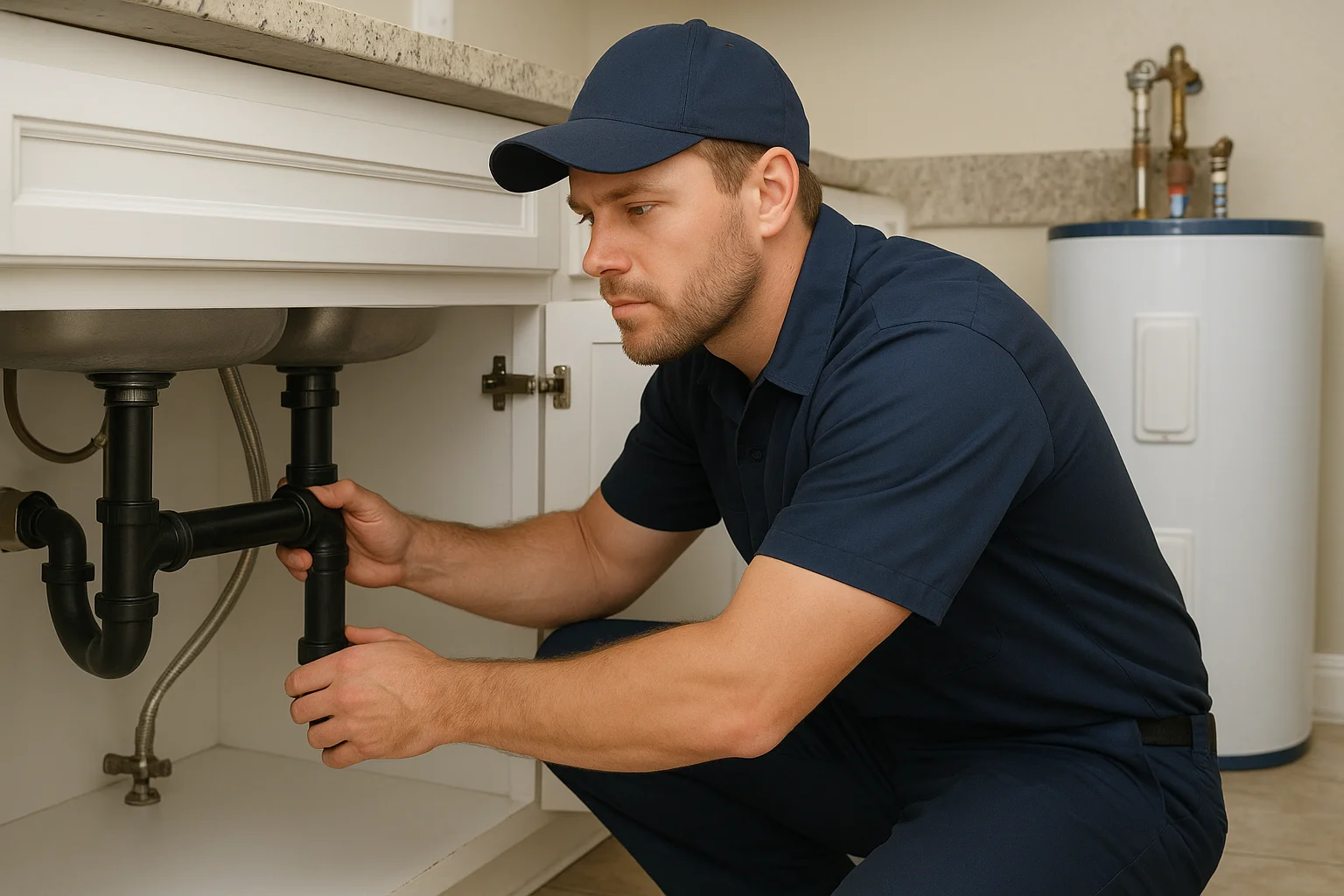
Inspect the drain pan and drain line routing
Many homeowners focus on the hot water outlet and forget the drain pan. A properly installed water heater should have a drain pan and a drain line that can handle discharge. If the drain line is blocked, it can create standing water and long-term moisture issues around the heater area.
In a 30A home, that moisture matters. Humid coastal conditions can accelerate corrosion of fittings and encourage mineral buildup. If you notice damp drywall, rust stains, or musty odors around the utility closet, mention it during scheduling so the team can evaluate the drain line and nearby plumbing.
Look at the pipes you cannot see
Some of the most expensive plumbing repairs happen after a water heater swap reveals an underlying issue. Common culprits include:
- Corroded supply lines that leak when disturbed
- Hidden slab leaks in homes with slab foundations
- Old galvanized piping that restricts flow and traps sediment
- Mineral scale and hard water buildup that reduces efficiency
Hard water is a real factor in the region and can contribute to sediment in tank heaters and deposits on valves and fixtures. That sediment can also worsen hot water performance and increase the likelihood of premature failure, which is why water heater service often includes checking for buildup and confirming the drain system is clear.
Choose the right type of water heater for 30A homes
Homeowners often ask whether a tank or tankless system is the better fit. The right answer depends on your plumbing setup, gas line situation, water demand, and how quickly you need hot water.
Tank water heaters
Tank systems can be a good match for homes that want a steady supply and prefer simpler plumbing. Planning ahead means confirming:
- the unit size and recovery rate for your household or rental schedule
- the condition of existing venting and drain piping
- that the area around the heater can manage water from the drain pan
Tankless water heaters
Tankless units can provide continuous hot water, but they require plumbing and venting to be installed correctly. If you are considering a tankless system, schedule planning should include a review of:
- gas line repair needs if you are moving from a different fuel type or upgrading capacity
- water pressure and flow rate
- how the unit will be vented through the home’s exterior
For homeowners searching for licensed plumber near me, ask whether your installer can handle both the plumbing connections and the coordination needed to complete venting and safe operation.
Plan around permits, access, and the timeline your household can live with
In Walton County, permitting and inspection requirements can vary depending on the installation type and scope. A smart scheduling approach reduces downtime and avoids the “we need to come back” problem.
When you plan your water heater installation in 30A, consider:
- Availability for access: utility closets, crawl space access, or attic routing for venting
- Whether the installation will be a replacement or a new installation (new construction often has different plumbing routing)
- Inspection scheduling if required
- Temporary hot water needs for households with multiple bathrooms
If you are a vacation rental owner, coordinate installation timing between guest stays. Hot water interruptions can lead to refunds and emergency calls. Planning ahead also helps your plumber work efficiently, which can matter during peak seasons when scheduling is tight.
Prep your home so the plumber can work safely and quickly
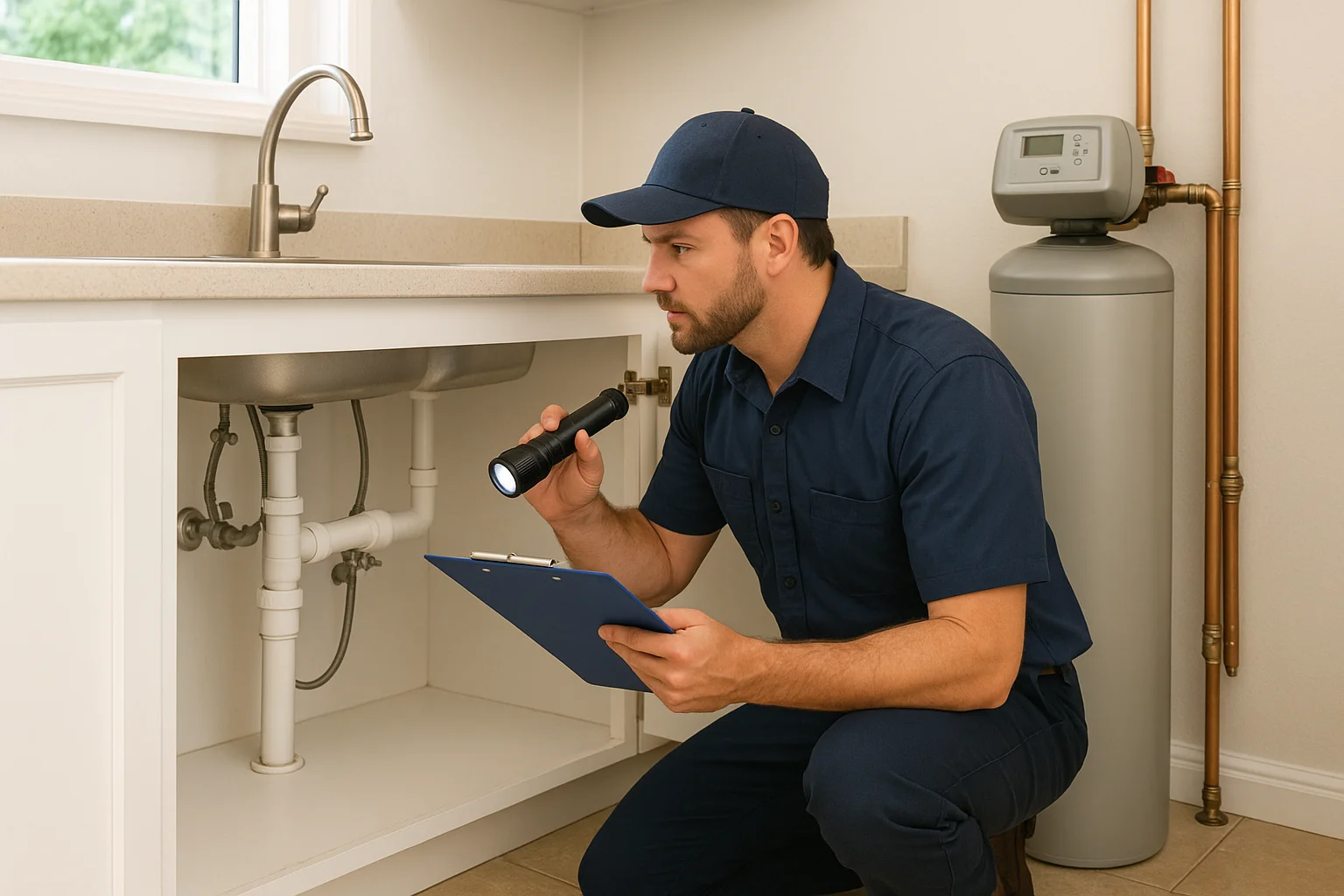
Even the most skilled plumber near you can lose time if the work area is cluttered or if access is blocked. A short prep checklist can make the installation smoother.
Before installation day
- Clear the area around the water heater so the technician can access shutoffs, drain pan components, and connections.
- Locate your main water shutoff and confirm it works. If something goes wrong, shutoff speed reduces damage from leaks.
- Check for moisture around the unit. If you see damp spots, tell the team.
- Take photos of existing connections and labels. This helps when matching parts or documenting older plumbing.
- Plan for water use: decide how you will handle showers and laundry during the work window.
During installation
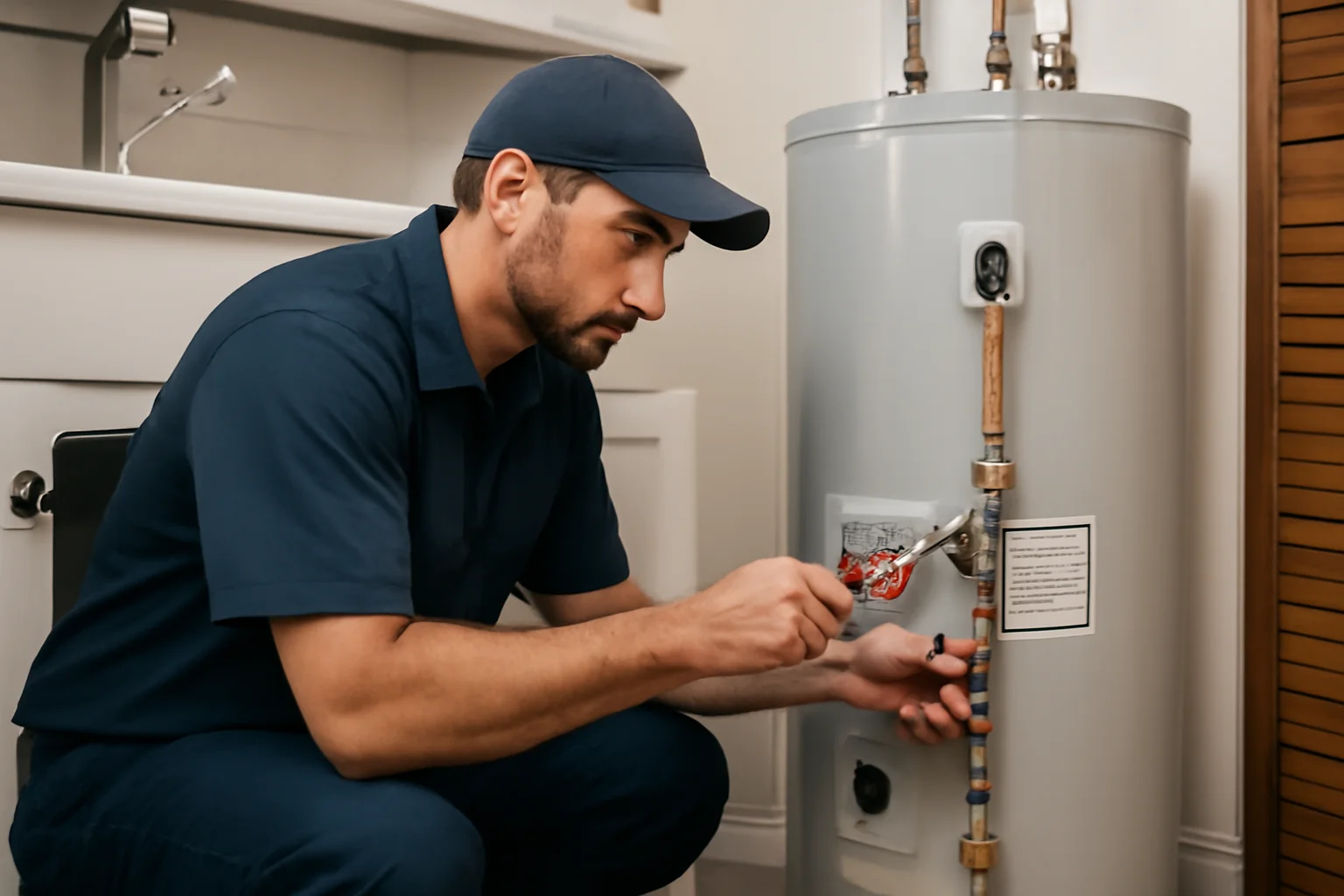
Ask your plumber to explain what they are doing and why. A good water heater installation includes:
- verifying correct sizing and venting for the unit type
- pressure checks after connections are made
- confirming the drain line is clear and properly routed
- checking nearby fixtures for signs of leaks, especially if the plumbing was disturbed
If you have a history of toilet issues or persistent leaks around fixtures, mention it. A pipe leak repair near me search often begins after installation when a small leak becomes obvious. Addressing related plumbing concerns early can prevent follow-up visits.
Know the local plumbing risks that make planning more important
30A homes can face a mix of coastal humidity, salt air exposure, and high water usage patterns. Those factors can intensify common plumbing problems.
Hard water effects and sediment buildup
Hard water can cause scale buildup inside tank heaters and on valves. Over time, sediment can reduce efficiency and contribute to uneven hot water. Planning your installation includes asking about flushing, maintenance recommendations, and the best way to reduce buildup for your household.
If you have noticed slow hot water recovery, popping sounds, or frequent temperature fluctuations, those are often signs that maintenance and system checks are needed, not just a replacement.
Leaks that start small and turn urgent
A slow leak under a sink, a dripping shower valve, or a damp spot near the heater can grow into a bigger problem. In coastal areas, moisture can spread quickly through materials and create emergency plumbing concerns.
It is wise to watch for:
- water pooling near the heater or in the drain pan area
- rusty staining on fittings or around the discharge line
- unexpected increases in water bills
- wet drywall, warped flooring, or musty smells
If you ever face a sudden failure, do not wait. People searching for emergency plumber near me are often dealing with water damage already underway. Planning ahead reduces the odds of needing same day water heater replacement near me, but you should still know who to call if something goes wrong.
Drain and sewer line considerations around the same time
Water heater installation is not usually a sewer line repair job, but plumbing systems affect each other. If your home has recurring drain clogs, slow drains, or odors, schedule those concerns alongside the heater work when possible. Otherwise, you may be paying for separate visits or dealing with a sewer backup repair near me situation later.
For homeowners dealing with recurring slow drains, consider reviewing:
- how kitchen and bathroom drains behave during peak usage
- signs of sewer drain backups, including gurgling sounds or multiple fixture backups
- any history of drain cleaning or pipe repair
If you need help with drains, you can explore clogged pipes and drain cleaning and sewer and drain services while you plan your overall plumbing maintenance. This is especially helpful for vacation rentals where guest complaints about slow drains can escalate quickly.
Make water pressure and fixture performance part of your plan
A new water heater can change flow rates and temperature behavior. If your home has older plumbing fixtures, you may notice differences right away. That is why planning should include a basic check of common points of failure.
Pay attention to:
- Faucet repair needs, especially if aerators are clogged or valves are worn
- Toilet repair issues like weak flushes, slow fills, or running water
- Shower drain clog repair needs if you have recurring drainage problems
- any pipe leak repair near me concerns that appear after the system is pressurized
If you are planning fixture upgrades, it helps to review what your plumber recommends for compatibility with your water heater and pressure conditions. You can also read What 30A Homeowners Should Know Before Replacing Plumbing Fixtures for practical guidance.
Hard water and water quality: consider softening as part of long-term planning
If you have scale buildup on showerheads, mineral deposits on fixtures, or sediment-related heater performance issues, you may benefit from water softening. This is not a requirement for every installation, but it can extend the life of your water heater and reduce maintenance needs.
When planning your installation, ask whether water softening makes sense for your home. For homeowners using reverse osmosis systems, you can also review Smart Plumbing Habits for Reverse Osmosis Systems in 30A Homes to keep performance steady.
Budget planning that reduces surprises
Homeowners often budget for the new unit and forget the plumbing work that may be required to make the installation safe and code-compliant. Planning ahead means you can handle repairs without rushing.
Common cost drivers include:
- replacing old shutoff valves or corroded fittings
- upgrading drain line components for proper discharge
- addressing pressure issues
- repairing or replacing damaged sections of pipe during installation
- evaluating possible slab leaks if water usage patterns changed
If you want to reduce the risk of water damage, it also helps to think about the plumbing system as a whole. This aligns with guidance like Plumbing Installation That Helps 30A Homes Stay Ahead of Water Damage.
Some homeowners also ask about payment options. If financing could help you complete repairs without delaying, review Plumbing Financing for local options.
When planning is not optional: emergency plumbing signs to watch for
Even with great planning, water heaters can fail. Your goal is to recognize trouble early so you can schedule installation before the situation becomes urgent.
Call a professional promptly if you notice:
- No hot water or sudden temperature swings
- Water pooling near the unit or drain pan
- Strange noises like rumbling or popping during heating
- Leaking at connections or around the relief valve
- Frequent tripping of safety controls (for gas or electric systems)
If you are dealing with a suspected leak, do not ignore it. A slow drip can escalate into broken pipe repair near me emergencies, especially if the leak reaches a wall, slab, or nearby drain line. If you see active leaking or you suspect a burst pipe repair near me scenario, treat it as urgent and contact your local plumbing team.
Work with a local team that understands 30A plumbing realities
Scheduling matters, but so does experience with the homes and plumbing setups common in 30A and Walton County. A local plumbing company understands how older pipes, hard water, high-use schedules, and coastal humidity can affect installations and service calls.
For water heater installation in 30A, you can book through A Superior Mechanical’s water heater installation service area page. If you want to explore broader plumbing help across Walton County, visit /service-areas/walton-county or the 30A service area page.
Local planning checklist you can use before the first call
If you want a simple way to stay organized, use this checklist when you contact a residential plumber near me for water heater installation:
- Confirm the current water heater type and approximate age
- Note symptoms: leaks, weak hot water, strange noises, or inconsistent temperature
- Check water pressure and how it feels at showers and toilets
- Look for moisture around the heater and nearby walls
- Review drain performance and any recent drain cleaning history
- Decide your preferred installation timing based on household or rental schedule
- Gather photos of connections, shutoffs, and venting if accessible
That information helps a plumber estimate the scope, plan parts and tools, and reduce the chance of delays or repeat visits.
Water heater installation is one of those home projects where preparation pays off. When you plan around your hot water demand, plumbing conditions, and local factors like hard water and humidity, you set your home up for reliable hot water and fewer plumbing surprises.
Find Water Heater Installation in 30A, FL
If you need Water Heater Installation in 30A, FL, visit our local service page or contact A Superior Mechanical today.
Map of 30A, FL
Frequently Asked Questions
How far in advance should I schedule a water heater installation in 30A, FL?
For routine replacements, scheduling a week or two ahead is often enough, especially outside peak seasons. If you have active leaks or no hot water, treat it as urgent and ask about faster scheduling options.
Will a new water heater fix low hot water pressure and weak showers?
Not always. Hot water pressure problems can come from pressure issues, clogged fixtures, or sediment buildup. A licensed plumber should check water pressure, supply lines, and the heater’s performance before concluding the unit is the only cause.
What should I look for to catch a leak before it becomes major water damage?
Watch for water pooling near the heater, rust staining around fittings, damp drywall, or an unexpected rise in your water bill. If you suspect a leak, address it quickly to reduce the risk of slab leaks or damage to nearby pipes and fixtures.
Do I need water softening when I replace my water heater?
It depends on your water quality and symptoms. If you see scale buildup, mineral deposits, or recurring performance issues, softening can reduce sediment and extend heater life. A water heater service professional can help you decide based on your home’s conditions.
Is tankless installation more complicated for 30A homes?
Tankless systems can be more complex because they require correct gas line sizing and safe venting, plus careful plumbing connections. Planning ahead helps avoid delays and ensures the system is installed for your household’s hot water demand.
Related Articles
Photo Gallery