Commercial HVAC problems have a way of showing up at the worst possible time. In Lynn Haven, where hot summers, sticky humidity, and long cooling seasons put steady pressure on equipment, a small issue can quickly become a business disruption. Whether you manage an office, retail space, restaurant, medical suite, or another light commercial property, a smarter repair plan can help you protect comfort, reduce downtime, and avoid repeat breakdowns.
A Superior Mechanical provides commercial HVAC repair in Lynn Haven, FL for local businesses that need quick diagnostics and dependable fixes. If you are trying to keep a building running smoothly in Bay County, it helps to understand what usually goes wrong, why local conditions matter, and how to respond before a minor fault turns into a full shutdown.
Why Lynn Haven systems work harder than they should
Lynn Haven sits in a Gulf Coast climate that is tough on cooling equipment. High humidity, frequent rain, salt in the air, and long stretches of heat all affect how commercial systems perform. Even when a system is sized correctly, the workload is heavy. Units cycle often, drain lines clog faster, coils collect moisture and debris, and worn parts tend to fail sooner than they might in a milder region.
Local buildings also create their own challenges. Many commercial spaces in Bay County mix older construction with newer renovations, which can lead to uneven airflow, duct issues, and thermostat problems. Businesses near busy roads or in high traffic shopping areas may also deal with doors opening constantly, which lets warm air and humidity rush inside. That extra load adds up fast.
For business owners and property managers, local service matters because a contractor who understands Lynn Haven and the surrounding area can diagnose problems with the climate in mind. If you want broader service coverage in the area, it can also help to work with a team familiar with Bay County and the way Gulf Coast conditions affect HVAC performance.
Small HVAC issues that can turn into big interruptions
Commercial HVAC systems usually give warning signs before they fail completely. The problem is that those signs are easy to ignore when the building is still technically cooling. That delay often leads to higher repair costs and more downtime later.
Uneven temperatures across the building
If one office feels cold while another stays warm, the issue may be more than a thermostat setting. Uneven cooling can point to blocked ducts, failing dampers, low refrigerant, or a blower problem. In larger commercial spaces, this often leads to complaints from staff and customers long before the system stops working altogether.
Weak airflow
Reduced airflow is one of the most common signs that a system needs attention. Dirty filters, failing motors, clogged coils, and duct restrictions can all limit output. In Lynn Haven’s humid climate, systems that cannot move air properly also struggle to remove moisture, which can make the building feel muggy even when the temperature looks normal.
Short cycling
When a unit turns on and off too often, it wastes energy and places extra strain on components. Short cycling can be caused by thermostat issues, refrigerant problems, electrical faults, or a system that is not matched well to the building. If it is not corrected, it can shorten equipment life and increase operating costs.
Strange noises or odors
Banging, grinding, rattling, or buzzing usually means something mechanical or electrical needs attention. Musty odors can suggest moisture buildup, while burning smells may point to wiring or motor issues. In a commercial space, these warning signs should be addressed quickly because they can affect both comfort and safety.
Higher utility bills without a clear reason
If energy use climbs but the building conditions stay the same, the HVAC system may be losing efficiency. A clogged coil, refrigerant leak, failing capacitor, or duct problem can force the system to work harder than necessary. Over time, that can become one of the most expensive hidden costs of poor maintenance.
A more practical repair approach for busy businesses
The smartest commercial HVAC repairs are not just about fixing a part. They are about finding the real cause, restoring performance, and reducing the chance of another interruption. That matters in a place like Lynn Haven, where businesses depend on reliable cooling for employees, customers, and equipment.
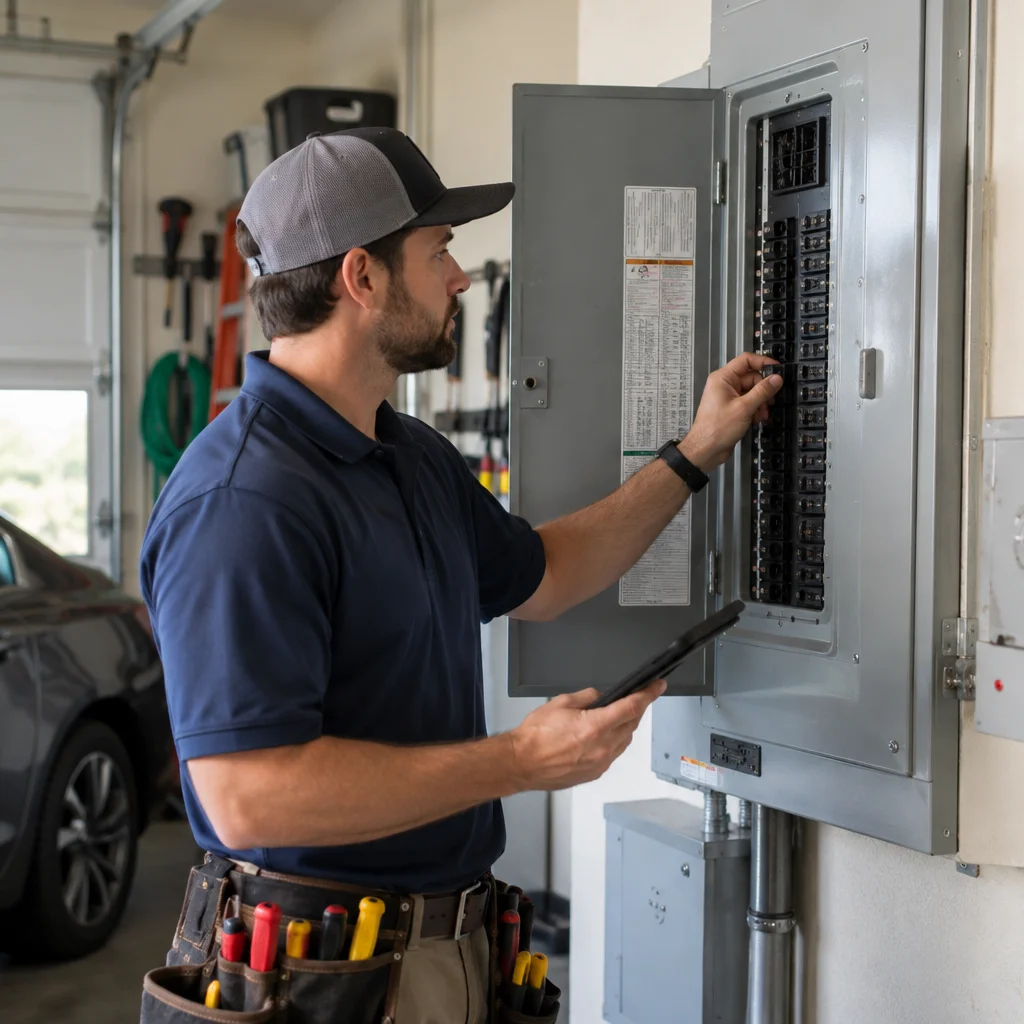
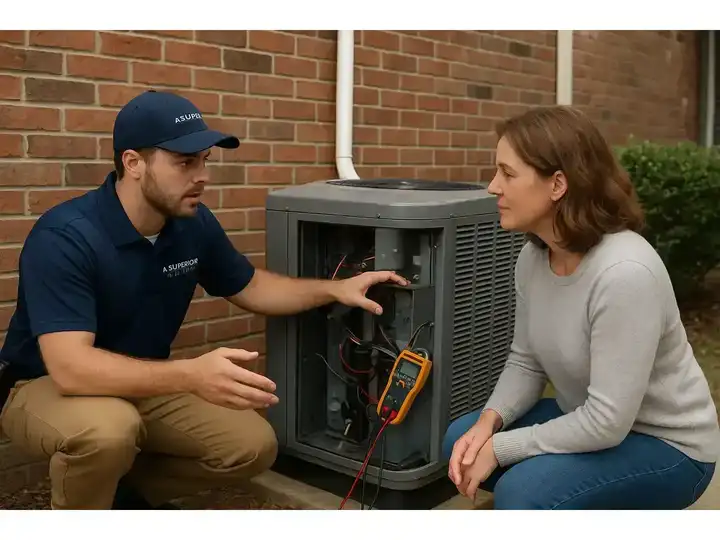
A good repair process usually starts with a focused inspection. Technicians should check the electrical system, airflow, refrigerant levels, condensate drainage, controls, and mechanical wear. That full picture helps separate symptoms from the actual problem. For example, a warm room may not be a thermostat issue at all. It could be a duct restriction, a failed actuator, or a coil that is packed with debris.
Businesses that want to minimize future surprises should also look beyond the immediate repair. If a system has needed repeated fixes, the underlying cause may be an aging component, poor installation, or a building condition that is overloading the equipment. In some cases, pairing repair work with related services like camera inspection or pipe replacement can help identify hidden issues tied to drainage, leaks, or structural damage around the system.
How humidity changes the repair picture
Humidity is one of the biggest reasons commercial HVAC systems in Lynn Haven need careful attention. A system can be cooling the air and still leave the building uncomfortable if it is not removing enough moisture. That is why a repair should never stop at the thermostat reading alone.
When humidity stays high inside a building, it can lead to condensation, musty odors, corrosion, and even mold growth around vents, drain pans, and ductwork. Restaurants, medical offices, and retail spaces are especially sensitive to these problems because comfort and air quality directly affect customers and operations. A system that is running but not dehumidifying properly may have a clogged drain line, low airflow, a refrigerant imbalance, or a failing component in the cooling cycle.
Local service teams are often better prepared to spot these issues because they see the same climate pressures every day. That experience helps them recommend repairs that hold up in Bay County conditions instead of offering a quick patch that fails during the next heat wave.
Maintenance habits that reduce repair calls
Commercial HVAC repair is sometimes unavoidable, but a lot of emergency work can be reduced with steady maintenance. The goal is not to eliminate wear and tear. The goal is to catch small issues before they interrupt business.
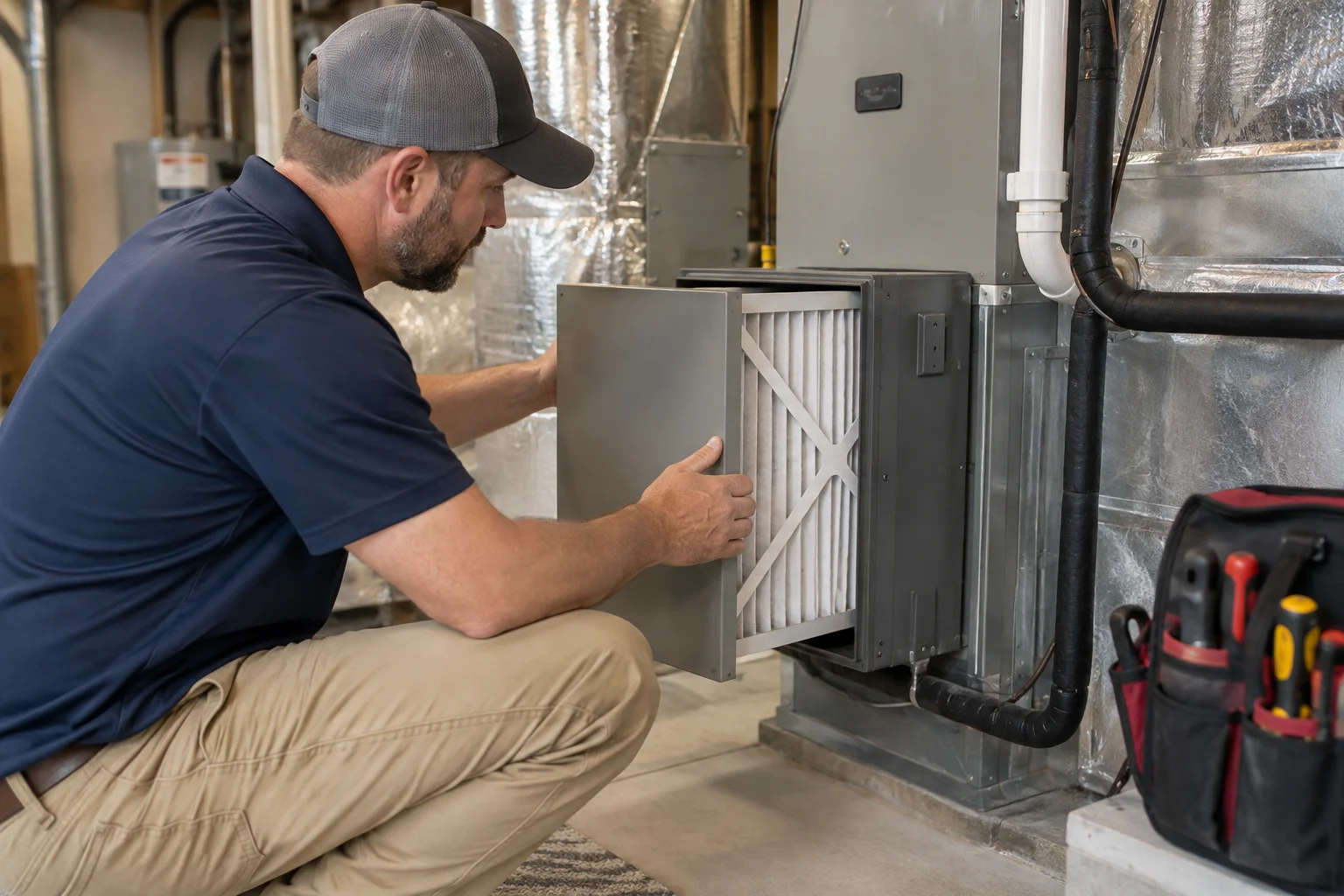
Filter changes should happen on a regular schedule, especially in buildings with heavy foot traffic or dusty surroundings. Coils should be cleaned before buildup starts affecting performance. Drain lines need to stay clear so moisture can exit the system properly. Thermostats and controls should be checked for accuracy, and electrical connections should be inspected for wear or corrosion.
In Lynn Haven, seasonal maintenance is especially valuable before the hottest months arrive. A pre summer inspection can uncover weak capacitors, refrigerant leaks, clogged drains, and airflow restrictions before the system is pushed to its limit. That kind of planning often costs less than an urgent repair after hours or during a busy business day.
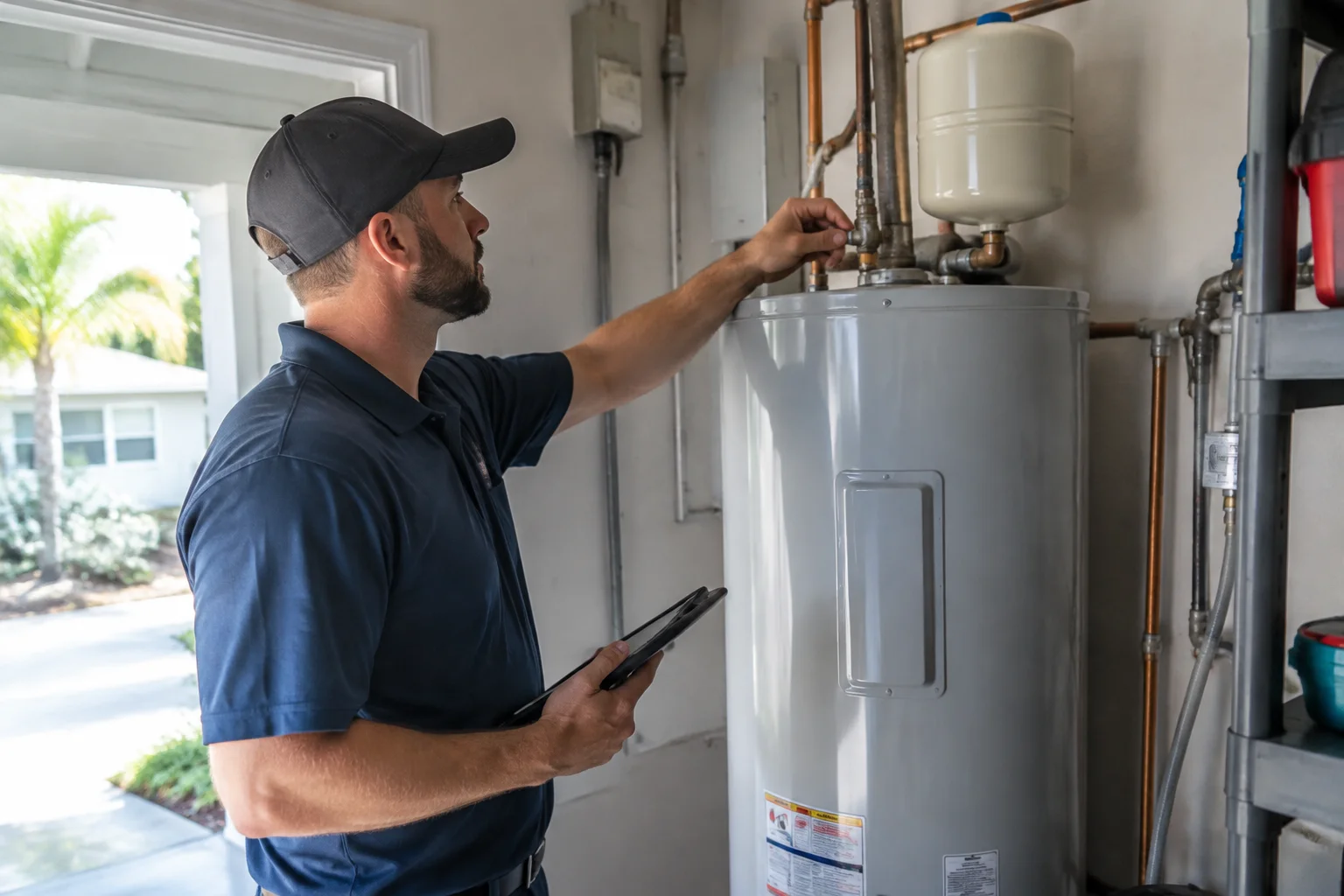
For properties that are already dealing with older building systems, it can also make sense to address nearby plumbing concerns that affect equipment spaces. Services like plumbing replacement and water heater installation may not be part of the HVAC system itself, but they can support a more stable mechanical room and reduce moisture related problems.
How to decide whether repair is enough
Not every failing commercial HVAC system needs to be replaced right away. In many cases, a targeted repair is the right move, especially if the equipment is still relatively efficient and the issue is isolated. The decision usually depends on age, repair history, energy use, and how well the system is meeting the building’s needs.
If a unit is constantly breaking down, struggling to keep up, or using far more energy than it should, the repair may only buy limited time. On the other hand, if the problem is a failed contactor, a worn capacitor, a refrigerant leak, or a clogged drain, a skilled repair can restore dependable operation without a major investment.
Business owners who are planning ahead may also want to read A Smarter Way to Pay for HVAC Upgrades in Lynn Haven. It is useful background if your repair conversation starts turning toward equipment replacement or larger upgrades.
Why local response time matters in commercial settings
When a commercial HVAC system fails, response time affects more than comfort. It can affect employee productivity, customer experience, inventory, and even sensitive equipment. A restaurant kitchen, medical waiting room, office suite, or retail showroom can all lose value fast if temperatures climb and humidity gets out of control.
That is why working with a local company in Lynn Haven can make a real difference. Crews that know the area can often reach jobs faster, understand the common building types, and bring the right parts and tools for the most likely problems. They also know how weather patterns in Bay County can change the urgency of a repair. A system issue that might be tolerable in cooler weather can become a same day problem during a humid summer afternoon.
If your business has already had repeated service calls, it may be useful to compare your situation with similar local conditions. Articles like How Local Weather Affects Commercial HVAC Repair in Destin, FL and What to Expect From Commercial HVAC Repair in Upper Grand Lagoon, FL show how nearby Gulf Coast communities face many of the same climate related pressures.
What a good repair visit should accomplish
A quality commercial HVAC repair visit should leave you with more than a temporary fix. You should know what failed, why it failed, what was repaired, and whether anything else needs attention soon. That kind of clarity helps you plan budgets, schedule maintenance, and avoid avoidable interruptions.
It should also give you a better sense of the system’s overall condition. If the technician finds signs of corrosion, blocked drainage, airflow imbalance, or worn electrical parts, those details matter. They can help you decide whether to schedule follow up work now or later, instead of waiting for another breakdown.
For Lynn Haven business owners, that is the real value of a smarter repair approach. It keeps the focus on building reliability, not just getting the air moving again for a few more days.
To learn more about local service options, visit the Lynn Haven service area page or review our commercial HVAC repair page for direct help with your building’s needs.
When commercial HVAC problems start affecting your building, a fast response and a careful diagnosis can save time, money, and unnecessary stress. In a climate like Lynn Haven’s, that is not a luxury. It is part of keeping a business running smoothly.
Find Commercial HVAC Repair in Lynn Haven, FL
If you need Commercial HVAC Repair in Lynn Haven, FL, visit our local service page or contact A Superior Mechanical today.
Map of Lynn Haven, FL
Frequently Asked Questions
How often should commercial HVAC systems be serviced in Lynn Haven, FL?
Most commercial systems in Lynn Haven should be inspected at least twice a year, usually before the cooling season and again later in the year. Heavy use, humidity, and coastal air can make more frequent checks worthwhile.
What causes commercial HVAC systems to fail more often in Bay County?
High humidity, long cooling seasons, salt air, clogged drains, dirty coils, and electrical wear all contribute to more frequent service needs. Buildings with heavy foot traffic or older ductwork can also see more problems.
Can a repair improve humidity control in a commercial building?
Yes. If the issue is tied to airflow, refrigerant levels, drainage, or a failing component, a repair can improve how well the system removes moisture. That often makes the building feel cooler and more comfortable.
How do I know if my system needs repair or replacement?
If the system has frequent breakdowns, rising energy bills, or major performance problems, it may be time to compare repair costs with replacement. A technician can help evaluate the age, condition, and repair history of the unit.
Related Articles
Photo Gallery