Panama City weather moves quickly, and so do the day to day effects of hard water in many Bay County homes. If you are seeing hard water spots on glass, scale buildup around faucets and showerheads, or laundry that feels stiff after washing, you are not imagining it. Planning ahead for water softening services helps you avoid rushed decisions, protects plumbing and appliances, and keeps your family’s drinking, cooking, bathing, and cleaning water in better shape.
A Superior Mechanical provides professional water softener installation and service in Panama City, FL. This guide walks through the practical steps homeowners can take before service day, plus what to consider if you are also exploring whole home water filtration or reverse osmosis for cleaner drinking water.
Start with what you are already seeing in your Panama City home
Before you call for water softener service near me, take a few minutes to document the symptoms. Hard water issues tend to show up in predictable places, and those patterns help a technician recommend the right equipment and settings.
Common hard water signs around the home
Look for these indicators in your daily routine:
- Hard water spots on glass, dishes, and fixtures. You may notice cloudy film on drinking glasses or a chalky look on cookware after washing.
- Scale buildup around faucets and showerheads. Mineral deposits often collect at the water outlet and along the edges of fixtures.
- Dry skin or dull hair after bathing. Soap can feel like it does not rinse clean, leaving a residue that makes skin feel tight.
- Soap that does not lather or rinse well. If shampoo and bar soap struggle to foam, it is often a sign minerals are interfering with cleaning.
- Metallic, chlorinated, or unpleasant taste in drinking water. Even when water looks clear, taste and odor concerns can point to filtration needs.
- Cloudy ice cubes. This is a common clue that minerals and sediment are affecting water quality.
- Sediment, discoloration, and odor concerns. Visible particles or changes in color can be a sign you need filtration in addition to softening.
- Poor tasting coffee and cooking water. Water chemistry can impact flavor extraction and how sauces and soups turn out.
- Appliances wearing out faster, especially water heaters, dishwashers, and washing machines. Scale can reduce efficiency and increase wear.
If you have noticed several of these, it is a strong sign that hard water treatment becomes part of protecting fixtures and appliances, not just improving comfort.
Understand how hard water affects daily life in Bay County
Many homeowners focus on the visible problems, like scale buildup around faucets. But the impact of hard water is broader, especially in a coastal area where water chemistry can vary across neighborhoods and service lines.
Here is how better water for drinking and cooking and softer water for bathing and laundry can change everyday routines:
- Kitchen scenes: You might be scrubbing mineral film off glasses, running the dishwasher extra cycles, or noticing that coffee tastes flat. When minerals are reduced, soap performance improves and taste can become more consistent.
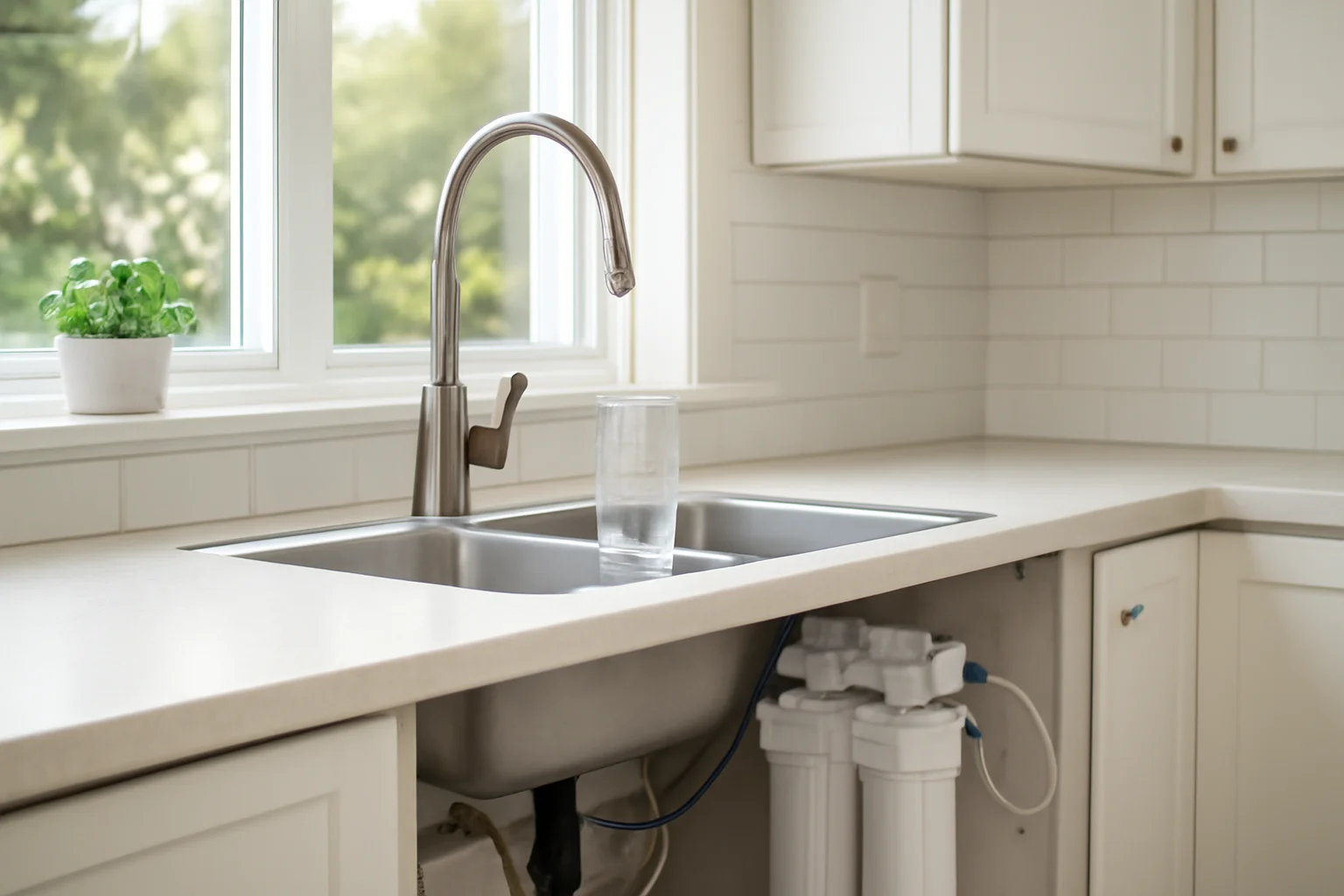
- Drinking water: If you are dealing with metallic or chlorinated taste, a whole home approach or targeted drinking water filtration can help. Some families choose reverse osmosis installation near me for drinking and cooking water at the kitchen sink.
- Bathing: Softer water can help soap rinse clean, which often means less residue on skin and hair.
- Laundry: Clothes and towels may feel scratchy when minerals bind with detergents. Soft water can improve how laundry rinses and reduces the “build up” feeling.
- Fixtures and plumbing: Scale buildup on faucets and showerheads is not just cosmetic. Over time, it can reduce flow and contribute to maintenance problems.
Planning ahead means you can address both comfort and long term protection, instead of reacting after a water heater or appliance starts failing.
Know what service you actually need: softening, filtration, or both
Homeowners searching for water filtration near me often discover that “one system” might not solve every problem. Hard water treatment and clean water filtration can overlap, but they do different jobs.
Water softening: the mineral control system
Water softening is designed to reduce hardness minerals that cause scale buildup around faucets and showerheads, interfere with soap, and shorten appliance life. If your main concerns are scale, soap performance, and dry skin or dull hair after bathing, a water softener is usually the foundation.
Whole home water filtration: cleaner water throughout the house
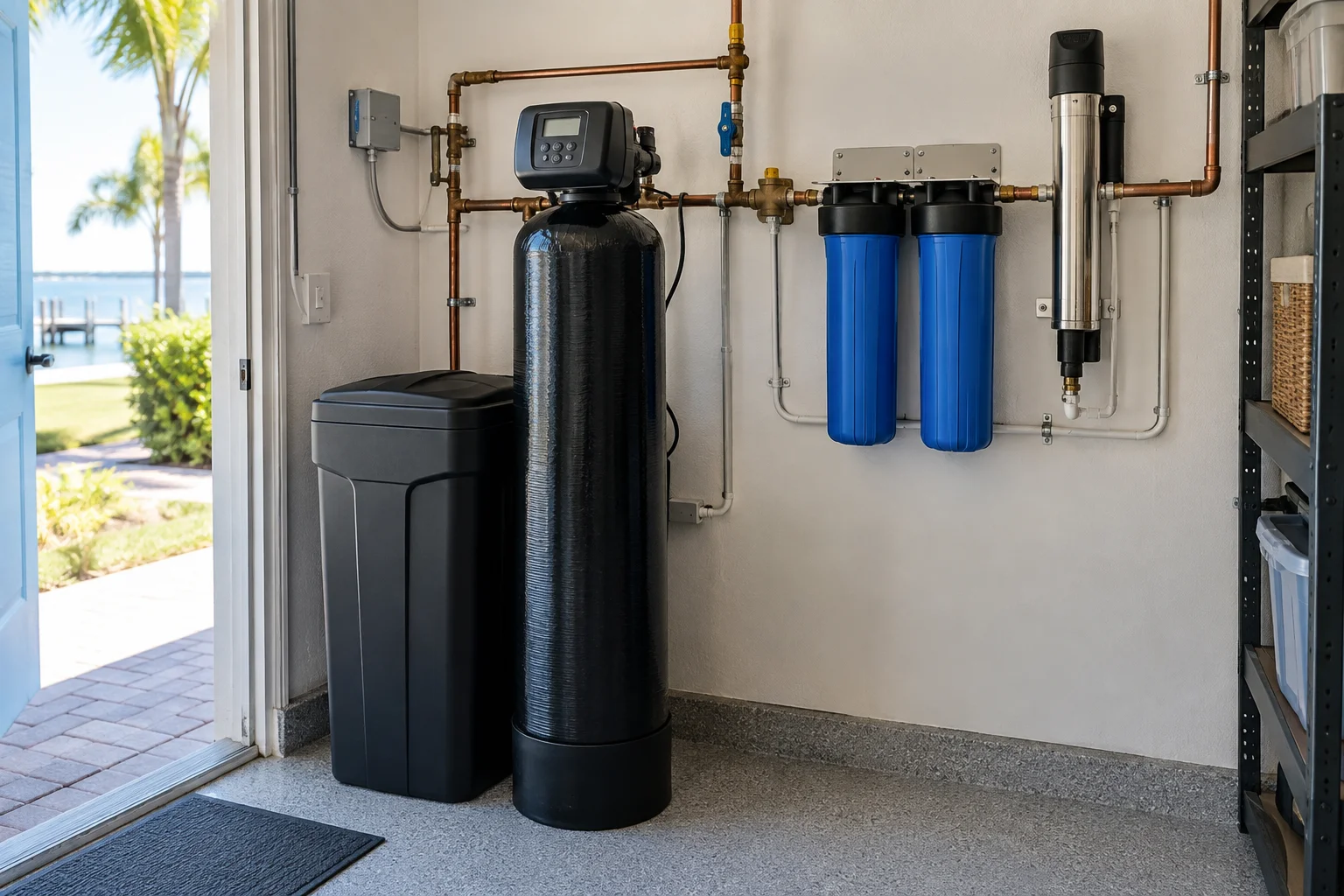
Whole home water filtration can help address sediment, discoloration, and odor concerns that affect laundry, bathing, and even how appliances run. For households dealing with visible sediment or cloudy ice cubes, filtration is often a key step.
If you want a whole house approach, explore options like AO Smith water filtration paired with softening, depending on your water conditions.
Reverse osmosis: targeted drinking and cooking water
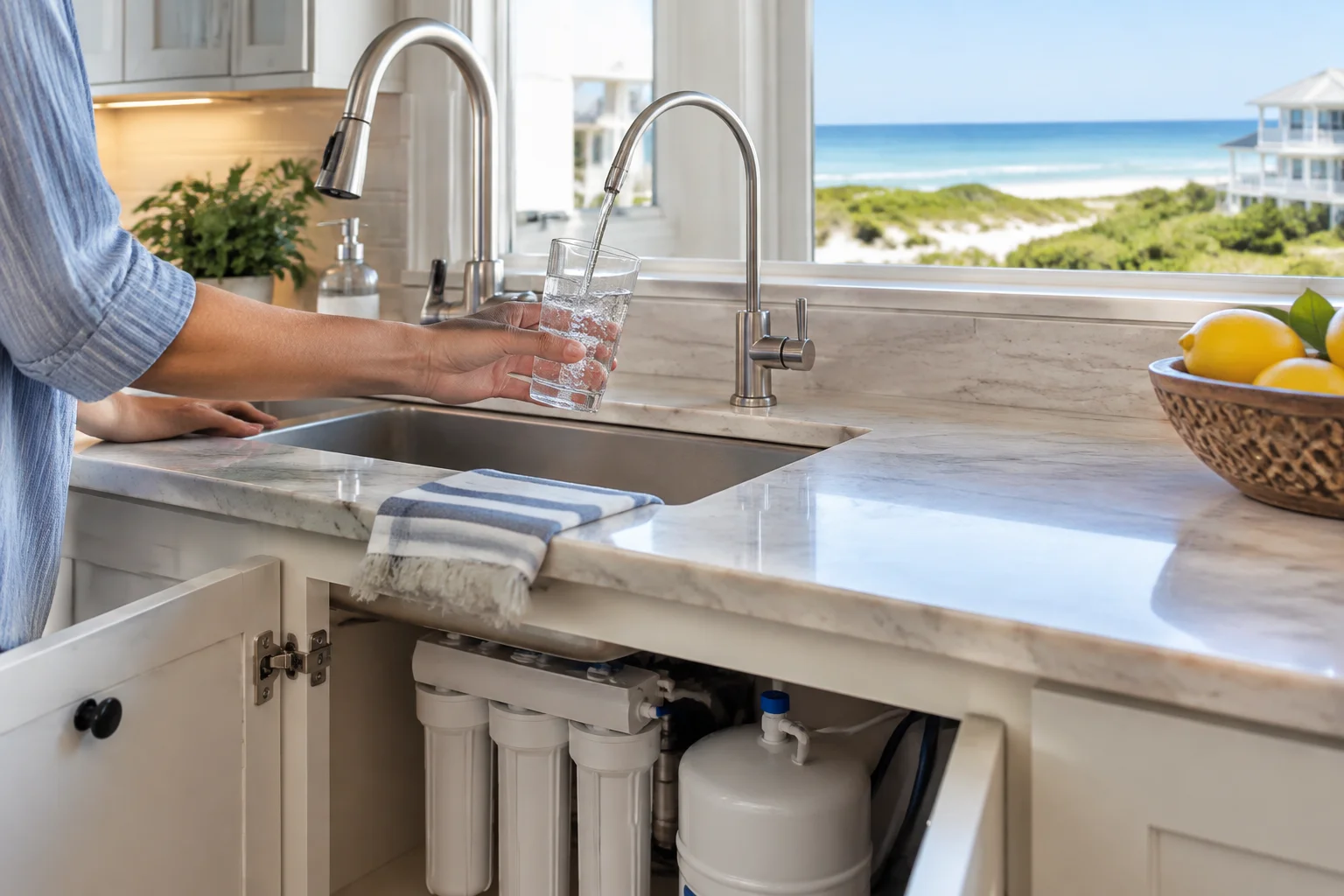
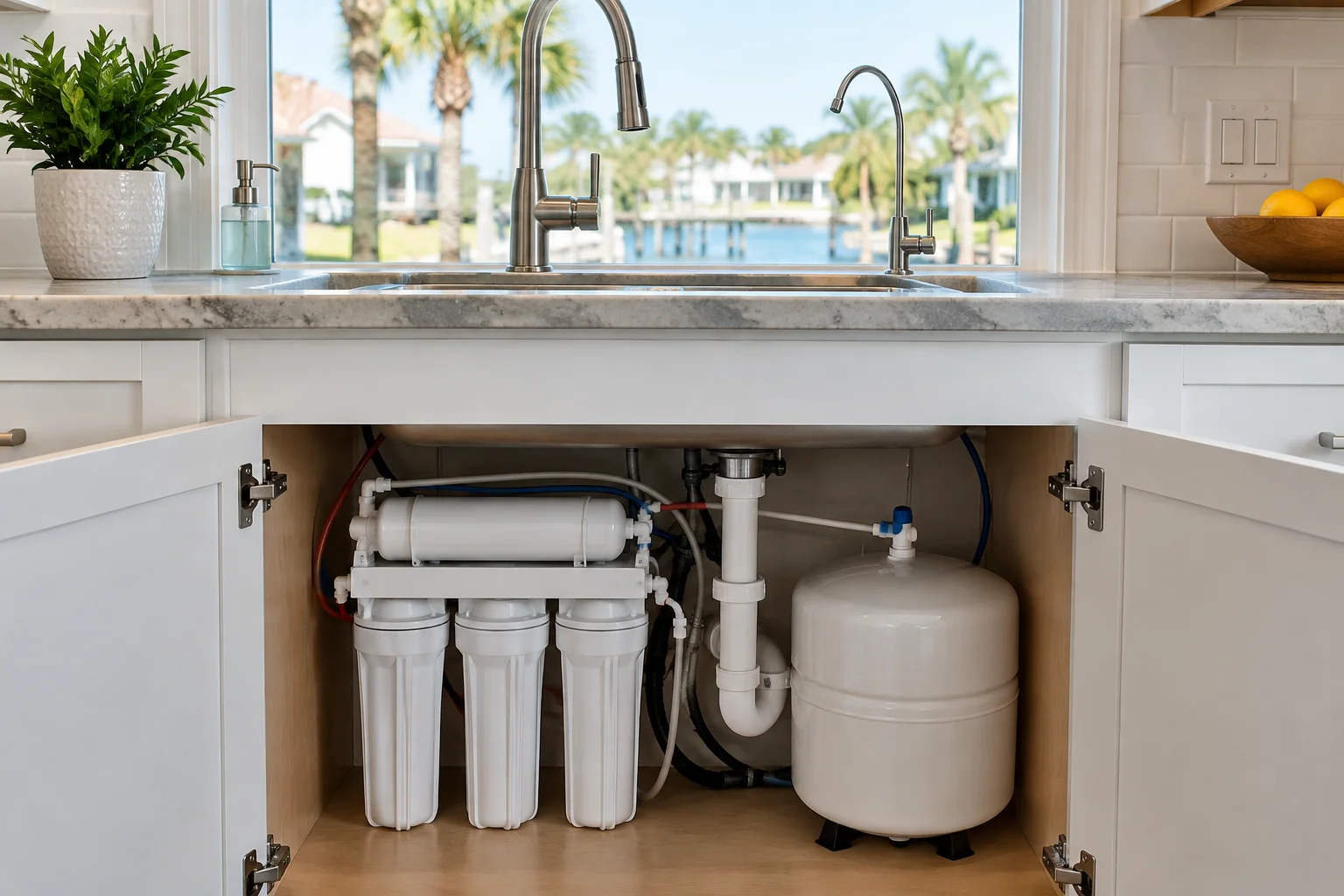
For families focused on better drinking water, reverse osmosis can be a strong choice. Many homeowners look for reverse osmosis installation near me when taste, odor, and consistency matter most at the kitchen tap.
Reverse osmosis systems are often used for drinking water and cooking water, while the rest of the home benefits from softening and, when needed, whole home filtration.
If you are exploring a broader setup, you can review the main options here: /water-filtration-ro-water-softeners.
Prep before the technician arrives
Scheduling water softener service is easier when you have a few details ready. It also helps the visit stay focused, especially if you are comparing installation options or service levels.
Collect a few home water clues
Gather what you can:
- Photos of scale buildup on faucets, showerheads, and glassware.
- Any notes on water taste or odor, including metallic, chlorinated, or unpleasant flavors.
- When you first noticed symptoms and whether they are getting worse.
- Information on your current system, if you already have one (brand, age, and any recent repairs).
- Any appliance issues you suspect are related, such as faster cycling, reduced hot water performance, or unusual residue.
Check your installation area
Even before service day, you can plan for access. Water softeners and filtration equipment need proper space and connections. Make it easier by:
- Clearing the area around your water heater, main shutoff valve, and any existing filtration equipment.
- Noting whether the system is near laundry lines, irrigation lines, or areas where plumbing modifications might be needed.
- Ensuring you can access the main water shutoff and drain line if your home has one.
If you are not sure where the best location is, the technician will evaluate your home layout, but clearing access helps prevent delays.
Plan for timing based on Panama City routines and schedules
One of the biggest reasons homeowners delay water softening services is timing. You are balancing work schedules, kids’ baths, laundry days, and meal prep. A simple plan helps reduce disruption.
Consider scheduling:
- During a period with lighter laundry so you can adjust routines if needed.
- When you can test water after installation. Taste and clarity checks, plus quick observations of soap lather and rinsing, help confirm the system is set correctly.
- Before major appliance milestones. If your water heater is approaching the end of its lifespan, addressing water hardness and sediment can support efficiency and reduce stress on the system.
Because Bay County homes can experience different water conditions across neighborhoods, planning early helps you get the right equipment and settings for your specific situation.
Budget smart: what affects the cost of softening and filtration
Homeowners often ask about pricing, but the best way to plan is to understand what influences total cost. The system type, home size, water conditions, and whether you need multiple treatment stages can change the recommendation.
Factors that influence installation and service
- Water hardness level, which affects the size and regeneration schedule of a water softener.
- Water quality issues beyond hardness, such as sediment in household water, discoloration, or odor concerns.
- Household size and usage, which impacts capacity planning.
- Existing plumbing and equipment, including the condition of valves and any current filtration setup.
- System configuration, like whole house water filter placement or reverse osmosis for drinking water.
If you are also dealing with plumbing clues that may affect water flow or system performance, review related guidance such as Plumbing Clues Around the Water Heater That Panama City Beach Families Should Not Ignore and A Smarter Way to Handle Plumbing Maintenance in Panama City Beach.
Maintenance planning: keep your soft water working
Installing a system is only part of the story. A good maintenance plan protects performance and helps you avoid service interruptions.
What homeowners can do regularly
- Watch for changes in soap performance, water taste, or the return of scale buildup on fixtures.
- Keep an eye on filters if you have whole home water filtration. Filter replacement timing affects water clarity and odor.
- Confirm salt or media supply if your system uses salt. Running out can cause hardness to show up again.
- Track appliance performance. If residue returns or appliances seem to struggle, it can be a sign the system is not operating as expected.
Why local service matters
Coastal humidity and seasonal usage patterns can affect how quickly mineral deposits form and how systems perform over time. When hard water treatment becomes part of protecting fixtures and appliances, consistent service helps you avoid small problems that turn into bigger ones.
If you want more maintenance context for coastal homes, see Keeping Panama City Beach Plumbing Ready for Coastal Living and Small Plumbing Repairs That Save Panama City Beach Homes from Bigger Trouble.
Build a “treatment plan” for your household
Not every home needs the same setup. A practical approach is to match treatment to what your family notices most.
Example plan for a typical Panama City household
- For scale and soap issues: prioritize water softening to reduce hardness and prevent scale buildup around faucets and showerheads.
- For cloudy ice cubes, sediment, or odor concerns: add whole home water filtration to address sediment in household water and improve clarity.
- For drinking water and cooking water taste: consider reverse osmosis for the kitchen, especially if you notice metallic tasting water or poor tasting coffee and cooking water.
This kind of combined strategy can help you get better water for drinking and cooking while also improving bathing and laundry results. If you prefer a specific brand line, ask about AO Smith water filtration options and how they pair with softening.
Choose the right next step in Panama City
If you are ready to plan ahead, start with the service page for local coverage and guidance: /service-areas/bay-county/panama-city/water-softening-services-fwbpcfl. You can also explore service coverage across the area on /service-areas/bay-county and learn more about local needs on /service-areas/bay-county/panama-city.
When hard water shows up in your glassware, fixtures, and skin routines, it is a sign your water system deserves attention now, not later. A Superior Mechanical helps homeowners select equipment that fits their home, their water conditions, and their daily goals for cleaner, softer water.
Quick checklist to plan your water softening service appointment
- Take photos of hard water spots on glass and scale buildup on faucets and showerheads.
- Note taste or odor concerns like metallic, chlorinated, or unpleasant flavors.
- Check for cloudy ice cubes and any sediment or discoloration.
- List appliances affected, such as water heater performance, dishwasher residue, or laundry feel.
- Decide whether you want whole house water filter coverage, reverse osmosis for drinking, or both.
- Clear access near the main plumbing shutoff and equipment area.
With those steps done, you can move from noticing problems to getting the right water treatment plan for your Panama City home.
Find Water Softening Services in Panama City, FL
If you need Water Softening Services in Panama City, FL, visit our local service page or contact A Superior Mechanical today.
For a broader look at whole-home water filtration, reverse osmosis, and water softener options, visit our water filtration, RO, and water softener page.
Map of Panama City, FL
Frequently Asked Questions
How do I know if I need a water softener or just water filtration?
If you are seeing scale buildup around faucets and showerheads, hard water spots on glass, and soap that does not lather well, a water softener is usually the core need. If you also have sediment in household water, cloudy ice cubes, or odor and taste issues, whole home water filtration and possibly reverse osmosis for drinking water may be recommended.
Will water softening help with dry skin and dull hair after bathing?
Often, yes. Hard water can leave mineral residue that makes soap rinse less effectively. Softer water typically improves how soap and shampoo perform, which can reduce the “tight” feeling and help hair feel cleaner after bathing.
What is reverse osmosis used for in a home?
Reverse osmosis is commonly used to improve drinking water and cooking water at the kitchen tap. If you notice metallic tasting water, unpleasant taste, or poor tasting coffee water, an RO system can provide more consistent, cleaner-tasting water.
How often do water softeners and filtration systems need maintenance?
Maintenance schedules vary by system type and household water usage. Many softeners require periodic checks and salt or media management, while whole home filters need filter changes based on water conditions. A professional service plan helps keep performance steady.
Can I plan water softening service around my schedule in Panama City?
Yes. Many installations can be coordinated to minimize disruption to bathing and laundry. It helps to schedule during a lighter laundry period, clear access near the plumbing equipment, and plan to test water and adjust routines after the system is set.
Related Articles
Photo Gallery