A Superior Mechanical helps homeowners around Alys Beach, FL keep dependable hot water through the year. With coastal humidity, hard water, and frequent home water use, water heaters in Walton County take a beating. The good news is you can catch many plumbing problems early with a few practical checks and a simple maintenance routine.
This guide focuses on water heater maintenance for Alys Beach homes, including tank and tankless systems. You will learn what to look for, why it happens, what you can safely do yourself, and when it is time to schedule professional water heater maintenance.
Why Alys Beach water heaters need extra attention
Most Alys Beach homes are designed for comfort and efficiency, but plumbing still faces real-world conditions. Coastal weather brings humidity and salt exposure, and local water quality often includes minerals that contribute to hard water scale. Over time, scale builds inside tanks, reduces heat transfer, and makes the unit work harder to maintain temperature.
At the same time, many households see higher hot water demand from showers, laundry, and outdoor rinsing after beach days. That steady usage increases cycling, which can stress components like the dip tube, heating elements, burner assembly, and temperature pressure relief valve (TPR valve).
If you have noticed swings in water pressure, slower recovery, or inconsistent hot water, it can be a sign that your water heater is already losing efficiency. Catching these issues early can prevent bigger plumbing repairs such as leak repair, pipe repair, or even slab leak repair in homes where plumbing runs underground.
Start with the basics: what to check every month
You do not need to be a plumber to spot early warning signs. A quick monthly routine can help you avoid emergency plumbing situations like a sudden failure, overheating, or a hidden leak behind a wall.
1) Look for moisture around the unit
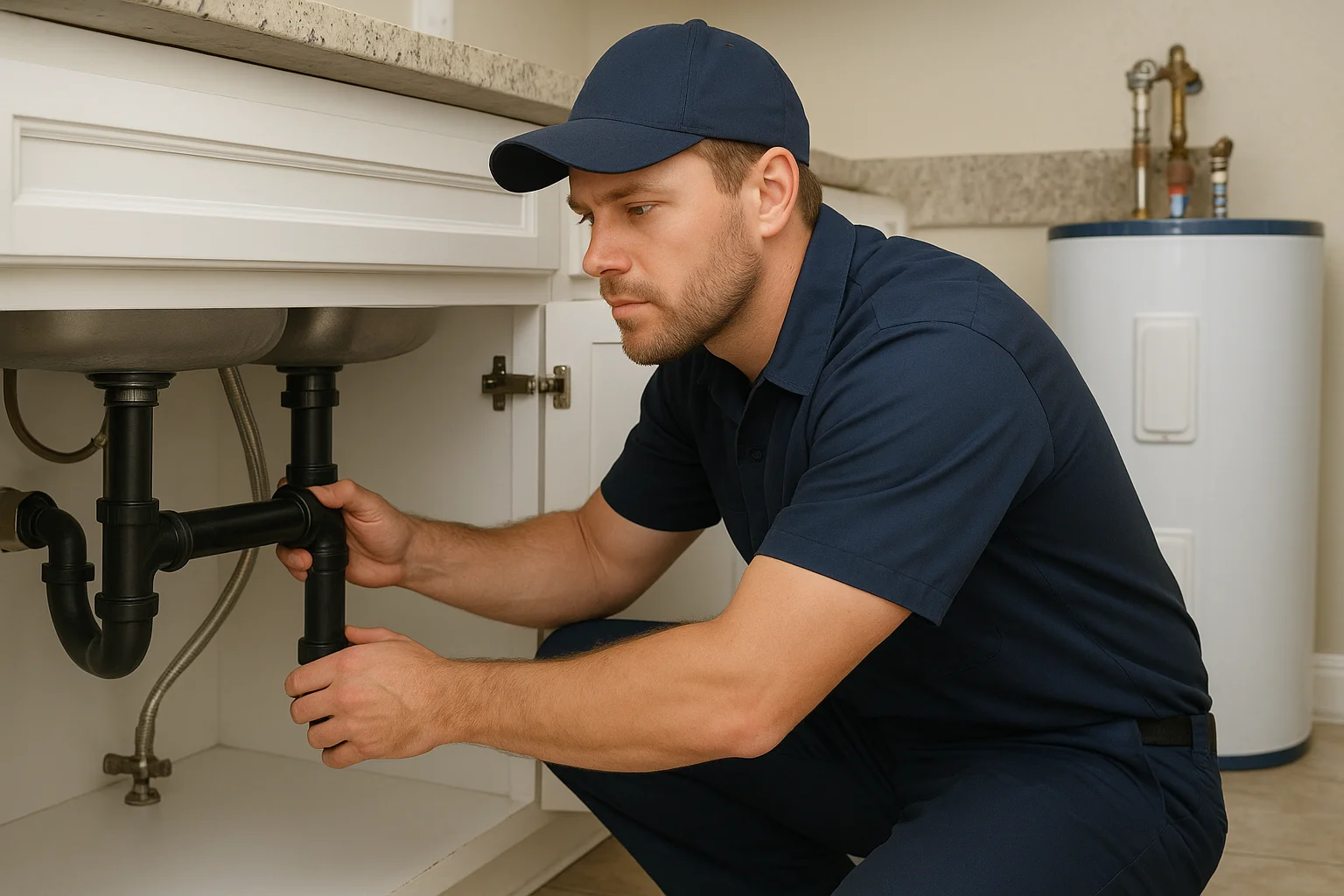
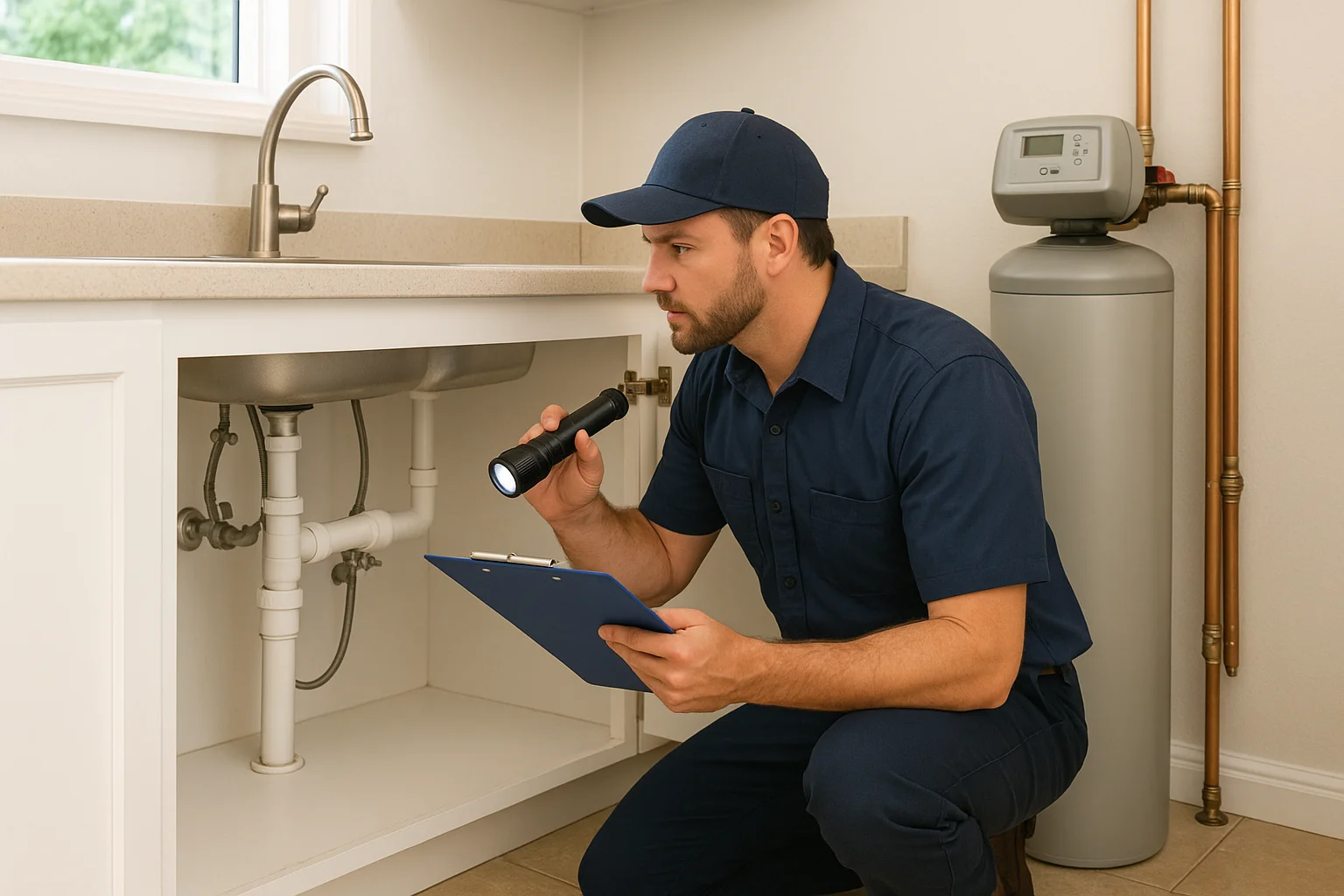
Check the floor, drain pan, nearby fittings, and the area where pipes connect to the water heater. Even a small damp spot can mean a failing valve, a loose connection, or condensation. If you find wetness, wipe it dry and check again later to confirm whether it is ongoing.
For tank systems, pay attention to the drain valve, supply and discharge lines, and the TPR valve. A dripping TPR valve can indicate pressure or temperature issues that need professional attention.
2) Monitor hot water recovery and temperature stability
Notice whether the water heats as quickly as it used to. If showers are getting cooler sooner, or the heater takes longer to recover after laundry, the problem may be mineral buildup, failing heating elements, or a partially blocked venting system.
For tankless water heaters, inconsistent hot water can point to a flow issue, scaling inside the heat exchanger, or a sensor problem. Homeowners searching for tankless water heater repair near me often report similar symptoms.
3) Check water pressure where the heater feeds fixtures
If you see changes in water pressure at faucets or showerheads, do not assume it is only a fixture issue. Pressure fluctuations can affect the heater’s performance and can be related to buildup in pipes or a failing pressure regulator.
Also, if you are dealing with frequent toilet running or slow drain symptoms, it can be tied to overall plumbing flow. In some households, a clog or restriction in the drain system can create backpressure concerns that worsen other plumbing problems.
4) Listen for unusual sounds
After the unit runs, listen for popping, rumbling, or banging. These noises often happen when scale forms and traps heat, or when sediment collects and is disturbed. Addressing sediment early can improve efficiency and reduce the risk of premature failure.
Hard water and scale: the slow problem that causes expensive repairs
Hard water is common in many areas, and Alys Beach homes are not immune. Minerals settle on heating surfaces and inside piping, reducing heat transfer. Over time, this leads to:
- Higher energy use as the heater works harder to maintain temperature
- Lower hot water output or slower recovery for tanks
- Increased wear on valves, burners, and elements
- More frequent leak repair due to stressed connections
For tankless systems, scale is especially important. Because tankless units heat water on demand, mineral buildup can block flow paths and reduce efficiency quickly. That is why homeowners looking for tankless water heater services often benefit from regular flushing and inspections, not just repairs when something fails.
Tank water heater maintenance: practical steps that help
Tank water heaters are common in Walton County homes. They are also known for collecting sediment, especially if the water contains mineral content. Sediment can settle at the bottom and interfere with heating, which can lead to early failure.
Flush the tank on a schedule
A tank flush helps remove sediment. Many manufacturers recommend periodic flushing, though the ideal frequency depends on water hardness and usage. If you are not sure how often, ask a technician during your next service visit.
If you are considering DIY flushing, confirm the correct procedure for your specific model. Incorrect handling can damage components, and it can be messy. If your home has older plumbing connections or you notice any signs of leaks, a professional approach is safer.
Inspect and test the TPR valve
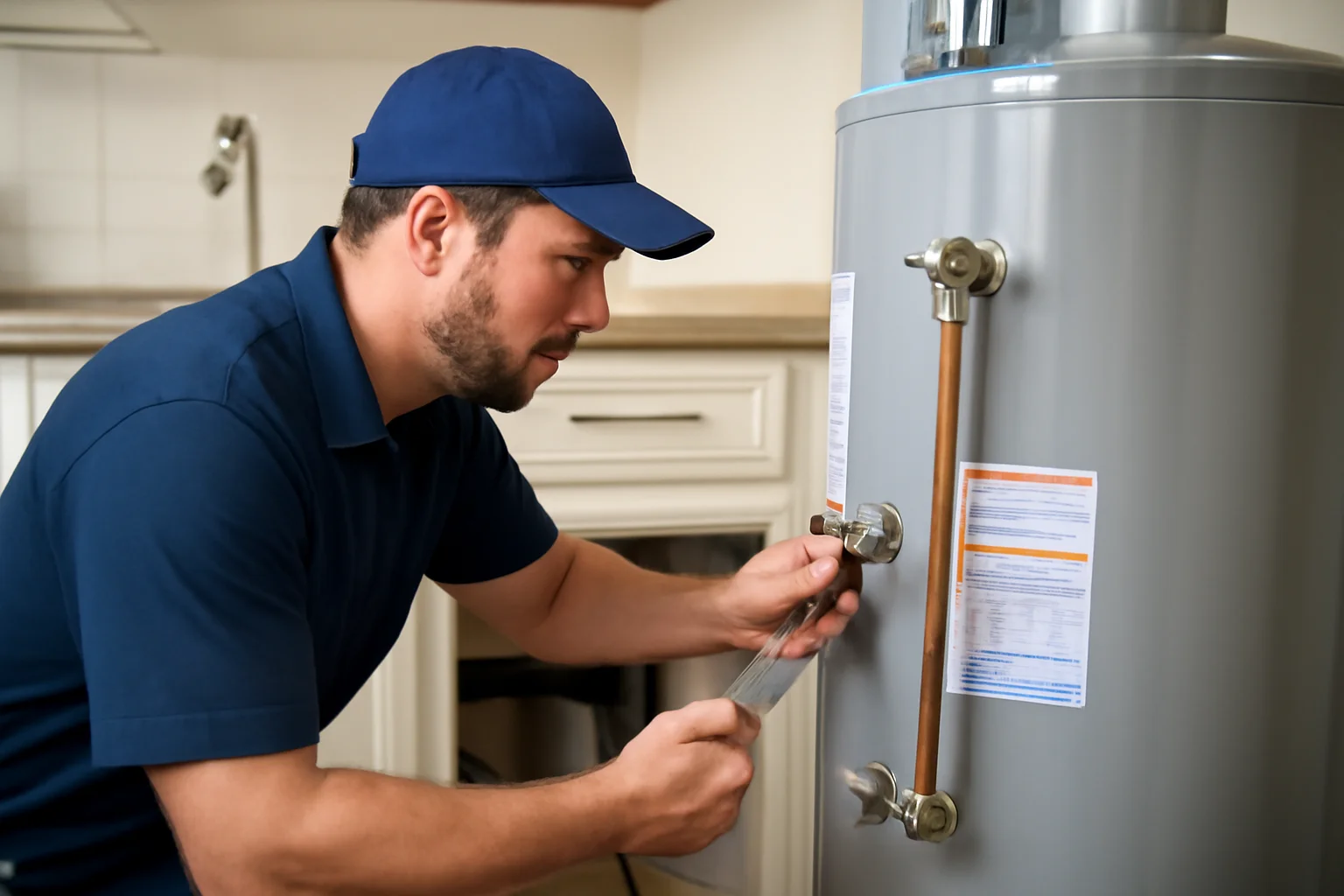
The TPR valve is a safety device that releases water if pressure or temperature gets too high. A valve that fails to function properly can create serious emergency plumbing concerns. If you see corrosion, leaking, or irregular discharge, schedule service.
Do not ignore a dripping TPR valve. It is one of the most common causes of water heater-related water loss and can also contribute to pressure problems that affect fixtures.
Check the anode rod condition
Many tank heaters include an anode rod that helps protect the tank from corrosion. When the rod is depleted, corrosion accelerates, which can shorten the life of the unit and increase the risk of leaks.
During a water heater maintenance visit, a technician can inspect the rod and recommend replacement if needed.
Tankless maintenance: how to prevent scaling and flow issues
Tankless water heaters are popular in many coastal and vacation homes because they can provide hot water on demand and save space. However, they still require maintenance to stay efficient.
Flush the heat exchanger
Flushing removes mineral buildup inside the heat exchanger. In hard water areas, this is one of the most effective ways to prevent reduced performance. If you notice that hot water delivery is slower or that the unit runs longer to reach temperature, scaling could be the cause.
Inspect filters and flow sensors
Tankless systems can have inlet filters or strainers that collect sediment. If those components clog, you may experience reduced flow, error codes, or shutdowns. A technician can inspect and clean the appropriate parts.
Verify venting and combustion air
Even though this guide focuses on plumbing, venting affects safe operation. Blocked venting can cause improper combustion and shutdowns. If your unit is gas-powered, do not ignore warning lights or error codes. Homeowners searching for hot water heater repair near me often find that a service visit resolves issues tied to maintenance neglect.
How to catch leaks early before they damage pipes and floors
Leaks are not always obvious. A small drip can turn into a larger plumbing repair once it saturates drywall, cabinet bottoms, or subfloor areas. In some cases, water can travel along framing and create staining patterns that are hard to trace.
Watch for these early leak indicators
- Water spotting near the heater or around connected pipes
- Rusty streaks on fittings or valves
- Musty odors in a utility closet
- Unexpected increases in water use
- Wetness under a drain pan or near a discharge line
If your home uses a slab foundation, hidden moisture can sometimes lead to serious concerns like slab leak repair near me. While not every leak is a slab leak, any persistent wet area or unexplained water loss deserves prompt investigation.
Do not overlook condensation
Some moisture can be normal, depending on installation and humidity. But you should still investigate recurring dampness. Coastal humidity in Alys Beach can make condensation more noticeable, and it can be hard to distinguish from an actual leak. A professional inspection can confirm what is going on and reduce the chance of missing a slow failure.
Drains, sewer lines, and the water heater connection people miss
Many homeowners think water heaters only affect hot water. In reality, the plumbing system is connected. If your drains or sewer lines are struggling, it can create pressure and flow problems that affect the entire home.
Clogs can show up as “hot water problems”
When a drain is partially blocked, you may notice gurgling, slow draining, or backups. Sometimes the symptoms appear during heavy hot water use because multiple fixtures are running at once. That is why a clogged drain repair can prevent “mystery” issues that seem like they are coming from the heater.
If you are searching for drain cleaning because you have recurring slow drains, it is also smart to ask whether the water heater discharge lines and nearby plumbing are functioning correctly.
Know the difference between a drain issue and a sewer line issue
A local plumber may recommend a sewer line inspection when backups happen repeatedly. Coastal homes can also face shifting soil conditions, and older pipe materials may be more vulnerable. If you have recurring backups, call a professional rather than repeatedly using chemical drain cleaners.
For homeowners dealing with persistent waste line problems, finding a reliable plumber near me who can handle both water heater concerns and sewer line help is a major advantage.
Water pressure, fixtures, and why maintenance reduces call-outs
Water pressure affects everything. If pressure is too high, it can stress valves and connections near the heater. If pressure is too low, you may see weak flow at showers and faucets, which can make the heater work longer.
Maintenance also helps protect fixtures. For example, if you are dealing with a faucet repair near me request because a hot-side valve drips or a shower valve feels inconsistent, the root cause might be sediment or pressure changes affecting the hot water line.
Similarly, toilet problems can be impacted by whole-home pressure and supply line performance. If you are searching for toilet repair near me due to frequent running or slow fills, it is worth having a technician evaluate supply pressure and check for underlying plumbing restrictions.
When weather and coastal conditions change the risk
Alys Beach experiences warm temperatures, humid stretches, and occasional storms. These conditions can affect plumbing in a few ways:
- Power outages can disrupt heater operation and create reset issues
- Storm-related impacts can loosen connections or damage venting routes
- Humidity can make condensation and corrosion more noticeable
After severe weather, check for new moisture around the water heater and any nearby shutoff valves. If you notice water where there was none before, treat it as an urgent plumbing concern.
DIY checks versus professional water heater service
You can handle a few safe checks, but water heater maintenance often involves tasks that benefit from training and the right tools.
Safe homeowner checks
- Visual inspection for leaks or corrosion
- Monitoring hot water recovery time
- Noting changes in water pressure at fixtures
- Checking for unusual noises
Tasks best left to professionals
- Flushing procedures for tank and tankless units
- Testing and replacing safety components like the TPR valve
- Inspecting venting and combustion systems for gas models
- Diagnosing intermittent hot water performance issues
- Leak detection in hard-to-access areas, including near slab plumbing
If you are dealing with a persistent leak, low hot water, or repeated error codes, it is smarter to schedule service than to wait for a bigger failure. For homeowners who need fast help, asking about same day plumber near me options can reduce damage risk.
Emergency plumbing concerns: what to treat as urgent
Some water heater symptoms should be treated as urgent. Do not delay if you notice any of the following:
- Active leaking that is soaking floors or cabinets
- Water discharge from a relief valve that does not stop
- No hot water plus signs of overheating or burning smells
- Severe water pressure changes affecting the entire home
- Signs of a hidden leak, such as unexplained water use or damp drywall
In those situations, searching for emergency plumber near me is the right move because water damage and pressure-related problems can escalate quickly. A Superior Mechanical can help assess the cause and address the leak repair or water heater service needed to restore safe operation.
Planning ahead: maintenance that extends the life of your system
Water heater maintenance is not just about preventing breakdowns. It is about protecting your whole plumbing network. When scale is controlled, valves operate correctly, and leaks are caught early, you reduce the chances of secondary problems like clogged drains, stressed pipes, and fixture failures.
If you are planning a long-term update, you can also use maintenance visits to discuss future upgrades. For example, if your home has frequent hot water demand, you may want to ask whether a tankless system is a good fit. Homeowners searching for tankless water heater replacement near me often benefit from an evaluation of current pipe sizes, water pressure, and hot water demand patterns.
And if your heater is old and repeatedly failing, a technician can explain whether repair is practical or if a water heater replacement near me plan makes more sense. This is especially helpful for rental properties and beach homes where hot water reliability is non-negotiable.
Helpful local resources and related plumbing topics
Home maintenance is easier when you connect the dots across your plumbing system. If you want to strengthen your overall approach, these articles can be useful:
- Keeping Hot Water Reliable in Alys Beach Starts With Better Water Heater Maintenance
- Planning a Reverse Osmosis System for an Alys Beach Home (helpful if you are thinking about managing hard water)
- Smoke Detectors and Carbon Monoxide Safety in Alys Beach Homes (relevant for gas water heaters)
If your current issue involves more than hot water, you can explore related services in Alys Beach as well:
For homeowners who prefer one local team for ongoing care, choosing a provider that serves Walton County and understands local plumbing conditions can make maintenance more consistent and repairs more predictable. You can also review service coverage on Walton County, FL to see how A Superior Mechanical supports nearby neighborhoods.
Find Water Heater Maintenance in Alys Beach, FL
If you need Water Heater Maintenance in Alys Beach, FL, visit our local service page or contact A Superior Mechanical today.
Map of Alys Beach, FL
Frequently Asked Questions
How often should Alys Beach homeowners schedule water heater maintenance?
Most homes benefit from maintenance at least once a year. Tankless systems often need more frequent flushing depending on hard water and usage. Your unit type, age, and local water conditions can change the ideal schedule.
What are the first signs of a failing water heater?
Common early signs include inconsistent hot water, slower recovery, unusual popping or rumbling sounds, water discoloration, and moisture around connections or the TPR valve. Catching these early can prevent leak repair and larger plumbing repair needs.
Can hard water scale cause leaks or only efficiency problems?
Hard water scale mainly reduces efficiency and performance, but it can also contribute to component stress over time. Sediment can lead to overheating, valve wear, and connection strain, which increases the chance of leaks.
Is a dripping TPR valve always an emergency?
A dripping TPR valve should be treated seriously. It can indicate pressure or temperature problems, and it may lead to water damage. It is not always a full emergency, but it is a reason to schedule service promptly.
When should I call a plumber instead of trying to fix the issue myself?
If you see active leaking, recurring water discharge, no hot water with error codes, or signs of hidden moisture, call a professional. Technicians can diagnose the cause, check safety components, and perform tank or tankless flushing correctly.
Related Articles
Photo Gallery