Freeport, FL homes are built to handle Gulf breezes, but indoor comfort is a different story. Between the summer heat, high humidity, and salt air that can ride in with coastal winds, ductwork takes a lot of stress. When ducts are undersized, poorly sealed, damaged, or installed without matching the home’s airflow needs, you can end up with uneven cooling, moisture issues, and higher energy use.
This guide focuses on duct replacement in Freeport, FL and how homeowners can prevent common problems that show up after (or during) ductwork replacement. It is also a practical way to avoid emergency cooling concerns when the weather turns hot and sticky.
Why duct replacement is more than swapping old sections in Freeport
Duct replacement affects the entire comfort system: the supply airflow, return airflow, refrigerant system performance, and how well your thermostat can maintain temperature. In a humid climate like Freeport, the goal is not just to cool. You also need the system to remove moisture at the right time and move conditioned air where it belongs.
In many Freeport homes, duct problems are tied to:
- Airflow restrictions from crushed, disconnected, or sagging ductwork
- Leaky joints and poor duct sealing that let cool air escape before it reaches the living space
- Wrong duct size or layout that starves rooms of air or overwhelms others
- Condensate drainage concerns indirectly caused by poor airflow patterns and system run times
- Indoor air quality issues when ducts pull in dust, moisture, or outdoor air through gaps
Because your HVAC system works as a matched set, duct replacement decisions should be made around how your air conditioner or heat pump actually operates in your home, not just what looks easy during installation.
Common duct replacement problems that show up in humid, coastal weather
Freeport’s heat and humidity can turn small installation mistakes into big comfort problems. Here are issues homeowners often notice when duct replacement is needed or when ductwork is replaced but performance does not improve.
Uneven cooling and hot spots
If one room stays warm while others feel fine, the ductwork may be imbalanced or incorrectly sized. Leaks, duct restrictions, and poor register placement can all reduce airflow to the rooms that need it most.
Uneven airflow also pushes the refrigerant system to work differently than intended. That can lead to longer run times, higher energy use, and more humidity remaining indoors.
Humidity that will not budge
In Florida summers, comfort depends on both temperature and moisture removal. If ductwork is leaking or airflow is too high or too low, your AC or heat pump may not dehumidify effectively. You might feel “cold air” but still experience sticky indoor air.
Humidity problems are also more likely when ductwork is located in unconditioned spaces. If the ducts are exposed to hot attic air or humid crawlspace air, the temperature of duct surfaces can change, affecting how air and moisture behave inside the system.
Condensation near vents or along duct runs
Condensation can happen when cold air travels through ducts that do not have appropriate insulation or when airflow and system operation do not match the duct design. Even if your condensate drainage is functioning, duct-related moisture can still show up.
Homeowners sometimes mistake condensation for a “plumbing problem,” but the root cause is often airflow, duct insulation, or duct sealing that allows humid air to interact with cooler duct surfaces.
Dusty supply air and indoor air quality complaints
Gaps in duct joints or poorly connected sections can pull dust from attics, wall cavities, and crawlspaces into the living area. This can worsen allergies and irritate asthma symptoms.
If you have ductwork that has been compromised over time, duct replacement can improve indoor air quality when it is paired with careful sealing and a plan for proper airflow.
Higher energy bills after “replacement”
New ducts do not automatically mean lower energy use. If ductwork is not designed for the airflow your system needs, or if sealing is incomplete, your system may run longer to achieve the same thermostat targets. That is especially noticeable in Freeport when long cooling cycles are normal.
Prevention starts before the first duct is removed
The best duct replacement outcomes start with a solid evaluation. Homeowners can prevent many ductwork problems by asking the right questions and preparing for a thorough assessment.
Confirm the airflow plan with your HVAC contractor
Before duct replacement begins, a licensed HVAC contractor should consider your existing system, your home layout, and how air is supposed to travel. That includes supply and return pathways, airflow balance, and how the thermostat calls for cooling and heating.
In homes with heat pumps, the duct design also affects comfort during both cooling and heating seasons. Even in South Walton County, winter heating loads can differ from what people expect, especially when older ductwork was sized for different conditions.
Look closely at duct locations and exposure to humidity
Ask where the ducts run and whether they pass through attics, soffits, garages, or crawlspaces. In Freeport, these spaces can be hot and humid. Duct replacement should address:
- How ducts will be insulated
- How joints will be sealed
- How sections will be supported to prevent sagging
- How air leaks will be reduced at connections
This is one of the most practical ways to prevent future problems with airflow and moisture.
Be cautious with “duct cleaning near me” as a substitute
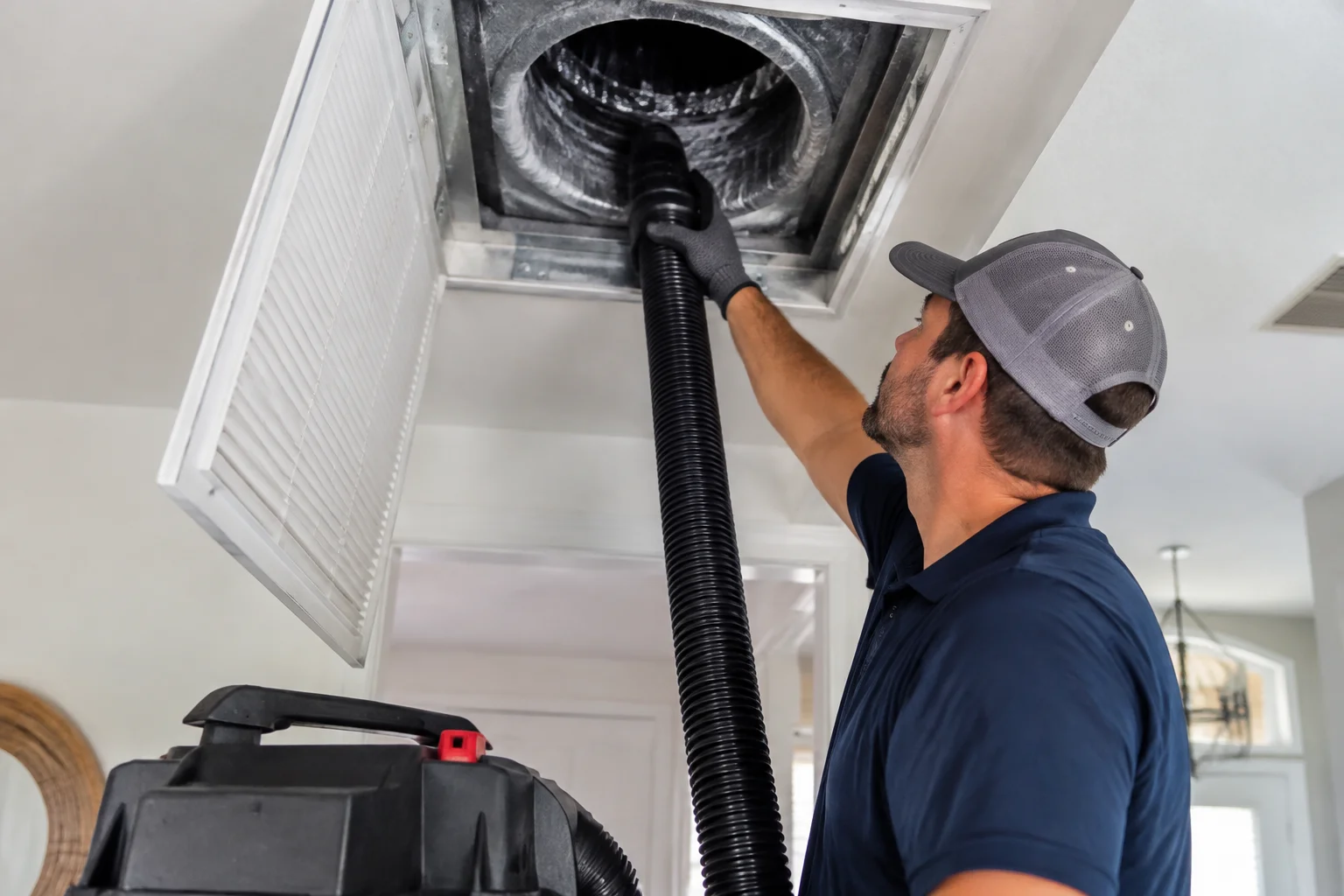
Some homeowners search for duct cleaning near me and assume cleaning is the fix. Cleaning can be helpful in certain situations, but it does not correct broken seals, crushed duct sections, or incorrect sizing. If the ductwork is damaged or disconnected, replacement is often the better long-term solution.
Pairing duct replacement with a careful indoor air quality approach is where you typically see the biggest comfort improvements.
What good duct replacement looks like in a Freeport home
When duct replacement is done correctly, you should expect improvements in airflow, comfort consistency, and humidity control. You can also reduce the chance of callbacks and emergency cooling concerns during peak summer.
Proper duct material and installation choices
Freeport homes often benefit from ductwork options that match the application and location. A Superior Mechanical offers custom metal and fiberglass ductwork for better airflow, energy efficiency, and indoor comfort. The key is that the duct system is installed to support airflow and manage moisture exposure, especially in humid coastal conditions.
During installation, the contractor should focus on how sections connect, how the duct is supported, and how air sealing is handled at each joint.
Sealing that targets airflow leaks, not just visible gaps
Leaky ductwork can waste conditioned air and make the system work harder. It can also pull in unconditioned air that carries dust and moisture. Good duct replacement includes careful sealing at joints and connections so air travels where it is supposed to.
Homeowners can ask the contractor to explain how duct sealing will be performed and what areas are most likely to leak in their specific home.
Balanced supply and return air paths
Airflow is not just about pushing cold air out. It is also about returning air properly so the system can circulate and dehumidify. If return pathways are restricted or poorly matched, the AC or heat pump can struggle to maintain stable comfort.
Balanced ductwork helps your thermostat do its job, reducing the cycle swings that can leave humidity behind.
Support and layout that prevent sagging and disconnection
Florida heat can affect building materials over time. Ductwork should be supported correctly so it does not sag. Sagging can create airflow restrictions and encourage condensation issues in humid air.
Also, consider how the duct layout aligns with your home’s current structure. Older homes may have had duct runs added or rerouted without a full airflow plan.
How ductwork affects AC repair, heat pump repair, and system replacement decisions
Homeowners often think duct problems are separate from refrigerant systems, but the relationship is real. When ductwork is restrictive or leaky, your AC or heat pump may run differently and show symptoms that look like refrigerant or mechanical issues.
That is why duct replacement should be considered alongside your broader HVAC maintenance and repair needs.
Refrigerant systems can be “working hard” because airflow is off
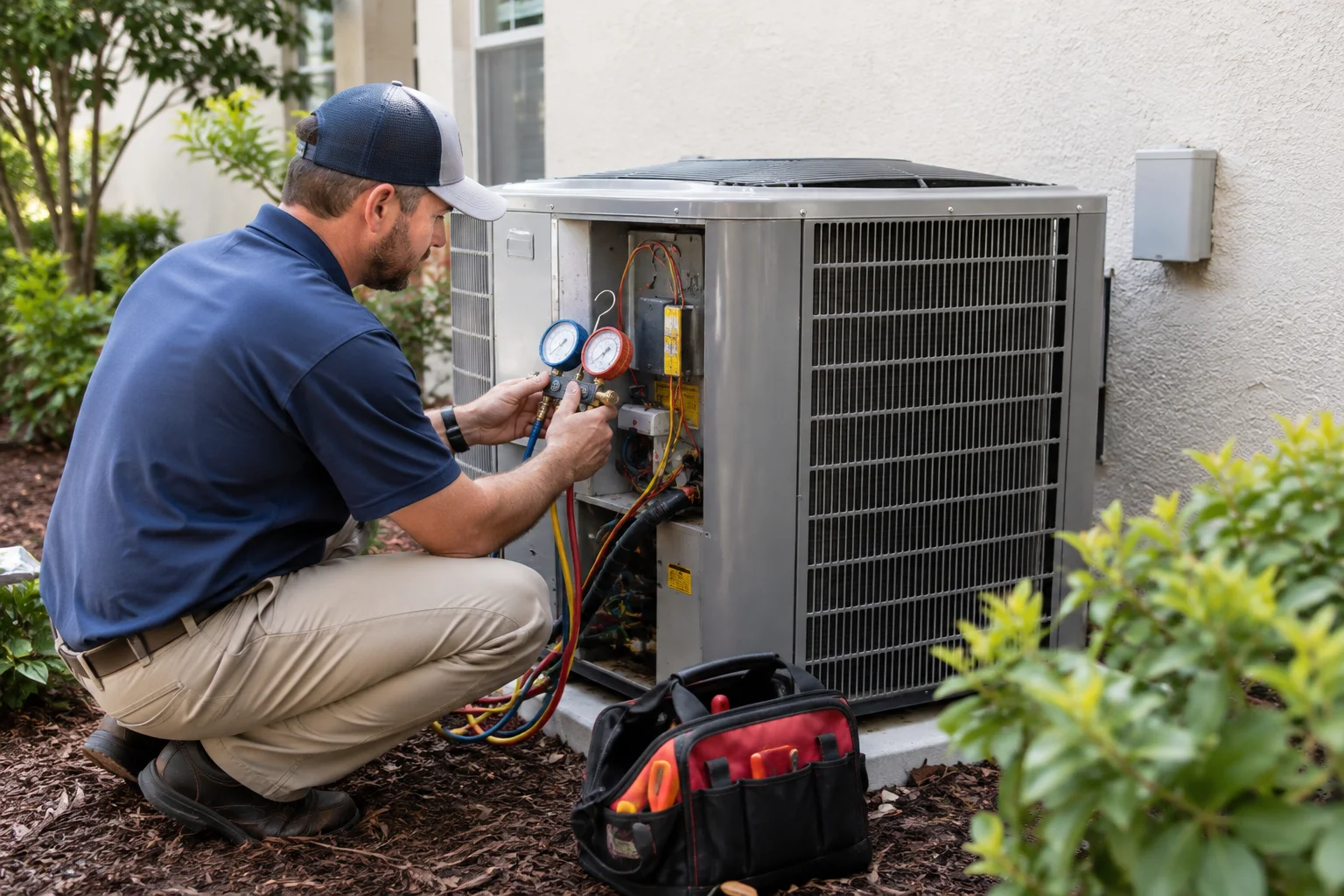
When airflow is restricted, your refrigerant system can experience strain because the indoor coil does not receive the airflow it needs. That can lead to comfort problems and reduced moisture removal. A professional HVAC evaluation is needed to understand what is actually happening, especially before any refrigerant-related actions are considered.
A licensed HVAC contractor can help determine whether ductwork issues are driving the symptoms or whether additional HVAC repair is necessary.
Heat pump performance depends on duct distribution
For homeowners asking about heat pump repair near me, it helps to remember that ductwork affects both comfort and how long the system runs. Poor airflow can cause temperature swings and humidity issues, even if the heat pump components are in decent condition.
In homes that are candidates for HVAC replacement near me, duct replacement can also be part of making sure the new system performs as designed.
Condensate drainage can be impacted by airflow and run times
Condensate drainage is usually associated with the indoor coil during cooling. But if ductwork leaks or airflow is imbalanced, the system may run longer or cycle differently. That can increase the chance of condensate overflow or moisture-related comfort problems.
If you notice water issues, it is important to have a professional evaluate both the HVAC components and the ductwork environment.
Thermostats and humidity: the hidden role of airflow
Thermostats help manage temperature, but in Florida humidity conditions, comfort is strongly tied to dehumidification. Even the best thermostat settings may not achieve the desired indoor feel if ductwork is not delivering airflow correctly.
Some homeowners try to “fix humidity” by changing thermostat schedules. That can sometimes mask the issue temporarily. A more reliable approach is to address the airflow and duct sealing problems that affect how the AC or heat pump removes moisture.
If you are exploring HVAC maintenance near me or considering a duct inspection, ask your contractor how airflow balance and duct integrity relate to humidity control in your home.
Preventive HVAC maintenance that protects your duct replacement investment
Duct replacement is not a one-time event. Ongoing maintenance helps keep airflow steady and reduces the chance that small problems turn into major ductwork replacements later.
Schedule seasonal tune ups for cooling and heating performance
Freeport summers can be relentless. A seasonal AC tune up helps confirm that the system is operating properly, that airflow is within expected ranges, and that the indoor coil and condensate drainage are functioning as they should.
When homeowners search for AC tune up near me, they are often trying to prevent mid-summer breakdowns. That same mindset applies to ductwork. If airflow is changing, your ducts may be part of the story.
Include duct inspection in your maintenance conversations
During maintenance, ask whether ductwork connections, registers, and accessible sections show signs of leakage, sagging, or damage. A duct inspection near me search can be a useful starting point, but the real goal is a careful look at how air is moving through your system.
It is also worth discussing whether duct sealing near me options are appropriate for your home if replacement is not required yet.
Watch for early warning signs before ductwork fails
Homeowners can prevent duct replacement problems by paying attention to patterns, not just one-off issues. Look for:
- New dust buildup around vents
- Musty odors when the system runs
- Rooms that never feel comfortable
- Moisture or condensation where it did not appear before
- Thermostat cycling that seems more frequent than usual
When these issues appear during the hottest weeks, they can become emergency cooling concerns. Addressing them early helps protect indoor air quality and reduces stress on your HVAC system.
When to call a professional HVAC contractor in Freeport
Some duct problems are easy to spot, but most require a trained eye and proper airflow assessment. Call a professional if you notice any of the following:
- Airflow feels weak or inconsistent across the home
- You suspect leaks, disconnected sections, or damaged ductwork
- Humidity stays high even when cooling runs
- You see condensation near vents or along duct runs
- You are planning duct replacement and want it matched to your system
If you are dealing with urgent comfort issues, consider Emergency HVAC Services in Freeport. For ongoing comfort planning, you can also explore Ductless Mini-Splits if your home layout makes ductwork upgrades challenging.
Planning duct replacement with the right local HVAC partner
Freeport homes face unique challenges. Salt air can contribute to corrosion over time, and the combination of hot attic temperatures and humidity can stress duct insulation and connections. That is why homeowners benefit from choosing a licensed HVAC contractor who understands Walton County conditions and how ductwork interacts with refrigerant systems, airflow, and indoor air quality.
If you are searching for an HVAC company near me for duct replacement, start with a service page that matches your situation and your city. For duct replacement in Freeport, use this duct replacement service area page to see how professional ductwork installation supports better airflow and humidity control.
You can also learn more about service coverage across the area at the Freeport location page and Walton County HVAC services.
Additional reading that supports better duct replacement decisions
Homeowners often get the best results when duct replacement is paired with broader HVAC planning. These guides can help you connect the dots between ductwork, maintenance, and overall system performance:
- Smart Duct Replacement Tips for Freeport Homes Under Seasonal Stress
- Why Efficient Heating and Cooling Starts With Commercial HVAC Maintenance in Freeport, FL
- The Details That Get Missed in Commercial HVAC Installation in Freeport, FL
- A Homeowner’s Guide to HVAC Financing and Why It Matters in Freeport, FL
A practical checklist you can use before and during duct replacement
Use this checklist to prevent duct replacement problems and keep the process grounded in comfort and performance.
- Ask about airflow goals: how the duct system will deliver air to each area
- Discuss humidity control: how the design supports dehumidification during Florida cooling seasons
- Confirm sealing approach: which joints and connections will be sealed and how
- Check duct insulation and moisture exposure: especially for ducts in attics and crawlspaces
- Review condensate drainage considerations: and whether system run times may change
- Plan thermostat settings: so you do not chase humidity with constant schedule changes
- Schedule post-install follow-up: to verify airflow comfort and indoor air quality
If you want to keep your options open for different comfort solutions, you can also explore Commercial HVAC Repair for larger properties and HVAC Financing if duct replacement is part of a broader system plan.
When duct replacement is handled with the right attention to airflow, humidity, and indoor air quality, your home becomes easier to cool and more comfortable year-round. That is the real goal for Freeport homeowners who want reliable comfort during the hottest, stickiest weeks.
Find Duct Replacement in Freeport, FL
If you need Duct Replacement in Freeport, FL, visit our local service page or contact A Superior Mechanical today.
Map of Freeport, FL
Frequently Asked Questions
How do I know if I need duct replacement instead of repairs?
If ducts are disconnected, crushed, sagging, or leaking heavily at joints, replacement is often the better long-term fix. Visible damage, persistent airflow imbalance, and humidity issues that do not improve after standard HVAC maintenance are common reasons to consider duct replacement in Freeport, FL.
Can leaky ductwork make my home feel humid even with the AC running?
Yes. Leaks can waste cooled air, disrupt airflow balance, and change how long the system runs. That can reduce effective moisture removal, leaving indoor air feeling sticky even when the thermostat is set to cool.
What should I ask a contractor about duct sealing during replacement?
Ask which duct joints and connections will be sealed, how sealing is applied, and how the design will prevent air leaks that can affect airflow and indoor air quality. A careful sealing plan matters in Freeport’s humid, coastal environment.
Does duct replacement affect my heat pump or AC performance?
It can. Ductwork influences airflow to the indoor coil and return pathways, which affects comfort, humidity control, and how the refrigerant system operates. An in-person evaluation is important before any refrigerant-related conclusions are made.
Is duct cleaning a good first step if I am worried about indoor air quality?
Sometimes. But duct cleaning does not correct damaged or disconnected ductwork. If you suspect leaks, poor airflow, or moisture problems, a duct inspection and professional assessment can help determine whether cleaning, duct sealing, or duct replacement is the right path.
Related Articles
- Smart Duct Replacement Tips for Freeport Homes Under Seasonal Stress
- Why Efficient Heating and Cooling Starts With Commercial HVAC Maintenance in Freeport, FL
- The Details That Get Missed in Commercial HVAC Installation in Freeport, FL
- A Homeowner’s Guide to HVAC Financing and Why It Matters in Freeport, FL
Photo Gallery