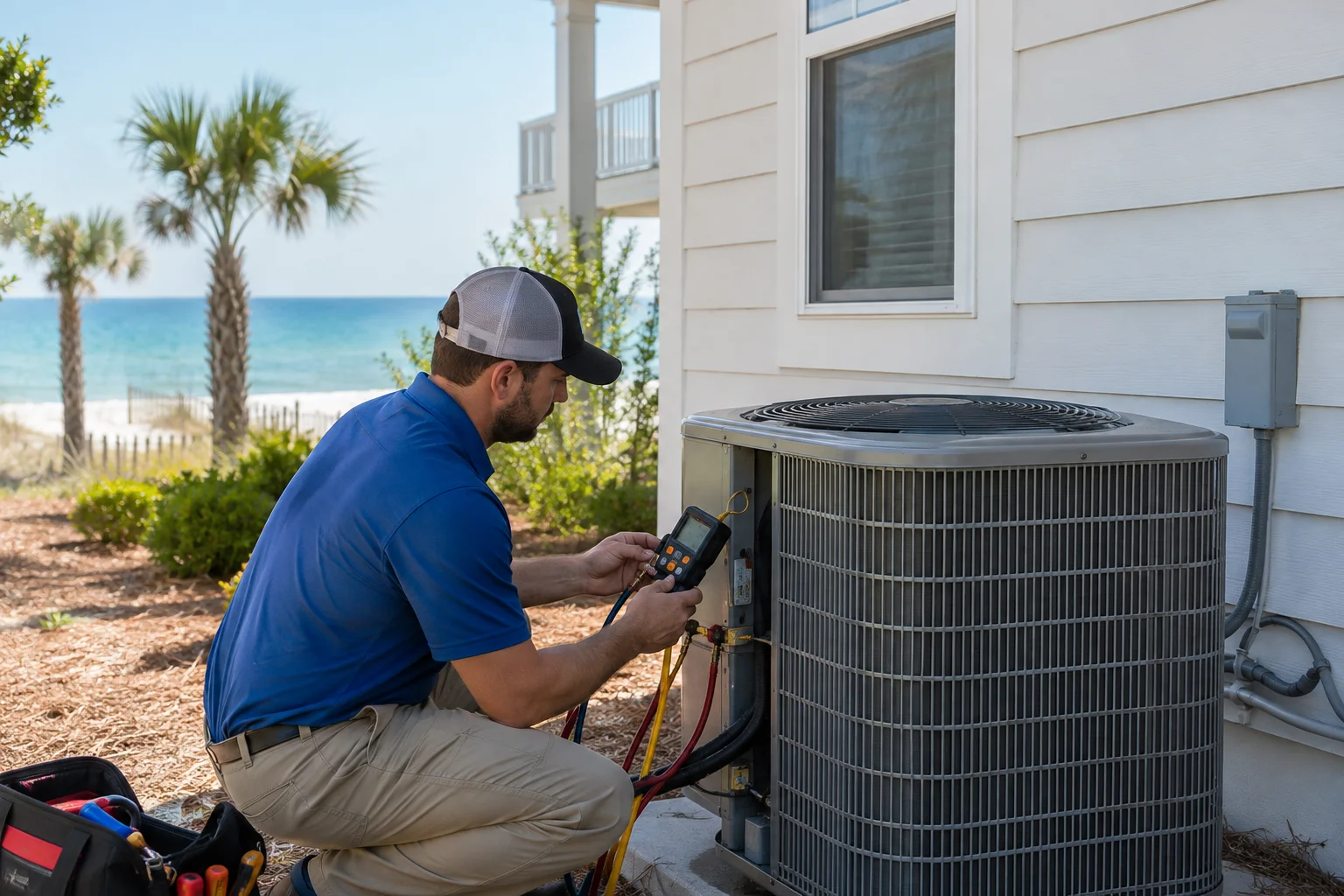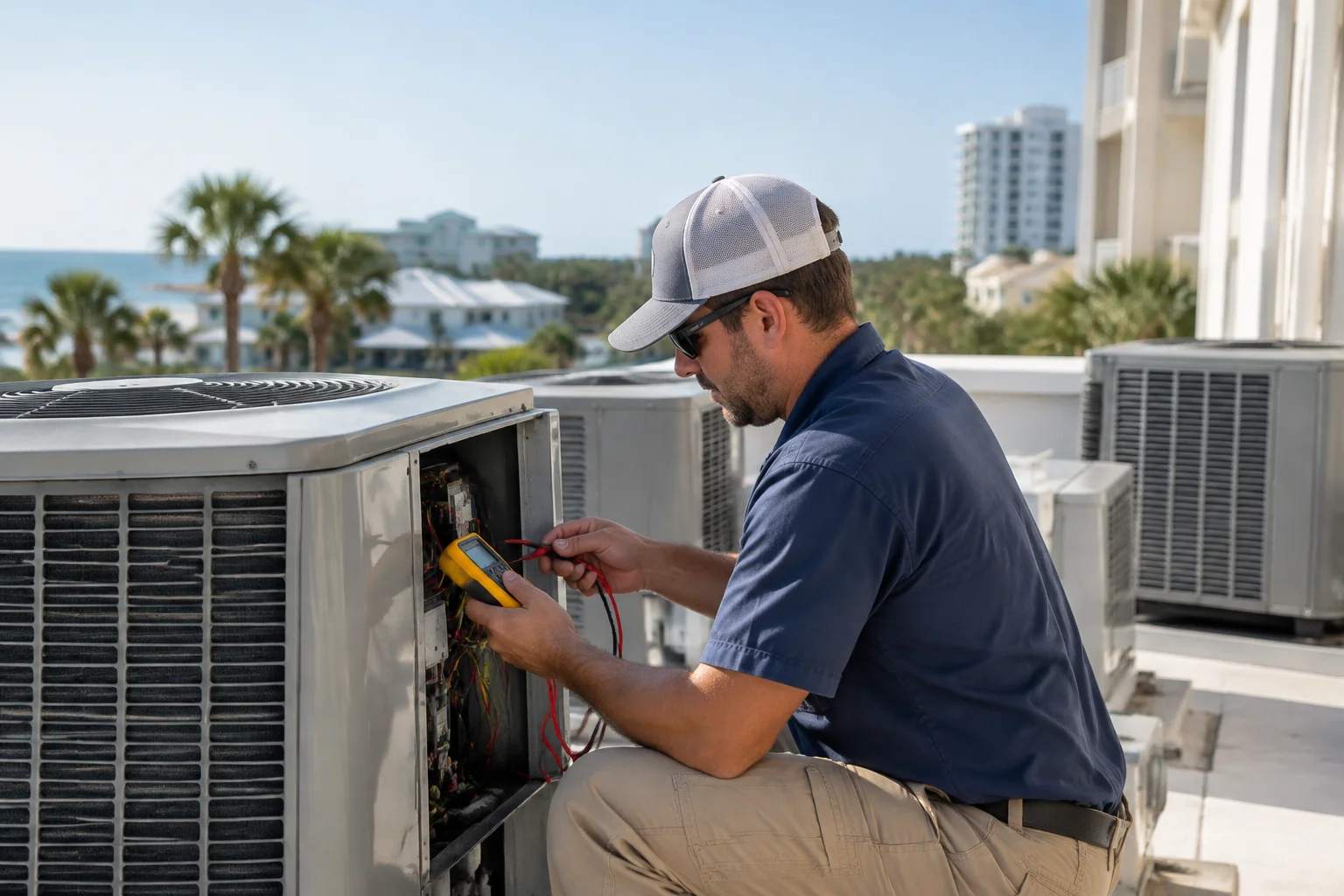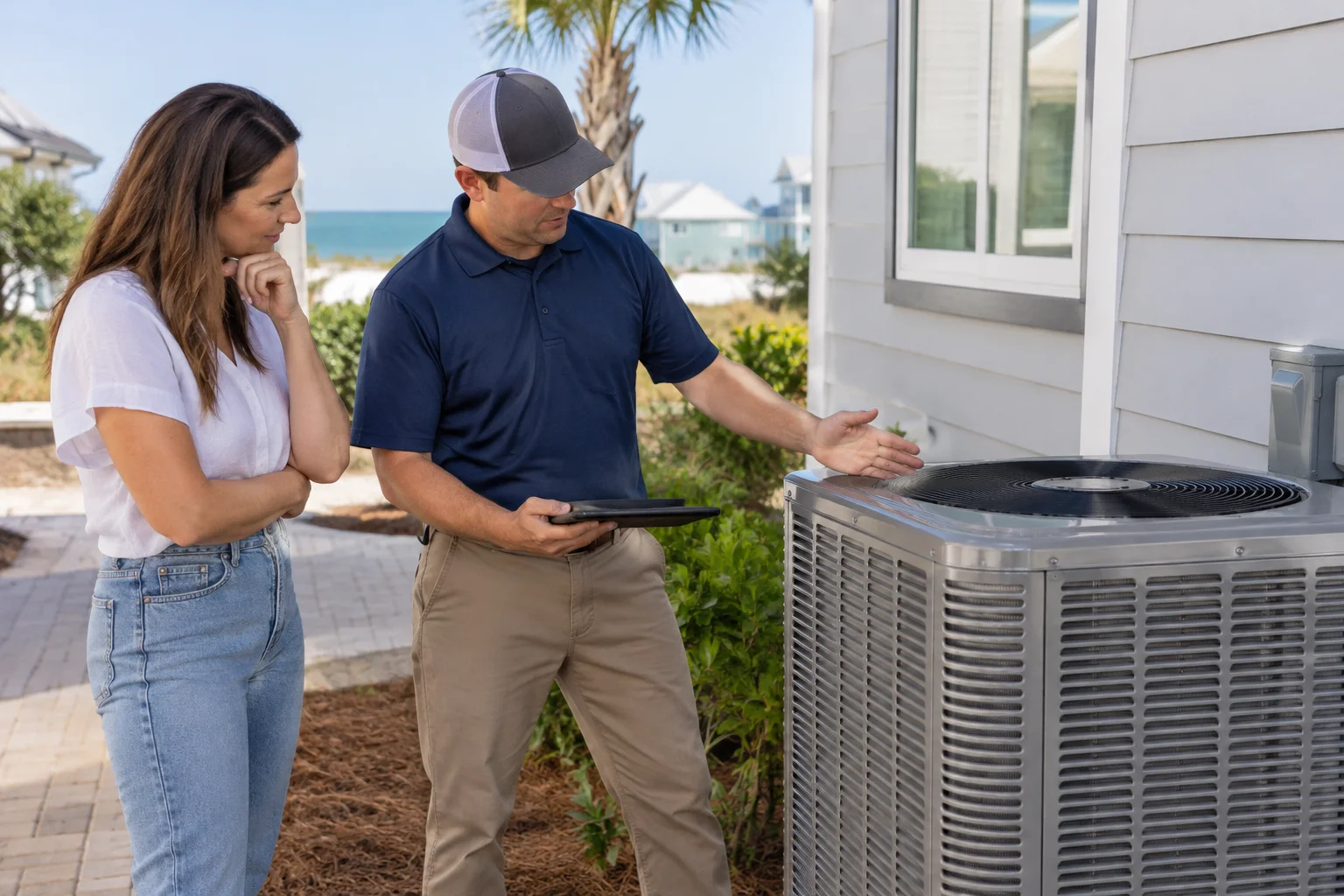
A commercial air conditioner can reach the thermostat setting and still leave a building uncomfortable. Customers may feel sticky, employees may work beneath weak vents, and a back office may stay warmer than the reception area. Those problems often begin with installation decisions, not equipment age.
For businesses in Bid-A-Wee, FL, good HVAC planning needs to account for coastal humidity, salt exposure, changing occupancy, and the building itself. A Superior Mechanical provides commercial HVAC installation in Bid-A-Wee with those practical considerations in mind. Homeowners overseeing mixed-use properties, rental offices, or residential remodels can also use these principles to understand what a thorough HVAC proposal should address.
Start With How the Building Actually Operates
Square footage alone cannot determine the right commercial system. A small retail space with frequently opened doors behaves differently from an office of the same size. Cooking equipment, computers, lighting, windows, ceiling height, and daily occupancy all affect the heating and cooling load.
Before selecting equipment, your contractor should review the building envelope, operating schedule, existing utility information, and planned changes. Ask for a load calculation based on current conditions rather than an automatic match to the old unit's capacity. Previous equipment may have been oversized, or the space may have changed since its installation.
Account for remodels, additions, and changing uses
An older home converted into an office may have limited return-air pathways and ductwork designed for residential occupancy. Newer homes and commercial buildings may have tighter construction, making intentional ventilation more important. Remodels and additions can introduce new glass, partitions, or occupied areas that change airflow requirements.
Tell your installer about future tenants, added workstations, or rooms that will operate after hours. Planning for those uses now can prevent expensive duct changes later. It also helps determine whether one central system, multiple systems, or independently controlled zones make the most sense.
Bid-A-Wee's Coastal Conditions Belong in the Design
Bid-A-Wee's warm, humid climate creates long cooling seasons, while cooler winter periods still require dependable heat. Along coastal Bay County, salt air can accelerate corrosion on outdoor units, condenser coils, cabinets, and exposed connections. Storms introduce additional concerns involving wind, debris, drainage, and access for service.
Equipment placement should balance airflow clearance, service access, manufacturer requirements, and applicable local wind and flood requirements. A protective enclosure that blocks condenser airflow can increase operating stress rather than protect the investment. Ask about coastal-rated options and approved protective treatments instead of assuming every outdoor unit tolerates salt exposure equally well.
Local HVAC service matters because site exposure and seasonal demand vary across the area. A contractor familiar with Bay County HVAC needs can evaluate those conditions and help schedule installation before peak cooling demand makes an unexpected outage more disruptive.
Size for Comfort and Moisture Removal
Bigger equipment is not automatically better. An oversized air conditioner can cool the space quickly, shut off, and leave moisture behind. An undersized system may struggle during busy afternoons. Correct sizing considers both sensible cooling, which lowers temperature, and latent cooling, which removes moisture.
Look beyond the temperature reading
Sticky air, condensation around supply vents, and persistent musty odors deserve attention even when the thermostat displays a normal temperature. Possible causes include excess outdoor air infiltration, inadequate moisture removal, wet insulation, or duct leakage. An odor alone does not confirm mold, and lowering the temperature is not a reliable cure.
Discuss humidity control during equipment selection. Variable-capacity systems and properly configured controls may improve part-load performance, while some buildings need dedicated dehumidification. Indoor relative humidity generally should remain below 60 percent, with a practical target often around 40 to 55 percent where conditions allow. The right approach depends on occupancy and ventilation needs.
Give Airflow as Much Attention as Equipment
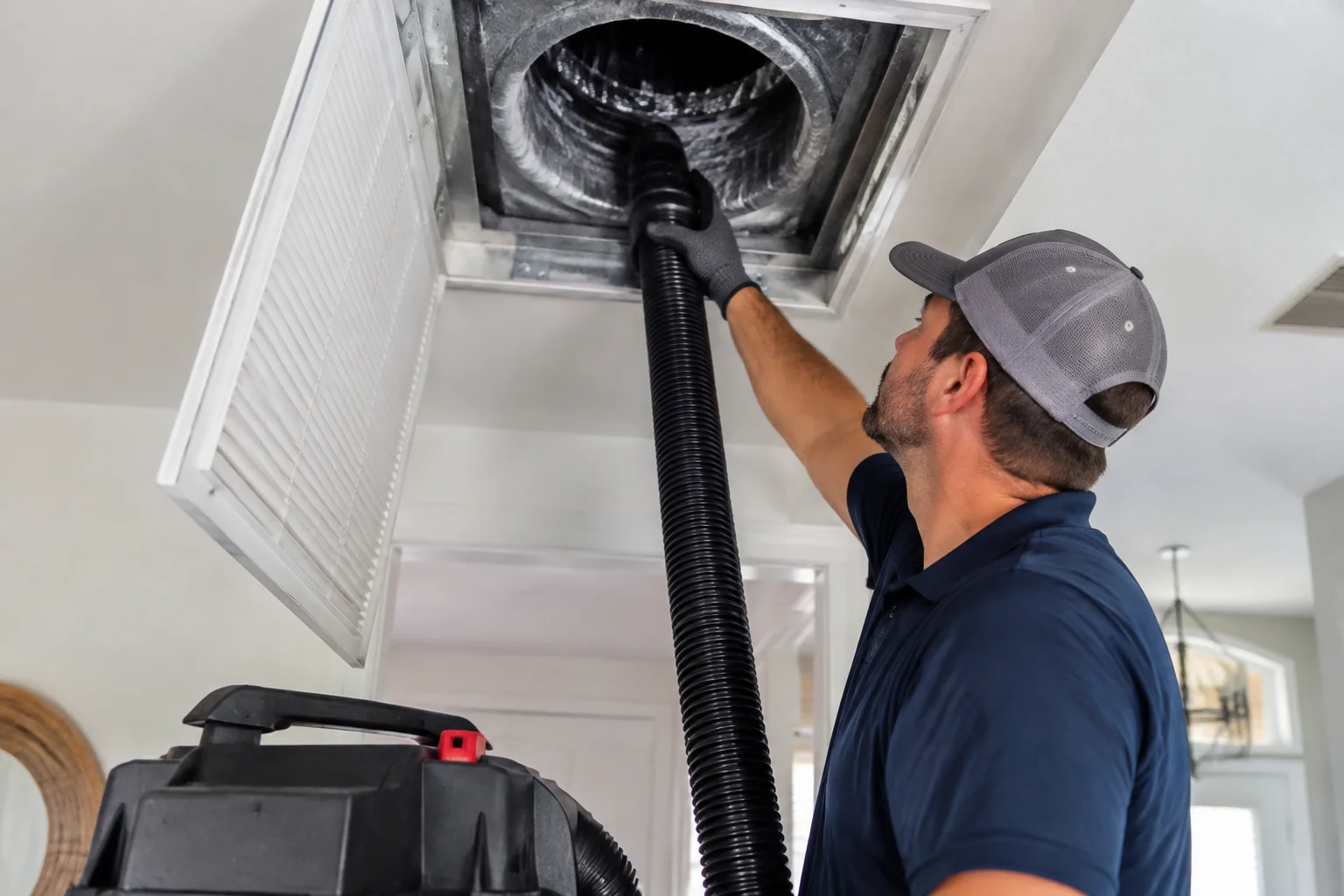
A new condenser cannot compensate for crushed ducts, restrictive returns, or poorly located vents. Supply and return ductwork should be evaluated before installation, including sections above ceilings or in other difficult-to-access areas. Leakage outside the conditioned space wastes capacity and can pull humid, dusty air into the system.
Ductwork repair, duct sealing, or selective replacement may be necessary before a new system can deliver its rated performance. Connections should use appropriate sealing materials, and insulation should remain intact where condensation is a risk. Ask how the contractor will verify airflow and external static pressure after installation.
Balance rooms without starving the system
Closing several vents to force air into a warm room can increase resistance and create new problems. Better solutions may include balancing dampers, correcting return pathways, adjusting blower settings within approved limits, or redesigning a poorly served branch. Businesses searching for airflow balancing near me should expect measurements, not just register adjustments.
For homeowners, the same principle applies to bedrooms that become stuffy behind closed doors or additions that never match the rest of the house. The related guide to coastal commercial HVAC installation in Destin explores how airflow and humidity planning work together.
Choose Systems Around the Space, Not a Sales Pitch
Heat pumps can provide both cooling and heating and are a practical option for many Florida properties. Selection still requires attention to heating capacity, defrost operation, backup heat where needed, and controls. A discussion of heat pump services in Bid-A-Wee should cover the building's actual operating needs, not only an efficiency rating.
Ductless mini splits can serve isolated offices, additions, or areas without suitable ductwork. Multi-zone arrangements offer independent temperature settings, but equipment combinations and minimum capacity matter. Most mini splits do not provide required outdoor ventilation on their own, so fresh-air needs must be addressed separately.
Where a furnace is part of the design, fuel availability, venting, combustion safety, and maintenance access require evaluation. Homeowners comparing heat pump replacement near me can apply the same decision process: check the load, ducts, controls, and operating costs before choosing equipment. Furnace service and heat pump repair require different diagnostic steps.
Make Ventilation and Indoor Air Quality Part of Installation
Commercial ventilation requirements depend on building use and occupancy. Bringing in outdoor air supports indoor air quality, but in Bid-A-Wee it also adds moisture and cooling load. Exhaust systems and incoming air must work together so the building does not constantly draw humid air through doors and gaps.
Filters should match the equipment's airflow capability. A higher-efficiency filter can capture smaller particles, but excessive resistance can reduce performance if the system cannot accommodate it. Ask about filter dimensions, recommended ratings, replacement access, and whether pressure monitoring is appropriate.
Evaporator coils, drain pans, and surrounding insulation also influence air quality. Persistent dampness requires correction of the moisture source, not simply a fragrance or an accessory marketed as a complete solution. HVAC moisture control supports mold prevention, but visible growth or ongoing water damage may require a separate qualified assessment.
Controls and Commissioning Turn Design Into Performance
Thermostat installation should include a location representative of the occupied space, away from direct sunlight, supply air, and heat-producing equipment. Commercial schedules should reflect actual opening hours. Aggressive temperature setbacks may save less than expected if recovery creates discomfort or allows humidity to climb.
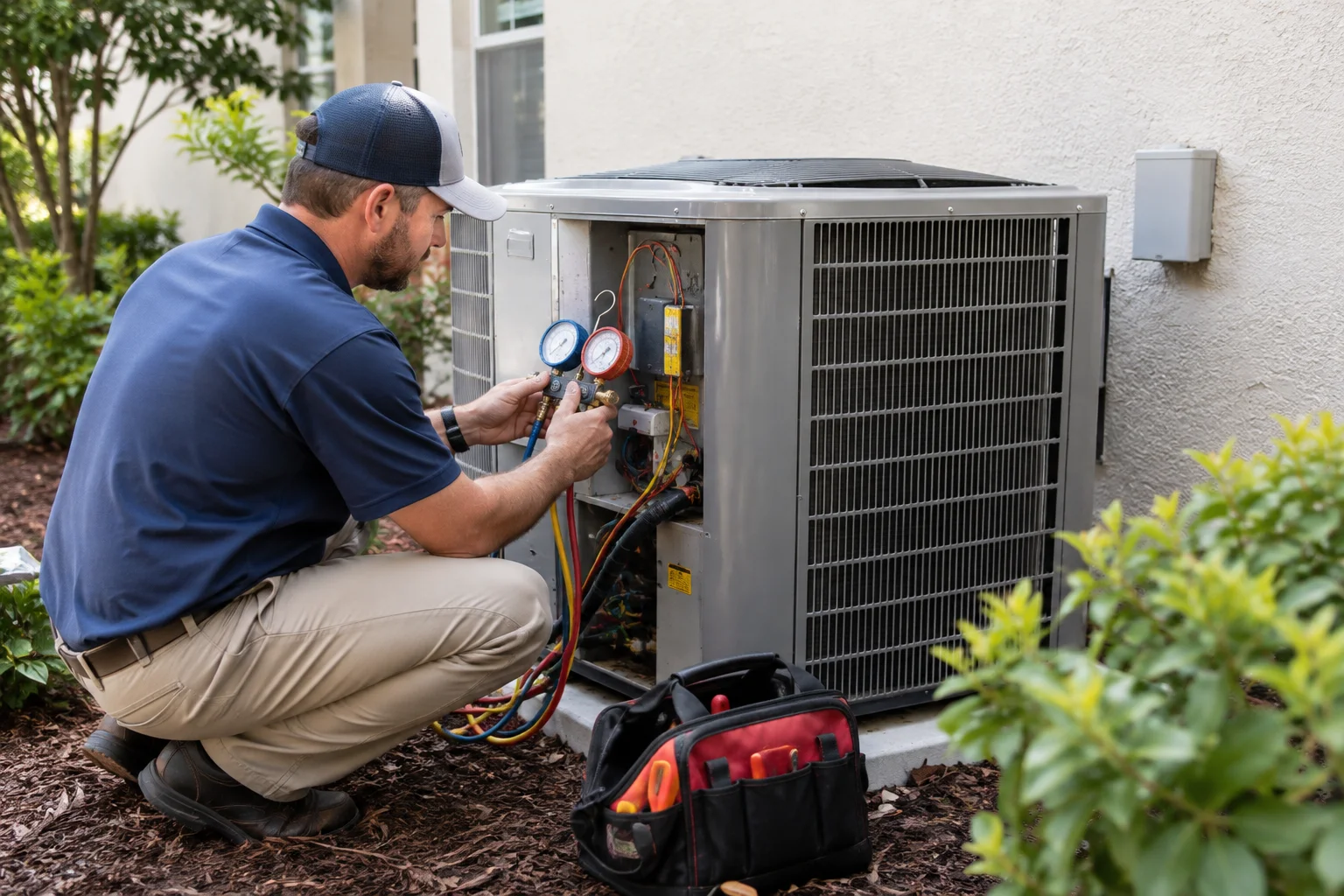
During commissioning, the installer should verify equipment operation, refrigerant charge using manufacturer procedures, airflow, drainage, control settings, and heating performance. Refrigerant leaks require diagnosis and repair rather than repeated topping off. Air handlers and outdoor units must be compatible, and installed components should meet the approved design.
Ask for operating instructions, filter information, warranty documentation, and a record of startup checks. These details make future troubleshooting easier. They also help distinguish an installation issue from a later maintenance problem, especially when multiple people manage the property.
Prevent the Problems That Cause Avoidable Shutdowns
Plan maintenance access before equipment is installed. Technicians need room to inspect air handlers, clean coils, service condensate drain lines, and reach filters without dismantling finished areas. Drain routing, required overflow protection, and accessible cleanouts deserve attention because a small blockage can cause substantial water damage.
Keep vegetation and stored materials away from outdoor units according to manufacturer clearance requirements. Have salt deposits and coil contamination addressed with manufacturer-approved methods; pressure washing or harsh chemicals can damage delicate surfaces. Inspect equipment after storms only when the area is safe, and do not operate flood-affected equipment before professional assessment.
Maintenance frequency should reflect operating hours, filter loading, coastal exposure, and equipment requirements. The Bid-A-Wee commercial HVAC maintenance guide offers a useful starting point. Owners coordinating several properties can also discuss property management HVAC services to keep service records and scheduling organized.
Know Which Problems Need Prompt Professional Attention
Uneven temperatures, longer cycles, rising bills, and recurring drain backups call for investigation before they become shutdowns. Ice on refrigerant lines or an evaporator coil can indicate restricted airflow or a refrigerant problem. Stop cooling operation and arrange service rather than scraping ice or repeatedly restarting the equipment.
For homeowners searching for air conditioning repair near me, these symptoms also warrant a professional diagnosis rather than an assumption that replacement is necessary. A Superior Mechanical's local air conditioning services address cooling concerns, while businesses can seek commercial HVAC repair when existing equipment needs evaluation.
Smoke, a burning smell, or water reaching electrical components requires immediate caution. Stop using affected equipment if safe. For a gas odor or carbon monoxide alarm, leave the building and contact emergency services or the gas utility from outside. Do not wait for a routine heating repair appointment.
Compare Proposals by Scope, Not Just Price
When searching for an HVAC company near me, request a proposal that identifies equipment capacity, efficiency ratings, duct modifications, ventilation provisions, controls, permitting responsibilities, and commissioning. Ask what is excluded and how occupied areas will be protected during installation. A lower equipment price may not include the work needed to solve airflow or humidity problems.
For commercial HVAC installation in Bid-A-Wee, FL, the goal is dependable comfort with manageable operating costs and accessible maintenance. Review your building's hot spots, moisture concerns, renovation plans, and service history with A Superior Mechanical. Explore the company's Bid-A-Wee HVAC service options to plan the next step around your property rather than a one-size-fits-all replacement.
Find Commercial HVAC Installation in Bid-A-Wee, FL
If you need Commercial HVAC Installation in Bid-A-Wee, FL, visit our local service page or contact A Superior Mechanical today.
Map of Bid-A-Wee, FL
Frequently Asked Questions
How is commercial HVAC equipment sized for a Bid-A-Wee building?
Sizing should come from a load calculation that considers insulation, windows, occupancy, lighting, equipment heat, ventilation, and local weather. Square footage and the old system's capacity are useful background information, but neither is enough to select replacement equipment accurately.
Can a new commercial HVAC system solve high indoor humidity?
It can help when properly sized and configured, but equipment replacement alone may not solve the problem. Duct leakage, outdoor air infiltration, ventilation settings, and drainage issues also need evaluation. Some buildings benefit from dedicated dehumidification alongside their heating and cooling system.
Does salt air change how commercial HVAC should be installed and maintained?
Yes. Salt exposure makes equipment materials, approved protective options, placement, and coil care important considerations. Outdoor units still need unobstructed airflow and service access. Maintenance should follow manufacturer guidance and account for the property's coastal exposure, operating hours, and storm-related risks.
Related Articles
- A Smarter Maintenance Plan for Bid-A-Wee Commercial HVAC
- Built for Destin: Commercial HVAC Installation That Balances Comfort, Airflow, and Humidity
- Fewer Spots, Better Sips: Water Softening for Everyday Life in Bid-A-Wee, FL
- Water Purification in Bid-A-Wee, FL: A Fresh Look at Spots, Scale, Taste, and Odor
Photo Gallery