A smoke alarm can look perfectly fine from the hallway while hiding an expired sensor, a disconnected backup battery, or a wiring problem. Carbon monoxide alarms have their own service lives and placement requirements. For Pretty Bayou homeowners, dependable detection means looking beyond whether a device is attached to the ceiling.
Coastal humidity, storm outages, aging electrical systems, and changing household power demand all affect electrical planning. A Superior Mechanical provides smoke detector and carbon monoxide detection services in Pretty Bayou, FL, helping homeowners address alarm coverage, replacement, wiring, and code corrections as part of a safer home.
Smoke and Carbon Monoxide Require Different Protection
Smoke alarms warn of smoke associated with fire. Carbon monoxide, or CO, alarms detect an invisible, odorless gas produced by incomplete fuel combustion. A standard smoke alarm does not detect CO unless it is specifically labeled as a combination unit. Neither device replaces safe wiring, fuel-burning equipment maintenance, or proper generator operation.
CO exposure can come from a gas appliance, fireplace, vehicle, or portable generator. Even an all-electric home can face a CO hazard when a generator operates nearby or a vehicle runs in an attached garage. Never idle a vehicle in an attached garage, even with the door open.
Know the response before an alarm sounds
If a smoke alarm sounds and you suspect fire, leave immediately and call 911 from outside. If a CO alarm sounds, move everyone outdoors to fresh air and call 911. Headache, dizziness, nausea, and confusion can indicate CO exposure. Do not remain inside to find the source or silence the alarm, and do not reenter until responders say it is safe.
Start With Coverage, Not a Shopping List
General fire safety guidance calls for smoke alarms inside every bedroom, outside each separate sleeping area, and on every level of the home. CO alarms generally belong on each level and outside sleeping areas. Exact requirements depend on the applicable code, building layout, and manufacturer instructions, so a professional should verify the plan for your property.
Alarm placement needs extra thought in a split-bedroom house, a two-story addition, or a converted guest room. Closed doors can make an alarm harder to hear. Interconnected alarms improve notification because activation of one compatible unit causes the others to sound. Households with hearing loss may need listed notification devices using strobes or bed shakers.
Avoid locations that create nuisance alarms
Cooking smoke, shower steam, ceiling fans, and supply vents can interfere with appropriate placement. Keep alarms at the clearances required by their instructions rather than choosing the most convenient ceiling spot. Sloped ceilings and high ceilings also need specific positioning. CO alarms should be installed at the height and location specified for the model.
Frequent nuisance alarms deserve investigation, not a removed battery. An electrician can check whether the device is contaminated, expired, improperly positioned, or unsuitable for its location. Homeowners searching for smoke detector installation near me should ask about a whole-home placement review, not just replacing the loudest unit.
Hardwired Alarms Depend on Correct Wiring
A hardwired alarm normally receives household power and uses a backup battery during an outage. That backup may be replaceable or sealed, depending on the product. The alarm supply must remain continuously energized; it should not turn off with a wall switch. Circuit selection and required protection must follow the applicable code and manufacturer instructions.
Many hardwired systems use an interconnect conductor between alarms. Other listed systems offer wireless interconnection. Devices are not automatically compatible simply because their plugs fit or their housings look similar. Mixing unsupported brands or model families can prevent proper communication and create an unreliable system.
Replacement is more than matching the mounting ring
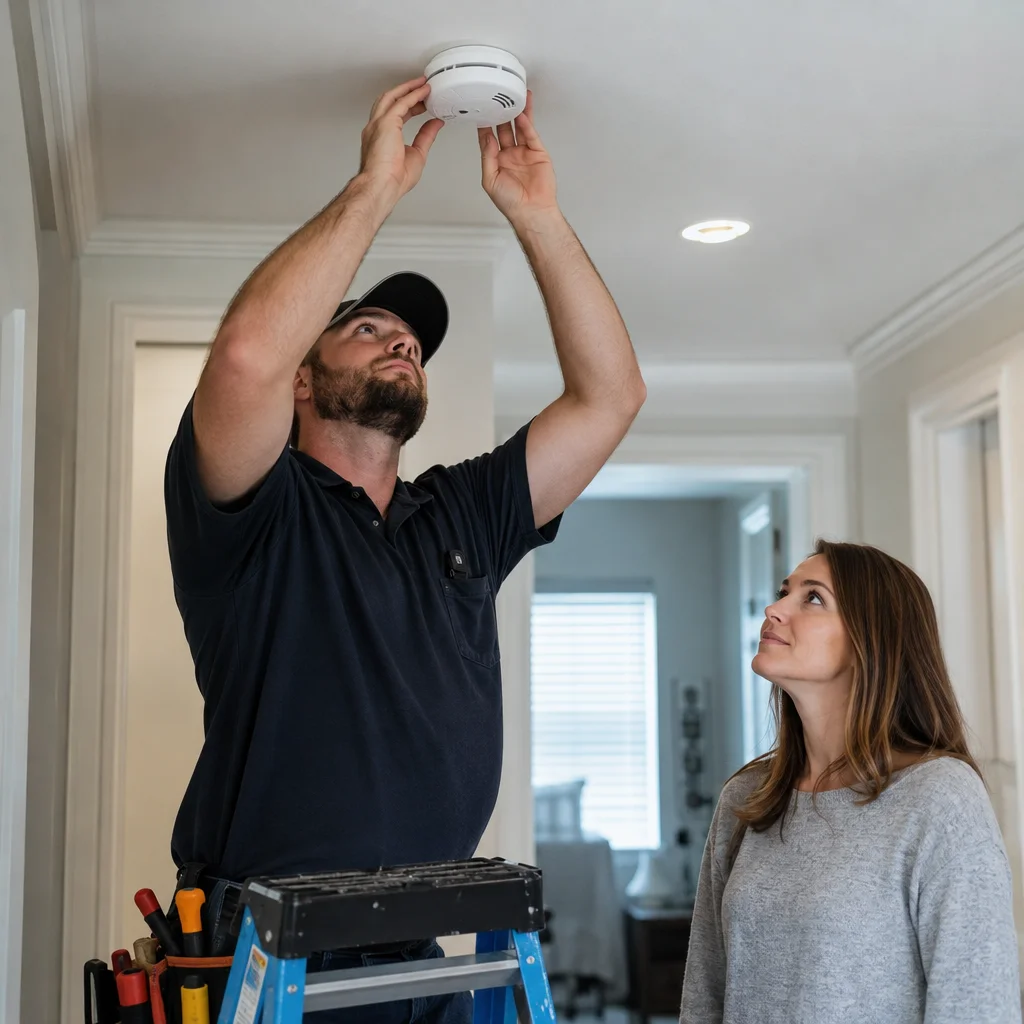
An electrician can inspect the electrical box, cable condition, connections, supply voltage, and interconnect arrangement before installing replacements. After installation, each alarm should be tested according to its instructions, including confirmation that the intended connected units sound. A smart phone notification can be useful, but it does not replace an audible alarm or an escape plan.
For older homes without existing alarm wiring, the options may include new wiring or approved battery-powered interconnected devices. The appropriate solution depends on the project scope and local requirements. Avoid opening boxes or working on line-voltage alarm wiring yourself.
The Panel Matters, but Not Because Alarms Use Much Power
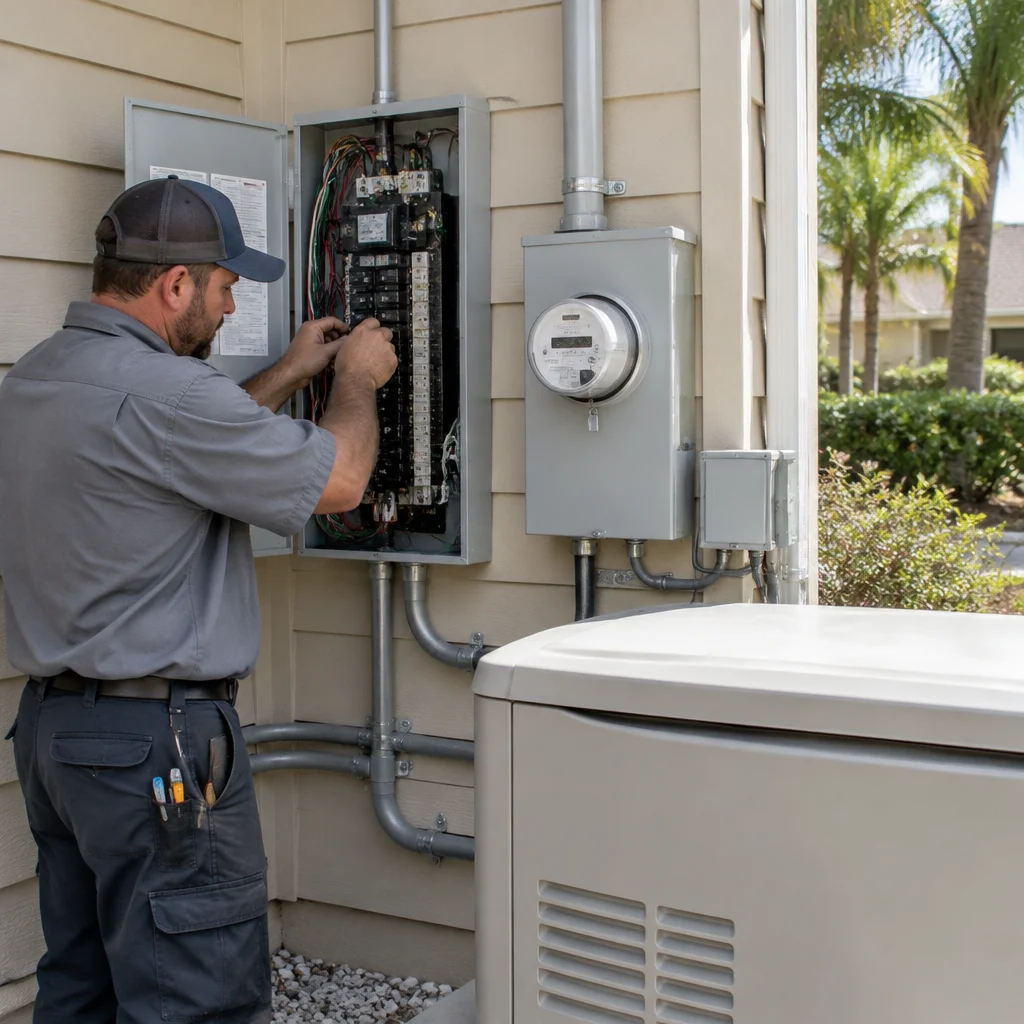
Smoke and CO alarms draw relatively little electricity. Installing them does not ordinarily justify a panel upgrade by itself. However, a visit for alarm problems may reveal loose connections, water intrusion, corrosion, incorrect breakers, or an electrical panel with insufficient capacity for planned improvements.
Pretty Bayou homeowners adding an EV charger, electric cooking equipment, or a workshop should have their overall electrical load evaluated. A panel with empty breaker spaces is not necessarily able to support another large load. Dedicated circuits and properly sized conductors matter much more than the number of unused slots.
If you are researching electrical panel upgrade near me, ask for the reason behind any recommendation and whether repairs could address the actual problem. A Superior Mechanical's electrical panels and upgrades service addresses these broader needs. The article A Safer Electrical Future for Pretty Bayou Homes Starts at the Panel offers additional planning context.
Separate Alarm Trouble From Other Electrical Warning Signs
A periodic chirp can indicate a low battery, end of service life, or a device fault. The meaning varies by model, so consult the label and instructions. A full alarm signal must be treated as a possible emergency, not assumed to be another maintenance reminder.
Repeated breaker trips, warm outlets, buzzing switches, or lights that flicker across several rooms point to different electrical concerns. These conditions need investigation even if every smoke alarm passes its test. Detection provides warning; it does not prevent a loose connection from overheating.
Repair the cause rather than bypassing protection
Breaker repair may involve diagnosing the circuit and replacing a faulty breaker with the correct listed type. Installing a larger breaker to stop tripping can create a fire hazard. Outlet repair and wiring repair should likewise address damaged conductors, loose terminations, or improper connections rather than just replacing a faceplate.
GFCI protection helps reduce shock risk in locations where it is required, including many wet or damp areas. Grounding, bonding, and any required arc-fault protection serve other important roles. None replaces smoke or CO detection. During outlet and switch upgrades, ask whether existing protection and wiring conditions need correction.
Storm Readiness Includes Backup Power and CO Prevention
Pretty Bayou's hot, humid climate and coastal storms make outage planning important. Moisture intrusion and salt exposure can contribute to deterioration of exposed electrical equipment. After wind-driven rain or flooding, damaged electrical systems need professional assessment before reuse. Do not approach a wet panel or enter standing water to reach a breaker.
Hardwired alarms need working backup power during utility interruptions. Test them before storm season and again after an outage according to their instructions. A generator is not a substitute for alarm backup batteries, since generator operation can be delayed or interrupted.
Keep generator exhaust well away from the house
Operate portable generators outdoors at least 20 feet from doors, windows, and vents, with exhaust directed away from buildings. Never run one in a garage, carport, crawl space, or partially enclosed area. Consider neighboring homes as well as your own. Working CO alarms are essential, but they do not make unsafe generator placement acceptable.
Permanent generator installation requires approved transfer equipment to prevent dangerous backfeeding. Placement must meet applicable requirements and manufacturer instructions. An electrician should also evaluate grounding, bonding, and circuit arrangements. Whole home surge protection can help limit certain transient voltage events, but it cannot prevent every lightning-related loss or replace backup power.
Use Remodels and Additions to Close Safety Gaps
A new bedroom changes alarm coverage needs. A garage conversion, enclosed porch, or second-story addition can create sleeping areas that the original system never served. Remodel permits may also trigger alarm upgrades beyond the immediate work area. Confirm requirements with the authority having jurisdiction instead of assuming existing equipment is exempt.
Lighting installation and ceiling fan replacement offer opportunities to check nearby boxes and wiring, but an alarm must not be connected to a switched lighting supply. Kitchen renovations also need coordination between alarm location, cooking appliances, GFCI protection, and dedicated appliance circuits.
Newer homes benefit from review too. Smart devices and additions may introduce incompatible equipment or change how rooms are used. For EV charger installation, load management, or connected safety features, specialty and smart electrical services can help coordinate upgrades without treating every project as an isolated task.
Make Maintenance Simple Enough to Keep Doing
Test smoke and CO alarms monthly, following the manufacturer's procedure. Check the manufacture date and replacement instructions. Smoke alarms generally need replacement after 10 years; CO alarm service life varies by model. Replace an expired unit even if its test button still produces a sound.
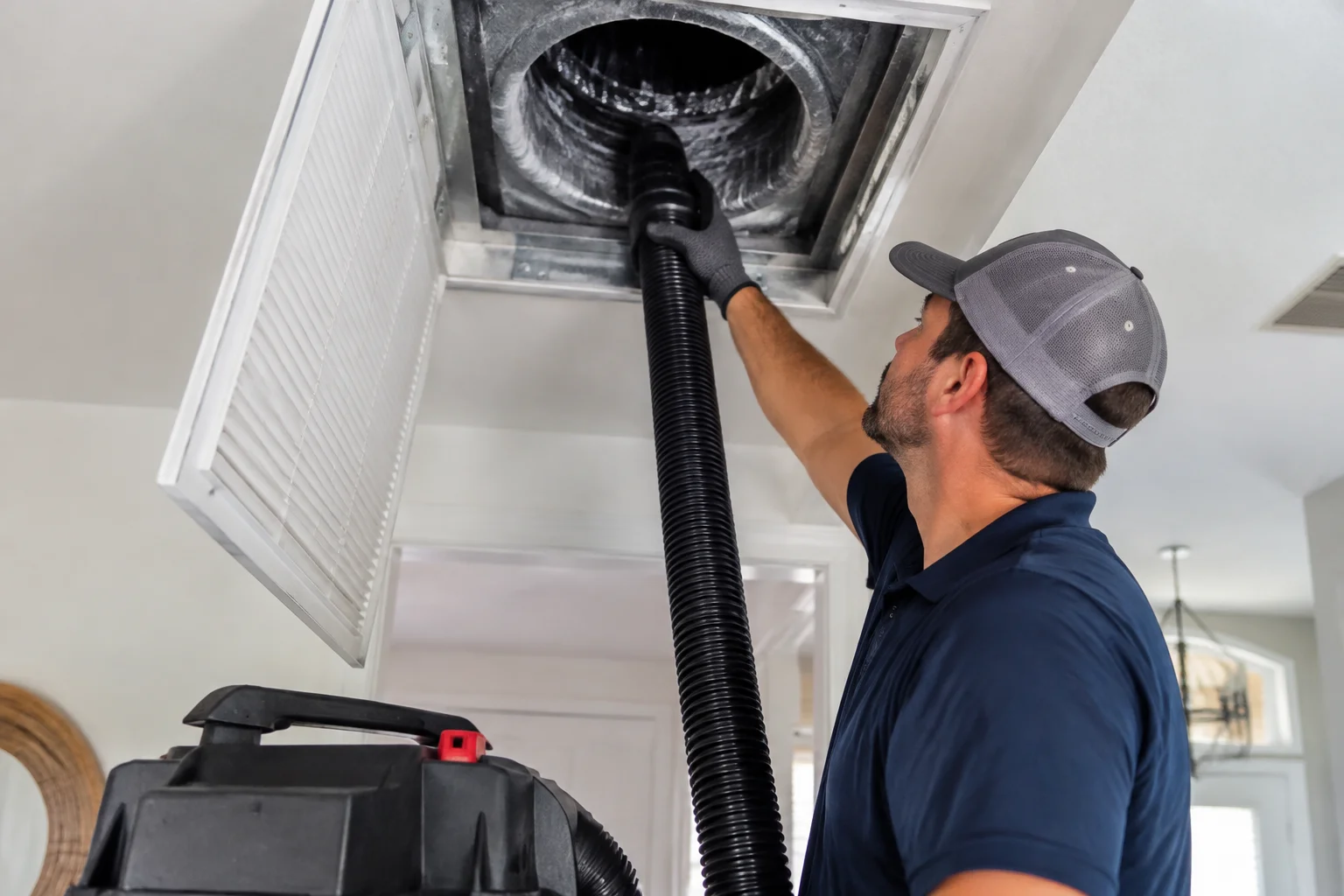
Clean devices only as directed, often with gentle vacuuming around the openings. Do not paint alarms or use household chemicals on their sensors. Replace user-serviceable batteries on the recommended schedule and whenever a low-battery warning occurs. A sealed battery does not extend the alarm beyond its rated service life.
Keep a simple record of installation dates, model numbers, tests, and repairs. In rentals, establish who performs maintenance and reports problems while following applicable owner responsibilities. Include an escape plan and a designated outdoor meeting place. Electrical maintenance visits can also check visible equipment deterioration and unresolved circuit issues.
Get Local Help for the Whole Safety Picture
An electrical inspection can connect the dots between aging alarms, questionable wiring, and planned improvements. If you are searching for an electrician near me, describe the alarm models, approximate ages, chirp patterns, recent outages, and any accompanying electrical symptoms. This helps distinguish routine replacement from a broader diagnostic visit.
Burning odors, sparking, smoke, or a hot panel require immediate attention. Keep away from affected equipment. For an active fire or suspected CO exposure, leave and call 911 rather than waiting on an emergency electrician near me search. Once immediate hazards are controlled, an electrician can assess necessary repairs.
Local service matters because storm exposure, permit requirements, and the mix of older and newer homes influence each project. Explore A Superior Mechanical's Pretty Bayou electrical service options and coverage throughout Bay County, or request an alarm and electrical safety evaluation. Start with the existing coverage, then prioritize repairs and upgrades around the home's actual condition.
Find Smoke Detectors and Carbon Monoxide Detection in Pretty Bayou, FL
If you need Smoke Detectors and Carbon Monoxide Detection in Pretty Bayou, FL, visit our local service page or contact A Superior Mechanical today.
Map of Pretty Bayou, FL
Frequently Asked Questions
Does an all-electric home in Pretty Bayou need carbon monoxide alarms?
An all-electric home can still face carbon monoxide exposure from an attached garage, a nearby portable generator, or other combustion sources. CO alarms are a sensible safety precaution. Specific installation requirements depend on the home and applicable code, so have a professional verify coverage and placement.
Can I replace just one alarm in an interconnected smoke detector system?
Sometimes, but the replacement must be listed as compatible with the existing system. A matching connector alone does not establish compatibility. An electrician can check the models, wiring, and ages of the other alarms, then test interconnection after replacement.
Will hardwired smoke and CO alarms work during a storm outage?
Hardwired alarms with functioning backup batteries should continue operating during an outage within their rated backup capability. Check each model's instructions, test monthly, and replace expired devices. Do not assume generator power or a smart home connection eliminates the need for working alarm backup batteries.
Related Articles
Photo Gallery