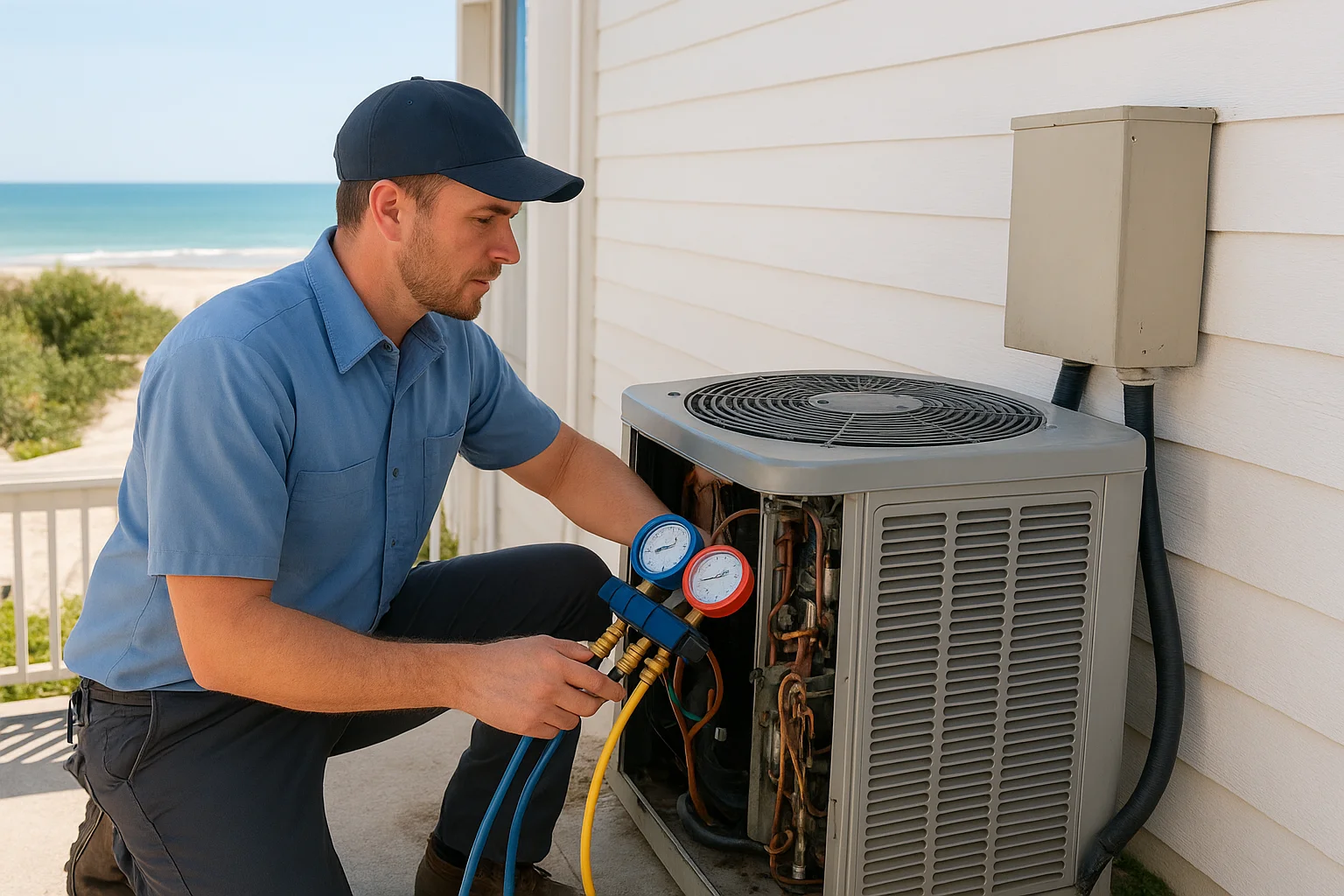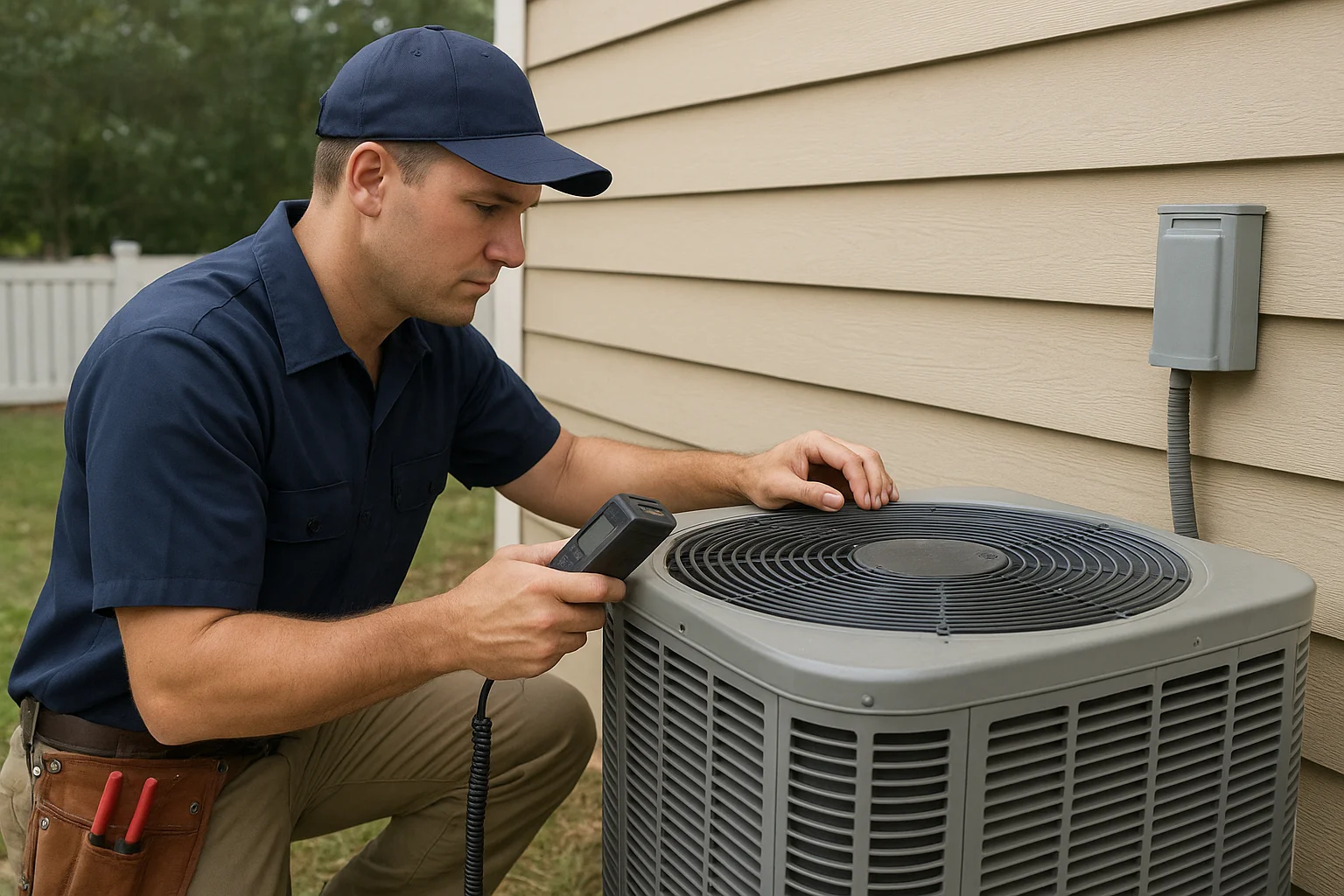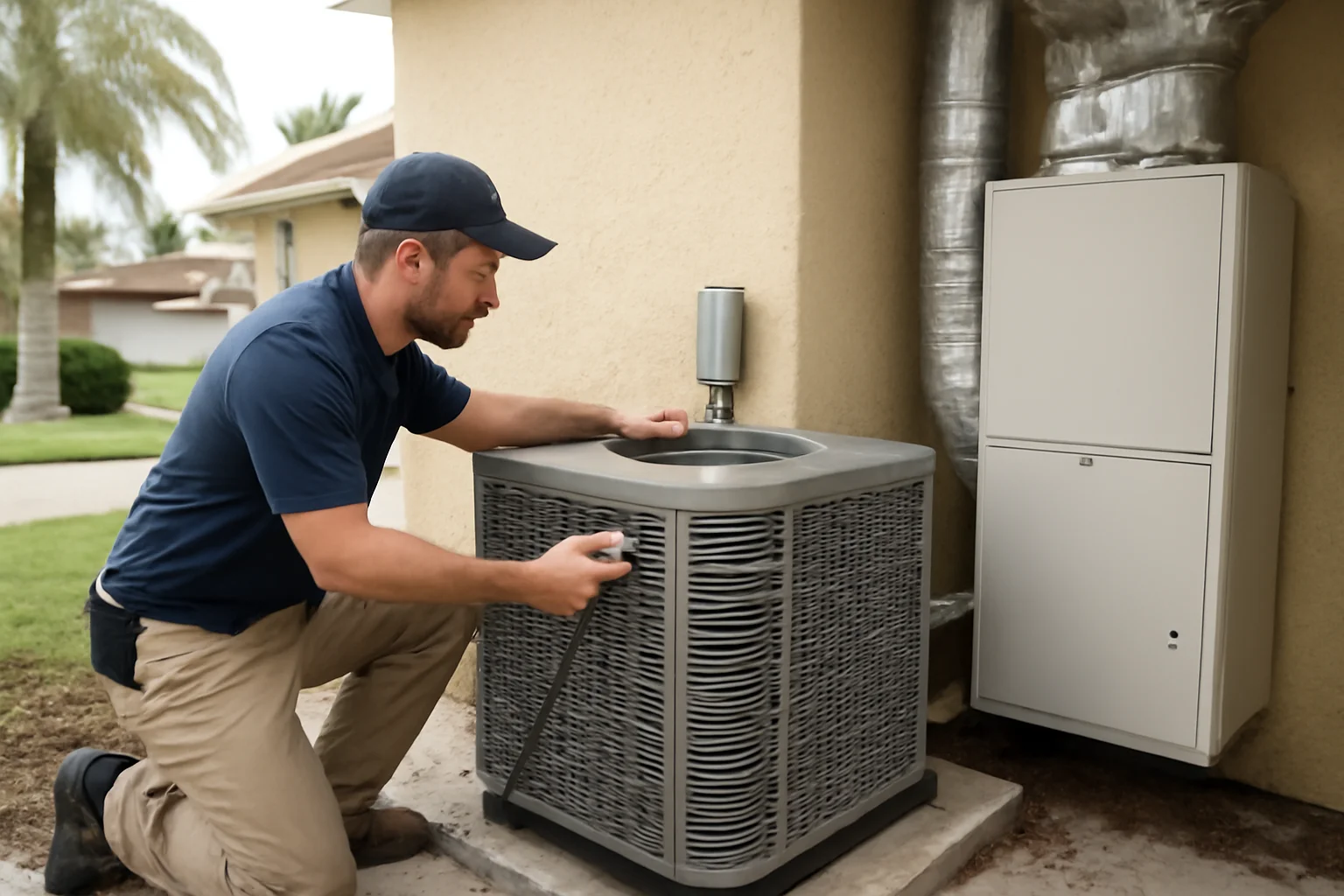
Shalimar, FL air conditioning has to work hard. Long, humid summers, salty coastal air, and frequent temperature swings can push HVAC systems beyond what homeowners expect. The good news is that better HVAC maintenance makes air conditioning inspection results more useful and more actionable, especially when you are trying to improve airflow and reliability before the hottest weeks arrive.
If you are searching for air conditioning inspection in Shalimar, FL, this guide explains how routine care helps technicians inspect the right things, spot problems earlier, and recommend the right next steps for your home or property.
Why Shalimar HVAC systems need inspection that is supported by maintenance
Air conditioning inspection is not just a quick look at the thermostat and a glance at the outdoor unit. In Shalimar, your system operates in a high-moisture environment where humidity management, airflow balance, and condensate drainage all matter. When maintenance is consistent, the inspection becomes more precise because the technician can compare what they see today to what the system is supposed to do.
Here is what local conditions tend to stress:
- Humidity and airflow demands: When airflow is restricted, indoor humidity rises, comfort drops, and the system can cycle more often.
- Salt air exposure: Coastal air can accelerate corrosion on outdoor coils and metal components, impacting heat transfer and reliability.
- Florida heat: Peak cooling loads can expose weaknesses that were “fine” in milder weather.
- Condensate drainage: If condensate drainage is partially blocked, moisture can build up and affect indoor air quality.
That is why homeowners often see better outcomes when preventive HVAC maintenance and air conditioning inspection are treated as a connected process, not separate events.
How preventive maintenance improves your AC inspection
When an HVAC system is maintained, inspection findings are easier to interpret. Instead of guessing whether a problem is new or just worsening, your technician can focus on root causes and system behavior. Several maintenance habits directly support smarter air conditioning inspection.
1) Clean airflow paths make inspection readings more meaningful
Airflow is the backbone of air conditioning performance. During an inspection, technicians evaluate the indoor and outdoor airflow components because airflow affects temperature drop across the evaporator coil, humidity control, and energy use.
Maintenance supports this by reducing common airflow restrictions:
- Dust and debris on indoor components
- Outdoor coil buildup that limits heat transfer
- Filter issues that reduce circulation and strain the system
When airflow is stable, the inspection can more accurately identify whether a refrigerant system issue is likely, whether ductwork is causing imbalance, or whether the blower and controls are operating as intended.
2) Ductwork care helps technicians pinpoint comfort complaints
Shalimar homes often have ductwork layouts that can develop hot and cold spots over time. If ducts are poorly sealed, partially blocked, or undersized for the system’s needs, your AC can run longer to reach the thermostat setting.
Maintenance does not replace duct inspection near me, but it sets the stage for better diagnostics. During inspection, your technician can focus on airflow balance and comfort issues with less interference from unrelated problems.
If you are also dealing with odors, uneven temperatures, or visible dust, it may connect to indoor air quality concerns. For homeowners looking for residential HVAC service near me, pairing duct inspection with an AC inspection is often the most efficient path to clarity.
3) Thermostat checks reveal whether the system is being controlled correctly
A thermostat that is out of calibration, responding slowly, or programmed in a way that conflicts with how the system actually runs can create unnecessary cycling. That cycling can increase wear on the system and make it harder to evaluate performance during an air conditioning inspection.
Maintenance-supported inspections include thermostat verification and operational checks. If it makes sense for your home, you may also explore smart thermostats to improve scheduling and comfort control.
For homeowners searching for thermostat installation near me, it is worth remembering that a thermostat upgrade should complement, not replace, a thorough air conditioning inspection.
4) Condensate drainage maintenance reduces moisture and indoor air quality issues
In humid climates, condensate drainage is a major part of reliability. During cooling, moisture forms on the evaporator coil. If condensate drainage is restricted by algae, debris, or an aging drain line, water can back up and create problems that affect comfort and indoor air quality services.
When drainage is maintained, your inspection can better identify whether the system is actually managing humidity as designed. This is especially important for homes that feel damp, have musty smells, or show signs of moisture near air handlers or interior vents.
Airflow problems: what inspectors look for in Shalimar
Airflow issues can look like “AC repair near me” problems, but the causes can vary. Better maintenance helps your technician narrow the list quickly by confirming what has changed and what is consistent.
Common airflow symptoms homeowners notice
- Weak airflow from vents even when the thermostat is calling for cooling
- Short cycling, where the system turns on and off more frequently than expected
- Humidity that stays high despite cooling
- Hot rooms or cold rooms that do not balance out
- Higher energy use because the system runs longer to reach the target temperature
What maintenance makes easier to diagnose
During air conditioning inspection, professionals evaluate airflow across indoor components, check air movement consistency, and inspect related system parts. Maintenance helps because it reduces “noise” from preventable causes like neglected filters, clogged airflow pathways, or debris on components.
If a technician suspects ductwork restriction, they can recommend duct inspection rather than guessing. If the issue points to refrigerant system performance, the inspection can focus on confirming what is happening without jumping to conclusions.
Refrigerant system reliability: why inspections should be careful and local
Refrigerant systems are central to cooling performance, but they are also sensitive to conditions and airflow. Homeowners should be cautious about assumptions. A professional evaluation is the correct way to determine whether refrigerant system performance is part of the problem.
Better HVAC maintenance supports inspection by ensuring airflow and drainage are functioning correctly first. When airflow and condensate drainage are known to be in good shape, technicians can better interpret whether cooling performance issues are consistent with refrigerant system behavior.
During an inspection, a licensed HVAC contractor will follow safe, professional procedures. If refrigerant concerns exist, the system should be evaluated in person before any diagnosis or next step is recommended.
Corrosion and coastal exposure: how salt air affects inspection results
Shalimar’s proximity to the coast means salt air can accelerate corrosion on outdoor units and metal components. Over time, corrosion can reduce heat transfer and contribute to unreliable cooling performance.
Routine maintenance can help slow the buildup of corrosion-related issues, but it does not eliminate them. That is why air conditioning inspection should include a careful look at outdoor coil condition, airflow around the unit, and how the system responds under load.
Homeowners can also support reliability by keeping outdoor unit clearance reasonable and ensuring landscaping does not block airflow, which can otherwise turn into a recurring inspection problem.
Emergency cooling concerns in Florida heat: the role of early inspection
When the air conditioning system fails during peak heat, it becomes more than an inconvenience. It becomes a safety and comfort issue, especially for households with children, older adults, or anyone sensitive to heat.
Better maintenance and earlier air conditioning inspection help reduce the odds of mid-summer surprises. Even when a system is “running,” inspections can still identify wear patterns, airflow risks, and reliability concerns that may not show up immediately.
If your system is already acting up, do not wait for a full breakdown. Addressing issues during a planned inspection is often the smarter move than waiting until you need emergency cooling.
What homeowners can do between inspections to support reliability
You cannot replace professional service with DIY care, but you can improve the conditions that your technician will inspect. These steps are simple and practical for Shalimar homes.
Change or check filters on schedule
Filters affect airflow and energy use. If you have pets, allergies, or a higher dust load near coastal air, you may need to check filters more often. If a filter is dirty enough to restrict airflow, your AC inspection results can be less representative of true system performance.
Keep vents and returns clear
Furniture, rugs, and curtains can block airflow. In a humid climate, blocked airflow can also contribute to uneven temperature control and comfort complaints.
Watch condensate drainage clues
If you notice water where it should not be, a recurring wet spot, or odd musty odors, it can relate to condensate drainage. Those clues are useful for your technician during air conditioning inspection.
Track thermostat behavior
Note whether the system cycles frequently, struggles to reach the set temperature, or runs longer than expected. If you are considering smart thermostats, bring those observations to your inspection so settings and system behavior can be aligned.
When an inspection points beyond repair
Sometimes the inspection reveals that the system is near the end of its useful life or that the comfort and reliability issues are tied to factors that are not practical to fix. That is when homeowners start thinking about air conditioning replacement.
An inspection can help you understand the situation without rushing into equipment replacement. A professional evaluation matters because the best path depends on indoor comfort goals, ductwork condition, airflow needs, humidity control, and how the system has been maintained.
If you also have multi-zone comfort needs, you may explore options like ductless mini-splits as part of a broader comfort plan. A technician can help you compare approaches based on your home layout and inspection findings.
Why a local licensed HVAC contractor matters in Okaloosa County
Local HVAC service matters because Shalimar homes share similar climate pressures: humidity, coastal exposure, and summer cooling loads that can stress systems quickly. A contractor familiar with Okaloosa County conditions can tailor inspection priorities and interpret system behavior in context.
When homeowners search for licensed HVAC contractor near me or commercial HVAC service near me, they often want someone who can handle both residential comfort and property reliability. For vacation rentals and commercial spaces, consistent cooling and indoor air quality are critical to guest experience and day-to-day operations.
If you manage a property in Shalimar, you can also review city-specific service coverage on our Shalimar page and broader options across Okaloosa County.
A connected plan: maintenance, inspection, and the next right step
Think of HVAC maintenance as the foundation and air conditioning inspection as the diagnostic tool that confirms how that foundation is holding up. In Shalimar, humidity, salt air, and Florida heat can quickly turn minor issues into reliability concerns. When maintenance is consistent, inspection becomes smarter because technicians can focus on real changes rather than trying to account for preventable problems.
If you are planning for the season, scheduling an air conditioning inspection supported by maintenance is a practical way to improve airflow, reduce indoor humidity problems, and address refrigerant system concerns safely through proper evaluation.
For homeowners who want to prevent avoidable surprises, these reads can help you connect maintenance habits with real-world outcomes: Keeping Shalimar Properties Comfortable Without Surprise HVAC Problems and Seagrove Beach Comfort Clues That Point to a Better Air Conditioning Inspection. If you are comparing process details across nearby areas, What to Expect From Air Conditioning Inspection in Parker, FL and What Laguna Beach Homeowners Should Know About Air Conditioning Inspections and Catching Problems Early offer additional perspective.
When you are ready to schedule, start with A Superior Mechanical air conditioning inspection in Shalimar, FL so your system can be evaluated thoroughly for airflow, reliability, indoor air quality, and cooling readiness.
Find Air Conditioning Inspection in Shalimar, FL
If you need Air Conditioning Inspection in Shalimar, FL, visit our local service page or contact A Superior Mechanical today.
Map of Shalimar, FL
Frequently Asked Questions
How often should Shalimar homeowners schedule AC inspection?
Many homeowners schedule air conditioning inspection before the hottest months and again as needed based on system age, comfort issues, and how the unit performs. If your home has recurring humidity problems or uneven airflow, inspections may be worth doing more consistently.
Can better HVAC maintenance prevent AC repair calls during Florida heat?
Preventive HVAC maintenance can reduce the likelihood of sudden breakdowns by keeping airflow, condensate drainage, and system operation in better condition. While it cannot guarantee zero repairs, it helps catch reliability concerns earlier during an air conditioning inspection.
What does an air conditioning inspection in Shalimar usually focus on?
A thorough inspection typically includes system operation, airflow and comfort performance, condensate drainage behavior, thermostat control, and checks that help evaluate overall reliability. If ductwork issues or indoor air quality concerns are suspected, the technician may recommend duct inspection.
If my AC runs but the house is still humid, does that mean refrigerant is low?
Not necessarily. Humidity can be caused by restricted airflow, ductwork imbalance, condensate drainage problems, or control issues. A professional in-person evaluation is needed to determine what is actually driving the comfort problem.
Should I replace my AC if the inspection finds a problem?
Not always. Air conditioning inspection results guide the next step, which could be repair, ductwork attention, thermostat updates, or other adjustments. Equipment replacement is only appropriate after an in-person professional evaluation of the system’s condition and your home’s comfort needs.
Related Articles
- Keeping Shalimar Properties Comfortable Without Surprise HVAC Problems
- Seagrove Beach Comfort Clues That Point to a Better Air Conditioning Inspection
- What to Expect From Air Conditioning Inspection in Parker, FL
- What Laguna Beach Homeowners Should Know About Air Conditioning Inspections and Catching Problems Early
Photo Gallery