Blue Mountain Beach homes sit close to the water, and that means plumbing systems work hard. Between everyday water use, seasonal humidity, and hard water effects, leaks can develop quietly. The trouble is that a small leak in the wrong place can turn into a slab leak repair job, sewer line issue, or costly water damage before you notice anything obvious.
This homeowner’s guide explains how to catch plumbing problems early, what to look for, and why leak detection near Blue Mountain Beach often needs a professional approach. If you’re searching for a leak detection and slab leak service in Blue Mountain Beach, the steps below help you understand what’s happening and what questions to ask.
Why slab leaks can stay hidden in Blue Mountain Beach
A slab leak happens when a water line under a concrete slab develops a failure. The leak may be slow, so you don’t see puddles right away. Instead, water can travel through soil, saturate areas underneath, and create conditions that are hard to spot from the surface.
In Blue Mountain Beach, the combination of older plumbing runs in some homes, salt-air corrosion exposure, and fluctuations in moisture levels can contribute to plumbing wear. Hard water can also accelerate scale buildup and stress pipe joints over time. When leaks start, they may show up as:
- Subtle changes in water pressure
- Unexpected spikes in water bills
- Moisture along exterior walls or near landscaping
- Cracks in tile, drywall, or flooring that appear gradually
- Musty odors in areas where no plumbing fixture is running
Quick checks homeowners can do today
You do not have to be a plumber to notice patterns. These checks are especially helpful when you suspect a leak but cannot see where it’s coming from.
1) Do a simple water meter test
Turn off all water inside your home. Then watch your water meter for 10 to 20 minutes. If the meter moves, water is still running somewhere. This is one of the clearest indicators that you may need plumbing leak repair and professional leak detection near Blue Mountain Beach.
If the meter test points to a leak but you cannot find it at a visible pipe, a slab leak becomes more likely.
2) Pay attention to water pressure changes
Many homeowners in Walton County notice that plumbing feels different before they notice damage. A slab leak can reduce pressure at certain fixtures, cause intermittent flow, or create a “stuttering” effect when faucets are running. Compare pressure at a few fixtures, such as your kitchen sink and a bathroom faucet.
If you also notice air in the lines, frequent pressure cycling, or pressure drop after showers, that’s a strong clue your system may be compromised.
3) Look for signs around fixtures and hidden wet spots
Start with visible areas:
- Toilets: check for a running toilet repair need by listening for refilling or using a food coloring test
- Faucets: look for drips at the base and water pooling under sinks
- Water heater connections: watch for dampness around valves and the base of the unit
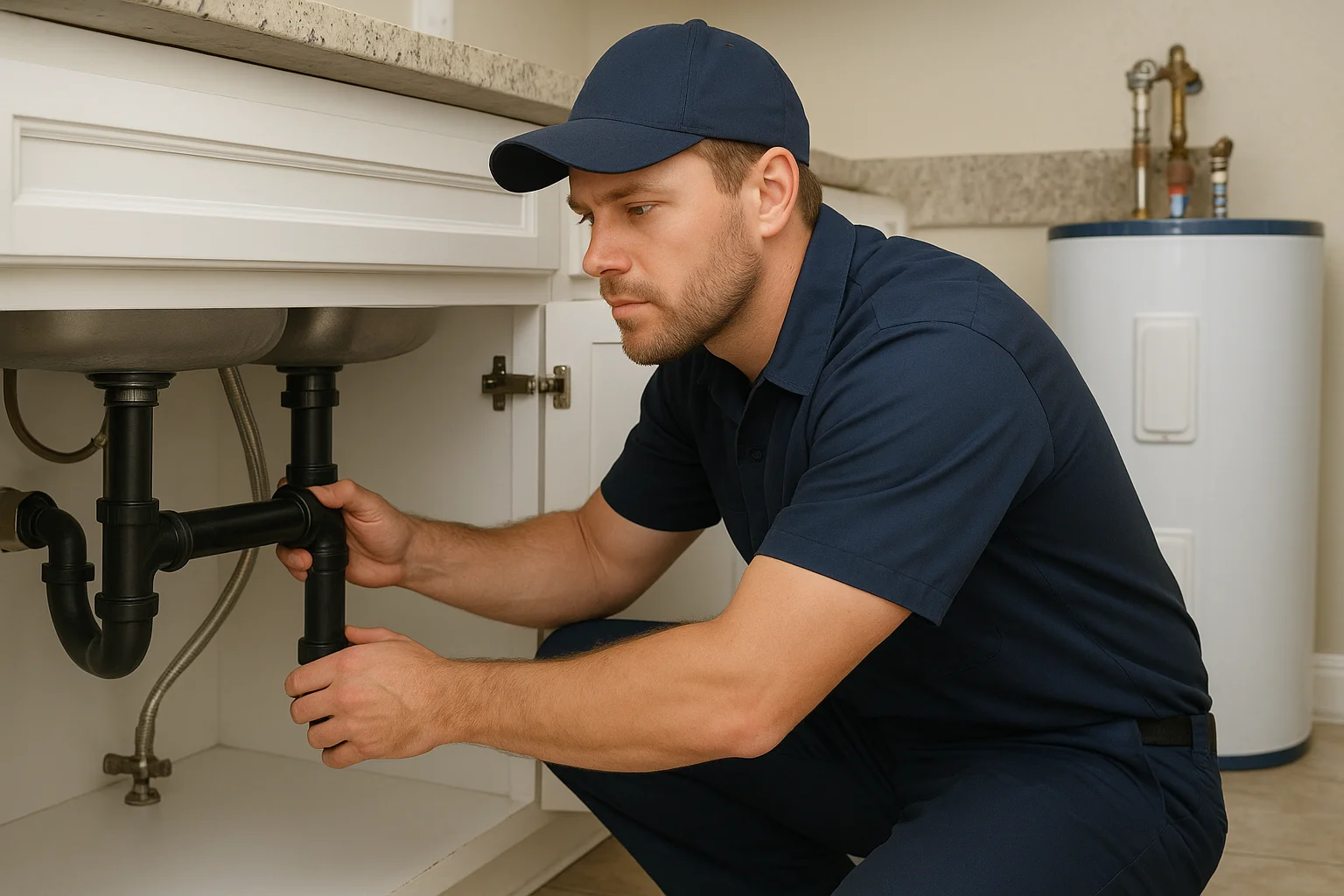
- Under-sink traps: confirm that drain fittings are dry
Then expand to less obvious places. Moisture near exterior foundation areas, damp drywall corners, and recurring wet spots after sprinklers run can point to a hidden leak under the slab or a pipe near the perimeter.
4) Track your water use patterns
Blue Mountain Beach homes often run sprinklers or manage landscaping around humid months. When sprinklers are off, compare your typical water use to current bills. A steady increase without a change in household habits can be a sign of a leak.
For homeowners searching for “plumbing services near me” because their bills keep rising, a baseline meter check and fixture check can help you describe the problem clearly to a licensed plumber.
Common causes of leaks in local homes
Understanding likely causes makes leak detection more targeted and faster.
Pipe aging, joint failures, and corrosion
Older homes may have plumbing installed decades ago. Even if pipes look intact, joints can fail. Corrosion can weaken lines, especially where water chemistry and humidity accelerate wear. Hard water increases mineral deposits that can stress pipe interiors and contribute to leaks over time.
Temperature swings and seasonal moisture
While Florida is not known for deep winter freezes, temperature and humidity shifts still affect plumbing materials. Expansion and contraction can stress connections. Moisture changes around the foundation can also mask the source of a leak.
Drain clogs that lead to pressure problems
Sometimes what feels like a leak is actually a drain problem. When drains are partially blocked, water backs up, slow-drains, or overflows at fixtures. That can create water damage under sinks and near slab areas where drain lines run.
If you’re dealing with a slow kitchen sink drain or recurring bathroom sink issues, everyday plumbing wear and tear in the area can help explain why blockages form and how they progress.
Sewer line stress and shifting soil
Some homeowners confuse sewer line repair with water line leaks. A failing sewer line can cause bad odors, slow drains, and gurgling sounds. If multiple drains struggle at once, it may not be a single fixture issue. When you notice symptoms consistent with a sewer line problem, it’s smart to seek local plumbing support that can assess the full drainage system, not just a single drain.
How professionals detect hidden leaks and slab leaks
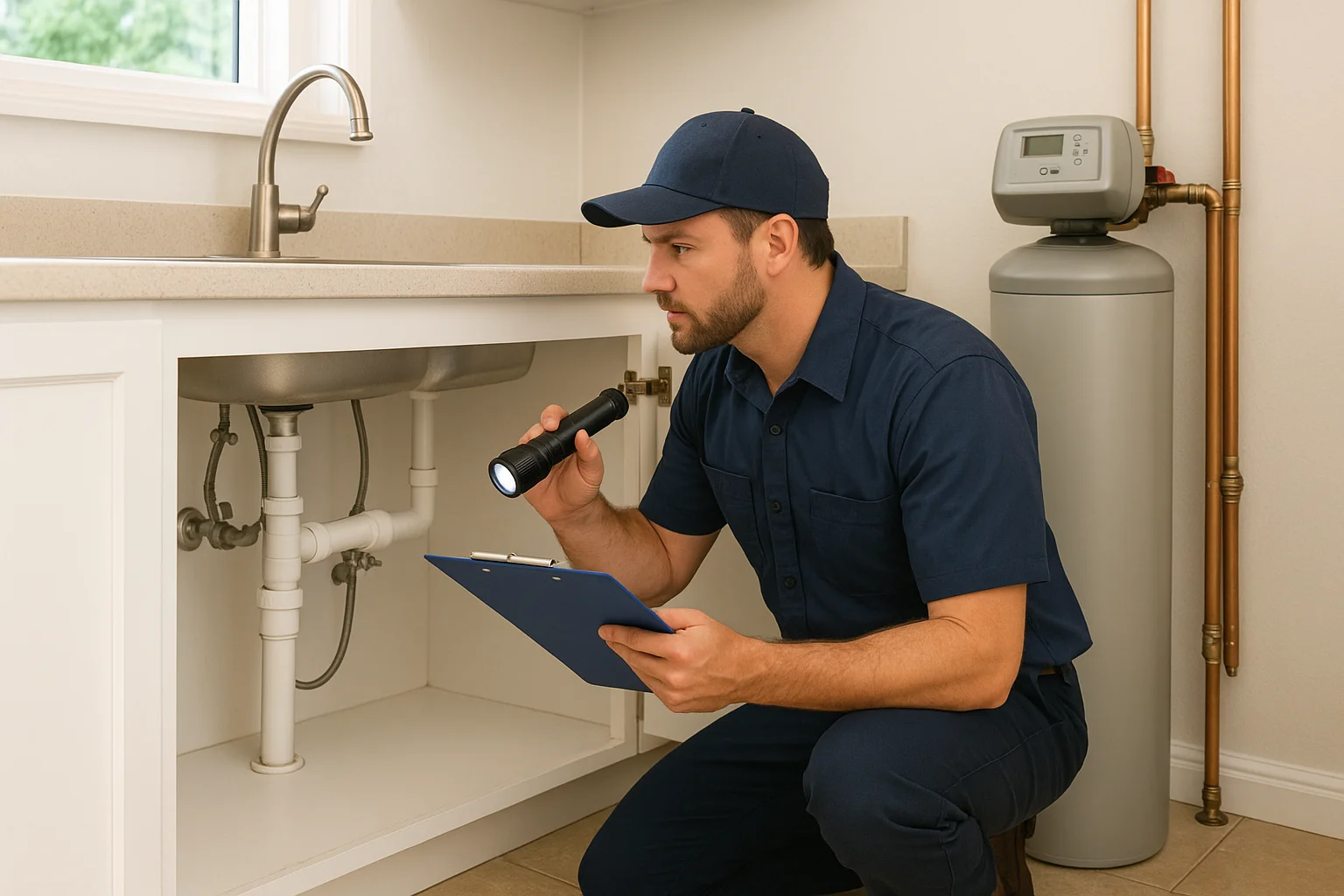
Visible leaks are easier to spot, but slab leaks are different. Professional leak detection uses methods that find the source without unnecessary demolition.
Non-invasive listening and pressure-based testing
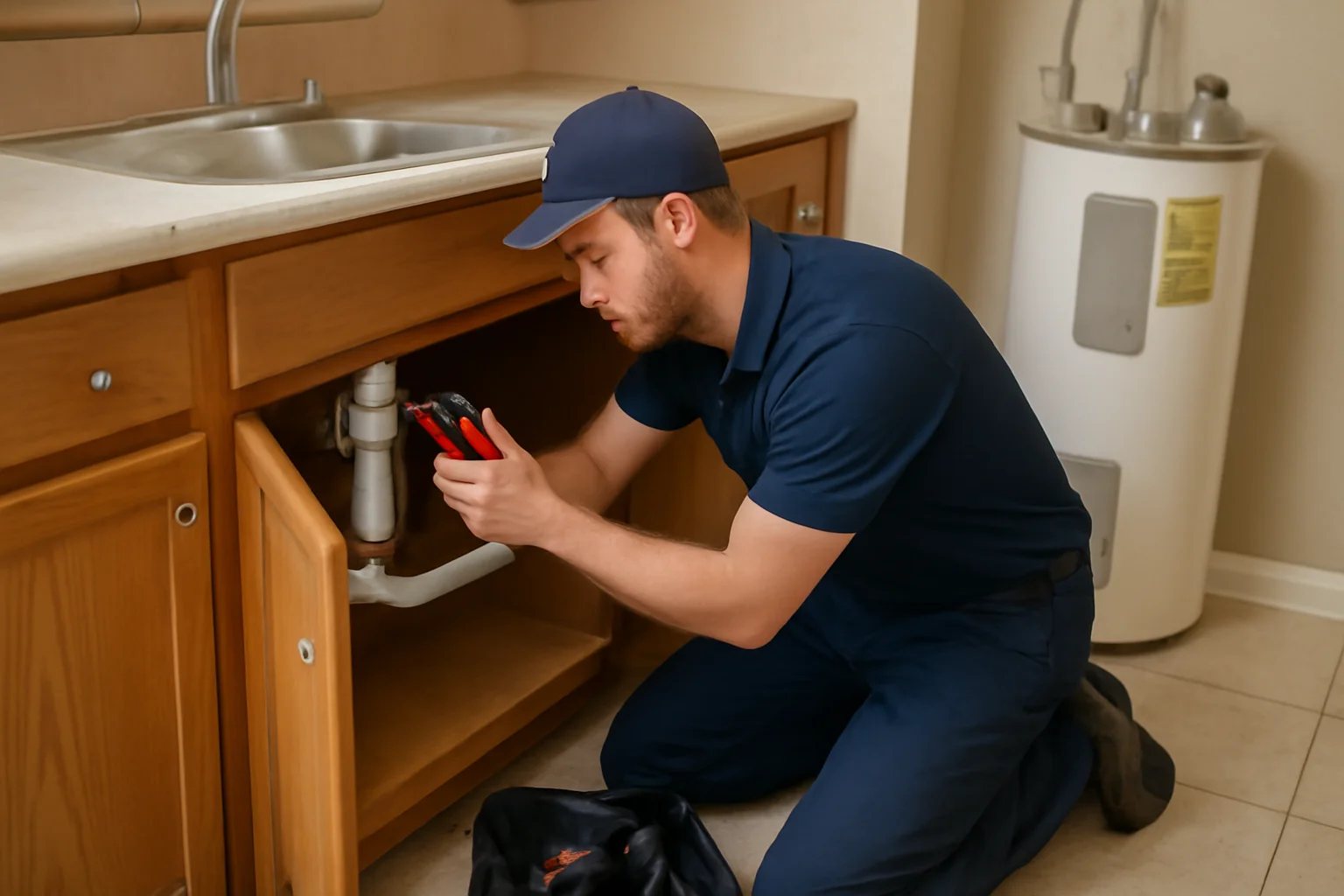
Technicians can often use specialized equipment to listen for leak sounds within plumbing systems. Pressure testing can also show where a loss of pressure is occurring. These methods help narrow down whether the issue is on a supply line, a branch line, or within a slab area.
Thermal and moisture mapping
Moisture and temperature patterns can reveal where water is traveling underground. This is especially useful when a leak is slow and the surface damage is minimal. If you’ve seen damp drywall patches or cracks that keep returning, mapping can help pinpoint what’s behind the pattern.
Coordinating detection with repair planning
Leak detection should be followed by a repair plan that matches the problem. That is where homeowners benefit from working with a team that can handle plumbing repair, not just testing. If slab leak repair near Blue Mountain Beach is needed, the plan should prioritize long-term performance, minimize disruption, and address the underlying cause.
If you’re weighing options because you are searching for “licensed plumber near me,” look for a company that explains the diagnostic steps, discusses repair pathways, and does not rush straight to excavation without evidence.
Signs that point to a slab leak versus a fixture leak
Fixture leaks are usually easier to locate. Slab leaks are often more mysterious. Here are practical distinctions:
More consistent with slab leaks
- Water meter test shows usage when nothing is running
- Cracks in flooring or drywall that appear gradually
- Moisture near foundation areas without an obvious plumbing source
- Pressure drop that affects multiple fixtures
- Hot water issues that seem unrelated to the water heater
More consistent with fixture or drain leaks
- Water is visible at a faucet, toilet base, or supply line
- One sink or one bathroom shows recurring dampness
- Slow drains and gurgling are limited to one area
- Water heater leaks appear at the unit base or connections
Emergency plumbing concerns: act fast
Some plumbing problems should not wait. Even if you are unsure, treat these as urgent:
- A sudden, unexplained drop in water pressure
- Water pooling near walls or under flooring
- Electrical outlets near wet areas or persistent moisture indoors
- Toilet overflow or repeated running toilet behavior that cannot be corrected
- Severe sewer smells with multiple drains backing up
For emergency leak repair near me searches, the goal is to stop water loss quickly and prevent secondary damage. If a leak is actively damaging flooring or walls, shut off water to the affected area if you can do so safely, then contact a plumbing team right away.
Repair options and what homeowners should ask
Repair methods vary based on the leak location, pipe type, and whether the leak is on a supply line or a drain line. When discussing slab leak repair near Blue Mountain Beach, ask these practical questions:
- What diagnostic steps confirm the leak location?
- Is the issue on a water supply line, a drain line, or both?
- What repair method is planned and why?
- How do you protect nearby flooring, landscaping, and finishes?
- Will the repair address the cause, not just the symptom?
Homeowners in Walton County often want repairs that reduce the chance of repeat leaks. A good plan should include how the team will restore system integrity and monitor performance after the repair.
Preventing future leaks with local plumbing maintenance
Prevention is not about doing more work. It is about catching small issues before they become expensive. These habits help Blue Mountain Beach homeowners keep plumbing stable through humid months and high water use periods.
1) Maintain fixtures and watch for slow changes
Small drips add up. If you notice a faucet that keeps running or a toilet that refills repeatedly, schedule repair. Running toilet repair near me is common for a reason: a flapper or fill valve issue can waste a lot of water quietly.
For persistent issues, consider professional plumbing installation or fixture repair when parts are worn.
2) Use drain cleaning to prevent backups
Clogs are not just inconvenient. When drains back up, they can create pressure that stresses nearby pipes. Drain cleaning near me searches often spike when kitchen sink drain repair becomes urgent.
If you have recurring slow drains, gurgling, or soap scum buildup, periodic professional cleaning can reduce the risk of drain line problems and help prevent emergency calls.
3) Keep an eye on the water heater
A leaking water heater can look like a different plumbing issue, especially if the water heater sits near a slab edge or shared plumbing lines. Homeowners searching for water heater services should also ask the technician to check nearby connections for dampness or corrosion.
If you are planning water heater replacement, homeowners searching for “water heater installation near me” should confirm the right size, correct venting, and proper connection checks to prevent future leaks.
For homeowners who may need help managing costs, you can explore Plumbing Financing options.
4) Manage water pressure appropriately
High water pressure can stress pipes and fittings. If your home experiences pressure spikes, consider having a plumber check the pressure regulator. This can be part of plumbing maintenance near me plans, especially if you notice leaks after periods of heavy water use.
5) Don’t ignore sewer line symptoms
When multiple drains struggle, there is a gurgling sound, or you notice persistent odors, sewer line help may be needed. Addressing these issues early can prevent more extensive repairs later. For homeowners searching for sewer line repair near me, the best approach is a diagnostic assessment that identifies the problem area and severity.
Local context: why timing matters in Walton County
Blue Mountain Beach has a coastal environment with humid conditions and high demand on water systems. When leaks go unnoticed, they can worsen faster than homeowners expect. Moisture can spread through flooring and framing, and early intervention can reduce the chance that repairs expand from a plumbing repair to a larger restoration project.
If you want to understand how local homes experience these issues, read What Blue Mountain Beach Homeowners Should Know About Leak Detection and Slab Leaks. It covers how hidden leaks develop and why the diagnostic process matters as much as the repair itself.
You can also explore more about services available in the area on the Blue Mountain Beach service area page, or browse broader options on Walton County for additional plumbing support.
How to choose a plumber for leak detection in Blue Mountain Beach
When you search “plumbing services near me” for leak detection, you are looking for more than availability. The right plumber should be able to explain the problem clearly, use appropriate diagnostics, and coordinate repair steps that protect your home.
Look for a team that:
- Uses non-invasive methods when possible
- Can identify whether you have a supply leak, drain issue, or sewer line problem
- Offers clear repair options and timelines
- Works respectfully around occupied homes and rentals
- Understands the local realities of Blue Mountain Beach plumbing, from water chemistry to typical home layouts
When homeowners need help quickly, A Superior Mechanical provides fast, non-invasive leak detection and slab leak repair in Blue Mountain Beach, FL, serving homes, rentals, and businesses across Walton County.
Small actions that prevent big damage
Better leak detection starts with attention to patterns. If your water bill rises, water pressure feels off, or you notice recurring dampness, treat it as plumbing repair information, not a mystery. The earlier you confirm the source, the better chance you have of limiting damage.
If you suspect a slab leak or hidden plumbing leak, consider scheduling diagnostic leak detection through this Blue Mountain Beach service page. For related plumbing needs, you can also explore Water Heater Installation or other local Plumbing Installation options.
Find Leak Detection and Slab Leak in Blue Mountain Beach, FL
If you need Leak Detection and Slab Leak in Blue Mountain Beach, FL, visit our local service page or contact A Superior Mechanical today.
Map of Blue Mountain Beach, FL
Frequently Asked Questions
How can I tell if I have a slab leak in my Blue Mountain Beach home?
A slab leak often shows up as a water meter moving when no fixtures are running, gradual pressure changes, damp spots near foundation areas, or cracks that slowly worsen. A professional leak detection test is the most reliable way to confirm the source.
What’s the difference between a slab leak and a sewer line problem?
Slab leaks usually involve water supply lines and may cause rising water bills, pressure changes, or moisture near the foundation. Sewer line problems typically cause slow drains, gurgling, backups, and odors. If multiple drains are affected, sewer line help may be needed.
Can hard water in Walton County cause leaks?
Hard water can contribute to mineral buildup and corrosion-related wear inside plumbing systems. Over time, this can stress components and increase the chance of joint failures or other plumbing problems that eventually lead to leaks.
Should I try to fix a suspected leak myself?
For visible drips or minor fixture issues, small repairs may be reasonable. For suspected slab leaks, DIY steps can delay the correct diagnosis and increase damage. Professional leak detection helps pinpoint the problem before unnecessary demolition.
When is leak detection considered an emergency?
Act quickly if you notice pooling water, sudden pressure drops, repeated toilet overflow, multiple drains backing up, or persistent dampness indoors. Emergency leak repair near me situations often require fast shutoff and diagnostic testing to prevent further damage.
Related Articles
- What Blue Mountain Beach Homeowners Should Know About Leak Detection and Slab Leaks
- How everyday plumbing wear and tear shapes sewer and drain problems in Blue Mountain Beach
- Keeping Blue Mountain Beach Homes Ahead of Electrical Trouble
- A Practical Guide to Commercial Electric New Construction in Blue Mountain Beach, FL: Panels, Wiring, Outlets, and Prevention
Photo Gallery